


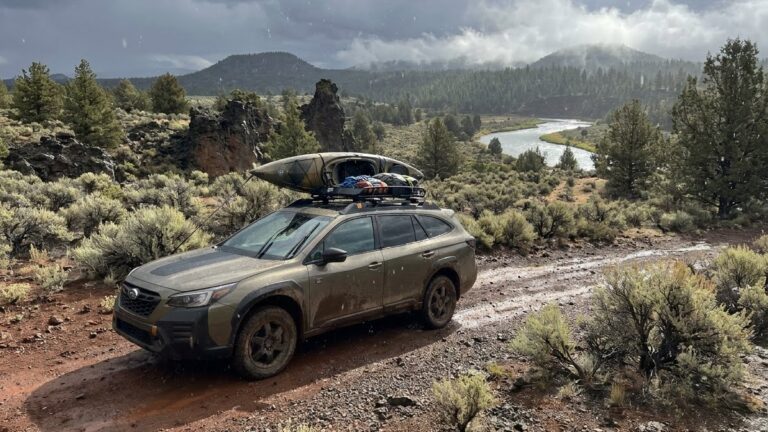
Living in Oregon means navigating a variety of weather conditions, from heavy rain to icy hills. Choosing the right vehicle can be essential for safety and comfort. If you’re in search of cars that can handle the Pacific Northwest’s challenges, you’ve come to the right place.
Here’s a curated list of the 8 best cars for Oregon’s weather lifestyle, emphasizing features like all-wheel drive, safety ratings, and fuel efficiency. Each vehicle is designed to provide comfort and performance, ensuring you stay safe and connected, whether you’re commuting in the rain or heading out for a snowy weekend adventure.
| Vehicle | Key Features | Price Range |
|---|---|---|
| Subaru Outback | AWD, High Safety Rating, Spacious Cargo | $28,000 – $40,000 |
| Toyota RAV4 | AWD, Fuel Efficient, High Safety Ratings | $27,000 – $37,000 |
| Honda CR-V | AWD, Spacious Interior, Advanced Safety Features | $28,000 – $36,000 |
| Mazda CX-5 | AWD, Stylish Design, High Safety Ratings | $26,000 – $37,000 |
| Jeep Grand Cherokee | 4WD, Off-Road Capabilities, Spacious | $38,000 – $60,000 |
| Kia Telluride | AWD, Family-Friendly, High Safety Ratings | $35,000 – $50,000 |
| Ford F-150 | AWD, Rugged Build, Versatile Features | $30,000 – $70,000 |
| Volvo XC90 | AWD, High Safety Ratings, Spacious | $50,000 – $75,000 |
Subaru Outback
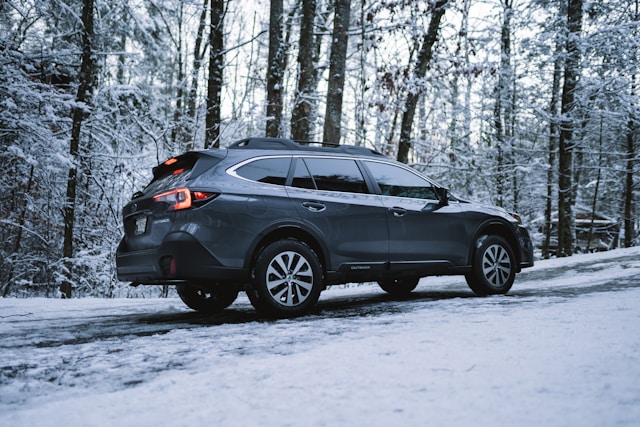
The Subaru Outback is an excellent choice for Oregon’s varied weather, featuring all-wheel drive and ample cargo space. Its outstanding performance in wet and snowy conditions makes it a top pick for both daily driving and outdoor adventures, aligning well with the lifestyle of Oregonians who enjoy nature.
- All-Wheel Drive (AWD): Standard on all models for enhanced traction on slippery roads.
- Ground Clearance: 8.7 inches, ideal for handling rough terrains and snow.
- Interior Space: Up to 75.7 cubic feet of cargo space with the rear seats down, perfect for gear transport.
- Safety Ratings: High IIHS safety ratings ensure peace of mind during adverse weather.
Best Use Case
The Outback is versatile for outdoor enthusiasts, families, and commuters. Its blend of utility, safety, and comfort makes it a reliable choice for navigating Oregon’s diverse landscapes, from city streets to mountain trails.
Toyota RAV4
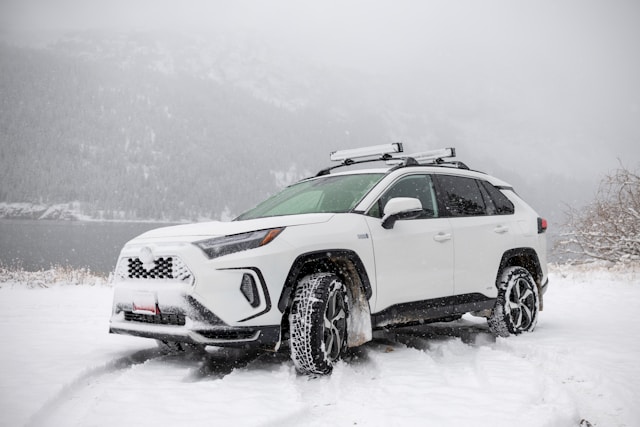
The Toyota RAV4 is well-suited for Oregon’s unpredictable weather, offering all-wheel drive, a spacious interior, and robust safety features. Its reliability and versatile performance make it ideal for both urban driving and outdoor adventures.
- All-Wheel Drive (AWD): Excellent traction on wet roads, crucial for Oregon’s rainy climate.
- Fuel Efficiency: The hybrid version achieves up to 40 MPG, economical for commutes and trips.
- Interior Space: Up to 69.8 cubic feet of cargo room for transporting gear or groceries.
- Safety Ratings: High marks from IIHS and NHTSA ensure peace of mind on the road.
Best Use Case
The RAV4 excels as a family vehicle, providing comfort and space for weekend getaways while maintaining agility for city driving. Its AWD is adept for snowy mountain trips in winter or muddy trails in spring.
Honda CR-V
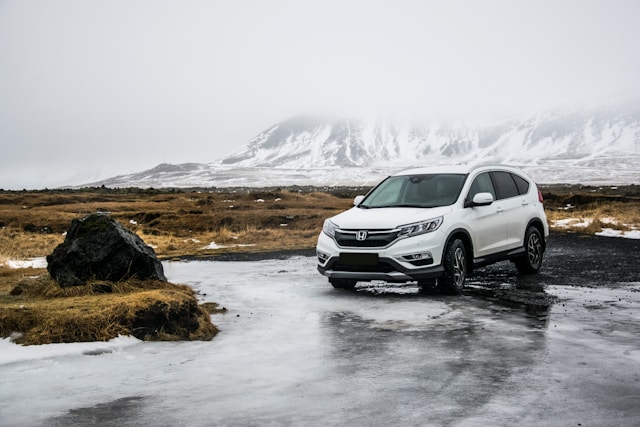
The Honda CR-V is known for its exceptional versatility and reliability, making it a strong contender for Oregon’s weather. With available all-wheel drive, it confidently handles rain-soaked roads and snowy mountain passes.
- AWD Availability: Most models feature AWD for enhanced traction in wet conditions.
- Fuel Efficiency: Average around 28–34 MPG, beneficial for long drives.
- Spacious Interior: Up to 75.8 cubic feet of cargo space for outdoor adventures.
- Advanced Safety Features: Honda Sensing suite includes adaptive cruise control and collision mitigation.
Best Use Case
The CR-V is perfect for families and outdoor enthusiasts who need a dependable vehicle for Oregon’s varied terrains, providing comfort and safety for passengers.
Mazda CX-5
The Mazda CX-5 balances all-wheel drive capabilities with fuel efficiency, making it suitable for Oregon’s weather. Designed for rainy conditions and occasional snow, this compact SUV offers a secure driving experience.
- All-Wheel Drive: Standard on most models for enhanced traction.
- Fuel Efficiency: Competitive at 24–28 MPG, economical for long drives.
- Interior Comfort: Spacious cabin with quality materials for comfort on long journeys.
- Safety Ratings: High safety ratings provide peace of mind in adverse weather.
Best Use Case
The Mazda CX-5 is ideal for outdoor enthusiasts needing a vehicle that handles unpredictable weather while providing cargo space for gear. Its compact size is great for city streets and narrow mountain roads.
Jeep Grand Cherokee
The Jeep Grand Cherokee is a robust choice for Oregon’s challenging weather. With a capable four-wheel-drive system and ample ground clearance, it navigates rainy streets and snowy trails effortlessly.
- Four-Wheel Drive (4WD): Advanced systems enhance traction on slippery surfaces.
- Ground Clearance: About 8.6 inches, suitable for deep snow and rough terrain.
- Interior Space: Spacious seating for five and plenty of cargo room for outdoor equipment.
- Safety Features: Includes lane-keeping assist and adaptive cruise control for added security.
Best Use Case
The Grand Cherokee is reliable for outdoor activities like skiing or hiking, while also serving as a practical family car. Its comfort and performance make it a great choice for Oregon’s variable climate.
Kia Telluride
The Kia Telluride is a fantastic option for Oregon’s weather, featuring a robust all-wheel-drive system and a spacious interior, perfect for family outings and adventures.
- All-Wheel Drive (AWD): Intelligent system enhances traction on slippery surfaces.
- Interior Space: Three rows accommodate families and gear for weekend trips.
- Safety Features: Advanced technologies like lane-keeping assist and blind-spot monitoring.
- Fuel Efficiency: Respectable economy of about 20–26 MPG, balancing power and efficiency.
Best Use Case
The Telluride excels in both urban and rural environments, making it perfect for families who enjoy weekend getaways in Oregon’s wilderness.
Ford F-150
The Ford F-150 is a versatile choice for Oregon’s diverse weather, combining rugged capability with advanced technology. Its robust build is ideal for navigating from rainy city streets to snowy mountain passes.
- All-Wheel Drive Options: Many models come with AWD for better traction.
- Ground Clearance: About 9.4 inches, capable of handling deeper snow and rough terrain.
- Adaptive Cruise Control: Helps maintain a safe distance, crucial in unpredictable weather.
- Engine Choices: Includes fuel-efficient EcoBoost options for better performance.
Best Use Case
The F-150 is perfect for those needing a reliable workhorse that doubles as a family vehicle, particularly suited for outdoor activities like camping or skiing.
Volvo XC90
The Volvo XC90 is an exceptional choice for Oregon’s weather, offering safety, comfort, and capability. Its all-wheel-drive system and impressive ground clearance make it reliable for rainy days and snowy passes.
- All-Wheel Drive: Enhances traction on wet or slippery roads.
- Safety Ratings: Consistently receives top scores in crash tests, ideal for families.
- Spacious Interior: Seats up to seven, providing ample space for families and gear.
- Advanced Technology: Features like adaptive cruise control and a robust infotainment system keep you connected.
Best Use Case
The XC90 is perfect for families and outdoor enthusiasts needing a vehicle for urban driving and weekend getaways. Its robust build and technology make it suitable for daily commutes and adventurous trips.
Understanding Oregon’s Diverse Weather Zones and What They Demand
Oregon isn’t a single-climate state — it’s a patchwork of dramatically different environments separated by mountains, valleys, and coastlines. Your ideal vehicle depends heavily on where in Oregon you live and drive. Understanding these zones helps you prioritize the right features before purchasing.
1. The Oregon Coast
The Oregon Coast receives some of the heaviest rainfall in the continental U.S., with certain areas logging over 100 inches per year. Driving along Highway 101 means dealing with persistent rain, ocean spray, sudden fog, and occasional flooding. Vehicles here benefit most from excellent wet-weather traction, reliable braking systems, and corrosion-resistant undercarriages.
2. The Willamette Valley
Home to Portland, Salem, and Eugene, the Willamette Valley sees mild but relentless rain from October through May. Black ice on bridges and overpasses is a genuine winter hazard. Most commuters here prioritize AWD compacts and mid-size SUVs that balance fuel efficiency with wet-road confidence.
3. The Cascade Mountain Range
Routes like Highway 20, Highway 26, and US-97 cross the Cascades regularly and can receive several feet of snow overnight. Passes like Santiam and Willamette require serious winter capability. Ground clearance, 4WD/AWD, and traction control are non-negotiable for anyone who crosses the Cascades regularly.
4. Eastern Oregon
East of the Cascades, the climate becomes high-desert: hot summers, cold winters, strong winds, and occasional blizzards. Long distances between towns make fuel efficiency and engine reliability especially critical. Pickup trucks and full-size SUVs dominate this region for good reason.
| Oregon Region | Primary Challenge | Top Vehicle Priority | Best Match From Our List |
|---|---|---|---|
| Oregon Coast | Heavy rain, fog, flooding | Wet-road traction, braking | Subaru Outback, Honda CR-V |
| Willamette Valley | Black ice, persistent rain | AWD, fuel efficiency | Toyota RAV4, Mazda CX-5 |
| Cascade Mountains | Heavy snow, icy passes | Ground clearance, 4WD | Jeep Grand Cherokee, Ford F-150 |
| Eastern Oregon | Blizzards, long distances | Reliability, fuel range | Ford F-150, Kia Telluride |
AWD vs 4WD vs FWD: Which Drivetrain Is Right for Oregon?
One of the most important — and most misunderstood — decisions Oregon drivers face is choosing the right drivetrain. All-wheel drive, four-wheel drive, and front-wheel drive each offer distinct advantages depending on where and how you drive.
All-Wheel Drive (AWD) — Best for Daily Oregon Driving
AWD systems automatically distribute torque to all four wheels as conditions change. They require no driver input and are always active, making them the ideal solution for Oregon’s unpredictable daily conditions — wet pavement, light snow, and muddy back roads. Every vehicle on our top-8 list either comes standard with or offers AWD.
Four-Wheel Drive (4WD) — Best for Oregon’s Mountain and Off-Road Terrain
Traditional 4WD systems lock power to all four wheels when engaged, delivering maximum traction for severe snow, deep mud, and rocky trails. The Jeep Grand Cherokee and Ford F-150 use advanced 4WD systems that offer selectable modes — ideal for Oregonians who regularly cross the Cascades or explore forest service roads.
Front-Wheel Drive (FWD) — Acceptable Only in Mild Oregon Zones
FWD vehicles handle light rain adequately and offer good fuel economy, but fall short on icy mountain roads or in deep snow. If you live and commute exclusively in the Willamette Valley lowlands and never venture into the mountains, FWD with quality all-season tires can work. For the majority of Oregon drivers, however, FWD is a compromise.
Drivetrain Performance Score for Oregon Conditions (out of 10)
AWD — Wet Roads
AWD — Light Snow / Ice
4WD — Deep Snow / Off-Road
4WD — Daily Commuting Efficiency
FWD — Wet Roads
FWD — Snow & Ice
■ AWD ■ 4WD ■ FWD | Scores reflect typical Oregon driving conditions
| Feature | AWD | 4WD | FWD |
|---|---|---|---|
| Wet Road Traction | Excellent | Very Good | Adequate |
| Snow / Ice Performance | Very Good | Excellent | Poor |
| Off-Road Capability | Good | Excellent | Poor |
| Fuel Efficiency | Good | Moderate | Best |
| Driver Input Required | None (automatic) | Some (engage/disengage) | None |
| Best Oregon Use | Daily driving statewide | Mountains & rural areas | Mild valley commuting only |
Electric and Hybrid Vehicles for Oregon’s Climate and Incentives
Oregon is one of the most EV-friendly states in the country, offering generous state rebates, an extensive charging network along I-5 and Highway 101, and a culture that values sustainable transportation. If you’re considering going electric or hybrid, Oregon’s infrastructure supports it better than almost anywhere else in the nation.
Why EVs Work Well in Oregon
- Oregon Clean Vehicle Rebate: Eligible buyers can receive up to $2,500 in state rebates on top of federal tax credits.
- Regenerative Braking: EVs use regenerative braking that improves performance on wet, hilly Oregon roads while recovering energy.
- Low Center of Gravity: Battery placement gives most EVs excellent handling stability on wet and winding roads.
- Reduced Maintenance: Fewer moving parts mean less maintenance — a plus for rural Oregonians far from service centers.
- Cold Weather Consideration: Battery range can drop 20–30% in freezing temperatures; plan accordingly for mountain drives.
Top EV and Hybrid Options for Oregon Drivers
| Vehicle | Type | Range / MPG | AWD Available | Est. Price |
|---|---|---|---|---|
| Tesla Model Y | Full Electric | Up to 330 miles | Yes (Dual Motor) | $43,000 – $55,000 |
| Ford Mustang Mach-E | Full Electric | Up to 312 miles | Yes | $42,000 – $60,000 |
| Toyota RAV4 Hybrid | Hybrid | ~40 MPG combined | Yes (E-AWD) | $31,000 – $40,000 |
| Subaru Crosstrek PHEV | Plug-In Hybrid | 17 mi EV + 35 MPG | Yes (Symmetrical) | $36,000 – $40,000 |
| Honda CR-V Hybrid | Hybrid | ~40 MPG combined | Yes (Real-Time AWD) | $33,000 – $40,000 |
For most Oregon drivers making primarily valley commutes with occasional mountain trips, a hybrid or plug-in hybrid offers the ideal compromise — electric efficiency for daily driving, with a gasoline engine for long-range mountain excursions where charging stations may be sparse.
Fuel Efficiency and Annual Cost of Ownership Comparison
Oregon drivers log an average of 12,000–15,000 miles per year. With Oregon’s gas prices typically tracking above the national average and the state’s strong hybrid and EV incentives, fuel efficiency is a major factor in the total cost of ownership. Here’s how our top picks compare over a typical 12,000-mile year at $3.80/gallon (a conservative Oregon estimate).
Estimated Annual Fuel Cost — 12,000 miles at $3.80/gal
Toyota RAV4 Hybrid (~40 MPG) — ~$1,140/yr
Honda CR-V (~31 MPG) — ~$1,470/yr
Mazda CX-5 (~26 MPG) — ~$1,754/yr
Subaru Outback (~28 MPG) — ~$1,629/yr
Kia Telluride (~23 MPG) — ~$1,983/yr
Jeep Grand Cherokee (~21 MPG) — ~$2,171/yr
Ford F-150 (~19 MPG) — ~$2,400/yr
Volvo XC90 (~21 MPG) — ~$2,171/yr
■ Best ■ Good ■ Moderate ■ Higher Cost | Estimates based on EPA combined MPG ratings
Beyond fuel, consider these ownership cost factors specific to Oregon drivers:
- Tire replacement frequency increases on gravel and forest roads — budget for all-season or winter tire sets.
- Undercoating and rust prevention are worthwhile investments for coastal drivers exposed to salt air.
- Oregon vehicle registration fees are weight-based — heavier trucks and SUVs cost more annually to register.
- Comprehensive insurance premiums tend to be lower for vehicles with high safety ratings (IIHS Top Safety Pick+).
- EV charging costs in Oregon average $0.12–$0.15 per kWh, making electric operation significantly cheaper than gasoline.
Must-Have Safety Features for Oregon Roads
Oregon’s roads present unique hazards beyond simple rain and snow. Deer crossings on rural highways, sudden fog banks on the coast, and steep canyon roads in the Siskiyous all demand modern safety technology. When evaluating any vehicle for Oregon, prioritize these systems:
Tier 1 — Essential Safety Tech (Must-Have)
- Automatic Emergency Braking (AEB): Detects obstacles and applies brakes autonomously. Critical on wet Oregon roads where stopping distances increase by 30–40%.
- Stability Control (ESC): Prevents skidding during sudden steering corrections on wet or icy surfaces. Now standard on all new vehicles, but older used models may lack it.
- Traction Control System (TCS): Works alongside AWD to prevent wheel spin during acceleration on slippery surfaces.
- Lane Departure Warning + Lane Keep Assist: Reduces drift risk on Oregon’s often-unmarked or rain-obscured rural lane markings.
- Forward Collision Warning: Alerts you to closing distances with traffic ahead — invaluable in sudden coastal fog.
Tier 2 — Highly Recommended for Oregon
- Blind Spot Monitoring: Particularly useful on Oregon interstates and two-lane highways with limited visibility from moisture or fog.
- Rear Cross-Traffic Alert: Helps in tight parking areas common in Portland, Bend, and Eugene.
- Adaptive Cruise Control: Maintains safe following distances in freeway rain conditions automatically.
- High-Beam Assist: Automatically adjusts headlights on Oregon’s unlit rural roads.
- Deer / Large Animal Detection: Emerging feature that alerts drivers to animals near road edges — highly relevant in Eastern Oregon and Cascades.
| Vehicle | IIHS Rating | Standard Safety Suite | Adaptive Cruise |
|---|---|---|---|
| Subaru Outback | Top Safety Pick+ | EyeSight (standard) | Yes |
| Toyota RAV4 | Top Safety Pick+ | Toyota Safety Sense (standard) | Yes |
| Honda CR-V | Top Safety Pick+ | Honda Sensing (standard) | Yes |
| Mazda CX-5 | Top Safety Pick+ | i-Activsense (standard) | Yes |
| Jeep Grand Cherokee | Top Safety Pick | SafetyTec Group (optional) | Optional |
| Kia Telluride | Top Safety Pick+ | Kia Drive Wise (standard) | Yes |
| Ford F-150 | Top Safety Pick | Ford Co-Pilot360 (standard) | Yes (BlueCruise opt.) |
| Volvo XC90 | Top Safety Pick+ | Pilot Assist (standard) | Yes |
Seasonal Vehicle Preparation Guide for Oregon Drivers
Owning the right vehicle is only half the equation. Keeping it properly prepared throughout Oregon’s distinct seasons ensures you get the performance your vehicle is capable of — and the safety your family depends on.
🍂 Fall (September – November): Transition Readiness
- Inspect and replace wiper blades before the rains arrive — Oregon’s persistent autumn drizzle will immediately expose any worn-out blades.
- Check tire tread depth; if below 4/32″, consider switching to all-season or winter tires before November mountain travel.
- Test your AWD/4WD system in a safe area before you need it in an emergency.
- Check battery health — cold weather significantly reduces battery cranking power, especially for older vehicles.
❄️ Winter (December – February): Maximum Preparedness
- Carry an emergency kit: blanket, ice scraper, small shovel, jumper cables, sand or kitty litter for traction, and a flashlight.
- ODOT’s TripCheck.com should be bookmarked on your phone for real-time road conditions on Cascade passes.
- Many Oregon mountain passes require chains or traction tires — know the law and carry chains even in AWD vehicles for Traction Law compliance.
- Reduce tire pressure slightly in freezing temperatures to increase contact patch (check your owner’s manual for guidance).
- EV drivers: pre-condition your battery while still plugged in to maximize winter range.
🌸 Spring (March – May): Post-Winter Recovery
- Inspect undercarriage for rust or damage from winter road salt used in mountain communities.
- Check brakes — cold, wet winter driving accelerates brake pad wear more than dry conditions.
- Rotate and inspect tires after the heavy-use winter season.
- Clean and restock your emergency kit for spring hiking and camping season.
☀️ Summer (June – August): Heat and Wildfire Smoke Readiness
- Check your cabin air filter — Oregon’s wildfire smoke season makes a fresh HEPA-rated cabin filter essential for air quality.
- Inspect coolant levels and hoses before driving in Eastern Oregon’s summer heat.
- If visiting coastal beaches, rinse your undercarriage after driving on sandy, salt-air areas near the ocean.
- Check AC performance before July heat sets in, particularly for mountain pass crossings with no shade.
How to Choose the Right Vehicle for Your Oregon Lifestyle
With so many strong options available, the right vehicle for Oregon ultimately comes down to your specific lifestyle, driving patterns, and priorities. Use this decision framework to narrow your choices before visiting a dealership.
Oregon Driver Lifestyle Matching Guide
| Your Profile | Primary Need | Top Recommendation | Runner-Up |
|---|---|---|---|
| Urban valley commuter | Fuel efficiency + wet traction | Toyota RAV4 Hybrid | Honda CR-V |
| Mountain pass crosser | Snow traction + ground clearance | Subaru Outback | Jeep Grand Cherokee |
| Coastal lifestyle driver | Wet roads + corrosion resistance | Subaru Outback | Mazda CX-5 |
| Family with kids | Space + safety + value | Kia Telluride | Volvo XC90 |
| Outdoor / off-road adventurer | Off-road capability + towing | Ford F-150 | Jeep Grand Cherokee |
| Eco-conscious driver | Emissions + rebates + AWD | Tesla Model Y | RAV4 Hybrid |
| Luxury buyer | Premium comfort + safety | Volvo XC90 | Jeep Grand Cherokee (L) |
| Eastern Oregon rural driver | Reliability + range + towing | Ford F-150 | Toyota RAV4 |
5 Questions to Ask Before Buying
- Do I cross mountain passes regularly? If yes, prioritize 4WD or AWD with high ground clearance and carry chains regardless.
- How many miles do I drive annually? Over 15,000 miles/year makes hybrid or EV economics compelling even at a higher purchase price.
- Do I need to tow a trailer, boat, or camper? The F-150 and Grand Cherokee are the standout options; most crossovers are limited to 1,500–3,500 lbs.
- How many passengers do I regularly carry? Only the Kia Telluride and Volvo XC90 comfortably seat 7+ with third-row legroom.
- Is charging infrastructure accessible at home or work? EV savings only materialize with consistent home or workplace charging access.
Quick Summary
- Top Recommendations: Best vehicles for Oregon’s weather include AWD SUVs and trucks, ensuring stability in rain and snow.
- Best Value Pick: The Toyota RAV4 Hybrid offers the best combination of AWD, safety, and fuel economy in its class.
- Electric Options: Consider EVs like the Tesla Model Y for excellent winter performance and access to Oregon state rebates.
- Off-Road Capability: Vehicles like the Subaru Outback and Jeep Grand Cherokee excel in off-road conditions, perfect for outdoor enthusiasts.
- Safety Features: Look for advanced safety tech — AEB, stability control, and traction assist — crucial for navigating Oregon’s wet roads.
- Know Your Zone: Match your vehicle to where you live and drive in Oregon, whether coast, valley, mountains, or high desert.
| Vehicle | Type | AWD |
|---|---|---|
| Ford Mustang Mach-E | Electric SUV | Yes |
| Subaru Outback | AWD SUV/Wagon | Yes |
| Tesla Model Y | Electric SUV | Yes |