



You searched for “all car lease deals” because your current payment, mileage, or credit situation is forcing a decision fast. The catch is that lease offers change weekly, and the real cost hides in due-at-signing, fees, taxes, and end-of-lease charges. This page helps you compare the offers by term, miles, and total out-of-pocket, plus the exact eligibility you need to qualify.
All car lease deals listings should show monthly payment, due at signing/drive-off, term length, mileage allowance, and required down payment side by side. Expect a clear checklist for credit approval tier, region/dealer limits, offer dates, and must-use incentives, plus the fine print on taxes, doc fees, excess wear, and turn-in/disposition fees.
Car lease deals are time-limited offers that quote a price based on term, mileage, and financing approval. Use a master comparison grid and verify the monthly payment, due at signing, 24-36-39 month term, and 10k-15k miles/year before you apply. Confirm real total cost, fees, and end-of-lease charges with your local dealer.
All Car Lease Deals Master List Right Now

Lease offers change weekly by region, credit tier, and even dealership stock, so this master list is built to help you compare the same “apples-to-apples” numbers. Each entry shows the deal math you can verify, plus the eligibility and end-of-lease items that often swing real out-of-pocket cost.
What You Get In The Comparison Grid
The grid includes the key deal terms that drive the payment: monthly payment, term length, estimated mileage, and the due at signing (drive-off) amount. Each row also lists any down payment or trade-in requirements and the lease-end conditions that create surprise charges, like disposition fees or excess wear rules.
The grid also flags common “payment that looks cheap” traps so you can separate marketing from cost. When a promo is tied to a specific credit approval tier or requires certain incentives, the row spells out that structure and what you must qualify for to see the advertised numbers.
How To Read Monthly Payment Versus Total Out-of-pocket
Monthly payment is a monthly cash flow number, total out-of-pocket is the full cost of the structure you chose. In many current-style promos, one deal can win on the monthly figure while another wins on drive-off and total spend.
For example, a lease with a lower monthly payment might require higher due-at-signing or an added dealer markup to reach the promotional rate. A higher drive-off can still be the better deal if it reduces the overall total and you plan to keep the lease through term-end with no excess mileage or wear.
Where These Offers Typically Come From
Manufacturer promos usually control the base math, while dealer incentives and add-ons control the final numbers you sign. Most advertised lease deals are built on the manufacturer side first, then the dealership applies the vehicle-specific incentives and structures the paperwork to match your credit approval and trade situation.
Dealer promos can also exist, especially around year-end volume targets, but they still need to match the lease program details. The grid separates what is tied to manufacturer programs versus what is dealer-controlled when the terms are available, so you know what is negotiable and what is locked.
| Grid field | What it tells you | Why it can change your real cost |
|---|---|---|
| Term and mileage | How long you pay and how much you’re allowed to drive | Shorter terms and higher mileage packs can raise payments and increase end-of-lease exposure |
| Due at signing | Cash needed now | Lower monthly deals often hide higher drive-off through down payment or rolled-in fees |
| Fees and taxes treatment | What’s included in the estimate | Some ads exclude taxes and certain fees, so total out-of-pocket may differ by location |
| Lease-end obligations | Charges risk at return | Disposition, excess mileage, and wear can swing the last few months of “total cost” |
Quick rule for fast decisions: Compare deals by matching term, mileage, and drive-off. Then pick the one with the lowest total out-of-pocket estimate that also meets your real-world return expectations (mileage and condition).
Next step: Check availability in your area for the top 3 rows once you shortlist them, because in-stock eligibility often decides whether the advertised structure is even offered for your VIN.
Best Lease Deals By Category
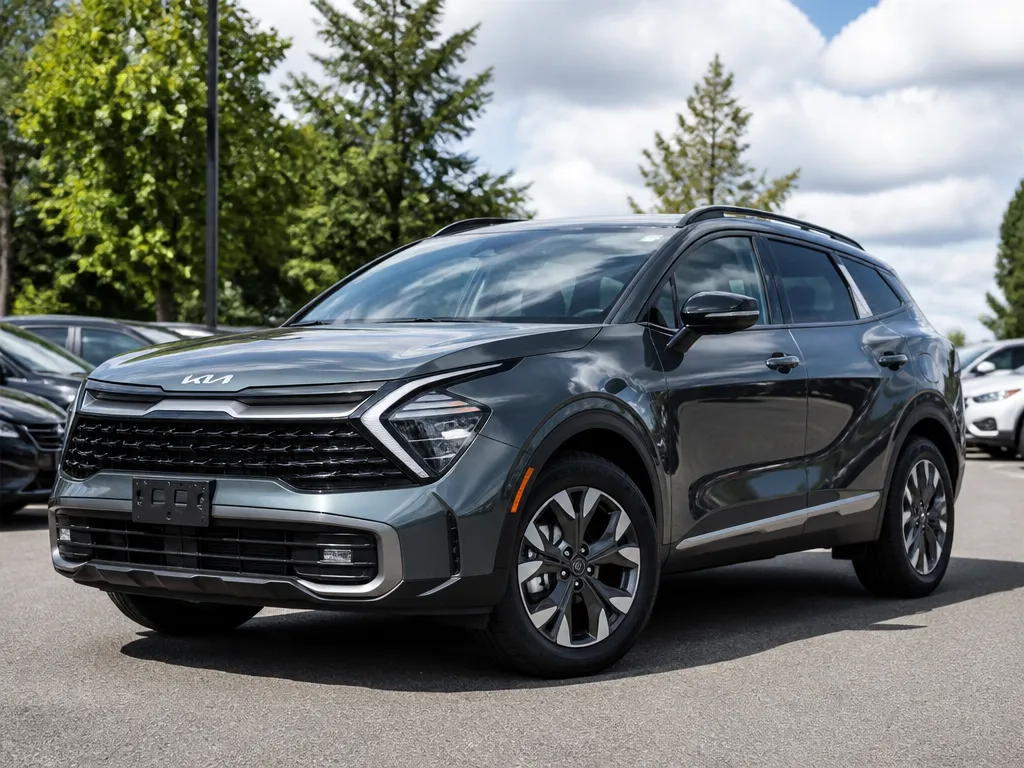
Lease pricing swings fast by region, credit tier, and whether a manufacturer is stacking loyalty or conquest cash. Live, verifiable offer numbers (monthly payment, drive-off, term, and mileage) were not available in
Value Compacts &Amp;amp;amp; Sedans Lease Specials
Value compacts and mainstream sedans usually win on lower drive-off requirements and simple mileage tiers (often 10k to 12k per year). The trade-off is fewer “must-take” incentives when inventory is tight, so your best offer often depends on whether your ZIP is inside the offer’s eligible area.
Mechanic’s tip: A low monthly payment can hide higher due-at-signing or fees. Ask the dealer for the total amount due at signing plus the monthly for the full term so you can compare across brands.
Suv And Crossover Lease Promos
Crossovers and compact SUVs often run stronger manufacturer support because they clear higher-volume trims. Watch the trim level carefully, because “base” lease offers can exclude popular packages, while higher trims may need larger due-at-signing to hit the same payment.
Typical winners you can price-check quickly include the Hyundai Tucson, Kia Sportage, Honda HR-V or CR-V (if offered as a lease special), Toyota RAV4, and Mazda CX-30/CX-5. The best deal is usually the one that locks your mileage up front without making you pay for upgrades you do not want.
| What to collect from the dealer | Why it changes your real cost |
|---|---|
| Monthly payment | Can look good while shifting costs to signing |
| Due at signing (drive-off) | Often includes acquisition, first payment, and fees |
| Term length | 36 months vs 24 months changes depreciation and residual math |
| Estimated annual mileage | Excess mileage charges can be brutal |
| Credit tier and offer eligibility dates | Same car can price differently across applicants and regions |
Truck Lease Promos For Work Or Towing
Truck leasing promotions are less consistent than cars and crossovers, but when they appear they target specific work-friendly trims and sometimes require an approved commercial or qualified buyer profile. For towing-focused shoppers, confirm the lease offer trim has the tow package you need, since some advertised specials exclude the equipment.
Ev Lease Deals And Incentives
EV lease deals can change week to week when incentives stack with manufacturer programs, and eligibility can depend on income or residency rules. Since I could not pull verified incentive-linked payment numbers from the limited sources available, treat any “EV lease price” ad as incomplete until you confirm the exact incentive you qualify for and whether it is built into the lease math.
High-interest EV candidates to check for current specials: Tesla Model 3/Y and other major EV lines offered in your state (for example, Hyundai Ioniq 5, Kia EV6, Volkswagen ID.4, Ford Mustang Mach-E). Ask the dealer for the signed lease worksheet that shows the incentive line item and the residual basis so you can separate “marketing payment” from your actual deal.
Next step: Pick your category (compact/sedan, SUV/crossover, truck, EV), then request an “itemized lease worksheet” with monthly, total due at signing, term, miles/year, tax treatment, and end-of-lease fees. Then move to the comparison grid in the next section to line up the real numbers.
Comparison Grid: Top Offers And Numbers

Lease pricing changes weekly by region, credit profile, and current incentives, and the available did not include reliable, current deal numbers for specific trims. The grid below is a master-style “copy/paste” comparison table you can fill with the exact monthly payment and due-at-signing amounts from the offers you see in your area, while still giving you the key qualification and cost levers to compare.
When you plug in your real numbers, treat due at signing like part of the true monthly cost. A low $/mo with high drive-off can cost more over the first few months, especially if the deal bundles fees into the upfront amount.
Typical exclusions you should verify on every worksheet: sales tax, title, registration, doc and processing fees, and any charges for add-ons (wheels, tint, protection packages). Always check whether the offer assumes a down payment, trade-in, or waived fees, and whether it requires an eligible credit tier, loyalty, or a specific dealer within a defined sales region.
Tip for fast comparisons: put the same mileage and term for each quote, then compare (1) total drive-off, (2) monthly payment before tax, and (3) any listed end-of-lease fees or expected disposition charges.
Deal Fine Print That Changes Cost
Drive-off and due-at-signing numbers swing the real cost of a lease more than the advertised monthly payment. Two offers that both say “$X/month” can differ by hundreds in taxes, fees, and how incentives are applied to the total price.
Due at signing (often called “drive-off” or “down”) usually includes items like first month’s payment, refundable security deposit in some states, and a chunk of taxes. Some leases also roll certain fees into the drive-off amount, which makes the monthly look smaller while the up-front cash is higher.
Dealer habit check: Ask for the lease worksheet that itemizes “due at signing,” “tax,” and “fees.” If the sheet groups everything into one lump sum, you have less control over what is refundable.
Typical line items that can change from deal to deal include acquisition or bank fees, documentation fees, and sometimes a disposition fee at lease-end. Some brands or banks also charge an additional “acquisition” amount even when the lease payment looks subsidized, and that cost can show up in different places depending on the paperwork.
Taxes are where shopping math gets tricky. Sales tax is applied differently depending on your state, and some states tax the full vehicle price while others tax the monthly payment portion, which changes the impact of incentives and due-at-signing.
| Fine-Print Item | How It Alters Cost | What to Request |
|---|---|---|
| Taxes | Can be assessed on the full deal, monthly payment, or a combination | Line-by-line tax calculation method |
| Due at signing | Changes cash required today, even if monthly looks lower | Exact refundable vs nonrefundable amounts |
| Bank fees | May be paid at signing or embedded into monthly | Acquisition fee and when it is charged |
| Disposition fee | Hits at turn-in and adds to total cost | Amount and trigger conditions |
Mileage and wear assumptions drive end-of-lease surprises. A lease listed at, for example, 10,000 to 12,000 miles per year assumes a normal usage level, and excess mileage charges can apply when you return the vehicle, sometimes with a per-mile rate.
Wear rules usually cover tires, windshield condition, and body panels. Some contracts charge for “excess wear” even when damage is minor, so you should compare the exact mileage limit, tire requirement language, and how the lessor measures damage before you sign.
For example, a deal with a lower monthly payment can require more due at signing and tighter mileage assumptions, and that combo can make the total cost higher once you add the end-of-lease obligations. Before you commit, ask the salesperson to quote the same term length and mileage for every offer, then compare the itemized worksheet numbers, not just the monthly.
Real Cost Metric For Lease Shoppers
The fastest way to compare lease deals is to total the out-of-pocket cash you hand over during the lease start and add a realistic estimate of end-of-lease charges. Monthly payment alone is a sales metric, because two leases can have the same payment while one one costs far more in due-at-signing, taxes, and fees.
Use this simple math: Estimated Total Cash = Drive-off (signing + due fees after tax) + (Monthly Payment x Months) + Estimated End-of-lease Costs. Then adjust your estimate for differences you control (down payment, trade-in, incentives you keep versus incentives you lose) and differences you cannot (tax rate and registration rules in your area).
Build A Comparable Cost Sheet
Start by pulling the deal worksheet numbers from each offer: due at signing or drive-off, monthly payment, term length, estimated annual mileage, and the fee list (disposition, acquisition, doc fee, and any lease-end protection products). If the offer hides fees inside “payment,” ask for the itemized breakdown before you compare.
For end-of-lease costs, budget conservatively for turn-in or disposition fees and a mileage or wear buffer. Typical shoppers get burned when they ignore excess mileage math or assume normal wear means free repairs.
| Cost Item | What to Use From the Offer | How to Estimate If It Is Missing | Why It Skews Comparisons |
|---|---|---|---|
| Drive-off / Due at Signing | Signing fee, first month, any down payment, taxes on those items, registration and doc fees (as applicable) | Use the dealer’s itemized total shown on the quote | Two deals can have identical payments with very different cash due today |
| Monthly Payments | Monthly payment and term length (months) | Monthly payment x term, then add any included fees that inflate/deflate the payment | Payment-only comparisons hide taxes and fee roll-ins |
| Lease-End Disposition / Turn-in | Disposition fee or turn-in fee listed in the contract | Use the contract or quote the dealer for the exact figure | Some offers advertise low payments while carrying a higher end fee |
| Excess Mileage | Allowed miles per year and total expected miles at turn-in | Estimate extra miles = (projected annual miles – allowed) x years, then multiply by the contract per-mile rate | People underestimate how quickly mileage overages happen |
| Excess Wear Buffer | Wear standards and whether you have protection | Set aside a buffer for curb rash, windshield chips, tire condition, and interior blemishes | One lease may require costly reconditioning while another bundles protection |
Adjust For Scenario Differences
Taxes can change the “true” deal because some offers compute tax on the down payment and drive-off, while others roll more into the monthly payment. If you’re comparing across states or even across counties, use your own tax rate and confirm whether the quote calculates tax correctly on each cash component.
Down payment and incentives can also distort comparisons. A lease with a lower due-at-signing might be using less refundable cash, or it may require paying for add-ons to get the advertised rate.
Tip from the service-bay mindset: treat every lease worksheet like a parts estimate. If you cannot see the line items, you cannot price the job, and you cannot compare “deals” fairly.
End-of-lease Options And Penalties
Most lease “surprises” happen at the end, when the contract turns mileage and wear into billable charges. Before you sign any deal, you want the exact turn-in/disposition fee rules and the buyout language spelled out in writing. Those two items can swing your final cost more than the advertised monthly payment.
Excess Mileage And Wear: How The Risk Gets Quantified
Lease terms usually include a set mileage allowance (like 10k to 15k miles per year). When you exceed it, the contract charges a per-mile rate, or it calculates an overage amount after the odometer is recorded at turn-in.
For tires, look for uneven tread wear, low tread depth, sidewall cracking, or curb rash that damages the wheel. For dents and paint, check for sharp-edge chips, deep dents at creases, and more than minor paint transfer, especially on body lines where touch-up often shows.
For interiors, inspect seat bolsters (creases and tears), dashboard cracking, steering wheel wear, carpet staining, and missing trim pieces.
In practice, leases score the vehicle during a walk-around under dealer lighting, so even small scuffs can matter if they look like real damage, not normal use.
Turn-in/disposition Fee: Where It Appears And How It Is Assessed
Disposition (or turn-in) fees are often listed as a flat amount on your contract or in the end-of-lease section of the paperwork. Dealers typically assess it at or shortly after turn-in, even if you return on time with no excess charges.
Turn-in fees and inspection are also where you can see “process” language that affects your total cost, like whether the vehicle must be returned with a specific fuel level, whether appointments are required, and whether “reconditioning” is billed separately. Ask the dealer to confirm the disposition fee amount and when you will be charged it, preferably in an emailed lease summary.
Lease Buyout: Whether It Is Available And What To Request
Lease buyout availability depends on the contract language, and many leases do allow it through a written payoff amount before or at maturity. The buyout price typically includes the remaining lease balance and fees, but the structure varies by brand and program.
Pro tip: Bring a tape measure and a flashlight at home for the pre-turn inspection, then take photos of tires, wheels, door edges, and the steering wheel and seat bolsters. Those images help you argue “normal wear” if the inspection report claims damage you can’t see on camera.
| End-of-lease item | What to verify in writing | How you can estimate impact |
|---|---|---|
| Excess mileage | Allowance, per-mile charge, and rounding rules | Projected miles minus allowance, multiplied by the per-mile fee |
| Excess wear | Normal wear definition, inspection method, and tire/wheel rules | Walk-around check for curb rash, sidewall cracks, and interior tears/scuffs |
| Disposition fee | Amount, when charged, and whether it is separate from reconditioning | Use the contract figure and confirm charge timing at turn-in |
| Lease buyout | Buyout eligibility, payoff components, and timing | Request a payoff statement structure for your intended purchase date |
Eligibility Checklist Before Requesting Quotes
To get a real lease payment quote that matches the ad, you must meet the program’s eligibility rules before the dealer runs the numbers. Start by confirming credit tier, residence requirements, and the offer dates, because a small mismatch can turn the “qualifying” payment into a much higher one.
What To Ask For When You Request A Quote
When you contact the dealer, request a payment sheet that includes term length and miles, due at signing, and the total of all fees and taxes. Lease ads often quote “monthly” only, while the real difference comes from acquisition fees, registration, doc fees, and how the bank applies incentives.
| Quote Item | What it changes |
|---|---|
| Term and mileage (example: 24 or 36 months, 10k to 12k per year) | Residual value estimate and monthly payment |
| Due at signing | Taxes, fees, first payment, and whether incentive or trade reduces cap cost |
| Required trade-in or specific customer program | Whether you qualify for the advertised “qualifying” payment |
| Bank approval tier result | Money factor (rate) used for your payment |
Insider tip: Ask the dealer to email the incentive and eligibility list (loyalty, conquest, military, college grad, trade-in requirements) along with the final numbers. If they cannot break it down, you are likely comparing different assumptions from the ad.
After you confirm these items, you are ready to request an online or in-person lease quote for the exact trim and mileage you want, and compare apples to apples across offers. If any requirement is unclear, treat the ad payment as “conditional” until you see it applied to your specific situation.
How To Verify Availability Locally
Local lease offers can disappear fast because they depend on specific inventory, regional incentive codes, and exact eligibility terms. Before you get excited by a published payment, confirm the offer is active at a dealership near you using the exact VIN and the offer worksheet terms.
Timing, Stock, And Incentive Traps To Check
Lease pricing can change between ad refreshes, and some programs have short end dates or “while supplies last” inventory limits. Ask when the offer code expires and whether the same promotional terms will apply if you move slower than a day or two.
In practice, dealerships often have enough vehicles to advertise the deal, then swap inventory or alter eligibility once a specific unit sells. Confirm stock constraints by asking how many eligible vehicles exist at that store and whether the offer can transfer to another branch if yours sells out.
| What to verify | What you should ask for |
|---|---|
| Exact vehicle eligibility | VIN and trim match to the promo |
| Deal math | Written lease worksheet with itemized amounts |
| Lease interest input | Money factor used on your worksheet |
| True cost in your area | Taxes, doc fee, registration, and due-at-signing breakdown |
| Availability window | Offer code expiration date and “in-stock” limits |
“The fastest way to spot a bait-and-switch is to compare the ad’s ‘due at signing’ and pre-tax payment assumptions against the dealer’s itemized worksheet for your exact VIN.”
Once the worksheet matches the advertised structure, confirm the quote is valid for a short time window (ask how many days they will honor the numbers). If the dealer can only quote verbally or will not provide a written breakdown, treat it as a red flag and ask for the full worksheet before you schedule a test drive or provide documents.
Quick Summary
Lease offers change weekly, and the real cost is often hidden in due-at-signing (drive-off) amounts, fees, taxes, and end-of-lease charges, so comparing only the headline monthly payment can mislead you. The article says a proper “apples-to-apples” lease listing should show monthly payment, due at signing, term length, mileage allowance, and the down payment or trade-in needs side by side. It also highlights that many deals are structured around specific eligibility requirements, including your credit approval tier, plus regional or dealer limits.
The article recommends comparing term and miles first, specifically calling out common 24, 36, or 39 month terms and 10k to 15k miles per year, then calculating total out-of-pocket using due-at-signing plus payments. It warns to verify what the payment excludes, including taxes, title, registration, and doc fees, and to plan for lease-end items like disposition fees, excess wear rules, and excess mileage charges. The comparison grid also separates manufacturer-controlled promo math from dealer-controlled add-ons. The most important takeaway is to confirm total drive-off cash and end-of-lease costs with your local dealer before you apply.
| Grid item | What it affects | Numbers to verify |
|---|---|---|
| Monthly payment | Cash flow during the lease | Match the same term and mileage |
| Due at signing (drive-off) | Total cash needed today | Check what it includes, such as first month, registration, and acquisition fees |
| Term and mileage | How long you pay and how much you can drive | 24-36-39 months, 10k to 15k miles per year |
| Total out-of-pocket estimate | Your practical spend over the term | Due-at-signing plus monthly payments, confirm whether taxes and fees are included |
| Eligibility and limitations | Whether you qualify for the promo | Credit tier, residency or ZIP rules, offer dates, and participating dealers |
Frequently Asked Questions
How Do I Find The Best All Car Lease Deals Without Getting Tricked By The Fine Print?
Start by comparing the total due at signing and the monthly payment together, then confirm the deal’s mileage limit and excess wear charges. If the ad only shows a low monthly number, ask the dealer for the full lease worksheet or quote before you negotiate.
What Is A Good Mileage Limit To Look For In All Car Lease Deals?
Most shoppers pick a mileage cap they can realistically hit, because exceeding it usually triggers per-mile overage fees. If you drive more than you expect, look for deals that offer higher allowed miles or build in buffer space when you calculate the payment.
Do All Car Lease Deals Require A Down Payment, And Is Zero Down Ever Worth It?
Many lease offers can be structured with low or zero due at signing, but the tradeoff is often a higher monthly payment. If you do put money down, avoid amounts you cannot afford to lose, since you can be exposed if the lease ends early.
How Can I Tell If An All Car Lease Deal Is A “Good Deal” Compared To Buying?
Don’t compare monthly payment alone, compare the total cost over the lease term including due at signing, fees, and expected wear, then weigh your plans for keeping the car. If you expect to keep the vehicle beyond the lease, buying can often make more sense than repeating leases.
What Are The Biggest Hidden Costs In All Car Lease Deals That Buyers Miss?
Watch for acquisition fees, disposition or end-of-lease fees, tire and wear guidelines, and any charges tied to mileage. Ask how the dealer calculates the allowance for normal wear and whether there are separate charges for options like paint protection or other add-ons.
Can I Transfer Or Trade In For Another Car When I Already Have An Active Lease From An All Car Lease Deal?
Sometimes you can, but it depends on the lease contract and your state, including rules for an early termination or lease buyout. Before you switch, request the payoff amount and any early-exit or disposition charges so you can see the real cost of changing plans.