


Searching “affordable cars with adaptive cruise control” usually means you found two listings that both say “cruise control,” and one has brake-smoothing, radar distance control, or even lane guidance while the other does not. The hard part is sorting trims correctly and avoiding a $20,000 option you do not actually get. This guide narrows it down to the trims that genuinely include adaptive cruise and tells you how to verify it fast.
Affordable cars with adaptive cruise control are mostly found on mid-trim packages, with true adaptive cruise typically pairing with radar cruise and lane support. Because online listings often mislabel “cruise control,” you should confirm by exact trim, option package name, and VIN-spec before paying. Use our model-by-model checklist to spot the difference in under 5 minutes.
Affordable Cars With Adaptive Cruise Control
Adaptive cruise control uses a radar or camera to hold your set speed and maintain a gap to the car ahead. Affordable options usually get this through specific trims or driver-assistance packages, so feature names on listings matter a lot.
What Counts As “Adaptive” (And What Doesn’t)
Adaptive cruise is speed control plus distance management, meaning it reacts to traffic in front of you instead of just maintaining a fixed speed like basic cruise control. Many listings blur the lines, so you need to sort “distance-assist” and “radar cruise” from true adaptive systems.
For shopping purposes, treat these as tiers: distance-assist usually keeps spacing by matching the vehicle ahead but may not do full speed-ranging behavior. radar cruise is distance-based cruise that often adapts across a wide speed range, and it is the closest match to what most people mean by adaptive cruise. stop-and-go adds low-speed braking and restart, and lane pairing (or lane centering integration) is a separate capability that pairs with lane-keeping tech.
Budget Strategy: New Versus Used
New cars can hit your budget if you pick the right trim and accept fewer add-ons, but adaptive cruise often lives behind mid-level packages. Used shopping usually gives you more tech per dollar, especially on model years a couple steps back, but you must verify the exact feature content on the build or VIN.
Trim/package is everything because automakers lock adaptive cruise into named groups. The same model can look similar on a listing photo, while the window sticker determines whether it has the radar module, the software enablement, and the driver-assist suite required for the full function.
Quick Scan Checklist For Listings
Use this capability checklist when you open a listing. If the ad does not state the system type, you can still confirm it in trim text, option codes, and photos of the steering wheel buttons, cluster menu, or head-up display.
Stop-and-go and lane pairing are where buyers most often get surprised, so treat them as “earned features” that must be explicitly present.
| Capability to look for | What it should say on the listing | What to verify in photos or menus |
|---|---|---|
| Speed control | Cruise control with adaptive | Menu shows adaptive or distance setting |
| Distance management | Adaptive cruise, radar cruise, distance control | Steering wheel buttons for distance or gap |
| Stop-and-go | Stop-and-go, traffic jam assist, low-speed follow | Cluster message indicates stop-and-go or queue driving |
| Lane pairing | Lane centering with adaptive cruise, steering assist integration | Lane-keep icon and cruise icon show together in use |
Insider tip: If the listing only mentions “collision warning” or “lane assist” but never names the cruise behavior (distance, radar, stop-and-go, traffic), assume adaptive cruise is either missing or limited.
Best-value Picks By Price Tier
Adaptive cruise control shows up in cheaper trims, but it is usually tied to a driver-assistance package. The best value comes from buying a specific trim that already includes it (or a known option bundle), rather than paying for top-tier tech on a new car.
Tier 1: Lowest-cost “Used-new” Candidates (Watch Model-year And Trim)
For the lowest entry price, look at mainstream compacts where adaptive cruise is an add-on to a mid trim, especially on 2019 to 2022 cars. Availability depends heavily on the exact build, so you need to confirm the trim and option code on the listing or VIN.
| Price Tier | Model (Typical Years) | Trim / Package to Look For | Adaptive Cruise Type (What to expect) | Common Price Range | How to confirm on the listing |
|---|---|---|---|---|---|
| Tier 1 | Honda Accord (2019-2021) | EX-L or Touring trim with Sensing (package name may vary by year) | Speed-adaptive cruise with driver-assist suite when equipped | $20k-$30k used (rough) | Check for “Adaptive Cruise Control” and “Honda Sensing” in features; confirm exact trim and options, or verify VIN on a dealer spec sheet |
| Tier 1 | Toyota Camry (2018-2021) | SE/XSE with Safety Sense package (exact sub-pack varies) | Speed-adaptive cruise, lane assist may vary | $18k-$28k used (rough) | Look for “Dynamic Radar Cruise Control” and “Toyota Safety Sense”; confirm the safety package on the window sticker or dealer listing |
| Tier 1 | Hyundai Elantra or Sonata (2019-2022) | SEL Convenience or Limited with SmartSense (year-dependent) | Adaptive cruise level varies by model and trim | $16k-$26k used (rough) | Verify “Forward Collision-Avoidance Assist” and “Smart Cruise Control” wording; match trim and package to the listing photos and spec sheet |
Exact pricing changes weekly, and it is location-dependent. Current listings can swing several thousand dollars just based on mileage and options, so treat these as practical planning ranges only.
Tier 2: Mid-range Value Trims (Strongest Chance Of Full Radar Acc)
Tier 2 is where you usually get the best “monthly payment per feature” because the car is still affordable, but the driver-assistance tech is more complete. Target trims that include a named safety suite, then confirm whether it is radar-based adaptive cruise rather than basic cruise with distance display.
| Price Tier | Model (Typical Years) | Trim / Package to Look For | Adaptive Cruise Type (What to expect) | Common Price Range | How to confirm on the listing |
|---|---|---|---|---|---|
| Tier 2 | Subaru Outback (2019-2021) | Premium/Onyx Limited with DriverFocus / EyeSight package (year and trim dependent) | EyeSight adaptive cruise is typically stronger than base ACC setups | $22k-$35k used (rough) | Confirm “Adaptive Cruise Control” plus EyeSight tech terms in the listing; verify the exact trim since EyeSight-only vs package content varies |
| Tier 2 | Mazda CX-5 (2021-2023) | Grand Touring or higher with i-Activsense package (if equipped) | Speed-adaptive cruise with driver-assist availability depending on package | $24k-$40k used (rough) | Search for “Radar Cruise Control” and the i-Activsense wording; confirm any add-on package in the listing details |
| Tier 2 | Kia K5 / Hyundai Sonata (2019-2022) | GT-Line / Limited with Highway Driving Assist or equivalent pack | Adaptive cruise plus additional highway assist when the package is present | $20k-$38k used (rough) | Confirm “Highway Driving Assist” and “Smart Cruise Control”; ensure the listing names the assist suite, not just blind-spot or collision warning |
Tier 3: Higher-budget Options (More Likely Lane Pairing And Richer Highway Assist)
Tier 3 buyers usually want lane centering paired with adaptive cruise for calmer highway driving. At this level, you are more likely to find stop-and-go adaptive cruise and tighter integration with lane guidance, but you still must confirm the exact package because even the same trim name can vary by year.
| Price Tier | Model (Typical Years) | Trim / Package to Look For | Adaptive Cruise Type (What to expect) | Common Price Range | How to confirm on the listing |
|---|---|---|---|---|---|
| Tier 3 | Nissan Altima / Rogue (2021-2023) | Higher trims with ProPILOT Assist and tech package (name varies) | Adaptive cruise plus lane centering pairing when equipped | $26k-$45k used (rough) | Confirm “ProPILOT Assist” and “Adaptive Cruise Control” together; check for package lines in the listing or VIN-based dealer window sticker |
| Tier 3 | Ford Fusion (discontinued) / Ford Edge / Explorer (2019-2022) | Higher trims with Co-Pilot360 plus driver-assist pack (SYNC and year affect options) | Radar ACC with lane centering when the assist package is included | $24k-$48k used (rough) | Confirm “Adaptive Cruise Control” and “Lane Centering” in the options list; request a VIN printout if the listing is vague |
| Tier 3 | Volkswagen Passat (2019) / VW SUVs (2020-2023) | Higher trims with Travel Assist or equivalent driver-assist suite | Adaptive cruise paired with lane guidance when equipped | $28k-$50k used (rough) | Confirm “Travel Assist” language, then verify the adaptive cruise entry in the spec list; match the exact trim code from the listing |
Listing confirmation checklist: capture the screen that shows the cruise control mode (adaptive vs standard), read the “packages” section for the named driver-assist suite, and match the trim exactly to the VIN. If the listing only says “cruise control” or “safety tech,” it often means no adaptive cruise.
Dealers can mix option content across builds, so the safest approach is to buy from listings that show the full equipment list or include VIN-based spec sheets. When in doubt, ask for a photo of the feature list page or the window sticker that shows adaptive cruise and the safety suite name tied to that exact vehicle.
Adaptive Cruise Capability Comparison Table
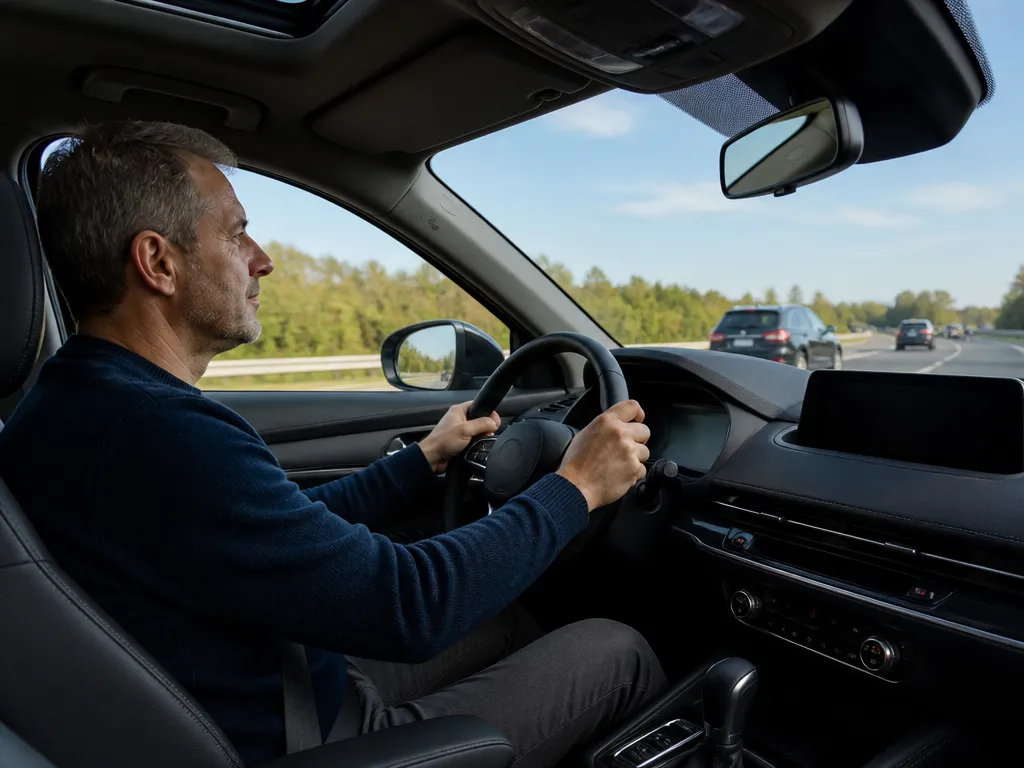
Adaptive cruise control (ACC) is only “nice” in daily driving when it matches the real traffic you see and the lane-assist setup that pairs with it. The big differences between affordable trims are stop-and-go capability, sensor coverage, and whether lane centering is available on the same car without extra tech packages.
| Capability to Compare | What You’re Looking For On the Listing | Real-World Usability Impact | Common Affordable-Car Limitation |
|---|---|---|---|
| Stop-and-go (full-speed range) | Check wording like “full-speed range,” “traffic,” or “speed range includes 0 mph.” | Determines if the car can hold position in heavy traffic without you taking over. | Many budget ACC systems stop helping at a set low speed and require restart button input. |
| Speed range type | Verify stated minimum engaged speed and maximum highway speed in the spec sheet or window sticker wording. | Controls how often you’ll have to brake, cancel, or re-engage. | “Highway-only” ACC feels jumpy in slow commutes. |
| Lane centering pairing | Look for “lane centering,” “lane keep assist with steering assist,” or a package that names both ACC and lane guidance together. | Reduces steering workload and improves confidence on steady lanes. | ACC may exist without true steering-based centering, or lane centering may require a driver-assist bundle. |
| Driver monitoring requirements | Confirm whether the system needs hands-on wheel or eyes-on road prompts. | Changes how long you can stay in automation before alerts start. | More frequent reminders on lower trims or in glare, rain, or marked-lane-light conditions. |
| Sensor coverage limits | Check whether the car uses radar only, camera only, or radar plus camera, and whether it has a grille radar. | Radar can handle distance and braking cues, but camera-based lane guidance can drop out when lanes are faint. | Lane centering often fades in construction zones, snow haze, or when lane lines are worn. |
How To Catch “Same Idea, Different Name” Branding
Manufacturers often rename the same ACC concept across trims, so the listing title can mislead you. Typical branding patterns include “Adaptive Cruise Control,” “Advanced Cruise Control,” “Radar Cruise Control,” and “Driver Assistance Cruise,” with a separate label for lane centering like “Lane Centering,” “Steering Assist,” or “Lane Keep Assist with Assist.”
In practice, you should treat branding as a hint and confirm the capability by reading the exact feature line in the window sticker or by using the VIN build sheet. Focus on whether the listing text explicitly pairs cruise with lane centering, and whether it mentions a “full-speed range” or a minimum engaged speed.
Common Limitations That Show Up In Affordable Trims
Stop-and-go mismatch is the most common reason people feel “ACC doesn’t work like my friend’s car.” Systems that only manage speed above a low threshold will disengage at slow speeds, which makes them less convenient in stop-and-go city traffic.
Sensor and lane-condition dropouts are the second biggest complaint. Radar can keep distance under many conditions, but lane centering relies on camera lane visibility, so worn stripes, heavy rain, fog, and road glare can reduce steering assist.
Driver-assist bundle dependency also matters. Affordable ACC trims frequently require an add-on package for lane guidance, so two cars can both advertise “adaptive cruise” while one gives real steering help and the other only manages speed.
Buying tip: When you see “ACC with lane centering,” confirm the lane tech is included on that trim level (not just available). For used listings, screenshots of the instrument cluster ACC icon and the driver-assist menu screen are worth more than the headline description.
Trims And Option Codes To Target
Adaptive cruise control shows up on listings in three places: the trim name, a “Driver Assist” or “Safety” package name, and the steering-wheel controls and dash icons shown in photos. The fastest way to avoid guesswork is to match the listing’s trim or package to the exact equipment code shown on the VIN/spec sheet, then confirm the wheel icon and cruise settings screen.
Where Adaptive Cruise Control Appears On A Typical Listing
Adaptive cruise control is usually tied to a trim line (examples: mid-level “SE,” “SEL,” “Sport,” “Premium,” “Limited” depending on brand) and then expanded by a package. In most ads, the seller lists a package name like “Driver Assist” or “Safety Tech,” but the ad text often omits the specific subtype (speed-only vs full range vs stop-and-go).
Photos help when the listing text is vague. Steering-wheel buttons (cruise on/off, set+, set-, distance toggle, and sometimes a “lane” button) and the instrument cluster cruise page are the tell. If the ad shows only the center stack and not the wheel or the cluster, the listing may be missing the best proof.
Common Package Patterns To Look For
Adaptive cruise control is frequently bundled with radar sensor-related features. Listings often pair it with blind-spot monitoring, lane keeping or lane centering, forward collision warning, automatic emergency braking, and sometimes automatic high beams.
In practice, “adaptive cruise” tends to land inside the same package as the front radar and the camera feed. If the listing mentions forward collision warning and lane support in the same breath as cruise, that is a strong clue you are looking at the adaptive system rather than basic cruise.
How To Interpret Confusing Naming
Some ads use “traffic-aware” or “distance control” wording. Those often indicate adaptive cruise, but the naming can also be used for less capable systems depending on whether they maintain speed only, adjust based on distance, or support stop-and-go behavior.
For listings that say “smart cruise” or “distance cruise,” the key detail is whether the system supports following in slow traffic and what the cluster shows when the radar cruise is engaged. If the ad mentions only highway use with no traffic detail, plan on speed-only adaptive cruise, which costs less in the market but limits convenience.
| Listing wording | What it often means | What to verify in photos/specs |
|---|---|---|
| Adaptive Cruise Control | Distance-based following | Wheel distance control, cruise page showing target distance and mode |
| Traffic-Aware Cruise | Usually adaptive, sometimes bundled | Same wheel controls plus any “front radar” safety suite references |
| Distance Control Cruise | Adaptive follow behavior | Instrument cluster confirming adaptive mode, not basic set speed only |
| Lane Support + Cruise | Adaptive cruise often paired with camera-based lane tech | Cluster and wheel both showing cruise and lane indications |
Dealership ads can be sloppy: If the text says “cruise control” but the photos show distance selection and a radar cruise screen, it is still likely adaptive. If the text says “adaptive,” but there is no wheel distance control and no cruise screen visible, assume it is unconfirmed until you match the VIN equipment list.
How To Confirm On A Listing (Step-by-step)
Adaptive cruise control is easy to mis-list because sellers sometimes copy another trim’s description. The goal is to confirm the feature by matching trim and option/package details to the VIN, then verifying the radar or sensor hardware and the dash/steering-wheel controls on the exact car.
| Verification target | What to look for on the listing/photos | What to request from the dealer |
|---|---|---|
| Trim and package | Trim name and driver-assist package match the sticker wording | Window sticker photo or options page by VIN |
| VIN confirmation | Adaptive cruise tied to the correct option codes | VIN decode screenshot of option list |
| Controls and icons | Steering wheel adaptive/distance controls and cruise-related dash icons | Photo or short video with system status on |
| Sensors | Radar module at front and windshield camera housing (if equipped) | Photo of grille/radar area and windshield camera area |
Insider tip: Sellers often confuse “adaptive cruise” with “cruise control with speed limiter” or generic “driver assistance.” Demand VIN-based proof, then verify with the steering wheel buttons and the cruise/distance icon.
Proof checklist (quick scan): Listing trim matches window sticker, VIN decode includes adaptive cruise or its driver-assist package, steering wheel has distance/adaptive controls, dash shows adaptive cruise status, front sensor area is visible, and windshield camera area is visible when the car is equipped for lane-level help.
Per-model Buying Notes And Gotchas
Adaptive cruise control on a budget usually shows up in specific trims or option packages, so value comes from picking the right configuration, not the badge. Each model has its own “gotcha” that can quietly remove it, swap it for basic cruise, or limit it to certain speeds and driving conditions.
Key Model Gotchas That Affect Price And Usability
Adaptive systems vary a lot in how they behave when traffic stops, how well they hold speed around curves, and how picky the radar and cameras are. Budget cars often pair adaptive cruise with a broader driver-assist package (or at least a camera suite), so missing lane assist or forward-collision components can mean the adaptive feature is downgraded or not present at all.
For used shopping, the biggest cost driver is how the original owner optioned the car. Dealer listings often summarize “safety package” without stating what’s included, and two cars with the same trim name can differ by region or production month.
| What to check on the listing | Why it matters |
|---|---|
| Exact trim + package name (not just trim) | Adaptive cruise is often package-locked. |
| Steering-wheel control icons and cruise “type” wording | Some cars show standard cruise even when the ad claims “adaptive.” |
| VIN and build date | Feature content can change mid-year. |
| Presence of lane-centering and driver monitoring | Some trims require the camera bundle for proper operation. |
Ownership reality check (insurance, maintenance, repair risk): radar and cameras add sensor recalibration events after windshield work, and insurance rates can climb if your carrier prices ADAS claims more aggressively. Budget models tend to be cheaper to keep mechanically, but ADAS-related repairs can be time-consuming, so verify warranty coverage and glass-sensor coverage before you buy.
“If the ad says adaptive cruise but the steering-wheel buttons only show plain cruise, treat it as a mismatch and move on. Those cars are expensive to retrofit, and retrofit success rates are inconsistent.”
Value-trim Logic And What To Pay Attention To
Good value trims are the ones where adaptive cruise comes “bundled” with useful extras you would buy anyway, like forward collision warning, automatic braking, and lane assist. Poor value trims look tempting because of the price, but adaptive cruise might be present only as a limited-speed or partial-function system that behaves awkwardly in real stop-and-go traffic.
For each candidate, I recommend you compare two cars side by side: the base trim that has the adaptive badge, and the next trim up that adds lane assist or stop-and-go capability. The extra trim cost is often smaller than the regret cost of living with a system that only works in light traffic or only maintains speed, not spacing.
| Typical affordability tradeoff | What you feel day to day |
|---|---|
| Adaptive cruise without full driver-assist bundle | More manual intervention, frequent “system unavailable” prompts. |
| Limited stop behavior | Driver resumes driving more often in traffic jams. |
| Camera/radar sensitivity | Reduced function in rain, glare, dirty radar cover areas, or bad lane markings. |
Adaptive Cruise Vs Other Driver Aids
Adaptive cruise control changes speed to keep a set following distance, while standard cruise control holds a fixed speed regardless of traffic. Collision mitigation and emergency braking are separate systems that mainly intervene when an impact risk is detected.
Most confusion comes from shopping listings that lump every “driver assist” feature together. Adaptive cruise is a speed and distance controller, and you should treat it like its own category when you compare affordable cars.
Adaptive Cruise Vs Standard Cruise Control
Standard cruise control keeps your set speed steady, so it can feel stressful when traffic varies. Adaptive cruise control uses a radar or similar sensor to slow down and resume as the lane ahead changes.
For budget buyers, the key is the “stop capability.” Some adaptive systems only manage speed while you are moving above a certain threshold, while more advanced units can handle true stop-and-go behavior when traffic slows.
| System | What it controls | Typical driver expectations |
|---|---|---|
| Standard cruise | Steering-wheel speed only | Speed stays fixed, driver must manage traffic |
| Adaptive cruise | Speed plus gap to vehicle ahead | Car slows and speeds within system limits |
Adaptive Cruise Vs Collision Mitigation And Automatic Emergency Braking
Collision mitigation and automatic emergency braking are safety interventions, not comfort cruise features. These systems apply braking if the car predicts a crash is likely, even if you do not press the brake.
Adaptive cruise can reduce how often you need to intervene, but it does not replace AEB for sudden obstacles or cut-ins inside the sensor limits. When you test drive, pay attention to whether the car simply eases off the throttle and slows normally, or whether it abruptly brakes with a warning.
Adaptive Cruise Vs Distance Control Assist (And Similar Names)
Distance control assist is often a marketing label for distance-based speed management, usually tied to the same kind of forward sensor used for adaptive cruise. Some brands use different names for closely related behavior, including how smoothly it resumes or how low it will go.
Before you assume two cars are comparable, compare the behavior under these conditions during a test drive: gradual slowdown, full stop, and a quick cut-in from another lane. If the system only tracks at higher speeds, it may still be “distance based” without being “traffic friendly.”
Shop tip: In the same trim, look for wording like “adaptive cruise control” or “radar cruise” in the spec sheet. If the listing just says “distance assist” without stop-and-go language, plan on higher-speed limitations.
Traffic-aware Cruise Vs Lane-level Driver Assist
Traffic-aware cruise is sometimes used to describe an adaptive system that is tuned for stop-and-go traffic, plus smoother resume logic. Some cars pair it with lane features, but you should not assume lane centering is included just because traffic logic is improved.
Lane centering, lane keep assist, and steering assist are separate from adaptive cruise. If a full driver-assist package is what you want, confirm whether the car offers steering control in-lane while you leave adaptive cruise engaged.
Stop-and-go Expectations: What To Test Before Purchase
Adaptive cruise that “can follow traffic” may still require you to take over at low speeds, at complete stops, or during long red lights. When a dealer says it works in traffic, ask for a test drive that includes slow roll, near-stop creeping, and a complete stop-and-resume sequence.
Use these checks on the test drive: confirm whether the system maintains your set gap smoothly when someone merges close, verify how it reacts if the lead vehicle stops suddenly, and check whether it resumes automatically or needs a tap to accelerate. Paying attention to those details prevents surprises when you get stuck in real commuting traffic.
Shopping Checklist And Test-ride Tips
Use the VIN and the exact trim or package name to confirm adaptive cruise. On affordable trims, the feature is often tied to a specific Driver Assistance package, so a “close” trim can miss it entirely. Verify radar location, sensor condition, and button labeling during the walk-around.
Before You Buy: Must-verify Items
Check the listing for the exact trim and option package, then match it to the car’s build. Look for screenshots of the cluster menu and the steering-wheel controls, because ads often use vague wording like “cruise control with assist.”
For example, a car can advertise “adaptive cruise” but require lane assist for smooth highway pacing because it limits deceleration patterns when lane guidance is unavailable. Another common gotcha is that stop-and-go behavior is tied to a “traffic” or “full-speed range” option, so check the menu wording on the exact car.
| What to verify | Where to check it | What “good” looks like |
|---|---|---|
| Adaptive cruise engagement | Steering-wheel buttons + cluster | Distance setting changes the following gap |
| Lane pairing | Driver-assist menu | Lane centering shows as available when equipped |
| Sensor condition | Grille/radar cover, windshield area (if equipped) | No cracks, no aftermarket covers, clean alignment |
During The Test Drive: Behavior Checks
Adaptive cruise should engage quickly and smoothly, then hold speed and following distance without hunting. Start at 35 to 55 mph on a highway where traffic is steady, then set cruise and confirm the distance setting changes the gap.
For instance, pay attention to how the system reacts on a gentle cut-in. Adaptive cruise should reduce speed promptly and then stabilize, with minimal “lurch” as the radar reacquires the lead vehicle.
Insider tip: try a brief speed change yourself (accel then coast) and see if adaptive cruise recalculates smoothly. A system that needs constant driver correction is usually not worth the price premium.
Real-world Checks: Cut-ins, Obstructions, And Limits
Test in light traffic first, then do one controlled cut-in attempt. If you can safely arrange it, see whether it brakes smoothly when a car enters your lane ahead, and whether it recovers speed once the path clears.
Affordability Math: Paying For The Right Option, Not The Wrong One
Budget for the option package, then compare it to the risk of buying a trim that “almost” has what you want. The cheapest listings often omit the radar-related driver assist package, so you may end up paying more later for the wrong car or missing a key behavior like traffic pacing.
Affordability math is simple: add the price gap between “base cruise” and “adaptive cruise equipped” against the cost of an insurance difference (varies widely by driver and location), plus higher chance of sensor-related repair costs if the radar is damaged. If you are shopping used, prioritize clean radar area history and intact sensor covers over low mileage alone, because a repaired front-end can quietly compromise sensor performance.
| Decision point | Typical trade-off | Better choice |
|---|---|---|
| Paying for traffic-capable adaptive | More expensive trim/package | Choose traffic capability if you drive stop-and-go often |
| Skipping lane pairing | More manual correction needed | Pair adaptive cruise with lane centering if you want relaxed highway driving |
| Buying after a front repair | Sensor alignment risk | Demand photos of radar area and confirm operation on the road |
Quick Summary
Shopping for affordable cars with adaptive cruise control often turns into a trim- and listing-mislabeling problem, because some ads only say “cruise control” even when one listing includes brake-smoothing or radar distance control and the other does not. The key takeaway is that true adaptive cruise usually pairs with radar cruise and lane support, while many budget trims are speed-only. Because online listings blur the lines, you need to confirm the exact trim, option package name, and VIN-spec before you pay.
The article lays out how to verify capability quickly, even if the ad is vague: check trim/package wording on the listing, your door sticker, and a VIN-spec lookup. It also stresses the distinction between basic cruise control and adaptive cruise by looking for distance management details, then verifying stop-and-go and lane pairing, since surprises most often happen there. Expect adaptive cruise to show up on mid-trim packages, and confirm limitations like sensor performance in rain, snow, or dirty front grilles, ending with the most important takeaway: verify adaptive cruise by trim, package, and VIN, not by generic safety language.
| What you’re trying to buy | What it should say | What to verify fast |
|---|---|---|
| Adaptive cruise (true) | Adaptive cruise, radar cruise, distance control | Listing trim wording, distance or gap settings, radar/distance indicators |
| Stop-and-go | Stop-and-go, traffic jam assist, queue driving | Cluster or message indicating low-speed braking and restart |
| Lane pairing | Lane centering or lane integration with driver assistance | Lane-keep and cruise indicators showing together |
Frequently Asked Questions
What Is The Cheapest Price Range For Affordable Cars With Adaptive Cruise Control?
Because availability changes fast, you typically need to hunt in the low-to-mid trim range, since adaptive cruise control is often not on the base model. Expect prices to vary by year, mileage, and region, so the best approach is to compare listings for the exact trim that includes the radar or camera system.
Does Adaptive Cruise Control Work In Stop-and-go Traffic On Affordable Cars?
Some systems are limited to steady speeds, while adaptive cruise control with stop-and-go uses a wider capability to handle slower traffic and can reduce how often you touch the brake. If the listing only says “adaptive cruise” without “stop-and-go” or “traffic,” assume it may not come as smoothly to full stops.
What Should I Check Before Buying An Affordable Car With Adaptive Cruise Control?
Confirm the car has adaptive cruise control activated and working during a test drive, not just listed on the window sticker. Also verify the condition of the sensor area, since radar and camera systems can be affected by damaged bumpers, misaligned grilles, or windshield cracks.
Why Might Adaptive Cruise Control Not Engage On An Affordable Used Car?
If it will not engage, common causes include blocked sensors, a dirty or obstructed front camera/radar area, or a system warning light from another issue like lane system faults. Try cleaning the sensor area, then if warnings return, you will usually need a scan tool to read the adaptive cruise or driver assist codes.
How Expensive Is It To Repair Adaptive Cruise Control On Budget Cars?
Repair cost can swing widely depending on whether it is just calibration, a sensor replacement, or related body work, and exact numbers change by model year and parts availability. As a rule of thumb, you should budget for diagnosis plus recalibration, and get a quote before agreeing to any sensor replacement.
Is Adaptive Cruise Control Worth It Compared To Regular Cruise Control On Affordable Cars?
If you do highway commuting, adaptive cruise can reduce the constant speed corrections, but it is still not the same as full driver-assist in all conditions. If your routes are heavy in curves, construction, or sudden lane changes, you may find regular cruise is easier, while adaptive is most valuable on long stretches of predictable traffic.