



If your passenger gets queasy within 10 to 15 minutes of driving, the problem is usually ride motion, visibility, and cabin inputs, not their “toughness.” You’re probably shopping trims, seat positions, and suspension setups and wondering which cars and SUVs feel calmer at speed. This list pairs real-world comfort choices with motion-sickness triggers, so you can pick confidently.
Best cars for motion sickness are usually the ones with steady ride control, strong NVH, and good front-seat sightlines. The best SUVs add more compliant suspension tuning and easier HVAC airflow to keep air moving. You’ll get model-specific watch-outs, test-drive checks, and a quick buying checklist for wheels and trims.
Best cars and suvs for motion sickness are typically those with stable suspension, low cabin noise, and easy-to-adjust front seating. Favor Comfort drive modes, avoid stiff sport trims and large low-profile tires, and test 15 minutes on mixed pavement. Choose vehicles where the front passenger has clean forward visibility and steady airflow.
1. Best Cars And Suvs For Motion Sickness
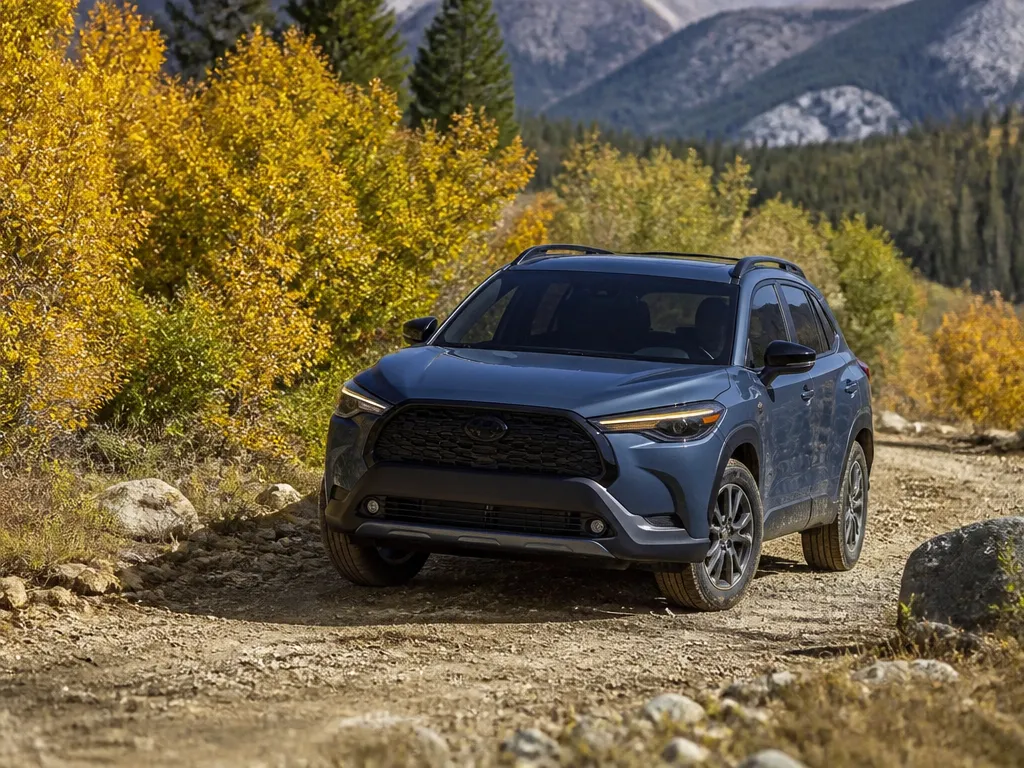
Long wheelbase and smoother ride tuning tend to reduce the rhythmic pitching and yaw that can trigger motion sickness. That is why this list spot goes to the Honda Odyssey, since minivans typically provide a lower, more stable ride feel and good sightlines for passengers. An Odyssey also gives you the option to place the most motion-sensitive rider in the second row, where impacts from road irregularities are often felt less than in the front seats.
For instance, the Odyssey’s available safety and comfort tech helps keep ride quality consistent on uneven pavement, and its cabin layout makes it easier to adjust seat position and keep a clear forward view.
In practice, motion-sickness-friendly setups usually pair a second-row seating position with climate control and gentle acceleration, since sudden starts and temperature swings can worsen symptoms for some riders. If you are shopping used, plan on checking for fresh struts, healthy tire wear, and proper wheel alignment, since a misaligned front end can add vibration that makes symptoms worse.
What To Prioritize Inside The Cabin
Seat orientation matters because rotational movement feels stronger when your head cannot stay aligned with the horizon. If the rider gets sick quickly, choose the seat that gives the clearest view of the outside road, then reduce distractions like reading in the car or looking at a fast-spinning phone screen. Cabin airflow is also practical, since many people do better with consistent fresh air than with recirculation plus stagnant temperature. Lastly, if the car has any steering wheel vibration, tire hop, or a “bouncy” ride after a bump, address alignment and tire balance first, since those are common mechanical causes of motion sickness symptoms getting worse.
Pick a long-wheelbase, smooth-riding platform, seat the passenger where the forward view is clearest, and treat tire and alignment condition like part of the motion-sickness solution.
2. Toyota Camry (Comfort-first Trims)
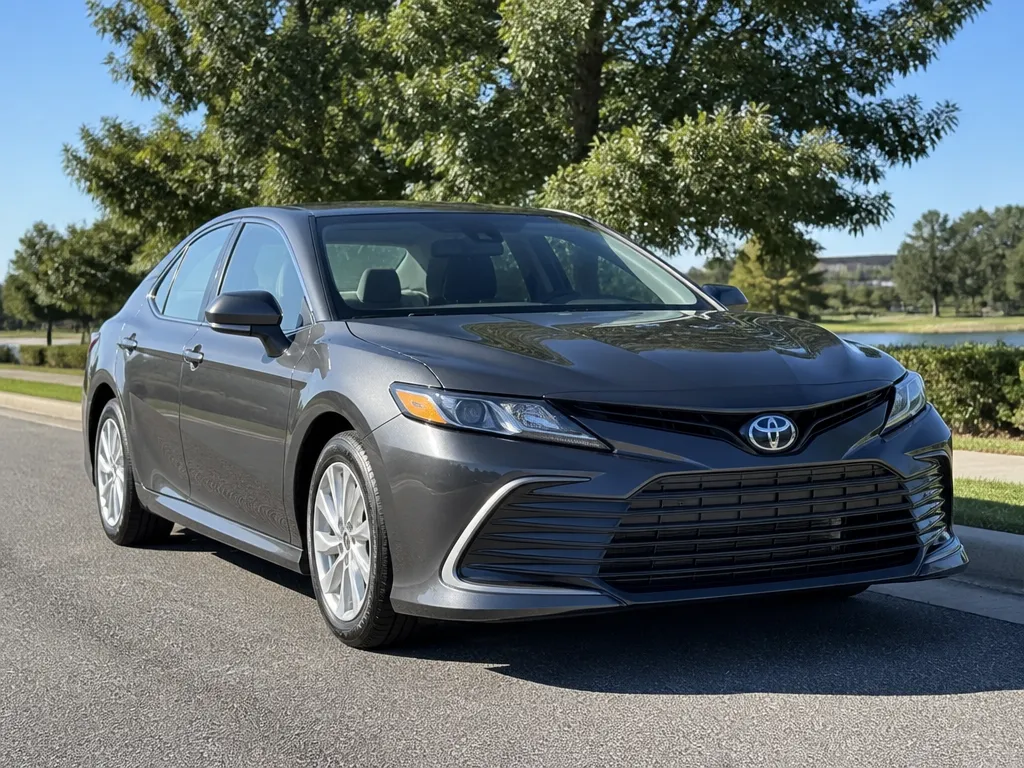
Camry trims aimed at comfort are a smart pick because the car prioritizes a calm ride feel over sporty sharpness, which can make short commutes and longer highway trips easier for passengers who get queasy. A lower, smoother road-harmony setup also helps when you are trying to reduce head-and-body “input” from bumps and lane changes. For motion sensitivity, that steadier cabin attitude tends to matter more than raw power.
Look for Camry trims that include softer suspension tuning, active noise reduction, and convenience tech that keeps you from fiddling while riding.
In practice, the front seat gives the most stable visual reference, and the Camry’s typical driver view and thin A-pillars help keep the horizon steadier for many riders.
For example, pairing a Camry with a quick climate setup, recirculation, and fresh-air flow can reduce the “heat-and-stale” conditions that often make nausea worse.
Tradeoffs When Comfort Is The Goal
Comfort-first Camry trims can feel more settled, but that often means less “go-now” responsiveness than sport-tuned setups. In traffic, a smoother ride can still trigger motion sickness if the car is frequently accelerating, braking hard, or changing lanes abruptly. For riders who are very sensitive, the biggest wins come from driving style and seat choice, not just the badge on the trim. If you regularly have passengers who get sick, test a short route first and confirm that airflow and cabin sound level feel tolerable before committing to longer trips.
Practical takeaway: a comfort-oriented Camry is a solid motion-sickness option when it comes with a calmer ride and you pair it with front-seat placement, steady driving, and consistent cabin airflow.
3. Honda Accord (Ride-quiet Preference)
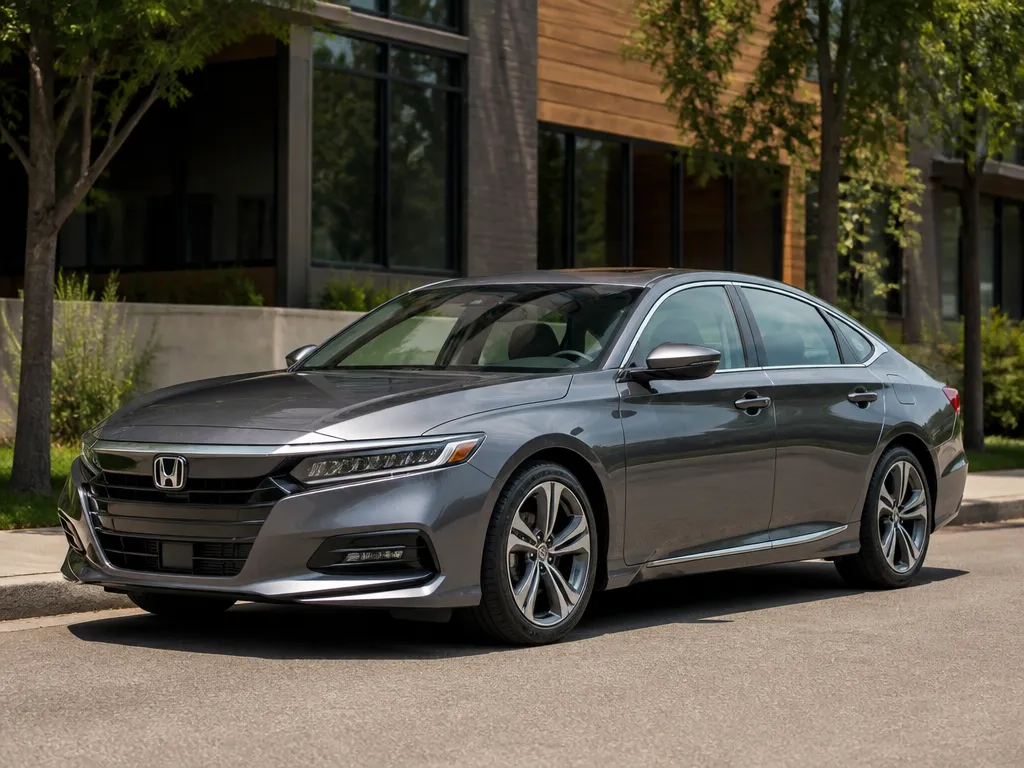
The Honda Accord earns a spot for motion sickness because a calmer ride helps reduce the kinds of constant vibration that can aggravate nausea, especially on rough pavement. On many trims, the Accord uses a well-tuned suspension and quiet cabin design, which helps keep sudden noise and shuddering from grabbing your attention. If you tend to feel sick most on highways or during stop-and-go drives, this is one of the more comfortable mainstream sedans to try.
For example, the Accord is commonly available in multiple body styles and wheel sizes, and ride harshness typically increases as wheel diameter goes up.
In practice, sticking with the smallest practical wheel and a set of correctly inflated tires makes a noticeable difference in comfort. Look for trims with adaptive dampers when available, then confirm the tire sidewall is not overly thin, since that affects how impacts transmit into the cabin. A simple comfort setup like fresh, balanced tires and alignment within spec is also important for motion sickness-prone riders.
How To Pick The Accord Spec That Rides Calm
Wheel size and tire construction usually make the biggest comfort difference from one Accord to another. A base or mid trim with a smaller wheel package tends to absorb pavement imperfections more smoothly than a higher trim dressed in larger wheels. For riders who get motion sick, pay extra attention to tire age and condition, since hard or unevenly worn tires increase vibration. Since available options vary by model year, compare the exact wheel and tire size on the specific listing, then plan a short test drive over the same kind of road where you typically feel symptoms.
4. Toyota Rav4 (Smooth-ride Variants)
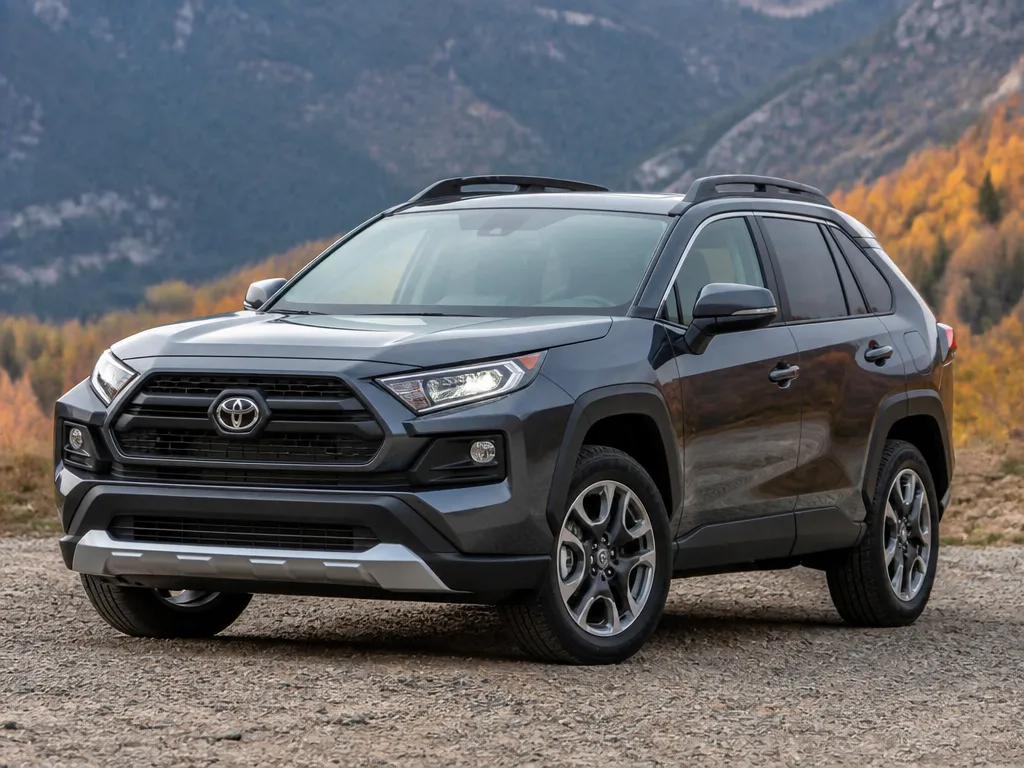
RAV4 works well for many people who get motion sickness because several trim and wheel combinations keep the ride more even over potholes and expansion joints. The key is lowering the amount of sharp impact and steering jolt, since those sudden body motions can trigger nausea for sensitive riders. Pick the smooth-ride setup (typically smaller wheels and less aggressive suspension tuning) and it tends to feel calmer than the sportier variants.
For example, opting for a RAV4 configuration with standard touring-oriented tires and smaller wheel diameter usually reduces harshness and keeps the cabin motion more controlled.
In practice, that matters most on highway on-ramps, city stop-and-go routes with broken pavement, and long trips where your body gets hit repeatedly by small bumps. Most modern RAV4 trims also use an electronically assisted steering system and stability controls that can help reduce unexpected sways during crosswinds or wet corners, which helps keep the ride more predictable.
What To Pick For Fewer “Jolts” On Rough Roads
Motion sickness often worsens when the car repeatedly bounces, pitches, or snaps due to suspension and tire stiffness. On a RAV4, that usually comes down to wheel and tire package selection: smaller wheels and taller sidewalls generally absorb impacts better, while larger, lower-profile tires tend to transmit more sharpness into the cabin. If you are comparing listings, focus on tire size details and whether the trim is marketed as sport or comfort oriented, then take a short local test drive over the same type of road that triggers you. Bringing a trusted rider can help you notice subtle differences, like how the vehicle reacts after hitting a seam or when the suspension settles after braking.
5. Honda Cr-v (Family-comfort Setup)
The Honda CR-V is on the list because it has a roomy rear seat and easy-access cabin layout, which helps keep kids and adults oriented during everyday drives. A higher seating position also improves visibility, and that can make it easier for some riders to tolerate turns and highway pacing without feeling trapped or staring at the floor. For families, the CR-V is also simple to set up for “quiet ride” conditions like cooler air, soft lighting, and steady ventilation.
In practice, aim for the right configuration: move the front passenger seat forward a touch so rear passengers have more leg clearance, then use the rear vents to keep airflow consistent. The CR-V’s cargo area is large enough for a stroller, small cooler, or motion-sickness supplies (ginger candies, water, and a few sealed bags) without turning the cabin into clutter.
For example, a typical family road trip can be handled with a basic trunk layout: bags on the cargo floor, soft items secured to prevent shifting, and an extra layer for kids who get chilled by air conditioning. Roughly speaking, CR-V prices are commonly in the mid-range for compact crossovers, but exact numbers swing a lot by year, trim, and mileage.
When The Cr-v Setup Helps Most
Motion sickness tends to be worst when a rider feels disoriented by motion cues, staring at close objects, or dealing with strong glare. The CR-V’s wide, upright seating helps many people keep a more stable visual frame, especially when traveling on moderate-speed roads or on ramps where you can anticipate the turns.
For example, if you notice symptoms building during the first 10 to 20 minutes, try a short “settling” stop, then continue with the cabin adjusted for airflow and glare control.
If someone gets sick in the back seat, start with the person in the front and compare how symptoms change, then adjust seat position and ventilation for the best outcome on your next drive.
6. Subaru Outback (Composed Ride Orientation)
The Subaru Outback is on this list because its all-wheel-drive platform and generally compliant suspension tuning aim for steady body control over broken pavement. A composed ride matters for motion sickness, since constant pitching and jolting can amplify nausea for sensitive passengers. For many drivers, the Outback also offers a tall, easy-to-spot cabin layout that helps passengers keep their eyes on the road ahead.
In practice, look for Outback models with lower, more upscale trim comfort options such as heated seats and dual-zone climate, since temperature swings and glare can worsen how sick someone feels. Typical usable sizes make it practical for family trips: the rear cargo area is deep enough for a couple of carry-ons or a stroller plus bags, and the fold-flat rear seat can open space when you need to reposition.
For example, longer commutes where you are stuck behind slower traffic benefit from smoother throttle response and stable highway tracking, which helps reduce the “jerkiness” feeling.
Tradeoffs To Keep In Mind
The Outback’s taller stance can feel less “flat” than a low sedan, especially during sharp lane changes or on highly crowned roads, so motion-sensitive riders may still react if the driver hits rough patches at speed. Wind buffeting can be a factor on long highway stretches in some conditions, so keeping windows mostly closed and using recirculation appropriately can help. Seat comfort helps, but suspension compliance is still a compromise when you load the vehicle, so avoid overstuffing the cargo area if you notice symptoms getting worse. Motion sickness is personal, so if symptoms show up immediately, the best fix is often seating position, ventilation, and route selection rather than chasing specific trims.
7. Lexus Es (Quiet-luxury Choice)
Lexus ES earns a spot for motion sickness comfort because its whole vibe is built around calm cruising, with a reputation for low cabin noise and smooth throttle and steering feel. Motion sickness often gets worse when drivers feel constant vibration or harshness, so the ES’s refined ride is a practical match. The car also uses soft, predictable body control that helps keep your eyes on the road without feeling every road seam.
In practice, the ES is a strong pick for longer commutes and airport runs where you sit for extended stretches. Pick a trim that gives you quieter cabin upgrades like improved sound insulation (varies by model year), and pair it with comfortable front seat settings plus lumbar adjustment. For family trips, the ES’s sedan layout is easy to manage for passengers who prefer looking out through the windshield rather than down at the instrument panel.
How To Set Up The Es To Feel Calmer In Motion
Small adjustments make a real difference in how steady a ride feels to a person prone to motion sickness. Set the front passenger seat upright enough that the torso stays supported, and avoid reclining so far back that head position keeps changing with bumps. Keep a consistent cabin temperature, since sudden heat or AC swings can worsen discomfort for some riders. When possible, select routes with fewer aggressive starts and stops, because frequent acceleration changes tend to amplify symptoms even in a quiet car.
Quick Summary
If a passenger starts feeling queasy within 10 to 15 minutes, the article points to ride motion, visibility, and cabin inputs rather than the rider. It says the best cars and SUVs for motion sickness are usually the ones with steady ride control, strong NVH, and clear front-seat sightlines, then adds that longer wheelbase and smoother suspension tuning can reduce rhythmic pitching and yaw. Its top pick is the Honda Odyssey, calling out the option to place the most motion-sensitive rider in the second row for a steadier feel, plus tools like consistent climate control and gentle acceleration.
For day-to-day improvement, the article emphasizes choosing the clearest forward view and minimizing distractions like reading or a fast-spinning phone screen, since rotational movement feels stronger when the head cannot stay aligned with the horizon. It also stresses airflow, using vents and fresh air aimed across the face and toward the chest rather than relying on recirculation and stagnant temperature. On the test drive, plan a 15-minute route over mixed pavement, then add slow turns and highway cruising, and check tire condition, balance, and alignment, because vibration from an unbalanced or misaligned front end can worsen symptoms.
| Priority | What the article says to look for |
|---|---|
| Ride and stability | Steady ride control, softer suspension tuning, long wheelbase and smoother tuning to reduce pitching and yaw |
| Cabin comfort | Low NVH, quieter cabin trims, consistent airflow and temperature |
| Seating and visibility | Front passenger or second row with forward facing, clear sightlines aimed at the road ahead |
| Test-drive method | 15 minutes on mixed pavement, then slow turns, then highway cruising |
Frequently Asked Questions
What Are The Best Cars And Suvs For Motion Sickness If I Get Sick In The Back Seat?
Pick a vehicle with more stable ride quality and choose the front passenger seat when possible because it usually offers the clearest forward view. In a minivan such as the Odyssey, the second row can also work when it provides a steady ride and an unobstructed view, so compare both positions for the rider’s symptoms.
Which Suvs Or Crossovers Are Best For Motion Sickness On Long Road Trips?
Look for models known for a quiet, smooth highway ride, plus easy HVAC airflow so you can keep air moving without blasting one area. If you can, sit where you feel the least vibration, and plan frequent stops every 1 to 2 hours to reset your body.
Does Camera-based Safety Tech Like Lane Centering Make Motion Sickness Better Or Worse?
It can go either way, but many people feel better when the car is predictable and does not make frequent small steering corrections. If lane centering is too active for you, test it at low speeds and consider disabling it if it increases your sense of motion.
What Interior Features Help Reduce Motion Sickness In The Best Cars And Suvs?
Focus on ride comfort first, then on comfort details like good seat cushioning, adjustable lumbar, and strong air circulation. Temperature control matters too, because feeling overheated can make nausea worse.
How Do I Choose The Best Car For Motion Sickness When Shopping, Without Risking A Full Nausea Episode?
Do a short test drive on rough roads and gentle highway curves, and sit in the seat where you normally get sick. If you need to compare two vehicles quickly, keep the route and speed similar and pay attention to vibration, jerkiness, and how the car handles turns.
What’s A Common Mistake When People Look For The Best Cars And Suvs For Motion Sickness?
The biggest mistake is assuming it is only about seating position. Even with the front seat, a vehicle with more vibration, harsh suspension tuning, or noticeable brake and steering “jerkiness” can trigger symptoms, so you need to evaluate the whole driving feel.