


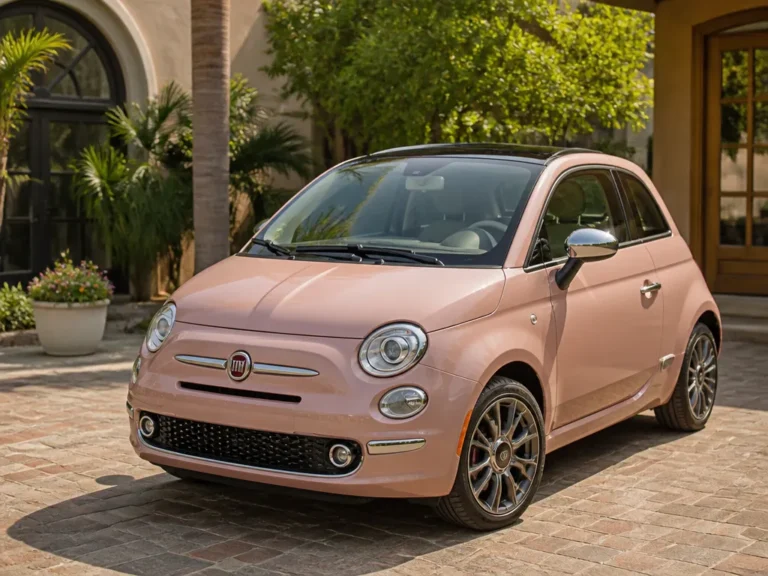
You searched “cute cars for women” because you want something small, easy to park, and comfortable to drive every day, without landing in a headache at the shop. The hard part is picking models that are genuinely driver-friendly, with practical cargo space and real-world reliability. Here you’ll get a curated shortlist of “cute” cars, plus the measurable reasons they work.
Cute usually means compact dimensions, good visibility, light steering, and easy controls, not just a pretty badge. You’ll find a short list of specific cars (with trims/years where it helps), rough new or used price guidance, and quick notes on comfort, safety tech, infotainment usability, and common ownership drawbacks.
Compact hatchbacks and small crossovers are the most common “cute cars for women” because they’re easy to park, have good visibility, and usually cost less to run. Expect options in the roughly $15,000 to $30,000 used range and $25,000 to $35,000 new, with modern backup cameras and Apple CarPlay or Android Auto.
Cute Cars For Women: What “Cute” Means
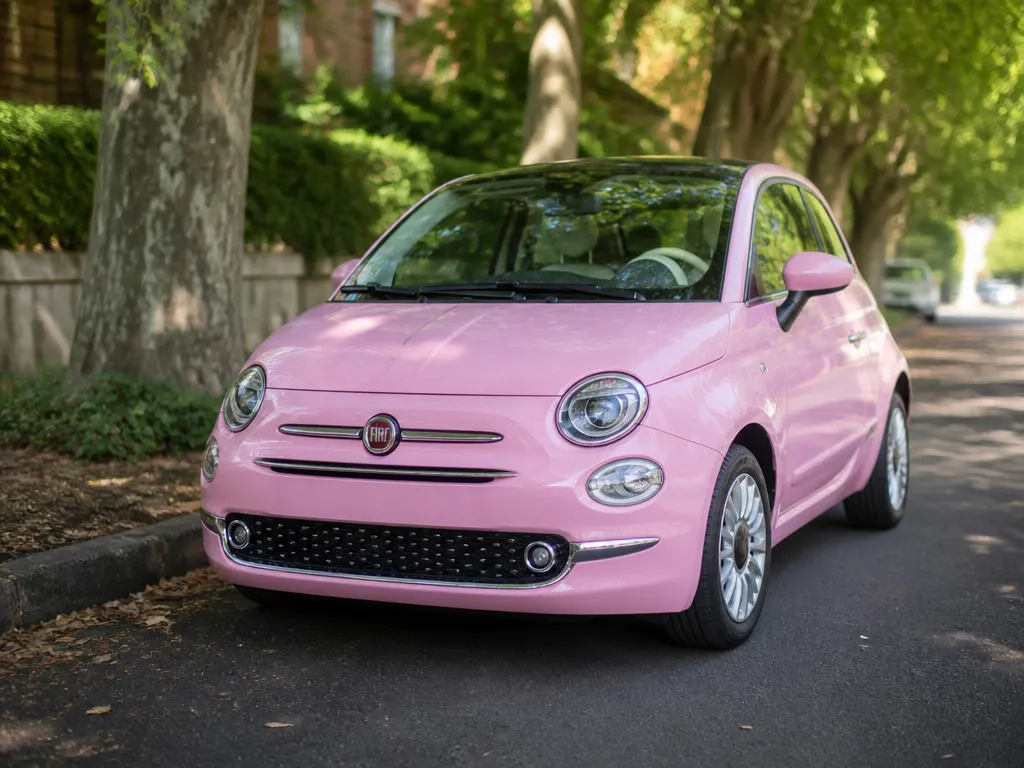
A “cute” car usually means it feels easy to live with day-to-day: small enough to park without stress, easy to see out of, and simple to maneuver at low speeds. The look matters too, but the best options also have practical cargo and rear-seat usability, so “cute” does not turn into “annoying” by week two.
Measurable Traits That Make A Car Feel Cute
Start with size and drivability. Compact footprint cars help you park in tight spots and handle narrow lanes, and they tend to keep steering effort light around town.
Design details are the easy part to spot, but “cute” holds up when the layout works in real life. A hatchback with a wide opening often beats a trunk-style sedan for carrying shopping bags, folded strollers, or a duffel without playing Tetris.
| “Cute” signal | What to look for | Practical payoff |
|---|---|---|
| Hatchback shape | Rear hatch + flat-ish cargo floor | Faster loading and more usable volume |
| Rounded profile | Smoother fenders and shorter overhangs | Often pairs with compact dimensions |
| Small wheel look | Commonly 15-17 inch wheels on many compact models | Can make ride feel less harsh on bad pavement |
A quick in-person test: sit in the driver’s seat, check how far you can see the curb and traffic lights, then simulate a 3-point turn. If those feel effortless, the “cute” factor usually follows.
Rear-seat usability is where many “cute” cars win or lose. Two passengers fit comfortably in most small hatches, but taller rear occupants and long-legged passengers will feel it, so check legroom and seat cushion length before you fall in love with the styling.
Next, check hatch and cargo in person. A small hatch can still be practical if the opening is wide and the liftover height is reasonable, and folding the rear seats should make larger items fit without contorting straps and bags.
Honda Fit (2015 – 2020) Picks
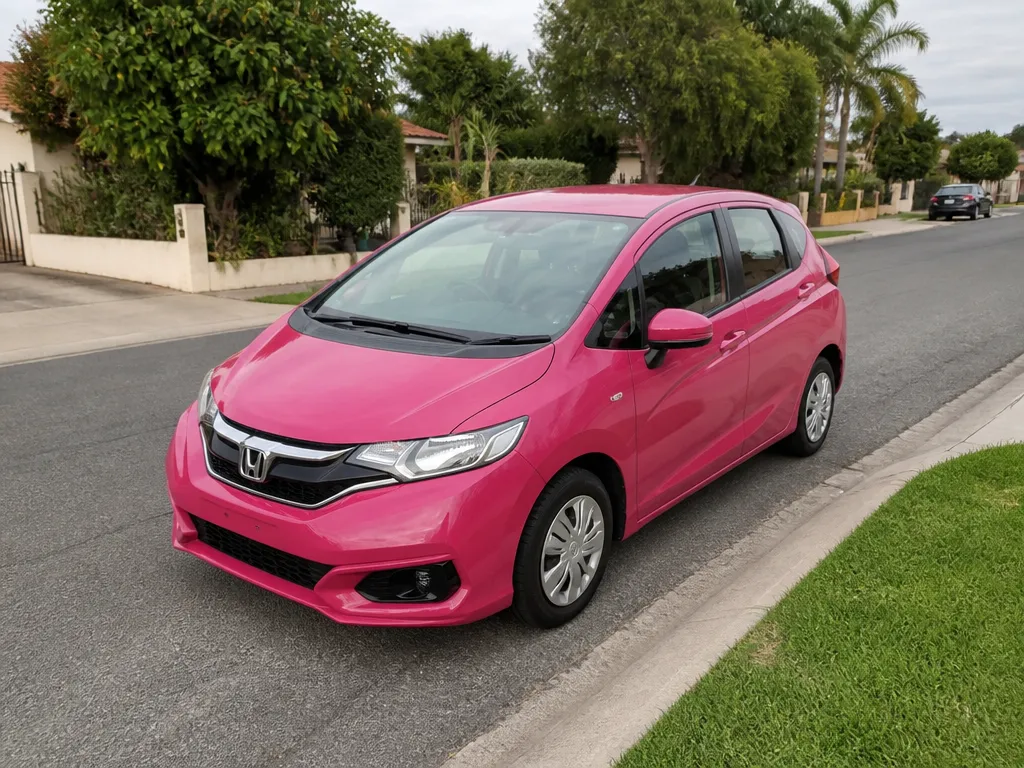
Honda Fit is the rare “cute” hatch that stays practical because it is easy to park and it packs a surprising amount of usable cargo for its size. The small footprint and tight turning feel make city errands simple, and the Magic Seat layout swallows groceries, a stroller, or a medium IKEA box without drama.
Why It Fits City Life
The Fit’s turning circle and compact length help when you are threading into tight garages or squeezing into diagonal parking spots. The cabin is tall for the class, so visibility is good and the seat height feels friendly for day-to-day driving.
Cargo layout is where the Fit wins. The rear seat folds in ways that let you keep a passenger up front while still hauling bulky items, and the floor stays relatively low and flat for loading.
Most Sought Trims/years For Comfort And Tech
In the 2015 to 2020 window, shoppers usually target the EX or EX-L trim levels for nicer comfort equipment and more advanced infotainment. Apple CarPlay and Android Auto availability depends on model year and head unit, so confirm the exact car you are buying, especially if you rely on wired phone integration.
For comfort, look for trims with a better audio setup and heated options if you want them. For tech, verify the screen responds well, the USB ports are solid, and the phone pairing works reliably during a test drive.
| Buyer goal | What to hunt | Trade-off |
|---|---|---|
| Comfort for commuting | EX or EX-L (2016 to 2020 more often) | Cost per mile is higher than base trims |
| Phone integration | CarPlay/Android Auto-equipped head unit (confirm by VIN or listing) | Some cars may need Bluetooth only |
| Everyday hauling | Magic Seat configurations and clean cargo area | Rear seat is less roomy than a midsize hatch |
Price Band And Common Drawbacks
Used Honda Fits are usually one of the more accessible “cute but sensible” choices, and the biggest price jump tends to come from higher trims, lower miles, and cleaner service records. Exact numbers vary by market, so treat listings as a starting point and compare at least a few EX/EX-L cars in your area.
The trade-offs show up on rough roads. The ride can feel a little firm, and some buyers notice more road noise than they expect for a small hatch.
Ownership And Reliability Notes, What To Inspect
Honda Fit ownership is generally straightforward when maintenance history is real and consistent. Before you pay, inspect engine mounts for looseness or tears, because worn mounts can make vibration worse and clue you into neglected service.
Wear items matter more on a small car because you feel them quickly. Check tire condition, brake pad thickness and rotor wear, verify transmission behavior during a warm test drive, and confirm the engine oil was kept at the right interval.
Buying tip: bring up service records and look for consistent oil changes, especially if the car spent time in stop-and-go traffic.
On the test drive, listen for clunks over bumps, check that steering pulls are absent, and make sure the infotainment screen and phone pairing work without glitches. Prioritize cars with no accidents that were repaired cleanly, since hatchbacks can hide structural or fit issues during inspection.
Toyota Yaris Hatchback (2017 – 2020) Picks
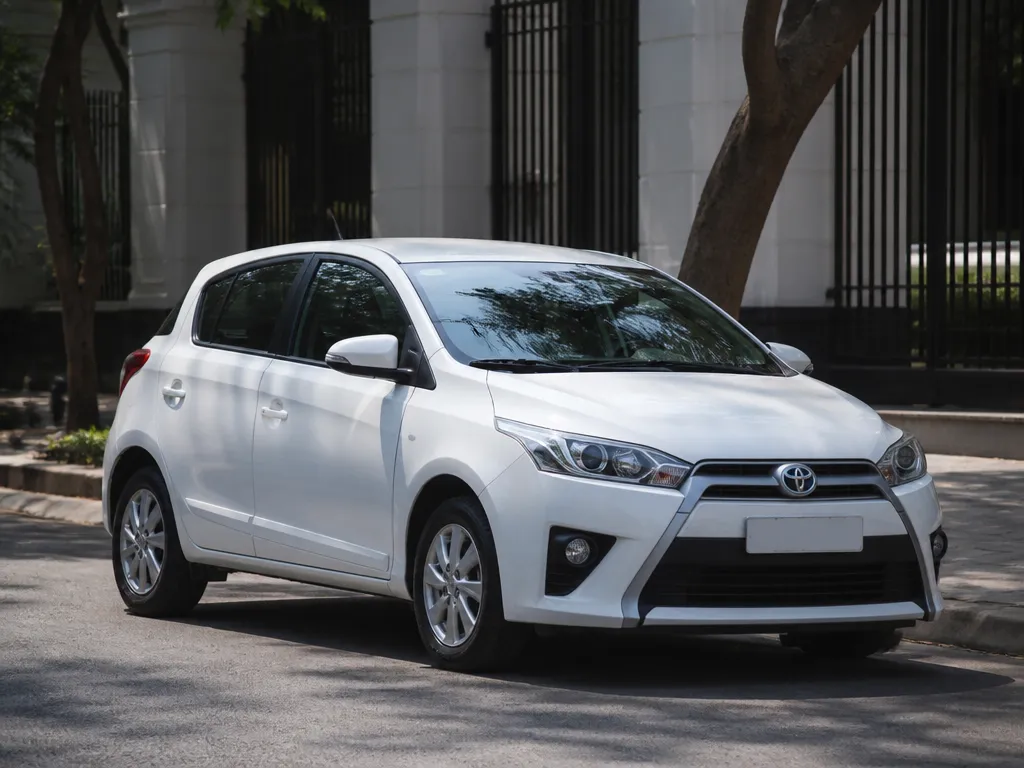
Toyota Yaris hatchbacks from 2017 to 2020 are easy to live with because the steering is light and the braking feel is predictable at city speeds. Their compact footprint makes tight parking and quick turns less stressful, which is a big part of why this car reads “cute” in real life.
Why It Feels Easy
The Yaris drives like a small car, and that is the point. Most owners like the upright seating position for visibility, and the pedal feel is consistent whether you are creeping through traffic or stopping at a light.
In day-to-day use, the win is maneuverability. The Yaris is light enough in the steering that you do not fight the wheel in parking lots, and it keeps braking confidence without drama when you need to slow quickly.
Trim And Feature Guidance (What To Hunt For)
For better daily convenience, focus on trims that add the higher quality infotainment package and more responsive touchscreen setup.
In practice, the biggest “upgrade” is getting a factory system that is smooth enough to use without fiddling, plus enough audio quality to keep you happy on commutes.
When shopping, test the touchscreen and audio balance in person. Higher trims typically improve infotainment and driver convenience, but your best move is to confirm the screen responds cleanly and the sound is not distorted at higher volume.
| What to check | Why it matters | What to look for on the test drive |
|---|---|---|
| Infotainment responsiveness | Less distraction, easier daily use | Quick menu navigation and stable Bluetooth/audio |
| Audio system | Comfort on longer drives | Clean sound at mid and high volume, no rattles |
| Driver assist | Confidence in traffic | Confirm the exact package is present and working |
Rough Price Guidance And Value
Yaris hatchbacks are often priced below higher-cost subcompacts, especially once they are a few years old and mileage rises. Exact numbers swing a lot by region, so treat any listing price as negotiable and compare against similar year and mileage from nearby listings.
In general, you get the best value when you buy a car with documented maintenance rather than chasing the lowest price. A slightly higher purchase price can beat a future cost if it means newer tires and less worn suspension.
Mechanic tip: If the listing is “cheap-cheap” and the tires look old or uneven, budget for suspension and tire replacement soon.
Common Drawbacks And What To Check On Used Examples
The trade-off for compact size is rear-seat and cargo limits. Adults in the back often feel cramped on longer trips, and grocery runs can fill the hatch quickly, especially if you add bags plus a cooler.
For used-car due diligence, inspect the service history and pay close attention to the wear items that tell you how the car was treated. Uneven tire wear can point to alignment or suspension wear, and worn bushings show up as looseness over bumps.
Hyundai Kona (2018 – 2022) Picks
Hyundai Kona is a small crossover that feels “cute” because its shape is boxy and playful, yet it is still easy to drive like a compact hatchback. Kona also gives you taller seating and a high-up view, plus a practical hatch for groceries, gym bags, and weekend stuff.
Why It’s Cute And Practical
Kona sits higher than a typical subcompact hatchback, so getting in and out feels less awkward and visibility is easier in tight parking lots. The crossover body brings more everyday cargo flexibility than a sedan, and the short wheelbase helps keep steering feel friendly around town.
Common “cute but useful” cues you will notice in daily driving are the upright seating position, sculpted styling, and the hatch opening that makes loading easier. Kona is a sweet spot when you want crossover vibes without moving up to a larger, harder-to-park vehicle.
Trim Guidance (Infotainment And Safety Tech)
For the best “daily driver” experience in 2018 to 2022 Konas, focus on higher trims that include a modern infotainment screen, Apple CarPlay and Android Auto compatibility, and more driver-assist features. Lower trims can feel a bit plain, especially if you rely on navigation and hands-free calling.
When comparing specific listings, look for these items as quick decision makers:
| What to prioritize | Why it matters |
|---|---|
| Higher trims | More responsive infotainment and more standard safety tech |
| Correct option package | Some safety features vary by model year and packaging |
| Service history | Used-car condition drives ownership costs more than trim does |
Price Guidance And Common Drawbacks
Kona pricing usually lands above the cheapest small hatchbacks, especially for newer model years and vehicles with desirable options. Exact numbers swing a lot by mileage, city pricing, and whether the car has the safety and infotainment package you want, so treat any listing as a starting point for negotiation.
One trade-off to expect is a firmer ride than you get in bigger, softer-tuned crossovers. Another real-world downside is limited rear-seat room compared to larger crossovers, so tall passengers may feel a little cramped on longer trips.
Shop note: drive one with your usual seating position and a passenger, then check rear legroom. Kona is great for everyday errands and short commutes, but bigger crossovers feel more comfortable for regular rear-seat passengers.
Ownership Cost Notes On Used Konas
Maintenance on a Kona is generally in the normal small-crossover lane, with routine items like tires, brakes, and fluids driving most of your spend. On used cars, the biggest money saver is finding one with consistent service records and checking for uneven tire wear (alignment issues can add cost over time).
Used-car inspection items worth paying attention to include brake health (pads and rotors), suspension bushings, and tire condition, plus a thorough look at how the transmission shifts during test drive. Kona drivetrain type matters for inspection priorities, so match your mechanic’s check plan to the specific engine and transmission listed on the VIN.
Mazda Cx-3 Or Cx-30 (2018 – 2021) Picks
Mazda makes these small crossovers feel “easy to live with” because the driving position is supportive and the controls are laid out for quick, natural reach. The view over the hood is good for city parking, and the steering feel is light enough for tight spots while still feeling connected on the road.
Choosing between the CX-3 and CX-30 comes down to space versus compact agility. CX-3 is tighter and simpler to thread into small parking spaces, while CX-30 gives you more rear-seat and cargo practicality, which matters when you carry groceries, gym bags, or an extra passenger.
Why Mazda Stands Out (Driver Comfort And Visibility)
Mazda’s cabin layout keeps your hands in a comfortable spot, and the seat shape helps you stay put on longer drives without sliding around. In daily driving, that reduces fatigue when you are stopping often, climbing in and out at stores, or driving with a passenger for carpool.
Cx-3 Vs Cx-30: The Trade-off You Actually Feel
CX-3 is the pick if “cute” also means compact maneuverability. CX-30 is the pick if you want that same Mazda personality but need a little more room for real-life hauling and rear-passenger comfort.
| Model (2018 – 2021) | Best for | What you give up |
|---|---|---|
| CX-3 | City parking, quick errands, smaller driveways | Tighter rear-seat room and less flexible cargo space |
| CX-30 | Daily practicality, more space for passengers and bags | Still compact, so it is not SUV-roomy, and it costs more in higher trims |
Price Guidance And Value Reality (Rough)
These trims usually cost more than economy hatchbacks, because you are paying for crossover styling, a more upscale interior, and Mazda’s drive feel. Exact pricing varies a lot by mileage, trim, and location, but as a rule of thumb, expect higher used-car costs than a typical compact sedan or hatchback.
Value depends on what you buy, not just the model name. Higher trim pricing can be steep, so a “mid trim with the right options” often beats a fully-loaded version if you mostly drive locally and want comfort and visibility rather than every tech feature.
Common Drawbacks To Watch Before You Fall In Love
Rear-seat space is the main compromise on both models, with CX-3 feeling the tightest when you have adults in back. Higher trims can also be noticeably more expensive, so you want to price-check the exact vehicle you are shopping rather than assuming all options are similar value.
Insider tip: if you regularly ride with someone in the back, sit in it for 10 minutes. Legroom and seat comfort are the “cute vs practical” deal-breakers on small crossovers.
Reliability And Ownership: What To Inspect
For 2018 to 2021 Mazdas in this class, reliability tends to be decent when maintenance is consistent, but you should still verify the basics. Start with tires (uneven wear suggests alignment or suspension issues), then check suspension for clunks, steering looseness, or vibration under braking.
During a test drive, pay attention to transmission behavior during slow-speed takeoff and smoothness during gentle acceleration. A clean service record matters more than many people expect, because it reduces the odds of small wear issues turning into expensive repairs.
Volkswagen Golf Or Gti (2015 – 2019) Picks
Volkswagen Golf and GTI of model years 2015 to 2019 are the “small but grown-up” hatchbacks. They feel tight in the steering, park neatly in city spots, and their interior layout makes daily life simpler than many bigger hatches.
Why It Works For Daily Driving
The Golf and GTI are easy to place because they have a short wheelbase and strong visibility over the hood. The hatches also open wide for quick grocery loads, and the cabin layout is driver friendly for short errands and longer commutes.
For city driving, the real win is balance. The steering is accurate at low speeds, the ride stays composed over uneven pavement, and you get enough power for merging without constantly rowing the gearbox (especially on the automatic-equipped trims).
Trim Guidance (What To Hunt For)
To keep this “cute” and comfy, focus on trims that bring modern tech without going all the way to the most expensive option. If you care about easier living, look for infotainment screens with smooth menus, plus driver-assist suites that reduce fatigue in traffic.
In practice, Golf trims with upgraded infotainment and comfort packages are the sweet spot for daily use, while GTI trims are the pick for people who want a sportier ride and quicker acceleration. Pay attention to seat height and power adjustments during test drives, since small differences can feel big in a hatch.
| Buyer priority | What to look for | Why it matters |
|---|---|---|
| Better tech | Higher trim infotainment package | More intuitive interfaces and clearer screen setup in bright light |
| More relaxed driving | Driver assist package (adaptive cruise, lane features where equipped) | Less stress in stop-and-go traffic and highway driving |
| Comfort first | Cloth/leatherette comfort seats, heated seats, power driver seat if available | Better day-to-day posture and easier entry/exit |
Rough Price Guidance And Common Drawbacks
Golf and GTI pricing is typically higher than many non-premium compact hatches, especially on lower-mile examples. Expect to pay more for cleaner maintenance history and for trims that include nicer infotainment and comfort options.
Trade-offs come down to driving style. GTI models can feel sharper and may give up some fuel economy depending on how you drive and how the car was tuned or maintained, and harder driving can accelerate tire and suspension wear.
Ownership Cost Notes, Maintenance Timing, And Pre-buy Checks
Golf and GTI ownership costs are usually reasonable when scheduled maintenance is kept current, but neglect shows up as expensive catch-up work. Before buying, confirm oil change history, check brake wear and tire condition, and verify the maintenance schedule was followed on schedule.
When you test drive, listen for steering or suspension clunks over bumps, check that the transmission shifts smoothly (for manuals, feel for clutch take-up; for automatics, look for smooth engagement), and confirm the infotainment and driver-assist features operate correctly. If any warning lights are on, plan on a scan and real diagnostic check before you sign.
Dealer-insider tip: For these cars, the cleanest bargains are the ones with complete service records. A slightly higher price for consistent maintenance often beats a lower price with mystery history.
| Check before purchase | What you’re looking for |
|---|---|
| Service history | Regular oil changes, evidence maintenance was done on time |
| Under-hood leaks | Dry engine bay, no fresh coolant or oil seepage |
| Brakes and tires | Even tire wear, no vibration under braking |
| Suspension feel | No clunks, no wandering alignment feel |
Easy Driving Checklist For Small Cars
Small-car ownership gets simple when your daily drive has three things locked in: control feel, effortless parking, and easy tech pairing. Treat every test drive like a mini audition for your exact routine, not a showroom stroll.
Automatic Vs Manual (Choose The Simplest Life)
Automatic drivetrains make stop-and-go driving less tiring because you only manage speed and steering. Manuals can be fun, but they demand more clutch timing, especially in traffic and tight parking lots.
On a test drive, look for how the automatic behaves at low speeds: smooth takeoff from a stop, no harsh surging during gentle acceleration, and predictable downshifts when you brake then roll back onto the throttle.
Steering And Turning Confidence (The Parking-lot Truth)
Steering feel is where “cute” cars win or lose. From the driver’s seat, you should see the hood edges clearly, and the steering wheel should respond without delay when you make small corrections.
During the test drive, pick a real-world maneuver: a tight U-turn, a three-point turn, and parallel parking into a space that is tighter than you normally use.
Controls Reach And Sightlines (Fit Matters More Than Specs)
Seat height and steering-wheel adjustability affect how “cute” a car feels in daily use. If your knees are jammed, your shoulders hunch, or your elbows hit the console, you will feel it every parking trip and every errand run.
Check mirror sightlines before judging visibility: adjust the mirrors to cover the widest usable area, then perform a slow lane change or lane drift to see where your blind spot remains.
| Test item | What you should feel | Red flag |
|---|---|---|
| Low-speed steering | Immediate, smooth response with minimal correction | Wandering, delayed response, or lots of steering input |
| Stop-and-go throttle | Coast, creep, and takeoff feel consistent | Surging, flare-ups in RPM, or jerky transitions |
| Brake feel | Predictable pedal travel and clean stopping | Mushy pedal, grabbing, or vibration under light braking |
Braking And Acceleration Feel (Comfort In Real Traffic)
Comfort comes from modulation. In stop-and-go, the pedal should give you a smooth, confident ramp so you can brake without feeling like you are yanking the car, especially on uneven roads.
During bumps and uneven pavement, listen for harsh impacts through the seat and steering wheel. A small car can feel “cute” and still beat you up if the suspension is too firm or tires are mismatched.
Pro tip: If the car feels fine at 25 mph but unsettled at 10 to 15 mph over seams, your commute will feel worse than the test-drive loop.
Parking Aids To Prioritize (Where You Will Actually Rely On Them)
Backup cameras matter most for confidence, backup sensors help you judge the last few feet, and blind-spot monitoring reduces anxiety when you’re rushing errands. Availability varies by trim, so confirm it on the exact car you test drive.
Focus on how the systems work, not just whether they exist. The camera should stay sharp at night, sensors should beep in a sensible pattern, and blind-spot alerts should be easy to spot without distracting you.
Infotainment Usability (Touch, Buttons, And Phone Pairing)
Small-car ownership gets easier when your phone connects quickly and your screen responds without lag. Test this by setting up CarPlay or Android Auto in the car, then changing screens and using the map while you park or pull back out.
Check the physical layout too. A simple volume knob and quick home button reduce distraction, and a hard-to-read screen in sunlight will annoy you every day even if the car drives well.
Safety Tech And Reliability Tradeoffs By Model
Forward collision warning, lane assist, and adaptive cruise can materially reduce fatigue on stop-and-go commutes, but they are trim-level options and may be disabled after a crash or software reset. Reliability usually swings more on maintenance history than on badge, so used-car shopping should focus on wear items and prior repairs first.
Safety Feature Checklist You Can Verify In 2 Minutes
These items are the big-ticket safety tech to look for, but wording varies by year and trim. Treat any “safety suite” ad as a starting point, then confirm it from the window sticker, VIN build sheet, or the infotainment menu.
For example, a 2018 to 2021 compact model might list “Driver Assistance” in marketing, but the specific FCW, lane assist, and ACC pieces often split between base, mid, and top trims. Before you fall for the “cute” look, pull the VIN and verify the equipment line-by-line.
For practice, verify the features using three documents: the VIN build sheet (from dealer or manufacturer lookup), the original window sticker, and the in-car settings menu under Driver Assistance. If the infotainment menu is missing expected items, you are either looking at the wrong trim or the vehicle has had a module swapped or reconfigured.
Reliability And Ownership Cost Notes For Common Wear
Tires, brakes, and suspension parts are where used-car budgets get crushed, especially on compact cars that get driven hard in city traffic. CVT and automatic drivetrains can be fine for many owners, but neglect shows up as shudder, delayed shifts, or fluid-condition problems if service records are thin.
In practice, a “clean title, one owner” car can still have expensive surprises if oil changes were skipped and tires were run to the wear bars. A $3,000 – $6,000 lower purchase price can disappear quickly if you inherit worn suspension, needing tires, plus brake work and fluid catch-up.
Used-car Avoid List Patterns (What To Walk Away From Or Price Hard)
Accident history does not automatically mean the car is unsafe, but it raises the odds of misaligned sensors, poor repairs, and future reliability problems. Used “cute car” shoppers tend to get pulled by color and styling, so stay disciplined on these patterns.
For example, a compact crossover with a repaired bumper and a cracked windshield can still look great, but the camera-based lane system may drift out of calibration. In that case, you should assume extra diagnostic time and calibration cost until proven otherwise.
Warranty Strategy: When Extended Coverage Is Worth It
Extended warranties can be a smart hedge when the car is out of factory coverage and the drivetrain has expensive components. Extended coverage is less useful when you cannot get clear documentation of prior maintenance or the car already has warning lights related to driver assistance.
Mechanic’s tip: If the car has any active “check engine,” transmission faults, or recurring driver-assist warnings, fix diagnosis first. Paying for a warranty that excludes known problems is a common way buyers lose money.
| Warranty situation | What to check before buying | When it tends to make sense |
|---|---|---|
| Factory warranty still active | Service record match, no open recalls left undone | Usually skip extended plans and keep coverage simple |
| Extended warranty after factory ends | Exclusions for CVT/automatic service, sensors, calibration, and electrical components | Worth considering if maintenance history is solid and the car has no active faults |
| Car shows accident history or warning lights | Pre-existing condition language and inspection requirements | Often low value until issues are diagnosed and resolved |
Reliability is usually predictable when the basics are handled. Tires, brakes, fluids, and drivetrain service records are your best protection on used “cute” compact cars, and safety tech should be treated as a bonus only after you verify it works exactly as described.
Quick Summary
“Cute” in this guide is defined as day-to-day livability, not just looks, with measurable traits like compact dimensions, good visibility, light steering, and easy controls. The article says compact hatchbacks and small crossovers are usually the go-to because they are easier to park, easier to maneuver, and typically cheaper to run. It also sets expectations for pricing, calling out roughly $15,000 to $30,000 used and $25,000 to $35,000 new, with modern backup cameras and Apple CarPlay or Android Auto.
Beyond sizing, the article pushes buyers to verify practicality and comfort with quick in-person checks. It advises budget reality first, then to prioritize simple tech like an easy-to-reach volume knob and to target trims with forward collision warning and lane assist when available. It also suggests a real ride test by spending 10 minutes on rough pavement to judge firmness and to check rear-seat legroom and cushion length. For a standout pick, it calls out the Honda Fit (2015 to 2020), citing its Magic Seat flexibility, low and flat-ish loading floor, and a wide hatch opening, making the key takeaway simple: test visibility, parking ease, and real cargo space before you buy.
| What to shop for | Why it matters | What the guide suggests checking |
|---|---|---|
| Compact footprint | Easier parking and calmer low-speed steering | Overall length, turning circle, and effortless 3-point turns |
| Simple tech and safety | Less clutter, fewer frustrations, safer commuting | Apple CarPlay or Android Auto, easy volume control, forward collision warning, lane assist |
| Real cargo and rear seats | Cute that lasts longer than “week two” | Wide hatch opening, folding seats for bulky items, rear legroom and cushion length |
| Honda Fit (2015 to 2020) | Compact size with practical cargo layout | Magic Seat configurations and low, relatively flat loading floor |
Frequently Asked Questions
What Are The Most Affordable Cute Cars For Women In 2026?
It depends a lot on your zip code and whether you are shopping new or used, since exact pricing was not available in the research. As a rule, you can usually find the best value in the subcompact SUV and small sedan categories, especially if you target a 3 to 7 year old model.
Which Cute Cars For Women Are The Easiest To Park And Drive In Tight Spaces?
Look for cars that have good visibility, a small turning circle, and a rear camera, since those make daily parking much less stressful. If you live in a city, prioritize models with parking sensors, and test drive at least one tight spot before you buy.
Are Cute Compact Cars Safe, Or Do Smaller Cars Have Safety Tradeoffs?
You should treat “cute” as style only, and focus on safety equipment and crash test results for the exact model year. In general, modern smaller cars can be very safe, but you need to check for active safety features like automatic emergency braking and lane support, then confirm what your specific trim includes.
What Maintenance Costs Should I Expect For Cute Cars Like Mini Suvs And Small Sedans?
Because the research coverage was limited, I cannot quote exact yearly costs by model. Plan on budgeting for tires, brakes, and routine services, and if you commute a lot, ask your mechanic what your typical brake and tire wear looks like for that car’s weight and tire size.
What Should I Check Before Buying A Cute Used Car For A Woman, Like Mileage Or Accident History?
Always pull a vehicle history report and get a pre-purchase inspection before you hand over money. For cute used cars, also inspect for uneven tire wear, signs of prior body work, and confirm the maintenance records on oil changes and transmission service if the car has an automatic.
Can A Cute Car Be Reliable If I Choose The Wrong Transmission Or Trim?
Yes, reliability problems often come from mismatched use and neglect, not from the car being “cute.” Stick to a trim with the features you actually need, match the transmission to how you drive, and verify recalls have been completed on the VIN before purchase.