


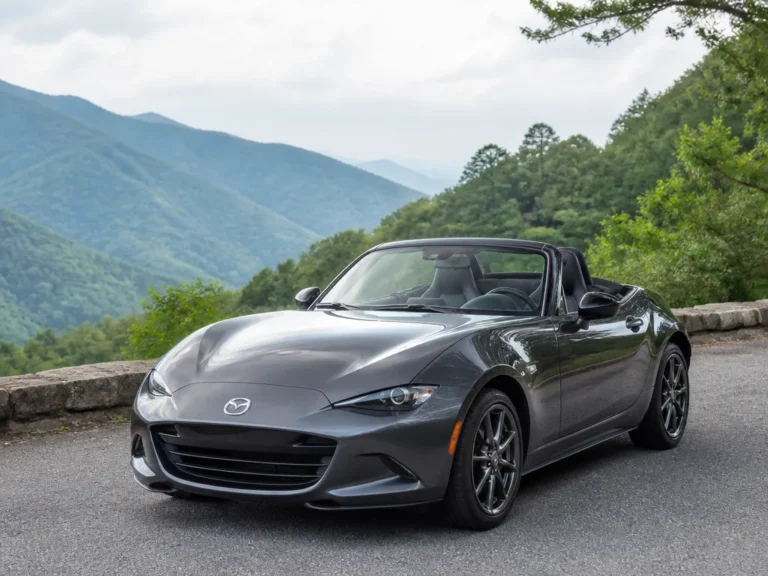
You’re planning a Smoky Mountains road trip and wondering if your current sedan can handle the curves, steep descents, and occasional fog or smoke, or if you should rent or buy an SUV. The answer usually comes down to traction (especially if weather turns), braking confidence, and how much ground clearance you want for rough pull-offs.
An SUV isn’t automatically required, but AWD and extra clearance are a smart bet if you’ll drive in rain, early mornings, or late-season cold. If you’re staying on main routes with good tires, a well-sorted AWD sedan or wagon can work great. Keep reading for a shortlist of models and a fast decision checklist.
Best cars to drive in the Smoky Mountains: choose an SUV or crossover with AWD for rain, fog, and light snow, or a reliable AWD sedan if roads stay mostly clear. Prioritize good tires, strong braking for long descents, and enough cargo space for 2 to 4 days. SUV helps with clearance and visibility, not speed.
1. Subaru Outback
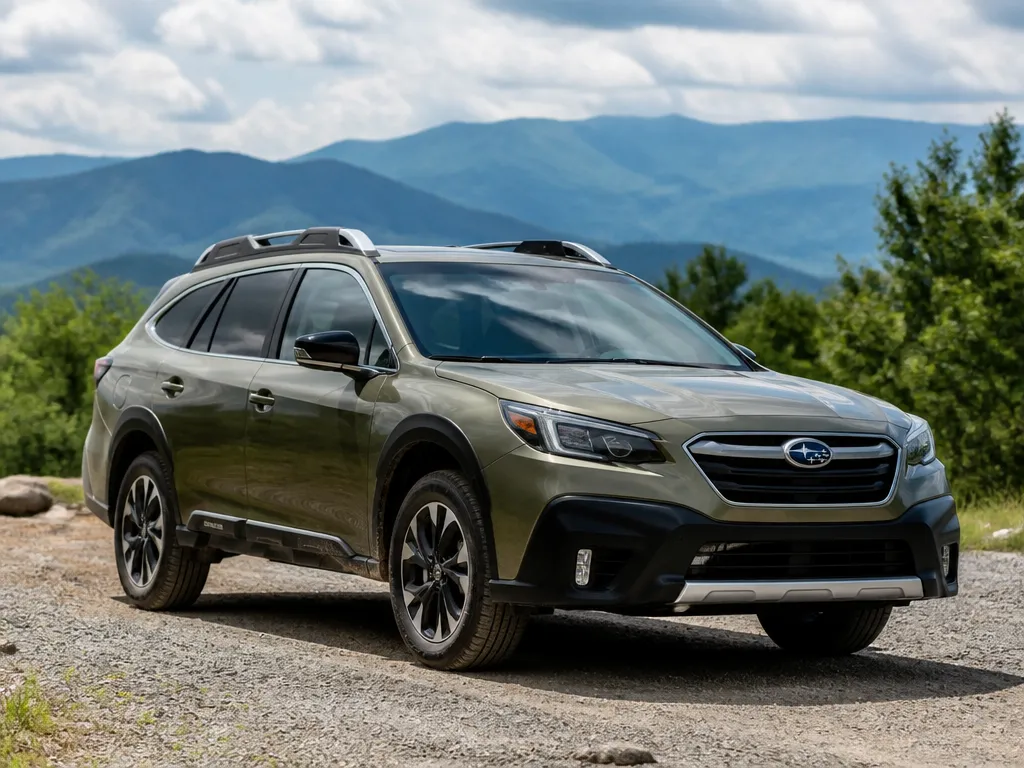
Subaru Outback is a strong fit for mountain driving because it pairs a practical wagon body with standard all-wheel drive and a higher ride height than most sedans. That combination helps you stay composed on wet, curvy roads and uneven pull-offs when the weather changes fast in the Smokies. It also keeps cargo space usable for road trips without pushing you into the bigger size and fuel use of many midsize SUVs.
In practice, an Outback works well for cabin-hopping trips where you want room for a cooler, extra layers, and a spare jacket for summit fog.
For instance, the wagon layout can make loading camping gear and luggage easier than a narrower sedan trunk. In many model years, you can also pick driver-assistance packages that include lane-level alerts and adaptive cruise-type systems, which are handy on two-lane roads.
Where It Shines And What To Watch For
The Outback is happiest on mixed surfaces: damp pavement, packed dirt shoulders, and roadside gravel when you pull over for views. Lower-speed forest roads are manageable as long as tires have good tread and your ground clearance matches the route. If you’re planning regular deep snow travel, a dedicated snow-tire set matters more than the badge on the grille. Pay extra attention to braking feel and steering response after longer drives, since heat buildup on descents can reveal worn pads, glazed rotors, or uneven tire wear. A quick pre-trip check of wiper condition and headlight aim also helps when fog rolls in on mountain overlooks.
2. Toyota Rav4
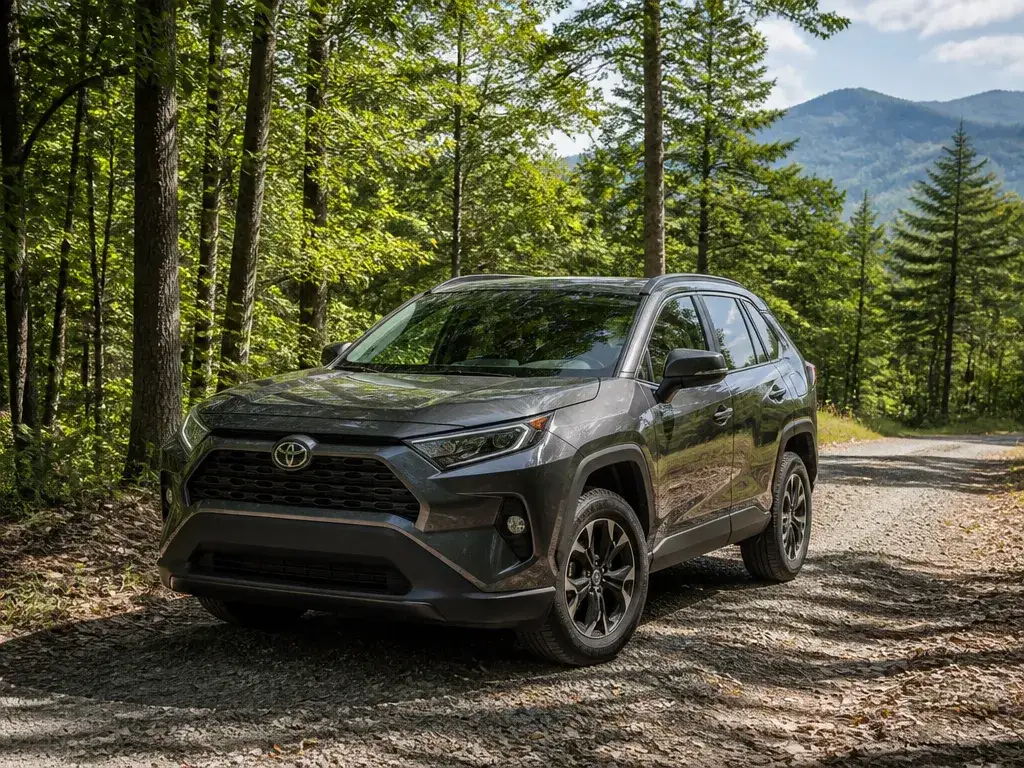
A Toyota RAV4 makes sense for the Smoky Mountains because it gives you a higher driving position than most sedans, which helps visibility on winding, changing-radius roads. The compact crossover size also keeps it easier to park and maneuver in smaller mountain towns where streets and lots get tight. Pair that with Toyota’s common parts availability, and it is a practical pick for a weekend loop or a longer trip.
For example, look for an RAV4 setup with an all-wheel drive system if you plan to drive in shoulder seasons when rain and cooler temps can make grades slick. A typical RAV4 cargo area is useful for packing layers and trail gear, and the rear seat layout lets you open up space when you bring bulky items.
In practice, you will feel the difference most on slow climbs toward higher elevations, where AWD traction and steady throttle control matter more than raw power.
What To Check Before You Go
Before committing to an RAV4 for mountain driving, confirm tire condition and tread pattern, since traction is your biggest limiter on wet curves and painted road seams. Check that the brakes feel even on the pedal and that the steering wheel returns straight after turns, because sloppy alignment shows up fast on curvy highways. If you are buying used, pay attention to maintenance records for routine items like engine oil, coolant service, and brake wear, since mountain driving adds heat cycles. During a long trip, plan fuel stops around larger towns, since elevation changes can make your real-world fuel economy drop compared to flat-road estimates.
3. Honda Cr-v
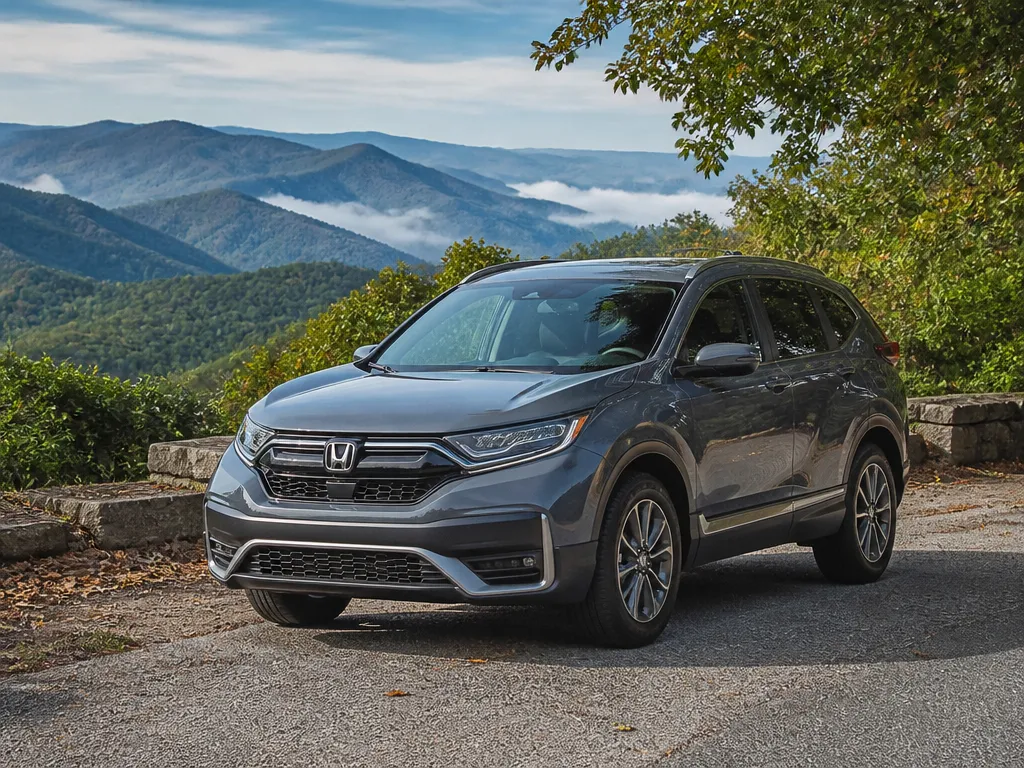
Honda CR-V makes the list because it mixes car-like handling with enough ground clearance for mountain roads, pull-offs, and wet turnout areas. Its compact SUV size helps you stay confident on winding two-lane stretches, while interior space makes it easier to fit luggage for longer drives through the Smokies. A practical fuel economy profile also matters when you spend time climbing, slowing for curves, and running errands in town.
For example, the CR-V’s upright seating and easy-to-reach controls help reduce fatigue during frequent stops in places like Gatlinburg and Pigeon Forge.
In practice, the compact footprint is easier to park than larger three-row SUVs when crowds make spaces tight.
What To Prioritize For Smokies Driving
Mountain driving in the Smokies is mostly about traction management, braking consistency, and visibility. If you are towing a small trailer or hauling gear, pay attention to payload and wheel/tire setup, since heavier loads can lengthen stopping distances on long descents. For safety and comfort, verify the brake condition before you go, and make sure the windshield washer system is full and working well for bug and grime buildup. Cabin ergonomics matter too, since long curve sequences become tiring if the steering reach, seat height, or visibility does not feel right for you.
4. Mazda Cx-5
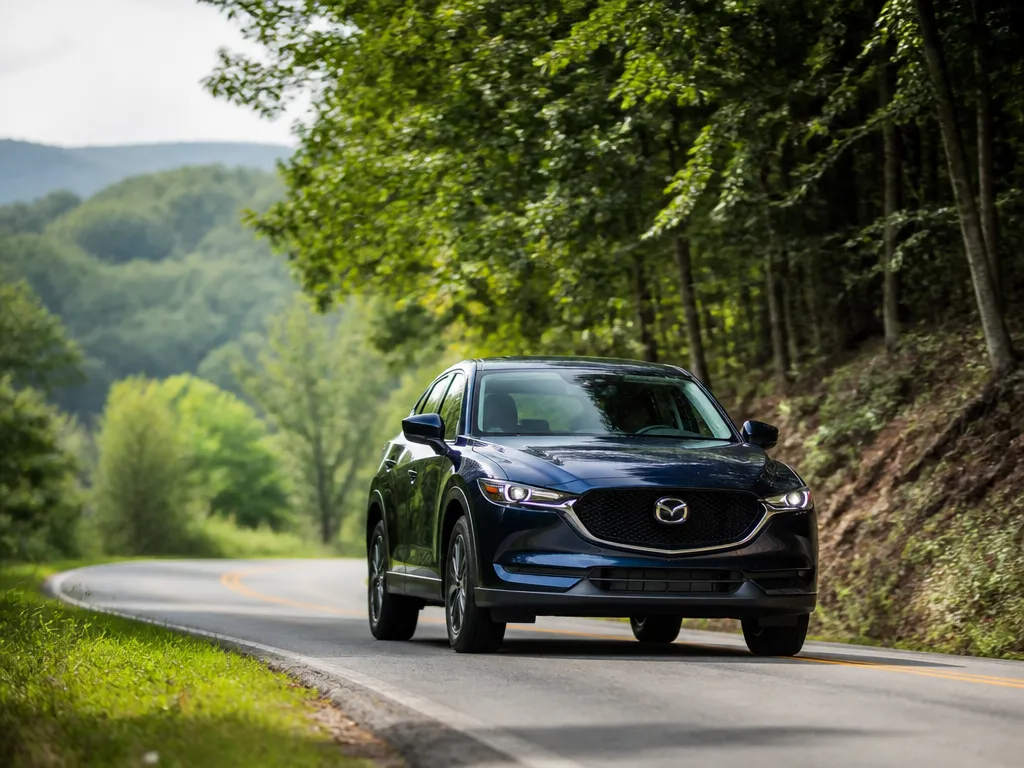
The Mazda CX-5 makes this list because it combines a comfortable ride with a ground clearance that works well on uneven pulls off and mountain side roads, without feeling bulky like many full-size SUVs. Its 4-cylinder powertrain is typically a good match for long, steady highway stretches when you are mixing in curvy roads around the Smokies. A compact footprint also helps with parking at busy trailheads and downtown stops.
For instance, the CX-5’s typical lineup uses a naturally aspirated or turbocharged 4-cylinder depending on trim, paired with an automatic transmission. Many buyers choose the all-wheel drive variant for consistent traction when pavement is damp, dusty, or changing from fog to sun. Cargo space is usually enough for a cooler, day packs, and a couple of folded chairs, and the rear seat backs can fold to stretch room for longer gear.
- Look for AWD trims if you plan frequent early-morning or post-rain driving.
- Choose the highest trim level if you want driver-assist tech for highway use.
- Pack for temperature swings, since the mountains can feel much cooler at elevation.
- Bring tire tread in good shape, since mountain roads can be slick in shaded sections.
When An Awd Cx-5 Is The Smarter Choice
In practice, AWD becomes more valuable in the Smokies when your route includes steep grades, frequent stop-and-go climbs, or shaded turns that stay damp longer than the open roadway. The CX-5’s compact size means you still get easier handling through tight switchbacks and better maneuvering on crowded overlooks. If your plan is mostly interstate cruising in dry weather, a front-wheel drive CX-5 can work, but AWD gives you extra confidence when conditions shift quickly. Pay attention to tire age and tread depth before a trip, because grip depends more on tires than on whether a vehicle is AWD.
5. Toyota 4runner
The Toyota 4Runner is on this list because it combines a truck-based feel with available low-range 4WD, which helps when roads get wet, icy, or washboarded on the way to trailheads. Its higher ride height also makes it easier to see hazards around curves, a big deal on mountain roads with quick elevation changes. If you are bringing camping gear or hauling a small trailer, the 4Runner’s layout is built for that kind of packed, long-day driving.
For practical Mountain trips, plan around ground clearance and tire choice first. Many owners pair the 4Runner with all-terrain tires sized to match the factory fitment, which keeps traction steadier on gravel pull-offs and damp overlooks.
- Use 4WD and low range when climbing steep, loose ramps or getting through deep mud near access roads.
- Load luggage low and forward to reduce sway on mountain switchbacks.
- Bring a spare tire in good condition, and confirm jack and tools are present before you leave home.
- Expect better results with fresh brakes and properly inflated tires before long grades.
When A 4runner Makes The Most Sense
If your Smoky Mountains plan includes frequent dirt road detours, sketchy parking lots at trailheads, or early-morning drives when roads are still slick, a 4Runner is the kind of SUV that feels steady. Choose the trim based on how often you need the serious off-road capability, since 4WD and crawl-capable gearing matter most when traction drops. For normal scenic drives on paved routes, a well-equipped 2WD crossover can be fine, but the 4Runner is there when you want one vehicle that can handle “oops” moments, from wet ruts to gravel steepness. Keep in mind that tire noise and fuel economy can be worse with more aggressive tires, so match the tire to your actual mix of pavement and rough access roads.
6. Do I Need An Suv?
For the Smoky Mountains roads, an SUV matters less for “power” and more for how you handle steep grades, tight switchbacks, and limited parking at trailheads.
In practice, many sedans and wagons get the job done if you have good tires and ground clearance, but SUVs earn their keep when you want easier visibility, bigger cargo space for cooler and gear, and room for occasional stops. The right call depends on your passenger count and how often you’ll pack for hikes and weather changes.
For example, a compact SUV with all-wheel drive (AWD) can help with traction on misty mornings and slick pull-offs, while a rear-wheel-drive sedan still works if you’re comfortable and your tires are fresh.
In practice, prioritize all-season tires in the correct size (avoid mismatched tread depth), good brake condition, and a suspension that keeps the tire contact patch flat through turns. Many travelers also prefer higher seating positions for fatigue management on long drives along US-441 and the Newfound Gap area.
When An Suv Is Worth It
An SUV becomes the smart choice when you expect frequent gear loading and unloading, since the cargo opening and rear seat access are usually easier than on most sedans. If you’re bringing a family or traveling with friends, the extra rear legroom and wider door openings reduce hassle at trailheads where spaces feel tight. AWD is most useful when conditions are damp or foggy, because the tires still do the real work, but AWD can give you a steadier feel when climbing back out of low-speed turns. If you’re renting, compare the SUV’s cargo dimensions against your itinerary, not just the engine size, because your trip will hinge on packing practicality more than acceleration.
7. Awd Vs Fwd Traction Tips
Traction changes fast on the Smokies roads because you can hit wet pavement, shaded curves, and loose gravel at elevations where temperatures swing. That makes drivetrain choice and tire grip matter more than badges when you are climbing or rounding long bends. AWD typically helps when roads are slick and you need power to stay planted, while FWD can still feel confidence-inspiring if your tires are in good shape and you drive smoothly.
In practice, AWD layouts often spread driving torque to all four wheels, which can reduce wheel spin when the surface is uneven or patchy. When comparing your options, pay attention to whether AWD is full-time or part-time, since some systems route power differently at low speeds.
When Awd Helps Most Versus When Fwd Is Fine
AWD tends to make the biggest difference when you are accelerating out of low-traction situations, like wet leaves, road mist, or gravelly patches near pull-offs. Climbing grades also benefit because you are asking for steady torque while traction varies side to side, and AWD can keep the car more composed with less visible wheel spin. FWD can be perfectly workable for many routes if your tires have tread depth, your alignment is healthy, and you keep a larger following gap for wet braking.
For example, a well-kept FWD sedan with strong tires and predictable throttle can feel safer on dry or lightly damp roads than an AWD vehicle with borderline tires.
Quick Summary
You do not automatically need an SUV for the Smoky Mountains, but traction and confidence on long descents matter more than body style. The article says the decision usually comes down to traction if weather turns, braking confidence for steep drops, and how much ground clearance you want for rough pull-offs. It also notes that AWD and extra clearance are a smart bet if you expect rain, early mornings, or late-season cold, while a well-sorted AWD sedan or wagon can work well on main routes with good tires.
The shortlist starts with the Subaru Outback, which is a practical wagon with standard all-wheel drive and a higher ride height than most sedans, helping it stay composed on wet, curvy roads and uneven pull-offs. For a second option, the Toyota RAV4 gives you a higher driving position for visibility on winding roads and is easier to park in tighter mountain towns, especially when equipped with AWD. Before you leave, the article stresses checking tire tread depth, tire sidewall condition, and brake feel, because descents stress components, and then the most important takeaway is this: prioritize tires and braking readiness, and choose AWD and clearance if conditions might get slick.
| Need | Article Guidance |
|---|---|
| Wet, foggy, or light snow risk | Choose AWD, since traction is the biggest limiter on wet curves and painted seams |
| Steep descents | Confirm brakes are in safe shape, since mountain descents stress pads and rotors |
| Rough pull-offs and uneven shoulders | Extra clearance helps, and it can be useful for gravel parking near overlooks |
| Trip gear for 2 to 4 days | Match cargo space to your layers and luggage needs, since SUVs versus sedans change how gear fits |
Frequently Asked Questions
Do I Need An Suv To Drive In The Smoky Mountains?
No, you do not need an SUV to enjoy the Smokies. A well-kept sedan or crossover is fine for most paved routes, and the “must have an SUV” idea mostly comes from comfort on curvy roads and higher ground clearance.
What’s The Best Type Of Car For Smoky Mountains Roads, Awd Or 2wd?
If you want the simplest safety buffer in bad weather, pick a car that has AWD or traction control. In winter or rain, AWD can help you accelerate more smoothly on slick grades, while 2WD is usually okay if you run the right tires.
What Tires Should I Use For Driving In The Smoky Mountains In Rain Or Winter?
Use good quality all-season tires for most of the year, and switch to winter-rated tires if temps regularly drop low in your travel window. Tires matter more than body style for traction on wet curves and steep stretches.
Are Suvs Safer Than Sedans On Smoky Mountains Mountain Turns And Grades?
Not automatically. SUVs often have higher seating and can feel more stable, but your real safety comes from tire grip, brakes, and steady driving, especially on long downhills where brakes can overheat if you ride them.
Should I Avoid Low-clearance Cars On The Smoky Mountains Backroads?
If your plan includes narrow, rougher pull-offs or lightly maintained roads, avoid very low-clearance setups. For paved routes, a low sedan is usually fine, but if you see uneven ruts or scrape-prone spots, choose something with more ground clearance.
What’s The Most Common Mistake People Make When Choosing A Car For The Smokies?
The biggest mistake is assuming an SUV alone solves traction and braking. Many people show up with tired tires or brake issues, then struggle on wet grades, so it’s worth checking tire tread and brake condition before you go.