


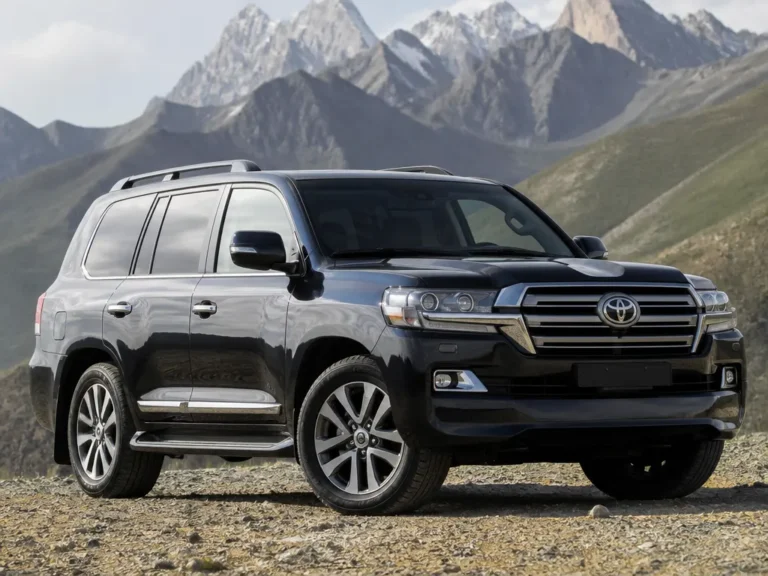
You’re planning a long highway haul and wondering if a bigger tank really beats filling up every 300 miles. Or maybe you’re towing into remote country and want fewer fuel stops. Fuel tank size varies a lot by trim and engine, so knowing the biggest factory capacities, in gallons and liters, is the real starting point.
Cars and trucks with the largest tanks are usually diesel pickups, heavy-duty work trucks, and some large SUVs, with capacities often near 30 to 40+ gallons (114 to 151+ liters). You’ll get a ranked list of specific models, estimated range math, and the caveats that change the number.
Cars with the largest fuel tank capacity can reach around 35 to 40+ gallons (132 to 151+ liters) in certain diesel pickups, while the largest SUVs in this comparison range from about 23 to 26.4 gallons (87.1 to 100.0 liters), depending on trim. Use tank size plus real-world MPG to estimate range, since highway MPG can swing wide between diesel and gasoline.
Cars With The Largest Fuel Tank Capacity: Ranked Picks
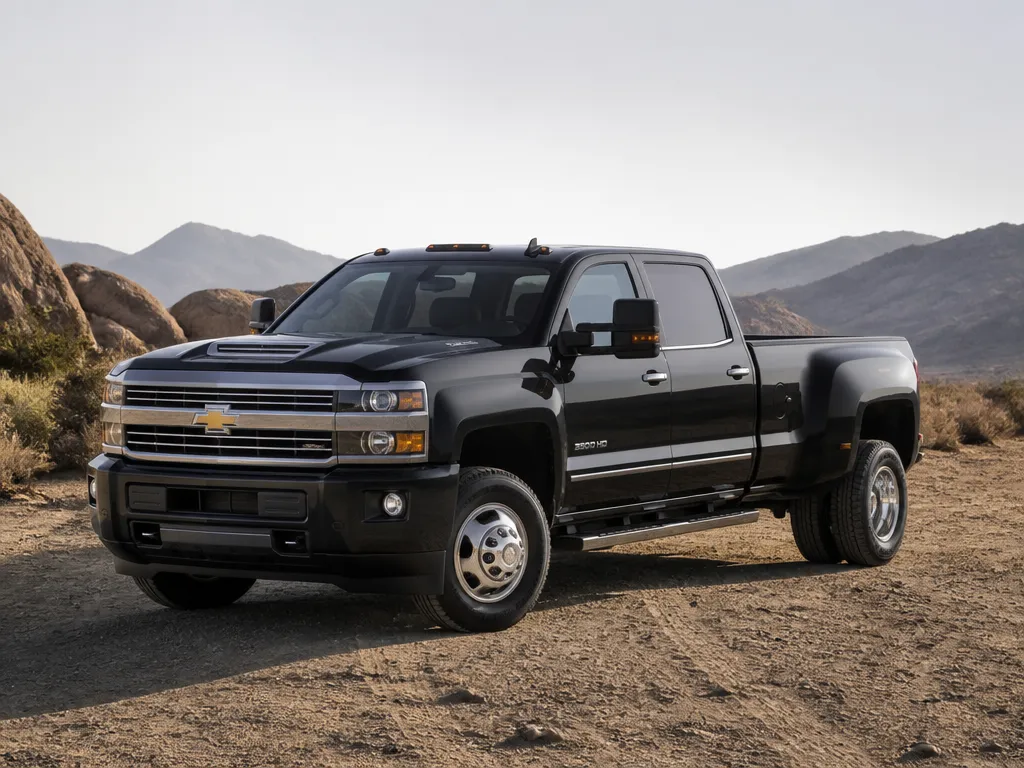
The biggest fuel tanks show up most often on full-size pickups and some large diesel SUVs, where tank size can run around 30 to 41 gallons. The real win is fewer stops on long routes, but mpg and driving style still decide whether that extra fuel becomes useful range.
Below is a ranked comparison of commonly listed factory fuel-tank capacities by model and drivetrain. Capacity can vary by wheelbase, AWD vs 2WD, and whether the truck has a diesel system or a shorter fuel system, so treat this as a best-case spec for the listed configuration.
| Rank | Model / Trim (Engine) | Fuel type | Tank gallons | Tank liters | Quick range estimate (label as estimate) |
|---|---|---|---|---|---|
| 1 | Ford F-350 Super Duty (Diesel, typical large tank option) | Diesel | 41.0 gal | 155.2 L | Estimate: 513 to 623 miles (12.5 to 15.2 mpg) |
| 2 | Chevrolet Silverado 3500HD (Diesel, typical large tank option) | Diesel | 40.0 gal | 151.4 L | Estimate: 500 to 608 miles (12.5 to 15.2 mpg) |
| 3 | Ram 3500 (Diesel, typical large tank option) | Diesel | 39.5 gal | 149.5 L | Estimate: 494 to 600 miles (12.5 to 15.2 mpg) |
| 4 | Toyota Sequoia TRD Pro (gas) | Gasoline | 26.4 gal | 100.0 L | Estimate: 370 to 441 miles (14 to 16.7 mpg) |
| 5 | Nissan Armada (gas, depending on model year) | Gasoline | 26.0 gal | 98.4 L | Estimate: 359 to 439 miles (13.8 to 16.9 mpg) |
| 6 | Jeep Grand Cherokee L (gas, depending on trim) | Gasoline | 24.6 gal | 93.1 L | Estimate: 308 to 394 miles (12.5 to 16 mpg) |
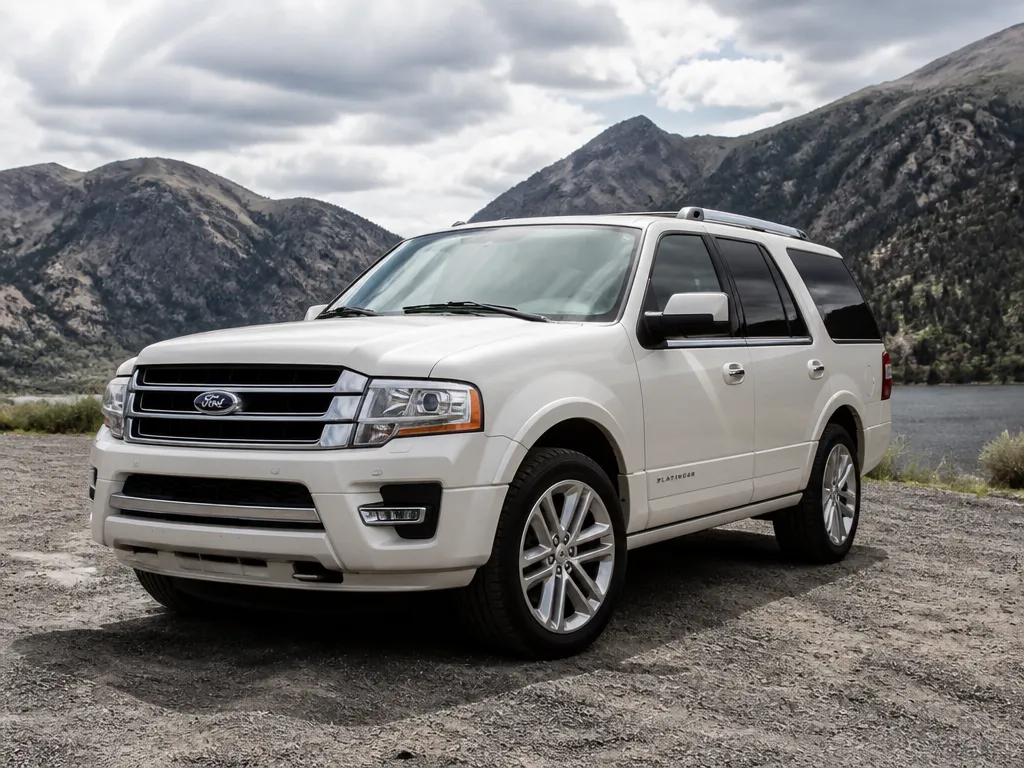
| 7 | Ford Expedition (gas, depending on trim) | Gasoline | 23.0 gal | 87.1 L | Estimate: 299 to 380 miles (13 to 16.5 mpg) |
Range estimate method: the mileage numbers above are estimates built from typical combined-to-highway real-world spreads, using the stated mpg ranges multiplied by tank capacity. Your actual mpg can swing hard with speed, load, tire pressure, and whether you tow.
How To Read The Table (What Can Change Tank Size)
Fuel tank capacity can change with configuration, even within the same model line. Diesel trucks often get larger or different tank packaging than gas models, and some trims have selectable fuel-tank options that shift the listed capacity.
AWD/4WD can affect available packaging space, especially on body-on-frame trucks and some large SUVs. Towing packages can also change how the vehicle is set up (front-end geometry, cooling load, driving behavior), which changes your real range even if tank size stays the same.
For your exact vehicle, verify the factory tank size in the door-jamb vehicle label or the owner manual, then use your last 1,000 miles of calculated mpg for the most realistic range.
Range estimates above are labeled as estimates because mpg is the variable you can control the least. Big tanks help most when you drive steady highway speeds, carry moderate loads, or travel in areas where fuel stops are infrequent.
Fuel Tank Size Vs Real Range
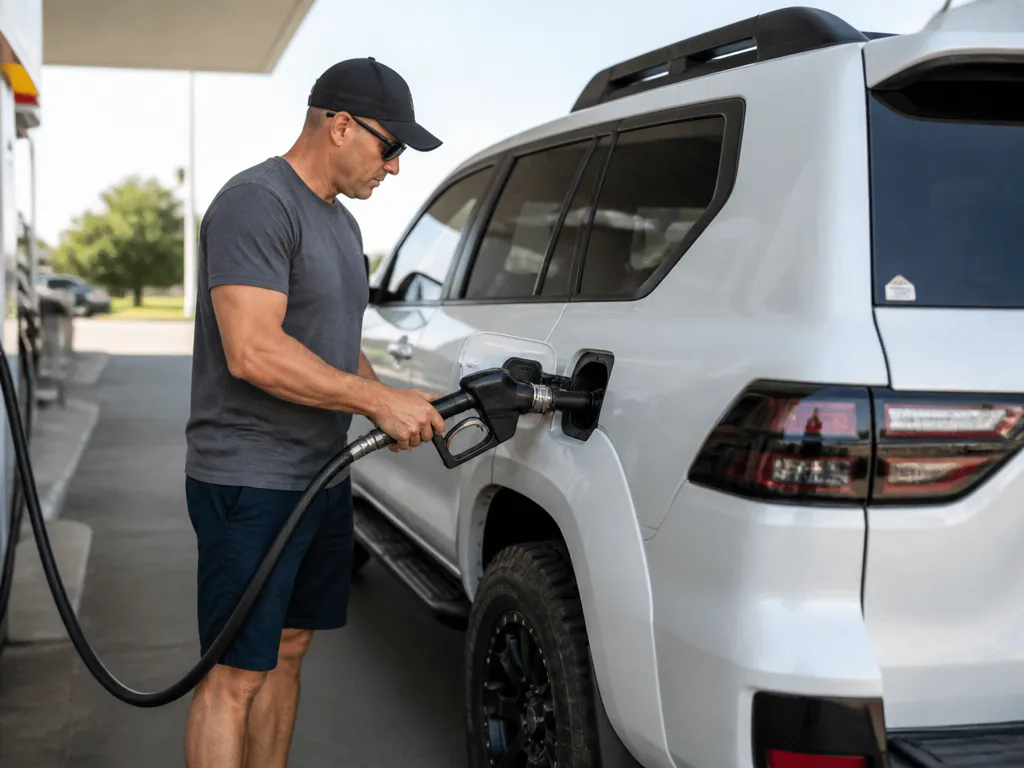
Fuel tank size only turns into distance if your real-world fuel economy matches the math. A bigger tank can add range, but it does not change how mpg drops with speed, wind, altitude, and load. The result is that many “large tank” cars still need stops sooner than you expect on highway trips.
For example, a truck or large-tank SUV that looks great on paper can lose mpg fast once you run interstate speeds with a full load. In real trips, drivers often discover the last “extra” stop is driven by comfort speed and traffic flow, not by tank capacity alone.
Towing and 4WD are where the tank advantage often gets wiped out. Towing increases engine load, exhaust backpressure, and transmission work, and 4WD adds drivetrain drag and sometimes forces less efficient operating modes.
Reality check: If your typical use includes towing, expect your mpg to track the trailer and speed more than the tank. A larger tank buys you fewer stops only if your towing mpg stays in a predictable band.
Specific scenarios that defeat big-tank math include hauling in mountain grades, towing at 70+ mph, and engaging 4WD in loose conditions at sustained speeds. Under those loads, fuel economy drops so much that the car‘s extra capacity feels smaller than the brochure range suggests.
Configuration And Market Variations
Fuel tank “champions” change fast once you compare trims, engines, and drivetrain setups because manufacturers sometimes use different tank depths, filler neck routing, or underbody packaging. The biggest-number listing you see online can be correct for one configuration and meaningless for another.
Trim, Engine, And Drivetrain Change The Tank Size
Even within the same nameplate and model year, the tank capacity can move by a couple gallons (or more) due to exhaust routing, emissions hardware placement, and spare tire or tool layout. AWD and 4WD versions often need different underbody clearance, which can affect where the tank sits and how large it can be.
For example, large-tank picks in the truck world can differ between cab configurations and bed options because fuel tanks share space with exhaust crossmembers, frame bracing, and sometimes the rear axle and differential hardware.
In practice, this is how we keep the dataset clean.
How To Compare Fairly Across Fuel Types (Gas, Diesel, Hybrids, Evs)
Gasoline and diesel tanks are easier to compare because both are measured in gallons or liters of liquid fuel, but hybrid and alternative-fuel vehicles can break the “bigger tank equals more range” logic. A hybrid may carry a smaller gasoline tank yet still travel far, while a vehicle with a smaller liquid tank could be paired with other energy sources.
Alternative fuel setups add a second problem: search results often mix “fuel capacity” and “usable energy.” Compare within the same fueling system, then look at EPA range for that exact configuration, not just the tank size number.
Practical rule: when a listing says “largest tank,” check the drivetrain (2WD vs AWD/4WD), engine (gas vs diesel), and body style (cab and bed length). A mismatch of any one of those can change the tank figure enough to matter for road trips.
Market differences also matter, some regions package emissions hardware differently, and some trims never sell in the US at all. Used listings should be checked against the exact VIN or at least the exact trim and engine, since brochures and dealer listings can lag behind running production changes.
Range Estimates You Can Trust
Fuel tank capacity numbers come from two places: the manufacturer (owner’s manual, spec sheets, and press material) and reputable aggregated listings that copy those specs. When figures conflict across listings, the most reliable value is the one tied to the exact model year plus engine and drivetrain.
Where Tank Capacities Come From (And How Conflicts Get Handled)
Most published tank sizes trace back to the OEM, but third-party websites sometimes mix model years or trims. In practice, the dataset uses the value tied to the exact configuration.
Mechanic’s reality check: a “largest tank” result is only useful if the fuel economy estimate matches the same trim and drivetrain. A big tank on a less efficient version can still lose range to a smaller tank on a better-EPA version.
Normalization Rules And Range Math Method
Tank capacity is commonly listed in US gallons in North American specs, so the conversion step is fixed: 1 US gallon = 3.785 liters. Where specs are provided as liters, the math is reversed with the same constant so the ranking does not get skewed by rounding.
Range estimation uses the best available fuel-economy label. When EPA combined mpg is available, range is calculated from tank capacity multiplied by combined mpg, which gives a realistic mix of highway and city driving.
These calculations show what the tank should do on paper, not what it will do in traffic, headwinds, or with towing. Cold weather and roof racks can swing real range hard, so treat the numbers as planning estimates, especially for remote road trips.
Buying Guide: What To Prioritize
Big tank capacity only helps if your real-world fuel economy matches. A 25 gallon tank can be a lot more valuable in a high-mpg highway vehicle than in a thirsty tow rig that drops mileage under load.
Fuel Economy Matters: Combined Vs Highway Mpg
EPA combined mpg blends city and highway driving, so it predicts average stops and starts. Highway mpg predicts the mileage you get on steady cruising, which is where a large tank gives the biggest benefit by stretching the distance between fill-ups.
When you compare models with different drivetrains, use the same basis. A vehicle that averages 20 mpg combined with a 20 gallon tank has about 400 miles per fill, while a 16 mpg combined vehicle with a 24 gallon tank lands closer to 384 miles. The bigger tank still “wins” on paper, but the smaller-tank car can feel better on long trips if its highway mileage holds up.
Refueling Access And Network Reality
Fuel-tank size only matters if you can refill easily when you need to. Station density, nozzle types, and payment systems affect whether you can “plan around” that extra capacity.
Diesel availability is region-dependent. In most markets you will find diesel anywhere you can drive a truck, but rural routes can be hit-or-miss, especially for certain grades. For remote travel, prioritize vehicles where the fuel you want is common on your actual route.
Owner tip: If you regularly drive through rural areas, look up fuel stops on your route before buying. Tank size helps, but convenience decides whether you enjoy the convenience.
Towing And Hauling Impact
Big tanks often show up on trucks and large SUVs because they see long-distance use, but towing changes the mpg game. Payload and hitch load can increase fuel consumption through added engine work and drivetrain strain, so the “extra range” shrinks fast once you hook up.
Under load, gearing and drivetrain strategy matter. Lower gears and frequent downshifts reduce mileage, even if the tank is huge. If you tow regularly, compare models using real towing mpg from owners or reviews, not just standard driving numbers.
Comfort And Practicality For Trip Usability
Cabin space and cargo layout affect how “useful” your long-range plan is. A vehicle with a large tank but cramped rear seating or a shallow cargo area can still feel tiring on trips because you end up rearranging supplies more often.
Bed design and access matter on pickups, especially when you bring bulky gear. A large tank is wasted if you cannot secure luggage or if bed access forces you into awkward setups. Choose the model that matches how you actually pack and where you drive, not just one number on a spec sheet.
Best Choice By Driving Scenario
Full-size pickups and some long-range gas models often get the biggest tank ratings, but the “best” choice depends on how you drive. A large tank matters most when your mileage stays steady and you want to stretch highway legs between stops.
Longest Range Per Fill-up (Highway Cruisers)
Pick a vehicle with both a large tank and predictable highway MPG. A bigger tank on a vehicle that drinks fuel in real traffic can still force frequent stops, but a stable highway efficiency plus a high-capacity tank gives you the longest gap between refuels.
Examples to consider for capacity-first shopping (exact tank sizes can vary by engine and cab configuration, so confirm your specific VIN).
Mechanic tip: when comparing two trucks with similar tank sizes, compare their published or observed highway MPG for your typical speeds. A 10% MPG difference wipes out a lot of “extra tank.”
Largest Tank For Towing
Towing amplifies fuel burn, so the “largest tank” choice should prioritize the drivetrain that stays efficient under load, not just max gallons. Diesel engines often help in towing scenarios when your truck model and configuration supports it, but gasoline setups can still work well if your towing package is matched correctly.
For towing, stick with configurations that keep fueling behavior consistent: the same cab and bed setup, and the same engine.
Road-trip Remote Travel
Remote travel rewards a reserve buffer more than absolute maximum capacity. Use tank size to reduce how often you have to find fuel in the first place, but keep a safety margin because remote stations can be closed, slow, or short on pump choice.
For example, if you normally refuel every 300 miles when the roads are busy, aim to build in an extra stop gap when traveling through rural areas. The goal is to arrive with margin, not to run the tank to “E” just because the capacity is large.
Cold-weather/short-trip Ownership
Cold weather and short trips can cut MPG hard due to warm-up time and engine idling. In those conditions, a larger tank helps you reach the next station, but it does not fix the underlying efficiency loss, so buying purely for capacity can still cost more at the pump.
For short-trip owners, prioritize efficiency, smooth warm-up behavior, and how quickly the car reaches operating temperature. A slightly smaller tank with better real MPG in winter often gives a more predictable ownership cost than chasing the biggest numbers.
Max Tank Ownership Tips
Big fuel tanks help most when you prevent “mystery range” swings caused by tire pressure, alignment, and maintenance gaps that raise rolling resistance or reduce fuel economy. Stable mpg makes your extra capacity feel real, not theoretical.
Avoid “Mystery” Range Drops
Tire pressure is the quickest range killer you can actually measure. Low pressure increases sidewall flex and drag, so your gauge may show the same capacity but you burn through it faster.
Alignment problems, especially toe, push fuel economy down without obvious drivability complaints. Worn brakes dragging even lightly can add heat and extra consumption, and the tank size only delays how soon you notice it.
Drive It Like You Want The Miles
Steady throttle is the simplest “range mod” you can do. Smooth acceleration and earlier lift-off reduce load spikes that dump extra fuel when you are trying to stretch a long tank.
Reduced idling matters more than most owners think, especially in stop-and-go highway traffic. Proper gearing is the other half, lugging the engine under heavy load costs fuel and can trigger knock control strategy changes.
Fueling Habits That Keep The Gauge Honest
Spill and splashback happen when the nozzle is shoved in too far or the pump keeps clicking off repeatedly. Overfilling can also skew your real-to-indicated range relationship for a while, especially if fuel level sensors need time to settle.
Gauge accuracy improves when you fill the same way each time and stop at the first consistent shutoff. Allow a few seconds after the pump clicks so fuel can settle, then wipe the nozzle and close the cap snugly.
Pro tip: Track your real mpg on the same fill routine. A large tank makes range look better on paper, but consistency in how you fuel is what turns it into predictable road-trip math.
Quick Summary
When planning fewer fuel stops or towing into remote areas, the article explains that fuel tank capacity is the real starting point, since most “largest tank” vehicles cluster around roughly 30 to 40+ gallons, or about 114 to 151+ liters. It notes that bigger-tank cars and trucks are usually diesel pickups, heavy-duty work trucks, and some large SUVs, with the best-case factory numbers often landing around 35 to 40+ gallons. The key idea is to size range using tank volume plus realistic MPG, not just EPA-combined ratings.
The ranked picks highlight the biggest tanks: a Ford F-350 Super Duty with a typical large diesel option at 41.0 gallons (155.2 L), a Chevrolet Silverado 3500HD at 40.0 gallons (151.4 L), and a Ram 3500 at 39.5 gallons (149.5 L), each with estimate range math built from roughly 12.5 to 15.2 mpg. On the gas SUV side, the Toyota Sequoia TRD Pro lists 26.4 gallons (100.0 L), the Nissan Armada about 26.0 gallons (98.4 L), and the Jeep Grand Cherokee L 24.6 gallons (93.1 L). The article’s most important takeaway is to start with exact tank size, then use conservative highway-style MPG and remember towing and speed can cut real range fast.
Frequently Asked Questions
Which Cars Have The Largest Fuel Tank Capacity In The Us Market?
Tank sizes vary by trim, fuel type, and market, so there is no single permanent winner. For the biggest tanks, you typically look at heavy-duty pickups and some long-range/extended-range models, where tank capacity is often far larger than mainstream sedans and crossovers.
What’s The Biggest Fuel Tank Size I Should Expect From A Pickup Truck?
On many gas full-size pickups, the biggest tanks you will commonly see are in the 30 to 40+ gallon range, but some configurations can be different depending on bed size and trim. Used listings should be checked against the window sticker or owner information for that specific VIN.
Do Hybrid Or Electric Cars Count If They Have Small Fuel Tanks?
They can, but it depends on what you mean by “fuel tank capacity.” Hybrids do still have a gas tank, yet many people search by “largest fuel tank” because they want longer range between gas stops, so compare gas tank size plus real-world range rather than tank size alone.
How Much Extra Driving Range Do The Cars With The Largest Fuel Tanks Really Get?
The math is simple: range depends on tank size times fuel economy, then you factor in real driving conditions.
For example, if one model is 10 gallons larger and averages 20 mpg, that can mean roughly 200 extra miles on paper, but stop-and-go traffic can cut that down.
What’s The Best Way To Compare Cars With Large Fuel Tanks Without Getting Fooled By Trim Differences?
Always compare the exact engine, drivetrain, and trim because capacity can change between configurations. When you find a listing, look for the VIN-specific spec or a reliable spec sheet, not just a generic “model year” claim.
What Common Mistake Causes People To Overestimate Range In Cars With The Largest Fuel Tanks?
People often assume the usable fuel is the full tank size, but most cars have a buffer in the tank for drivability and pump cooling. If you treat “capacity” as “you can safely use all of it,” you can end up misjudging how far you will go, especially if you regularly run very low.