


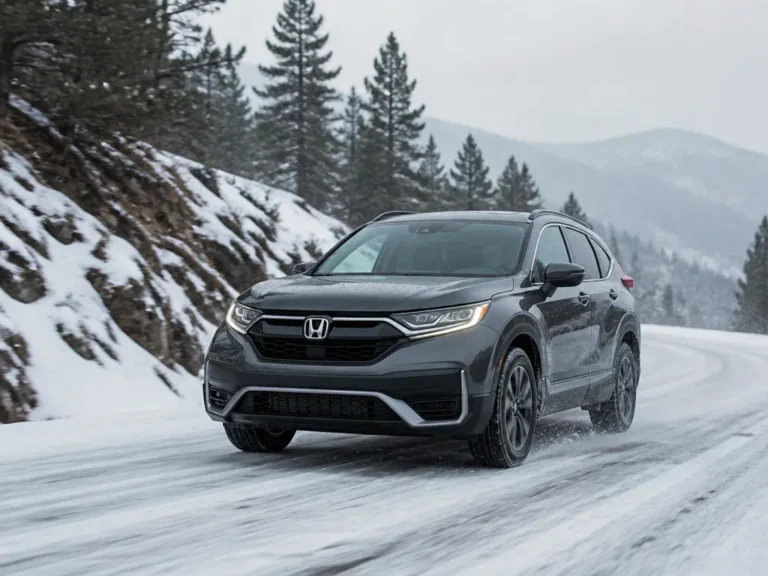
Living in a region that gets hit with heavy snowfall makes you look at your driveway differently every morning. You want to know if your Honda CR-V is actually going to get you to work, or if you will be spinning your tires halfway up the hill. I have spent two decades under these vehicles, and the answer depends heavily on how you equip them.
Honda CR-V performance in snow is highly capable for most light to moderate conditions when equipped with its Real Time AWD system. Its 8.2 inches of ground clearance helps navigate unplowed roads, but you must install dedicated winter tires to truly rely on the vehicle for safety and traction on ice.
Is Honda Cr-v Good On Snow?
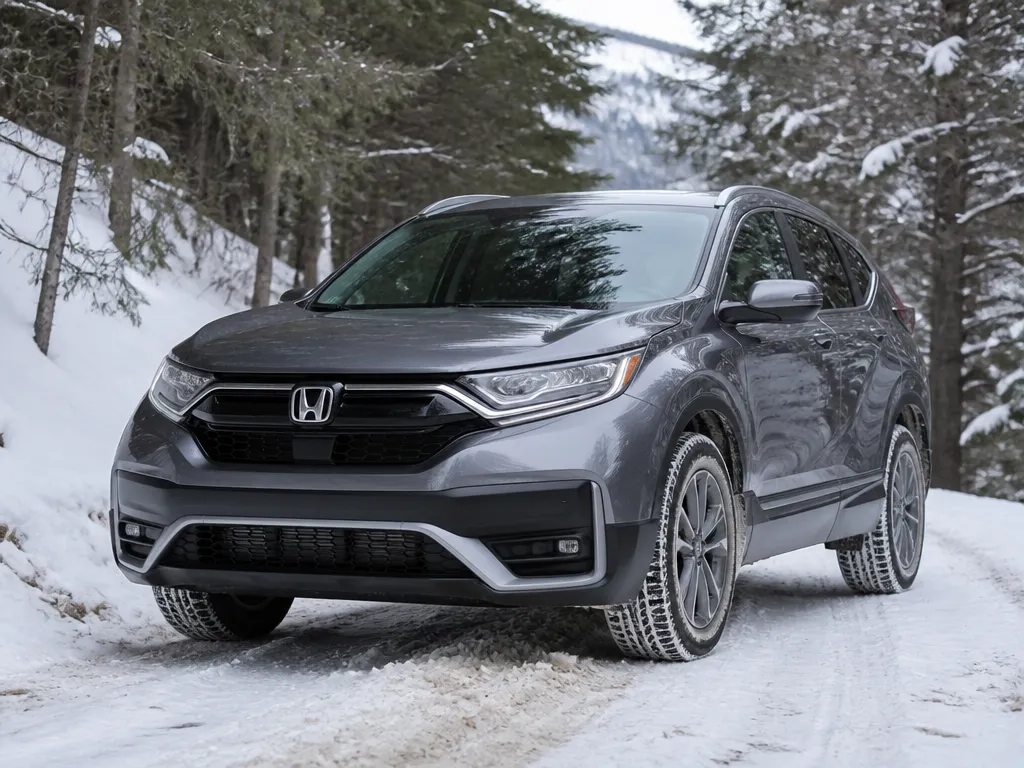
Honda CR-V models equipped with all-wheel drive provide reliable traction on snow-covered roads by automatically distributing power to the rear wheels when the system detects front-wheel slip. Ground clearance on recent generations measures 8.2 inches, which allows the vehicle to navigate through moderate snowfall without high-centering.
Real-world performance depends heavily on the tires fitted to the vehicle rather than the drivetrain alone. Factory all-season tires often struggle to maintain grip in freezing temperatures or on packed snow, regardless of how advanced the mechanical systems are. Investing in dedicated winter tires transforms the driving experience by providing the necessary rubber compound flexibility and tread patterns to stop and turn safely.
Expectations For Winter Capability
Drivers should view the CR-V as a capable light-duty crossover rather than a dedicated off-road machine. While it handles snowy commutes and unplowed suburban streets well, it lacks the locking differentials and extreme clearance found in heavy-duty trucks. Pushing the vehicle into deep, unplowed drifts can still result in getting stuck or damaging plastic underbody components.
Mechanic Tip: AWD helps you get moving, but it does nothing to help you stop. Always prioritize high-quality winter tires over the perceived safety of an all-wheel-drive badge.
| Feature | Winter Impact |
|---|---|
| Real Time AWD | Assists with acceleration and stability on slick surfaces. |
| Ground Clearance | Determines the depth of snow you can safely traverse. |
| Tire Compound | Controls braking distance and lateral grip in sub-40 degree weather. |
For instance, a driver using all-season tires on a steep, icy incline will likely experience wheel spin and a lack of directional control. In contrast, the same vehicle equipped with winter tires will bite into the surface, allowing the AWD system to pull the car up the slope with confidence. Maintaining realistic speed and following distances remains the most critical factor for safety, even in a well-equipped SUV.
Real Time Awd With Intelligent Control System
The Real Time AWD system manages traction by utilizing a multi-plate clutch pack that engages the rear wheels the moment sensors detect front-wheel slippage. This electronic control unit monitors wheel speed and throttle input to distribute torque before the driver even perceives a loss of grip.
Traditional systems often wait for significant wheel spin to engage, but this design relies on a hydraulic pump and computer-managed clutch to shift power to the rear axle almost instantly. The system stays active during acceleration, cornering, and inclines, which provides a consistent feeling of stability on loose surfaces like packed snow or slush.
Mechanical Operation And Response
Engagement of the rear wheels follows a precise mechanical process managed by the vehicle’s computer logic.
Mechanic’s Note: While this system is highly effective for moderate snow and rain, it is not a replacement for proper winter tires. The AWD system helps you accelerate, but it cannot improve your stopping distance on ice. Always pair this drivetrain with high-quality winter rubber to get the most out of your traction control.
In practice, the system remains transparent to the driver during normal conditions to maximize fuel efficiency. When the computer detects consistent stability, it keeps the vehicle in front-wheel drive mode. The transition to all-wheel drive happens so quickly that most drivers never feel the physical shift, only the resulting increase in grip.
Ground Clearance And Deep Snow Challenges
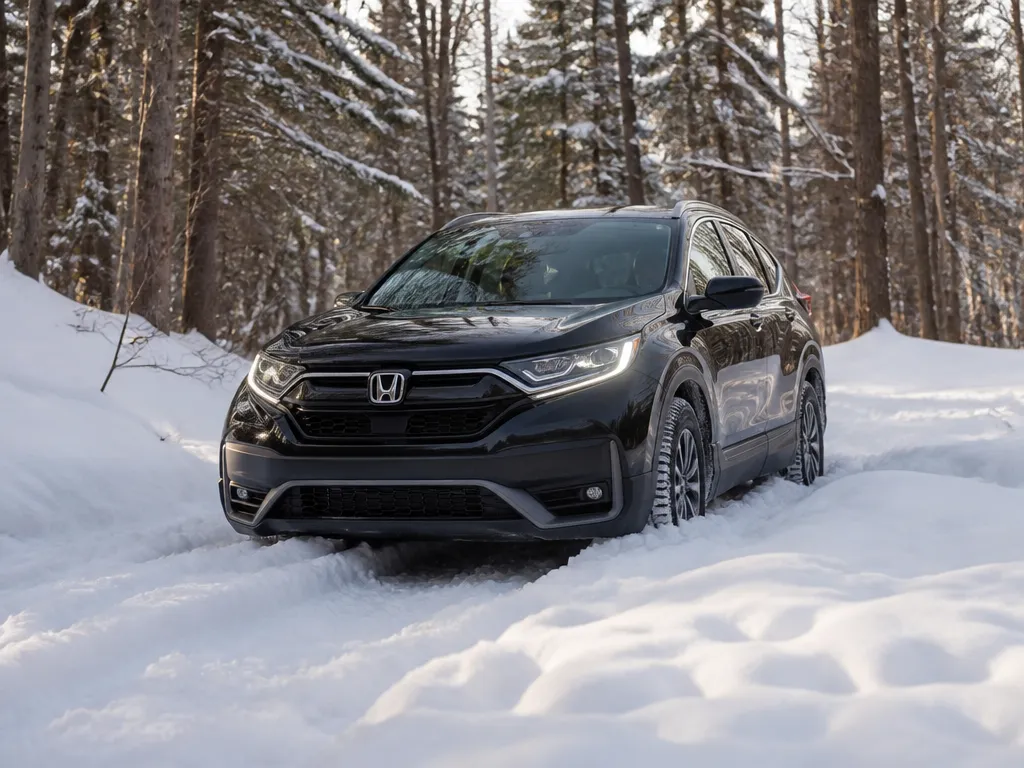
The 8.2 inches of ground clearance provided by the current generation Honda CR-V is sufficient for navigating standard winter road conditions, including packed snow and light accumulation. This height allows the chassis to clear most suburban obstacles, such as ice ridges left by snowplows at the end of a driveway.
Limitations In Deep Snow
Physical constraints become apparent when snow depth exceeds the ground clearance measurement. Once the undercarriage makes contact with the snow, the tires lose the necessary downward pressure to maintain traction, and the vehicle effectively high-centers. This situation causes the wheels to spin freely, leaving the driver stranded regardless of the effectiveness of the all-wheel drive system.
Mechanic’s Note: Ground clearance is only one piece of the puzzle. Even with 8.2 inches of space, the CR-V remains a crossover, not a dedicated off-road vehicle. If you encounter deep, unplowed powder, the front air dam can act as a snowplow, packing snow into the radiator area and impeding movement.
Performance Expectations By Snow Depth
| Snow Depth | Vehicle Capability |
|---|---|
| 0 to 6 inches | Highly capable with proper winter tires. |
| 6 to 8 inches | Manageable, but undercarriage drag begins to occur. |
| Over 8 inches | High risk of high-centering and loss of forward momentum. |
For instance, driving through heavy, wet, or drifted snow often creates more resistance than the vehicle’s mass can overcome. While the engine has enough power to spin the wheels, the lack of clearance means the vehicle cannot “float” over the surface. If you frequently travel through remote or unplowed areas, recognize that the CR-V is designed for managed roads rather than deep-woods snow exploration.
Electronic Safety Features For Icy Roads
Honda’s Vehicle Stability Assist (VSA) and Traction Control System (TCS) use wheel speed sensors and steering angle sensors to detect loss of grip. These systems automatically apply brake pressure to individual wheels or reduce engine torque to keep the vehicle moving in the intended direction.
Vehicle Stability Assist And Cornering
VSA manages the trajectory of the CR-V during slippery turns. Understeer occurs when the front wheels lose grip and the car pushes straight instead of turning. Oversteer happens when the rear wheels slide out, which can lead to a spin.
For instance, if the CR-V begins to understeer on an icy curve, VSA brakes the inner rear wheel to pivot the nose back toward the road. This correction happens faster than a human driver can react to the slide.
In practice, these electronic interventions prevent the car from rotating off the road during sudden maneuvers. The system monitors the difference between where you steer and where the car actually goes.
| System | Primary Goal | Action Taken |
|---|---|---|
| VSA | Prevent spins and slides | Brakes individual wheels to steer the car |
| TCS | Stop wheel spin during takeoff | Reduces engine power or brakes spinning wheel |
Traction Control And Steep Inclines
Traction Control prevents wheels from spinning uselessly when you accelerate. This is helpful for starting on flat, icy pavement. However, the system can be a hindrance on steep, snow-covered hills.
The TCS often cuts engine power too aggressively to stop the wheel spin. This loss of power kills the momentum needed to climb a steep grade. You may find the car simply stops moving because the computer is too restrictive.
For example, a driver stuck on a snowy incline might need to temporarily disable traction control. This allows the wheels to spin slightly, which helps the tires dig through a thin layer of snow to find solid ground below.
Mechanic Tip: Only disable traction control at very low speeds when stuck. Re-engage the system immediately once you reach a flat surface to avoid losing control.
Do You Really Need Winter Tires?
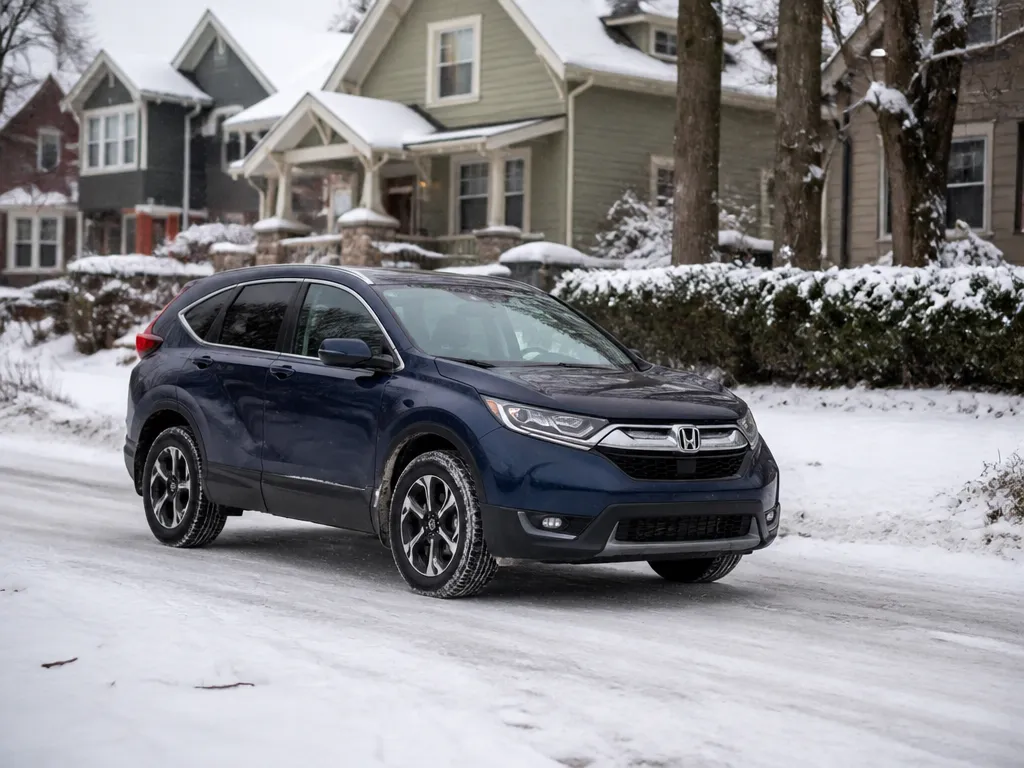
You might think the Real-Time AWD system on a CR-V makes winter tires optional, but the physics of rubber says otherwise. AWD only pushes power to the wheels that have grip, and if the tires themselves are hard plastic in freezing temps, the car won’t move or stop reliably. Dedicated winter tires are the single most important upgrade for safety on ice and packed snow.
Rubber becomes stiff and loses traction as temperatures drop below 45 degrees Fahrenheit. All-season tires are formulated to stay flexible in heat, so they harden up quickly when the thermometer hits freezing. This loss of flexibility means the tire cannot mold itself to the uneven surface of ice or snow, resulting in poor contact.
The Difference In Rubber Compounds
| Feature | All-Season Tire | Winter Tire |
|---|---|---|
| Rubber Compound | Holds stiffness for high speeds | Stays soft in freezing temps |
| Tread Design | Large, straight grooves | Thousands of microscopic slits (sipes) |
| Temperature Range | 40°F to 100°F | Below 45°F |
Many owners believe AWD solves traction issues, but it cannot create grip where it does not exist. If you hit ice with a CR-V equipped with all-seasons, the AWD system will simply spin the wheels faster without transferring energy to the grounded wheels. Braking distance remains the same regardless of whether your car is front-wheel drive, rear-wheel drive, or all-wheel drive.
“I have seen too many drivers crash simply because they assumed the traction control and AWD would save them on black ice. The only thing that saves you is the rubber gripping the road.”
Switching to winter tires cuts stopping distances in half compared to all-seasons in winter conditions. This improvement is dramatic enough that it outweighs the convenience of keeping the same tires year-round.
Essential Winterization Tips For Honda Owners
Cold weather reduces battery capacity and thickens engine fluids. A failing battery is the leading cause of a CR-V failing to start during a snowstorm. Checking these components before winter ensures reliable operation when traction is already compromised.
Electrical System Preparation
Battery voltage drops significantly in the cold. A healthy battery should read 12.6 volts when the engine is off. You should also check the specific gravity of the cells if it is a traditional lead-acid unit.
Awd Vs Fwd Performance Comparison
AWD provides superior traction on packed snow compared to standard FWD because it actively distributes power to all four wheels, significantly reducing wheel spin during acceleration. The Honda CR-V’s Real-Time AWD system remains idle under normal conditions, engaging automatically when sensors detect slippage to improve stability.
Traction Dynamics On Packed Snow
FWD vehicles rely solely on the front axle for grip, which can lead to understeer or loss of control on ice if the front tires lose traction. AWD systems like the CR-V’s actively shift torque to the rear wheels when slip is detected, helping the vehicle maintain forward momentum and stability.
In practice, a front-wheel-drive CR-V might struggle to get moving from a stop on a steep, icy incline. The AWD variant will feel more planted, pushing the vehicle forward through the application of power to all four corners rather than just pushing against the snow.
Fuel Efficiency Trade-offs
Running an AWD system in winter weather comes with a measurable fuel efficiency penalty compared to a front-wheel-drive configuration. The CR-V’s system utilizes a clutch pack that engages mechanically, adding parasitic drag to the drivetrain that reduces overall mileage.
Drivers should expect a drop in MPG, often ranging from 1 to 3 miles per gallon, depending on driving conditions and the severity of the snow. This efficiency loss is the trade-off for the added safety and capability the AWD system provides during winter storms.
| Feature | Front-Wheel Drive | All-Wheel Drive |
|---|---|---|
| Traction on Ice | Lower | Higher |
| Handling Stability | Prone to understeer | More stable |
| Winter Fuel Economy | Better | Lower |
“A good set of winter tires will outperform an AWD system on ice, but an AWD system with winter tires offers the best safety margin possible.”
Quick Summary
The Honda CR-V is a capable choice for snowy commutes when equipped with the Real Time AWD system. This drivetrain is designed to automatically transfer power to the rear wheels the moment sensors detect front-wheel slippage, providing increased stability on slushy or packed surfaces. With 8.2 inches of ground clearance, the vehicle handles moderate snow accumulations effectively without the risk of high-centering. However, the crossover is not intended for extreme off-road terrain or deep, unplowed drifts where it may encounter significant performance limits or potential underbody damage.
Mechanical systems like Vehicle Stability Assist and Traction Control are helpful, but they cannot replace the physical grip provided by proper equipment. Factory all-season tires often harden in freezing temperatures, which drastically increases stopping distances and reduces control. To ensure safety, drivers must install dedicated winter tires rather than relying solely on the AWD badge. While the AWD system excels at helping you accelerate on slick roads, it does nothing to assist with stopping power, making high-quality winter rubber the most important investment for cold-weather driving.
| Feature | Winter Impact |
|---|---|
| Real Time AWD | Automatically engages rear wheels to assist with traction. |
| Ground Clearance | 8.2 inches allows navigation of moderate snow depths. |
| Winter Tires | Crucial for maintaining grip and reducing braking distances. |
Frequently Asked Questions
Is The Honda Cr-v Awd System Effective For Driving In Deep Snow?
The Honda Real Time AWD system is highly capable for standard winter conditions because it automatically sends power to the rear wheels the moment the system detects front-wheel slip. While it is not a dedicated off-road 4WD system, it provides the necessary traction to navigate typical snowy roads and light slush with confidence.
Do I Need Winter Tires If My Honda Cr-v Has Awd?
Yes, you absolutely should use dedicated winter tires regardless of having AWD. While AWD helps you accelerate, it does not improve your braking or cornering ability, which relies entirely on the rubber compound and tread pattern of your tires to grip ice and packed snow.
How Does The Honda Cr-v Ground Clearance Perform In Heavy Snow?
Most modern Honda CR-V models offer 8.2 inches of ground clearance, which is sufficient to drive over most unplowed residential streets. However, you should avoid deep, heavy drifts where the snow can pack under the chassis and lift the tires off the pavement, causing you to lose traction.
What Is The Most Common Mistake Drivers Make When Taking A Cr-v Into The Snow?
The biggest mistake is relying on the AWD system to do all the work and neglecting to adjust your following distance. Even with sophisticated traction control, you need at least double the standard dry-pavement stopping distance when roads are icy or snow-covered.
Is The Hybrid Version Of The Honda Cr-v Just As Good In The Snow As The Gas Model?
Yes, the hybrid CR-V models utilize an electronic AWD system that is just as capable and often faster to react than the mechanical AWD found in the gas-only versions. The electric motors provide immediate torque to the rear wheels, which helps maintain momentum when starting from a dead stop on slippery surfaces.