

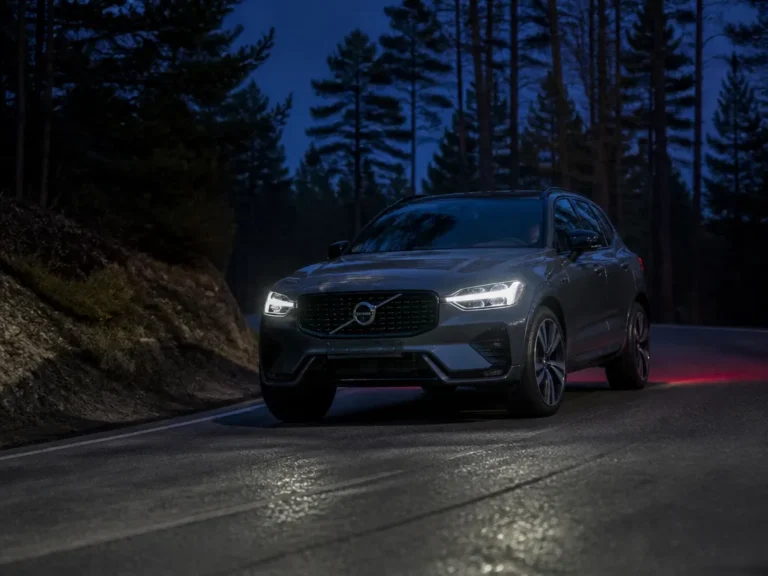
You can have the nicest SUV in the driveway and still dread night driving if the headlights are weak or the auto high-beam system behaves poorly. If you search “best suvs for night driving,” you probably want real visibility wins, not marketing. This rundown ranks the strongest SUV picks and spells out what to check on every test drive.
Best night-driving SUVs are the ones with good low-beam headlight tech, adaptive or automatic high-beam control, and night-friendly visibility aids like cameras and blind-spot warnings. Expect a ranked list of new and used models, plus trims to target and a quick checklist to verify the lighting works after dark.
Best Suvs For Night Driving (Ranked Picks)
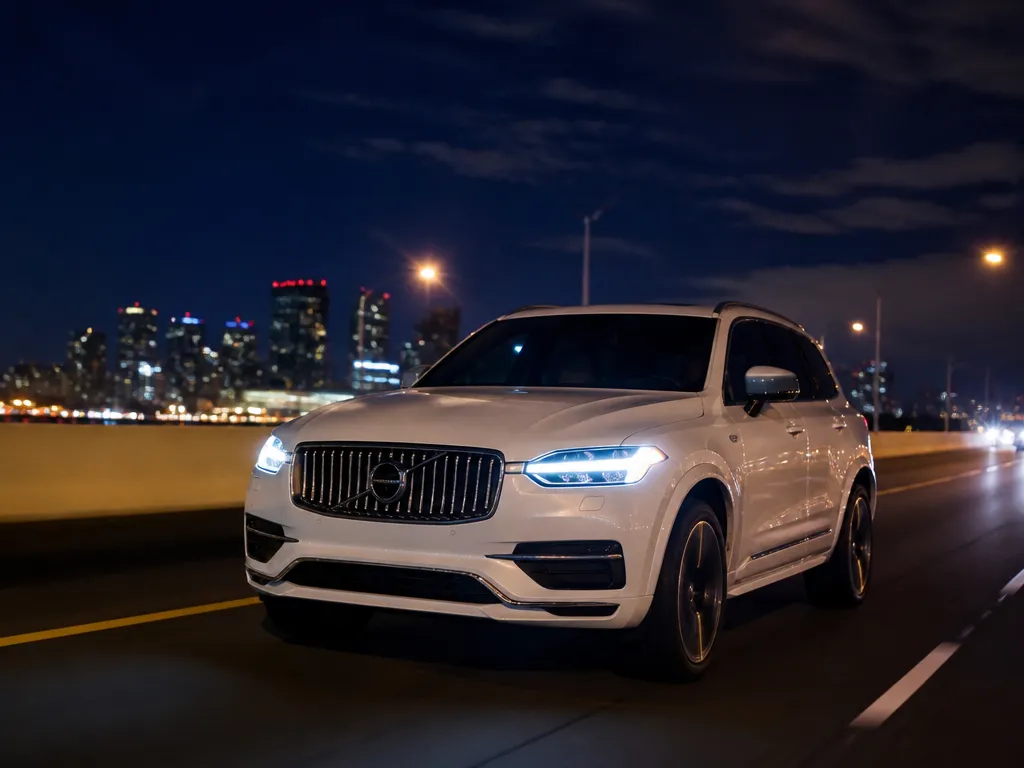
Night visibility depends on more than “bright headlights.” The winners here are SUVs with strong front lighting (LED and advanced beam controls), smart high-beam behavior, and cabin lighting that keeps glare down while drivers see lane edges clearly.
| Rank | Best SUV for Night Driving | Why it scores | Best for |
|---|---|---|---|
| 1 | Genesis GV80 | Advanced beam control and driver-assist visibility aids | Unlit roads, long highway nights |
| 2 | Audi Q7 | High-end headlight tech with adaptive lighting features | Highway commuting, mixed weather |
| 3 | Mercedes-Benz GLE | Adaptive lighting and strong low-light driver assistance | Weather-prone areas |
| 4 | Volvo XC90 | Good visibility workflow, clean lighting behavior, stability comfort | Rain and fog nights |
| 5 | Subaru Outback (use with LED headlight-equipped trims) | Practical illumination for darker roads, driver confidence tech | Unlit roads, snow country |
| 6 | Ford Explorer (LED projector and available adaptive beam setups) | Balanced light pattern and highway comfort for fatigue reduction | Long commutes |
| 7 | Toyota Highlander (higher-trim lighting options) | Predictable optics and easy-to-live-with visibility tech | Everyday night driving |
| 8 | Honda CR-V (higher-trim lighting options) | Comfort, stable handling, and visibility aids that help at night | Suburban highways |
Ranked Picks, Scored For Night Visibility Priorities
Genesis GV80 is a top choice for dark-road driving because it pairs advanced front lighting control with driver-assist tech that reduces the “searching” your eyes do at night. Highway commuters get the biggest payoff from fatigue-resistant ride comfort and clean sightlines, especially on long stretches where glare builds up.
Genesis GV80 shines when roads have few streetlights and traffic lights are far apart. Volvo and Subaru earn their stripes later, but the GV80 typically feels more “future-proof” when you rely on automation to manage beam switching and spacing at speed.
Audi Q7 is strong when your route includes faster interstates plus intermittent weather. Audi’s approach to adaptive lighting and attention to driver information placement helps keep peripheral distractions low, which matters when you are scanning for hazards beyond the beam cutoff.
People who drive through rain bands or glare-heavy commuting corridors usually like the Q7 because it keeps the road edges visible without overwhelming you with reflections off wet pavement.
Mercedes-Benz GLE is a good night-driving SUV if you want confidence in varied conditions. Mercedes setups often pair beam control with strong low-light driver assistance, which reduces the workload for spot checks around lane edges and adjacent traffic.
Mercedes GLE is a smart pick for weather-prone areas because comfort and stability keep your head and eyes steadier, even when roads are slick or visibility is reduced.
Volvo XC90 works well for foggy or rainy nights where contrast matters more than raw brightness. Volvo’s cabin layout and driver-assist workflow typically keep your attention where it should be, on the lane and the distance ahead.
Volvo XC90 fits drivers who prefer calm, confidence-inspiring handling for night commutes. The XC90 also tends to feel forgiving if you are driving slower back roads at night where animals and reflective signs appear suddenly.
Subaru Outback is often the practical “keep it forever” option for unlit roads. When equipped with LED-capable lighting trims and good beam aim from the factory, the Outback is easy to live with in snow country where visibility gaps are common.
Subaru Outback is best for winter regions and rural routes where you need steady traction, predictable ride control, and straightforward driver assistance rather than tech that depends on perfect lane markings.
Ford Explorer earns a spot for drivers who mix highway speed with stop-and-go night driving. Explorer comfort helps reduce fatigue, and the available lighting configurations on higher trims tend to give a more usable roadway pattern than base setups.
Ford Explorer is a strong choice for long-distance commuters because the cabin reduces steering corrections, and driver aids help you stay oriented when signs and lane lines are harder to see.
Toyota Highlander is for owners who want consistent nighttime usability without fuss. Highlander trims with better headlight options and modern driver-assist features can be a safe bet for everyday night driving around town and on suburban highways.
Toyota Highlander is especially good if you frequently drive in “medium darkness,” where you do not need exotic beam tech but you do need reliable visibility and comfortable sightlines.
Honda CR-V rounds out the list for shoppers balancing value with night-ready manners. Higher trims often provide improved lighting options, and the CR-V’s comfort makes late-night drives less fatiguing.
Honda CR-V is best for suburban highways and well-marked routes where lane guidance support and predictable illumination matter more than maximum beam reach.
Test drive checklist for every SUV on this list: stand a few car lengths from the lane line and verify the headlight cutoff looks sharp, watch how automatic high beams behave in oncoming traffic, and run a quick night camera check on any surround or blind-spot displays. If lenses look hazy or aim seems off, it will steal performance even with premium lighting.
Headlight Tech That Actually Matters
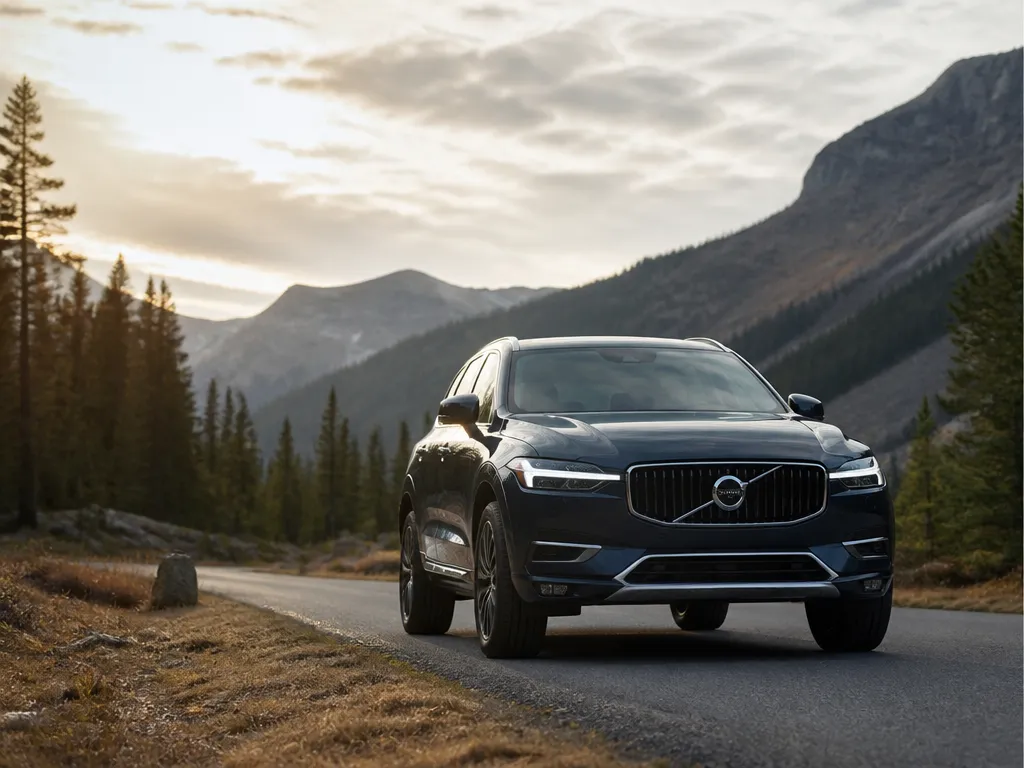
Night visibility comes down to beam shape, glare control, and how well the system keeps the headlights aimed. A great reflector design and correct leveling will beat “brighter” bulbs that are aimed wrong every time.
Led, Hid, Adaptive Beams, And Why You Feel The Difference
LED headlamps usually give a consistent light pattern with fast response and less warm-up drama. HID (xenon) can feel punchier at first, but many setups age poorly if the lenses haze or the leveling system drifts.
Adaptive lighting is where drivers notice the real-world gain: the beam shifts with steering input or vehicle motion, so your line of travel lights up through curves instead of staying fixed straight ahead. Matrix or “adaptive driving beam” systems go further by dimming specific areas to protect oncoming traffic and reduce glare on dark roads.
| Technology | What you notice at night | What can spoil it |
|---|---|---|
| Conventional LED | Straighter, predictable beam | Mis-aim, fogged lens, worn reflectors |
| HID/Xenon | Bright “snap” when warm | Leveling drift, old optics haze |
| Adaptive driving beams | More usable light on curves | Sensors out of calibration, dirty housings |
| Matrix/multi-beam | Longer reach with less oncoming glare | Bad lens clarity, blocked camera target |
Pro tip from the shop bay: “Auto high beam” is a convenience feature, but it is the beam pattern and cutoff that keep you legal and comfortable. A misadjusted cutoff turns even fancy tech into glare.
Automatic High Beams, Cornering Lights, And Glare Cutoff
Automatic high beams are only as good as their sensor and software logic, and you can feel the difference when they hunt between oncoming headlights and street lighting. The best systems also keep the cutoff sharp so the road ahead opens up without washing out your own vision.
Cornering lights matter in suburban driving and rural routes because they fill the “blind zone” near the shoulder. Look for headlights that swivel with steering or use dedicated corner lamps tied to turn signals, steering angle, or vehicle speed.
Real-world Failure Points: Aim, Lens Haze, Reflector Wear
Aiming is the silent killer. A small vertical mis-aim can push light above the road surface, causing glare and less actual illumination where you need it.
Headlight lenses haze with UV exposure, and reflectors wear from heat cycling over time. Both issues scatter light, widen the beam, and reduce contrast, so you end up seeing less even if the bulbs are “working.”
Proper cutoff is the difference between “seeing far” and “bleeding light into the sky.” When cutoff is correct and lenses are clear, adaptive systems can spread more light without turning the road into glare soup.
Visibility And Camera Aids At Night
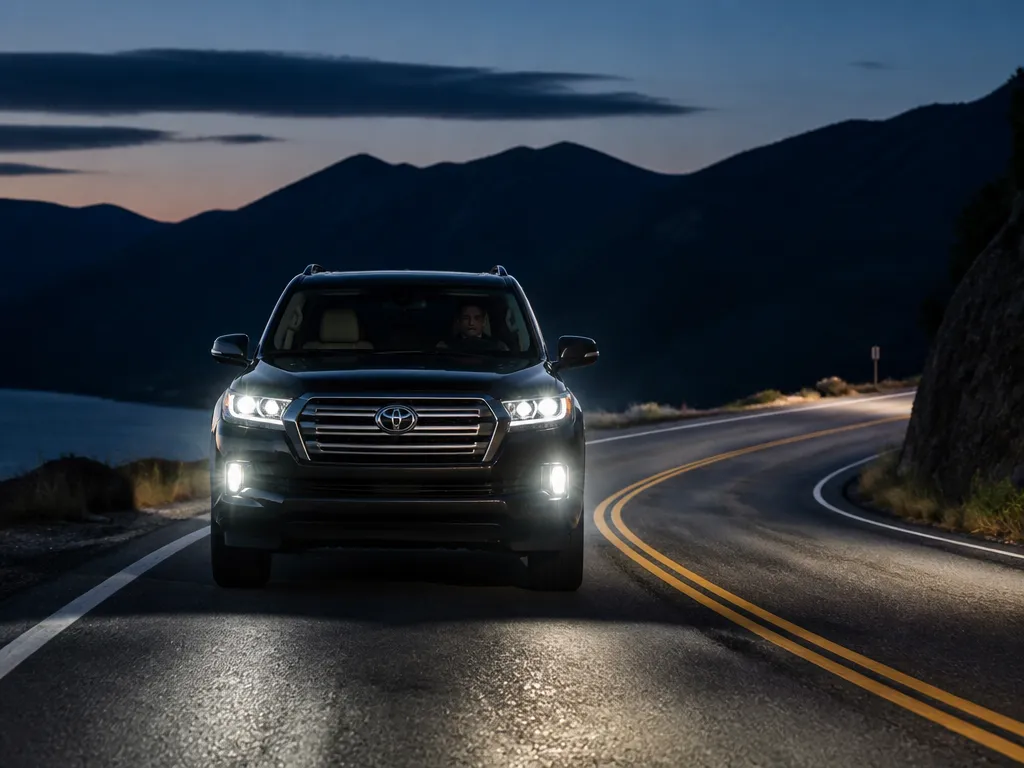
Good night visibility depends on how well an SUV detects low-contrast hazards, then shows you a usable picture without smearing or glare. Blind-spot monitoring, cross-traffic alerts, and rear detection help with pedestrians and animals at the edges of your beam. Camera systems also matter, but they hate dirty lenses and bad weather the way your eyes do.
Blind-spot, Cross-traffic, And Rear Detection In Low Contrast
At night, the biggest “misses” happen where contrast is worst: darker shoulders, roadside brush, and vehicles emerging from intersections with headlights toward you. Blind-spot monitoring works best when it can reliably see lane-adjacent traffic during your mirror scan, and cross-traffic alerts help when an approaching car’s lights wash out the scene. Rear detection is especially helpful when a small animal or dark object sits near the path of your reverse maneuver.
For example, a lot of drivers feel confident reversing in a lit parking lot, then get a rude reminder in a dark driveway where the camera exposure changes and the sensors lose certainty.
In practice, the best-performing SUVs are the ones where the alert logic still triggers consistently when contrast is low.
| What you’re trying to see | Night limitation | Feature to look for | What to test on the lot |
|---|---|---|---|
| Pedestrians or animals near the shoulder | Dark silhouettes blend into road texture | Cross-traffic alert and rear detection | Confirm alerts trigger when an object is at the edge of the camera view |
| Vehicles beside you | Headlights create glare and reduce sensor contrast | Blind-spot monitoring | Turn signal on at moderate speed and verify warning timing |
| Intersection cut-ins | Oncoming headlights flood the sensor | Cross-traffic alert | Check alert response at low speed after brief headlight exposure |
360° Surround View: Useful, But Fragile In Rain And Snow
360° cameras give you a “position picture” for tight maneuvers, but rain and snow change the rules fast. Wiper patterns, water droplets, and ice on the lens create a bright smear that hides small objects, and exposure can hunt when streetlights reflect off wet pavement. If the SUV you’re considering relies heavily on surround view, plan to confirm how quickly it clears after precipitation.
Surround view systems also tend to lose the fine details you need at night, like a low animal near a curb, because the algorithm prioritizes clear lane-like shapes over subtle contrast. That is why the better setups pair cameras with radar-based detection where possible, and why clean optics are a daily driver issue, not a detail chore.
Mechanic tip: Bring a quick phone flashlight during a test drive and check the camera lens areas for water spotting, road film, and dealer grime. Lens contamination is a common reason surround view looks “okay in the showroom, useless at home.”
Low-light driver cameras and front sensor suites can also degrade when the lens is dirty or the cabin glare is high. Interior reflections from screens and glossy trim can pull attention away from the road, and some cabin lighting setups increase glare on camera sensors and display readouts. Clean lenses and sensible cabin illumination help the tech perform closer to its design intent.
Head-up Display For Night Scanning And Glare Control
Head-up display can cut the time your eyes spend switching between the road and the instrument cluster, which matters at night when your eyes are already adapting. Head-up display content is most helpful when it shows key driving cues like speed and lane-related prompts at a usable brightness level, without blooming in the windshield. A night-friendly HUD is one you can read instantly during a scan, not one that forces you to refocus after every flicker of traffic lights.
Head-up display performance is a “small thing” until you realize that night driving is mostly scanning and prediction. The best SUVs give you the right information in your line of sight and keep it from turning into another glare source.
Comfort To Fight Fatigue After Dark
Night driving fatigue is mostly comfort and stability. A smooth ride, supportive seating, low cabin noise, and cabin lighting that reduces eye strain keep your attention sharp longer.
Ride Comfort And Body Control On Rough Roads
At night, patchy pavement and expansion joints hit harder because your speed feels higher and you have less visual reference. SUVs with well-damped suspensions (good shock calibration and compliant bushings) reduce the “head bob” that makes drivers tired. Tight steering feel helps too, but harshness is what you feel in your spine, shoulders, and neck.
For test drives, pick a route with rough highway seams and short concrete sections. Ride quality you want is controlled, not floaty, with fewer secondary impacts after you hit a bump.
Seat Support, Posture, And Long-trip Endurance
Comfort is not just cushion thickness. Seats that hold your hips and back reduce micro-movements, and micro-movements are what drain you during a 2 to 3 hour night leg. Power lumbar and adjustable headrests matter because head position changes your perceived neck strain.
Driving posture changes at night because you tend to sit lower with reduced contrast. Check that your steering wheel position allows a relaxed shoulder angle, and verify the seat bottom does not push pressure into the backs of your thighs after 20 to 30 minutes.
| Comfort check | What good feels like at night | What to watch |
|---|---|---|
| Back and lumbar support | Back stays planted with minimal sliding | Lower-back fatigue within 45 to 60 minutes |
| Headrest height | Center of head supported without chin lift | Neck strain from looking slightly down |
| Seat tilt and thigh support | Thigh support without pressure points | Numbness or hot spots after short stops |
Cabin Noise, Vibration, And Wind Management
Cabin noise is a stealth fatigue trigger at night because you hear it constantly while your eyes scan. Wind roar and tire noise rise when windows are cracked, and roof rack setups make it worse. Vibration matters too, especially at highway speeds where it can blend with engine harmonics and make your feet and seat feel “buzzed.”
When you test, try three steady-speed pulls, then stop and listen at idle. The “best” SUV for night comfort is the one that stays calm with HVAC on low and your hands steady on the wheel.
Interior Illumination And Glare Management
Bright screens and undimmed overhead lights wreck dark adaptation. SUVs with proper dimming controls, auto-dimming instrument clusters, and readable but low-glare switch lighting let you keep your eyes in the dark. Adjustable ambient lighting can help, but only if it stays subtle and does not reflect off the windshield.
In practice, dim the cluster to your preference, then turn on the headlights and set the cabin brightness. Check for windshield reflections from the center stack, and confirm that the map light and dome light behavior does not blast your eyes when you reach for controls.
Quick test tip: Sit in the driver’s seat with your eyes already “dark adapted” for a minute, then cycle through dimmer settings and verify the dash does not flare in your peripheral vision.
Trim And Year To Target
Target SUV trims that include high-performance lighting plus low-light driver aids, since base models often stop at halogen lamps and basic camera views. Night visibility gains come from option packages with adaptive headlights, automatic high beams, and driver-assist camera sensing that works in darkness.
Must-have Options List (By Category)
Use this checklist to avoid disappointment after you pull up at the dealership or start comparing used listings.
Trim naming varies by brand, but the build sheet and window sticker make it verifiable. On used listings, the quickest proof is the presence of the exact option package name under “Driver Assist,” “Technology,” or “Lighting” sections.
| What you’re buying | What to look for on the window sticker / build sheet | Why it matters after dark |
|---|---|---|
| Adaptive lighting | Terms like “adaptive headlights,” “dynamic bending,” or “auto leveling” | Improves light placement in curves and keeps beam height consistent over road changes |
| Auto high beams | “Auto high beam assist” or “adaptive high beam” | Lets you keep more usable light without constant manual switching |
| Driver-assist camera | “Safety,” “Driver Assist,” “Driver Confidence,” or lane-keeping package | Helps maintain lane position when contrast drops and glare increases |
| Surround cameras | “Surround View,” “360 Camera,” “Top View,” or similar | Makes parking and low-speed turns safer when overhead lighting is poor |
Typical Feature Availability By Trim (How To Verify)
Most brands reserve the best night hardware for mid-to-upper trims like “Limited,” “Platinum,” “Touring,” “Prestige,” or “Signature,” plus an option package that bundles driver assist. Base trims often have LED at best, but they skip adaptive behavior and dependable auto high-beam logic.
For each candidate SUV, confirm these three items directly on the Monroney or dealer window sticker PDF before you schedule a test drive: (1) the headlamp technology line (LED/HID plus any adaptive wording), (2) the high-beam assist line, and (3) whether the camera-based driver-assist package is included. If the sticker only says “blind-spot monitoring” but not the rest of the sensing package, expect weaker low-light confidence.
For example, a listing might advertise “LED headlights” while the sticker reveals no adaptive system and no auto high-beams. That setup can still look bright on the lot, then underperform on darker rural roads because beam shape and switching behavior are what matter.
Used-shopping Reality: What To Check Pre-owned
Used SUVs bring two night-driving risks: missing packages due to mid-cycle downgrades and lens/camera condition that wrecks image quality. Before you buy, ask the seller for a full VIN-based sticker or confirm via the VIN lookup, then verify the option package names match the categories above.
Quick on-the-road test before you commit: ask for an unlit or dimly lit stretch, then check how the headlights handle oncoming traffic and how smoothly the system switches high beams. While you’re there, test blind-spot alerts and the camera view at low speeds, since reflections and pixel bloom can hide the problem.
Pre-owned checklist that saves money: confirm the adaptive headlamp option is present (not just LEDs), confirm auto high-beams is included, and confirm the camera-based driver assist package is actually installed. Finally, inspect the headlight lens condition and look for hazing or peeling, since retrofitted bulbs do nothing to fix bad optics.
Trade-offs And Common Limitations
Adaptive headlight systems improve beam direction, but they still have fixed limits on range, glare control, and weather performance. Heavy rain, snow, and road grime can scatter light enough that even the “best” SUV can feel dim compared with clear conditions. Lens condition and sensor cleanliness change outcomes as much as the bulb type.
Adaptive Beams Lose Effectiveness In Messy Weather
Adaptive beam control changes where light goes, but it cannot create a clear “window” through dense precipitation. In heavy rain and wet snow, droplets and ice crystals scatter light back toward the driver and other road users, so the usable reach shrinks. Dirt on the front lenses and imperfect headlight aim add more scatter, which makes the system look weaker than spec.
Common symptom is a beam that seems short or “foggy” even after using the dim or auto-high modes. Cause is a mix of scattering (weather) and attenuation (dirty or yellowed lenses, mis-aimed lamps, and camera or sensor obstruction). Fix is simple but non-negotiable: keep lenses clean, confirm proper headlight aim, and expect performance to drop during the worst rain bands and blowing snow.
Auto High-beam Can Act Weird On Poor Road Markings
Auto high-beam systems rely on camera recognition of reflective signs, lane markings, and oncoming traffic contrast. Unmarked backroads, faded lines, and salt-stained pavement give the camera fewer cues, so the SUV can delay switching or drop to low beam too early. In rural construction zones, you may get repeated high-to-low cycling that is distracting during night drives.
Common symptom is choppy high-beam behavior, with frequent dips even when you feel the road is empty. Cause is reduced camera confidence from low contrast and irregular reflective surfaces, plus system logic that favors glare avoidance. Fix is to disable auto mode and use manual high beam where allowed, or choose SUVs with more robust adaptive beam control and clearly documented behavior on unlit roads.
Camera, Sensor, And Lens Cleanliness Affects More Than You Think
Many modern lighting aids use a front camera and separate headlight aiming sensors. When the lens housing fogs over, gets a film of road film, or gets coated by wax overspray, the system can misread road geometry and traffic cues. A dirty sensor can also trigger dull performance, because the controller plays it safe rather than risk glare.
Common symptom is lighting that seems “reluctant” to adapt, reduced cornering illumination, or wrong timing for beam changes. Cause is sensor/camera contamination, lens clouding, or headlamp housings with internal moisture issues that change light output. Fix is not a repair, it is habit: wash the front glass and headlamp lenses regularly, avoid harsh chemicals that haze plastics, and inspect for moisture inside lamp housings during darker months.
Advanced Lighting Costs More And Can Be Harder To Maintain
Adaptive LED and camera-controlled systems cost more to replace when something fails, and parts availability varies by year and trim. Advanced headlamp assemblies, control modules, or camera hardware can be expensive compared with simpler halogen or basic reflector housings, and labor time rises because these systems need calibration or target verification after service. Weather exposure also increases the chance of cosmetic wear, like lens yellowing, which impacts brightness and cut-off quality.
Common symptom is a system that works inconsistently, throws a lighting-related warning, or loses adaptive behavior while low beams still function. Cause is a failed actuator, wiring/connector corrosion from salt, software calibration drift, or sensor malfunction from contamination. Fix often requires dealer-level scan tools and target checking, so budgeting for diagnostics is smart when you see recurring headlight complaints.
| System type | Night-driving benefit | Common limitation | Maintenance trade-off |
|---|---|---|---|
| Adaptive beam LEDs | Better beam placement on curves and varying road layouts | Weather scatter reduces usable reach | Higher repair cost if components fail |
| Auto high-beam cameras | Reduced fatigue and fewer manual switches | Poor markings and construction confuse switching logic | Needs clean sensor view for best behavior |
| Cornering/cinematic lighting | Improved visibility through turns at city speeds | Limits during heavy rain and foggy lens output | More parts, higher chance of expensive fixes |
Expert tip: Treat headlight lens clarity and aim verification as “night driving safety equipment,” because adaptive electronics can only guide light that is leaving the housing cleanly and accurately.
Test-drive Checklist For Night Vision
Night-driving performance is earned on the first few minutes, especially how the headlights aim, how the high beams behave, and how the cabin view stays usable. During your test drive, force the SUV to “prove it” with dark roads, oncoming traffic, and at least a few turns so you can judge beam pattern and glare control.
Quick pass or fail rule: If you can’t keep the cabin view comfortable within a few minutes, or if auto high beams create frequent glare risk, walk away from that specific trim. Night-driving tech should reduce workload, not increase distraction.
Dealer tip from the shop floor: request a test route with a dark back road and a chance to encounter oncoming headlights. That is the only way to catch glare control and auto high-beam behavior under real-world conditions.
| What to test | Good sign | Red flag |
|---|---|---|
| Aim and beam shape | Long reach with a controlled cutoff above the horizon | Scatter glare or a “blasting” beam that hits mirrors/windshield |
| Auto high beams | Predictable switching with minimal hunting | Slow reaction or frequent on-off cycling near traffic |
| Cornering illumination | Turn light follows the path into the corner | Corner stays dark and requires extra steering light |
| Surround camera | Clean edges, stable lines, no smear during slow steering | Ghosting, heavy blur, or lag that hides obstacles |
Quick Summary
Night-driving comfort depends on more than raw brightness, because visibility drops when low beams are weak or auto high beams do not behave smoothly. The article ranks SUVs by LED or HID/laser-style headlight tech, plus adaptive or automatic high-beam control to reduce glare, along with night-friendly aids like cameras and blind-spot warnings. It also stresses checking cornering lights, clean lenses, and how the headlight cut-off and glare control look after dusk, not just during the day.
The top ranked pick is the Genesis GV80 for advanced beam control and driver-assist visibility aids, especially on unlit roads and long highway nights, and it notes the payoff is strongest where traffic lights are far apart. Other ranked examples include Audi Q7 for adaptive lighting, Mercedes-Benz GLE for varied, weather-prone conditions, and Volvo XC90 for foggy or rainy nights where contrast matters. The checklist-style test includes a roughly 10-minute night drive to verify cut-off glare control and smooth high-beam switching, with cornering light behavior checked on a curved route, ending with the most important takeaway: prioritize adaptive or auto high beams and confirm real beam behavior after dark.
Frequently Asked Questions
What Suv Lighting Upgrade Is Best For Night Driving, Leds Or Hid?
The best upgrade is a replacement light source designed for the vehicle’s specific housing and optics, installed with proper aim. LED and HID can both work well when matched to the housing, but random universal bulbs and “plug-and-play” kits can create beam scatter and glare.
Which Suv Has The Best Night Driving Visibility For Highway Trips?
Look for an SUV with high-beam assist and a clear, well-controlled low-beam cut-off, because that is what keeps glare down for oncoming traffic while still lighting the lane. Test the headlight pattern for the exact trim before buying.
How Do Adaptive Headlights And Auto High Beams Help For Night Driving?
Adaptive headlights can shift the beam with steering, which helps on curves where fixed lights miss the roadway edge. Auto high beams can brighten road coverage faster, but you should still test them, because some systems reduce high beam too aggressively in traffic or when lanes are poorly marked.
Are There Any Night Driving Safety Issues To Check Before You Drive After Dark?
Yes, check headlight aim, tire tread depth, and windshield cleanliness before a long night drive, since dirty glass and mis-aimed lights can cut effective distance fast. If your low beams look uneven side-to-side or one side flickers, get it inspected before relying on it.
What’s The Most Common Mistake People Make When Choosing An Suv For Night Driving?
The biggest mistake is focusing only on brand names and ignoring the specific lighting package, condition, and aiming for that trim. Two SUVs with “similar” bulbs can perform very differently because their complete lighting systems vary.
Can Regular Maintenance Fix Poor Night Driving Even If The Suv Already Has “Good” Headlights?
Often, yes. Cleaning lens covers, correcting headlight alignment, replacing weak bulbs with the correct specification, and ensuring the headlight assemblies are not fogged or leaking can make a noticeable difference.