


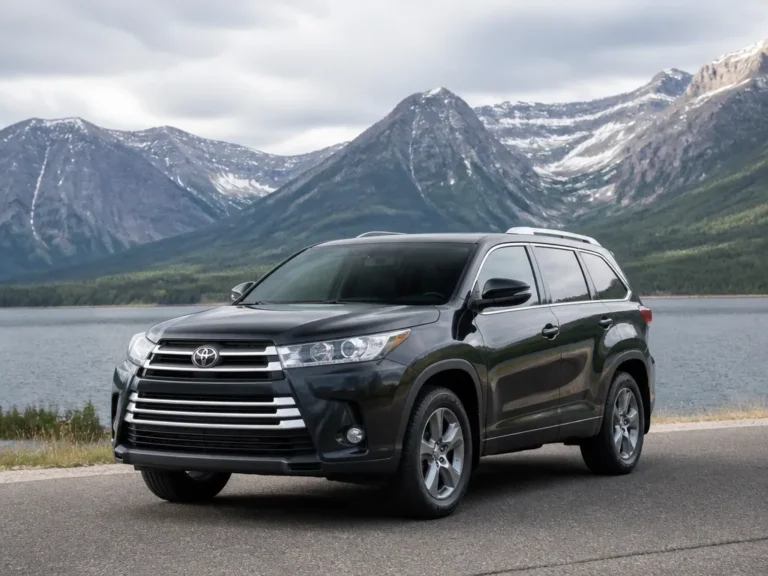
Ever do a 700-mile weekend in your current SUV and come home with a sore back and louder cabin than you remember? Finding the best suvs for long distance driving is mostly about comfort you feel at 2:00 a.m., plus highway stability, quietness, and real fuel economy. Here are the models and trims that make long drives easier.
Good long-distance SUVs usually have comfortable, supportive seats, low road noise, and highway driver-assist you can trust for steady lane centering. You will also see how cargo space, rear legroom, and stop-light fuel economy add up, so your next pick matches how you actually drive.
Best suvs for long distance driving are the ones that stay quiet and stable for hundreds of miles. Look for adaptive cruise control and lane centering, seats that adjust for real back support, and roomy rear seating. Prioritize all-season tires and a cabin that feels calm at highway speed, then confirm fuel economy on your route.
Best Suvs For Long Distance Driving Picks
Highway long-distance comfort comes down to steady ride quality, low cabin noise, and a powertrain that keeps engine revs under control at 70 to 80 mph. The models below are chosen because they feel calm and composed for hours, pack real cargo space, and offer driver-assist features that reduce workload without fighting you.
| Pick | Best for | Highway comfort and NVH | Driver-assist and highway tech | Powertrain choices that help on road trips | Trade-off to expect |
|---|---|---|---|---|---|
| Mercedes-Benz GLE | Premium cruisers, frequent long trips | Quiet cabin with composed ride tuning | Strong adaptive cruise and lane-centering behavior on most trims | Gas with smooth shifting and diesel options (where offered) | Higher maintenance and tire costs |
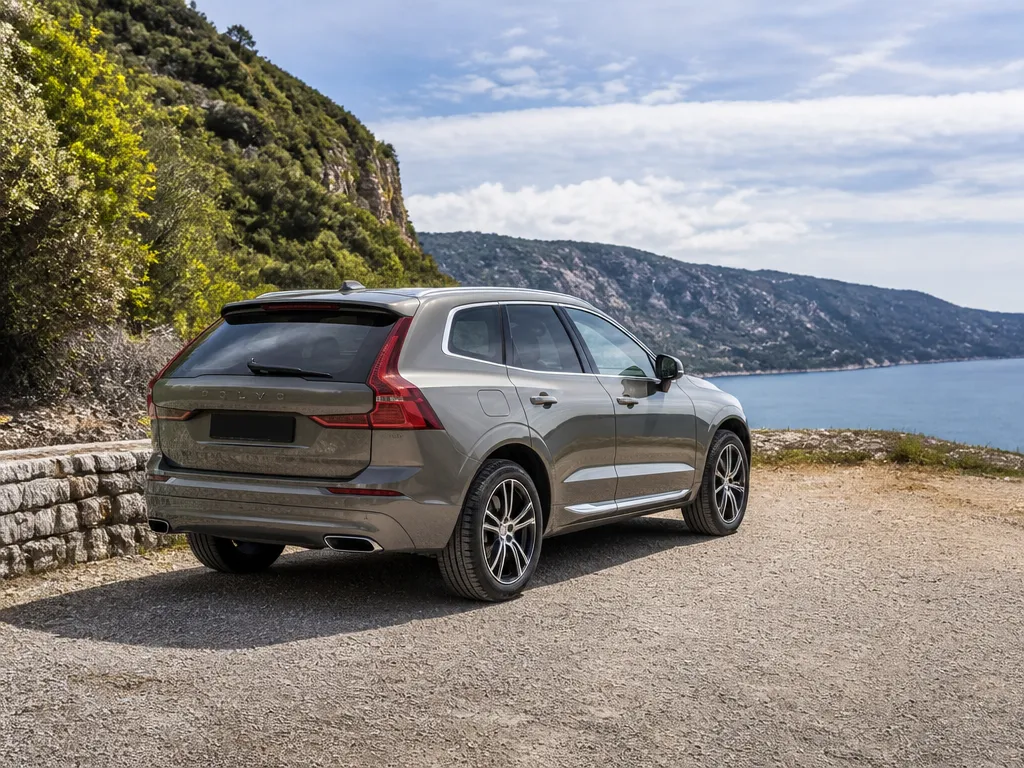
| Volvo XC90 | Families that want a relaxed, confident ride | Comfort-focused suspension tuning, refined steering feel | Lane support and adaptive cruise are easy to live with | Gas and plug-in hybrid options (trim dependent) | Plug-in range depends heavily on driving style and climate |
| Audi Q7 | Quiet, premium cabin with long-range practicality | Low road and wind noise for highway hours | Adaptive cruise and lane keep on higher trims | Gas V6 options, diesel where available (region dependent) | Fuel economy swings with tire choice |
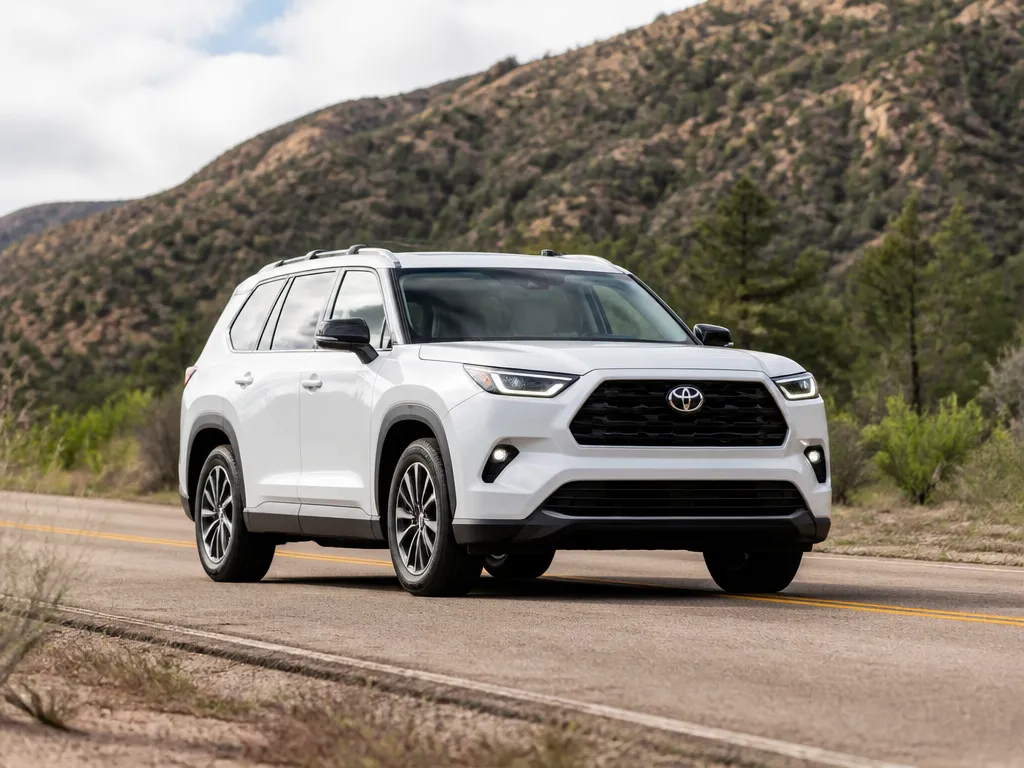
| Toyota Grand Highlander | Value-focused family road trips | Good seat comfort and stable highway manners | Modern adaptive cruise with lane support across trim levels | Gas V6 and hybrid options (trim dependent) | Some trims feel softer when you need sharp steering response |
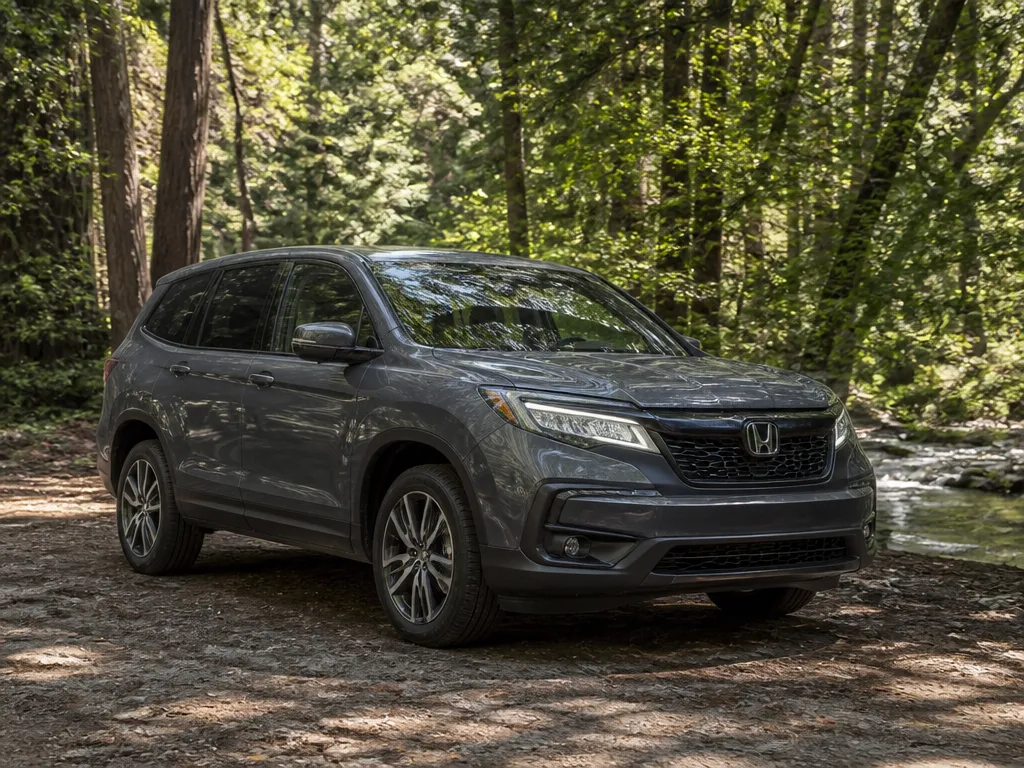
| Honda Pilot | Long drives with practical spacing and ease of use | Comfortable ride, decent cabin quietness for the money | Driver-assist that is straightforward and predictable | Gas V6, fuel-sipping trims on certain models | Not as quiet as the German premium set |
| Hyundai Santa Fe (for long-haul value) | Budget buyers who still want highway tech | Comfortable daily driving with acceptable road noise | Lane and adaptive cruise vary by trim | Gas engines with strong gearing for highway cruising | Higher-mileage refinement can vary by year and package |
| Subaru Outback | Road trips in rough weather, camping weekends | Composed ride with good all-weather confidence | Steering and lane support depend on the exact model year and trim | Gas engines, available turbo for passing power | Fuel economy is typically behind hybrids on steady highway |
| Kia Telluride | Large family SUV with strong long-distance practicality | Ride comfort that works for passengers | Driver-assist is available on most mid to higher trims | V6 gas power for easier highway passing | Cabin noise can rise more on rough pavement |
Comfort-and-nvh Highway Cruisers (Top Tier)
Mercedes-Benz GLE and Audi Q7 are the “set it and forget it” picks when you care most about cabin quietness and steady steering feel. These SUVs feel composed over repetitive highway inputs, which matters when you are doing 3 to 6 hours on the same roads.
Volvo XC90 is a strong alternative if you want comfort-first tuning plus driver assistance that feels less busy. XC90 also works well for road trips because its cabin layout keeps passengers comfortable, and the cargo area is practical even with a full family setup.
Long-drive Value Buys (New And Used)
Toyota Grand Highlander and Honda Pilot are dependable “road trip workhorses” because they are easy to live with, parts and service are widely available, and cabin comfort stays consistent. Grand Highlander is especially attractive if you plan lots of highway miles because hybrid trims can reduce fuel stops on long runs.
Kia Telluride adds value by giving you a roomy family cabin and strong passing power without stepping into premium pricing. Subaru Outback is a smart value choice if your long-distance routes include rain, snow, or uneven roads where confident traction and usable cargo matter more than maximum mpg.
Value test-drive tip: try the exact tire model the car will come with, then compare highway noise during a 10-minute run at steady speed. Road noise is one of the biggest “real-world” differences between trims.
What Makes An Suv Great?
Long-distance comfort comes down to how an SUV absorbs pavement, keeps the cabin quiet, and lets you stay planted for hours. A great pick makes highway work feel effortless, with predictable steering and stable tracking instead of constant corrections.
Comfort, Steering, And Stability
Ride quality is the first filter. Look for suspension tuning that smooths sharp edges and controls body motion in crosswinds, because that is what reduces fatigue on hour 5, not just hour 1. Steering feel matters too, since numb centers can be tiring when you are making small lane-center inputs for long stretches.
Highway stability is where trim choice and tire choice show up fast. All-season tires that are too soft can wander as they heat up, while oversized wheels can punish you with harsher impact feel. During a test drive, pay attention to how the SUV behaves after lane changes and on slightly rough concrete, where stability issues show up quickly.
Nvh, Vibration, And What Your Body Feels
Cabin noise (NVH) and vibration at speed are the silent deal-breakers. Road noise that rises sharply over 60 to 70 mph, steering wheel buzz, or floor-board vibration all add up over a full day. Check sound and vibration by keeping the cabin at a steady speed and listening with windows up, then again with HVAC fan at a normal level.
Seat comfort is not a single measurement, it is a system. Adjustable seats should cover steering distance, height, and fore-aft reach, so your knees and hips stay supported. Lumbar support that you can dial in matters, and cushioning that is too firm can get uncomfortable fast on longer rides even if it feels “sporty” in town.
| Comfort factor | What to look for on a test drive | Common “wrong” feel |
|---|---|---|
| Seat adjustability | Fore-aft range plus adjustable lumbar you can actually feel | Reaching forward or sitting too upright, hips under-supported |
| Long-seat cushioning | Pressure stays even after 20 to 30 minutes | Tailbone pressure or hotspots that build quickly |
| Steering wheel comfort | Controls reachable without shoulder tension | Arms extended or shoulders creeping up over time |
| Vibration and NVH | Minimal steering wheel and floor buzz at highway speeds | Buzz through wheel, booming at certain speeds, loud tire roar |
“If you can, bring a passenger on the test drive. Their notes on wind roar and cabin quietness are usually more reliable than driver-only feedback because the driver is busy with lane position.”
Road-trip Practicality And The “Fewer Stops” Equation
Cargo and rear-seat practicality decide how smooth the trip feels when you are living out of the SUV. A road trip needs more than peak cargo volume, it needs usable shapes: a wide opening, practical tie-down points, and rear seats that fold flat with minimal steps. Rear-seat space matters for family travel, but so does comfort for adults, meaning legroom plus headroom and airflow that does not turn every stop into a battery of rearranging.
Fuel economy and range are what reduce stop frequency, but they also affect stress. Hybrid powertrains often do well on steady highway runs and stop-and-go mixes, yet real-world results swing with speed, tire type, and how much you carry. When you compare SUVs, treat “estimated range” as a planning tool and verify how the vehicle behaves at your typical cruising speed, since that is where most people spend most of their time.
Highway Tech That Reduces Fatigue
Adaptive cruise control and lane-centering are the two highway systems that can genuinely take workload off your legs and steering hand. The payoff shows up as fewer micro-corrections and less throttle and brake switching, especially in long, repetitive highway stretches. Even so, these systems have limits when paint is faded, construction narrows lanes, or traffic behavior gets erratic.
Traffic-aware Cruise And Lane Control
Adaptive cruise control should slow for vehicles ahead smoothly and then re-accelerate without you fighting it. In real traffic, the “traffic-aware” part matters most when a car cuts in close, merges, or brakes unexpectedly. If the SUV hunts for the target vehicle or feels abrupt at speed changes, it will raise fatigue instead of lowering it.
Lane centering feels better than simple lane keeping because it actively steers to hold the car in the center of the lane, not just detect drift. Lane keeping can feel like an alarm system, nudging you back when the lane line gets too close. During a long drive, that difference is huge, especially if you run slightly off center for comfort or to set up for exits.
Visibility, Alerts, And Heads-up Guidance
Blind-spot monitoring and rear cross-traffic alerts reduce stress during highway lane changes and busy on-ramps. The key detail is response time and how clearly the system communicates urgency, since late alerts make you second-guess moves.
In practice, you want audible and visual cues that are distinct from the rest of the cluster lighting.
Heads-up displays can reduce fatigue by keeping your eyes from bouncing between the road and the speed or turn prompt. HUDs help most when they show speed, lane guidance, and active cruise status in a crisp font with good brightness. Navigation prompts also matter, but only if they land early enough for lane choice and are easy to override without digging through menus.
| Tech | What it helps on long drives | What to watch during the test drive |
|---|---|---|
| Adaptive cruise (traffic-aware) | Less pedal work, smoother following | Jerkiness when vehicles cut in, overly short following distance |
| Lane centering vs lane keeping | Steering calmness, fewer corrections | Wandering at curves, abrupt steering when lines fade |
| Blind-spot + rear cross-traffic | Lower stress during merges and crossings | Late alerts, confusing icon placement |
| Heads-up display + prompts | Less eye movement, faster decision-making | Glare, dim brightness, prompts too late or too quiet |
Tip from the shop floor: during your test drive, do one or two lane changes while adaptive cruise is active and watch how quickly the SUV warns you and how naturally it resumes control after you straighten out.
What To Test When The System Gets Uncertain
Driver-assist systems get uncertain with construction cones, temporary lane markings, heavy rain, glare, and worn paint. The right response is predictability: the system should back off smoothly, give you a clear handover moment, and stop fighting you. If it “bounces” between tracking and losing the lane, your workload increases because you have to constantly correct for the correction.
Test uncertainty on purpose in safe conditions. Look for how quickly the SUV re-centers after a curve, whether it holds position when a vehicle in front exits, and how it behaves on split lanes or off-ramp gore areas. A good system is not perfect, but it is consistent about when it is confident and when it wants you to take over.
Fuel Range Expectations By Powertrain
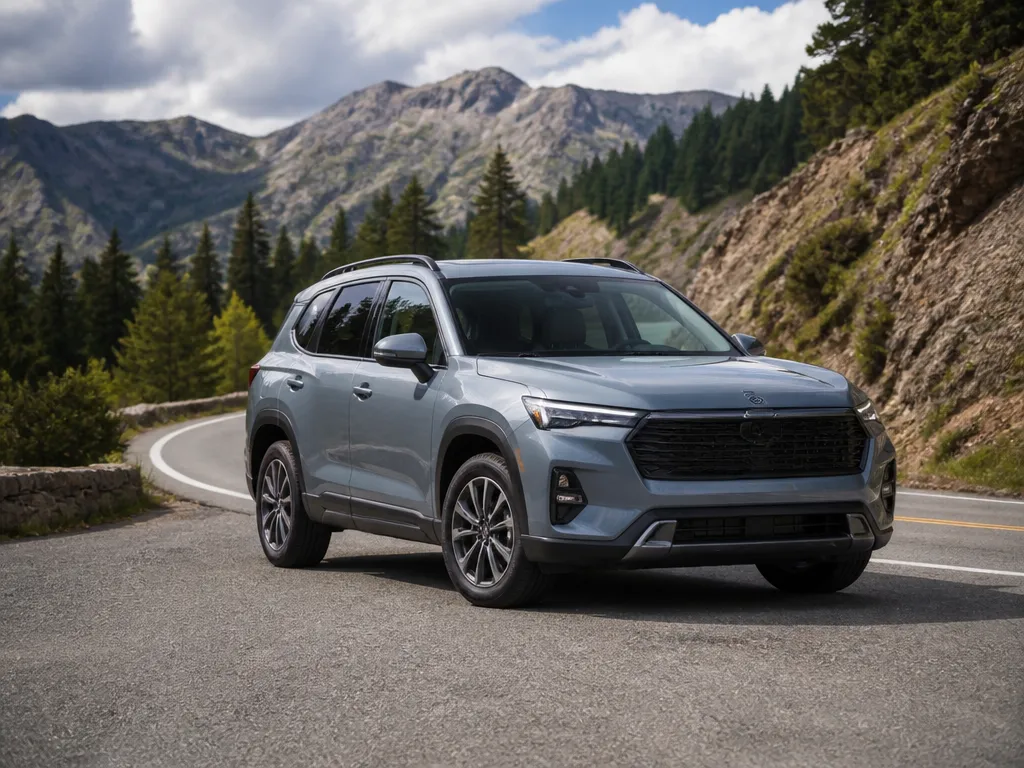
Gas SUVs usually show the biggest swings in range based on highway speed and tire choice, so you should plan stops around worst-case highway MPG. Hybrids keep range steadier when you mix steady cruising with rolling hills, since the engine is less stressed and the car reclaims energy when slowing. Plug-in hybrids can feel “unlimited” for short legs on battery, then behave like a hybrid once the battery is depleted.
Long-distance planning should start with your real-world “usable” range, not the window sticker estimate. Draft a simple buffer: use your expected highway MPG for the next segment, then cut that number by about 10 to 20% for headwinds, hotter weather, and extra weight (cargo, passengers, roof gear). If you tow, expect highway MPG to drop hard and range to shrink fast, regardless of powertrain.
Gas-only Suvs: Highway Mpg Drives The Stop Count
For gas-only models, highway fuel economy is the limiter, because aerodynamic drag rises quickly with speed. A 70 mph run can erase a meaningful chunk of your range compared to 60 mph, and crosswinds make it worse. Tire type matters too, all-season touring tires usually hold range better than aggressive all-terrains.
Hybrids: Where Efficiency Tends To Shine
Hybrids usually deliver more consistent MPG on long trips when you see frequent speed changes, gentle grades, or traffic waves. Even on smooth highways, the hybrid system can keep the engine in its better-efficiency zones more often than a conventional gas setup, and regenerative braking helps whenever you lift and slow.
Real-world hybrid range planning still needs a buffer, because wide-open speed and strong headwinds reduce savings. Roof racks also matter, even if your SUV “feels” stable, increased drag pushes MPG down and reduces how far the tank will go.
Plug-in Hybrids: Charge Planning Beats Guessing
Plug-in hybrids are about energy management, not just fuel range. Your “battery miles” are great for daily driving and short highway segments, but once the battery is depleted the SUV behaves much closer to a hybrid, and your fuel-based range depends on the same factors as gas-only models.
Small Things That Swing Range: Tires, Wind, And Roof Racks
Tires are one of the easiest range levers you can control, rolling resistance affects steady highway MPG every minute. Wind and roof racks change the math too, roof racks increase aerodynamic drag and crosswinds magnify it, so range can drop even when the speed stays the same.
| Factor | What changes | Practical impact on long trips |
|---|---|---|
| Higher speed | More aerodynamic drag | Fewer miles per gallon, more frequent stops |
| All-terrain tires | Higher rolling resistance | Lower highway MPG, especially on smooth asphalt |
| Roof rack/cargo box | Extra frontal area and airflow disturbance | MPG drops, range shrinks on highway legs |
| Crosswinds | Higher load to maintain speed | MPG swings, plan a larger fuel buffer |
Mechanic’s tip: When you test-drive for a long-distance SUV, ask for a highway loop at your real cruising speed and watch the trip MPG average. That single datapoint often beats any brochure range estimate because it captures your tire setup, traffic, and typical throttle use.
Recommended Trims To Target
Long-distance comfort comes down to how the trim treats your body and your ears: better seats, a calmer ride, and insulation that keeps highway noise in check. For road-trip usability, target trims that add practical storage, easy rear access, and highway tech you can actually use for hours.
Comfort Upgrades That Make Highway Miles Tolerable
Pick trims that include upgraded front seats, a suspension that soaks up broken pavement, and thicker sound-deadening materials. Heated or ventilated seats help a lot on long runs, but the bigger win is adjustable lumbar with proper seat base length for your torso and legs.
For the best long-distance experience, prioritize these options during your trim comparison and test drive:
Mechanic’s tip: If you can, sit in the driver’s seat for 10 minutes before you drive. If the steering wheel and seat take more than a couple adjustments to feel “locked in,” that trim will feel worse after the first fuel stop.
Driver-assist Packages To Look For, And Common Exclusions
Long-distance reduces fatigue when the SUV can hold lane and spacing smoothly on divided highways. Target trims that bundle a full adaptive cruise suite with lane centering, navigation-linked guidance, and clear driver prompts.
Common inclusions to hunt for:
Common exclusions you should verify on the option sheet or build page: some trims offer lane-keeping without lane centering, some highway features only work above certain speeds, and some systems do not include automatic lane change assist. Also check whether driver-assist is tied to a specific camera or sensor package, since stripped trims sometimes omit it.
Cargo And Interior Storage That Actually Helps On Trips
Road-trip practicality comes from how you stow bags, keep essentials reachable, and avoid digging for items at every stop. Target trims with a hands-free power liftgate (for one-handed parking-lot loading) and cargo tie-downs that are easy to access.
| Trip need | Trim option to target | Why it matters |
|---|---|---|
| Reachability | Multiple 12V/USB ports, rear USB, console storage | Kids, passengers, and devices stay powered without rerouting cables |
| Bag organization | Rear cargo hooks, underfloor storage | Reduces shifting and keeps small items from becoming “rolling clutter” |
| Quick access | Power liftgate, wide cargo opening | Speeds up loading at hotels and trailheads |
Towing And Ramp Needs: When Higher-rated Setups Pay Off
If you plan to tow a small trailer, a jet ski, or a boat, trim choice can matter as much as the model. Target higher-output engine pairings when they align with your towing capacity needs, and verify that the trim includes the tow package components like wiring harnesses and cooling upgrades.
Choose the more capable setup when any of these apply: you tow frequently (not just once a year), your trailer is heavy for your SUV class, or you want less strain on grades. If the build sheet lists “tow package” as a separate add-on, confirm it is included on the trim you’re pricing, because the difference often comes down to wiring, hitch readiness, and sometimes a larger cooling system.
For long-distance towing, the smoothness is usually determined by gearing and cooling, not just the rated number. Plan your purchase around the worst-case day you’ll drive, then add a margin so the engine does not run at its limit for miles at a time.
Test Drive Checklist At Highway Speed
Highway driving reveals comfort problems that city miles hide, especially after 2+ hours behind the wheel. Use this checklist on a real stretch of road, drive at highway speed, and pay attention to how the SUV behaves when you steer, brake, and sit in one position for a while.
Reality Check: Storage And Rear-seat Comfort
Road trips start to feel “long” when small items constantly move or when you cannot stow things quickly. Put a water bottle, a jacket, and a phone in their likely locations, then check whether the items rattle or block seat movement.
For rear-seat comfort, sit behind the driving position and notice where your knees go, then check how the seatback angle feels after several minutes. If the rear HVAC controls are present, test whether the airflow reaches passengers at speed without making the cabin noise worse.
| Test Drive Item | What You Should Feel See | What It Usually Means |
|---|---|---|
| Lower back comfort after 10-15 minutes | Support stays consistent as you shift slightly | Seat design fits long hours |
| Tire-road sound at 60-70 mph | Low, steady noise with no sharp spikes | Tires and suspension tuning are highway-friendly |
| Lane-centering smoothness | Steering corrections feel gentle and predictable | Driver assist feels natural on long runs |
| Rear-seat passenger fit | Knees and head room feel usable for the duration | Family trips stay comfortable |
Insider tip: If the demo unit has mismatched tire pressures or a worn tire, noise results can be misleading. Still, comfort and steering feel should remain consistent, so trust your body first and then verify with tire condition.
Reliability And Ownership Realities
Tires, brakes, and suspension wear drive long-distance ownership costs more than most people expect. A great highway SUV can still turn into an expensive trip machine if its common wear items are pricey in your area or if alignment spec is sensitive to rough roads.
Long-drive Wear Points To Plan Around
Road-trip mileage turns consumables into your real budget. Pay attention to how the SUV behaves with worn tires, because noise, steering feel, and braking stability all shift as tread and shoulder wear progress.
For example, two SUVs can both get great highway fuel economy, then diverge fast because one has a more alignment-sensitive front suspension geometry. The owner who keeps tires rotated on schedule and addresses alignment quickly usually avoids premature replacements.
Common Ownership Considerations To Research
Before you commit, map the maintenance rhythm to your driving pattern. Long-distance owners tend to rack up miles quickly, so you want predictable intervals and parts that are easy to source.
Maintenance access matters. Tight packaging under the hood can turn simple services into longer shop time, which affects cost during the years you are racking up highway miles.
| Ownership reality | What to check before buying | Why it matters on long drives |
|---|---|---|
| Tire replacement fit and availability | Common size, load rating, and whether your local tire shop carries it | Faster sourcing, fewer delays, less “special order” downtime |
| Brake and rotor wear pattern | Pad type on your trim, rotor material notes in the owner guidance | Stability on grades and fewer vibration complaints |
| Alignment sensitivity | Wheel size, tire pressures spec, and how often alignment is recommended | Prevents uneven tire wear and wandering steering |
| Service time and labor | How accessible filters, sensors, and common wear items are | Costs rise when labor time is high |
Warranty Highlights, Coverage Checks, And Local Service Access
Warranty language can be the difference between a smooth ownership decade and an argument at the service counter. Confirm what is covered for powertrain, hybrid or EV components (if equipped), corrosion, and basic wear items, then read the exclusions that often apply to tires, brake wear, and suspension bushings.
Shop tip: When you verify a used or new SUV, ask the dealer or selling dealer service manager to confirm warranty coverage for your exact VIN. Coverage can vary by in-service date and trim, even when the model looks identical on paper.
Service access is another make-or-break factor for road-trip drivers. Before you buy, check whether you have multiple dealers or reputable independent shops within a reasonable radius, and confirm that your chosen SUV’s parts are commonly stocked by distributors, especially for brake components, sensors, and suspension pieces.
For long-distance reliability, prioritize SUVs where the local tire and alignment shop can get you in quickly and where parts are standard through your area. That reduces the most painful part of a failure, downtime while waiting for a specialty part.
Match Each Suv To Your Driver Type
Choose a long-haul SUV by matching its ride comfort, highway manners, and cabin quiet to how you actually drive. Families usually want second-row room and easy third-row access, commuters want stable highway comfort they can live with weekly, solo drivers want low fatigue and low noise, and tow-capable rigs need solid stability and predictable braking under load.
Families who road-trip often should start with SUVs that keep ride quality composed over expansion joints and still make it easy to live out of the cargo area. Look for class-leading rear-seat comfort, big cupholder space, and rear HVAC controls so passengers do not fight temperature changes halfway through the day.
Commuters who do long weekdays and then want weekend highway comfort should bias toward SUVs with a quiet cabin, good steering feel, and adaptive cruise that does not surge. These drivers spend the most total hours in the seat, so fatigue shows up first in neck and lower back comfort.
Solo long-distance drivers who prioritize low fatigue should shop for effortless highway stability, comfortable seat cushioning, and good sightlines that make lane changes relaxed. Cabin noise and wind roar are usually the deciding factor after the first long tank, so road-test with windows up and listen for tire and wind noise.
Drivers who tow need stability under load, predictable braking, and suspension control that does not feel floaty when the trailer swings slightly. Start by choosing an SUV that is rated for your trailer weight and match the towing package to your hitch setup, then confirm trailer sway control and integrated trailer braking behavior in real conditions.
| Driver type | What to prioritize | Good starting SUV picks |
|---|---|---|
| Families and road-trip comfort seekers | Rear-seat comfort, cargo usability, second-row HVAC | Toyota Highlander, Kia Telluride, Hyundai Palisade |
| Commuters with occasional weekend highway drives | Quiet cabin, stable steering, calm adaptive cruise | Honda CR-V, Subaru Outback |
| Solo long-distance drivers who want low fatigue | Low wind and tire noise, supportive seats, smooth tracking | Genesis GV80, BMW X5, Mercedes GLE |
| Drivers who tow and need load stability | Trailer sway control, brake confidence, towing cooling | Toyota 4Runner, Land Cruiser, Ford Explorer (with towing package) |
Test-drive rule: Match a real route to your use. If you tow, include a controlled downhill and repeated braking. If you do family trips, bring the items you actually carry and see how quickly you can load and access the cargo area with people in the back.
Quick Summary
Long-distance comfort is a mix of supportive seating, highway stability, low road noise, and driver-assist that stays calm when you are focused on the road instead of the car. The article emphasizes checking ride and cabin quietness at highway speeds, specifically by listening around 65 to 75 mph during test drives. It also calls out the practical side of planning, like cargo space, rear legroom, and “stop-light fuel economy” that influences how often you need to refuel. A good long-distance SUV should feel steady for hundreds of miles.
The best picks named are the Mercedes-Benz GLE and Audi Q7 for set-it-and-forget-it calm, with the GLE described as having a quiet cabin and composed ride tuning, and the Audi Q7 as having low road and wind noise for highway hours. Volvo XC90 is highlighted as a comfort-first alternative with driver assistance that feels less busy, plus practical cargo even with a full family setup. For value, Toyota Grand Highlander is tied to stable highway manners and seat comfort, while Honda Pilot and Hyundai Santa Fe are pitched as practical road-trip options with straightforward lane and adaptive cruise availability depending on trim. The key takeaway is to prioritize quiet, stable highway behavior and verify it on your own route.
| Best fit | Models mentioned | What the article stresses for long trips |
|---|---|---|
| Quiet, composed highway cruising | Mercedes-Benz GLE, Audi Q7 | Low road or wind noise, steady steering feel, strong adaptive cruise and lane centering on many trims |
| Comfort-first plus relaxed driver assist | Volvo XC90 | Comfortable tuning, driver assistance that feels less busy, practical cargo with family seating |
| Value-focused long-distance road trips | Toyota Grand Highlander | Comfortable seats, stable highway manners, adaptive cruise with lane support on many trims |
Frequently Asked Questions
What Suv Gets The Best Gas Mileage For Long Distance Driving?
Look for an SUV with the highest combined highway MPG you can find in your budget, since highway efficiency usually matters most on road trips. If you plan to do a lot of stop-and-go at the start and end of the drive, prioritize real-world mixed MPG rather than only “best case” numbers.
Are Hybrid Suvs Worth It For Long Road Trips?
Hybrid SUVs can be a good fit for long distance driving when your route includes moderate traffic, frequent speed changes, or long stretches where you can keep steady throttle. If your trip is mostly flat highway at a constant speed, you may need to compare total fuel cost against the extra purchase price, since exact savings vary.
Which Suv Is Best For Long Distance Driving With The Most Comfortable Ride?
For comfort over hundreds of miles, prioritize an SUV with good highway isolation and stable steering feel at speed. Test drive at your typical cruising speed, pay attention to wind noise and suspension harshness, and confirm you have enough headroom and seat support for your body type.
What Should I Check In An Suv Before A 1,000 Mile Road Trip?
Before you leave, make sure tires have tread and correct pressure, the brakes feel normal, and the fluids are topped off to spec. Also check that your navigation and driver-assist functions work as expected, and confirm you have chargers and spare essentials since many road-trip issues start with basic setup problems.
How Important Is Adaptive Cruise Control For Long Distance Driving In An Suv?
Adaptive cruise control can reduce fatigue by maintaining spacing and handling speed changes within its limits, which is especially useful on multi-lane highways. You should still stay alert, because in construction zones, heavy merges, or abrupt lane changes, it may not react the way you expect, so you want a system with consistent behavior in real traffic.
What Is The Biggest Mistake People Make When Choosing An Suv For Long Distance Trips?
The biggest mistake is buying based only on sticker fuel economy or cargo space, without factoring in highway comfort and drivability. If the ride gets tiring, the cabin gets noisy at speed, or the seats do not support you after a few hours, you will feel it on every mile.