


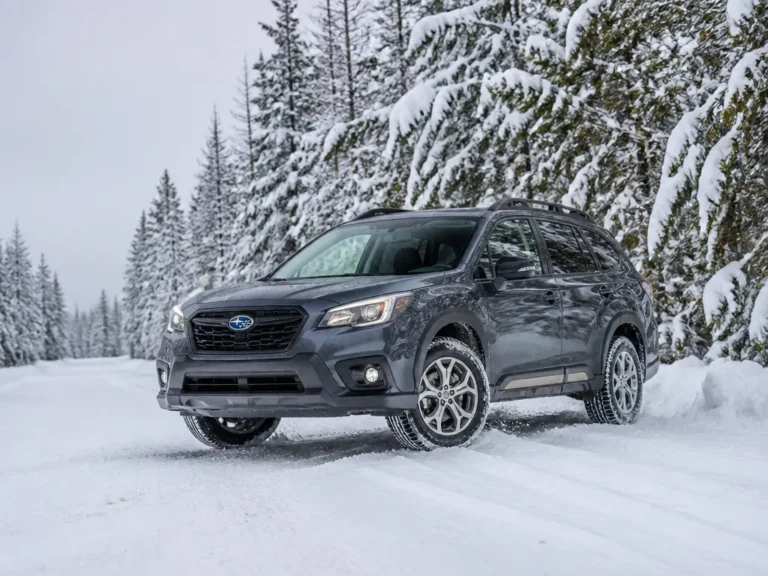
You’ve got snow coming, and your current SUV feels sketchy the moment the roads go from “slushy” to “packed.” The search “best suvs for snow” usually turns into a list of random trims, so it’s hard to tell what actually matters, like AWD behavior, ground clearance, and whether winter drive modes help when you hit hills.
The big unlock is this: the best snowy-SUV shortlist starts with drivetrain (AWD or 4WD), then gets refined by ground clearance and snow modes, and finally depends heavily on good winter tires. Keep reading for a ranked set of specific SUVs, what trim to buy, and a checklist to confirm they’re right for your winter commute.
Best SUVs for snow are the ones offered in AWD or 4WD trims, with winter drive modes and solid ground clearance. Even the best drivetrain needs real winter tires, since tire grip matters more than AWD at 0°F and below. Pick based on how deep your snow gets, and whether you drive hills daily.
Best Suvs For Snow: Top Picks By Scenario
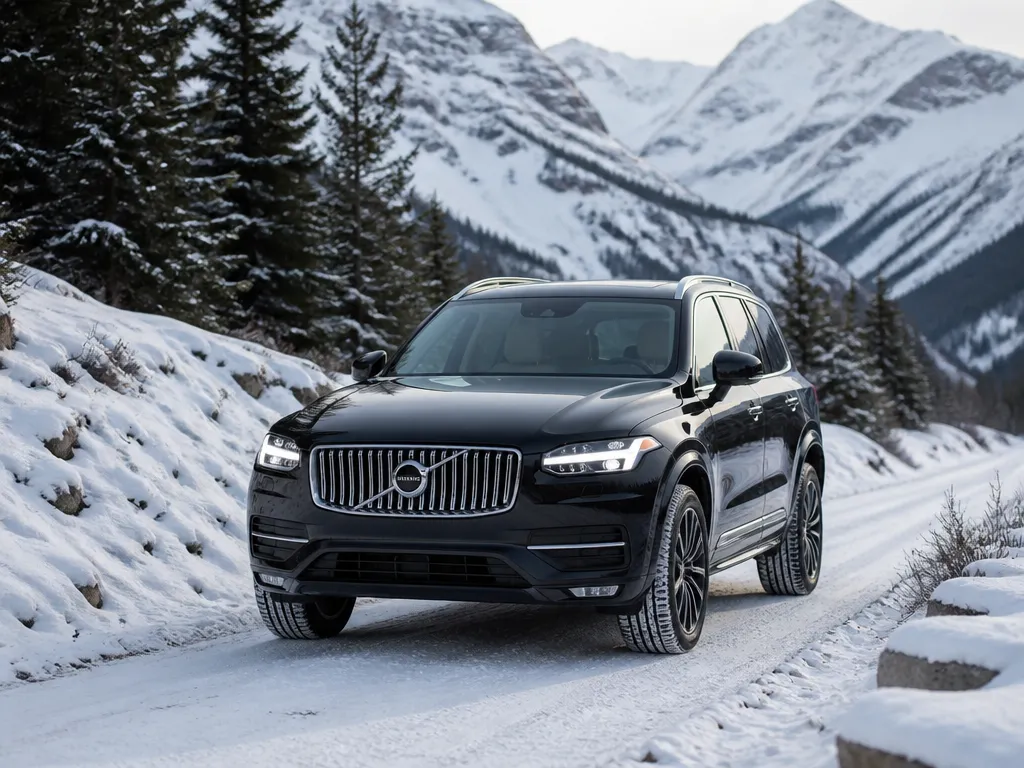
For snowy driving, the winning formula is real AWD or 4WD paired with winter-capable tires. The SUV models below are ranked by drivetrain traction, winter modes, and how they typically manage power on slick, uneven roads.
Light-to-moderate Snow (Commute, Slush, Wet Snow)
Light-to-moderate snow favors predictable grip and stable control. Start shopping AWD trims that let traction control do its job on low-speed starts, stop-and-go traffic, and cleared roads that ice over at intersections.
| Rank | Shop This SUV/Trim | Why it fits this snow use |
|---|---|---|
| 1 | Subaru Outback (AWD) | Symmetrical AWD is a strong “everyday winter” baseline for slippery commutes where you need consistent pull away from lights. |
| 2 | Audi Q5 (AWD variants) | AWD helps maintain composure on wet snow and packed ruts without feeling like you need a drivetrain switch for normal days. |
| 3 | Honda CR-V (AWD trims) | AWD trims are an efficient choice for suburban roads, where frequent snowfalls mean you want stability more than crawl capability. |
| 4 | Toyota RAV4 (AWD trims) | AWD adds margin in slush and during freeze-thaw mornings when traction changes every block. |
Deep Or Packed Snow (Plowed Drifts, Road Edges, Rural Trails)
Deep or packed snow adds two problems: reduced ground speed and bigger wheel slip. This is where you want more capable transfer-case AWD/4WD behavior (and the clearance to keep the drivetrain from getting hung up).
Winter tip from the shop floor: packed snow is basically a traction test. Choose a setup that can stay composed at low speed, then add chains if your route regularly exceeds what tire compounds can bite into.
When you shop trims for deep snow, prioritize 4WD low-range or crawl-friendly modes and conservative throttle mapping. If the model only offers AWD without any low-speed traction strategy, you will feel wheelspin sooner and go sideways more easily in thicker snow.
Hills And Snowy Commutes (Grade + Ice, Long Climbs, Descent Control)
Hills demand more than traction. Climbing needs power that can be metered smoothly, while descending needs stable control to keep you from speeding up on slick grades.
For hill-heavy routes, shop for trims that include hill descent control (or an equivalent downhill traction management system) and a real snow/ice drive mode. Proper winter tires are still the make-or-break item on packed ice, because AWD and 4WD can only distribute torque, not improve compound grip.
Shopping note: always verify the drivetrain before you buy. Many trims are offered in both 2WD and AWD/4WD, and dealers will sometimes advertise “SUV” broadly while the snow-relevant hardware is limited to higher trim packages.
Awd Vs 4wd: What Actually Helps
AWD can automatically send power between the front and rear axles as conditions change, while part-time 4WD normally drives one axle until the driver selects 4WD or the system engages it automatically. In snow, the biggest difference is how quickly and smoothly the system transfers torque when traction drops, and how much it relies on the tires and traction control to do the rest.
Full-time Awd Vs Part-time 4wd Behavior In Snow
Full-time AWD systems keep both axles engaged, so they can react immediately to changing grip. This usually feels better for stop-and-go driving, light snowfall, and slick intersections because the transfer happens without a driver action.
Part-time 4WD systems often need a shift from 2WD to 4WD (manually or automatically), and some designs expect you to use certain modes only at low speeds. Even if the system can engage in motion, the transition logic can be slower or more abrupt than full-time AWD, which matters when you are trying to meter throttle on packed snow.
Locking differentials can be the difference between “spinning one wheel” and “moving the truck” in deep, uneven snow. Open differentials rely on traction control to brake a slipping wheel, which works on many slick surfaces, but locking helps more when you are stuck with one wheel clearly on a low-grip patch.
Traction Control, Stability Control, And Winter-specific Controls
Traction control (TCS) and stability control (ESC) are not “extra” in snow, they are the real grip-management layer when tires lose bite. TCS helps the axle(s) send torque to where traction exists by braking a spinning wheel, while ESC uses steering input and yaw sensing to decide when to intervene.
Snow modes can also interact with ABS, TCS, and ESC calibration, which is why the same SUV can feel calm in one mode and jumpy in another. Hill descent control (HDC) is a strong buy signal for snowy grades because it modulates brake pressure to maintain a low speed without constant pedal input, reducing the odds of skidding or overheating brakes.
| System/feature to verify | What to look for on the spec sheet or in the manual | Why it matters in snow |
|---|---|---|
| Full-time AWD vs part-time 4WD | “Full-time AWD” or “part-time 4WD,” and engagement behavior | Predictable torque delivery on slick roads and during throttle changes |
| Locking differential (axle or center) | Availability of “diff lock” and how it is activated | Improves traction when one wheel loses contact or is in slush |
| Traction control and stability control | Names like TCS and ESC, plus descriptions of brake-based traction control | Reduces wheel spin and helps keep the vehicle tracking straight |
| Drive modes and winter settings | Snow/Ice/Trail/Terrain modes and what they change | Helps prevent dig-in and improves low-speed control |
| Hill descent control (HDC) | Presence of HDC and activation conditions | Stabilizes downhill speed on packed snow and glare ice |
Mechanic’s note: AWD and 4WD can only manage traction the way the tires allow. If you shop for snow performance and skip tire type, you lose the biggest controllability gains, especially during braking and corner entry.
Suvs To Buy For Deep Snow
For deeper, packed snow, prioritize SUVs with real AWD systems that can send torque to the axle with grip, plus high ground clearance and low-speed control. Subaru and Jeep give you strong snow drivability in their AWD formats, while the Toyota 4Runner TRD and 4WD trims are built for tall, rutted conditions where clearance matters.
Model Picks That Make Sense In Deep, Packed Snow
These recommendations assume you buy the right drivetrain trim and run winter-ready tires (or at minimum high-quality all-weather tires that match your temperatures). When shopping, confirm you are getting the AWD/4WD system and look for settings that slow throttle response and help traction control do its job.
| Model (trim guidance) | Drivetrain you want | Why it helps in deep snow | What to double-check before buying |
|---|---|---|---|
| Subaru Outback (AWD) | Symmetrical AWD, winter-capable package if offered | Predictable AWD feel, good chassis balance, solid clearance for plowed streets and drifted lots | Confirm AWD (not FWD), wheel and tire size matches specs for snow use, braking stability with your tire choice |
| Subaru Forester (AWD) | Symmetrical AWD, winter-focused trim where available | Confident traction on uneven snow, practical size for backing out of tight, snow-packed spots | Look for features that help traction control stay active, verify clearance for your typical drift depth |
| Toyota 4Runner TRD Pro | 4WD | High clearance and rugged suspension tuning are built for ruts, slush berms, and uneven tracks | Plan on winter tires, confirm your wheels are not oversized, check underbody protection and trail wear if used |
| Toyota 4Runner 4WD (TRD Off-Road / Trail / similar) | 4WD | More capability for deep, packed snow than 2WD versions, especially when you need to keep moving through drifts | Verify low-range and 4WD control behavior in the exact trim, inspect transfer-case and drivetrain service history |
| Jeep Grand Cherokee Trailhawk | 4WD with low-range capability (where equipped) | Low-speed off-road gearing is valuable when climbing out of deep ruts or standing snow | Confirm the Trailhawk 4WD system on the specific year, check that tires are appropriate and not worn down |
| Jeep Grand Cherokee 4WD trims (with off-road package) | 4WD, off-road-oriented setup | Better traction and driveline control than lower trims for deep snow situations | Verify off-road hardware, tire tread depth, and how the system behaves when traction is limited |
For packed snow on hills, the biggest difference-maker is low-speed control. Toyota 4Runner 4WD trims and Grand Cherokee Trailhawk-type setups help you maintain steady progress instead of spinning and digging in.
Mechanic tip: deep snow punishes tires first. Buy the SUV you want, then match it with winter tires for your coldest typical week, since worn tread or wrong compound often causes the “drivetrain didn’t work” feeling.
For commuting that turns into deeper snow once you leave the plowed roads, the Subaru Outback and Forester are hard to beat for daily predictability. For true ruts, tall drifts, and frequent off-road snow access, the 4Runner and Trailhawk-style Grand Cherokee setups are more forgiving when the terrain fights back.
Best Commuter Suvs For Winter
For everyday snow commutes, a modern SUV with AWD plus real snow control logic beats “part-time” setups because it keeps traction stable through frequent throttle changes, stop-and-go traffic, and light pack. The best trims to hunt are the ones labeled AWD (not FWD), and then you prioritize dependable winter drive modes and stability systems.
| SUV | Winter strength (commuter-focused) | Trim/option to look for | Best fit |
|---|---|---|---|
| Honda CR-V AWD | Predictable AWD behavior for routine city and highway slick spots, with comfort that reduces “cold-start stress” on daily routines. | CR-V AWD (avoid FWD if you drive daily in snow) | Light to moderate snow, mixed roads, long commutes |
| Mazda CX-50 AWD / CX-5 AWD | Confident, controlled feel that helps keep steering stable when the surface changes from bare pavement to packed snow. | AWD trims (choose the configuration that matches your budget and availability) | Value-conscious buyers who still want composure |
| Acura MDX AWD | Strong traction and stability assistance tuned for daily driving, with enough cabin space to keep passengers comfortable during colder months. | MDX AWD | Families, frequent highway snow, longer winter trips |
| Audi Q5 AWD | Stability systems help manage wheel slip in slippery starts and lane changes, which matters most in commuter traffic. | Q5 AWD | Drivers who want confident behavior and strong tech integration |
What To Spec For Daily Snow, Not Weekend Thrills
Pick AWD, then make sure the package you buy actually supports winter driving modes like snow/ice or off-road-oriented traction logic. Even the best drivetrain is only as good as the tires, so plan on season-correct tires before you judge an SUV’s snow grip.
For commuters, prioritize drivability aids that prevent wheelspin and keep braking steady when you hit slush pockets. When AWD is paired with responsive stability control, the vehicle feels calmer in real life, especially when traffic forces short bursts of acceleration.
Mechanic’s take: For daily snow, tires decide most of the outcome. AWD helps you get torque to the ground, but winter tires decide whether that torque stays usable when the road goes slick.
When your commute includes hills, quick merges, or frequent stops, the Acura MDX AWD and Audi Q5 AWD tend to feel more composed because their traction and stability calibration is geared toward managing slip early. For straightforward daily snow driving, the Honda CR-V AWD is the practical pick, and the Mazda CX-50 CX-5 AWD options are the value-friendly route if you want a controlled feel without stepping into luxury pricing.
Ground Clearance And Approach Angles Matter
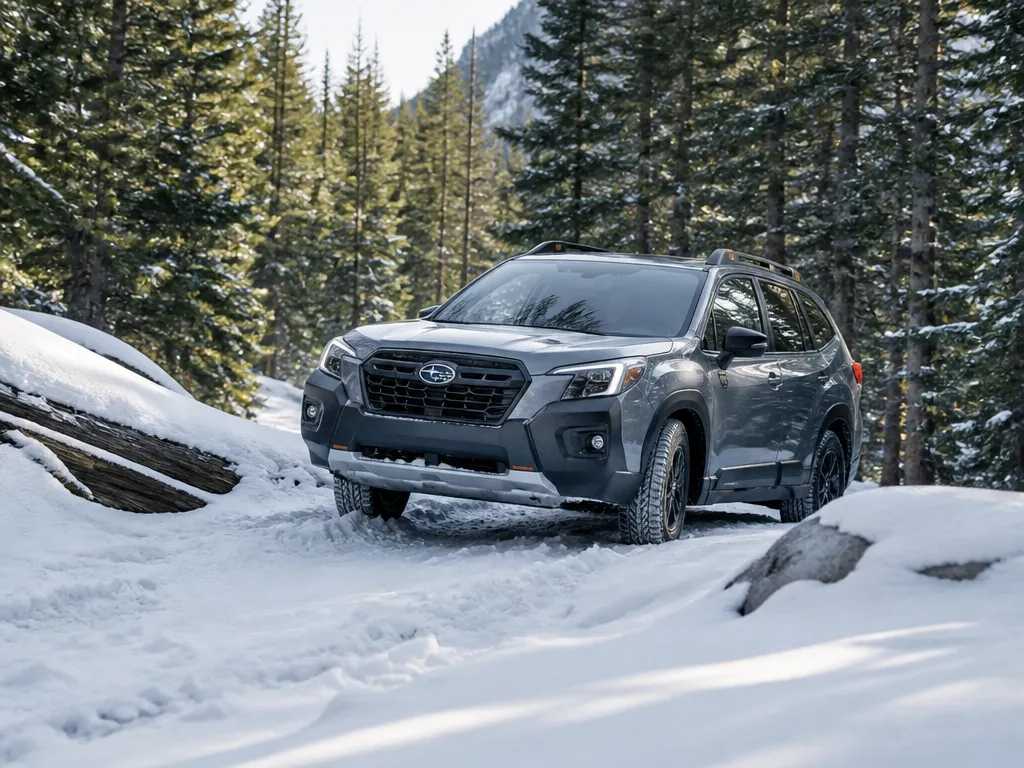
Ground clearance determines whether snow, ice, and slushy berms lift your SUV over the problem or hang a skid plate on it. Approach and breakover angles decide how your front bumper and underbody behave when you crest uneven plowed sections or drop into a snow-packed ditch.
Wheelbase also matters in winter more than people expect. A longer wheelbase can feel stable on straight, flat snow, but it increases the chance you bridge over a dip and slam the belly when the road is broken up by plows.
What To Check On The Spec Sheet (And In Real Life)
Before you fall in love with a model, compare the numbers that directly affect contact with snow-covered pavement and curbs.
| Winter obstacle | What it usually hits | Spec that predicts the outcome |
|---|---|---|
| Slushy curb | Front bumper lip and lower fascia | Approach angle + bumper overhang |
| Plow ridge crest | Front suspension arms or belly | Breakover angle |
| Rutted ditch or washboard | Skid plate or transfer case | Ground clearance + underbody shields |
“A couple inches of clearance can be the difference between crawling through slush and getting traction fight while you’re hung up.”
Tire size and sidewall height are the trade-off most buyers overlook. Smaller wheels with taller sidewalls help the tire conform over packed snow and curb edges, while larger wheels often ride lower and can be easier to bend when you smack frozen ruts or buried potholes.
In practice, going too low with oversized wheels is where SUVs turn into “snow traps.” Low-slung trims, aggressive body cladding gaps, and wheels that reduce sidewall give you less tolerance for the stuff you cannot see until you are already committed to the driveway.
Wheelbase and angles are also why two “AWD” SUVs can behave totally differently. If one has more underbody protection and better breakover, it will keep rolling when traction is poor, while the other may lose momentum after it contacts the road surface.
Winter Tires Beat Vehicle Hype
Snow control comes down to tire grip more than drivetrain marketing. An SUV with AWD or 4WD still slides when the tire tread and rubber compound are built for summer or worn out.
All-season Vs Winter Tires In Cold Snow
All-season tires can work in light snow, but they are a compromise when temperatures drop and roads get icy. Winter tires use a softer rubber compound that stays flexible in cold weather, plus deeper siping to keep biting edges working when the pavement is packed or glazed.
For frequent commutes, the real upgrade is swapping to a true winter tire, not an “all-weather” all-season hybrid.
In practice, winter tires usually shorten stopping distances and improve steering feel because the tread stays able to grip instead of skating on hard, cold rubber.
Awd/4wd Helps, But It Cannot Fix Bad Tires
AWD and 4WD send power to more wheels, but they do not increase tire grip. When tires reach traction limits, drivetrain torque just spins tires or overwhelms the available friction, so you still lose acceleration, braking stability, and direction control.
In practice, many “AWD saves me” stories are really “my tires were still good.” The best AWD/4WD setup is the one you can steer and stop with, which comes back to correct winter tire type, size, and load rating for your SUV.
| Decision point | What to do |
|---|---|
| AWD vs FWD vs 4WD | Pick the drivetrain you want, then protect it with proper winter tires |
| Winter tire size | Use door-jamb specs or an approved alternate size that keeps overall diameter close |
| Load rating | Match or exceed the SUV’s required load index and keep the speed rating appropriate |
Mechanic’s rule: a clean, correct winter tire on a predictable AWD SUV beats a “nice drivetrain” on tired rubber every winter.
Buying Checklist For Snow-ready Trims
Snow-ready performance comes down to drivetrain choice, winter-mode controls, and the comfort items that keep you attentive in cold weather. Before you buy a specific SUV trim, verify every item on this checklist against the trim you are actually shopping.
Drivetrain And Drive-mode Verification
Snow tires do most of the work, but the right drivetrain setup keeps you moving when traction gets ugly. Target trims that include AWD or 4WD, and confirm the system includes real winter-calibrated behaviors.
For example, a compact crossover with AWD and a proper snow/ice mode can be plenty for plowed roads and typical suburban commutes. A heavier storm route with steep grades and packed snow is where HDC and more capable 4WD calibration tends to pay off.
Controls To Confirm On The Trim Sheet
Dealers and listings often copy the drivetrain description but skip the drive-mode details. Verify these items are on your vehicle’s actual control layout (photos, walkthrough video, or in-person): AWD or 4WD engagement, snow/ice or terrain modes, traction and stability control settings, and hill descent control where offered.
Cold-weather Comfort Checks
Cold-weather comfort is not a luxury item when winter driving steals your focus. Heated cabin controls help you stay sharp and reduce distraction from fogging and steering-wheel discomfort.
Spec-sheet Checks: Clearance, Tires, And Winter Packages
Ground clearance and the wheel/tire package matter because snow performance can drop fast when you get a “summer tire” setup. Always verify what tires and wheel sizes come on the car, then confirm if the trim offers a winter package you can buy.
| Spec to verify | Why it matters in snow | What to look for in listings |
|---|---|---|
| Clearance (ground clearance) | Helps avoid scraping and helps underbody stay clear on slushy roads | Exact trim and model year clearance figure |
| Towing/traction packages | Extra cooling and traction logic can help when you need control on slick surfaces | Factory tow package availability and AWD/4WD tow ratings |
| Wheel and tire setup | All-weather tires help, but winter tires win for deep cold and packed snow | Check tire type (all-season vs all-weather) and wheel size |
Buying reality check: If a listing shows “sport” wheels and low-profile tires, plan on swapping to winter tires soon. The SUV can have excellent AWD hardware, but the tire setup can still limit grip when the snow is packed.
Match Suv To Your Snow Severity
Snow severity changes what matters most: light slush rewards confident traction control and AWD behavior, while deep snow demands real ground clearance, low-range gearing (or a capable traction setup), and tires that keep biting. Picking the wrong drivetrain for your conditions usually shows up as wheel spin on hills, traction control cycling too often, or a vehicle that drags its belly in soft drifts.
| Snow severity / driving | What to prioritize | Best SUV drivetrain approach | Strong candidates (trim-level guidance) |
|---|---|---|---|
| Light snow and slush commutes | AWD, winter drive mode, good tire siping, predictable braking feel on packed lanes | AWD with traction control that can manage wheel slip smoothly | Subaru Outback (AWD), Subaru Forester (AWD); Audi Q6 e-tron or similar AWD crossovers with snow modes (where equipped) |
| Packed snow and regular hills | Hill control, stronger low-speed traction, tire sidewall for grip, sealed underbody clearance | AWD is the baseline, consider a system that reduces torque to slip and keeps steering stable | Subaru Outback/Wilderness (if available locally), Acura MDX (AWD trims), other AWD midsize SUVs with aggressive snow-tuned stability control |
| Deep snow | Ground clearance, approach angle, tire traction under load, low-range capability or strong crawl control, rear traction when climbing | 4WD or AWD with a drivetrain that can hold torque at low speed | Jeep Grand Cherokee Trailhawk (where offered), Toyota 4Runner (4WD trims), Wrangler (4WD) for frequent deep drift work |
| Rural roads (ruts, uneven plowing, long distances) | Ground clearance, durable underbody protection, tire durability, heat management for driveline | 4WD preference if you hit off-camber ruts regularly | Toyota 4Runner, Jeep Grand Cherokee Trailhawk, Subaru Outback if drifts are occasional and tires are correct |
| Occasional off-road use (farm paths, trailheads, slushy trail crossings) | Selectable drive modes, decent clearance, skid-friendly body shapes, traction management | 4WD systems that allow more controlled wheel slip | Jeep Grand Cherokee Trailhawk, Toyota 4Runner TRD-style trims, other 4WD SUVs with crawl/terrain management |
Dial It In By How The Snow Hits You
For light slush and stop-and-go commuting, the win is consistency. Choose an AWD SUV with a real winter drive mode and pair it with true winter tires, because slush puddles up and tire rubber contact determines whether traction control can meter torque smoothly.
For packed snow plus hills, you want the drivetrain to hold grip without repeatedly hunting between wheel slip and traction recovery. SUVs like the Acura MDX (AWD trims) and Subaru Outback AWD lines tend to be steady choices because they keep power delivery controlled at low speeds, where hills punish “on/off” throttle habits.
Deep Snow And Rural Conditions Demand Clearance And Gearing
Deep snow is where ground clearance and low-speed torque control matter more than badge-level “AWD.” If you routinely drive through drifts or climb out of rutted berms, prioritize a 4WD SUV and look for low-range or drivetrain behavior that can crawl without overheating traction components.
In rural driving and occasional off-road, the trade-off is simple: higher clearance and a drivetrain that tolerates uneven surfaces cost more, but it prevents the common failure mode of getting high-centered or pushing snow with the bumper. For true drift-and-rut seasons, Toyota 4Runner and Jeep Trailhawk-type setups usually make more sense than crossover-only AWD, especially when plowing is inconsistent.
Hard rule: whichever SUV you choose, winter tires usually outweigh small drivetrain differences. All the snow modes in the world cannot fix bald or all-season tires that lose grip in slush and packed ice.
Quick Summary
When roads go from slushy to packed, the article says your “best suvs for snow” search should start with drivetrain, specifically AWD or 4WD, because tire grip still matters most once temperatures drop. It also narrows the shortlist by ground clearance and whether the SUV has winter drive modes, then emphasizes that winter tires beat all-season performance on packed snow and ice, especially at 0°F and below.
In practice, good traction starts with the right system, but tires do the stopping and steering.
For deeper snow, the article adds two more concerns, reduced wheel speed and increased wheel slip, and it recommends trims that better manage low-speed traction, like transfer-case AWD or 4WD behavior plus clearance that helps prevent getting hung up. It also calls out hill routes, where you want hill descent or equivalent downhill control, and it highlights favorites such as Subaru Outback for mixed grades and Acura MDX as a winter-friendly long-commute option. The single most important takeaway is to match AWD or 4WD to your tire choice, terrain, and drive modes.
| Snow situation | What to prioritize | Examples mentioned |
|---|---|---|
| Light-to-moderate commute snow | AWD, winter or ice mode, traction control that meters torque smoothly | Subaru Outback (AWD), Audi Q5 (AWD variants), Honda CR-V (AWD trims), Toyota RAV4 (AWD trims) |
| Deep or packed snow | More capable 4WD transfer-case behavior and higher ground clearance | Subaru Forester (AWD), Jeep Grand Cherokee (4WD trims), Toyota 4Runner (4WD trims), Nissan Pathfinder (4WD/AWD variants) |
| Hills and snowy commutes | Power that can be metered smoothly and descent control for slick grades | Subaru Outback (AWD), Acura MDX (AWD variants), Audi Q5 (AWD variants) |
Frequently Asked Questions
What Are The Best Suvs For Snow If I Want Awd But Also Want Good Crash-test Results?
If you’re shopping for snow-capable AWD plus strong safety testing, look at models like the 2025 Acura MDX (listed with an IIHS TSP rating) and the 2025 Audi Q6 e-tron (listed with an IIHS TSP+ rating). For winter driving, remember AWD helps you move, but good tires do most of the stopping and cornering work.
Do I Really Need Snow Tires To Find The Best Suvs For Snow, Or Are All-season Tires Enough?
For real snow and ice, snow tires usually make the biggest difference because they maintain grip at colder temperatures. A smart setup is AWD plus quality winter tires, especially if you drive on packed snow or icy commutes.
What Should I Look For In An Suv For Snow Before I Buy, Ground Clearance Or Awd?
You want both, but prioritize like this: tires first, then AWD/traction control, then clearance. If you get stuck, it’s often due to tire grip and underbody contact, so enough ground clearance and a good tire sidewall help when snow gets deep.
Are Crossover Suvs As Good As Body-on-frame Suvs For Snow Driving?
Crossovers can be excellent in snow if they have real AWD and you run proper winter tires. Body-on-frame trucks often handle heavy snow loads better for towing and go-anywhere use, but for most daily driving, a well-equipped crossover is usually more than enough.
Which Best Suvs For Snow Are Worth Considering If I Need Something Safe For Winter Trips, Not Just Sporty Handling?
If your goal is dependable long-distance winter driving, look for SUVs that are rated well for crash protection, like the IIHS TSP or TSP+ listings mentioned by Kelley Blue Book for certain models. Then match the vehicle to your conditions with snow-rated tires, and keep your braking system serviced.
What Common Mistake Makes Even The Best Suvs For Snow Feel Unsafe?
The most common miss is driving on all-seasons that are worn out or running the wrong tire pressure for winter. Check that your tires have enough tread depth, set pressures to the door-jamb spec (adjust as your tire maker advises for cold), and test the brakes gently before you push speed.