


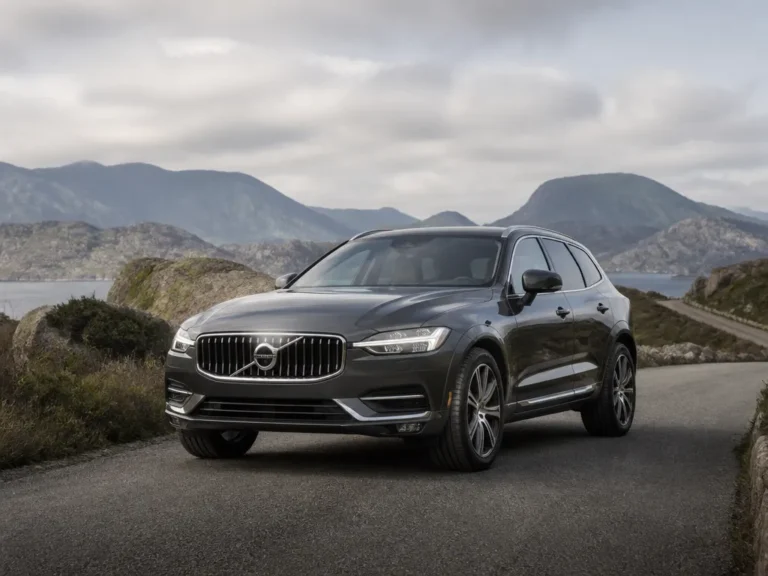
Your morning commute is 20 miles, you park at home, and you’re searching “best plug in hybrid suvs” because you want EV-like driving without giving up road-trip range. The catch is that PHEV results vary a lot by charge habits, weather, and how you set “EV first” vs “engine on.” This shortlist helps you pick the right SUV for real daily life.
Top plug-in hybrid SUVs earn their place by pairing usable electric range with sensible fuel economy when the battery is empty, plus practical charging setups. You’ll get ranked picks, the Level 1 vs Level 2 reality check, and what to expect for charge-depleted MPG and mixed driving, along with trim-level buying guidance.
Best plug in hybrid SUVs are the ones you can actually charge: most owners see meaningful electric-only miles if they use Level 2, and charge-depleted MPG depends on how often the battery runs out. Target models with around 20 to 40 miles of EPA-rated electric range, clear charging instructions, and strong battery warranty coverage.
Best Plug In Hybrid Suvs: Ranked Picks
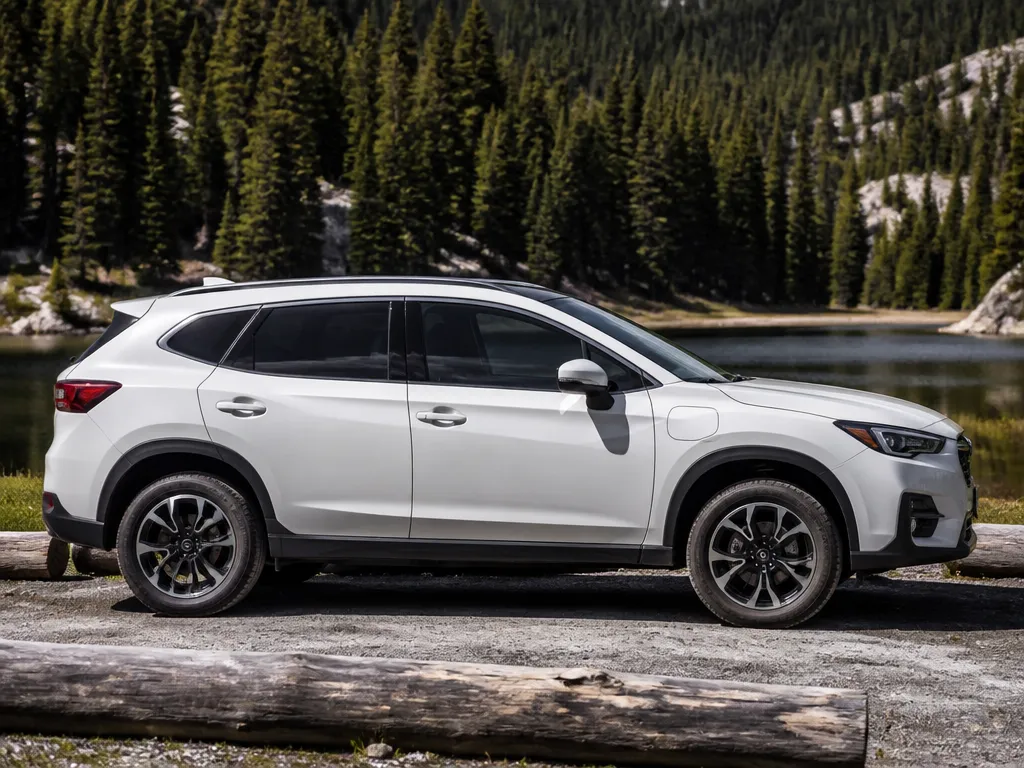
For most buyers, the “best” plug-in hybrid SUV is the one that consistently delivers electric miles in daily life, not the one with the biggest sticker range. This ranking weights real-world charge usefulness, how painless charging is (Level 1 versus Level 2), and how efficient the vehicle is when the battery is depleted.
Ranked Picks By Value And Real Daily Usability
These models are the most realistic options across common PHEV buyer setups: home charging with Level 2, overnight Level 1 charging for light commuters, and occasional longer trips where the gas engine has to do work. Trim matters because some PHEVs lock key equipment (bigger wheels, driver assists, or audio) behind higher packages, which can erase value fast.
| Rank | Model (PHEV) | Best Trim to Target | Why It’s on Top | Who Should Buy It |
|---|---|---|---|---|
| 1 | Toyota RAV4 Prime | SE Prime (or XSE Prime if you want more tech) | Strong electric-first practicality, good everyday drivability, typically a “do-it-all” feel with charging | Commuters with home charging who want low hassle and great all-season manners |
| 2 | Honda CR-V e:PHEV | Sport Touring e:PHEV (if available) or the highest package you can find | Easy-to-live-with family layout and smooth daily transitions between electric and gas modes | Families who want comfort and cargo practicality plus plug-in savings |
| 3 | Mitsubishi Outlander PHEV | SEL (or mid to high packages if offered) | Solid fit for people who truly use electric for errands and rely on gas for longer days | Drivers who need an affordable entry point and can charge at home sometimes |
| 4 | Ford Escape Plug-In Hybrid | SE Plug-In Hybrid (often best value) | Good mainstream sizing, straightforward ownership, and a value-focused option if you can find one at MSRP | Apartment and street parking setups that can do Level 1 or have shared Level 2 access |
| 5 | Jeep Wrangler 4xe | Rubicon 4xe or Sahara 4xe if you want the off-road hardware | Real off-road capability paired with plug-in electricity for local trips | Weekend off-roaders who still want electric for commuting and errands |
| 6 | BMW X5 xDrive50e | M Sport package (typical “best” mix) | Premium road feel and strong performance when you want plug-in plus luxury | Buyers prioritizing comfort, power, and charging access already planned |
| 7 | Mercedes-Benz GLE 450 4MATIC e | Premium package trims (exact naming varies) | Luxury drivability with plug-in ownership for those with predictable charging | Households with Level 2 charging and a taste for premium interiors |
| 8 | Porsche Cayenne E-Hybrid | Base E-Hybrid or higher trims with preferred options | Performance-oriented PHEV experience when charging is part of routine | Drivers who care about sporty response and can charge reliably |
Plug-in SUVs come with an important trade-off: electric-only savings depend on how often you start the day with charge. If your routine rarely lines up with charging, the “P” in PHEV turns into expensive hybrid math, and a standard hybrid can make more sense.
Mechanic’s reality check: If you cannot realistically plug in at least most weekdays, rank drops fast. The best PHEV is the one you actually refill.
Who Each One Fits, Fast (Buying Tags)
Trim strategy: target the package that gets you the features you will use daily, skip expensive wheel or infotainment upgrades if they force the price up with no charging benefit. Incentives can swing the “best” choice, but eligibility depends on your location and timing, so treat any incentive as a variable to verify before locking a deal.
Comparison Table: Range, Charging, Efficiency
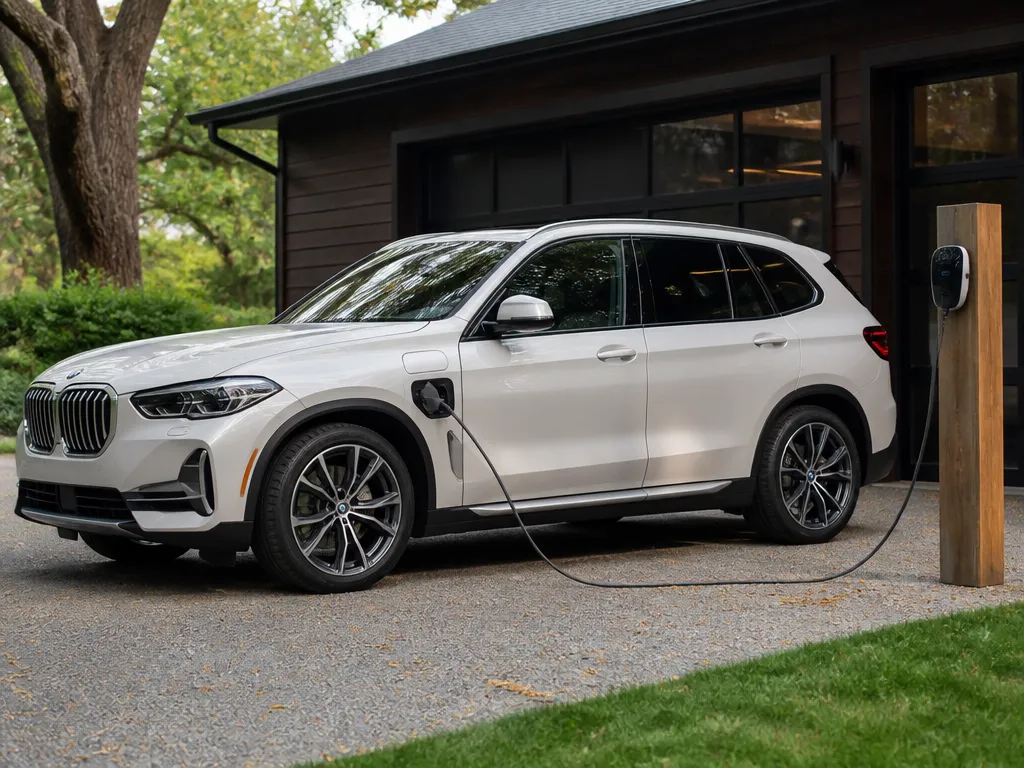
Real-world electric range in a plug-in SUV usually tracks tire pressure, speed, and battery temperature, with highway driving and cold weather cutting usable miles fast. Engine run time starts as the battery drops toward “charge-sustaining” behavior, and it is also common at higher speeds or when cabin heat is working hard.
| Model (target trims vary) | EV range interpretation (what changes it) | Drivetrain layout (when the engine kicks) | Charging expectation (Level 1 vs Level 2) | Efficiency reading (charge-depleted vs mixed) | Cargo capacity note (why PHEV hardware matters) |
|---|---|---|---|---|---|
| Toyota RAV4 Prime | Expect meaningfully lower highway range than city range; cold temps and higher speeds reduce miles, so plan on less than the published figure. | Electric traction first, engine adds power when EV limits are reached, higher load demands, or battery is low. | Level 1 is slow and best for small top-ups; Level 2 is the practical “daily driver” setup for returning the battery to full. | Charge-depleted MPG/MPGe style numbers swing dramatically depending on how quickly the battery runs down. | PHEV battery packaging can reduce usable cargo volume versus a non-plug hybrid, but many trims keep it family-friendly. |
| Ford Escape Plug-In Hybrid | Electric miles typically drop on faster roads; cold weather and aggressive acceleration shorten real EV usage. | Electric drive is dominant until power needs exceed battery capability or the system transitions to engine support. | Level 2 charging is what keeps the “plug-in” advantage consistent; Level 1 may stretch EV use over multiple days. | Efficiency ratings are most useful when you compare similar driving conditions (short trips vs steady commute). | Battery placement affects floor/space, so compare trunk dimensions in the trim you want. |
| Mitsubishi Outlander PHEV | Electric range can shrink fast with cold weather and long highway runs, so treat published EV range as optimistic. | Engine kicks in more often when load is high; the system blends power and maintains battery where needed. | Level 2 helps you finish each day with charge if your commute is longer than the EV-only threshold. | Mixed-mode economy improves when you plug in regularly; charge-depleted driving numbers look best on paper and in short routes. | PHEV hardware can slightly reduce behind-seat storage compared with non-plug variants; check the exact trim spec. |
| Hyundai Tucson Plug-in Hybrid | Electric range is sensitive to speed and winter temps; expect reduced miles on highways versus neighborhood driving. | Engine runs when the battery is depleted, when you request more power, or during conditions the thermal system requires. | Level 2 is the difference between “EV commute most days” and “hybrid most days.” | Fuel economy changes meaningfully once the system goes charge-sustaining, so watch how you drive the last third of the battery. | Battery and cooling components take up space; compare cargo volume with seats folded and in the upright position. |
| Kia Sportage Plug-in Hybrid | Electric miles often fall below the rated number once you are above moderate speeds or below comfortable battery temperature. | Electric drive leads, engine assist appears when demand rises or charge drops into sustaining territory. | Level 1 can work for very short daily use; Level 2 better matches most family commute patterns. | Charge-depleted efficiency is a “start-of-trip” story; mixed-mode is what you will actually live with over weeks. | PHEV battery packaging can alter cargo shape, so compare practical volume and pass-through storage. |
Range And Drivetrain Basics (What Changes The Miles)
Electric range interpretation is simple: ratings assume a controlled drive cycle, so highway speeds, cold battery conditioning, and frequent stops all pull range down. Cold weather is the biggest “hidden” variable because it increases cabin heating load and reduces battery power, while higher speeds increase aerodynamic drag and electrical demand.
Drivetrain behavior follows a pattern: the motor provides traction when the battery has usable charge and when the driver inputs demand power within the system’s EV limits. The engine typically starts when battery state-of-charge gets low, when you request more power than the motor can deliver efficiently, or when thermal management needs extra heat for cabin comfort and battery health.
Charging Time, Level 1 Vs Level 2, And How To Plan
Level 1 charging uses a standard household outlet and is best for topping off overnight when your daily mileage is low and your battery was not drained. Level 2 charging uses a dedicated EVSE and is what most owners need to reliably start each morning at a full or near-full battery, especially if you have a longer commute or more cold-weather losses.
Charging times vary by the SUV’s onboard charger size and the EVSE output, so always compare the Level 2 capability in the trim you plan to buy. Cable and port considerations matter too: confirm the charging port location, check if the vehicle requires an included cable or uses a separate EVSE connection, and verify whether your home panel can support the Level 2 install.
Practical rule: If you do not have access to Level 2 at home, a PHEV can still be a smart choice, but you should expect fewer EV miles and more engine run time.
Efficiency And Cargo Reality Checks (How To Read The Numbers)
Efficiency in charge-depleted versus mixed driving can look like two different vehicles. Charge-depleted numbers reward your ability to start the trip with a fuller battery and drive gently, while mixed-mode results reflect how often you plug in, how long your drives are, and how quickly the system transitions to engine support.
Cargo capacity deserves attention because PHEV hardware adds battery mass and cooling components, which can change floor height, underfloor storage, or behind-seat room. Trim-to-trim differences and different packaging (spare tire location, modular floor setups, and seat configurations) can shift practical usability, so compare the exact trim you are shopping, not just the model name.
Trim Targets For Daily Commuting
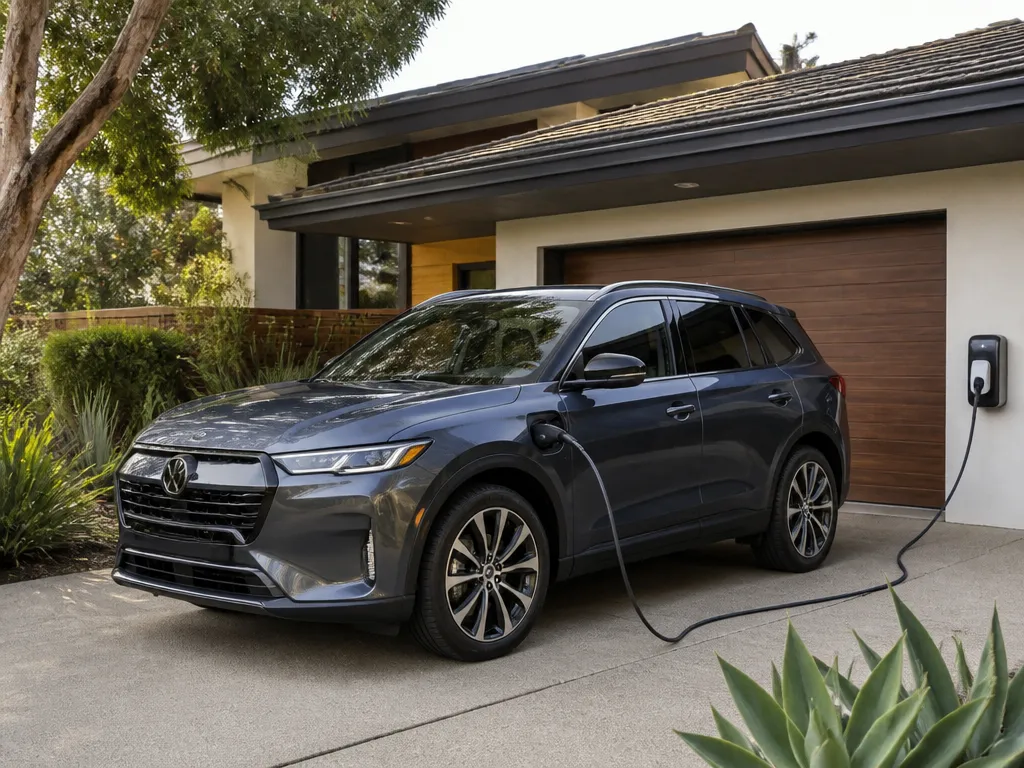
For daily plug-in commuting, prioritize a PHEV trim that lets you reliably charge at home and keeps the cabin and cargo practical for real life, not just test loops. The “best” trim usually means the one with the most complete charging integration plus the driver-assist and infotainment you will actually use every weekday.
Best Trim Strategy For Home Charging
Home charging buyers should target trims that include a factory charge-port door with convenient cable routing, a usable charge timer/scheduling screen, and predictable driver displays that show battery percentage and estimated electric miles. If you can choose between trims, pick the one with the most straightforward “charge to X%” controls, because daily habits beat occasional button-pushing.
For commuter use, driver-assist package content matters because stop-and-go and school drop-off driving is where features pay off. Look specifically at lane centering, adaptive cruise, and blind-spot monitoring coverage across the trim, plus whether the system needs driver confirmation frequently. If you have kids, also check second-row comfort and cargo access, because a tall cargo sill or shallow trunk often makes daily hauling annoying.
| Priority | What to look for in the trim | Why it matters for commuting | Best fit SUV (examples) |
|---|---|---|---|
| Charging integration | Clear charge scheduling, reliable charge status in the dash, easy-to-use port/door | Turns “plug it in” into a repeatable routine | Most higher PHEV trims across Ford Escape, Mitsubishi Outlander, and Kia Sorento lines |
| Driver-assist for daily driving | Lane centering plus adaptive cruise, blind-spot monitoring, rear cross-traffic | Reduces fatigue in traffic and parking lots | Upper trims with advanced safety packages on Hyundai Tucson, Kia Sorento, and Toyota RAV4 Prime families |
| Cabin and cargo practicality | Second-row headroom, door opening width, trunk usability with charging cables nearby | Prevents commuting from feeling like a chore | Trims with larger cargo openings, especially on Toyota RAV4 Prime and Honda CR-V PHEV equivalents |
Best Trim Strategy For Limited Charging (Work And Public Only)
Limited charging buyers should prioritize a trim that is strong on driver feedback and charge recovery behavior when the battery is low, because you will live closer to charge-depleted driving more often. Pick the trim that keeps the electric range estimate visible and consistent, and that has the most predictable blending between electric drive and the gas engine in real-world traffic.
Limited-charging households also benefit from having the infotainment and driver information that makes public charging feel usable, not confusing. Look for easy pairing with the vehicle app, clear charge-completion notifications, and stable navigation/route planning that can account for charging stops (availability varies by brand and may require subscriptions). If your “charging plan” is work plus occasional fast charging, skip luxury-only trim jumps and spend money where the vehicle makes frequent charging legible.
Option Bundles Worth Paying For On Phevs (And What To Skip)
Worth paying for on most PHEVs: driver-assist packages that include lane centering and adaptive cruise, blind-spot monitoring, and rear cross-traffic. These features change day-to-day stress more than most audio or cosmetic packages do.
Mechanic tip: on PHEVs, the “electrical life” of your daily routine is your biggest cost control. If a trim improves charging usability or reduces weekend friction (app alerts, clear energy screens, dependable driver-assist), it is usually money well spent.
For most commuters, the ideal strategy is to buy one step up from the base trim for charging usability and the complete safety tech bundle, then avoid paying for purely cosmetic upgrades. If your workday includes reliable charging, you can often save money by skipping the highest luxury package, then spending on the driver-assist and cabin comfort you will feel every single day.
Charging Setup: Home Vs Apartment
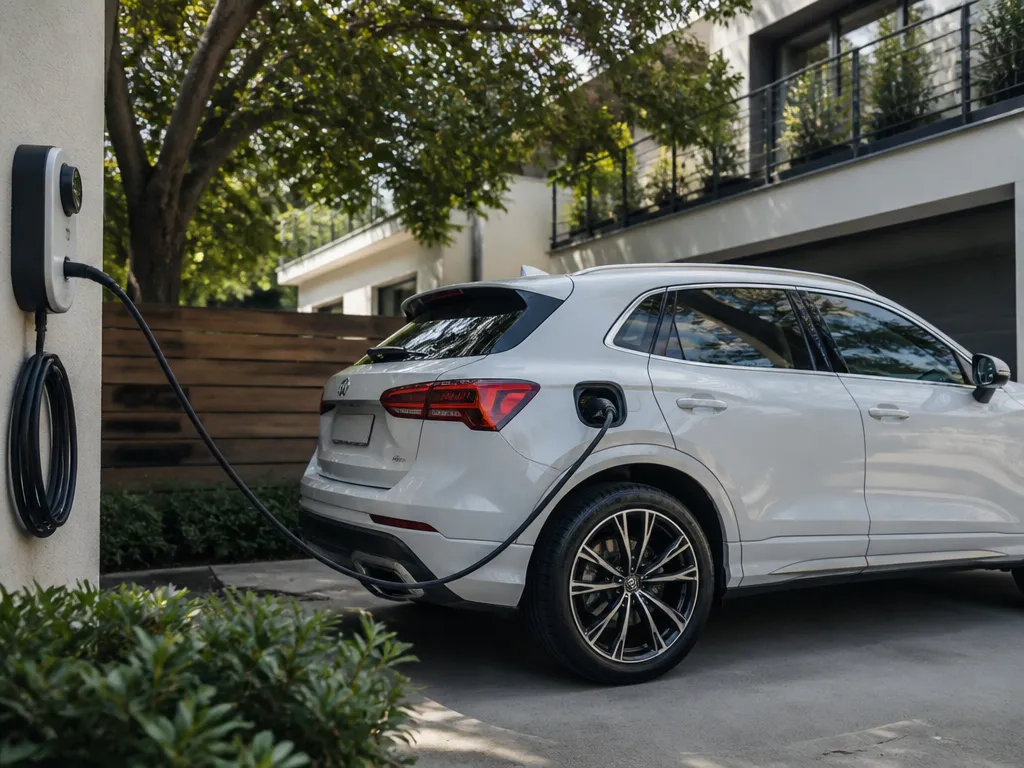
Plug-in hybrid SUV charging is still a real deciding factor, because how you charge determines whether the battery helps you daily or just sits there. Level 1 (120V) can be enough for short commutes, while Level 2 (240V) is what makes electric driving feel convenient and repeatable.
Level 1 Vs Level 2: What You Can Realistically Expect
Level 1 charging is the “works in a pinch” option. A typical 120V setup can add some electric miles overnight, but it is slow enough that you may run low if your daily electric use climbs, if you charge infrequently, or if you arrive home late with an already depleted battery.
Level 2 charging is the “plan it and forget it” option. A 240V home charger usually replenishes the pack much faster, so most people can catch up after longer commutes or weekend driving and still leave the next morning with useful charge.
| Setup | Where it works best | Electric-range practicality | Budget planning |
|---|---|---|---|
| Level 1 (120V) | Apartment with a dedicated outlet, or home with limited electrical work | Short daily electric use only, schedule-dependent | Often the lowest up-front cost, but plan for slower recovery time |
| Level 2 (240V) | Home with parking and willingness to install a charger | More consistent electric driving and easier charge catch-up | Higher up-front cost plus possible electrician install |
Cable And Adapter Gotchas When Buying (Or Switching Trims)
Plug-in hybrid SUV charging kits can be trim-dependent, so confirm what is included. Some trims include an EVSE cable, others require you to supply a cable or only cover certain plug types, and that affects whether you can charge immediately when the car arrives.
For apartment living, the bigger gotcha is outlet access and whether your vehicle can safely charge from the available socket. Many owners think “an outlet is an outlet,” then discover their parking spot has shared circuits, long cable runs, or restricted access to the outlet after move-in rules kick in.
Public Charging Compatibility: Verify Before You Commit
Public chargers for plug-in hybrid SUVs can be more confusing than buyers expect because the station may provide 240V power, but your vehicle still needs the correct charging connector and handshaking. Before relying on public charging as your backup plan, check the vehicle’s documented charging standard and confirm the specific station types you can access.
In practice, plug-in hybrids usually do not need DC fast charging to be useful, but they do need a compatible AC charging option when you are away from home. If your usual parking destinations have unreliable equipment or connector mismatch, your “I can always top up” plan can turn into “I cannot charge here.”
Shop tip: Pick one or two realistic places you will charge, then verify station connector type and your SUV’s compatible inlet before you buy the car.
Simple Cost Per Mile: Energy Cost Plus Charging Losses
You can estimate cost per mile from the electricity price and a small efficiency loss for charging. A practical way is to assume roughly 85% to 90% of wall power turns into usable battery energy, since the rest is lost in conversion and system heat.
For example, if electricity costs $0.20 per kWh and you assume 88% efficiency, your effective energy cost is about $0.20 / 0.88, or roughly $0.23 per kWh of battery energy. From there, multiply by the SUV’s real-world kWh-per-mile consumption when running on electricity (use your own measured numbers after a couple weeks, not marketing estimates).
Real-world Mpg When You Don’t Charge
PHEV SUVs get two different fuel-economy stories: charge-depleted mpg (battery is empty, engine drives) and charge-sustaining mpg (battery voltage is maintained, engine is doing some work even when the battery has charge). Expect real-world results to swing based on how often you actually plug in and how much electrical assist you use before the battery runs down.
Charge-depleted Behavior: When The Engine Takes Over
Once the usable battery is depleted, the SUV behaves like a heavier hybrid with less electric-only time. The engine typically runs more often, power comes from both the engine and generator, and efficiency drops because you lose the low-speed electric glide that PHEVs do well.
For many drivers, the biggest charge-depleted MPG hit comes from stop-and-go traffic after the battery is empty. Low-speed acceleration forces the engine to spool up while the drivetrain still needs to produce electric power for the motors and battery management, so you burn more fuel per mile than you would in a pure gas vehicle that is already optimized for steady load.
Charge-sustaining Reality: Hybrids Without The Daily Plug
Charge-sustaining driving is not “all battery, all the time.” The vehicle uses the engine to keep the battery state of charge within a target window, so you usually get better MPG than a non-hybrid gas SUV, but you do not get PHEV-level efficiency unless you truly cycle the battery and recharge regularly.
Charge-sustaining mileage depends on driver habits and vehicle calibration. Smooth acceleration, moderate speeds, and letting the system regenerate in decel help sustain efficiency, while aggressive launches and high sustained highway speeds pull the engine into a higher-efficiency, higher-load pattern that reduces electric contribution.
Daily Routine Examples (Commuter, Errands, Family Road Trips)
For example, a commuter who drives 25 to 35 miles in mixed traffic and plugs in every night can keep the SUV in a longer electric-assist window, so charge-depleted behavior might show up rarely, maybe on weekends or when a charge is missed. Missing one plug-in day may mean the next morning starts in a more engine-heavy mode until the system rebalances its targets.
For example, a household that runs daily errands within 10 to 15 miles each way benefits because the SUV can use electric drive for frequent short bursts, but cold starts and cabin heat still burn fuel. A family that takes longer trips without charging can see the “PHEV advantage” fade quickly after the first leg, especially if the route includes sustained highway speed or hills.
| Routine | What the SUV typically does | How MPG trends when you do not charge |
|---|---|---|
| Morning commuter, plugs nightly | Longer electric-assist time, fewer engine-only miles | Strong MPG until the next missed charge, then engine runs more |
| Errands, short trips, occasional missed plug | Frequent starts, regen opportunities, more engine time in cold | MPG drops faster than you expect because short trips stack up engine burn |
| Family road trip, no charging stops | Battery buffer gets used early, then hybrid behavior dominates | MPG settles closer to a hybrid’s charge-sustaining result after the first phase |
Rule of thumb: PHEVs reward consistent plugging. If you only charge “when you remember,” the SUV spends more time in charge-sustaining or charge-depleted behavior, and the fuel economy advantage over a good gas hybrid shrinks fast.
Phev Vs Hybrid Vs Electric Suvs
Plug-in hybrids (PHEVs) are the right middle ground when you can charge at home some of the time and you mix short and longer drives. Conventional hybrids do not rely on charging, so their electric-only driving is brief, while battery-electric vehicles (BEVs) need charging infrastructure and trip planning but deliver the most consistent “electric driving” experience.
| Category | Charging reliance | Trip planning burden | What you pay for | Best match | Most common gotcha |
|---|---|---|---|---|---|
| PHEV SUV | Medium. Home Level 2 helps most; Level 1 can work for shorter commutes. | Low to medium. Range drops mainly if you routinely exceed the electric portion. | Higher than a gas hybrid, lower than most BEVs. | Mixed driving plus practical home charging. | Skipping charging turns the plan into “hybrid with extra weight.” |
| Gas hybrid SUV | None. No plug-in required. | Low. You plan around fuel stops only. | Lowest upfront for electrified SUVs. | No charging access, you want simplicity. | Electric mode is usually short and rare on longer highway stretches. |
| BEV SUV | High. Daily or frequent charging is expected. | Medium to high on road trips, low for local routes if charging is easy. | Often higher upfront, sometimes offset by incentives and energy savings. | Short daily routes with predictable charging. | Cold weather, heavy loads, and fast highway speeds can shrink real range. |
When A Plug-in Hybrid Wins (And What “Meaningfully Better” Looks Like)
PHEVs win when your routine includes enough short trips to use the electric part regularly, but you still take longer outings where you do not want a fully electric range constraint. PHEVs also win for owners who can charge at home, because repeated Level 2 charging improves the day-to-day experience compared to living on public chargers.
In practice, “meaningfully better” than a gas hybrid usually means you can stay in charge-depleting mode for a good chunk of your week and your overall fuel use drops in a way you can feel at the pump. The SUV should also have a usable electric range for your commute and errands, plus a charge-sustaining strategy that does not punish you too hard when the battery runs low.
When The Gas Hybrid Is The Smarter Buy
A gas hybrid SUV is the better choice when you cannot charge regularly, especially if you live in an apartment, park on the street, or would rely on public charging without a reliable plan. Gas hybrids also make sense if you never intend to plug in, because you would pay extra for a PHEV’s battery and charging hardware without using the main advantage.
Ownership is simpler too, since there is less complexity tied to the high-voltage battery pack and charging system. If you mostly drive long highway miles with minimal stop-and-go, a conventional hybrid can deliver strong efficiency without the charging setup burden.
When A Battery-electric Suv Is The Best Choice
BEVs are the win when your daily driving stays within a short, predictable loop and you can charge at home or at work consistently. BEVs deliver the most repeatable results because you drive electrically whenever the battery has charge, so there is less “plan and hope” than with a PHEV that depends on you plugging in.
BEVs also tend to be the easiest way to judge value objectively: if you can charge cheaply and often, your energy cost per mile is usually the most favorable. BEVs become less convenient when your schedule forces you to depart with a low state of charge, or when you regularly carry heavy loads and drive fast on cold days.
Ownership Risk Check: Battery Health And Repair Considerations
PHEVs and BEVs both rely on lithium-ion packs, so battery aging is a shared reality, heat management matters, and very infrequent charging can still keep the system healthy enough for daily use but changes how you experience performance over time. The difference is that PHEV owners often run the battery through more cycles on short trips, while BEV owners run it through a different usage pattern because the vehicle depends on it.
Repair risk is also different. BEVs concentrate cost in the high-voltage system, charging components, and thermal management, and PHEVs add those same systems plus the gasoline drivetrain, so the worst-case repair scenario can involve two complex systems; the upside is that you may avoid some BEV-only “must-charge” stress. Before buying, confirm the warranty coverage details for the high-voltage battery and check how local shops handle HV diagnostics and parts lead times.
“Meaningful better” beats marketing numbers. Choose the vehicle type that matches your charging reality first, then let efficiency and range improve your cost per mile.
How To Shop Phev Suvs Effectively
Verify the PHEV’s electric range in the exact conditions you drive, then match the charging setup before you sign. If your commute, climate, and charging access do not line up with the trim’s battery and charger hardware, a “best” PHEV becomes a pricey gas SUV.
Range, Temps, And Speed: Make The Rating Real
PHEV electric range is rated under steady, moderate conditions. Cold weather, strong headwinds, faster highway speeds, and repeated hard acceleration can cut usable range fast.
Before you compare trims, ask the seller to show the car’s settings and range estimate behavior (not just the marketing number). Test the in-car estimate after a short drive, then confirm how it recalculates when you switch drive modes.
Charging Reality Check: Port Type, Included Cable, And App Control
Charging success is mostly hardware and compatibility. Check the charge port location, whether it supports Level 1 (120V) and Level 2 (240V), and if it includes the needed charging cable for your home outlet type.
In practice, two shoppers can buy the same model name, but one ends up waiting for a cable to be delivered or paying for an electrician. Confirm the vehicle can accept the amperage you plan to install, and verify the car’s charge schedule settings so it charges when electricity is cheapest.
| Shopping item | What to verify | What you do if it fails |
|---|---|---|
| Electric range | Your typical speed and temperature, plus battery status after driving | Choose a higher battery trim or plan on mixed charging |
| Charging port and cable | Port type, Level 1/Level 2 support, cable included or not | Budget for the missing cable and confirm outlet requirements |
| App and charging schedules | Departure timer, SOC targets (if offered), and real-time monitoring | Skip the car if the interface does not meet your charging routine |
| Public charging readiness | Plug type and starting method at common networks | Plan on station app or avoid that network |
Incentives: Eligibility, Paperwork, And Timing Discipline
Incentives vary by location, income rules, and whether the vehicle is purchased or leased. Treat every discount as conditional until you confirm your VIN eligibility and the program’s documentation requirements.
Ask the dealer to show the incentive steps in writing and list what they need from you (ID, proof of residency, income documentation if required, and purchase or lease terms). Confirm whether the incentive is applied at point of sale or after submission, and verify deadlines.
“Do not shop incentives like they are guaranteed. If the program requires a step after purchase, build that step into your plan before you commit.”
Test-drive Protocol: Battery State, Regen Feel, And Engine Transitions
During the test drive, ask the salesperson to bring the vehicle in with a known battery state, then start with an easy local loop. Pay attention to regen strength, how consistently the car slows when you lift off the accelerator, and whether the braking feel matches your comfort.
Engine transitions matter on PHEVs because you want smooth, predictable blending when the battery is low or the driver demands more power. Drive through mild-to-moderate acceleration, then again at a steady pace that matches your commute, and feel how often the engine starts and how quietly the cabin stays.
Quick Summary
The practical comparison comes down to electric range in your conditions, charging hardware, charge-depleted efficiency, trim equipment, and warranty coverage. Cold weather, highway speed, and battery temperature can reduce usable electric miles, while cargo packaging and driver-assist availability vary by trim.
Once the battery is depleted, the SUV continues driving through its hybrid system, but fuel economy depends on speed, load, terrain, and calibration. Compare the exact vehicle and charging equipment you plan to buy rather than relying only on headline range or incentive estimates.
| What the article says to check | Why it matters for “best” |
|---|---|
| Usable electric range (about 20 to 40 miles EPA) | Helps determine whether EV driving covers your commute |
| Charging access, especially Level 2 availability | Most owners see meaningful electric-only miles when they can use Level 2 |
| Charge-depleted behavior | When empty, MPG is closer to a conventional hybrid SUV, so it affects total costs |
| Battery warranty terms and trim content | Ownership costs and locked-out equipment can erase value |
Frequently Asked Questions
What Is The Best Plug In Hybrid Suv For Real Daily Commuting?
If your commute is mostly under the SUV’s electric range, you can cut gas use a lot. Because real-world range depends on speed, temperature, and driving style, pick the model with the highest electric range you can reasonably maintain and plan to charge at home if possible.
How Long Does It Take To Charge A Plug In Hybrid Suv At Home?
Charging time depends on the charger level, battery size, and your available outlet power. A Level 2 setup is typically the fastest common option for home charging, while Level 1 can take significantly longer, so check the vehicle’s onboard charger limits before you buy.
Do Plug In Hybrid Suvs Need Special Maintenance Compared With Gas-only Suvs?
Yes, you still service the gas engine and brakes, but you also have to maintain the high-voltage system components and the charging equipment.
In practice, keep up with the scheduled inspections and use only the recommended coolant and fluids where the hybrid system specifies them.
Can A Plug In Hybrid Suv Run With The Battery Depleted?
Most plug in hybrid SUVs can run and drive when the battery is low, switching to the gas engine for propulsion. If you see battery warnings or unusual behavior, stop using the vehicle for normal driving and get it diagnosed, since high-voltage issues are not a DIY-friendly repair.
Are Plug In Hybrid Suvs Harder To Drive In Traffic Or On The Highway?
They can be smooth in stop and go because they often use electric power at low speeds, but highway performance depends on how the vehicle blends the gas engine and battery under load. If you regularly drive at higher speeds or tow, prioritize models that handle sustained power without frequent aggressive engine cycling.
What’s A Common Mistake When Buying The Best Plug In Hybrid Suv For Charging?
A big one is buying for the marketing range while not planning charging access. Before you commit, verify you can install or use a Level 2 charger at home or reliably charge where you park, otherwise you may end up running mostly on gas and losing the main benefit.