


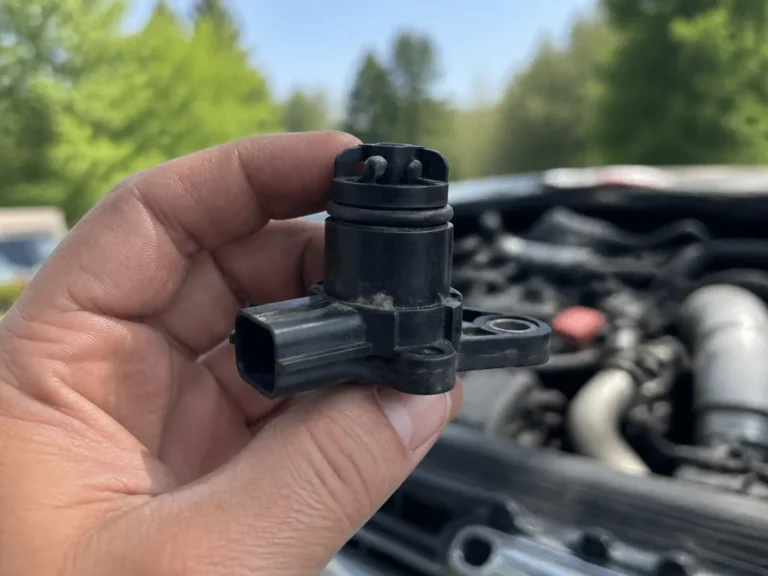
Seeing P20BA on your 6.7L Power Stroke dash after a DPF or DEF warning is a quick way to ruin your day. This code usually ties back to the truck noticing a problem in the aftertreatment system, often around reductant heater performance and DEF temperature control. You want a real diagnosis path, not guesswork.
P20BA on the 6.7 Power Stroke is an aftertreatment-related DTC tied to reductant heater A control performance. Expect symptoms like reduced power and limp mode, DEF warnings, and sometimes regen or dosing problems. This guide will walk through verification, live-data checks, wiring inspection, and confirmatory tests so you can decide whether it’s the heater, wiring, or a related exhaust-system condition.
P20BA code on 6.7 Power Stroke means the PCM detected a fault related to reductant heater A control performance. Typical results include DEF-system warnings, reduced power, and emissions-strategy limitations. Diagnose by checking scan data for heater commands and temperature values, then inspecting wiring and grounds before replacing parts.
1. P20ba Code On 6 7 Powerstroke
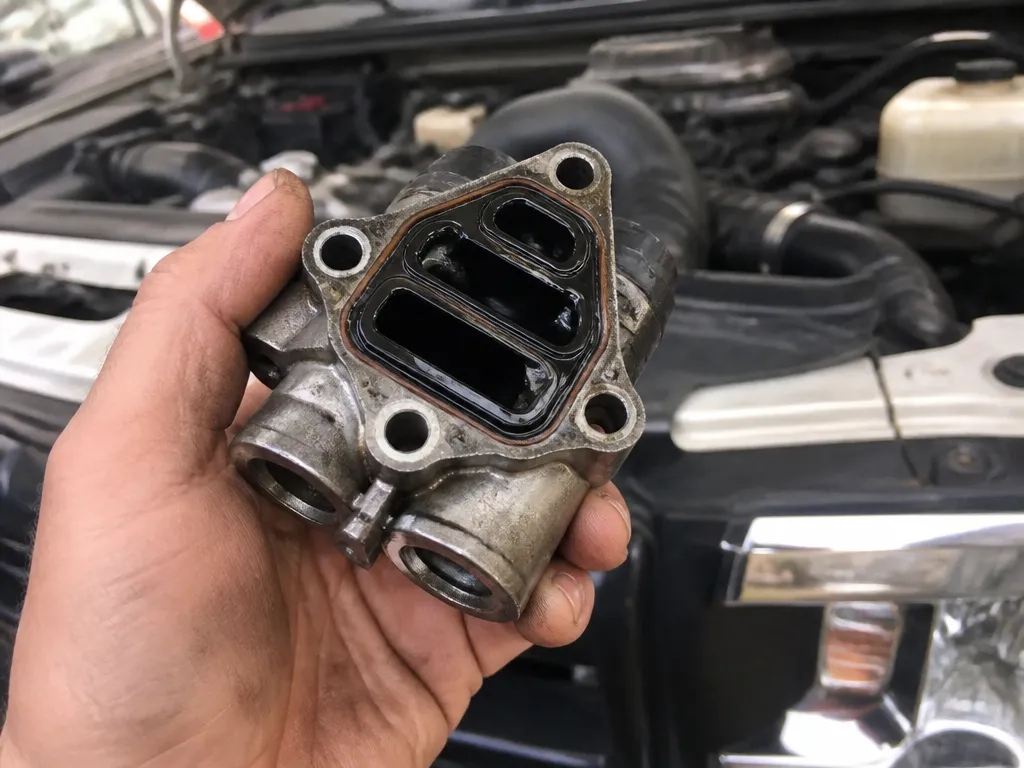
P20BA on a 6.7L Power Stroke matters because it’s an OBD-II emissions-related fault that can affect how the truck manages DEF temperature and dosing and may trigger emissions-system limitations. It belongs in this list since the code often points to an upstream condition in the reductant-heating strategy, not a simple “replace one sensor” fix. Getting eyes on the freeze-frame data first helps you avoid chasing the wrong component.
For instance, most P20xx codes on these trucks are tied to the aftertreatment system (SCR and related temperature/NOx monitoring inputs), so symptoms can be intermittent and show up more after steady loads like towing. Common customer reports include an illuminated Check Engine light, reduced power during certain modes, and DEF dosing behavior that starts later than expected. Keep an eye on DEF quality and the expected DEF service interval per your owner’s documentation, since contaminated or frozen DEF can skew the system’s calculations.
What Makes P20ba Easy To Misdiagnose?
P20BA can get blamed on the “obvious” heater or sensor in the loop, but the 6.7L Power Stroke aftertreatment logic uses multiple inputs to decide whether to heat and dose DEF and how to manage temperatures. Weak electrical supply, restricted components, sensor drift, wiring faults, or even a software calibration issue can all change what the PCM sees, leading to the same stored code. Because source coverage on exact pinpoint causes is limited, the safest approach is to let live data and companion codes guide you, then address the most testable item first (wiring, connector integrity, and rationality checks) before replacing expensive parts. If the truck has persistent power derates or aftertreatment warnings, getting a professional diagnosis is worth it since missteps can waste money and keep the system cycling.
Reader takeaway: treat P20BA as an aftertreatment system logic problem, not a single-part guess, and use freeze-frame plus related codes and live parameters to narrow it down fast.
2. Dpf Differential Pressure Sensor Test
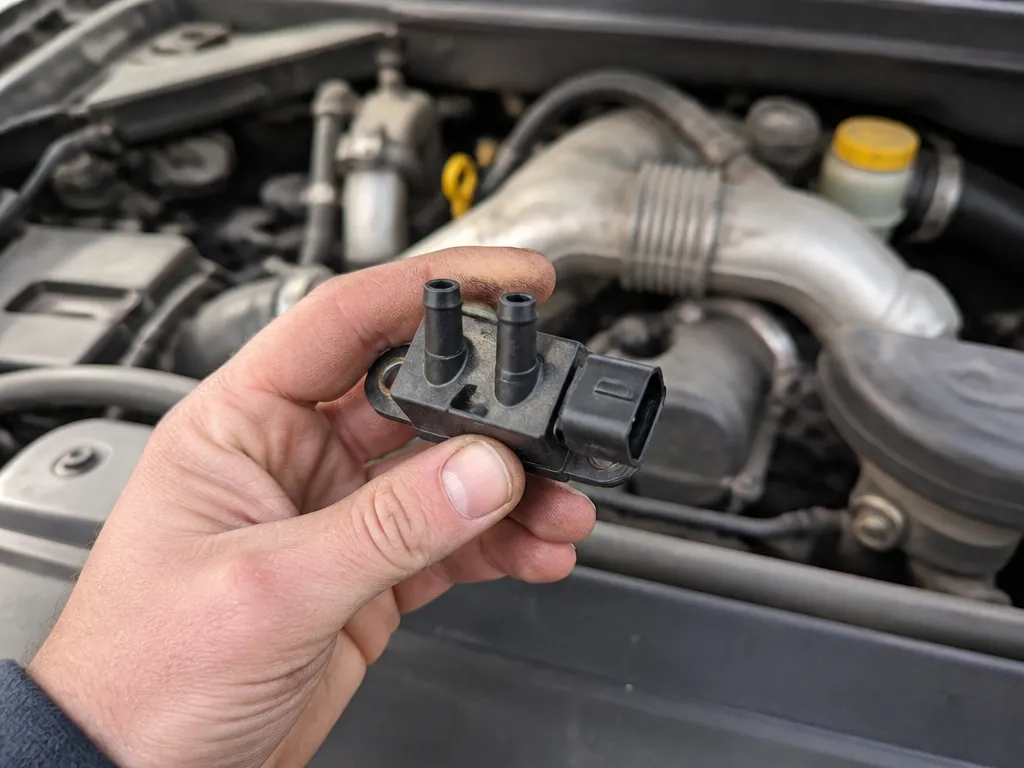
DPF differential pressure sensor problems may appear alongside P20BA when the PCM is evaluating the broader aftertreatment system, even though P20BA itself identifies reductant heater A control performance. On Ford 6.7L Power Stroke trucks, a skewed pressure signal can make the system think the DPF is plugged when it is not, or miss an actual restriction. That is why a direct sensor and wiring check can still belong in the diagnostic list when DPF symptoms or companion codes are present.
Start by inspecting the sensor harness for rubbing, melted spots, oil contamination, or loose connectors near the DPF outlet area. Many techs find the sensor takes a beating from heat cycling and vibration, so even small intermittence can create repeated code history. Clear codes, then run a live-data scan during a short drive to see whether the differential pressure stays steady instead of snapping to an implausible value.
For example, if the pressure reading is flat while other exhaust-related parameters change normally, that points to signal bias or an internal sensor fault. If pressure reading jumps erratically with no change in driving load, focus on wiring, connector condition, or intermittent sensor power/ground.
When To Use It
This test is most useful when P20BA returns quickly after clearing and DPF-related drivability symptoms or regen events are also present. It is also a good move after you have visually confirmed the DPF, exhaust backpressure components, and hoses are free of obvious damage, because the sensor can still be electronically wrong even when everything looks intact. Use it before ordering parts, since a compromised connector, dirty ports, or a measurement range issue can mimic a bad sensor. Plan on spending about 0.5 to 1.5 hours for inspection and live-data interpretation, then bring the vehicle to a diesel-capable shop if you find wiring faults you cannot confidently diagnose end-to-end.
3. Wiring And Grounds Inspection
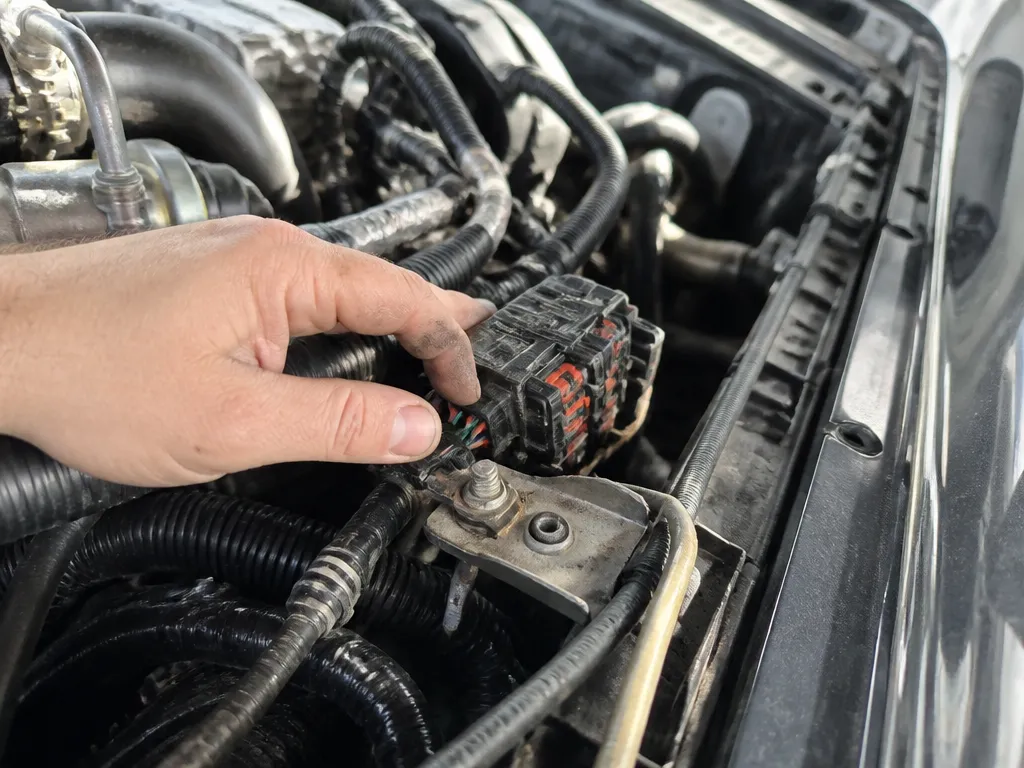
On 6.7L Power Stroke trucks, P20BA can be triggered by a weak ground or intermittent signal in the circuit feeding the reductant heater control input. Electrical integrity matters because the heater and control modules compare voltage and current data against stable power and ground, and a few tenths of a volt of extra resistance can change what the PCM sees. This item belongs early because cleaning or repairing grounds often stops repeat codes without pulling parts.
Start with a visual check of the harness routing along the engine and intake area, looking for rub points, oil saturation, and pinched sections near clamps and brackets. Inspect every ground point you can reach, especially the main engine ground effects and any small braided straps, and confirm they are clean, tight, and free of corrosion buildup.
In practice, disconnecting a suspect connector and looking for bent pins, moisture trails, or darkened contacts saves time before you go chasing heater or sensor replacements.
What To Measure (And What To Leave To The Scan Tool)
For circuit troubleshooting, use a digital multimeter and back-probe connectors carefully so you do not spread terminals. Ground issues usually show up as higher resistance during load or as unstable readings when the harness flexes, so reproduce the symptom by wiggling the loom and observing voltage stability. If your scan tool shows data stream dropouts or implausible values that change when you move the harness, that points to wiring or connector contact rather than the component itself. Professional diagnosis is worth it when access is tight or when you must test at the module connector, since improper probing can damage pins or create misleading readings.
4. Reductant Heater Circuit Faults
The reductant heater circuit is central to P20BA because the 6.7L system depends on proper DEF temperature control for stable dosing, especially in cold weather. A heater control fault can trigger codes that point to open circuits, short-to-ground, or poor power feed, which then interferes with reductant management. When the heater is unreliable, the PCM often has to limit strategy until temperature conditions are met.
Common root causes include a failing reductant heater grid or element, damaged wiring in the under-hood harness (chafing near brackets is a typical issue), or a corroded connector at the heater assembly. A multimeter check for battery voltage and ground at the heater connector helps sort “control side” problems from “heater side” problems, but the wiring diagram is model-year specific. Many trucks also pick up intermittent faults when pins are loose, so inspect for backed-out terminals before condemning parts.
- Inspect heater connector pins for corrosion or push-out, clean if needed
- Verify continuity through the heater element (no infinite/open readings)
- Check for shorts by measuring resistance from each feed to ground
- Look for harness damage near engine cover fasteners and heat shields
What To Expect While Diagnosing
For example, a heater circuit code can appear even when the heater is physically intact if the PCM sees unstable voltage due to a weak battery connection or high resistance at a splice.
In practice, plan on spending time on wiring and connector inspection before replacing expensive modules, because intermittent contact faults are common and can mimic a failed heater. Expect the truck to run normally but may reduce performance or limit emissions strategy after key-on or during warm-up cycles, depending on how cold it is and how long the fault has been stored. If you find evidence of water intrusion, melted insulation, or repeated fuse trips, stop and have a shop inspect the harness and power distribution, since chasing hidden shorts can get expensive fast.
5. Dpf Condition And Regen Impact
On a 6.7L Power Stroke, DPF condition can affect the broader aftertreatment system but is not the direct definition of P20BA. When the DPF is loaded (soot accumulation high), active regen has to run more often, which can trigger separate fault patterns and reduced drive quality. The engine control strategy also watches regen success criteria, so a DPF that is physically degraded or too restrictive can cause related codes to come back even after basic fixes.
In practice, pay attention to regen behavior in real-world terms, since regen scheduling varies with load and ambient conditions.
For example, short trips that never reach full operating temperature often keep the DPF from getting enough heat to complete regen cycles, which increases soot load and raises the chance of DPF-related codes. Look for patterns like unusually frequent regen messages, exhaust odor, or elevated idle time used to finish a regen.
What Changes When The Dpf Is Truly “Bad”
When the DPF has reached a restrictive or damaged state, active regen may run but still fail completion thresholds, which makes related DPF codes persistent. That’s why you should treat repeat regens without improvement as a sign to inspect beyond “regen only,” including soot load and DPF pressure behavior with a scan tool. A professional diagnosis is recommended if the vehicle is stuck in an endless regen loop or if exhaust temperatures appear abnormal during service checks, since aftertreatment systems operate in very high heat ranges and can cause burns.
6. Ecm/pcm Software And Updates
Calibration changes are often part of how the 6.7 Power Stroke resolves reductant-heating and regeneration-related logic that can set codes like P20BA. Ford issues strategy updates to address drivability complaints, data logging behavior, and how the PCM reacts under certain operating conditions. Updating the ECM/PCM is on this list because the same mechanical inputs can still trigger a code if the software logic has not been updated.
In practice, your first check is to confirm you already have the latest calibration for your specific vehicle (VIN-specific). Use a professional-grade scanner to view the current calibration level, then compare it with what Ford service software lists for that exact build. Many updates require the vehicle to be on stable battery voltage, with ignition cycling or programming time that can be 30 to 60 minutes depending on the module and tools.
Before you pay for programming, make sure you have cleared any related faults after diagnosis, because an update can change how quickly certain monitors run. Many shops also recommend addressing any underlying heater or circuit faults first, since updated logic can still respond the same way if inputs are outside expected ranges.
What To Expect After A Pcm Reflash
After an ECM/PCM update, the drive cycle matters. Monitors and regen-related strategies may not behave the same way on the first couple trips, so you need to allow the system to relearn and complete the relevant drive conditions. If P20BA returns immediately with identical freeze-frame data, that usually points away from software alone and back toward a heater, wiring, or sensing cause. If the code does not return but related monitors stay “incomplete,” expect the readiness status to take a few proper drive cycles to settle.
The practical takeaway is to treat software updates like the final step after verified data and wiring checks, and to confirm completion and readiness with a scan tool before assuming the programming fixed P20BA.
Quick Summary
P20BA on a 6.7L Power Stroke is an OBD-II emissions related aftertreatment fault, tied to reductant heater A control performance. The article says the PCM can set this when it detects a fault in the reductant-heating system, often showing up with DEF warnings, reduced power, limp mode, and emissions-strategy limitations. It also notes that you should not guess, and that the best first move is to confirm the code with a scan tool and record freeze frame data before clearing anything.
The article emphasizes using scan data to verify whether heater commands and temperature values behave rationally, including watching live readings during key-on and a short road test, and comparing the commanded versus actual behavior where available. It highlights early wiring and connector checks around the reductant heater, looking for rubbing, melted spots, oil contamination, and loose connectors, plus related sensor or exhaust conditions that can skew results. If regen failures or repeated cycling show up, it says to address the most testable items first, and plan on professional help for aftertreatment work if cleaning or replacement is needed, because missteps can waste money and keep the system cycling.
| What to do | What the article says to check |
|---|---|
| Confirm and document | Verify P20BA stored or pending with a scan tool, record freeze frame data, then clear only after you have what you need |
| Use live data | Watch DPF differential pressure readings, and look for implausible snaps during key-on or a short test, plus any companion aftertreatment codes |
| Inspect before replacing | Check harness and grounds around the DPF pressure sensor for damage or contamination, confirm connectors seat correctly, and inspect sensor ports/lines for soot buildup |
Frequently Asked Questions
What Does P20ba Code Mean On A 6.7 Powerstroke?
P20BA is a monitored emissions-related fault for reductant heater A control performance on the 6.7L Powerstroke. Confirm the exact description in your factory-style scan data before buying parts, then inspect the heater circuit and related wiring for that fault.
Is It Safe To Drive My 6.7 Powerstroke With Code P20ba?
It depends on how the truck is acting. If it is running rough, derated, or the Check Engine light is flashing, you should stop driving and get it diagnosed. If it is steady with normal power and no drivability issues, you can usually drive short distances, but you should still address it soon since emissions systems can be sensitive to sensor, heater, and exhaust changes.
What Are The Most Common Causes Of P20ba On A 6.7 Powerstroke?
Most P20BA cases come down to reductant heater, wiring, or power-supply faults. Common culprits people overlook are damaged connectors, chafed harnesses near the engine, faulty heater elements, and corrosion that affects readings. A real diagnosis starts with checking related freeze-frame data, then doing voltage, ground, and signal checks rather than parts swapping.
How Much Does It Usually Cost To Fix P20ba On A 6.7 Powerstroke?
Cost varies widely because P20BA can be triggered by multiple components in the reductant-heating strategy. With typical shop labor, the bill is often dominated by diagnostic time, and then whatever heater or harness repair is needed.
What Should I Check First Before Replacing Parts For P20ba On My 6.7 Powerstroke?
Start with the electrical side. Clear the codes after visual inspection of the relevant connectors, look for bent pins or moisture, then run the command tests and live data checks the scan tool supports. If you find intermittent readings or a correlation issue, inspect wiring and grounds before replacing the heater.
Can Other Codes Appear With P20ba On A 6.7 Powerstroke, And Does That Change The Fix?
Yes, other codes can point to the actual root cause. For example, if you see upstream or downstream sensor faults paired with P20BA, you may be chasing a single underlying exhaust leak, wiring issue, or contamination problem. Always fix the first chronological or most relevant code in the scan data, then recheck for remaining faults.