


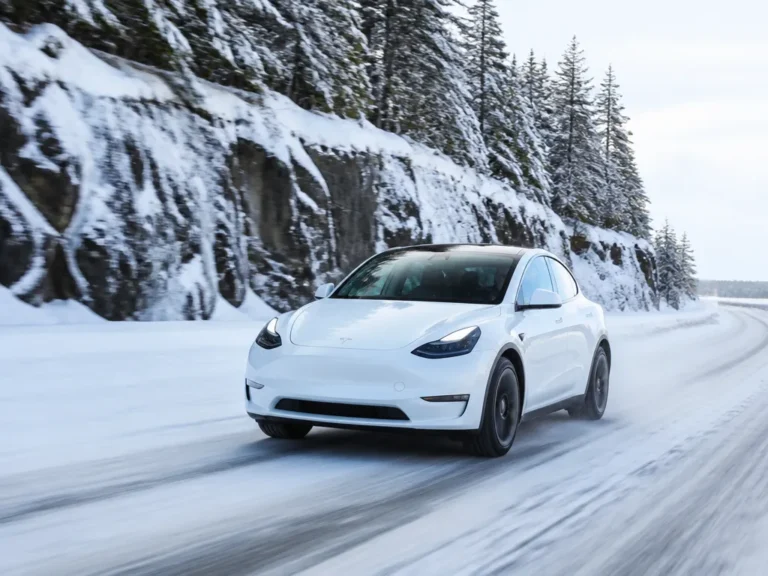
Ever had your Tesla Model Y feel “twitchy” in packed snow, then watch the guess-o-meter drop fast on a cold commute? If you are trying to drive smoother, keep visibility clear, and avoid range surprises, the Model Y’s regen, traction behavior, and HVAC choices matter more than most people expect.
Expect steadier traction in AWD, but slipperier stops demand gentler inputs and a bigger following distance. Cold can cut range fast, especially at higher speeds and with the heater running. This guide breaks winter driving down into tires, regen technique, preconditioning, and a practical checklist you can use daily.
Tesla Model Y in snow and winter driving depends most on tire choice, speed, and how you manage heat and regen. In freezing weather, range often drops sharply, especially at 70 mph versus 55 mph. Proper preconditioning and winter tires help the car stay predictable, with smoother acceleration and more controlled regen braking on low traction.
Tesla Model Y In Snow And Winter Driving
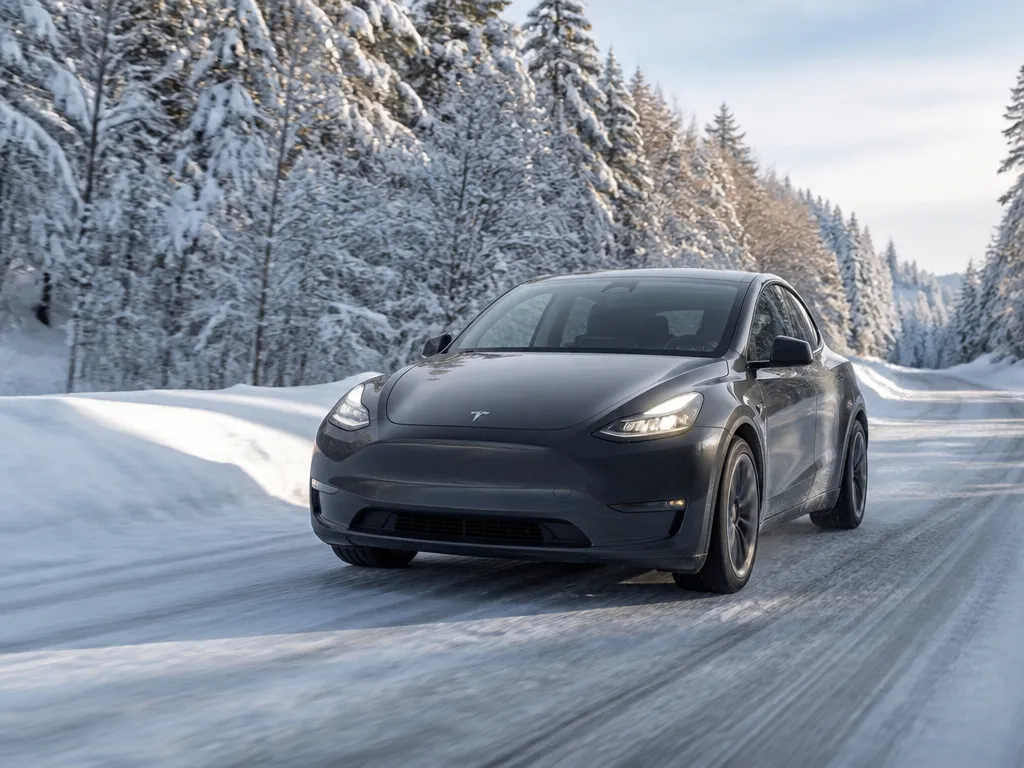
On snow-packed roads, the Model Y is predictable when you drive smoothly and keep tire grip under control. Traction control is quick to intervene, so the car may feel “busy” during takeoff and tight cornering, especially with fresh snow and low tire pressure. Braking is generally stable because the car keeps the wheels in a controllable slip window, but ice and slush can stretch stopping distances more than you expect.
What Awd And Traction Control Feel Like On Slippery Roads
AWD on the Model Y keeps torque available to all four wheels, so you usually get fewer total drive-wheel spin events than a typical FWD crossover. The trade-off is that torque transfer changes fast, so it can feel like the car is smoothing out your inputs for you, then releasing them once it sees usable traction. Expect the steering to stay composed, but also expect the first light throttle input after you creep from a stop to be the moment traction control works hardest.
Slip behavior in winter is most noticeable at low speeds, then again when you transition from accelerating to coasting or braking. In packed snow, the car can “bite” and then briefly lose bite as the tire rides over uneven crust. That is when drivers often blame the car, when the real cause is tire compound, pressure, and line choice.
Slip Characteristics: Acceleration Onset Vs Correction Speed
Model Y traction management tends to intervene fast at the instant the tires exceed available grip, so acceleration may feel like it “hesitates” for a split second on snowy takeoffs. Correction speed is quick, but the tires still need to regain grip, which means the car can surge slightly, then settle. The fastest “why did it do that?” moments come when the driver adds throttle during a slide or crosses from compacted snow to a smoother slick patch.
On inclines, slip is more obvious because the drivetrain has to push through snow ridges. Keep your inputs early and gradual, because sudden increases in power make traction control clamp torque and can shift weight the moment you need the most grip.
Braking Confidence On Ice, Slush, And Packed Snow
Regenerative braking helps slow the car, but ice adds a complication: regen reduces based on traction limits, so deceleration may feel different than it did on a dry day. When the surface is slick, the car’s stability system works to keep the wheels from locking and keep the chassis settled. Packed snow is usually more forgiving than clear ice because the tire has something to bite into, even if grip is limited.
Slush is the wild card because it acts like a lubricant between tire and road. Stopping distance can grow fast if you enter slush at speed, and steering can go light because the tires float before they find a line of better contact. Give yourself extra distance before you trust the feel, especially on downhill approaches where you are already loading the tires.
Insider tip: Treat the first 5 to 10 minutes of winter driving as a “traction calibration” period. If you feel unexpected intervention, back off the throttle and smooth your transitions, then re-test gradually.
Winter Handling Habits That Prevent The “Why Did It Do That?” Moments
Model Y responds best when you drive like you are trying to keep the tires on a single consistent film of grip. Avoid last-second steering corrections, because changing your line mid-corner on snow can force the car to re-balance torque and stability. If you need to change speed, do it earlier, then set your steering and let the tires travel to the next point.
Parking and low-speed maneuvers also matter because ice can form a slick layer under the tires. Roll forward slightly to confirm traction, then straighten the wheel for stability, especially if you parked on an incline or in a shaded spot where ice lingers.
Cold-range Reality At 20°f And 0°f
At 20°F, a Tesla Model Y can lose roughly 20% to 40% of its usable range versus the same route in mild weather. At 0°F, that drop often feels more like 30% to 50% when you drive fast and the heater is running. The car is efficient for an EV, but cold hits the battery and the thermal system hard.
Cold reduces range in three practical ways. Battery efficiency drops, the battery warms slower under load, and regen can be limited when pack temperature is low. Cabin heating and defrost also pull steady power, which is why two identical drives can land far apart.
| Example conditions | Expected range impact (vs 70°F baseline) | What usually causes it |
|---|---|---|
| ~20°F, 55 mph, light snow, moderate heat | About -25% to -35% | Battery warming + HVAC draw, plus snow/rolling resistance |
| ~20°F, 70 mph, slush, higher heat and defrost | About -35% to -50% | Aerodynamics + limited regen + steady HVAC load |
| ~0°F, 55 mph, snowy road, windshield partially iced | About -35% to -45% | Battery efficiency drop + more time warming the pack |
| ~0°F, 70 mph, wind, heavier snow and glare | About -45% to -60% | Wind chill increases HVAC needs and speed kills range |
For example, on a ~150-mile highway leg, you might see 105 to 120 miles of usable progress at ~20°F while cruising 55 mph with HVAC set to a steady comfort level. On the same route at 70 mph, that number can shrink to 80 to 100 miles. For planning, treat “steady highway speed” like the enemy in cold weather.
“If your windshield fogs or you’re clearing glare ice often, assume extra HVAC load and plan less distance between charges.”
Snow depth and wind chill change the math quickly because they raise drag and rolling resistance. Deeper packed snow forces the tires to scrub energy, and gusty wind inflates aerodynamic losses at speed. Planning rule: when the forecast mentions heavy snow or strong winds, add time and add charge stops even if the mileage looks close.
Tire choice and pressures can swing consumption more than most owners expect. A too-low tire pressure increases sidewall flex and rolling resistance, while some winter tires are built for grip but still cost range compared to all-seasons in deep snow. Driving style matters too, smooth power ramps and earlier lift reduce wheel slip and preserve traction, which keeps you from wasting energy accelerating out of micro-stops.
What Drives Winter Losses Most
For instance, a Model Y on winter tires at proper pressure in a gentle 55 mph commute often feels “predictable” compared with an all-season setup run underinflated.
In practice, you can lose the range you think you saved on tires by driving harder, then lose even more when regen is limited due to a cold battery.
Best Winter Tires For Model Y Grip
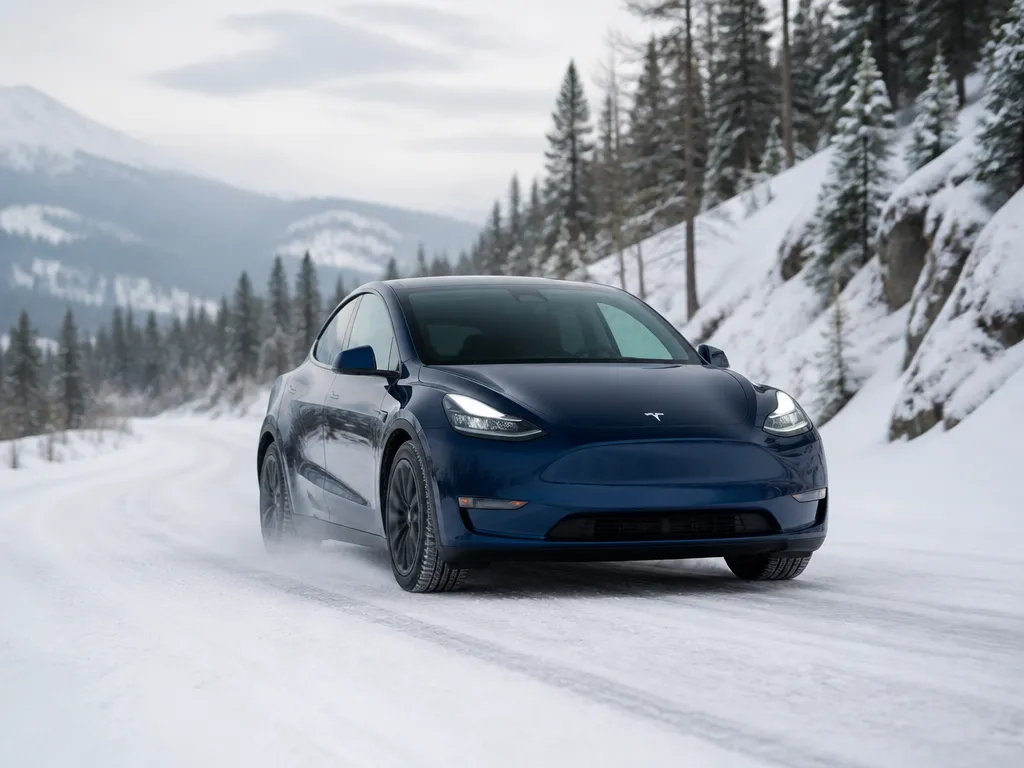
Traction in snow comes down to two tire things: a winter rubber compound that stays flexible in cold, and tread design that can bite through ice film and pack-resistant snow. For Tesla Model Y owners, the biggest real-world difference is shorter, more controllable stopping when roads are slushy or partially iced.
Winter Tires Vs All-seasons On A Model Y
Winter tires use a softer compound plus more silica for grip when temperatures drop. All-seasons often feel fine at 40°F, then lose bite as tread rubber stiffens near freezing, which hurts steering response and braking stability on slick surfaces.
Tread patterns are the other major gap. True winter tires rely on dense sipes for edge contact and a design that clears slush so the tire can keep that edge-to-ice contact. On a Model Y, where strong torque can load the tires quickly, that extra mechanical grip helps you modulate acceleration more smoothly.
| Trait | Winter tire | All-season |
|---|---|---|
| Rubber in cold | Stays pliable, grips in near-freezing temps | Stiffens as it gets colder, traction drops fast |
| Tread edges | More biting sipes and winter-specific geometry | Fewer winter-oriented biting edges |
| Slush/packed snow | Designed to resist packing and shed slush | Can pack up sooner, reducing contact |
How Tire Size And Rolling Resistance Affect Snow Efficiency
Model Y efficiency in snow is influenced by tire size, tread drag, and how much the tire spins before it finds grip. Wider tires can create more contact area, but they also increase rolling resistance and can float less in deeper slush, depending on the specific tire. Taller sidewalls can help maintain compliance on rough, salted pavement where traction is already compromised.
Keeping within Tesla’s recommended tire size for your wheel setup matters. If you go larger or use a higher rolling-resistance tire, expect range loss that is often bigger than you’d see in dry cold, because more energy gets eaten by both drivetrain losses and tire slip events.
Pressure Check Routine In Cold
Underinflation is a traction killer and a tire killer. In cold weather, tire pressure drops as the tire cools, and a soft tire flexes more, heats up faster under load, and can feel vague on turn-in while wearing the shoulders.
Cold-day pressure strategy is simple: check on a truly cold tire, then set to the placard spec for your Model Y. Measure with a reliable gauge, then recheck after a short drive only if you’re chasing a specific issue, because running temperature will temporarily raise pressure.
Signs Your Winter Tires Are Done
Winter tires wear differently because the compound is softer, and they spend more time gripping. When tread depth gets low, the sipes lose their sharp biting edges and the tire can’t clear slush as well, so snow grip fades even if the tread still looks “okay” at a glance.
Pay attention to how the Model Y stops and turns. If braking feels longer on the same slick roads, turn-in needs more steering input, or the car starts sliding more easily with light throttle, that is a strong clue the winter tread edges have aged out.
“In winter driving, the tires you feel in steering and braking are the tires that matter most. If grip is fading, don’t wait for a catastrophic failure, winter tires lose effectiveness gradually.”
Regen Braking On Slippery Surfaces
On the Tesla Model Y, regenerative braking can feel weaker on glare ice than on plowed snow, because wheel traction limits how much torque the tires can handle during lift-off. That change is normal, and you should expect smoother, slower-to-build deceleration when conditions are icy.
What You May Notice
In snowy weather, the Model Y usually still recovers energy with regen, but the decel rate can feel less “grabby” and more progressive. On ice, regen may drop off more abruptly, and you can feel the car coast more after you lift off the accelerator, especially at low speeds or when turning.
For example, a gentle lift-off in fresh snow often gives predictable slowing. On glare ice, the same lift can produce a smaller deceleration result, and the car may feel like it transitions from regen to coasting sooner, because the traction limit is reached fast.
Smooth Pedal Technique Prevents Slip
Regen is torque applied through the drive wheels, so sudden lift-off can still cause wheel speed mismatch on slick patches. The goal is to let the tires find traction before you ask for more decel.
Managing Downhill Control: More Regen Is Not Always Safer
On a steep slope, regen can help hold speed, but too much deceleration demand can trigger traction control, which can make speed changes feel uneven. A controlled downhill is about predictable tire grip, not maximizing the decel level.
In practice, a moderate approach lets regen stay “available” longer. On very slippery downhills, coasting more and using light brake pedal inputs (steadier and more progressive) often feels smoother than relying on maximum lift-off decel.
When To Shift Driving Approach Instead Of Only Changing Regen
Changing regen settings is only part of the winter equation. Headlights and speed control matter more than pedal mapping because visibility and stopping distance drive how much margin you have when traction limits regen.
Insider tip: if the car feels like it is coasting more than expected after lift-off, treat that as a traction warning, not a problem. Your best fix is earlier, smoother decel with lower speed and more room.
Hvac And Defrost Efficiency Tips
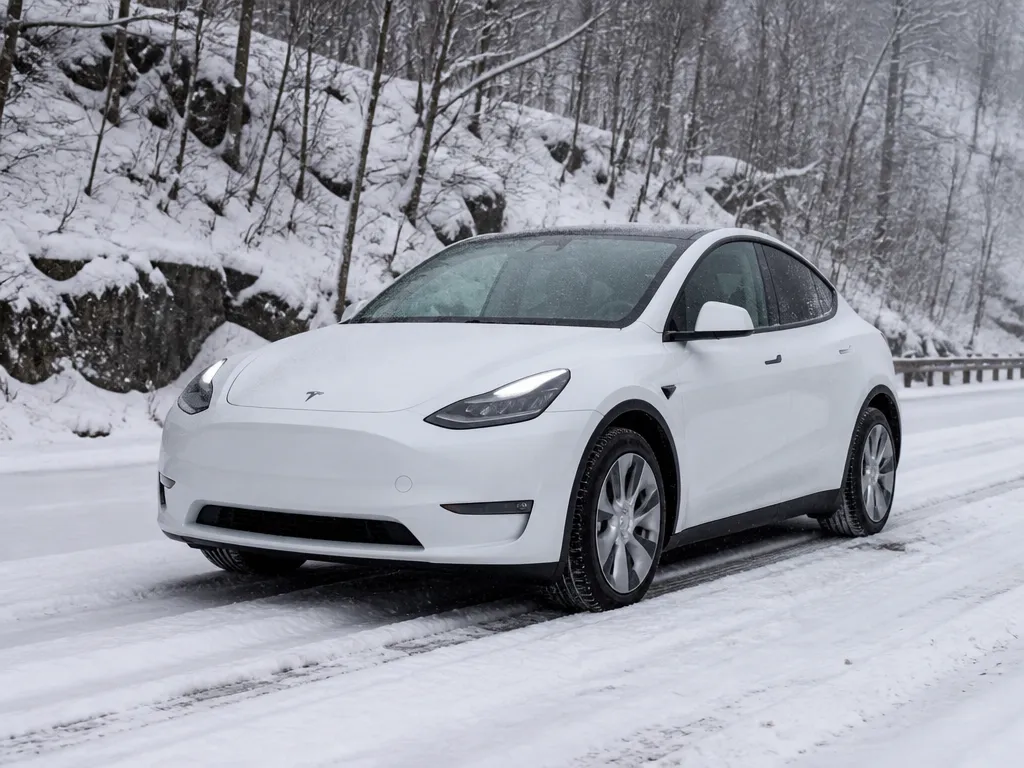
Preconditioning the Model Y while plugged in warms the battery and cabin with minimal range penalty. It makes winter starts predictable and reduces the energy spike when you finally move. The heat pump is efficient in cold air, but every degree of heat costs energy, so target a comfortable, not extreme, cabin temp.
Preheat while connected is most efficient for cold starts or snowy commutes, because the charger supplies the energy for warmth before you depart. In-drive heating becomes the fallback when you can’t precondition, and the heat pump still beats resistive heaters in energy use. Pair climate with seat heaters, steering wheel heat, and a modest cabin temperature to preserve range, especially on longer winter drives.
Best defrost strategy focuses heat on the windshield first, then clears side windows with a secondary breeze. Direct air to the windshield via the upper dash vents, enable Defrost, and keep the fan at a moderate level. Allow ice to melt gradually rather than forcing rapid warmup, which wastes energy and can cause fogging later.
To avoid fogging, keep humidity under control and avoid recirculating cabin air during defogging. Use outside air to start, turn on AC to dehumidify, then switch back to Auto as the glass clears. If fog returns, aim vents at the corners of the windshield and use a quick air burst rather than continuous high heat.
| Energy-waster | Impact on range | Smart fix |
|---|---|---|
| High cabin heat while parked or idling | Significant energy use | Precondition while plugged in; set a lower target temp |
| Defrost on continuous high fan | Unnecessary load | Defrost briefly, then Auto or moderate fan |
| Continual recirculation during cold start | Moist air, fog risk | Use outside air for defogging first |
Expert tip: Use the Tesla app to precondition both battery and cabin ahead of a cold departure; a timed preheat can shave minutes and range off your winter drive.
Battery Preconditioning Timing Guide
Battery preconditioning warms the Model Y battery while the vehicle is plugged in, preserving pack efficiency and improving cold weather performance. It pays off most on a cold first drive, in subfreezing temperatures, and for longer trips that demand extra energy for heat. Whenever your schedule allows, start preconditioning during a home charging window so the pack reaches a healthy temperature before you head out.
Winter Checklist For Daily Drives
During driving
| Scenario | Effect on Range/Grip | Driver Action |
|---|---|---|
| Cold start with preconditioning | Maximizes battery temp and cab comfort | Precondition while plugged in, 15-20 min before leaving |
| Cold start with no preconditioning | Greater HVAC and battery load, more range hit | Plug in and precondition if possible |
Quick Summary
| Topic | Compact Tip | Why It Helps |
|---|---|---|
| Tire pressure | Check cold to door jamb spec | Maintains grip and traction control responsiveness |
| Winter tires | Use winter tires | Keeps Model Y predictable on packed snow |
| Regen technique | Softer pedal inputs in slush | Reduces wheel slip and instability |
| Preconditioning | Precondition battery before leaving | Warms battery for drive and cabin heat |
| Defrost and visibility | Defrost first, then drive | Keeps visibility with lower HVAC demand |
| Following distance | Increase following distance | Compensates for longer stopping distances on ice and slush |
Frequently Asked Questions
How Does The Tesla Model Y’s Awd System Handle Snow And Winter Conditions?
The Model Y uses two motors, one on each axle, to distribute torque for better traction in snow; you will feel more confident starting and accelerating, but you should still slow down on deep snow.
Do Winter Tires Make A Noticeable Difference For The Model Y On Snow And Ice?
Yes, winter tires dramatically improve grip and braking performance on snow and ice, especially when temperatures are at or below 32 F.
How Should I Adjust Regenerative Braking On A Model Y For Winter Driving?
There are two regen levels, Standard and Low; setting Regen to Low can help prevent wheel spin and loss of control on slick surfaces.
How Does Cold Weather Affect Charging And Range For The Model Y, And What Can I Do About It?
Cold weather reduces battery efficiency and charging speed, so plan for some range loss and precondition the battery while plugged in; use a preconditioning routine for about 15 minutes before leaving to improve performance.
What Are The Best Winter Driving Practices For A Tesla Model Y To Stay Safe In Snow?
Install winter tires, check tire pressures when cold and keep to a safe following distance of at least 3 seconds, and precondition the battery before trips for more reliable cold-weather operation.