



If you‘re searching “best cars for obese drivers,” the hard part is figuring out which models actually fit your body in the real world, not just on paper. Door openings, seat height, steering reach, and seat belt placement can make or break comfort in a hurry. This guide narrows it down to specific SUVs, trucks, and sedans that tend to be easier to get in, sit in, and drive with less strain.
Expect a model-by-model shortlist with what to check before you buy, plus a tight test-drive checklist for seat travel, steering column range, pedal clearance, and mirror sightlines. We also map “best for” needs like easiest entry, maximum shoulder room, and long-trip comfort, and we call out common fit problems that trap bigger drivers.
Best cars for obese drivers are usually taller SUVs and roomy crossovers with high door openings, wide seat travel, and a steering wheel that has both tilt and telescoping so you can set reach without leaning. For a quick test, verify belt fit, steering reach, and pedal space in a 5-minute sit test.
1. Dodge Durango
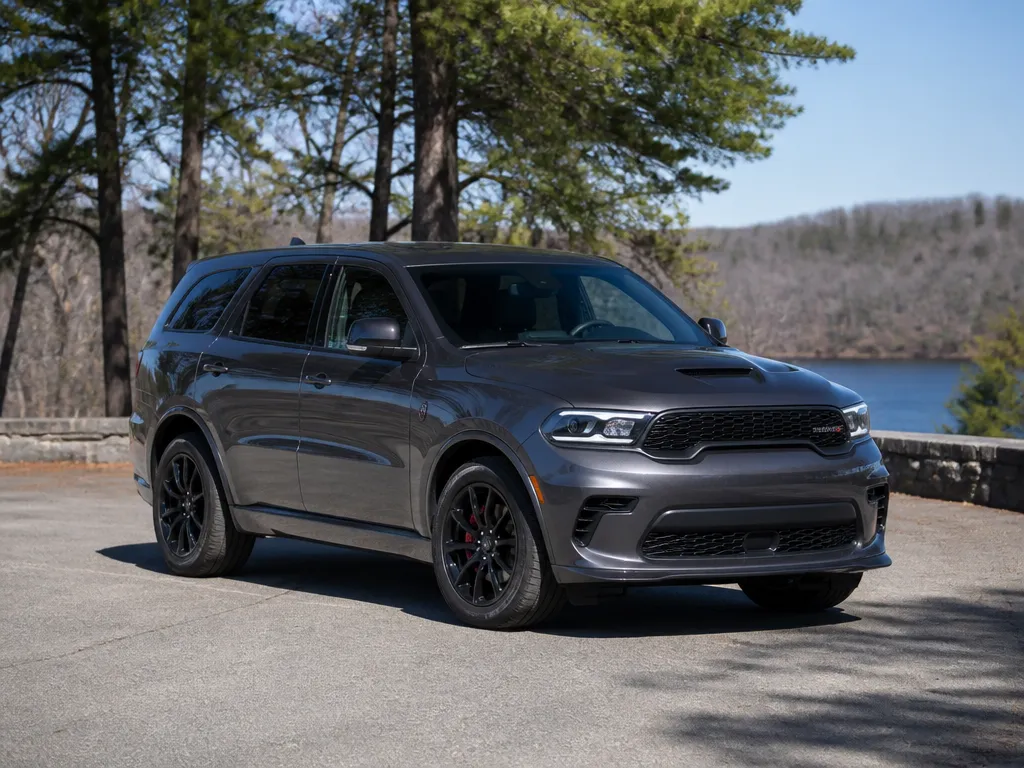
Dodge Durango earns a spot because it’s a three-row midsize SUV with a generally roomy cabin and easy-to-reach second-row access, which helps many larger drivers manage steering reach and seat positioning more comfortably than smaller crossovers. Its high seating position also gives a commanding view of the road, a big deal for drivers who want less leg contortion for daily commutes.
For practical fit, the Durango’s larger entry opening and wide front seat cushions make it easier to get in and out without fighting tight door gaps.
In practice, many buyers pair the Durango with power-adjust front seats (availability depends on trim and model year) so you can dial in steering-wheel and seat height to reduce shoulder strain. Cargo space stays useful on road trips because you can fold the third row for bulk items, then still keep the second row for passengers or bags.
What To Check In A Test Drive
Seat comfort is only part of the equation. During the test drive, check whether your knees sit comfortably in the footwell and whether your hips clear the center console area when you turn the wheel fully. Pay attention to visibility over the hood line and confirm the wiper and mirror controls are reachable without stretching. If you have a mobility aid or prefer extra room getting in, measure the usable space from door opening to seat edge and compare it to your current vehicle, since small differences in door width and seat position can feel huge in daily use.
2. Honda Cr-v
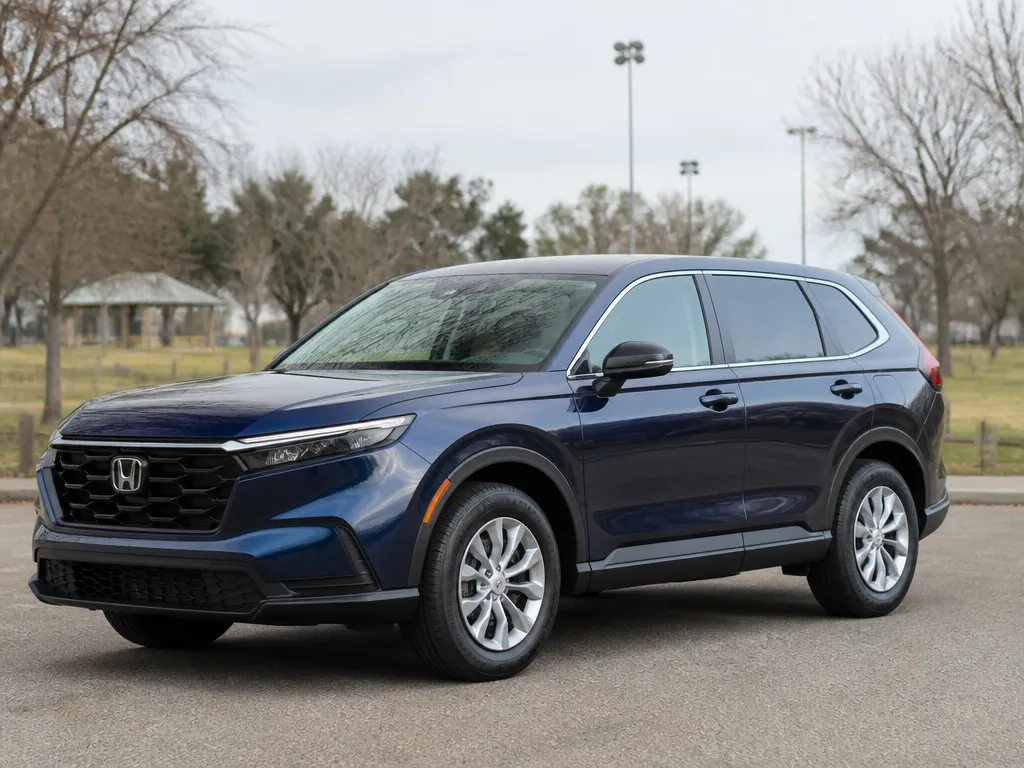
Honda CR-V gets on this list because its cabin packaging is typically roomy in the driver seat area, and the vehicle is easy to get into thanks to a fairly upright seating position and manageable door openings. Many CR-V trims also come with power-adjust seats, which helps you fine-tune reach to the steering wheel and pedals for different body sizes. It is a practical size too, with enough cargo room for groceries and everyday gear without feeling like a bus.
In practice, a CR-V works well for obese drivers who want a higher seating position for visibility and easier entry, plus a straightforward dash layout where controls stay within a comfortable reach zone.
For example, choosing a trim with a power driver seat and lumbar support can reduce the need to “shimmy” during long drives. Cargo is a big deal, so folding the rear seatback is useful for bulky items like large coolers, luggage, or sports bags.
Tradeoffs To Check Before Buying
CR-Vs are popular, so trim availability and seat options vary by year, and not every model includes the same power-adjust features. Parking and tight garages can be a consideration because the SUV stance and overall length may feel larger than a compact sedan, especially when lining up to the curb. Also, if you frequently load the car for travel, confirm that the rear door opening and cargo height work with your typical lifting method. During the test drive, pay attention to whether your knees clear the center stack and whether you can press the brake firmly without hunching or stretching.
3. Toyota Highlander
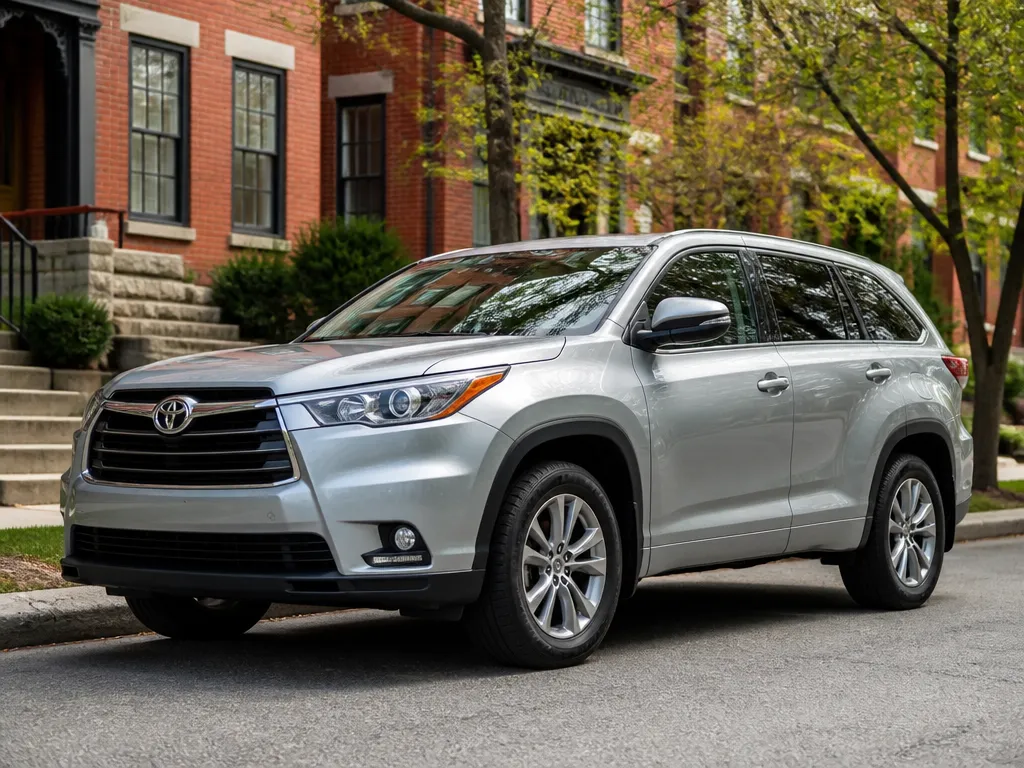
High-riding SUVs like the Toyota Highlander are a strong pick because higher seating typically makes getting in and out easier than low sedans, and the Highlander is built with a wide, comfortable cabin layout. Its available three-row configuration also helps taller or larger drivers stay organized with less hunching over controls and more space for a roomy seating position.
In practice, the Highlander’s interior space is one of the biggest reasons it works well for many people who need extra room for posture, seat comfort, and easier access to seat belts and the center stack. The model line also offers a mix of trims and powertrains, so you can prioritize comfort and visibility over performance.
For example, choosing a mid-range trim often brings more convenience and driver-assistance content than the base level, which can matter if you want calmer, less fatiguing highway driving.
Practical Fit Checks Before You Buy
Seat fit matters more than brochure dimensions. In the driver seat, pay attention to whether you can sit tall, reach the wheel comfortably, and operate pedals without twisting your torso. In the passenger area, make sure there’s enough room to buckle up without the belt pulling you forward or forcing an awkward angle. During your test drive, check door opening width, whether you can lower yourself smoothly into the seat, and how much you need to scoot to maintain a comfortable position around the center console. If you plan frequent car trips with family or mobility aids, verify third-row access and cargo space with your actual items in the vehicle.
4. Ford Expedition
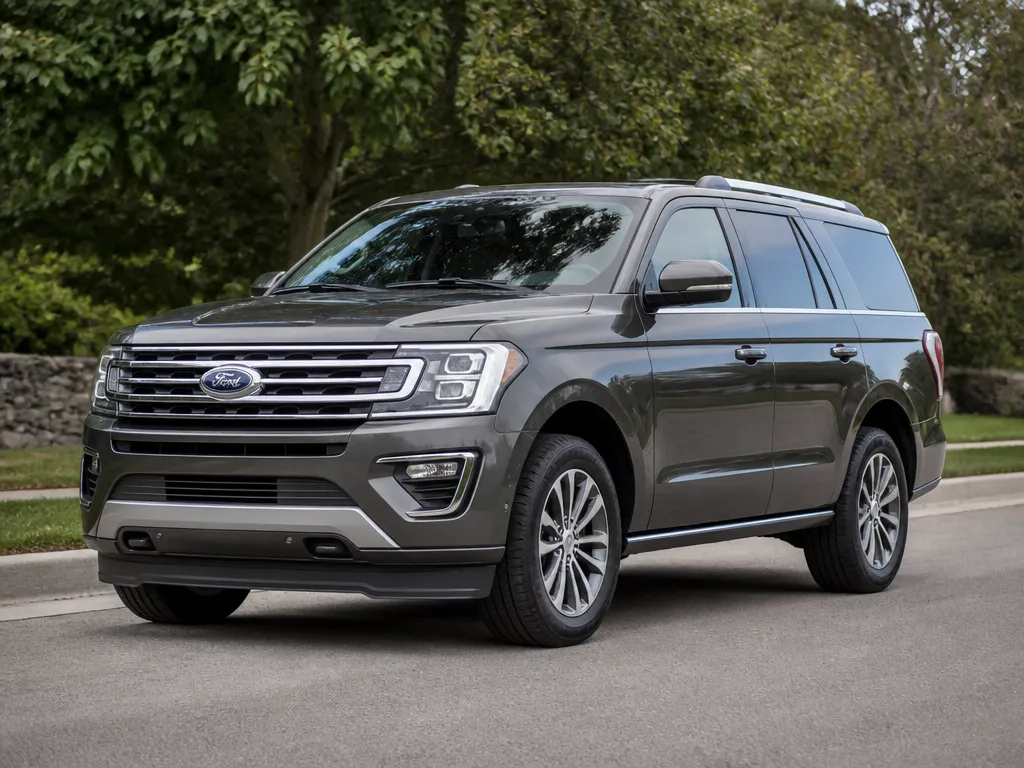
The Ford Expedition is a strong pick because its full-size, three-row cabin gives taller, heavier drivers more room to position the seat and still keep space around the steering wheel and center stack. The sliding second-row option (on models equipped with it) can also help tailor legroom for a larger seating position, which matters for comfort on longer trips. If you need an SUV that feels stable and spacious even when fully loaded, the Expedition is built for that use case.
Look for power-adjustable front seats with lumbar support and a tilt and telescoping steering wheel, since those are the controls that make a real difference when you need the seat farther back and the steering wheel moved into a safer reach zone. For cargo and accessibility, the Expedition’s third row can fold to increase space, which helps when you are carrying mobility aids, larger medical bags, or bulky sports gear.
In practice, pay attention to step-in height and check door opening width before buying, since physical access to the seat is often the biggest comfort factor.
What To Check During A Test Drive
Comfort in an Expedition depends on fit, not just size. Sit in the driver’s seat first and fully adjust height and fore-aft position, then move the steering wheel through tilt and telescoping to see if you can reach the wheel without hunching your shoulders. Check the seatbelt path across your chest, door-to-seat clearance for your legs when entering and exiting, and whether you can buckle up without twisting hard or reaching behind you.
In practice, try a few different seat settings, then drive for 10 to 15 minutes to feel how the cabin layout affects pressure points and steering control. If you plan to store items behind the second row, fold the third row while you are in the driver’s seat area so you can gauge how easy it will be for you to access cargo.
5. Chevrolet Tahoe
The Chevrolet Tahoe is on the list for obese drivers because it is a full-size SUV with roomy second-row and third-row space, plus a wide door opening that makes getting in and out easier than many smaller crossovers. Higher seating also helps many drivers keep better visibility and reduce the tight reach that can come with lower vehicles.
In practice, the Tahoe’s cabin space is the big win, especially if you need extra room for transfers and a less cramped seating position.
For example, choose trims that offer power-adjustable front seats so you can fine-tune height and seat travel without straining. Check that the vehicle has the seatbelt length and buckle geometry that feels comfortable with your body size, since that varies by seating position more than by model year.
Practical sizing and ownership notes: look for current-generation Tahoes with the widest seating access you can find, then verify comfort with a full test drive including entry, steering-wheel reach, and a long drive. If you plan to carry mobility aids, confirm the cargo path behind the third row and whether the second row folds flat enough for your use. Optional features like rear air vents and rear entertainment can help long trips when you share space with passengers.
Tradeoffs To Check In Person
Big SUVs bring tradeoffs, and Tahoe owners feel them most during tight parking and slow maneuvers. A longer wheelbase and wider turning circle can make awkward lots tougher, so pay attention to how far you have to reach when getting in from curbside spaces. Taller seating helps visibility, but it can also increase the amount of leg travel you need to feel seated comfortably, so spend time adjusting seat height before you judge. If you’re buying used, verify seat motors and all power adjustments work smoothly, since you want to dial in fit every time you drive.
6. Ram 1500 Crew Cab
Ram 1500 Crew Cab is a strong pick for obese drivers because the full-size truck cabin is built for easier entry, with wider rear doors and more usable floor space in the Crew Cab layout. The seat position in the Ram 1500 also gives you a higher-than-sedan sightline, which helps a lot with getting in and out comfortably. With available power-adjustable front seats on many trims, fine-tuning reach to the pedals and steering wheel tends to be simpler than in lower, tighter cabins.
In practice, look for trims that include power lumbar and adjustable steering column, since those adjustments matter more than engine choice for comfort. Crew Cab models typically fit two full-size rows, so the driver can set up a comfortable stance without rushing around a center console.
For example, a Ram 1500 with larger wheel sizes may ride firmer, so prioritize all-season comfort packages if you’re sensitive to harsh impacts or long-distance fatigue. Parking and garage clearance can be tight with trucks, so measure your driveway and door opening before committing.
Fit Details To Check Before You Buy
Seat comfort is only half the equation, so spend a few minutes doing “real-world setup” in the showroom. Slide the driver seat through its full travel and confirm your knees clear the dash without you feeling trapped, then test pedal reach with your heel planted the way you normally drive. Adjust the steering wheel tilt and telescope (when equipped) so your shoulders are relaxed, and verify that the seatbelt buckle doesn’t end up pulling across your torso at an awkward angle. Also check doorway width and step height by standing next to the door sill, since a truck’s height can be a win or a hassle depending on your mobility and how your body handles stairs.
Bring a measuring tape and do a quick layout check on the driver side, then prioritize Crew Cab plus power seat and steering adjustments, because those controls make the biggest day-to-day difference.
7. Subaru Outback
Subaru’s Outback has a high roofline and roomy wagon-style interior, which helps many taller or larger drivers get comfortable without fighting a low seating position. Its standard all-wheel-drive setup and generous cargo space make it practical for daily use and longer trips, especially when you need room for bulky items.
In practice, the Outback’s wide-opening rear hatch and upright cargo area can make loading easier than smaller SUVs, since you are lifting items into a flatter, more accessible space.
For example, the headroom and legroom tend to work well for drivers who want a fuller seating posture instead of compressing forward, and the supportive front seats help during longer highway stretches.
In practice, size and ergonomics are the real deciding factors, so check seat travel, steering wheel tilt and telescoping, and whether your knees clear the dash at full braking. If you’re cross-shopping, compare the Outback’s front seat comfort and entry height against vehicles you can test-drive back-to-back, since personal fit varies more than specs on paper.
What To Check Before Buying
Spend a few minutes parked in the driver’s seat at full height and full adjustment range. Confirm you can comfortably reach the steering wheel and pedals without your shoulder shrugging, and verify you have head clearance with your intended seating position. If you use a mobility aid or a particular seating setup, pay attention to door opening width, door sill height, and whether you can enter and exit without twisting. Finally, check outward visibility over the hood and through both side mirrors, since confidence behind the wheel matters as much as comfort.
Test-drive Fit Checklist For Obese Drivers
Body-bias fit is the difference between a car that feels controllable and one you keep fighting all day. A proper test drive checks real-world clearance at the seat base, steering wheel, and door opening, where comfort can change quickly at highway speed and in stop-and-go traffic. This is why fit drives are a key item for finding the best cars for obese drivers.
For instance, do three quick setups before you even leave the lot: set the seat to your preferred height, bring the steering wheel to a comfortable reach, then confirm you can fully depress the brake pedal without your knee binding or your thigh sitting on the center console. Check door ingress by entering and exiting slowly, watching for shoulder rub on the B-pillar area and for hips getting caught at the seat’s front edge.
In practice, spend at least 10 minutes on rough road or driveway transitions to see if your lower back stays supported when the suspension compresses.
What To Test Beyond Comfort
Fit affects safety and usability, so test the pieces people skip. Make a full turn and a three-point turn to see if your knees hit the dash or if your hips block steering inputs when the wheel is near lock. Confirm visibility by checking the mirror angles while you sit in a relaxed posture, then look over your shoulder for blind-spot views. If the car has power adjustments, try them repeatedly to make sure you can return to a safe driving position quickly after getting in and out.
Quick Summary
For real model picks, it highlights the Dodge Durango as a three-row midsize SUV with a generally roomy cabin and easy-to-reach second-row access, along with a high seating position for visibility and less leg contortion. It says many buyers pair it with power-adjust front seats so you can dial in steering-wheel and seat height. It also includes the Honda CR-V, emphasizing an upright seating position, manageable door openings, typically roomy driver seating, and the value of power-adjust seats, lumbar support, and folding the rear seatback for bulk items.
| Model mentioned | Why it tends to fit better (from the article) | Specific things to verify in a sit test |
|---|---|---|
| Dodge Durango | High seating position, easier second-row access, roomy cabin, commonly paired with power-adjust front seats | Steering-wheel telescoping and seat travel, knee comfort in the footwell, and hip clearance around the center console |
| Honda CR-V | Upright seating for easier entry, manageable door openings, roomy driver area, often offered with power-adjust seats | Seat adjustment range for your height, belt comfort across the torso, and reach to turn signals and wipers without stretching |
Frequently Asked Questions
What Seat And Belt Features Should I Look For In The Best Cars For Obese Drivers?
Prioritize a wide, supportive seat cushion and a properly adjustable seatbelt with enough travel for comfortable fit. When you test drive, check that the belt lies flat across your chest and that you can buckle it without twisting your torso.
Are Suvs Or Sedans Better For Obese Drivers?
Many obese drivers find SUVs and crossovers easier because higher seating can mean less effort getting in and out. That said, the best choice for you depends on legroom, seat width, and whether the door opening and seat height feel comfortable during entry.
What Are The Best Cars For Obese Drivers If I Need An Easier Entry And Exit?
Look for cars with power seat height adjustment and a wide door opening so you can position yourself without struggling. If possible, choose models where you can move the seat far enough forward and up while still keeping good visibility.
Do Car Makers Change Seat Width Enough To Matter For Obese Drivers, And How Can I Tell?
Yes, seat dimensions can vary a lot model to model, even within the same size class, so it is worth verifying in person. During a test drive, pay attention to whether your shoulders feel cramped and whether you can sit back fully without the steering wheel or center console forcing an uncomfortable position.
What Is A Common Mistake Obese Drivers Make When Choosing The Best Car For Them?
A big mistake is buying based on spec sheets without sitting in the vehicle for real, since fit depends on seat padding shape, console placement, and belt routing. Try the car for at least 10 to 15 minutes, buckle the belt, and do a few normal movements like reaching for the shifter and adjusting mirrors.
How Do I Make Sure The Best Cars For Obese Drivers Stay Comfortable Over Long Trips?
Choose cars where you can fine-tune seat height, lumbar support, and steering wheel reach so your body position stays stable. If you still get hot spots, consider a medical-grade seat cushion or a supportive seat insert before you spend money on a different vehicle.