


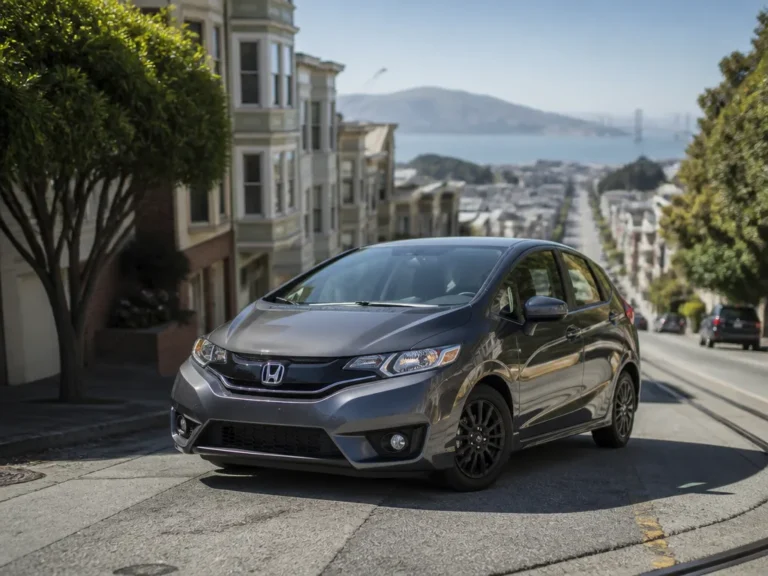
You searched for “best cars for San Francisco” because you need a daily driver that survives steep grades, foggy mornings, tight street parking, and salty coastal air. The wrong choice means sketchy traction in wet turns, painful parking maneuvers, or repeat corrosion issues. This list narrows it to specific cars and trims that make sense for SF life, not generic “city car” picks.
Best cars for San Francisco are compact or midsize cars with good all-weather traction, strong brake feel for hills, and parking-friendly visibility. Prioritize models with AWD when weather and grades matter, and look for backup cameras or parking sensors, heated mirrors, and corrosion-resistant builds.
1. Best Cars For San Francisco
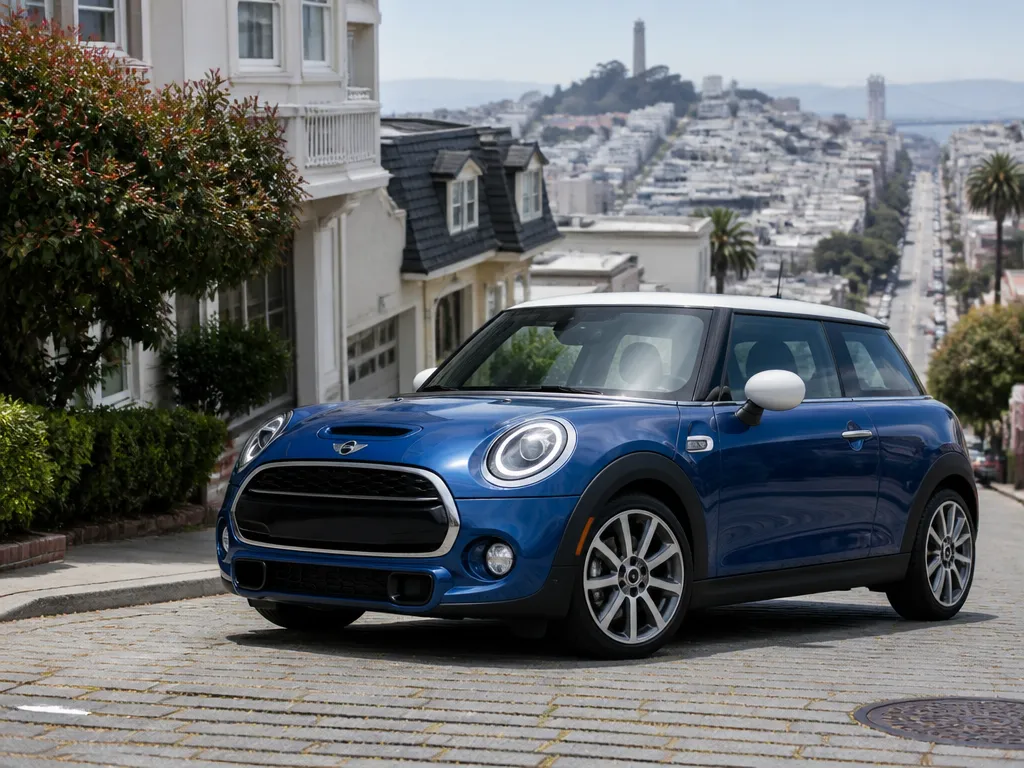
A compact electric crossover like the Hyundai Kona Electric is a smart pick for San Francisco because it can handle steep, stop-and-go streets while keeping refueling simple for commuters who can charge at home or work. Its typical range is enough for most daily city miles, and EVs tend to feel smoother in traffic because the motor delivers instant torque from a stop. This model also fits well in tight parking garages and street spaces where bigger SUVs can feel cumbersome.
For practical San Francisco use, prioritize a trim with onboard efficiency features and a charging plan you can actually stick to (Level 1 at home, Level 2 at work, and DC fast charging for backups). Expect the “real world” range to drop more in cold mornings and when you drive aggressively, so plan around routes that have reliable fast-charging options. Parking is another big factor, so check overall length against your most common garages, and confirm you have the right charging setup before you commit.
When To Choose An Ev Variant For City Driving
EVs make the most sense in San Francisco when your routine includes lots of traffic crawling and you can charge regularly. If you can reliably plug in overnight (even slow Level 1), the car starts the day near full and you avoid paying DC fast-charging premiums. Frequent long hills can also be easier on drivability since you get consistent power, but battery performance still varies with temperature and speed, so highway runs and colder months need a little extra planning. If your charging access is inconsistent, a gas-hybrid may be a better match.
Choose this type of car if your parking situation and charging access match your life, then confirm real-world range on routes you drive most, before you sign on.
2. Toyota Rav4 Hybrid Awd
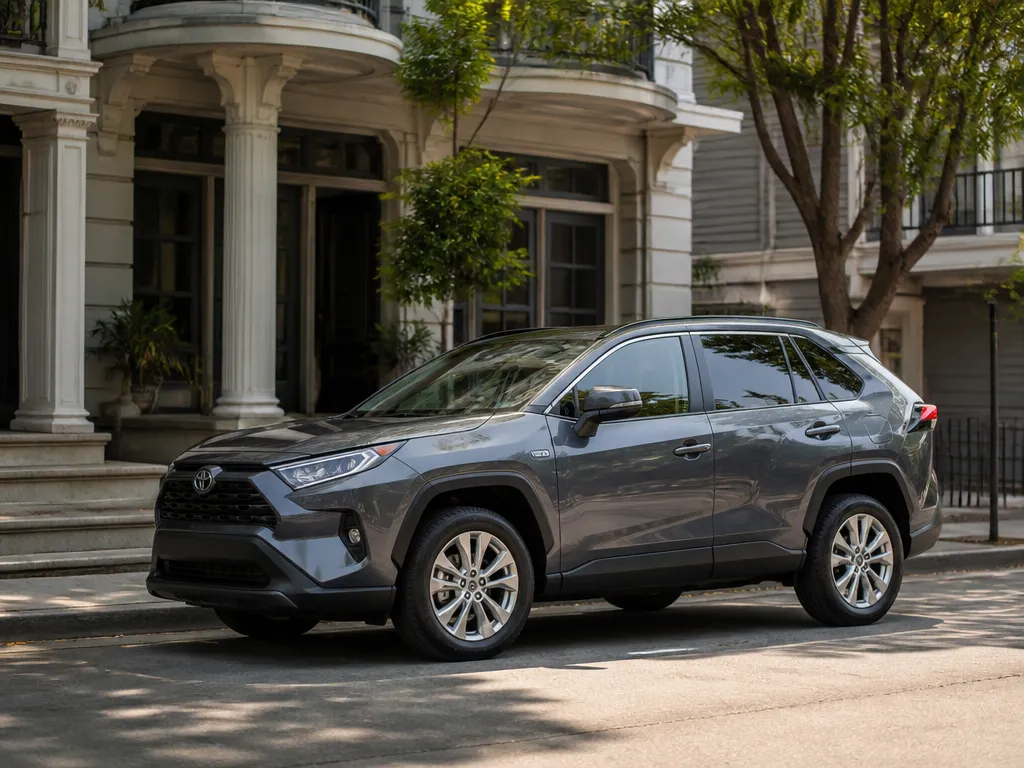
RAV4 Hybrid AWD makes sense for San Francisco because it mixes all-weather traction with strong fuel economy for stop-and-go streets and hilly commutes. The compact size also helps when you are dealing with tight parking garages, narrow lanes, and frequent turns around neighborhoods like the Sunset and Richmond. For many drivers, the AWD system plus hybrid powertrain is a practical way to stay moving when road conditions change quickly.
Plan on a typical RAV4 footprint that is manageable in city parking, while still giving you enough rear space for groceries, work gear, or a weekend bag. In everyday use, the hybrid setup usually improves efficiency most in traffic and short trips, which is where SF driving spends a lot of time. Look at trim options for equipment differences (driver-assist tech, lighting, and audio), since that is where the “right” choice tends to show up.
What To Watch For In Sf Ownership
Because the Bay Area can swing from misty and slick to clear in the same day, AWD can help you feel more confident during acceleration and merging, especially when traction is uneven.
In practice, the real differentiator is how the car fits your daily parking reality: measure your garage clearance and turning habits before you commit. Hybrid drivetrains bring unique components, so when you are comparing used listings, inspect the service history and confirm the vehicle has been maintained on schedule. If you are looking at any warnings during a test drive, get the car scanned by a qualified shop before purchase, since it is the fastest way to avoid surprises.
Reader takeaway: if you want one compact crossover that is easy to park in San Francisco and stays composed in wet, changeable weather, the RAV4 Hybrid AWD is a sensible shortlist pick, just match the trim to your must-have features and verify maintenance history on any used example.
3. Honda Cr-v Hybrid Awd
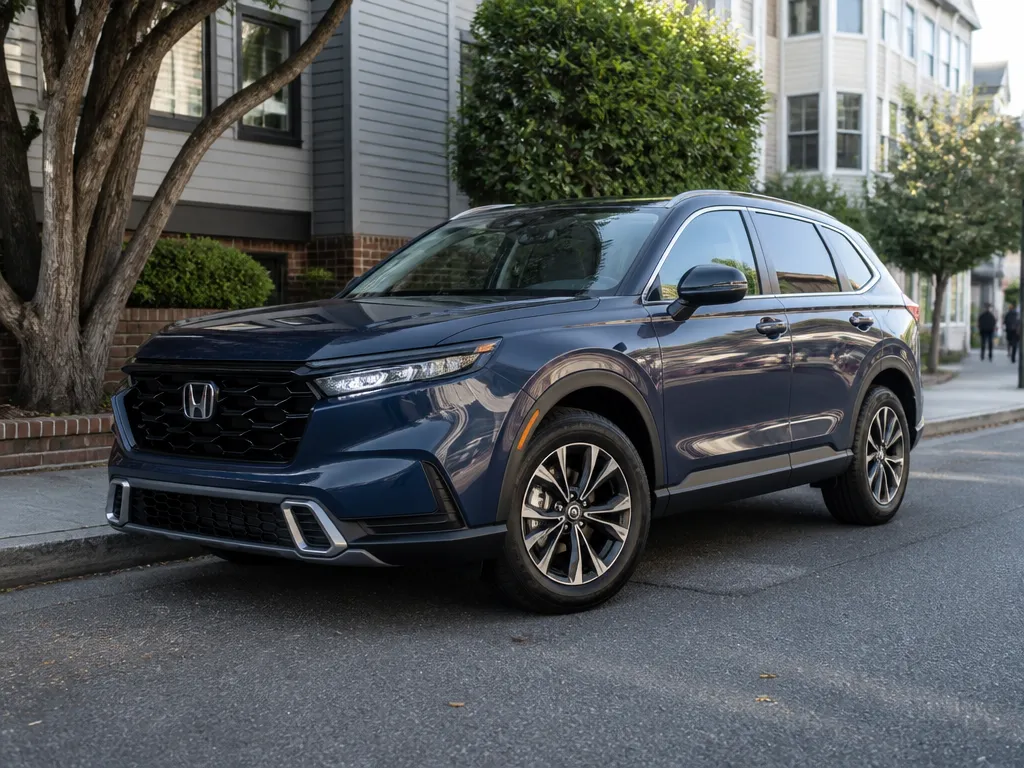
CR-V Hybrid AWD fits San Francisco because it pairs a roomy crossover shape with better fuel economy for stop-and-go streets and long, steady climbs around the Bay. Its AWD helps traction when roads get damp from morning fog or post-rain slick spots, which is common in the city. The EV-style regen braking also helps smooth out driving on rolling routes where you’re constantly adjusting speed.
For example, the CR-V’s higher ride height makes it easier to handle steep driveways and uneven pavement in many neighborhoods, without feeling like a tall truck. Honda’s hybrid system also reduces how often you rely on the friction brakes during normal driving by recapturing energy when you slow down.
In practice, expect real-world efficiency to vary based on grade, traffic density, and how often you’re using full acceleration out of slower corners.
What Makes It Work Around Sf Grades?
San Francisco’s hills reward a powertrain that can respond quickly at lower speeds without demanding constant pedal work, and the CR-V Hybrid AWD is built for that kind of modulation. On steep climbs, the engine and electric system work together to keep momentum, while regen braking can help control speed coming back down. If you frequently drive in traffic that alternates between crawling and short bursts, hybrid operation tends to stay in its efficient zones more often than a conventional drivetrain. When you test drive, pay attention to how smoothly the car transitions between power and regen, especially at low speeds where drivers often notice the most.
Reader takeaway: If you want an all-weather, hill-friendly daily driver with efficient city driving manners, the Honda CR-V Hybrid AWD is a strong match, especially when you prioritize traction and smooth control in foggy or wet conditions.
4. Mazda Cx-5 Awd
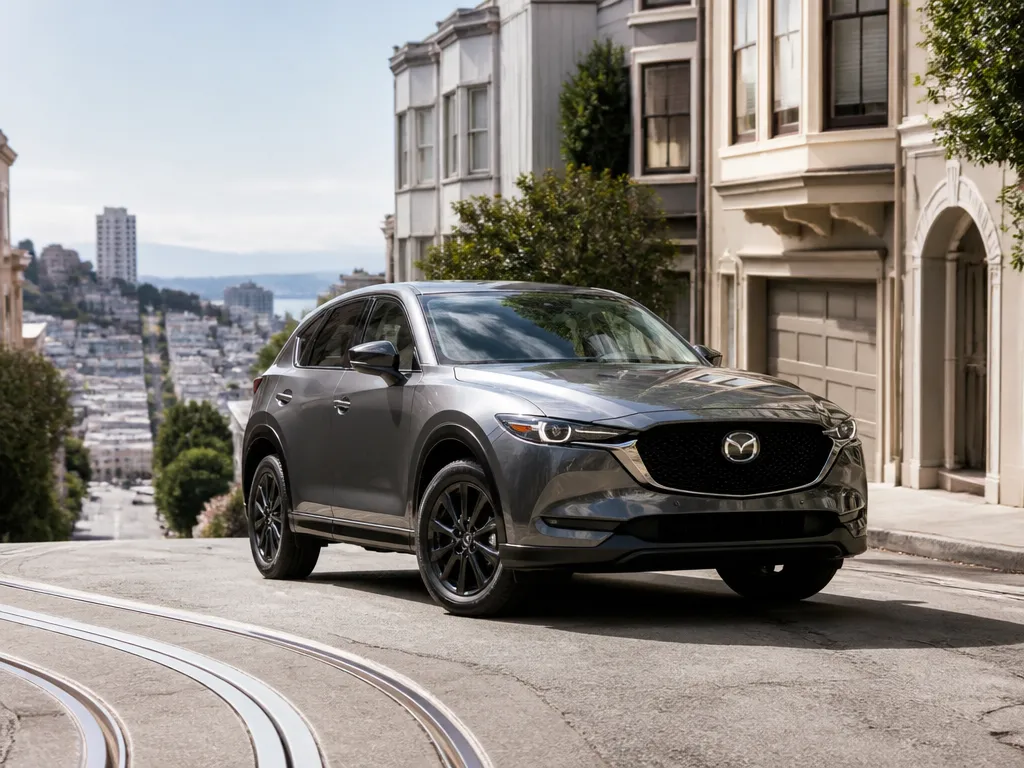
All-wheel drive is the big reason the Mazda CX-5 AWD makes the cut for San Francisco, where sudden fog, wet roads, and uneven traction on grades can turn a normal commute into a slippery one. It also gives you a practical height and visibility for navigating tight streets and finding curbside parking. Mazda pairs that AWD with a simple, easy-to-live-with cabin layout that works well for daily errands.
For everyday SF driving, focus on the traction and packaging: the CX-5 is sized like a compact crossover so it is manageable through narrow lanes, and AWD helps on rain-slick hills and patchy street runoff. Look for features that matter locally, like a good rearview camera view for lane changes and parking, plus smart safety tech if your budget allows. A good target is a recent model year because equipment and driver-assist availability improved over time.
Tradeoffs In Real San Francisco Use
AWD adds complexity and can slightly increase fuel use compared with front-wheel drive, so the CX-5 AWD is best if you actually value traction more than you value maximum efficiency. Ground clearance is useful for wet curbside puddles and occasional rougher roads, but the CX-5 still is a crossover, not a true off-road machine, so street damage can still be a risk. In stop-and-go traffic on rainy days, tire tread quality matters more than most people expect, because hydroplaning depends heavily on what is left on the rubber. Before you buy, get a pre-purchase inspection focused on tires, brakes, suspension wear, and any AWD-related concerns, since repair costs can jump quickly once drivetrain components are involved.
Reader takeaway: if your driving includes wet hills and you want an easy-to-park crossover with AWD, the Mazda CX-5 AWD is a solid SF-friendly choice, just make sure you verify tire and brake condition and confirm the AWD system checks out.
5. Subaru Forester Awd
Ground clearance and all-wheel drive make the Subaru Forester a practical fit for San Francisco’s mix of steep hills, rainy stretches, and occasional foggy morning slick spots. Cargo space works well for bike storage, Costco runs, or weekend gear, and the upright layout keeps visibility easier when you’re threading through tight city streets.
Most Forester trims come with AWD and a boxer engine layout, which pairs well with the stop-and-go pace around downtown and the quick lane changes on nearby interstates. Look for features like a power liftgate (if equipped), roof rails for crossbars, and winter-rated tires if you drive more toward the coast where conditions stay damp. In the used market, annual maintenance items are usually straightforward, but CVT service history matters a lot for any model year you’re considering.
What To Check Before You Buy
In practice, the biggest “San Francisco” buying checks are simple but easy to miss. Inspect tire wear across all four corners, since uneven wear can hint at alignment issues that get worse on rough roads and sharp hill turns. Confirm the AWD system engages smoothly and that the car tracks straight when you accelerate out of turns, because drivetrain chatter and persistent pulling can point to problems that are expensive to chase. For any Forester you’re looking at, read the maintenance history closely, then take it for a test drive when streets are wet if possible to see how it handles traction and braking.
Takeaway: the Forester AWD is a solid, low-drama choice for San Francisco because it combines everyday visibility and cargo practicality with traction that helps in rain and hilly routes.
6. Volkswagen Golf Gti (Awd As Available)
The Volkswagen Golf GTI earns a spot for San Francisco because it mixes compact parking size with real highway stability, and it keeps daily-driver practicality when you need to hop between neighborhoods. The front-wheel-drive GTI also works well on foggy wet stretches and slick ramps when it has quality tires, where traction and steering feel matter at low speeds.
In city traffic, the GTI’s short wheelbase and hatchback shape make it easier to manage turn-in and fit in tighter curbside spaces than many larger “sport sedans.” For example, the hatch format gives you more flexible cargo than a typical 2-door hot hatch while still keeping the footprint manageable for Bay Area parking. Expect to pay a wide range depending on model year, mileage, and condition, and current used pricing needs to be verified locally since values swing by trim and condition.
- Look for maintenance records (especially DSG or manual service history) since that drives long-term costs.
- Confirm the drivetrain by checking the VIN build info, not just the listing photos.
- Prioritize tires matched to your budget, since tire grip matters most in SF’s wet weather.
- Plan for brake and suspension refreshes as mileage climbs, common on performance-oriented compacts.
What To Watch For In Sf Driving
Fog and drizzle in the Bay Area mean roads can stay slick longer than you expect, so traction feel and tire condition matter more than peak horsepower. The GTI’s compact size helps on narrow streets, but the sport setup can make it more sensitive to uneven pavement, so check for uneven tire wear and suspension noises before you commit. Parking geometry in SF also punishes misalignment, so verify the wheel condition and ask for a basic alignment check if the car has been driven aggressively or has curb rash. Make sure the service history is complete, since performance components tend to be less forgiving when maintenance gets skipped.
Reader takeaway: If you want a hatchback that’s easy to live with in San Francisco but still feels quick and planted, the Golf GTI is a smart, practical pick, just verify service records and the exact drivetrain before buying.
7. Toyota Prius Awd-e (Or Prius Awd Hybrid Variants)
Prius AWD-e makes sense for San Francisco because it adds traction for wet, foggy mornings without giving up the commuter-friendly feel that makes the Prius line popular around the Bay. The AWD system is designed for improved grip when roads are slick, which matters on coastal stretches and steep, damp hills after light rain. If you want one car that can handle changing weather during daily drives, AWD-e variants are a strong match.
Look for the AWD-e trim when comparing Prius listings, and confirm the car has the AWD-e hardware rather than just “hybrid” on the listing. In practical terms, the AWD-e setup can help maintain steadier control when starting or accelerating on wet grades, which is common in SF traffic. Typical buyers also care about cargo space for groceries and rideshare pickups, and the Prius layout keeps everyday usability high for its size.
- Pair with tires suited to wet traction, especially if you see frequent drizzle
- Plan on hybrid battery-related service being tied to Toyota-specific tooling and parts
- Budget maintenance around standard Prius intervals, then add AWD-related inspections during routine service
What To Check Before You Buy (Awd-e Specifically)
For example, inspect the tires for even wear and check that tread depth is consistent across all four corners, since mismatched wear can affect how the AWD system behaves in real-world driving.
In practice, ask for service records covering routine hybrid maintenance and brake service, because SF stop-and-go traffic can shorten brake life on any platform. If the car has warning lights, pull the codes first and confirm the issue is resolved before purchase. High-voltage systems are not DIY territory, so any suspected hybrid battery or drivetrain fault is a good reason to get a Toyota-capable shop to diagnose it.
Reader takeaway: for SF weather and hillside streets, a Prius AWD-e is worth targeting, then buy based on tire condition, complete service history, and a clean diagnostic check.
Tesla Model Y (Awd Where Applicable)
Model Y earns a spot on a San Francisco list because it is a compact, electric crossover that helps simplify stop-and-go city driving while still offering AWD for wet-road traction when the fog rolls in. Its low-slung, quiet cabin makes it a good fit for commuting routes like the Peninsula and downtown SF, where parking and frequent traffic are part of daily life. With one of the largest EV charging networks in the US, trips can be planned around known fast-charge locations.
In practice, choose an AWD variant if you expect regular rain and occasional steep climbs around the Bay Area, since the extra drivetrain grip can reduce wheel slip when roads are slick. Tesla Model Y is sized to be manageable for SF garages and street parking compared with larger three-row SUVs, but it still has enough cargo space for a weekend grocery run and a stroller or shopping bags. Drive a few different routes in your typical weather and traffic, because regen braking feel and steering assist calibration can vary with traction conditions and tire choice.
- AWD is the practical pick for wet traction and hilly routes.
- Fast-charging planning matters most for longer Bay Area trips.
- Use higher-traction tire options when available for your trim.
Charging And Driving Reality In Sf
Most owners in the Bay Area rely on a mix of home charging and public fast charging, since SF parking can limit easy overnight charging for some drivers. Before buying, map your routine: where you can park most nights, whether your building supports EV charging, and where you can charge during busy weeks when you cannot. For day trips across the region, plan around fast-charge stops rather than assuming the car will always be near the charger you want. If you primarily run short commutes and can charge at home, the Model Y’s day-to-day convenience is where it shines; if you cannot, charging becomes a bigger part of your ownership workflow.
Practical takeaway: If you can charge at home or reliably access nearby public fast charging, an AWD Model Y is a strong “everyday SF” EV choice, and it is worth focusing on charging access as much as trim selection.
Quick Summary
San Francisco driving calls for a compact or midsize car that can handle steep grades, foggy mornings, tight street parking, and salty coastal air, with all-weather traction as a priority. The article says to match your drivetrain to conditions, using AWD for slick hills, while FWD with strong traction control can work when weather is milder. It also highlights practical SF requirements like backup cameras or parking sensors, heated mirrors, good headlights, clear wipers, and defog performance, plus corrosion checks on wheel wells and rocker panels on used cars.
For the top pick, the article recommends a compact electric crossover like the Hyundai Kona Electric, noting it is aimed at daily commutes around roughly 50 to 70 miles round trip and can be easier in dense stop-and-go with instant torque and smoother launches. It warns real-world range drops in cold mornings and with aggressive driving, so you should confirm charging access, including Level 1 at home, Level 2 at work, and DC fast charging as backups. As a best-fit alternative, it calls out the Toyota RAV4 Hybrid AWD for SF thanks to all-weather traction, hybrid efficiency in traffic and short trips, and a footprint that fits garages, with the key takeaway being to measure your garage clearance, test downhill pedal response, and confirm range or traction for your exact routine.
| City Priority | What the article says to look for |
|---|---|
| Fog, wet turns, grades | All-weather traction, AWD when conditions matter, strong brake feel and downhill control |
| Tight parking | Compact size, tight turning radius, backup camera or parking sensors, wide mirrors |
| Coastal corrosion | Inspect rust-prone areas like wheel wells and rocker panels on used cars |
| Charging reality (EV) | Plan around Level 1 at home, Level 2 at work, and DC fast charging for backup routes |
Frequently Asked Questions
What Are The Best Cars For San Francisco If I Park In Street Spots?
Look for compact dimensions and strong visibility so you can place the car easily in tight downtown spots. A lot of people also prioritize good rear camera coverage and convenient parking sensors, since curbside parking and narrow garages are common.
Which Best Car For San Francisco Gets Good Gas Mileage For Lots Of Stop-and-go Traffic?
In heavy traffic, you typically want an efficient hybrid or an efficient non-hybrid with a modern transmission. Choosing an EPA-estimated high-MPG option usually helps the most in SF-style city driving.
Are Electric Cars A Good Choice For The Best Cars For San Francisco?
Electric can be a great fit if you have a place to charge at home or work, since range planning matters more on longer drives. If you rely only on public charging, pick a model with more than enough usable range for your routine and make sure you can access charging reliably.
What Are The Best Cars For San Francisco If I Deal With Hills Every Day?
For steep grades, you want a setup that feels stable and controllable, meaning good braking and strong traction in wet conditions. If you are shopping, pay attention to tire quality and test the car’s low-speed hill behavior, since that is where many drivers feel the difference.
What Safety Features Matter Most When Choosing The Best Cars For San Francisco Driving?
San Francisco traffic mixes pedestrians, bikes, and sudden lane changes, so prioritize automatic emergency braking, blind-spot monitoring, and lane-keep assistance. If you plan to use city streets often, also consider high-quality lighting and a clear driver assist interface you can understand quickly.
What Should I Avoid When Picking The Best Car For San Francisco So I Do Not Regret It?
A common mistake is choosing a car that looks great but is too large for parking or has poor outward visibility. Also avoid relying on outdated navigation or a weak charging plan if you are considering electric, and double-check that the exact trim you want is available with the driver assist options you care about.