


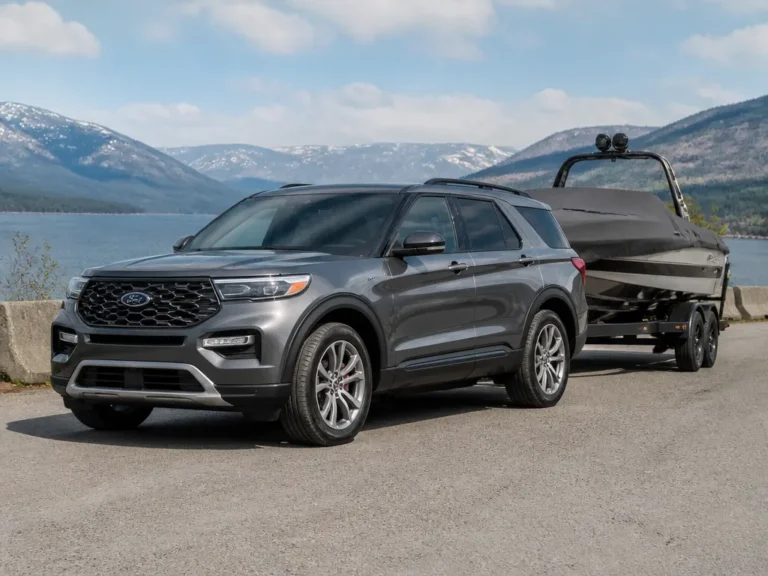
You’re shopping for a tow-capable SUV and your budget is capped at $40,000, but every listing jumps straight to “max towing” without saying which engine, wheel size, or tow package the number actually needs. If your trailer has a scale weight, this is where choosing wrong gets expensive fast. You’ll get a clear set of picks, plus the exact configurations to target.
Best SUVs for towing under $40,000 are the ones you can correctly configure for real capacity: look for a factory tow package or wiring, confirm the rating by drivetrain (AWD vs 2WD), and sanity-check payload on the door sticker. You also need brake controller compatibility and enough cooling capacity for repeated pulls.
Best suvs for towing under $40,000 are mid-size SUVs and body-on-frame models that can be optioned for towing and still keep you under the actual limit. Target SUVs that offer a factory tow package (hitch and wiring) and an engine/transmission combo rated near your trailer’s weight, then verify payload and trailer tongue weight before buying.
Best Suvs For Towing Under 40000: Top Picks Table
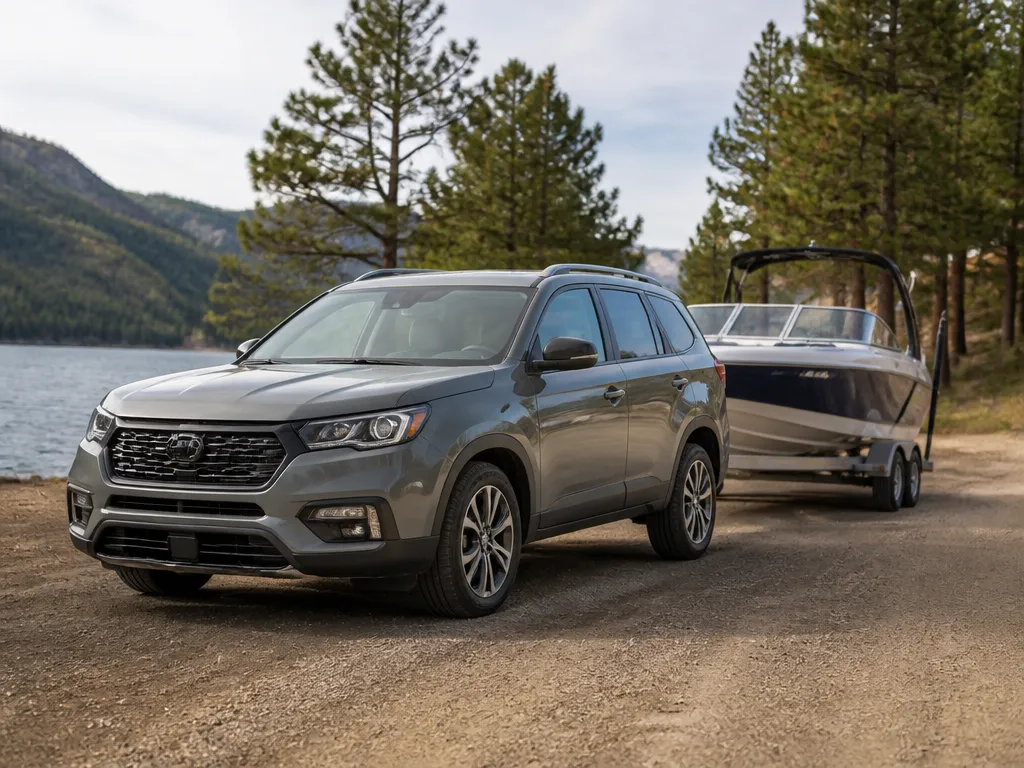
Picking the right SUV for towing under $40,000 comes down to matching the exact drivetrain and trailer setup, since towing ratings drop when you change wheels, axle ratio, or cargo capacity. A “max tow” number only matters when it matches the trim, engine, and wheel configuration you actually plan to buy.
How To Read “Max Tow Rating” (Configuration Rules)
Max trailer weight is the heaviest you can tow only when the vehicle is built with the right powertrain and option package, often including a specific tow package and cooling setup. Many SUVs publish the headline rating, but the number can change based on gross vehicle weight rating limits, payload, and whether the truck has the factory trailer wiring harness and hitch installed.
Max tow rating is limited by both the towing side (axle ratio, engine output, transmission calibration, and cooling) and the load side (payload for passengers, cargo, hitch weight). If your trailer is loaded heavy, the hitch weight can eat payload even when the trailer’s total weight looks under the headline number.
Top Picks Table Framework (Use Exact Configuration)
| Model (Trim you should target) | Exact tow-rating configuration to verify | Drivetrain / Engine | Tow package & wiring needs | Rough price target under $40k (new vs used) |
|---|---|---|---|---|
| Toyota 4Runner (TRD Off-Road or higher) | Verify tow rating for your engine, transmission, and wheel size; confirm factory tow package availability and hitch type | V6 with automatic (4WD only if you expect year-round hauling) | Receiver hitch, trailer wiring harness (4-flat to 7-pin depends on year), often requires factory tow prep |
|
| Honda Passport (Elite preferred, tow-capable configuration) | Verify tow rating for your wheel/tire package and whether the tow package is installed | V6 with automatic, 4WD commonly needed for confidence | Receiver hitch + correct wiring harness; confirm you can add a brake controller if towing a surge-brake or electric-brake trailer |
|
| Nissan Pathfinder (Platinum or tow-prep equipped trims) | Verify tow rating for the specific trim and whether tow prep wiring is included | V6 with automatic, choose 4WD if you tow in rain or snow | Factory hitch and trailer wiring harness; confirm brake controller support |
|
| Jeep Grand Cherokee (tow-ready trims with proper axle ratio) | Verify max tow by engine and axle ratio listed on your exact build sheet | V6 or V8 depending on year/trim, automatic | Receiver hitch, correct wiring harness, and brake controller compatibility should be confirmed before purchase |
|
| Subaru Ascent (if equipped for towing with the right limits) | Verify tow rating for your year and configuration, then compare against hitch weight and payload | 3-row turbo or NA depending on year, AWD | Factory trailer wiring, ensure you can run a brake controller if your trailer needs electric brakes |
|
When you price under $40,000, the “best tow SUV” might not be the highest spec on paper, it’s the one that keeps the rating with the wheels, tires, and tow package you’re actually buying.
Quick buy-check before you sign: match the tow rating to your exact trim, wheel size, and drivetrain; confirm the receiver is factory-rated for trailer weight and that the wiring harness is present for your brake controller and lights.
Estimated price targets above are rough and vary by year, region, and incentives. The next section will name the specific “best” combinations, where towing capability and purchase price align more cleanly for real owners.
Top Suv Picks Under $40k
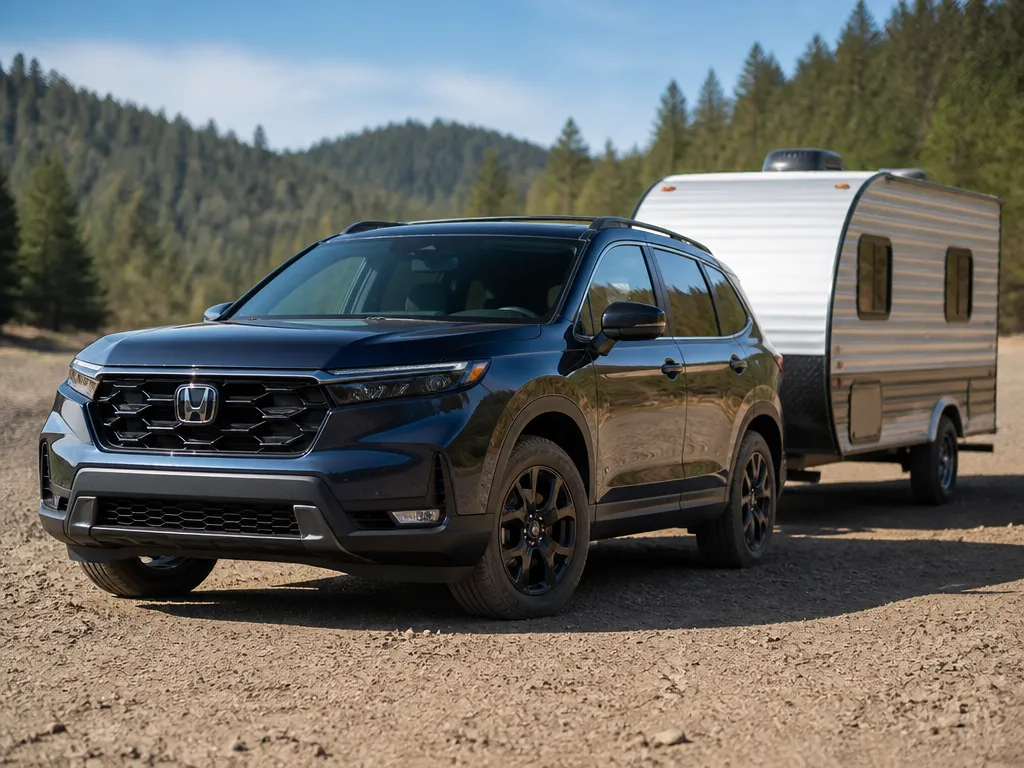
Tow-capable options under 40k span midsize SUVs and select used full-size models. Expect practical 5,000-pound towing with the right engine and tow package, and some larger used SUVs can reach about 8,500 to 9,000 pounds with the right setup.
Midsize Utility Tow Choices
Midsize tow choices center on efficiency, space, and solid 5,000-pound capabilities. Ford Explorer with the 2.3L EcoBoost leads for value and tuning room, while Hyundai Palisade and Kia Telluride offer strong V6 power and competitive tow ratings. Toyota Highlander mirrors a reliable 5,000-pound limit, and Honda Pilot delivers a practical balance with near 5,000 pounds when properly equipped.
| Model | Engine/Config | Max Tow (lbs) | Notes |
|---|---|---|---|
| Explorer | 2.3L EcoBoost | 5,300 | Best value, AWD optional |
| Highlander | 3.5L V6 | 5,000 | Reliable, hybrids lower tow |
| Palisade / Telluride | 3.8L V6 | 5,000 | Spacey, feature-rich |
| Traverse | 3.6L V6 | 5,000 | Great value used |
| Pilot | 3.5L V6 | 5,000 | Payload matters |
Large Suv Tow Choices
Large SUV options shine when you need heavier trailers and bigger payload margins, often available used well under 40k. Ford Expedition, Chevrolet Tahoe/Suburban, Nissan Armada, and Toyota Sequoia offer substantial tow capacity with the right engine and towing package, making them viable for bigger boats or campers in a budget-conscious purchase.
Pro tip: Tow rating is only part of the story. Check payload, GCWR, and how much weight you actually carry in the tow vehicle and trailer combined to avoid overloading the brakes, transmission, or suspension.
| Large SUV (used under 40k) | Estimated Tow | Typical Engine | Notes |
|---|---|---|---|
| Expedition (2015 – 2019) | ~9,000 | 3.5L EcoBoost | Strong for big trailers |
| Tahoe/Suburban (2015 – 2020) | ~8,600 – 8,800 | 5.3L V8 | Payload heavy |
| Armada (2016 – 2019) | ~8,500 | 5.6L V8 | Comfortable, thirsty |
| Sequoia (2008 – 2017) | ~7,400 | 5.7L V8 | Rugged, value used |
Trims And Engines To Prioritize To Stay Under Budget
Trims and engines to prioritize under the 40k ceiling emphasize value, not luxury. For midsize options, target mid-level trims with the factory tow package and the strongest available non-hybrid engine to maximize tow without pushing price higher. For large SUVs, look for well-maintained used models with the standard tow setup and consider 2WD when prices swing above budget, reserving 4×4 for poor weather and heavy towing conditions.
In practice, favor engines that generate solid torque at low RPM, ensure a factory transmission cooler is included, and verify a factory hitch and compatible brake controller are available or addable. Prioritize models with a hook-up package that includes a 2-inch receiver, wiring harness, and trailer sway control to keep towing predictable and safer within your budget.
Configuration To Hit The Tow Rating
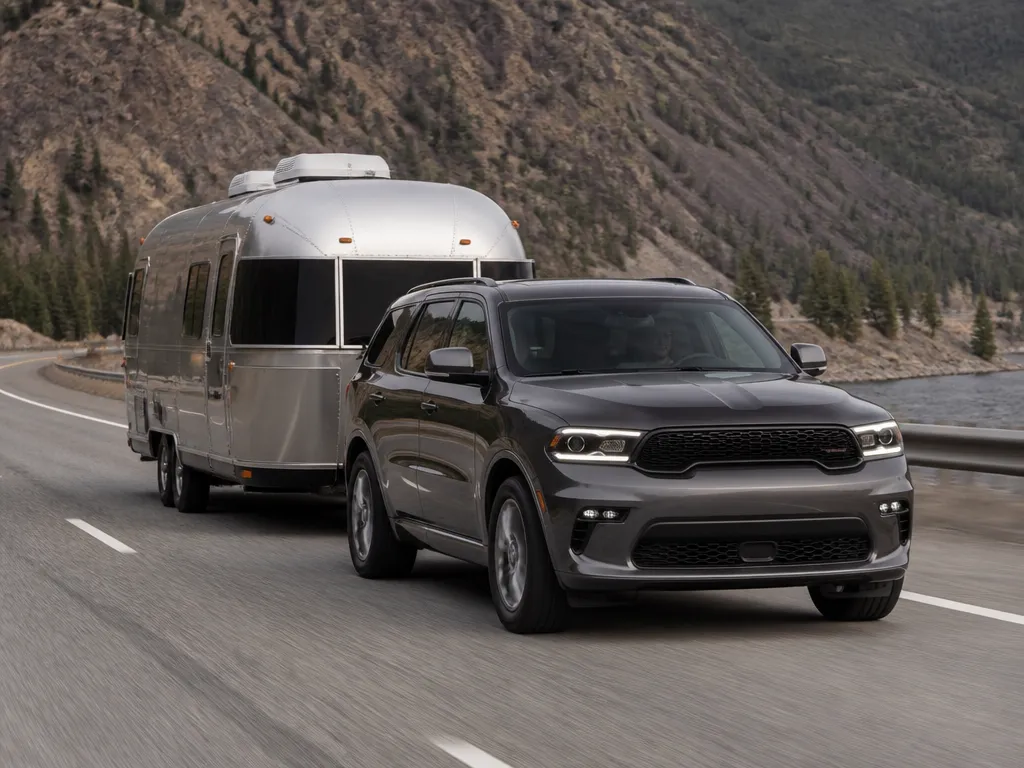
Towing ratings change drastically with drivetrain, towing package content, wheel size, and even factory tow wiring. To stay under $40,000 and tow meaningfully, you need the exact factory configuration that matches the vehicle’s published max tow and then confirm the truck-trailer math for payload and tongue weight.
Tow Packages, Hitches, And Wiring: What You Must Have
Most SUVs only reach their advertised max trailer weight when they have the factory tow package, which typically adds an upgraded cooling stack (engine and transmission), revised transmission calibration, wiring provisions, and a receiver hitch with a known tow rating. An aftermarket hitch swap does not by itself preserve or increase the vehicle’s certified tow rating; the vehicle’s wiring, cooling, and factory limits still apply.
Trailer wiring is a common deal-breaker when you buy pre-owned or choose a trim without the tow prep. Factory tow harnesses and connectors reduce electrical gremlins and make it easier to install a brake controller correctly.
Mechanic tip: Ask for the window sticker or option list that shows tow package and tow prep. “Tow-capable” on a listing is often marketing, while tow-package-equipped trims are what unlock the rating.
Brake Controller Availability: Built-in Vs Dealer Install Vs Aftermarket
Brake controllers decide how smoothly you tow, especially with heavier or surge-brake-free trailers. Some SUVs ship with a built-in controller, some have dealer-install controller prep, and others require an aftermarket unit, which is usually fine but must be wired to the correct circuit.
When the controller is not present, dealer installs often include the correct mounting bracket, wiring, and calibration so the controller talks to the vehicle’s systems properly. Aftermarket controllers can work too, but you need a clean power and brake signal tap and a wiring harness that matches your model year.
| Vehicle setup you’re looking for | What to ask for | Why it matters |
|---|---|---|
| Built-in brake controller | “Factory integrated controller” in the option list | Usually simplest install, best factory alignment |
| Dealer-installed controller | “Tow package with controller wiring/prep” | Reduces wiring errors and compatibility issues |
| Aftermarket controller | Controller type (time-delayed or proportional), harness part number | Must be wired correctly for stable braking |
Wheel Size, Tires, And Roof Rack Impacts On The Real Rating
Wheel size and tire spec can lower the usable tow performance indirectly by changing curb weight, rotating mass, and available cooling airflow. Bigger wheels often pair with lower-profile tires, and those packages can also change the overall vehicle weight figures you’ll use later for payload math. You can hit the brochure tow rating only when you match the wheel and tire setup used in that vehicle’s published configuration.
Roof racks are another hidden variable. A roof rack does not automatically reduce towing capacity, but it can increase aerodynamic drag and add weight higher up, which affects stability and how hard the drivetrain works under load, especially on crosswinds and grades.
Common Trims That Quietly Lower Your Tow Ceiling
Trim lines that look similar on price can tow very differently because of omitted towing hardware, different engines, or different driveline ratings. The biggest “gotcha” is payload, which often limits real-world towing even when the max trailer number looks fine on paper.
In practice, trims that frequently come up short are the ones that lack the factory tow package, use smaller cooling equipment, or are paired with wheel and tire packages that the manufacturer does not rate for the same max tow. Choose the configuration that includes the correct tow cooling, tow wiring, and hitch kit first, then worry about aesthetics.
Payload And Gcwr Reality Checks
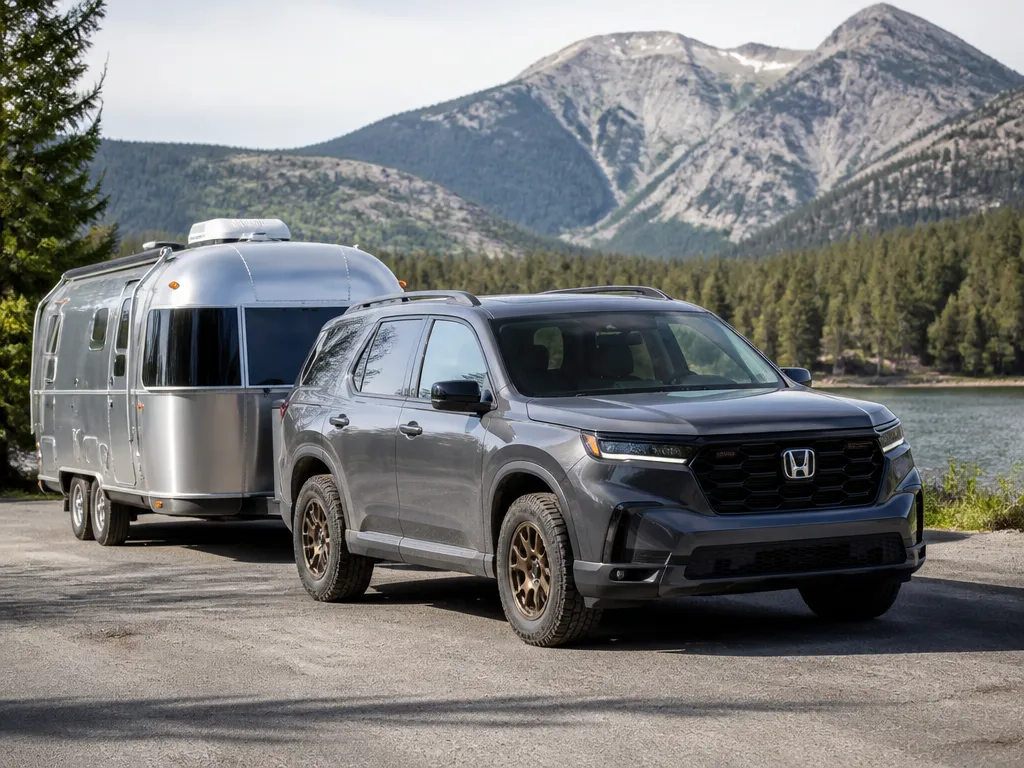
Max trailer weight ratings are limited by more than the truck SUV’s tow rating. Real-world tow capability often drops because payload, GVWR, hitch weight, and GCWR cap the total of people, cargo, and the trailer’s weight. That means two SUVs with the same “rated tow” can tow very differently once you load them like a normal family trip.
Use The Door-jamb Payload Sticker Like A Calculator
The door-jamb sticker lists the vehicle’s payload limit, which is the maximum combined weight of occupants, luggage, options, and tongue weight. Find the exact “XXXX lbs” payload number on the sticker, then subtract your estimated passenger and cargo weight to see how much headroom you have for hitch load. Hitch weight counts against payload, so a heavy hitch load can reduce what you can safely tow even when the tow rating looks high on paper.
For example, an SUV with a 1,500 lb payload sticker is driven with 4 adults totaling 760 lb, plus 250 lb of gear, leaving 490 lb payload remaining. If your trailer setup puts 520 lb on the hitch, you are already over payload by 30 lb, even if the trailer is under the SUV’s advertised max tow.
In practice, you either reduce trailer weight, shift cargo forward or rearward to lower tongue weight (within safe limits), or choose a different tow vehicle.
Why Gcwr And Tongue Weight Matter More Than One Number
GCWR is the maximum allowed combined weight of the SUV and trailer, while tongue weight is the portion of the trailer pushing down on the hitch. A common mistake is to target only the trailer’s max weight rating and ignore GVWR and GCWR math. If the trailer is heavy and your SUV is already near GVWR because of passengers, cargo, and roof racks, you can exceed GCWR at a towing weight that still “looks okay” on the hitch label.
| Limiting factor | What it limits | What happens when you exceed it |
|---|---|---|
| Payload | People + cargo + hitch tongue | GVWR risk and unsafe suspension/handling margins |
| GVWR | Overall SUV weight | Braking and driveline strain increase, wear accelerates |
| GCWR | SUV weight plus trailer weight | Transmission cooling and powertrain loading exceed design intent |
Trade-off to expect: if you add roof racks, bigger wheels, aftermarket accessories, or a full family load, payload shrinks fast. Always re-do the payload and GCWR math for your real trip, not the empty or “base configuration” curb numbers in brochures.
Trailer Type Matchups By Weight
Small boat and jet ski trailers typically start around 1,500 to 4,500 lb and are often single-axle, so a lighter tow rating plus good cooling matters more than raw payload. Travel trailers usually land in the 4,000 to 8,000 lb range dry, but the loaded weight can jump 20 to 40 percent with water, propane, batteries, and gear. Utility and horse or cargo trailers often drag the payload problem to the front, since the trailer can be heavy and the SUV’s sticker curb weight plus occupants quickly eats available payload.
| Trailer type | Common weight reality | What you should match first | SUVs most often chosen under $40k (by typical config) |
|---|---|---|---|
| Small boat / jet skis (single-axle) | Approx. 1,500 to 4,500 lb | Tow rating plus stability (sway control) and tow wiring readiness | Jeep Grand Cherokee (V8 tow packages), Ford Explorer (V6 with tow package), Toyota 4Runner (V6 TRD-tuned trims where equipped), Nissan Pathfinder (3.5L with tow package) |
| Travel trailer (mid-size) | Approx. 4,000 to 8,000 lb dry, often higher loaded | GCWR headroom for loaded weight, auxiliary transmission cooling availability | Chevrolet Traverse (V6 with tow features), Ford Explorer, Kia Telluride (tow package where equipped), Hyundai Palisade (tow setup where equipped), Toyota Highlander (only in trims that meet your exact tow rating) |
| Utility / horse / cargo (payload-heavy) | Often 3,500 to 7,500 lb plus heavy cargo | Payload and rear axle capacity, plus receiver and brake wiring | Toyota 4Runner, Jeep Grand Cherokee (higher-rated trims), Ford Explorer, Chevrolet Traverse, Nissan Pathfinder (if configuration matches your trailer math) |
Small Boat / Jet Ski Trailers (Single-axle)
These trailers are sensitive to sway and braking more than they are to absolute maximum towing, because the trailer can hit side loads from wind and ramp angles. Match an SUV configuration that includes the hitch receiver, trailer wiring harness, and sway control or equivalent stability strategy, then plan for a brake controller if your trailer needs it. For jet skis especially, watch tongue weight and keep the front of the trailer level to avoid overloading rear suspension travel.
Travel Trailer Matchups (Dry Vs Loaded Weight)
Travel trailers look manageable on paper at dry weight, then jump once you add water, batteries, propane, cookware, bicycles, and the “small stuff” that makes up a surprising chunk of mass. The practical match is to choose an SUV configuration where the published tow rating gives you headroom after you calculate your loaded trailer weight and account for passengers and gear. If you want one SUV to do weekend trips and longer hauls, prioritize models that offer auxiliary transmission cooling and have strong tow package content.
Rule of thumb for planning: treat “dry” as a marketing number and start your math with “loaded,” then verify you are still under both the trailer weight limit and the SUV’s real payload limit.
Utility, Horse, And Cargo Trailers (Payload-heavy Scenarios)
Utility and horse/cargo trailers often max out payload before they max out tow rating, because the trailer carries real mass and you also carry people, fuel, tools, and tack. Match the SUV with the highest practical payload for your exact seating plan, wheel size, and roof gear, then verify rear axle capacity is not a limiting factor in the configuration you’re buying. For horse use, also plan for additional tongue weight from loaded shifting, since a few hundred pounds of tongue can turn a “legal on paper” setup into an overloaded reality.
Towing-readiness Checklist Before Buying
Confirm tow legality and real-world capability by matching the exact vehicle build to its published towing and payload limits. The sticker and spec sheet for one model year and trim can change by engine, axle ratio, wheel size, and even roof rack fitment, so start with the VIN or the build sheet.
Vin/build Sheet: Towing Rating, Axles, And Cooling/tow Hardware
Use the VIN to verify the truck does not just “have a tow package,” it has the correct hardware for that configuration. Focus on these lines in the build or spec listing: max trailer weight (and whether it is GCWR-based), payload, GVWR/GCWR, and rear-axle ratio.
Track cooling and tow support because it controls stability under load. Look for an engine oil cooler, upgraded radiator or fan logic, and an auxiliary transmission cooler (especially on automatics). If a listing omits tow hardware details, it is a red flag for “low tow rating” setups.
| What to check | What you want to see | Why it affects towing |
|---|---|---|
| Max trailer weight | Rating for your exact VIN/trim/engine | Dictates legal and safe maximum load |
| Payload limit | Enough for hitch weight plus passengers/cargo | Prevents overloading the vehicle |
| Cooling package | Aux cooler and tow-capable radiator/fans when listed | Controls heat soak during grade work |
| GVWR/GCWR | GCWR supports your target combo weight | Limits combined vehicle and trailer weight |
Brakes, Wiring, Hitch Sizing, And Sway Control Readiness
Brake readiness is a common “gotcha.” Confirm whether the SUV is pre-wired for trailer brake controllers and where the connector or harness lands, then confirm the receiver hitch class and whether sway control is built in or requires an additional module.
Receiver sizing matters because you want the hitch to match the trailer tongue weight and stability needs. Check trailer setup requirements (ball size or coupler type, safety chain hardware, and whether you need a weight-distribution system). Also check tire pressure placards and note that tire pressure monitoring can affect how often you see alerts if you run load-range tires and change pressures for towing.
Trade-off to watch: A dealer can install an aftermarket hitch, but aftermarket wiring and hitch-only changes do not automatically raise tow rating. Tow rating comes from the vehicle’s certified hardware and limits, which must match your VIN build.
Before you sign, inspect the sale for “missing tow items.” Roof rack crossbars, bed caps, or aftermarket roof cargo can change frontal airflow and add uncertainty, so confirm there is no accessory fitment that contradicts the tow/cooling package assumptions used for your VIN rating.
Why These Suvs Rank Highest
These SUVs rank highest because their highest practical towing numbers land in reach under $40,000 only when you pick the right engine, drive layout, and tow package. The best candidates also keep enough margin in payload and gross combination weight rating (GCWR) to stay comfortable over long pulls. Real-world towing falls apart when the truck is “rated to tow” but your specific configuration leaves no headroom.
Configuration Availability Inside The $40k Ceiling
Most people lose towing capacity by accident when they shop trims that look similar on the lot but use different hardware. The top picks are the ones where the dealer or used market commonly offers the tow-ready setup, which usually means a factory tow package (receiver, harness, wiring integration) and the larger radiator or transmission cooling. The big gotcha is wheel and tire packages that change curb weight and, in some cases, reduce the available payload you can safely use.
For practical shopping, focus on setups you can actually buy. The highest-value models typically have multiple trims that share the same drivetrain while only changing convenience features, so you can still find a tow-capable version without paying for top trim pricing.
Margin Matters More Than The Headline Tow Rating
Headline max tow ratings can be misleading because they assume a specific driver weight, cargo load, hitch setup, and trailer condition. A smart ranking favors SUVs that leave usable payload margin after you add passengers, gear, and tongue weight. When payload runs tight, you may hit unsafe load limits long before you reach the trailer’s brochure weight.
Mechanic tip: treat payload as your “hard stop” for daily towing. If payload is thin, the SUV can still tow on paper, but it may run out of safe capacity in real life.
| Towing item | Why it affects real towing |
|---|---|
| Payload (on the sticker) | Limits passenger and cargo plus tongue weight from the trailer. |
| GCWR (SUV + trailer) | Limits total combined weight, especially on steep grades. |
| Trailer tongue weight | Shifts weight onto the hitch, directly consuming payload. |
Cost To Get Towing-ready Under $40,000
Ranking also accounts for how expensive it is to turn a “nearly right” SUV into a true tow vehicle. The tow-ready parts you might still need include a receiver hitch, wiring harness, and a brake controller. On some SUVs, adding the correct harness and brake control integration is a straightforward bolt-on job, while on others it can mean extra time for coding or deeper harness work.
Typical add-on costs vary by model year and whether the SUV already has the tow package prep, so treat these as rough planning numbers: receiver hitch and ball mount hardware often costs a few hundred dollars, wiring harness and brake controller can add several hundred more, and installation time can push labor higher if the harness route is complex. If the right tow package is missing, the “under $40k” deal can quietly turn into an over-budget build.
Quick Summary
The key takeaway is to compare each SUV’s verified configuration with the trailer’s loaded weight and tongue weight before buying.
| Quick check | What to verify from the article |
|---|---|
| Tow capacity validity | Engine, transmission, wheel size, and tow package tied to the published rating |
| Load side limits | Payload from the door sticker and tongue or hitch weight impact |
| Braking setup | Brake controller compatibility and trailer brake type planning |
| Hardware | Factory or easy-to-add receiver hitch and trailer wiring harness |
Frequently Asked Questions
What Are The Best Suvs For Towing Under 40,000 Dollars In 2026?
Under 40k, the best bets are mid-size SUVs with a factory tow package that deliver about 5,000 lbs of towing capability. Look for models with a 2.0L turbo or V6 and an available towing package for better stability and brake control. Availability depends on trim, but many shoppers find solid 5,000 lb capacity within the sub-40k range.
How Much Towing Capacity Can I Realistically Expect From Suvs Under 40k?
Most budget SUVs list towing capacity in the range of 3,500 to 5,000 lbs. If you regularly tow near 5,000 lbs or more, consider a larger model or add a weight distribution hitch and trailer brakes to stay within safe limits.
What Safety And Towing Tech Should I Look For In A Budget Suv Under 40k?
Prioritize trailer sway control, electronic stability control, and a factory or dealer installed hitch with a braking controller when available. A strong payload rating and a tongue weight guideline of roughly 10-15 percent of your trailer weight help keep braking and control predictable.
How Should I Compare Towing Specs When Shopping For An Suv Under 40k?
Compare tow rating, payload, and GCWR on the window sticker and confirm the tongue weight falls within the 10-15 percent range of your trailer. Also check the available hitch class and whether the vehicle offers a factory tow package or aftermarket add-ons.
Is A Diesel Or Turbocharged Engine Worth It For Towing Under 40k?
Diesels under 40k are rare, so most budget tow SUVs use turbocharged gasoline engines that offer more torque than naturally aspirated ones. Expect turbo 4 engines to deliver roughly 200-260 lb-ft of torque in many models, which helps with towing smaller trailers.