


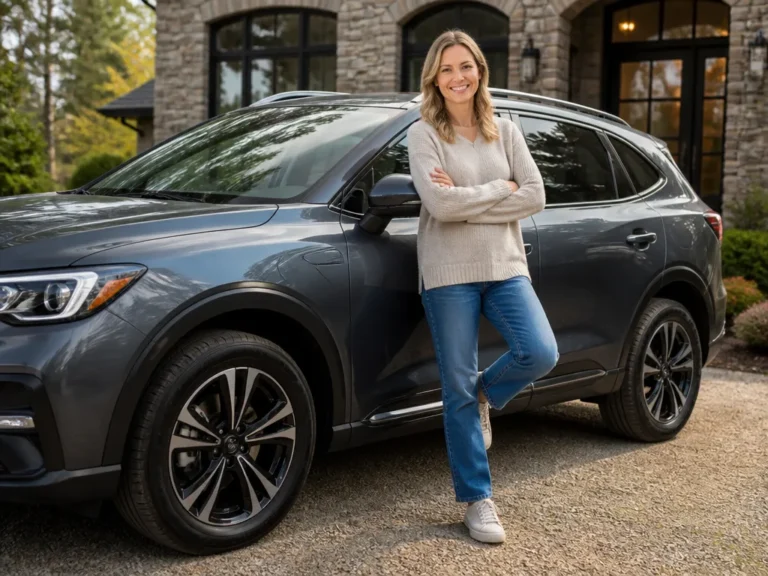
You searched “best suvs for women drivers” because you want an SUV that feels easy to get into, easy to park, and confidence-building in mirrors and blind spots. The annoying part is every SUV feels fine on paper, then you sit down and your steering reach or seat height feels wrong. This shortlist focuses on real-world fit, visibility, and everyday driver assist tech so you can shop smarter.
Best suvs for women drivers come down to seat comfort and visibility, plus tech that reduces parking stress. Look for good outward sight lines, power or easy-to-adjust seats, blind-spot monitoring with rear cross-traffic alert, and a reversing camera or 360-degree view. This guide groups top models by budget and use so you can narrow choices fast.
Best Suvs For Women Drivers (Shortlist)
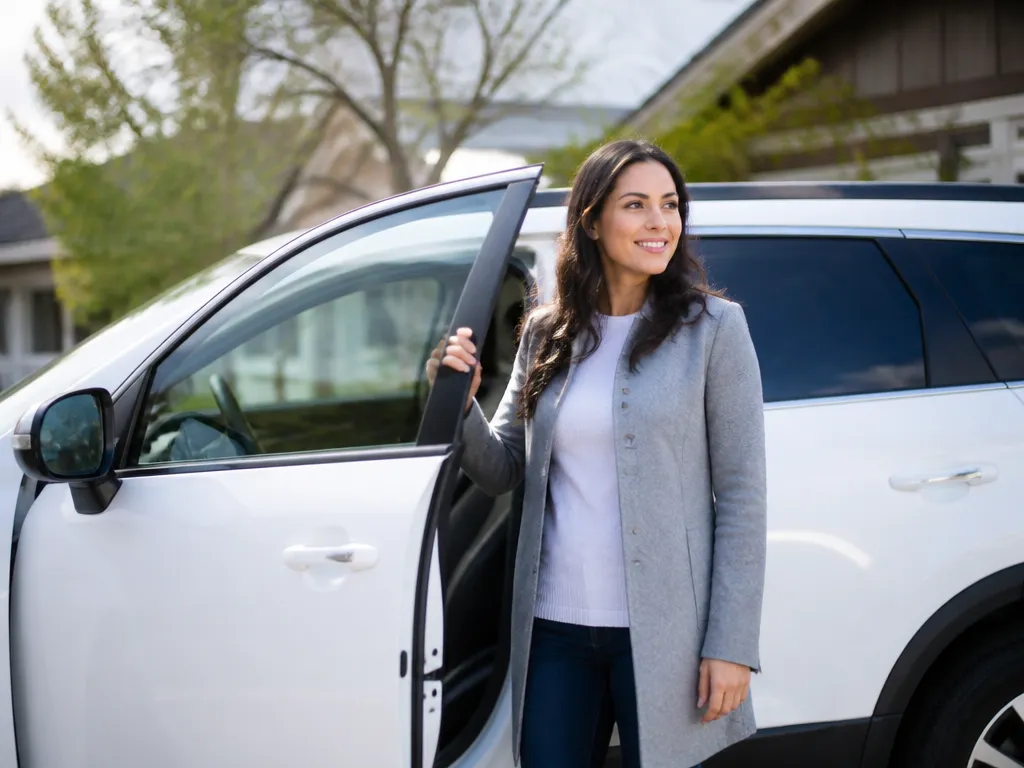
For most women drivers, the “right” SUV comes down to how easily you can get in, see over traffic, and reach controls without fighting the cabin. The short list below favors strong outward visibility, supportive seat ergonomics, and modern driver-assist suites that help with routine highway and parking stress.
Top Picks By Priority
These models are chosen because they tend to be easy to live with day-to-day: upright seating for sightlines, wide mirrors and good A-pillar placement, and controls that are reachable without contorting your shoulders.
| Model (common trims) | Why it fits many drivers | Watch for in listings |
|---|---|---|
| Honda CR-V | High seating position, easy maneuvering in town, generally straightforward controls | Confirm the exact ADAS package and whether lane-centering is included |
| Toyota RAV4 | Good outward visibility and strong feature availability for parking aids | Verify blind-spot monitoring and front/rear or surround-view cameras |
| Subaru Forester | Upright driving position and practical cabin layout for easy entry and exit | Check availability of adaptive cruise and upgraded driver-assist features |
| Mazda CX-5 | Comfy seating posture and tidy ergonomics for daily commutes | Confirm forward-collision and lane-departure coverage by trim |
| Hyundai Tucson | Comfortable reach for wheel and shifter controls, often loaded with convenience tech | Confirm camera suite and blind-spot monitoring as options differ |
| Kia Sportage | Easy city driving feel and feature availability that helps with parking | Verify assist tech bundle and whether the car has the best camera package |
Test-drive rule that saves money: adjust the seat all the way to your preferred position, then check that your wrist angle stays relaxed on the steering wheel and your knee clears the dash without stretching. If you reach forward or the steering feels “too far,” that SUV can feel wrong every day, even if the listing looks perfect.
Who should buy what is pretty clear. If you want maximum day-to-day sightlines and easy parking confidence, prioritize CR-V, RAV4, and Tucson. If you want a higher seating feel with a practical family layout, Forester and CX-5 usually hit the mark.
What Varies By Year/trim (And How To Verify)
Driver-assist and parking tech vary a lot by trim, even within the same model year. In used listings, the biggest misses come from assuming features are standard when they are actually package-based.
For example, two RAV4 listings can feel totally different if one has blind-spot monitoring plus a surround-view camera and the other only has basic rear visibility. Before you fall in love with the exterior color, verify the tech and seat adjustability, then do a 10-minute parking session in a real lot if possible.
How To Choose The Right Suv Fit
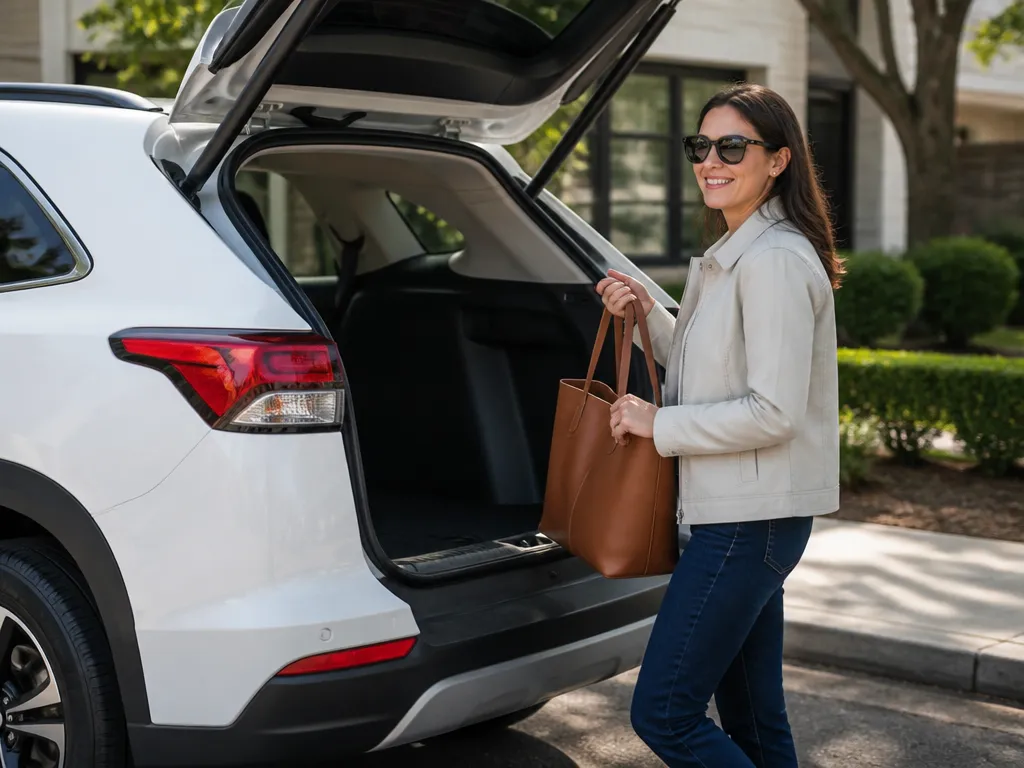
Seat and sight lines decide whether an SUV feels easy or stressful every day. A quick test-drive checklist can tell you in 10 minutes whether the ergonomics, controls, and visibility work for your body and driving style. Treat adjustments as a “range test,” not a “first impression.”
Ergonomics Check: Fit Before Features
Adjust the driver’s seat and wheel, then stop moving for a moment. Your hips and knees should feel supported, your elbows should rest comfortably, and your hands should land on the wheel without reaching. If you feel stretched in the shoulders or your knees hit the dash or wheel, you will feel it on longer drives.
For example, if you drive with your foot angled for comfort, test it in both parking-lot speeds and steady driving. A small change in pedal angle or dead space can feel annoying after 20 minutes.
| Test | What to feel | What it usually means |
|---|---|---|
| Brake reach | Heel stays down, easy toe movement | Good pedal placement |
| Wheel grip | Shoulders relaxed, hands comfortable | Correct steering reach |
| Seat height | Clear horizon view without craning | Right hip and eye line |
Visibility Check: What You Can Actually See
Visibility is where most “easy to drive” SUVs earn their reputation. Sit at your normal driving position, check the hood line, and then sweep your eyes to the A-pillar corners. If you feel like you are searching for the front corners, the SUV will slow you down in tight parking.
Insider tip: turn your head during the drive, then compare what you see to what the mirrors show. If the blind spot feels “bigger than normal,” prioritize blind-spot monitoring and camera views.
Stress Reducers: Backup Tech You Can Trust
Rear cameras, sensors, and optional 360° views can reduce anxiety, but only if the imagery is clear and the alerts make sense. On a test drive, try reversing while watching the screen and listening for sensor beeps, then simulate turning into a parking spot.
Controls matter too, because stress comes from reaching and searching. With your seatbelt on, test the infotainment controls by touch, then see how often your right hand needs to move away from the wheel. Prioritize SUVs where the screen is reachable without leaning forward.
| Control test | How to test it | Good sign |
|---|---|---|
| Infotainment layout | Set climate and volume with your arm in a relaxed position | Quick changes without looking away for long |
| Physical button reach | Use common shortcuts while belted | Buttons are reachable with minimal stretch |
| Shifter and drive mode | Move through drive modes without repositioning your seat | Gestures feel intuitive and consistent |
Top Suv Picks For Easy Parking
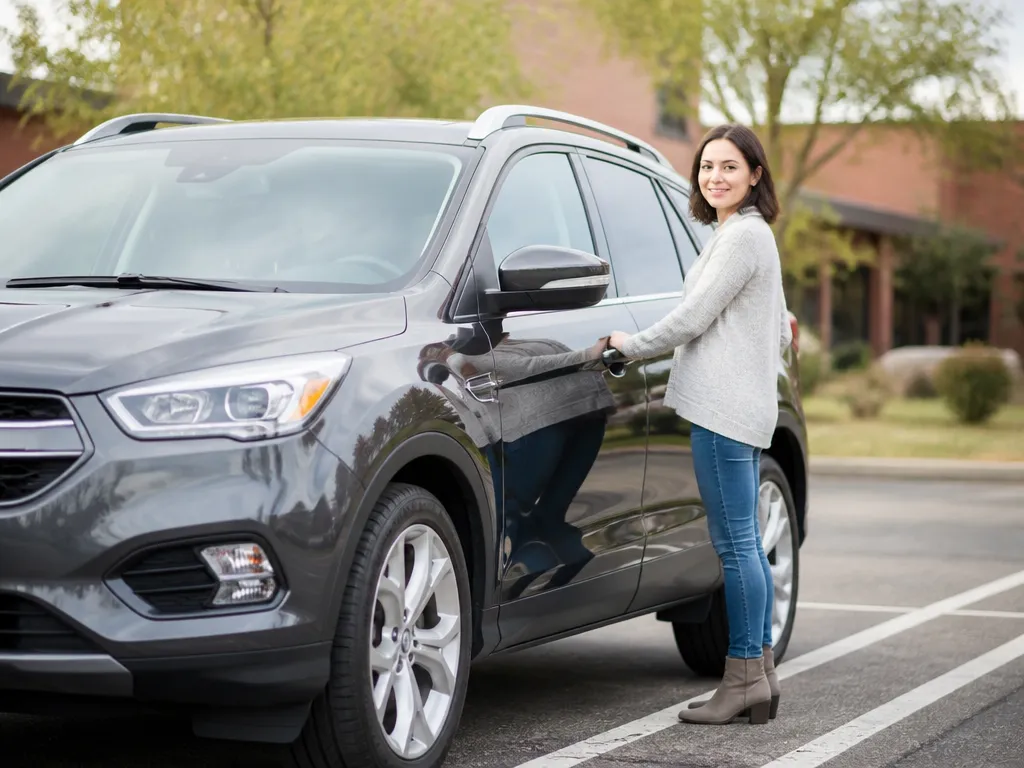
360-degree cameras and parking sensors make low-speed space-finding feel calm, and they work especially well for tight driveways and crowded lots. Strong driver-assist parking aids reduce the mental load by guiding your steering while you control speed. Models below are known for clear camera views, sensor coverage that actually reaches the bumper corners, and sensible on-screen guidance.
What To Look For When Test-driving (So It Helps, Not Hurts)
Start with camera type. A 360-degree camera reduces guessing around bumper corners and curbs, while a rear-only camera can still work, it just asks more of you in tight angled spaces. On the test drive, park in a spot where one side is close, then watch whether the side image shows the curb clearly.
Next, verify sensor placement. Parking sensors that cover the front corners and rear corners reduce surprises when you are angled into a space. Drive the same parking maneuver twice and compare the alerts with what you see on-screen.
| Feature to verify | Best outcome for easy parking | What to watch for |
|---|---|---|
| Camera coverage | 360-degree view with clear resolution | Rear-only trim can hide front bumper clearance |
| Sensor coverage | Corner-to-corner warning range | Some trims add cameras but keep fewer sensors |
| Parking assist behavior | Auto-braking support during low-speed guidance | Confirm it has audible alerts plus braking intervention |
Auto-braking parking aids are the feature that can save you from a split-second overreach. For safety and control, test the feel by using a slow, shallow approach toward a barrier in a controlled lot, then see whether the system interrupts motion with strong, predictable cues.
Trim-level verification tip: Before you commit, read the window sticker or build sheet for “360 camera” and “parking sensor” terms. Many SUVs bundle cameras with specific sensor packages, so you can end up with a rear-only view even in the same model year.
Family-ready Comfort And Safety Picks
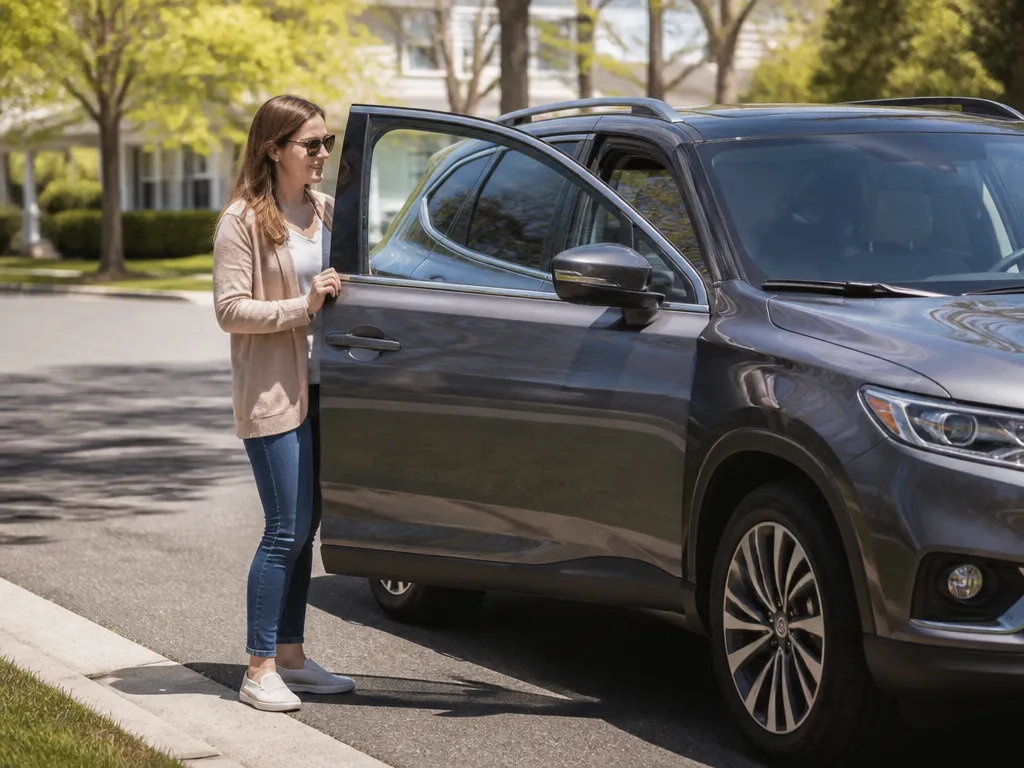
Honda CR-V, Toyota RAV4, Subaru Forester, Kia Sorento, and Hyundai Tucson are strong “daily family” choices because they give easy second-row access, practical cargo space, and a thick list of driver-assist and crash-mitigation features across many trims.
Shortlist That Fits Real Routines
For family use, the sweet spot is a high seating position for visibility, a steering wheel that tilts and telescopes far enough for different body sizes, and rear doors that open wide enough to load kids and boosters without fighting the seat. For car seats, the best SUV is the one whose rear bench is firm, has easy latch points, and gives you enough room between the back of the front seats and the child-seat footprint.
In practice, the trims that matter most are the ones with blind-spot monitoring, rear cross-traffic alerts, automatic emergency braking, and lane-keeping assistance. These are the features that reduce stress during school drop-offs and parking-lot chaos, even when you are a careful driver.
| Model (typical best trim focus) | Why it’s family-friendly | What to check on a test drive | Who should buy it |
|---|---|---|---|
| Honda CR-V (EX-L to Touring) | Comfortable front seats, easy rear entry, and a roomy-feeling cabin for everyday kid gear. | Steering wheel reach and height, rear door opening width, how far the rear seat reclines with a booster. | Drivers who want a smooth ride and simple ergonomics. |
| Toyota RAV4 (XLE Premium to Limited) | High visibility and upright seating that helps you judge traffic flow around you. | Mirror coverage for blind spots, visibility over the hood on tight turns, cargo load height. | Families that road-trip and want dependable daily usability. |
| Subaru Forester (Premium to Sport Touring) | Flat-ish cargo floor and practical space for strollers and bikes. | Second-row legroom with front seats set to your driving position, child-seat latch access, rear wiper/visibility if you use it in storms. | Drivers who want a tall, easy-to-park SUV with good utility. |
| Kia Sorento (SX to SX-P, depending on year) | Strong second-row comfort and available tech that helps during backing and lane changes. | Rear-seat access to boosters, seatbelt reach for kid-height buckling, how the infotainment controls feel while you’re seated. | Families that want more features per dollar. |
| Hyundai Tucson (SEL to Limited) | Comfortable ride and straightforward cabin layout for quick daily routines. | Steering wheel adjustment range, rear air vents and charging ports location, cargo opening width with bags. | Drivers who want mainstream comfort with modern safety tech. |
Rear Passenger Access And Child-seat Usability Checklist
Before you buy, do a “real load test.” Bring your child seat or at least a booster cushion, adjust the front driver and passenger seats to how you actually drive, then check whether the back seat allows a clean install and whether the front seatbacks interfere with the child-seat angle.
For second-row access, open both rear doors and watch how far the door swings and how much you have to twist to sit down. Then try buckling, because seatbelt routing is where many SUVs feel awkward once a child is in place.
Tip: When possible, compare two trims back-to-back with the same child seat installed. You can feel the difference in rear legroom and mirror sightlines even when the numbers on paper look close.
Comfort and safety go together because stress affects how often you rush or fumble. Pick the SUV where you can get kids in, buckle up, and reverse smoothly without changing your body position to do it.
Best Value Suvs Under Common Budgets
Value for money in an SUV comes down to predictable reliability, easy service access, and the safety tech you actually use every day. Exact pricing changes week to week and varies by region, so verify current offers with local dealers and online listings before you lock in a purchase.
For commuter-heavy driving and school runs, prioritize a comfortable seating position, good outward visibility, and driver-assist that helps in real situations (lane support and automatic emergency braking). For errands and parking-lot driving, give weight to rear visibility, camera quality, and how tight the turning feel is at low speeds.
Value Picks By Everyday Use
For most buyers under typical “won’t break the bank” budgets, these models are popular because they are common in dealer networks and widely supported by independent shops.
For light road trips, value shifts to stability at highway speeds, cabin comfort over time, and usability of driver-assist in traffic. A trim with adaptive cruise control and a good navigation-based traffic view can cut the fatigue of stop-and-go driving.
Mechanic’s tip: If two SUVs are close in price, pick the one that matches your parking reality. A clearer rear camera, wider blind-spot coverage, and sensors you can actually hear make a bigger difference than a fancy infotainment screen.
| Use case | Trim value focus | What to test on the lot |
|---|---|---|
| Commuter | Lane support + automatic emergency braking, adaptive cruise if you do traffic | Seat height and reach to steering wheel, how the lane assist reacts in your lane markings |
| Errands and parking | Rear camera quality, front and rear sensors, optional blind-spot monitoring | Back out of a tight spot, check if you can see curbs and the lane edge |
| Light road trips | Comfort seats, highway stability, adaptive cruise | Steering feel at 65 to 75 mph, cabin noise with HVAC on |
How To Shop Trims For The Safety And Parking Tech You Need
Trim names can be confusing because safety equipment is often bundled. Use the equipment list or window sticker to confirm you get the tech categories that matter for day-to-day driving, especially when you park in tight lots.
For shoppers who want the lowest headache ownership, stick to trims that are common on lots. Common configurations mean parts availability is better and service scheduling is usually smoother at both dealerships and independent shops.
Who should buy which: HR-V and CX-30 are strong choices if you want easy daily ergonomics in a smaller SUV footprint. Corolla Cross is a smart pick if efficiency and predictability matter most. Tucson and Seltos often win for buyers who want more features per dollar, as long as you confirm the safety and camera package you care about is included.
Best Compact Suvs For Smaller Frames
Compact SUVs with shorter hood-to-dash geometry and lots of seat and wheel adjustment tend to feel easier to manage for shorter drivers. The sweet spot is a low-effort entry (wide door, upright seating) plus a steering wheel and mirrors you can bring close without losing sight of the road.
Shorter-frame Friendly Picks
For smaller frames or first-time SUV shoppers, these models are usually easier to fit in and to see out of, mostly because of roomy seating adjustability and predictable outward visibility. Swap in your own comfort preferences during the drive, but start with these as your “make it simple” shortlist.
For drivers who want a bit more space but still care about maneuverability, these are strong second-tier options. Each one can work well if the seat base height and steering reach fit your body proportions.
| Model | Why it tends to fit smaller frames | Quick trade-off to check |
|---|---|---|
| Honda HR-V | Easy sightlines and manageable steering reach | Rear headroom and door sills vary by trim |
| Toyota Corolla Cross | Upright seating for easier getting in and out | Steering wheel position travel can feel tight on some builds |
| Subaru Crosstrek | Supportive seating and confident visibility | Parking feel can change with wheel size and tires |
| Mazda CX-30 | Good “sit-in” ergonomics, controls stay reachable | Lower entry on some trims can feel less forgiving |
Insider tip: Don’t shop the spec sheet. Adjust the seat, steering wheel, and mirrors first, then get in and out three times like you’re running late. If you feel “on edge” lifting your legs or you have to lean to see the mirrors, keep moving to the next model.
Test-drive Checks That Matter
Seat base height should put your knees at a comfortable angle without you hunching toward the wheel. Confirm the seat bottom height adjusts enough for your leg length, then check whether your left knee has clearance when you steer and when you step out.
Steering wheel telescoping is a big deal for reach and back comfort. Bring the wheel close enough that your shoulders stay relaxed, then verify the instrument cluster stays readable without craning your neck.
In practice, shorter drivers benefit from reversing aids because they reduce the “lean and hope” maneuver. Check the backup camera clarity, parking guidelines, and whether blind-spot monitoring prompts feel natural when you turn your head during backing and merging.
Test-drive Checklist For Confidence
Good visibility and comfortable control reach beat “pretty” specs every time. Use this checklist on your test drive to confirm seat height, steering access, mirror coverage, and how well driver-assist cues behave in real parking lots and streets.
| Checklist item | What you should feel/see | What to treat as a red flag |
|---|---|---|
| Seat and pedal reach | Comfortable knee bend, stable heel, straight-enough wrist reach | Full leg extension, shoulder strain, brake requires stretch |
| Mirrors and visibility | Lane edge and curb visible without leaning | Neck twisting every time you check blind corners |
| Camera and sensors in reverse | Clear image and guidelines that stay consistent | Glare kills the view, feed lags, sensors hesitate |
| Blind-spot/RCTA alerts | Fast, understandable, stops once the risk passes | Slow to warn, confusing beeps, alerts when you are already clear |
Mechanic tip: If you wear prescription glasses or use a hearing aid, test-drive with them in. Sight-line strain and missed alert tones are real-world dealbreakers, even when the SUV “scores well” on paper.
After your drive, compare your notes right away. The best fit is the one where you can reverse with calm confidence and make lane changes without re-checking your mirrors every second.
Safety Tech Checklist To Reduce Stress
Strong driver-assist tech reduces stress because it adds a second set of eyes and helps you avoid the most common crashes: lane departures, rear-end hits, and backing into traffic. When shopping, prioritize safety systems that are standard and verify they are included on the exact trim, since dealer packages often change what you get.
| System | What you should look for in the listing | How to confirm on the exact trim |
|---|---|---|
| AEB | “Automatic Emergency Braking” with pedestrian detection | Check the safety package name on the window sticker, then test forward collision alerts |
| BSM | “Blind-Spot Monitoring” (often with Lane Change Assist) | Look for mirror indicators and verify lane-change warning behavior during a safe lane change |
| RCTA | “Rear Cross-Traffic Alert” | Engage reverse and watch for on-screen and audible prompts at low speed |
| Parking help | Rear sensors and a rear camera; 360° if listed | Confirm sensor coverage and camera button/view options in infotainment settings |
| Hands-free liftgate | “Power liftgate” plus “hands-free” language | Verify keyless foot-sensor behavior and that it is enabled in settings if applicable |
Owner tip: If the listing says “Driver Assist Technology” but does not name AEB, BSM, or RCTA, treat it as incomplete. On the lot, pull up the safety settings menu and confirm the system toggles before you fall in love with the color and wheels.
For most women drivers, the biggest stress reducers are the features that prevent low-speed mistakes and reduce blind-spot uncertainty: BSM, RCTA, rear sensors, and camera views. SUVs from brands like Honda (CR-V), Toyota (RAV4), Subaru (Forester/Outback), Hyundai (Tucson/Santa Fe), and Kia (Sportage/Sorento) often offer these systems across many trims, but the exact coverage still changes by package.
Quick Summary
This guide narrows “best suvs for women drivers” to real-world fit, visibility, and driver-assist tech that reduces parking and lane-change stress. It emphasizes seat comfort and outward sight lines, including checking steering reach and seat height with your normal seatbelt on, because an SUV can look right on paper but feel wrong when you sit down. The shortlist prioritizes blind-spot monitoring with rear cross-traffic alert, and a reversing camera or 360-degree view for easier driveway turns and parking.
It groups top picks by what they tend to feel like in daily use, naming the Honda CR-V, Subaru Forester, and Toyota RAV4 for visibility and confidence, while Toyota RAV4, Kia Sportage, and Hyundai Tucson are highlighted for parking ease when equipped with full surround-view. Mazda CX-5, Hyundai Tucson, and Honda CR-V are also noted for comfort and reach, and Honda CR-V and Toyota RAV4 are mentioned for safety tech coverage. Most importantly, driver-assist and camera availability varies by trim, so verify ADAS and camera coverage by VIN or exact trim, then do a short parking test in a real lot.
| Priority the article emphasizes | Models it highlights | What to verify on the listing |
|---|---|---|
| Visibility and confidence | Honda CR-V, Subaru Forester, Toyota RAV4 | Blind-spot monitoring, rear cross-traffic alert, outward sight lines |
| Parking ease | Toyota RAV4, Kia Sportage, Hyundai Tucson | Reversing camera or 360-degree/surround-view coverage |
| Comfort and reach | Mazda CX-5, Hyundai Tucson, Honda CR-V | Power seat adjustability, enough steering telescoping, comfortable wheel reach |
| Safety tech coverage | Honda CR-V, Toyota RAV4, Subaru Forester | Lane support behavior and ADAS package by trim, confirmed by VIN or sticker |
Frequently Asked Questions
What Are The Best Suvs For Women Drivers If I Want An Easy-to-park Size?
Look for an SUV in the compact or subcompact class and prioritize a rearview camera plus parking sensors. If you can, test-drive and check how the mirrors and hood visibility feel at low speeds and tight parking spots.
Which Suv Is Best For Women Drivers Who Commute A Lot And Want Good Fuel Economy?
Focus on mild hybrid, hybrid, or efficient non-hybrid trims within your budget, then compare real-world numbers from recent reviews rather than only the window sticker. If your commute is mostly stop-and-go, hybrids often do better when the engine can recover energy during braking.
What Safety Features Matter Most For Women Drivers When Choosing The Best Suv?
Prioritize automatic emergency braking, forward collision warning, and blind-spot monitoring with rear cross-traffic alert. These help reduce the most common avoidable accidents when changing lanes or pulling out of parking spaces.
Are Automatic Suvs Better Than Manual For Women Drivers, And What Should I Choose?
For most drivers, an automatic transmission is the most relaxing choice, especially in traffic. If you do a lot of highway driving, you can still prioritize comfort and driver-assist tech rather than worrying about “driver gender” at all.
What’s The Best Suv For Women Drivers Who Get Motion Sickness Or Want A Calmer Ride?
Choose an SUV with a well-tuned suspension and consider trims that emphasize comfort over sport handling. During a test drive, pay attention to steering smoothness, cabin noise, and how the vehicle feels over bumps, since those are the things that usually trigger motion sickness.
What Common Mistake Do Women Make When Buying The Best Suv For Themselves?
The biggest mistake is buying based on looks or cargo photos without matching the SUV to your actual use, like parking space size, visibility, and daily driving route. Bring your spouse or a friend to help you judge blind spots, and do a short “real parking” test before you sign.