


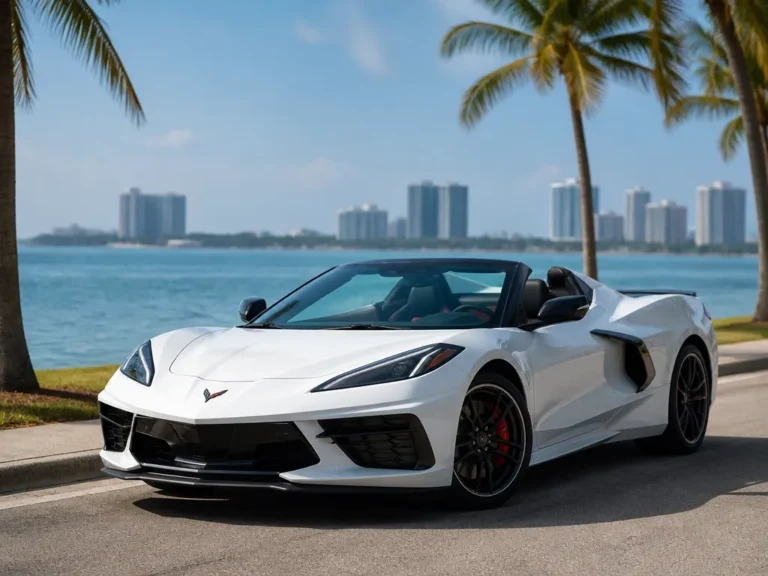
Buying a car for Florida sounds simple until you realize your worst enemy is 95 degree heat plus sticky humidity, then add salt air, hurricanes, and long I-4 and I-95 highway slogs. If you searched “best cars to drive in florida,” you want picks that stay comfortable with strong AC and don’t turn into a rust bucket after a few summers.
Key Florida criteria: ice-cold A/C performance, stable highway ride at 70 mph, real-world reliability, corrosion and paint durability, and flood/storm readiness when buying used. You’ll get a curated list by category, plus trim and drivetrain guidance, Florida-specific checks, and rough price brackets so “best” matches your budget.
Best cars to drive in Florida are the ones that handle heat and humidity well, stay stable on I-4 and I-95 cruising, and resist corrosion. Prioritize strong A/C cooling, smooth highway manners, and proven reliability. For used shopping, verify service records and any flood history, then inspect for rust and water damage.
1. Best Cars To Drive In Florida
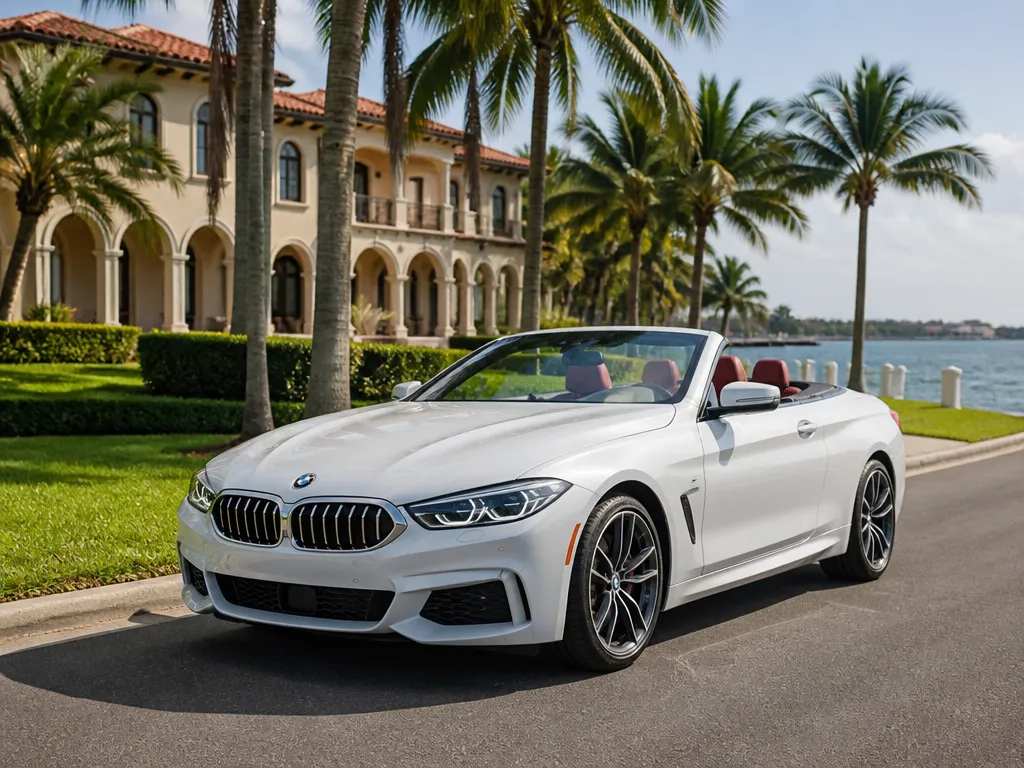
Florida drivers rack up a lot of highway miles, deal with sudden downpours, and park in relentless sun, so a strong all-around sedan or compact crossover makes sense for most trips. A front-wheel-drive car with a modern automatic, good cooling, and easy-to-source tires tends to stay comfortable during commutes and road trips across the state.
For example, the Toyota Camry and Honda Accord (both mid-size sedans) are practical picks because their cabin space works for families, and their engines and transmissions are widely supported for maintenance.
In practice, look for trims that include adaptive cruise control, blind-spot monitoring, and automatic emergency braking, since those help on multi-lane highways when traffic density changes fast. A compact SUV like the Toyota RAV4 or Honda CR-V adds ground clearance for rougher side streets and offers more cargo room without jumping to full-size pricing.
What To Prioritize For Florida Driving
In Florida, the biggest day-to-day differences come from heat soak, heavy rain, and variable traffic. Cooling systems and engine management matter, especially if you commute with stop-and-go traffic or tow a small trailer. Windshield visibility and wiper performance are also worth taking seriously since storms can drop visibility quickly. If you do any beach runs, pay attention to how the car handles corrosion protection and how easily replacement parts are available for your exact model and trim.
Reader takeaway: start with a proven mid-size sedan or compact crossover, then spend your budget on heat-friendly comfort and modern safety tech that helps in rain and changing highway traffic.
2. Toyota Rav4 Hybrid
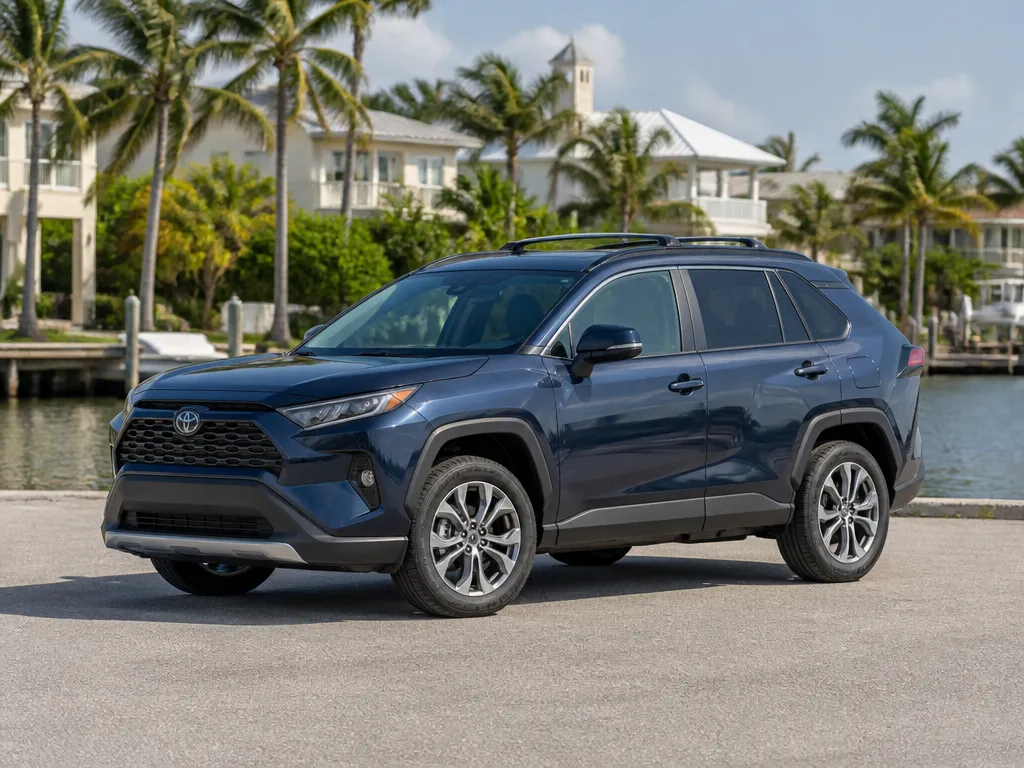
The RAV4 Hybrid makes the cut for Florida driving because it pairs real-world highway range with strong fuel economy, which helps when you are stacking trips around heat, traffic, and long I-4 and I-95 stretches. It also gives you an elevated ride height and all-weather confidence that works for commuting, grocery runs, and beach parking where sand and rough edges show up fast.
In practice, you can treat this as a compact SUV that drives more like a car, while still offering a practical cargo area for beach towels, coolers, and road-trip luggage.
For example, the RAV4 Hybrid’s available all-wheel drive on many trims helps when you run into Florida downpours, and the regenerative braking gives you easier, smoother speed control on long descents. A typical setup is 19-inch wheels on many trims, and ground clearance is enough for curb cuts and uneven lots without feeling like a full-size SUV. Here are practical items that matter for Florida ownership.
When It Makes The Most Sense In Florida
The RAV4 Hybrid fits best when your routine includes stop-and-go traffic (Miami and Orlando commutes can be brutal), plus occasional longer highway days to the coast. The hybrid system tends to feel most useful when you are repeatedly slowing down and accelerating, which is common around town and in construction zones. For beach trips, focus on cargo organization, roof rack compatibility, and tire condition more than chasing speed or power. If you often tow, carry heavy loads, or run long off-pavement routes, confirm the exact towing capacity and load limits for your specific model year and trim before committing.
Reader takeaway: choose the RAV4 Hybrid if you want a comfortable, everyday Florida SUV that reduces fuel stops, handles rain-friendly conditions well, and keeps cargo space practical for frequent short trips.
3. Honda Cr-v
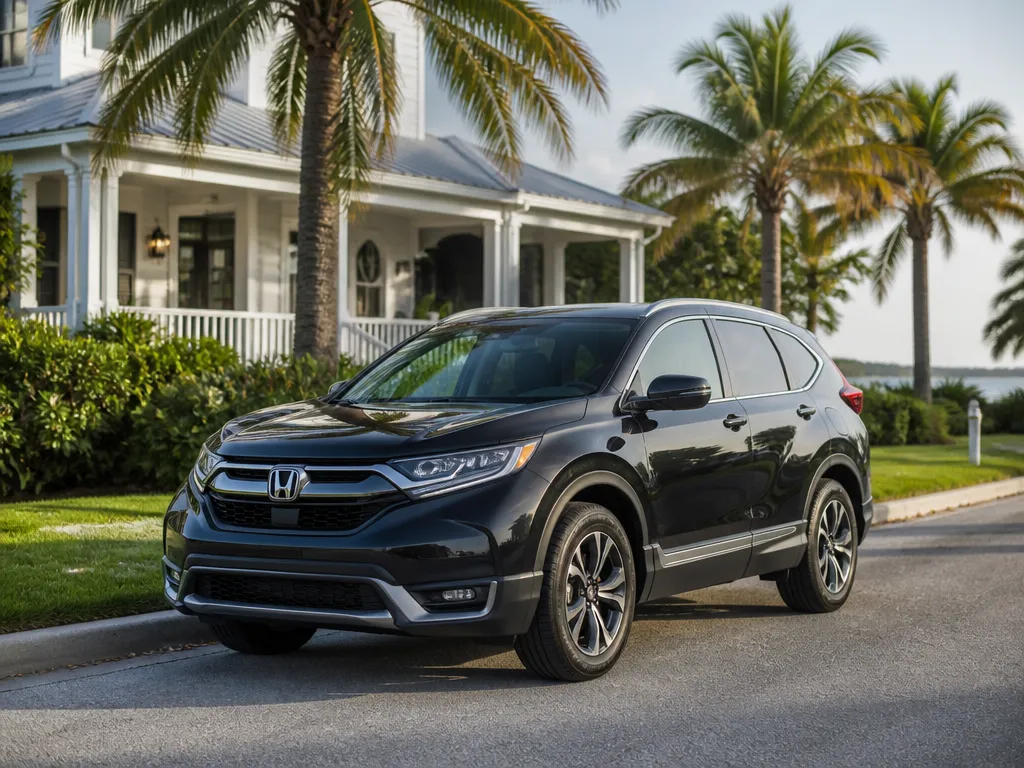
Honda CR-V makes the list for Florida because it pairs good road-trip comfort with strong everyday practicality, and it is widely supported by local parts and service networks. Its compact size helps with parking and traffic around Miami, Orlando, and Tampa, while still giving enough room for groceries, beach gear, and weekend luggage.
In practice, look for trims with all-wheel drive if you plan to spend time in rainy coastal downpours or back-road storms, since traction matters when roads are wet and visibility drops. The CR-V’s cabin is designed for frequent short trips and highway cruising, and the cargo area is typically sized to carry everything from cooler bags to a compact stroller.
For example, families often pair the CR-V with roof rails for surfboards or a small cargo box, while keeping daily items in the lower storage zones for quick access.
Where It Fits Best In Florida Driving
Florida driving mixes stop-and-go commuting, long highway stretches, and sudden weather changes, so the CR-V’s balance of visibility, ride comfort, and cargo flexibility works well for that mix. For daily drivers, the upright seating position helps with spotting lanes during heavy rain and night commutes, while the cabin layout makes it easier to keep wet items contained after beach runs or boating days. For longer trips, the CR-V’s naturally versatile storage helps when you do not want to pack everything into a trunk full of loose bags. If you frequently travel between cities, prioritize the most appropriate tire setup for your routes, and verify maintenance history because tire condition and brake health matter more in Florida’s heat than most people expect.
Reader takeaway: a Honda CR-V is a smart Florida pick when you want an easy-to-live-with compact SUV, especially in AWD form if your schedule includes lots of wet-weather miles.
4. Subaru Outback
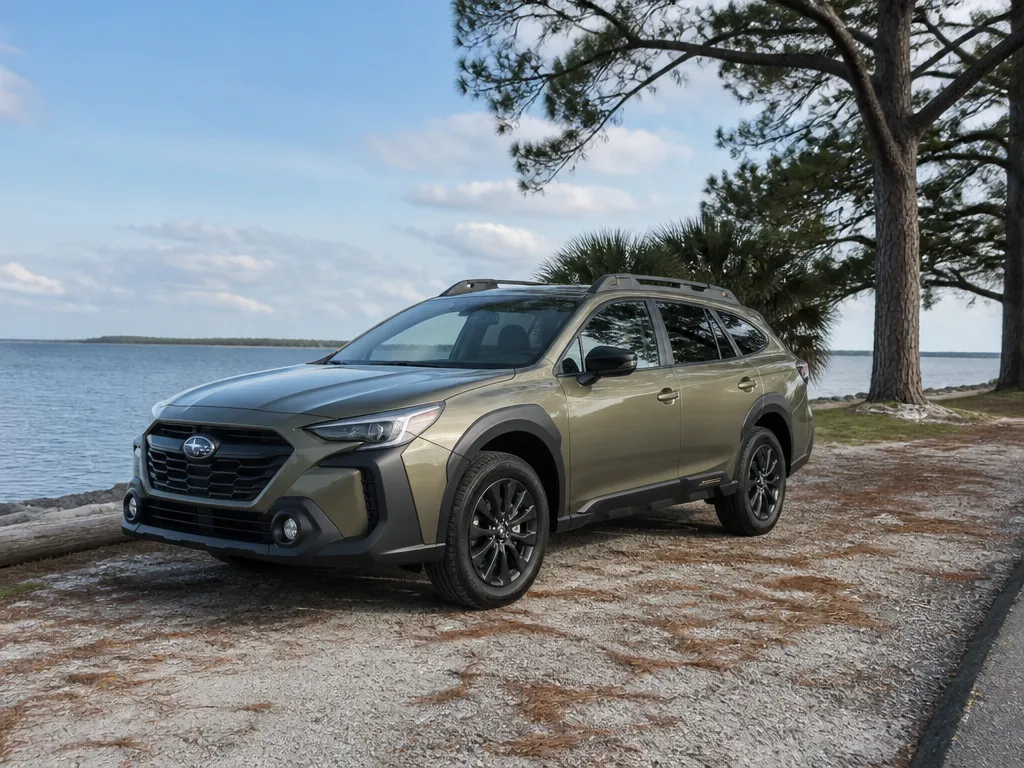
Subaru’s Outback is a Florida favorite because it mixes all-weather capability with a practical wagon shape for errands, beach runs, and road trips. Standard symmetrical all-wheel drive helps keep traction predictable when you run into sudden rain on I-95 or a surprise downpour near the Gulf or Atlantic. Its higher ride height also makes it easier to load gear off curbs and to handle rougher access roads to trailheads.
For example, the Outback’s raised chassis and roofline are handy when you pack surfboards, fishing rods, or camping bins, and you can add a roof rack and cargo box without feeling like you are driving a truck.
In practice, many Florida buyers also like that the driving position and visibility make it less tiring for long stretches, whether you are commuting around Orlando or doing weekend loops from Tampa to St. Pete.
What Matters Most For Florida Ownership?
Florida heat and humidity are real on every Subaru, so pay attention to cooling system health and rubber aging during routine service. Brake components also see a lot of heavy stop-and-go traffic around major metros, so plan on closer inspection of pad thickness and rotor condition if you commute daily. If you are buying used, check service records for regular maintenance and make sure the car’s AWD system behavior is smooth during low-speed turns, since any binding or drivetrain noise usually becomes expensive later. For long trips, confirm tire age and match tire tread left to right, since uneven tires can feel worse in the rain.
Reader takeaway: choose the Outback when you want dependable wet-weather traction and a cargo-friendly layout, then budget for regular cooling and brake checks to keep it comfortable through Florida’s climate.
5. Hyundai Santa Fe (Or Tucson)
Hyundai Santa Fe and Tucson make the list because they’re midsize and compact crossovers that feel stable on Florida highways while still being practical in tight parking lots around beaches and downtown areas. A typical Florida day means long stretches of heat, humidity, and stop-and-go traffic, and these models are designed for everyday commuting with comfortable seating and straightforward controls. If you want one vehicle that can handle daily errands and weekend road trips, this pair usually fits the bill.
In practice, choose the Santa Fe for more interior room and easier third-row flexibility if you go for that configuration, while the Tucson is a better fit when you want smaller dimensions and simpler maneuvering. Look for trims with available driver-assist safety tech like forward collision warning and lane-keeping features, since they help during dense traffic near major metro areas. For Florida ownership, pay attention to the cooling system health and the condition of the A/C, since cabin comfort matters year-round. If you’re shopping used, check tire size and tread depth, then confirm the service history includes regular oil changes.
Which One Fits Your Florida Routine
In practice, the Santa Fe makes more sense when you often carry passengers, luggage, or gear for beach weekends, since the extra cabin space reduces the “everything in the front seat” problem. Tucson is a better match for shorter commutes, apartment parking, and getting in and out of crowded lots without white-knuckling the steering. Either way, focus on the trim’s driver-assistance features and make sure the car’s windshield wipers, tires, and lighting work cleanly, since Florida storms can change visibility fast. When you’re buying used, verify the last transmission service if the mileage is high and review any recall or warranty coverage tied to the specific VIN.
Reader takeaway: Choose Santa Fe for roomier road trips or Tucson for easier day-to-day parking, then make A/C and safety tech priorities during your test drive in real traffic.
6. Honda Civic (Or Toyota Corolla)
A Civic or Corolla is an easy pick for Florida because both models are mainstream, easy to maintain, and typically come with good highway manners for trips from Miami up to Orlando or Jacksonville. Their compact size also helps when you are dealing with tight parking at beaches, crowded downtown garages, and long commutes in heavy traffic. Either one is a practical way to keep fuel and routine upkeep costs predictable.
For example, look for trim levels that include forward-collision warning and lane-keeping assist, since those driver-assist systems can help reduce fatigue on I-4 and I-95 stretches. In wet Florida weather, tires matter more than people think, so prioritize a fresh set of all-season tires with good tread depth before you count on traction. Most buyers will find dependable options in the Civic and Corolla lineup with either a gasoline engine and CVT or standard automatic, and you can usually find parts and service support through any major shop.
What To Match For Florida Driving
Florida is a mix of stop-and-go heat, sudden downpours, and long highway runs, so a compact sedan that is stable, efficient, and easy to live with tends to pay off. If you commute daily, prioritize smooth drivability and easy cabin comfort over niche options, since those are the things you notice every week. For road trips, pay attention to highway noise and how the car feels at 60 to 75 mph, especially after you add passengers. When shopping used, confirm service history and inspect tires, brakes, and the undercarriage for corrosion signs, then decide based on overall condition rather than model badges.
Reader takeaway: choose a Civic or Corolla with the safety tech you want, fresh tires, and a clean maintenance record, and you will have a low-drama daily driver that fits Florida life well.
7. Tesla Model Y (Or Chevrolet Bolt)
Tesla Model Y is a strong Florida pick because it pairs real-world highway comfort with all-electric charging habits that fit long commutes and road trips, especially around major charging corridors. The Chevrolet Bolt is worth considering too if you want a smaller, typically lower-cost EV footprint for errands in heat and stop-and-go traffic.
For example, the Model Y’s higher ride height and wide availability of charging options make it practical for frequent trips between Orlando, Tampa, and Miami.
In practice, Florida ownership often comes down to how often you’ll charge away from home, so plan based on your typical daily miles and where you park. The Bolt can be a good fit for tighter parking and shorter daily routes, while still delivering an EV experience that avoids gasoline price swings.
- Charging planning matters most: confirm you can reach your usual home setup and identify nearby public chargers before committing.
- Battery and climate fit: both cars handle hot weather, but real charging speed will vary by conditions and charger power.
- Space and cargo: Model Y’s crossover layout is easier for families and beach gear than a sedan, while Bolt is more compact.
- Cost of ownership: EVs can reduce routine maintenance like oil changes, but insurance and tire wear can still swing your monthly total.
Tradeoffs For Florida Driving
Florida’s mix of humidity, sun load, and frequent highway cruising means tires and cooling systems are big-ticket wear items for any vehicle, including EVs. EVs also add a “charging reality check” to ownership: if your routine depends on public charging, reliability of stations and time spent at chargers can matter as much as the vehicle’s range. For long trips, confirm routes and charging redundancy, since one down charger can turn an easy plan into a stressful detour. Between Model Y and Bolt, the decision often comes down to how much space you need and whether you value the larger vehicle and more charging options versus a smaller, generally easier-to-place package.
Reader takeaway: choose the Model Y for more room and trip flexibility, or pick the Bolt if compact size and a lower upfront price better match your daily routine, then plan your charging before you buy.
Florida Pre-buy Inspection Checklist
Florida heat and coastal humidity can turn a “minor” problem into a roadside failure, so a pre-buy inspection focused on cooling, corrosion, and brakes matters more here than in many other states. If you‘re shopping for one of the best cars to drive in florida, you want proof the cooling system, sealing, and underbody hardware are healthy before you pay for transport.
Start with a cold start and verify the engine bay looks dry around hoses, the water pump area, and the thermostat housing. Inspect all rubber seals around doors, trunk, and sunroofs for cracking, and check for musty odor or water trails after the car has sat. For Florida driving, brakes should feel firm with no pulsing, steering should track straight, and tires should have even tread wear (no inner-edge feathering).
- Scan for OBD-II trouble codes and pending readiness monitors
- Confirm AC operation on both low and high fan speeds, then check for strong airflow at vents
- Look for undercarriage rust around control arms, brake lines, and muffler hangers
- Verify windshield wipers, washer spray pattern, and all lights before the test drive ends
What To Press The Seller On During Paperwork
Florida weather punishes neglect, so paperwork gaps can hint at bigger issues. Ask for service records showing coolant service intervals, brake fluid changes (if listed), and any work on radiator, hoses, belts, and battery. If the car has lived near the coast, ask specifically about underbody rinsing or rust-related repairs, since corrosion can accelerate on brake hardware and suspension components. During the test drive, request a return to the seller and re-check after a few hard stops, a short uphill pull, and a steady highway run so you can catch vibration, overheating, or warning lights while the system is fully warmed.
Bring a checklist, slow down the deal if anything smells of cooling, braking, or rust neglect, and insist on a proper inspection before you commit money to a Florida car.
Quick Summary
Florida shopping comes down to comfort in relentless heat and sticky humidity, plus durability around salt air, hurricanes, and long stretches of I-4 and I-95. The article says the “best” cars are the ones that keep strong A/C performance so you stay comfortable after heat soak, hold stable highway behavior around 70 mph, and avoid becoming corrosion or paint damage problems after a few summers. It also emphasizes that used-buying choices should account for flood and storm readiness, not just sticker appeal.
For most drivers, the article steers you toward a front-wheel-drive mid-size sedan or a compact crossover with a modern automatic, strong cooling, and easy-to-find tires. It calls out practical trim targets like adaptive cruise control, blind-spot monitoring, and automatic emergency braking for fast-changing multi-lane traffic, and it stresses Florida checks like testing A/C until vent temps hold steady, listening for blower noise, and watching for musty cabin smells. It also says to drive 20 minutes at speed to feel for wandering or vibration, inspect door bottoms, rocker panels, and wheel wells for rust, and screen used cars for flood exposure, ending with the key takeaway: prioritize proven reliability plus heat-friendly comfort and corrosion resistance.
| Florida priority | What the article says to look for |
|---|---|
| Heat and humidity | Ice-cold A/C that stays steady after a hot soak, good cabin filtration, and attention to blower noise and musty smells |
| Highway stability | A stable feel on speed, plus a real-world 20-minute drive test for wandering or vibration at highway speeds |
| Corrosion resistance | Inspect door bottoms, rocker panels, and wheel wells for bubbling or flaking |
| Storm and flood risk (used) | Check documentation for flood exposure, do carpet lift checks, and review wiring lookups |
| Safety tech for busy traffic | Trims with adaptive cruise control, lane centering, blind-spot monitoring, and automatic emergency braking |
Frequently Asked Questions
What Are The Best Cars To Drive In Florida If I Deal With Hurricanes And Heavy Rain?
Look for vehicles with good visibility and solid traction control, since Florida storms bring flooded streets and slick pavement. If you park outside, prioritize rust-resistant materials and keep up with windshield wiper maintenance, tire tread, and tire pressure checks.
What Car Is Best For Florida Heat And Humidity, And How Do I Prevent Overheating?
Choose a car that’s known for reliable cooling system performance and comes with a well-maintained cooling setup. In hot weather, the biggest preventive wins are fresh engine coolant, a healthy radiator fan, and clean radiator fins.
What’s The Best Car To Drive In Florida For Road Trips, Long Commutes, And Lots Of Stop-and-go Traffic?
For daily driving plus highway runs, you’ll usually be happiest with a car that has strong fuel economy and smooth transmission behavior in traffic. If your route includes frequent stop-and-go, prioritize low drivetrain stress options and keep up with regular transmission service intervals (per your owner’s manual).
Which Features Matter Most For Driving In Florida, Like Ac, Tires, And Safety Tech?
Florida driving rewards great A/C performance, good all-season tire tread, and stable braking. For safety, look for good headlights and driver-assist options that help on dark rainy stretches, but don’t rely on tech alone; stay on top of tire and brake condition.
What’s The Biggest Mistake People Make When Choosing The Best Cars To Drive In Florida?
The biggest mistake is buying based only on price or looks and ignoring tires and climate readiness. In Florida, mismatched tires for your specific region and poor tire maintenance can hurt traction far faster than most shoppers expect.
Should I Pick A Sedan, Suv, Or Hatchback As The Best Car To Drive In Florida?
If you want easier parking and usually lower costs, a sedan or hatchback can be a strong pick, especially in dense urban areas. If you want more interior space for road trips or rougher parking lots, an SUV is often the practical choice, but make sure it has tires with adequate tread for wet conditions.