

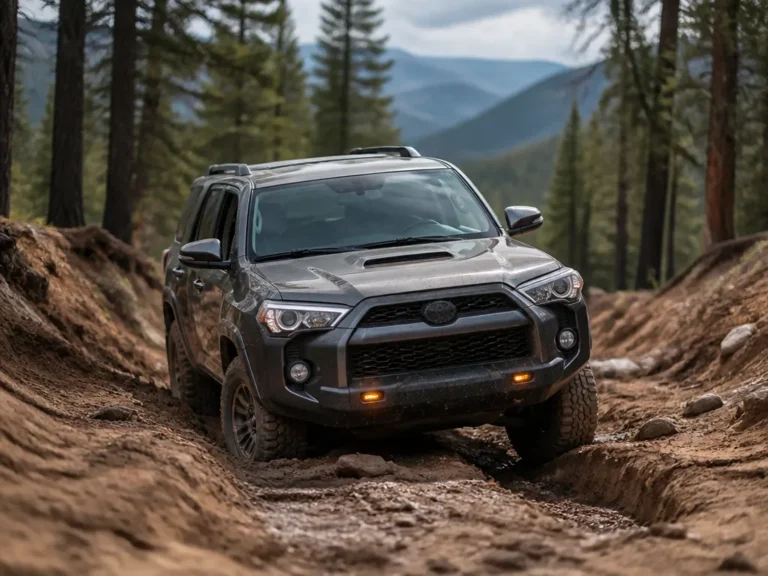
Stepping out of a low-slung sedan and into an SUV feels like moving from a cockpit to a command center. You might worry about the extra weight or the awkwardness of parking a much larger vehicle. Transitioning to a higher center of gravity changes how the car leans in corners and how much space you need to maneuver.
Driving an SUV is moderately difficult for beginners due to a higher center of gravity and increased blind spots. Most modern crossovers feel like sedans because electronic power steering and driver-assist tech compensate for the larger dimensions. You will likely need two to three hours of practice to master the wider turning radius.
How Hard Is An Suv To Drive Compared To A Sedan?
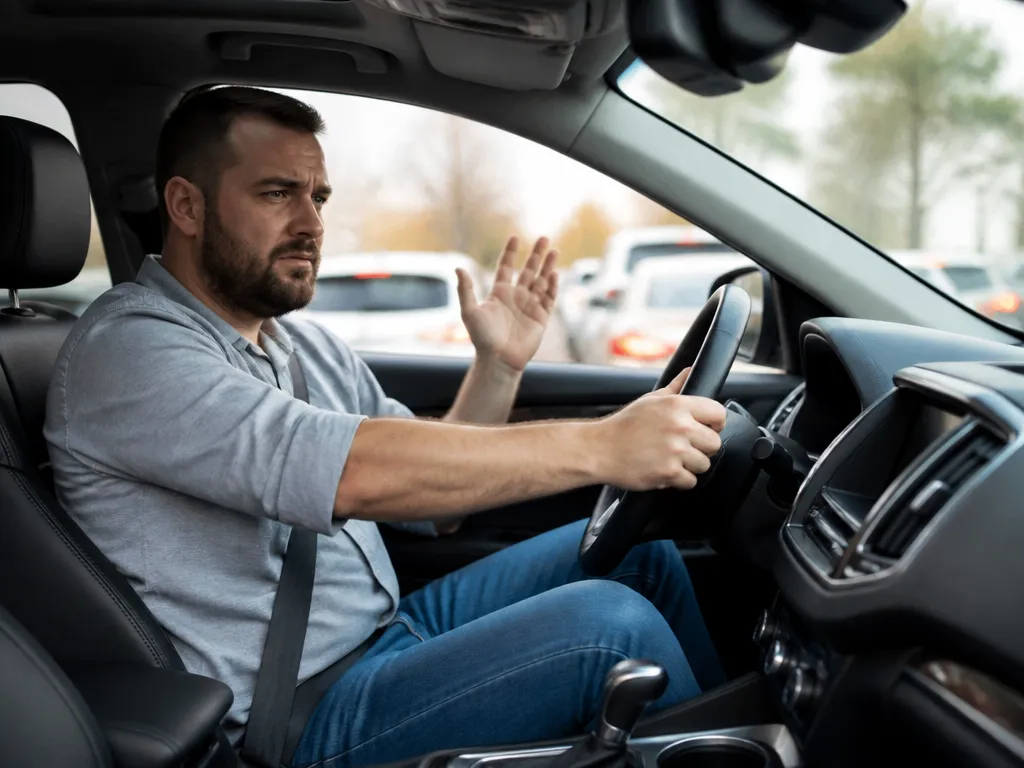
Modern SUVs have become remarkably similar to sedans in terms of drivability, with most drivers adapting within just a few days of regular use. The gap between sedan and SUV handling has narrowed dramatically thanks to advanced engineering and design innovations.
When transitioning from a sedan to an SUV, the most noticeable difference is the elevated driving position, which provides better visibility but requires adjustment to the different perspective. This higher vantage point actually makes highway driving and navigating traffic easier for many drivers once they become accustomed to the change.
Transitioning From Low-profile Vehicles
The primary adjustment period involves adapting to the SUV’s increased size and weight, though modern power steering systems make this transition smoother than in previous generations. Most drivers report feeling completely comfortable within a week of daily driving, as muscle memory develops for the vehicle’s dimensions.
Parking presents the most significant challenge for new SUV drivers, particularly in urban environments with limited space. Fortunately, modern SUVs come equipped with comprehensive parking assistance systems, including backup cameras, proximity sensors, and 360-degree views that significantly reduce the difficulty of maneuvering in tight areas.
Modern Chassis Design And Car-like Handling
Contemporary SUVs incorporate sophisticated chassis technologies that deliver car-like handling characteristics. Independent suspension systems, electronic stability control, and precisely calibrated steering mechanisms have transformed SUVs from top-heavy vehicles to responsive machines that many find enjoyable to drive.
Manufacturers like Honda, Toyota, and Mazda have specifically engineered their crossover SUVs to mimic sedan-like dynamics. These unibody construction models eliminate traditional truck-based chassis designs, resulting in reduced body roll and improved cornering stability that surprises first-time SUV drivers.
| Driving Characteristic | Sedan | Modern SUV |
|---|---|---|
| Visibility | Standard eye level | Elevated position |
| Handling Response | Nimble and quick | Improved with electronic aids |
| Parking Difficulty | Easier in tight spaces | More challenging but assisted |
| Driver Adjustment | N/A | Minimal (1-3 days) |
The biggest surprise for most new SUV drivers is how little the driving experience has changed from their previous sedan. Modern SUVs have closed the gap significantly in terms of handling and ease of operation.
Managing Higher Center Of Gravity And Body Roll
SUVs lean during turns because their mass sits higher off the ground compared to a sedan. This elevated center of gravity creates a longer lever arm, which forces the suspension to compress more on the outside wheels when you change direction.
You can mitigate this sensation by adjusting your inputs to account for the vehicle weight transfer. Smooth, deliberate movements replace the quick, sharp steering inputs used in smaller cars.
Adjusting Your Driving Habits
Expert Tip: If you feel the vehicle swaying, you are likely carrying too much entry speed. Lift off the throttle gently rather than stabbing the brakes, as sudden braking in a mid-corner lean can cause the rear end to lose grip or trigger the electronic stability control system.
Modern vehicles often include active anti-roll bars or torque vectoring systems to mask these physical traits. You should still drive as if these aids are absent to ensure you remain in complete control during emergency maneuvers or slick road conditions.
| Action | Sedan Approach | SUV Approach |
|---|---|---|
| Corner Entry | Quick turn-in | Slow, smooth rotation |
| Braking | Late and firm | Early and progressive |
| Weight Transfer | Minimal | Noticeable and deliberate |
Weight transfer is a physical reality of larger vehicles. Over time, your inner ear adjusts to the higher vantage point and the different roll rate, making the process feel natural rather than cumbersome.
Mastering Parking And Tight Maneuverability
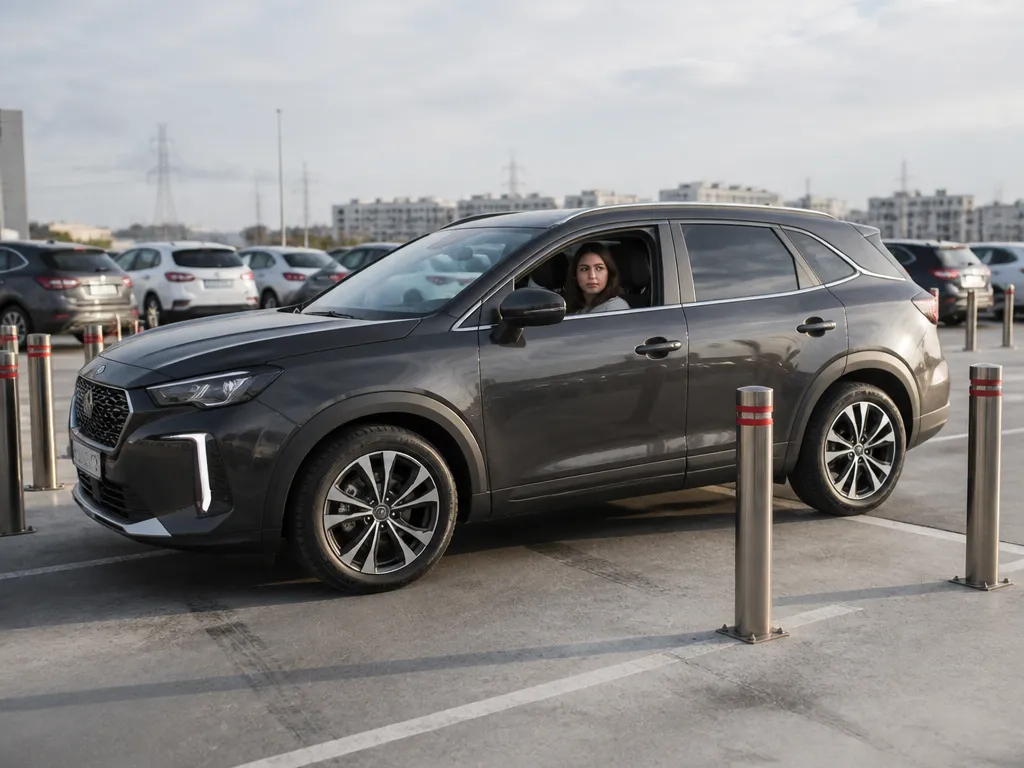
Parking a larger vehicle relies on establishing consistent sightlines to your bumpers rather than guessing your distance. Most drivers struggle because they rely on their sedan-based spatial memory, which fails to account for the additional hood length and height of an SUV.
Using Reference Points For Clearance
Visual reference points act as your primary tools for avoiding curb rash and bumper contact. When pulling into a spot, align the base of your side mirror with the bottom edge of the curb or the parking line.
Mechanic’s Tip: Practice in an empty lot with two traffic cones. Place them at the front and back corners of your vehicle to calibrate your eyes to the actual footprint of your SUV. You will likely find you have more room than you think.
Managing Blind Zones
Larger vehicles create significant blind zones directly in front of the hood and behind the tailgate. These areas hide low-profile objects, such as shopping carts or small children, that a sedan driver would see easily.
| Zone | Risk | Mitigation Strategy |
|---|---|---|
| Front Bumper | Hidden curbs/posts | Use the 3-second rule for stopping distance. |
| Rear Quarter | Low objects | Check all mirrors before putting the gear in reverse. |
| Blind Spots | Adjacent lanes | Set mirrors to show the lane, not the side of the car. |
Adjust your mirrors specifically to widen your field of view. Tilt your side mirrors outward until the reflection of your own rear door handle is just barely visible at the inner edge of the glass. This simple change reduces the amount of time you spend guessing what sits in your blind spot during a lane change or a tight turn.
Essential Driver-assist Tech For Confidence
360-degree camera systems replace guesswork with a real-time, top-down view of the vehicle perimeter. These systems stitch together feeds from four wide-angle lenses to eliminate hidden blind spots around the bumpers and tires.
The Value Of Perimeter Visibility
Parking a large SUV in a crowded lot becomes a stress-free task when you can see the parking lines on your dashboard screen. Most modern systems allow you to toggle between views, letting you focus on the front curb or the side clearance near a concrete pillar.
| System Feature | Primary Benefit |
|---|---|
| Top-down View | Aligns the vehicle perfectly within narrow spaces. |
| Front-facing Zoom | Prevents bumper scrapes on high curbs or parking stops. |
| Dynamic Guidelines | Shows the projected path based on current steering angle. |
Mechanic Tip: Always clean your camera lenses before a long trip. Road grime and salt buildup can blur the digital image, which leads to inaccurate distance perception on your display.
Why Blind-spot Monitoring Is Non-negotiable
Blind-spot monitoring systems provide a critical safety net when you change lanes in a heavy SUV. Because these vehicles have larger pillars and more glass area, they possess deeper blind spots than a standard sedan.
Reliability of these sensors is high, but they remain a supplement to your own eyes, not a replacement. You must still perform a physical shoulder check, especially when merging at high speeds or navigating complex multi-lane highway junctions.
For instance, heavy rain or thick mud can occasionally block the rear-facing radar sensors mounted behind the bumper cover. When this happens, your dashboard will typically display a warning light, indicating the system is temporarily offline and that you are solely responsible for lane-change safety.
Visibility Advantages And Seating Position Benefits
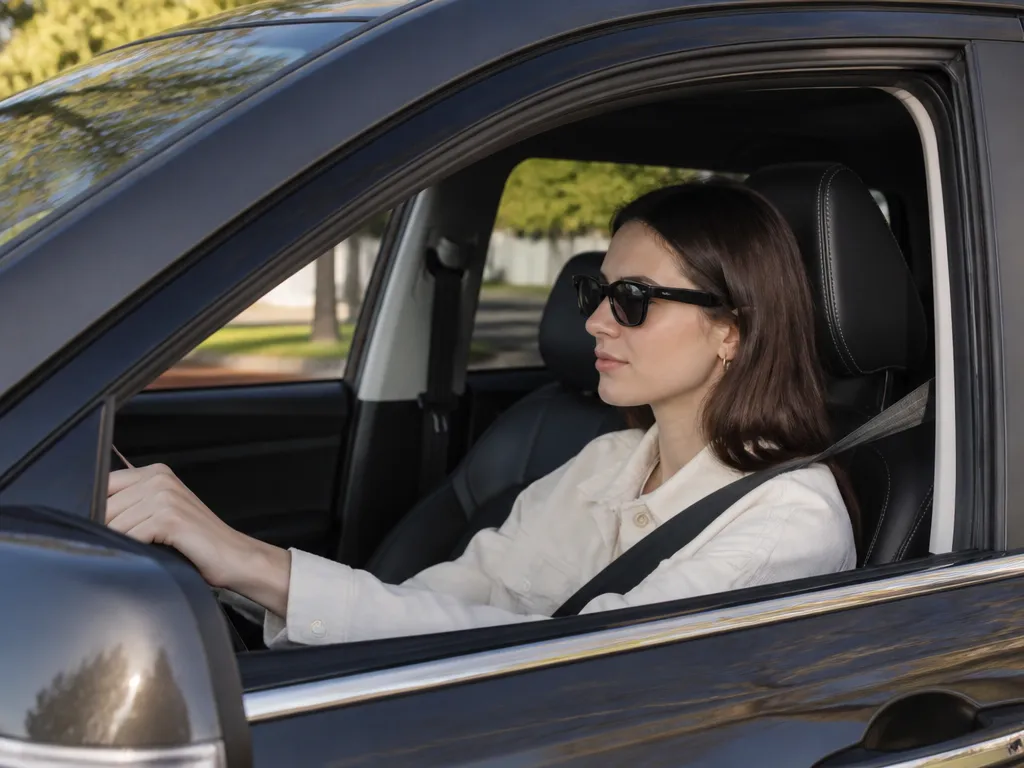
Higher seating positions provide a clearer line of sight over traffic and road hazards, which simplifies navigation in dense urban environments. Drivers gain a better perspective of the road ahead, allowing for earlier detection of brake lights or sudden obstacles that sedan drivers might miss.
The Command Seating Advantage
Command seating positions place the driver higher off the ground, creating a sense of total control over the vehicle footprint. This elevation helps when judging the corners of the car during tight parking maneuvers or navigating narrow streets. You can see the hood edge more easily, which reduces the anxiety often associated with the larger dimensions of modern SUVs.
Mechanic Tip: Adjust your seat height until your eyes align with the upper third of the windshield. This setting maximizes your field of vision while keeping the dashboard gauges and road path in clear view.
Most modern SUVs use thin A-pillars and large side mirrors to counteract the natural blind spots created by the larger body shape. Relying on these physical sightlines combined with side-mirror positioning creates a safer driving experience than relying solely on electronic sensors. The following table compares the visual benefits of an SUV against a standard sedan.
| Feature | SUV Advantage | Sedan Comparison |
|---|---|---|
| Forward Sightline | Clear view over traffic | Obstructed by vehicles |
| Hood Visibility | High angle of sight | Lower, limited angle |
| Obstacle Detection | Early road hazard spotting | Delayed detection |
| Corner Judging | Vertical perspective | Horizontal perspective |
Managing Road Hazards
High ground clearance allows drivers to clear road debris or deep potholes that might damage the undercarriage of a low-slung car. This extra buffer zone translates to less stress when driving on uneven surfaces or unfamiliar roads. You spend less time focused on the condition of the pavement and more time scanning the flow of traffic around you.
Sitting higher also reduces the headlight glare from oncoming vehicles that often blinds drivers in lower cars. This physical advantage leads to less eye fatigue during night driving. The elevated posture keeps your line of sight above the direct beam of opposing traffic, ensuring your focus remains on the lane ahead.
Quick Summary
Transitioning from a sedan to an SUV involves adapting to a higher center of gravity and a wider turning radius, which typically requires about two to three hours of dedicated practice. While the elevated seating position provides superior visibility over traffic, it also introduces larger blind spots that demand extra attention. Modern engineering now utilizes electronic power steering and stability control to mimic the nimble handling of smaller vehicles. Most drivers successfully adjust to these changes and feel completely comfortable navigating their new vehicle within just one week of daily driving.
Parking remains the most significant challenge for beginners, though modern 360-degree cameras and proximity sensors mitigate these difficulties in tight urban spaces. When cornering, drivers must transition to smoother, more deliberate steering inputs to account for the increased body roll caused by the taller chassis. It is essential to complete all speed reductions before entering a turn to maintain vehicle balance. Ultimately, the modern crossover design has narrowed the handling gap so significantly that the adjustment period is minimal for those moving up from a low-profile sedan.
| Characteristic | Sedan | Modern SUV |
|---|---|---|
| Visibility | Standard eye level | Elevated position |
| Handling Response | Nimble and quick | Improved with electronic aids |
| Parking Difficulty | Easier in tight spaces | More challenging but assisted |
| Driver Adjustment | N/A | Minimal (1-3 days) |
Frequently Asked Questions
Is An Suv Harder To Drive Than A Sedan For A Beginner?
An SUV is not necessarily harder to operate, but it does have a higher center of gravity, which makes the vehicle feel more prone to body roll in sharp turns. You will notice that it takes slightly longer to come to a complete stop due to the increased curb weight compared to a standard car.
How Long Does It Take To Get Used To The Size Of An Suv?
Most drivers adjust to the dimensions of a larger vehicle within two to three hours of total driving time. Focus on using your side mirrors and the backup camera to judge your proximity to curbs, as the hood length and blind spots are usually larger than what you are used to.
Are Suvs More Difficult To Park In Tight Spaces?
Yes, SUVs have a wider turning radius and a longer wheelbase, which requires you to start your turn 1 to 2 feet later than you would in a compact car. Always prioritize pulling through two spots or backing into a space to ensure you have better visibility when exiting.
Does The Height Of An Suv Make It Dangerous To Drive In High Winds?
Because SUVs have a larger surface area, they catch more wind, which can lead to increased steering corrections on highways during gusts. Keep both hands on the wheel at the 9 and 3 o’clock positions to maintain better control if you feel the vehicle shifting in its lane.
What Is The Most Common Mistake New Suv Drivers Make?
The most common error is underestimating the braking distance required because of the vehicle’s extra mass. You should leave at least 3 seconds of following distance between you and the car in front of you to compensate for the weight difference.