

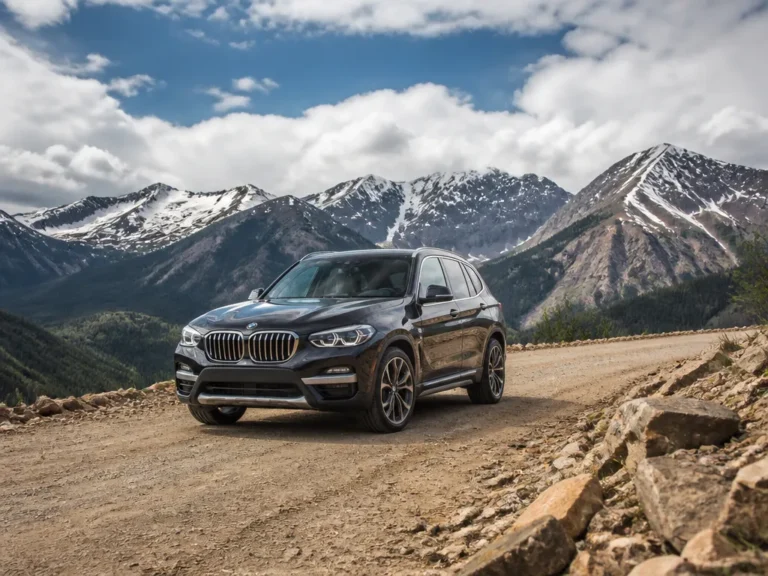
You’ve picked a mountain route, but your checklist feels endless: how much ground clearance you need, whether the AWD system grips in snow, and if the brakes hold up on long descents. The “best cars and SUVs for mountain driving” aren’t the same as the best highway cruisers, so you want models with real torque, hill-descent control, and usable cargo space.
Expect 6 – 10 mountain-capable picks across budgets, with traction setup, clearance, torque, towing, cargo, and hill-descent details per trim. You’ll also get typical new vs used price ranges, reliability notes to watch, and a short test-drive plan for steep grades and slick switchbacks.
Best cars and SUVs for mountain driving are AWD or 4WD models with at least about 7.0 in of ground clearance, strong low-end torque, and hill-descent control. Look for V6 engines or diesels, towing if you haul gear, and tires rated for winter or all-weather. Plan for brake fade, so check grade braking and brake maintenance intervals.
1. Best Cars And Suvs For Mountain Driving
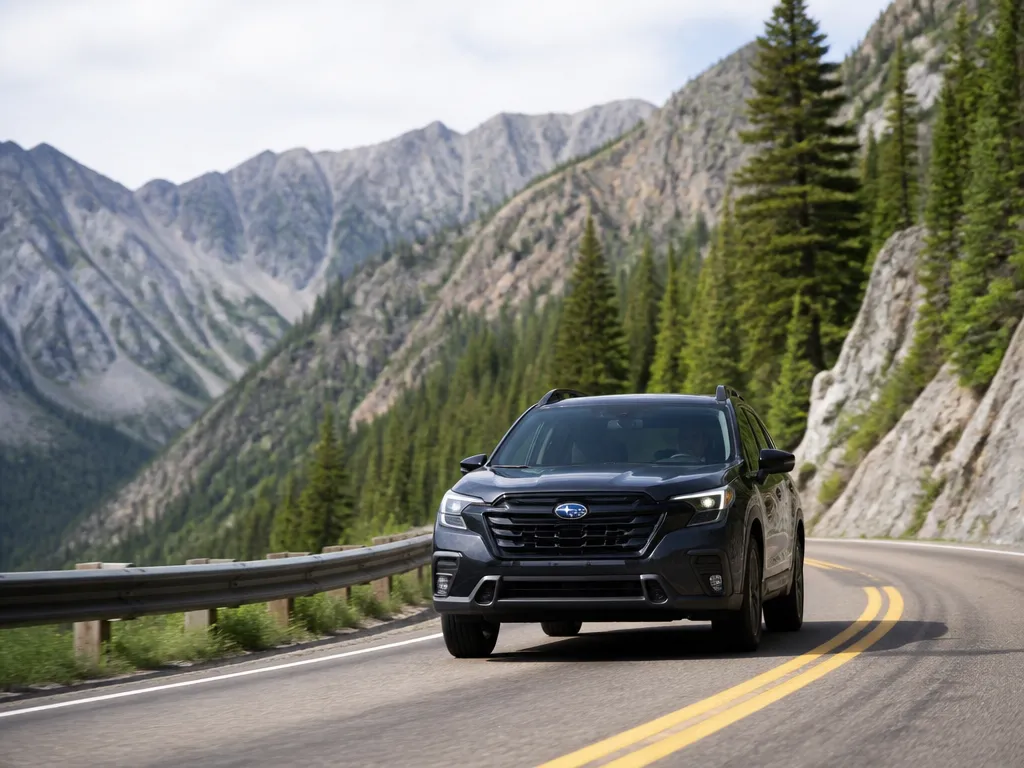
AWD and strong low-end torque are why many mountain drivers rank all-wheel-drive SUVs and capable AWD sedans at the top of the list. Extra traction on wet switchbacks matters, because climb rates and downhill control both depend on usable grip. For long grades, a drivetrain with a low gear and good engine braking also reduces how hard you have to lean on the brakes.
In practice, the most mountain-friendly picks are mid-size AWD SUVs (think Honda Passport and Subaru Outback) and AWD crossover wagons that keep the cabin stable and visibility high. For snowy passes, look for a transfer case with low-range (common on more off-road oriented trims) and tires rated for winter conditions, since tire choice often outweighs small differences in power. Budget note: you can usually find reliable used AWD options in the same general price bracket, but higher trims cost more fast due to driver-assist and upgraded wheels.
What Matters Most On Steep Grades?
Mountain driving punishes drivetrain and brake systems through long, repeated heat cycles. Automatic transmissions that hold lower gears during climbs (via tow/grade logic or manual mode) help keep engine speed in a safer band, which also improves downhill control when you lift off the throttle. Spend time planning tire match-up to your route: all-season tires work for dry or light snow, while winter tires are the difference between “manageable” and “sketchy” on icy patches. If your route includes frequent steep descents, pay attention to brake fade behavior on test drives and ensure the vehicle has fresh brake fluid per the maintenance schedule.
Takeaway: prioritize AWD plus winter-appropriate tires, then choose trims with transmission behavior that helps you manage speed on descents and keeps traction on climbs.
2. Toyota 4runner
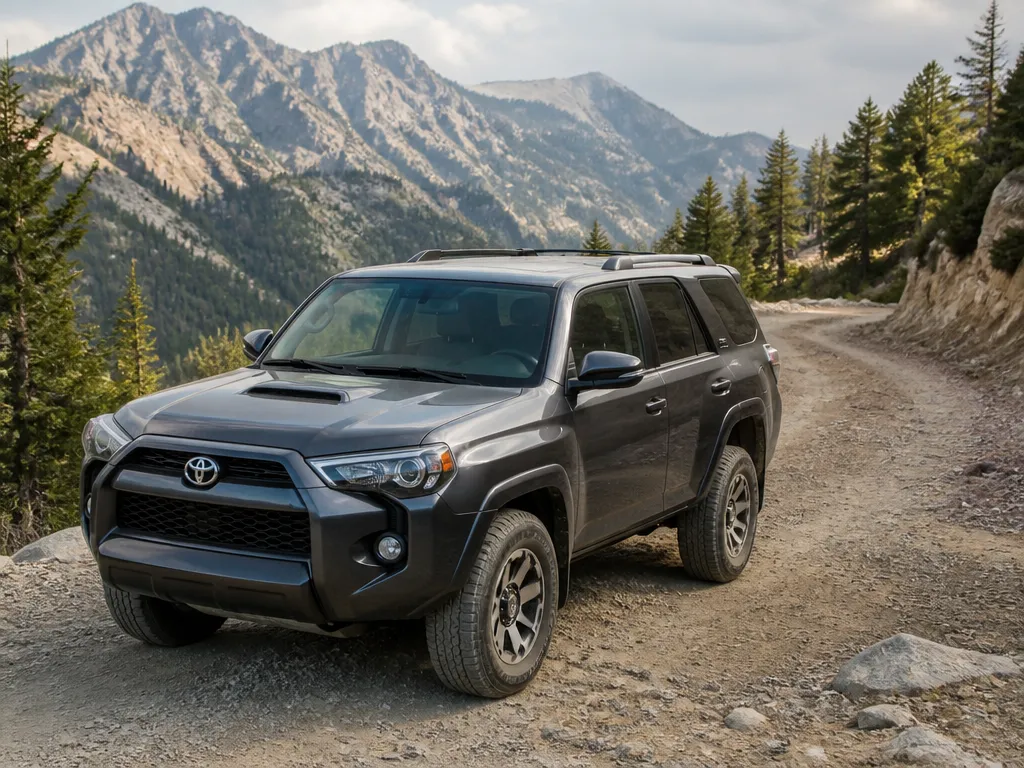
The Toyota 4Runner earns a spot for mountain driving because it’s built around a body-on-frame layout and a low-range 4WD system, which helps on steep grades, loose gravel, and snowy pullouts where traction can change every mile. Its SUV size is practical for long drives, yet it still has the ground clearance and off-road gearing that many unibody crossovers lack.
In practice, a 4Runner is a strong choice when your route includes dark, narrow mountain roads plus occasional rough sections like rock, washboard, or slush at elevation. Expect driver-assist depending on year and trim, so match the exact model you’re shopping for to the safety tech you want (adaptive cruise and lane centering vary by trim). Common ownership considerations include brake dust and tire wear with aggressive all-terrain use, so budget for tires sooner than you would on pavement-only commuters.
What To Look For On Twisty, High-elevation Roads
For tight mountain switchbacks, the biggest day-to-day difference comes from tire grip and brake feel, not just the drivetrain. Spend time comparing tires and wheel size on the specific listing you’re considering, since larger wheels can reduce sidewall cushioning on rough pavement and washboard. If your route regularly dips into snow or icy mornings, prioritize a setup that can handle cold temps, and confirm the vehicle is equipped for 4WD operation you will actually use.
Your practical takeaway: pick the 4Runner configuration that matches your worst-case traction scenario (4WD with low range and the right tire choice), then maintain tires and brakes aggressively since mountain descents do the most work.
3. Subaru Outback
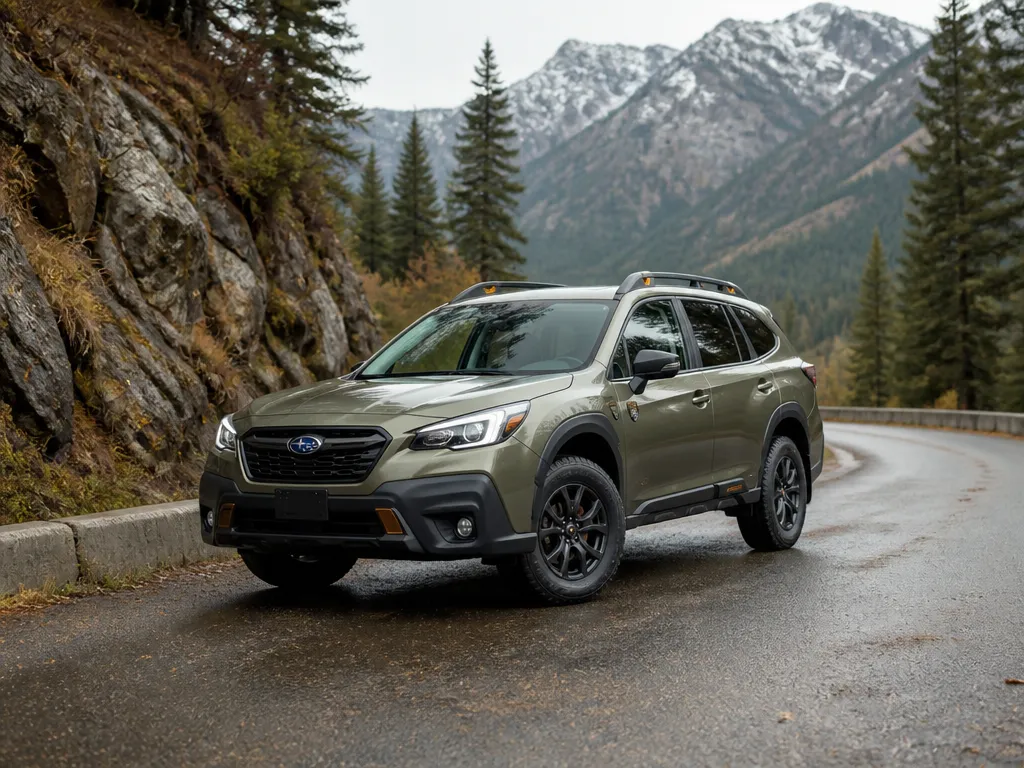
The Subaru Outback is a strong mountain-driving pick because it comes with all-wheel drive as a standard expectation, which helps when roads turn from dry pavement to wet, slushy, or patchy snow. The wagon-like body also gives you a practical cargo area for chains, warm gear, and skis without feeling like you are loading a compact hatch. Long descents and rough turnout roads are also where its ground clearance and stable, predictable driveline behavior matter.
For example, many Outback trims include X-Mode for off-road traction logic, which is handy on snowy forest roads when you want the car to manage wheel slip and engine response more consistently. Expect usable interior space and a cargo area that makes it easier to pack a day’s worth of layers, headlamps, and a first-aid kit. On the road, keep tire choice in mind since mountain weather changes fast; a proper all-season or winter tire for your region matters more than the vehicle badge.
Where It Shines (And What To Check Before You Go)
For mountain trips, the Outback’s advantages show up when you are mixing conditions, like rain on the climb and snow melt on the descent. You should still inspect basics before leaving town: tire depth and tread pattern, wheel alignment (especially if you have uneven tire wear), and brake condition since mountain driving asks more of pads and rotors during repeated deceleration. If you plan to use chains, confirm you have the right chain type and enough clearance in the specific Outback wheel and tire size you run. Also pay attention to your fuel plan, because colder temps and higher elevation can increase consumption compared to flat-city driving.
4. Honda Cr-v (Awd)
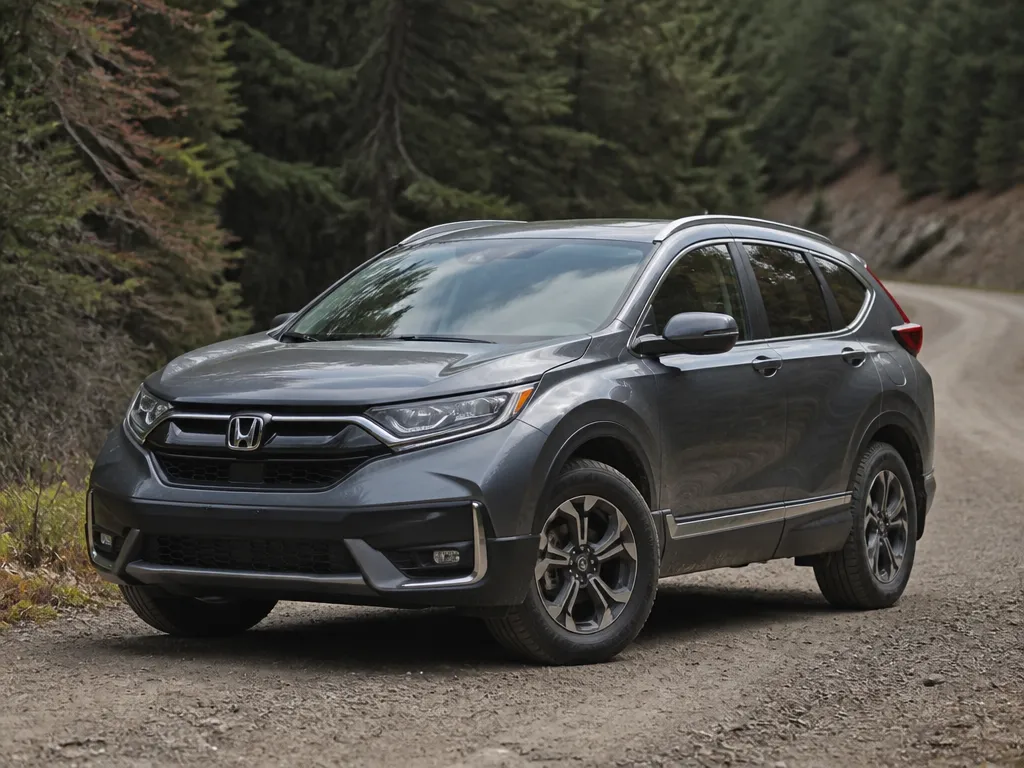
Honda CR-V AWD makes mountain trips easier because it gives you constant traction for wet, snowy, and early-morning mountain roads while keeping cargo and cabin practicality high. The CR-V’s light steering and raised ride height also help when you are sweeping through switchbacks where road texture changes constantly.
In practice, a CR-V AWD is a strong pick for weekend passes and longer holiday drives because it carries groceries, bags, and even a small cooler without feeling cramped. AWD helps on uneven traction days, but you still need to respect tires and brake condition for long descents. Plan for seasonal tire fitments, since the tire sidewall and tread pattern do more for grip than any driving system.
What Matters Most On Mountain Grades?
For mountain driving, the CR-V’s AWD is only part of the equation. Tire condition, tire type (all-season vs winter), and your brake heat management matter just as much, especially on long downhill runs where repeated brake use can fade performance. Keep an eye on brake warning lights and any pedal softness, and if you feel vibration or hear grinding, address it before tackling high-elevation routes. Load balance also matters on curvy roads, so avoid stacking heavy items above the cargo floor.
5. Mazda Cx-50 (Awd)
Mazda Cx-50 (AWD) is a strong mountain pick because it pairs practical ground clearance with an AWD layout meant for steady traction on wet or patchy switchbacks. Its compact crossover size also keeps it easier to manage on tight mountain roads than larger SUVs, especially when you are braking repeatedly downhill.
For example, Cx-50 owners often use the AWD system when temperatures drop and roads turn to slush near passes, where grip changes every few turns. The model line is also commonly chosen for longer weekend drives because the cabin is sized for four with enough cargo space for jackets, a small cooler, and overnight gear.
What To Watch For In Steep Terrain
In practice, mountain driving punishes brakes and tires more than the engine, so tire choice matters as much as AWD. If you regularly see snow, use tires rated for your local season, and double-check pressures before heading uphill because cold weather can drop them quickly. Steep grades also mean you should drive with extra following distance and let the car slow gradually, since repeated hard braking can heat rotors faster on long descents.
6. Jeep Grand Cherokee (4×4)
The Jeep Grand Cherokee is a strong mountain-drive pick because it comes with available 4×4 hardware and a low-range capable layout in many trims, which helps when the road turns to steep grades, deep snow, or loose gravel. Its higher seating position also gives you a better view of switchbacks and roadside hazards, which matters when visibility is reduced by fog or blowing snow. For long climbs, the Grand Cherokee’s typical V6 or V8 options give enough torque to keep you moving without constantly searching for gears.
In practice, you will want to prioritize the versions with Quadra-Drive II systems (or equivalent 4×4/traction packages depending on model year) and an appropriate tire choice for the conditions. For most mountain trips, plan for seasonal tread rather than all-seasons, and check your tire pressures before you start climbing. If you regularly face mud and snow or steep trail-like pull-offs, keep the transfer case and drivetrain services on schedule.
Tradeoffs That Matter On Mountain Roads
Grand Cherokee 4×4 models are capable, but mountain driving is still hard on brakes and tires. Long descents can turn brake temps into the limiter, so expect more frequent brake cooling and smoother throttle modulation to reduce brake fade risk. Fuel economy also drops noticeably at higher speeds and with aggressive driving on steep grades, so plan extra fuel stops and do not wait until the gauge is near empty. If you are shopping used, confirm the drivetrain system type and service history, since uneven maintenance can show up as driveline noise, delayed engagement, or inconsistent traction behavior.
7. Ford Bronco (4×4)
Ford Bronco (4×4) earns a spot for mountain driving because it’s built around low-range capability, selectable off-road modes, and real four-wheel-drive traction for loose gravel, steep grades, and switchbacks. Its body-on-frame design and trail-focused gearing make it easier to keep momentum under control when roads get uneven or traction changes fast.
For example, models with a removable top and doors can be a practical bonus at mountain pull-offs where you want quick airflow or better visibility while scouting lines through ruts.
In practice, you’ll want to match tire choice to elevation and conditions, since snow and wet rock punish all-seasons. A common setup for mountain weekends is 4×4 high for packed dirt and snow, then 4×4 low for slow technical climbs where you need reduced wheel speed and steadier throttle control.
Tradeoffs On Mountain Roads
The Bronco can be a strong match for mountains, but the tradeoff is size and weight. On narrow roads, its wider stance and turning radius can make tight hairpins more work, so plan your line before you commit. Higher-mounted tires and off-road hardware can also mean more road noise on long highway stretches, and cargo room can shrink with some off-road configurations. If you’re towing gear up for a trip, keep an eye on braking and downhill control, since repeated hard braking on steep descents will heat up pads and rotors.
Awd/4wd Mountain Suv Comparison Matrix
Real mountain driving is a traction and control test, and an AWD/4WD system matters because it keeps drive wheels loaded on wet, icy, or steep grades where you need steady throttle response. Low-range gearing is the other big divider since it lets you crawl up slow grades and descend under engine braking without riding the brakes. This matrix-style view helps you match drivetrain behavior to the type of mountain roads you actually run.
In practice, pick by surface and grade first, then by tire size and ground clearance.
For example, 4×4 systems with a low-range transfer case tend to feel composed on snowpacked climbs and long descents, while full-time AWD setups often feel smoother for fast highway approaches to trailheads.
Model examples to compare in this category include Toyota 4Runner, Jeep Grand Cherokee Trailhawk, Subaru Outback (AWD), and Ford Expedition or Bronco (depending on trim), since each uses a different transfer-case approach and traction logic. Prices vary widely by year and trim, so budget broadly and focus on the drivetrain hardware (transfer case type, locking differentials if available) rather than marketing names.
How To Read The Matrix For Your Specific Mountain Routes
Start by mapping your typical drive: mountain passes with long downhill stretches favor smooth, predictable engine braking and stable brake performance, while off-camber switchbacks and deep snow favor low-speed crawl control and stronger traction management. If you routinely hit snow, look for trims that offer a true low-range and, where available, a locking differential that can be engaged on the types of surfaces you see. For mixed weather with mostly paved roads, full-time AWD often keeps things simple, especially when you want confidence during wet corners without thinking about when to change modes.
In practice, also compare tire and clearance choices, since a taller tire with the right tread pattern can make a mediocre drivetrain feel much better on loose climbs. Bring your route into the decision: short weekend runs on cleared roads can prioritize comfort and highway stability, while remote mountain roads push you toward low-range 4WD hardware and conservative driving gear ratios.
Mountain-driving Cheat Sheet
Mountain passes punish brakes, cooling systems, and traction far more than flat-city driving, so this item earns a spot because it focuses on the practical habits and vehicle traits that keep you composed on grades. Steep, long descents build heat fast, while thinner air and colder mornings can change how engines respond. A good mountain setup is about staying in the right gear, managing speed, and making sure tires and brakes are ready before you see the first hairpin.
For example, plan your day around weather: fog and rain increase stopping distance, and fresh snow turns many “normal” lines into slide zones.
In practice, prioritize vehicles with consistent engine braking (manual mode or a low range on many SUVs), strong cooling capacity, and all-season or winter tires in the correct size for your wheels. A simple rule is to start descents with brakes that feel predictable, then slow early so you can keep brake pedal pressure light and steady.
Gear, Speed, And Traction Rules That Prevent Heat And Sliding
Choosing the right gear matters more than people expect, because downshifting reduces how hard your brakes have to work.
For instance, if the RPM drops and speed climbs, downshift sooner so engine braking takes over, then apply brakes gently to fine-tune. On slippery pavement, keep steering inputs smooth and avoid sudden throttle changes that can shift weight and trigger wheel slip. When you see conditions worsening, slow before the turn and keep a larger following distance, since ABS and traction control still cannot shorten distances on ice.
Quick Summary
For mountain driving, the article focuses on more than comfort and highway feel, it targets usable traction and speed control on long climbs and descents. It says the best cars and SUVs for mountain driving are typically AWD or 4WD, with at least about 7.0 inches of ground clearance, strong low-end torque, and hill-descent control for long drops. It also emphasizes drivetrain and brake heat management on repeated grades, and calls out tire choice as a major difference-maker once conditions change, especially above 6,000 feet.
The article then narrows the shopping priorities and gives specific examples and checks to make on test drives. It recommends looking for transfer case low-range when snow and rough terrain are likely, and it flags that transmission behavior that holds lower gears during climbs, via tow and grade logic or manual mode, helps keep engine speed in a safer band and improves downhill control when you lift. It also uses the Toyota 4Runner as a body-on-frame, low-range 4WD example, while warning that aggressive all-terrain use can mean more brake dust and tire wear. The most important takeaway is to prioritize AWD or 4WD plus winter-appropriate tires, then verify hill-descent and brake fade behavior on your actual descent grade.
| Mountain priority | What the article says to look for |
|---|---|
| Traction | AWD or 4WD, with winter-rated or all-weather tires, especially above 6,000 feet |
| Ground clearance | About 7.0 inches for ruts, snow berms, and steep driveways |
| Speed control on descents | Hill-descent control, tested on the same grade you drive |
| Climb ability | Strong low-end torque, with lower gear holding via tow/grade logic or manual mode |
| Brake stress | Expect brake fade on long descents, and ensure fresh brake fluid per schedule |
Frequently Asked Questions
What Car Is Best For Mountain Driving, Awd Or 4wd?
If you deal with frequent snow or steep, loose sections, choose AWD or 4WD. AWD is often enough for most mountain roads, but 4WD helps more when you need to crawl through deeper snow or rutted trails at low speeds.
What’s The Best Suv For Mountain Driving If I Want Good Fuel Economy?
Look for a model with a smaller turbocharged engine and an efficient drivetrain rather than a thirsty V8. On long climbs, bigger engines work harder and burn more fuel, so prioritizing efficiency and a torque-friendly transmission usually helps your range.
How Much Ground Clearance Do I Need For Mountain Roads?
A lot of mountain problems are really clearance problems, so aim for at least about 7 inches (18 cm) if you might hit rough pull-offs, snow edges, or uneven pavement. If you’re going off the main road, more clearance is safer, but don’t forget tires matter just as much.
Are Mountain Driving Tires More Important Than The Car Itself?
Yes, tires are a huge part of mountain safety, especially in wet or icy weather. Get the right tread for your season, and keep them at the manufacturer’s recommended pressures so traction stays consistent on climbs and downhill braking.
What Brakes And Cooling Checks Should I Do Before A Long Mountain Trip?
Before you leave, check that brake pads and rotors have good thickness and that the brake fluid is topped up to the correct level. Also make sure the cooling system is healthy, because sustained climbs generate a lot of heat and running low on coolant can turn a minor issue into an expensive one.
What’s The Most Common Mistake People Make When Driving Mountains?
The big one is riding the brakes downhill. Use engine braking and lower gears where appropriate, then let brakes cool in safe stretches, because overheating brake fluid and pads is a real risk on long descents.