

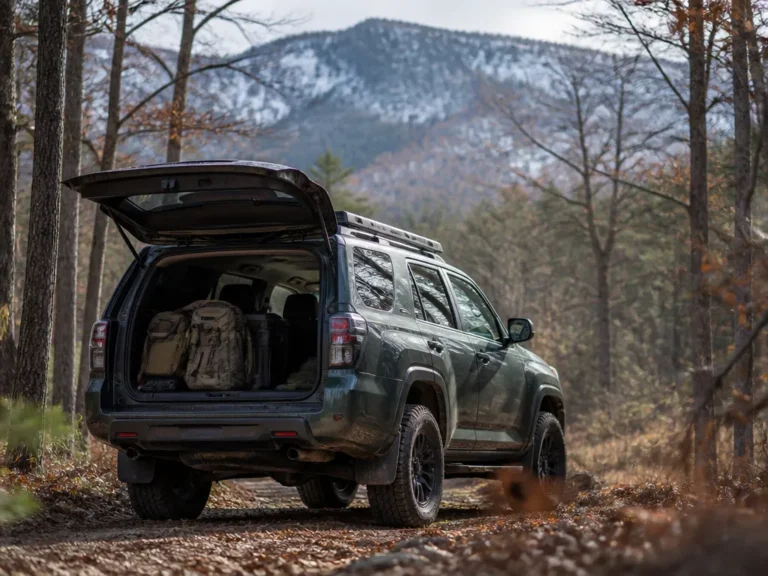
You found yourself Googling “best suvs for hunting” because your current rig struggles the last mile, whether it is rutted gravel, wet grass, or snow getting packed in the tread. You still need room for passengers and bulky gear, plus an easy way to load firearms safely. The right SUV choice changes how often you get stuck, not just how comfortable the trip is.
Best suvs for hunting are usually body-on-frame or crossovers with real 4×4 (low-range if you can get it), enough ground clearance for ruts, and a towing rating that matches your trailer or gear. You will also want wide rear access and cargo space for long guns and coolers, plus easy rack and hitch upgrades for roof boxes and lighting.
Best suvs for hunting are SUVs with 4×4/AWD and good ground clearance for gravel, mud, and winter roads. Look for tow ratings suited to your trailer or gear, a clean, wide cargo area behind the second row, and hitch + roof rack spots. If you drive rutted trails, prioritize low-range 4×4.
Best Suvs For Hunting: Top Picks
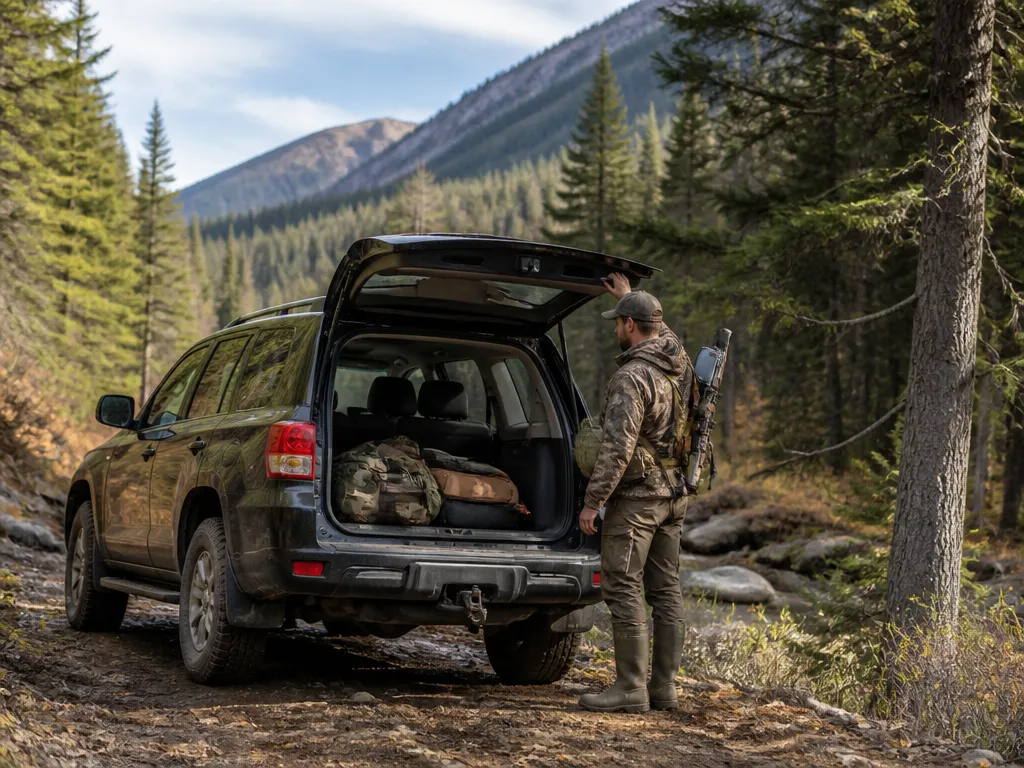
The fastest way to buy the right hunting SUV is to start with a drivetrain you can trust on rutted gravel and snow, then match cargo and roof rack capacity to your gear. The top choices below are all available with 4×4, tow ratings that handle common hunting trailers and ATVs, and enough real-world space for coolers, packs, and decently sized racks or boxes.
Top Hunt-ready Suv Shortlist (Ranked By Trail Access And Winter/off-grid Practicality)
Trail access is your enemy when roads get loose, steep, and washboarded, so each pick is a 4×4 platform that you can configure for low-speed traction. Winter and off-grid practicality matters too, which is why these models are common with true low-range transfer cases, strong ground clearance, and proven all-terrain tire fitment.
| Model (hunting-friendly trim) | What to look for | Why it fits hunting |
|---|---|---|
| Toyota 4Runner TRD Pro | 4×4 with low-range capability, all-terrain tire package, skid protection | Stays composed on gravel and ruts, carries a lot of gear without needing special engineering. |
| Jeep Grand Cherokee Trailhawk | 4×4 with off-road drive modes, tow package | Works well on rocky forest roads, and it is easier to live with day-to-day than many hardcore rigs. |
| Ford Bronco (4-door, off-road package) | Trail or Sasquatch-style setup, recovery gear points | Good wheel travel and stance help on broken pavement and muddy pull-offs. |
| Nissan Armada Platinum Reserve 4×4 | Tow prep, 3-row configuration if you bring extra hunters | Max cargo volume and towing capacity make it ideal for larger hunts and longer trips. |
For rack and box fitment, pick an SUV that has good factory tie-down points and liftgate clearance, because you will use that setup every season. TRD Pro-style builds and Trailhawk trims often come with better underbody protection, which helps when you are crawling over hidden ruts near trailheads.
“Match your SUV to your worst-case access road, then make your gear system simple: one roof solution for wet gear and one cargo method for dry items.”
If you’re towing a small boat, utility trailer, or ATV frequently, bias your final choice toward the models that are easiest to equip with a proper tow package and wiring harness, since that is where hunting setups get complicated. Cargo matters too, especially rear-seat usability, so confirm you can carry a long pack or double up coolers while still letting passengers ride comfortably.
Hunting Suv Must-haves Checklist
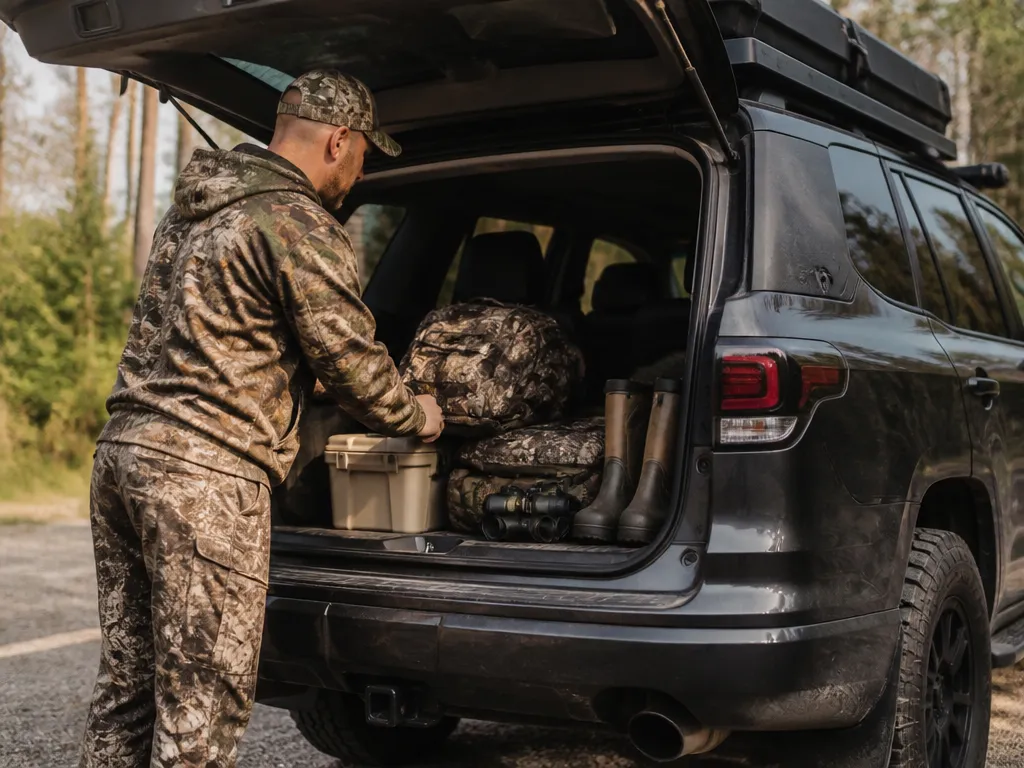
Pick the right drivetrain and layout first, then match the SUV to your access roads and weather. Gravel plus ruts feels different than deep mud, and winter cold changes how the driveline behaves. Get these basics right and your cargo plan, towing, and comfort will fall into place.
4×4 System Choice (Awd, Part-time 4wd, Low-range)
AWD is easiest for mixed pavement and light dirt roads, but it does not replace low-range crawling when you get into steep, slippery ruts. Part-time 4WD gives you a real 4WD lock, and it is often the better choice for intermittent mud, snow, and rough trails. Low-range is the “hunting saver” when you crawl over washboard, rocks, or deep track marks with control.
Use this quick guide to narrow it down based on your typical trailhead route:
When you test-drive, verify how the system engages and disengages. Many systems feel seamless in normal use, but you want predictable behavior when traction drops and you are trying to keep a steady crawl.
Ground Clearance, Approach/departure, And Underbody Protection
Ground clearance matters, but approach and departure angles often save you more often than people expect. Dragging a front skid on an uphill berm can leave you stranded, even if the SUV is mechanically capable. Underbody protection like skid plates helps prevent costly punctures or bent components on rocky two-tracks.
| Road problem | What to look for | Why it affects hunting |
|---|---|---|
| Rocky ruts | Clearance plus skid coverage | Reduces hang-ups when you keep both wheels in the same rut |
| Steep ditches | Approach/departure angles | Prevents bumper or underbody impacts at the trailhead |
| Deep mud | Trim height and drainage | Helps keep the vehicle moving without sucking stuff into sensitive areas |
Towing And Payload Reality (Trailers And Gear)
Most hunting trailers are small, but “small” still means tongue weight, axle load, and rear suspension sag once coolers, decoys, and gear fill the back. Check the SUV’s towing rating and, more importantly, confirm it with your real payload assumptions (people plus gear minus usable cargo). Overloading limits braking and traction, which matters more than the advertised max tow number.
Mechanic’s rule: If your gear plan uses the third row or max cargo, start with the payload rating first. Towing ratings mean nothing if you run out of payload before you hit your trailer weight.
Cargo Plan: Width/height For Coolers, Cases, And Decoys
Rear cargo usability is where hunting SUVs win or lose, especially during long sits when you are constantly loading and unloading. Measure your cooler length and height, then test fit with rod tubes, gun cases, and a stacked decoy tote. Wide openings beat tight door-to-door dimensions when you are sliding bulky cases in one motion.
Rear-seat staging matters too. A flat load floor and wide liftgate opening helps you set gear down without turning your cargo into a puzzle every trip.
Rear-seat Usability For Hunters And Gear Staging
Rear seating should be usable even when gear is everywhere. Look for wide rear doors, split-fold seats that create a true flat cargo area, and seatbacks that fold cleanly without leaving a raised lip that traps coolers. If you often ride with hunting partners, check whether seatbelts and headrests get in the way of staging gear on the floor.
Cold-weather Readiness (Heat, Battery Performance, Driveline Behavior)
Cold weather changes both comfort and capability. A good heater matters for long waits, and the battery condition affects starting reliability, especially when cold-soaked in subfreezing temps. Driveline behavior also matters: some traction systems feel more cautious on low grip until sensors read stable wheel speeds.
Reliability And Ease Of Maintenance For Remote Trailheads
Remote access means you need a vehicle that is straightforward when something small goes wrong. Prioritize SUVs with easy-to-service wear items (brakes, filters, fluids) and good access points for common checks. A transfer case and differential service interval you can actually keep up with is part of reliability, too.
Before buying, plan your maintenance routine around your hunting season schedule. If you cannot confidently stay current on fluids, tires, and basic checks, your “off-road capable” SUV can turn into a trailhead problem.
Towing And 4×4 Specs That Matter
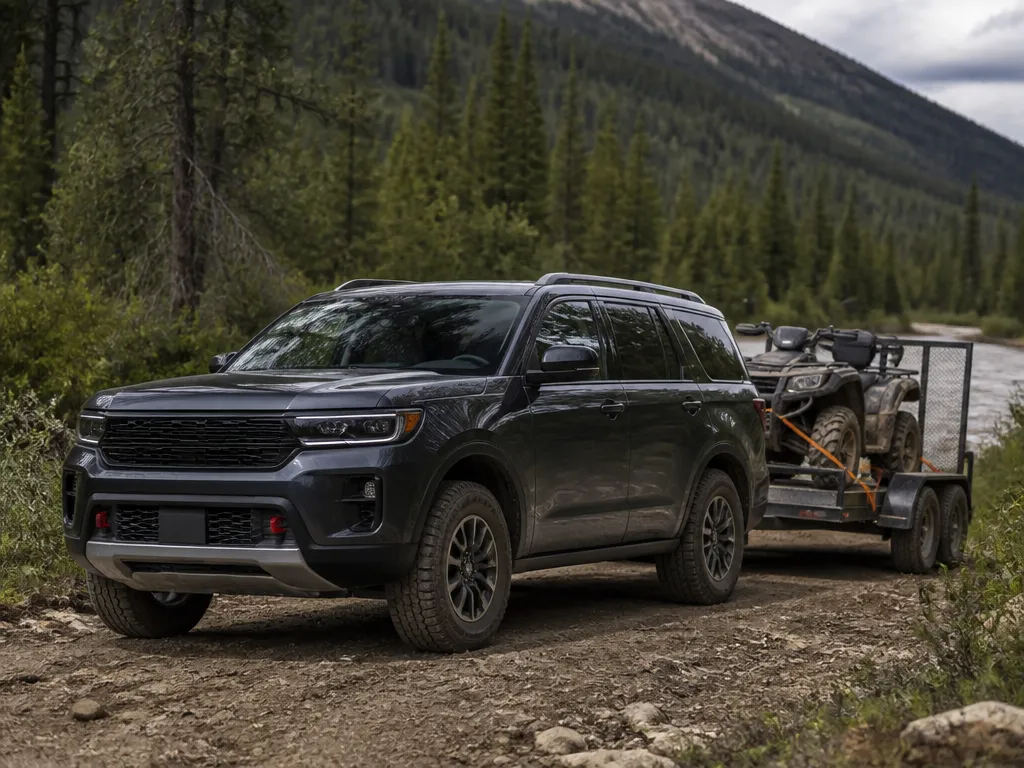
For hunting trips, the SUV needs enough trailer rating to carry a small utility trailer safely and a 4×4 system that stays controllable in ruts and snow. Trailer towing stress also magnifies drivetrain limits, so matching capacity, axle gearing, and tire setup matters as much as raw horsepower.
4×4 System Types To Prioritize (And What To Avoid)
Full-time 4WD with a transfer case is the easiest choice for mixed pavement and gravel, because it keeps traction consistent when road surfaces change. Part-time 4WD can work great off pavement, but you must lock in the right mode and avoid using locked modes on dry pavement.
For rutted trails, prioritize a low-range transfer case and a locking center differential (or true locking transfer case capability) because it helps keep both axles pulling instead of one wheel spinning. Avoid older “smart AWD” setups with no low range and no real off-road modes, because traction control can over-brake a spinning wheel and limit how far you can go before it overheats.
How To Match Towing Capacity To Your Trailer And Gear
Towing ratings are limited by the vehicle’s engine cooling, transmission heat management, and rear axle load handling. The hard rule is to buy the SUV to handle your trailer’s actual loaded weight, not the empty trailer weight, and keep a margin for hills, wind, and late-season mud.
For hunting, many setups run a small utility trailer plus a quad or side-by-side, gear bins, and fuel. That load moves weight rearward and increases curb-to-ground “sag,” which changes braking feel and ground clearance. If the SUV has a tow package option, confirm it includes the right wiring harness and transmission cooling.
| Recommended hunting SUV | 4×4 system to look for | Tow rating matching | What to verify for hunting use |
|---|---|---|---|
| Toyota 4Runner (TRD Off-Road / TRD Pro) | Part-time 4WD with low range, locking rear diff (on TRD models) | Match to loaded trailer weight plus gear, stay within the SUV’s factory tow limit | Confirm factory tow package, check rear differential/locker availability, verify low-range and crawl-oriented off-road modes |
| Jeep Grand Cherokee (Trailhawk) | Selectable 4WD with low-range capability (depending on year) and off-road traction modes | Confirm factory tow rating for that drivetrain and tow package, and plan for added rear load from gear | Verify the exact transfer case/4×4 generation, confirm tow wiring, check for mud/sand modes and stability control behavior off pavement |
| Ford Expedition or Lincoln Navigator (4×4) | Selectable 4WD (low range depending on configuration), traction modes | Match to your hitch weight and trailer GVWR, keep margin for towing with full passengers | Check tow package includes wiring and cooler capacity, verify axle ratio and max tow for that specific engine, confirm rear underbody clearance |
| Chevrolet Tahoe / GMC Yukon (4×4 with tow package) | 4WD with selectable modes; some trims include locking rear options depending on year | Match to factory max tow rating for the exact engine and rear axle, prioritize transmission cooling | Confirm trailer wiring, check for locking rear diff option if offered on your trim, verify tow capacity does not drop with the drivetrain you’re buying |
| Subaru Outback / Forester (XT and Wilderness trims where available) | Symmetrical AWD (no low range) with off-road driving modes | Only tow within the Subaru’s rated limit; keep trailers light since AWD is the traction tool, not low range | Verify maximum towing rating for your exact model year and drivetrain, check ground clearance and approach/departure angles, prioritize winter tires |
| Nissan Xterra (if buying used, 4×4 models) | Low range 4WD with locking rear diff (varies by trim) | Match to loaded trailer weight within factory rating, confirm tow package and brake controller presence | Verify transfer case range/operation, confirm locker and tow prep, inspect for overheating history on transmission |
Reality check: If your trailer includes a ATV, side-by-side, or a bunch of gear, assume it will weigh more than the numbers you remember. Weigh the trailer loaded, then compare to the exact factory tow limit for that SUV’s engine and axle setup.
Differentials, Lockers, And Traction Modes That Help In Ruts
Ruts punish open differentials because one axle can unload and spin. A locking rear differential is a big advantage when one rear wheel is digging while the other rides higher, since it forces both sides to contribute torque.
Traction modes matter too, but they only work well if the system can stay in control of wheelspin without cooking itself. Look for selectable modes that include mud and/or sand, and verify the vehicle has a real “off-road” logic track (lower throttle mapping, different stability control settings) rather than only a generic ECO adjustment.
Tire Size, Sidewall, And Lift Leveling Impact On Clearance And Control
Tire sidewall height controls ride compliance and grip over rocks and washboard, plus it affects how well the tire can absorb impacts without bouncing. Bigger tires also change gearing, braking distance, and clearance, so they can help off pavement but hurt highway stability if you go too large or run the wrong offset.
Lift leveling kits can restore clearance, but a rough alignment from uneven lift setups leads to wandering steering and faster tire wear on long towing days. For hunting, clearance is about more than the roofline, you need usable approach and breakover angles plus room for suspension travel without rubbing.
What To Verify On The Vehicle Listing Or Spec Sheet
Listings often quote tow capacity without confirming the tow package, axle ratio, or drivetrain matching. Verify the max tow rating for the exact engine, transmission, and rear axle you’re buying, then confirm the vehicle includes the factory hitch receiver and trailer wiring harness.
For 4×4, verify low range availability, differential locker availability, and the presence of mud or sand traction modes in the infotainment or console. For any used SUV with off-road tires and a leveling kit, verify maintenance history around cooling components because towing and heat management are tied together.
Cargo, Doors, And Gear-carrying Layout
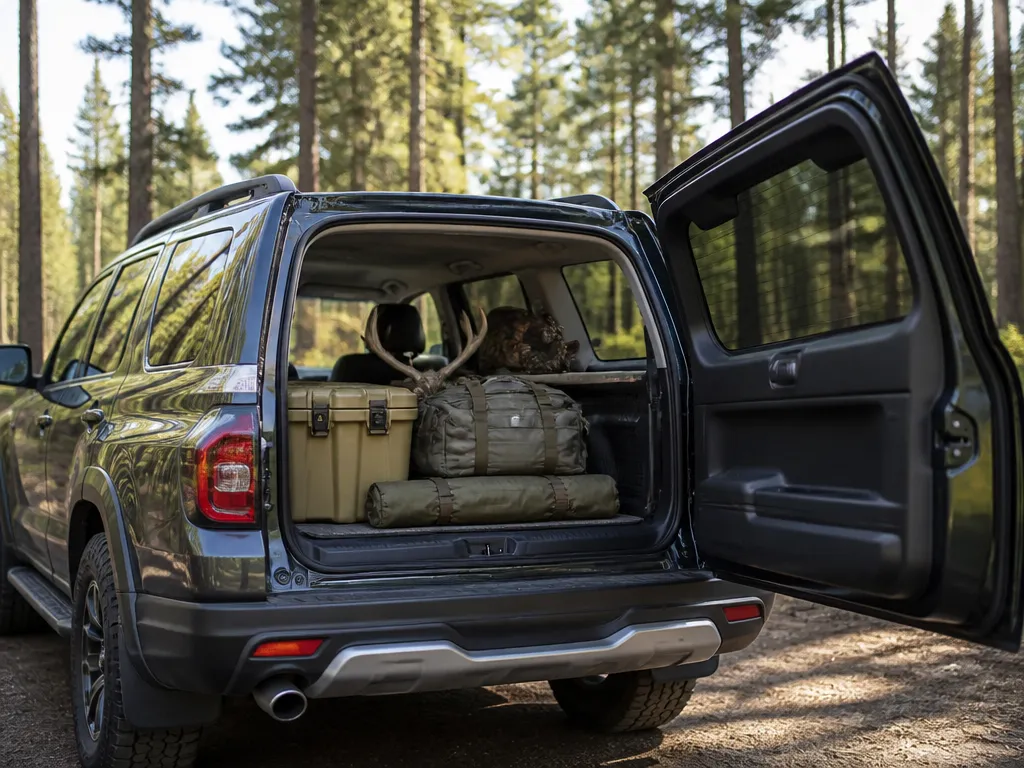
Good hunting SUVs make gear loading fast and repeatable, even when you are tired, muddy, and working around pass-through bags. The winning layouts have a wide rear opening, usable flat floor space, and tie-down points that keep heavy items from shifting during bumps and braking.
Rear cargo volume numbers matter less than usable floor space and how the seatbacks fold. A 60/40 split rear seat with a low, flat load floor lets you slide in a pack frame, tripod, and a cooler without playing Tetris. Also check the amount of step up from the bumper to the cargo floor, because every extra inch is another reason you will lift with your back at the trailhead.
For example, a cooler-first approach keeps ice and edible gear separated from dry items like clothing or optics. Coolers also tend to be the heaviest thing in the back, so putting them closest to the rear axle and low to the floor reduces bounce and keeps the load from shifting.
Roof racks and roof boxes can solve the long-gear problem, but they introduce clearance limits. A box that is too wide or tall will hit garage doors, branches in low treelines, and loading ramps inside storage units. Measure the SUV’s roof height and confirm the box’s dimensions give you at least a couple inches of margin for real-world rails and crossbars.
| Setup | Best For | Trade-off |
|---|---|---|
| Rear cargo (seats up) | Cooler plus bags, quick trips | Long gear gets cramped |
| Rear cargo (seats folded flat) | Long cases and bulk hunting gear | More unloading time if gear is mixed |
| Roof box + tie-down bins | Rods, extra layers, spare kits | Clearance limits and added wind drag |
Mechanic tip: If you do a lot of gravel, load heavy items low and strap them, then keep “grab items” in the first easy-to-reach zone. That reduces the number of times you re-open the tailgate on a dusty lot and dump gear back into the cabin.
Trailhead Comfort And Durability Factors
Comfort and durability decide whether an SUV feels civilized on the drive in and whether it survives the washboard road, river crossings, and dusty parking at the trailhead. A hunting build is a compromise: the more off-road traction you add, the more you give up highway refinement unless you pick the right tire and suspension balance.
Ride Quality Tradeoffs: Off-road Tires Vs Highway Comfort
All-terrains and mud-terrain tires handle gravel and ruts better than highway tread, but they usually ride firmer and can get louder once tread blocks start flexing. If your route is mostly pavement with short gravel spurs, a lighter all-terrain tire on the SUV’s stock wheel size is the sweet spot for comfort and reduced fatigue.
For long drives, pay attention to tire load rating and sidewall stiffness. A higher load rating and appropriate tire pressure range keep the tread from squirming on long highway runs, which is a big factor in steering feel and driver fatigue.
Water, Mud, And Dust Protection: What To Check In The Real World
Trailhead conditions are usually dust, water, or both in the same weekend, and the weak link is often airflow and cooling, not the drivetrain. Check for good underbody sealing, intact wheel well liners, and clean drain paths under the doors and HVAC intake area.
In practice, mud creates suction through wheel wells and underbody seams, while dust sticks where airflow fans, vents, and condenser faces can’t clear it. Look for evidence of repeated underbody cleanup, caked debris around the radiator, and a history of replacing worn splash guards.
“If the front bumper cover and wheel liners have been hacked or missing, expect extra dust intrusion and faster grime buildup in cooling airflow paths.”
| Exposure | What to inspect | Why it matters |
|---|---|---|
| Water | Door sill gaps, underbody rust, vent intake location | Protects electronics and prevents moisture trapped in seams |
| Mud | Splash guards, wheel well liners, underbody clips | Reduces debris impact on coolant lines and harnesses |
| Dust | HVAC intake condition, filter housing integrity | Keeps cabin air clean and helps avoid airflow restrictions |
Underbody And Approach/departure Clearance For Rocky Access
Approach and departure angles matter on rocky access more than peak ground clearance on paper. SUVs with a shorter overhang and good breakover behavior tend to keep the transfer case skid, exhaust, or oil pan from becoming the “first contact” on uneven spurs.
Wheel travel also matters when the trail is rutted. A suspension that lets the tires stay in contact reduces wheelspin and keeps you moving without hammering the underbody, which is how you avoid expensive scrapes.
Heat Management For Cold Mornings And Frequent Starts
Cold mornings bring extra engine run time, then mud or gravel turns that into repeated short cycles. That heat-cycling stresses cooling components, and it also drives grime into the radiator face, which can reduce cooling efficiency.
Check that the cooling system has been maintained, especially coolant condition and fan operation. If you see swollen hoses, crusted residue around clamps, or inconsistent fan behavior, treat it as a red flag for frequent overheating under load on the return trip.
Serviceability: What’s Convenient When You’re Far From Home
Durability is great, but hunting reality is roadside problems, dirty access, and limited tools. Choose an SUV with service points that are easy to reach and common parts you can source quickly, like filters and battery access.
For hunting gear, plan for real-world maintenance too. A vehicle with accessible cabin air and engine air filters, a straightforward oil service interval, and a battery that isn’t buried under panels reduces downtime when you’re stuck with dust or mud clogging things up.
Used Hunting Suv: What To Buy And Avoid
Transfer-case and drivetrain health decides whether an SUV behaves predictably on rutted gravel and slippery climbs. Pay extra attention to engagement behavior, actuator faults, and service records, because drivetrain repairs are expensive and often show up after the return road.
Drivetrain Checks That Catch Expensive Problems
Test-drive discipline matters more than brand badge. During a slow drive, make sure the system engages smoothly, without delays, shuddering, or “clunks” that feel worse than normal. When the seller claims “it works fine,” you want to confirm there are no recurring warning lights and no recent resets right before sale.
For example, an SUV that spent years on muddy service roads can look “clean” on top while the drivetrain takes the hit through contaminated fluid and heat. A quick talk with the seller about prior maintenance can separate a hunting rig that was cared for from one that was driven until something finally failed.
| What to inspect | Good sign | Red flag to walk away or renegotiate |
|---|---|---|
| Cooling system history | Documented coolant service at recommended intervals | Overheating episodes, crusty evidence of leaks, or “we never needed to do it” |
| Transmission service | Fluid and filter work recorded (model-specific schedule) | Harsh shifts, delayed engagement, or fluid looks burnt and never changed |
| Differential service | Rear/center diff service noted, especially if 4WD is a regular use | Whine under load and no evidence fluid was ever serviced |
Common Off-road Wear Items You Should Budget For
Hunting use is rough on the stuff that keeps the SUV planted and stable. Plan on spending for tires and suspension refresh sooner than you would for highway-only driving, especially if the truck spent time on rocks, ruts, or wet grass.
Rust and corrosion are the silent budget killers in snow-belt hunting areas. Underbody inspection should include the frame rails, brake lines, fuel lines, and the areas around rocker panels and wheel wells, because road salt hides damage behind surface paint.
Rust screening tip: bring a flashlight and check the inside edges of frame flanges and the seams behind the front wheels. Light surface rust is common, scaling or flaking heavy corrosion around mounting points is the deal-breaker.
Avoid Mismatched Trims And Wrong Drivetrains For Your Hunting Routes
Some trims get AWD for winter confidence, but lack the low-range capability that really matters for dragging through muddy ruts and controlled crawling. If your hunting setup requires slow speeds, repeated starts, or steep access roads, prioritize a drivetrain that includes a proper low-range transfer case.
Trim mismatch is also common with electronics. If the SUV has an aftermarket lift or spacer kit, confirm wheel alignment and inspect for worn steering/suspension parts, because hunting on uneven ground amplifies any geometry mistake.
Hunting Gear Transport Setup Checklist
Start with a “keep it dry, keep it locked down, keep it accessible” plan before you ever mount racks or buy tie-downs. Build your setup around the worst-case drive, because rutted gravel and mud throw load balance and security issues fast.
Quick insider tip: Pack the same way you drive, then do one simulated hard braking stop in a safe lot with the SUV loaded. Loose straps usually show themselves right away, and you catch it before the first rut does.
| Setup area | Hunter-friendly choice | What to verify |
|---|---|---|
| Tires | All-terrain for mixed use, mud-terrain for ruts and wet clay | Sidewall strength, tread clearing, noise on highway |
| Hitch | Receiver class matched to tow needs, locks included | Correct mounting kit, corrosion inspection, fastener torque |
| Cargo | Rubber cargo liner plus sealed bins | Cleanable containment, strap anchor points, strap condition |
| Roof | Correct rack fit kit and a load-rated box | Mounting points, roof capacity, weight distribution |
| Spare | Access-first plan | Spare compatibility, clearance with racks and rear gear |
Quick Comparison Matrix For Hunters
Pick a hunting SUV by matching your access roads and season to the drivetrain and clearance you need. Use the scorecard below, then compare the top picks by scenario to keep your budget from chasing the wrong features.
| Category (0 to 5) | 4×4 Capability | Clearance / Off-Road Hardware | Cargo Practicality | Winter Readiness | Ownership Friendliness | Total |
|---|---|---|---|---|---|---|
| Subaru Outback (XT or Wilderness) | 3 | 3 | 5 | 4 | 5 | 20 |
| Toyota 4Runner (TRD Off-Road) | 5 | 5 | 4 | 4 | 4 | 22 |
| Toyota Tacoma (if you want an SUV-like hunt rig) | 5 | 4 | 4 | 4 | 4 | 21 |
| Ford Bronco (Outer Banks or Badlands) | 5 | 4 | 4 | 4 | 3 | 20 |
| Jeep Grand Cherokee (Trailhawk) | 4 | 4 | 4 | 4 | 3 | 19 |
| Chevrolet Tahoe (Z71-ready stance) | 3 | 3 | 5 | 4 | 4 | 19 |
How to score quickly: give 5 for true low-range style hardware or very capable traction controls, 5 for real clearance and skid protection, 5 for flat rear cargo access and room for rifles, coolers, and decoys, 5 for heated seats plus winter tire suitability, 5 for straightforward repairs and predictable ownership.
For example, snowy access roads that get packed down call for strong all-wheel drive control, good tire size options, and a rear cargo layout that stays usable even when you bring a thawed cooler in from the cold.
Trade-off to respect: the best “outdoors” SUV for rough access is usually slower and louder than a highway-first SUV. Pick the rough-access winner if the trailhead is your real bottleneck.
In practice, your budget decision is easier when you focus on the hunt-day bottleneck first. If you carry a lot of gear and passengers, prioritize cargo practicality and rear-seat usability. If you hit muddy ruts or steep climbs, prioritize the drivetrain hardware and ground clearance over flashy interior upgrades.
Quick Summary
Picking the best SUVs for hunting is about making the last mile easier, not just being comfortable on the highway. The article emphasizes choosing a drivetrain you can trust on rutted gravel, wet grass, or snow that packs into the tread. It also calls out SUV layouts that work well with hunting gear, including wide rear access, enough cargo space for long guns and coolers, and towing capacity that matches your trailer or gear. Ground clearance and 4×4/AWD with real off-road capability are highlighted as key.
For the off-road end, it recommends prioritizing 4×4 with low-range when your access road gets rutted, since AWD can help on mixed pavement and light dirt but does not replace low-range crawling. The top shortlist is led by the Toyota 4Runner TRD Pro, followed by the Jeep Grand Cherokee Trailhawk, the Ford Bronco 4-door with Sasquatch equipment, and the Nissan Armada Platinum Reserve 4×4, with each pairing 4×4 and tow capability to hunting practicality. The final action takeaway is to match towing capacity, ground clearance, and a simple cargo and rack plan to your worst-case access road.
| Model (hunting-friendly trim) | What to look for | Why it fits hunting |
|---|---|---|
| Toyota 4Runner TRD Pro | 4×4 with low-range, all-terrain tire package, skid protection | Stays composed on gravel and ruts, carries a lot of gear |
| Jeep Grand Cherokee Trailhawk | 4×4 with off-road drive modes, tow package | Works on rocky forest roads, easier day-to-day than hardcore rigs |
| Ford Bronco (4-door, Sasquatch) | Trail or Sasquatch-style setup, recovery gear points | Helps on rough access roads with good trail geometry |
| Nissan Armada Platinum Reserve 4×4 | Tow prep, 3-row configuration | Max cargo volume and towing capacity for larger hunts |
Frequently Asked Questions
What Suv Is Best For Hunting If I Need All Wheel Drive And Good Ground Clearance?
Look for an SUV that has available AWD and at least moderate ground clearance for ruts and uneven trails. Also prioritize high approach and departure angles so you do not scrape bumpers on steep driveways or rocky access roads.
Which Best Suvs For Hunting Have The Most Cargo Space For A Deer And Gear?
For hunting, you want maximum room behind the second row plus a usable load floor. Focus on SUVs with a fold-flat rear seat, wide cargo opening, and enough space to handle long items, like a rifle case or foam pad.
Can I Mount A Winch Or Tow Setup On The Best Suvs For Hunting, And What Should I Check First?
Before you buy, confirm the SUV has a tow rating that is appropriate for your trailer and any recovery gear you plan to use. You should also verify there is a real way to anchor recovery safely, like a factory tow package or properly rated mounting points, not just light-duty brackets.
What Safety Upgrades Should I Consider For Suvs I Use For Hunting Roads At Night?
Start with good headlights and correctly leveled suspension, since hunting often means unlit back roads. If you are frequently driving in fog, rain, or dust, add aux lighting that is aimed properly and consider traction tires matched to your area.
How Do I Keep My Hunting Suv From Getting Gross, Like Mud And Game Smell, After Trips?
Pick an SUV with easy-to-clean cargo materials or rubberized floor protection, since mud and blood transfer fast. Use a sealed cargo tub or liner, removable covers for seats, and ventilate the cabin after cleaning.
What Is The Biggest Mistake People Make When Choosing A Hunting Suv?
The most common mistake is buying for looks and ignoring how the SUV actually hauls and loads. Make sure you can load gear one-handed when you are carrying a pack, and verify seat fold-down access and cargo opening size before you commit.