


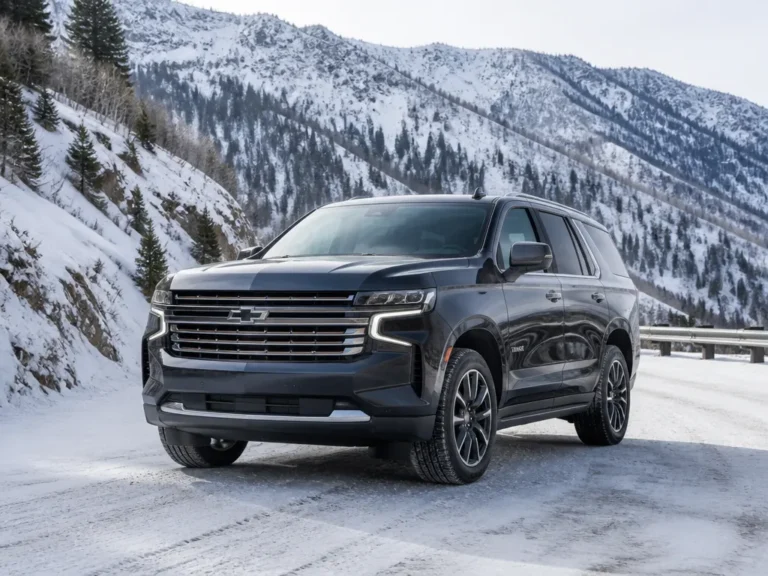
If you’re searching “chevy models that are best for winter driving,” you’re probably dealing with slush one day and glare ice the next, and you want traction that doesn’t fall apart when temperatures drop. We’ll sort the best Chevy nameplates for snow, ice, and messy commutes, then explain what matters most: drivetrain, clearance, braking feel, and defrost ability.
Go with a Chevy that has real AWD/4WD, stability and traction control that can handle slippery starts, and good cabin heat and windshield defrost. Prioritize full winter tires over all-seasons, because tire grip is the limiting factor on every snowy drivetrain.
Chevy models that are best for winter driving are the ones with AWD or 4WD, strong traction control, and tall-enough ground clearance for slush.
In practice, that means the Chevy Equinox AWD, Blazer AWD, Traverse AWD, and Silverado 1500 4WD when roads get rough, plus winter tires for consistent stopping.
Chevy Models That Are Best For Winter Driving
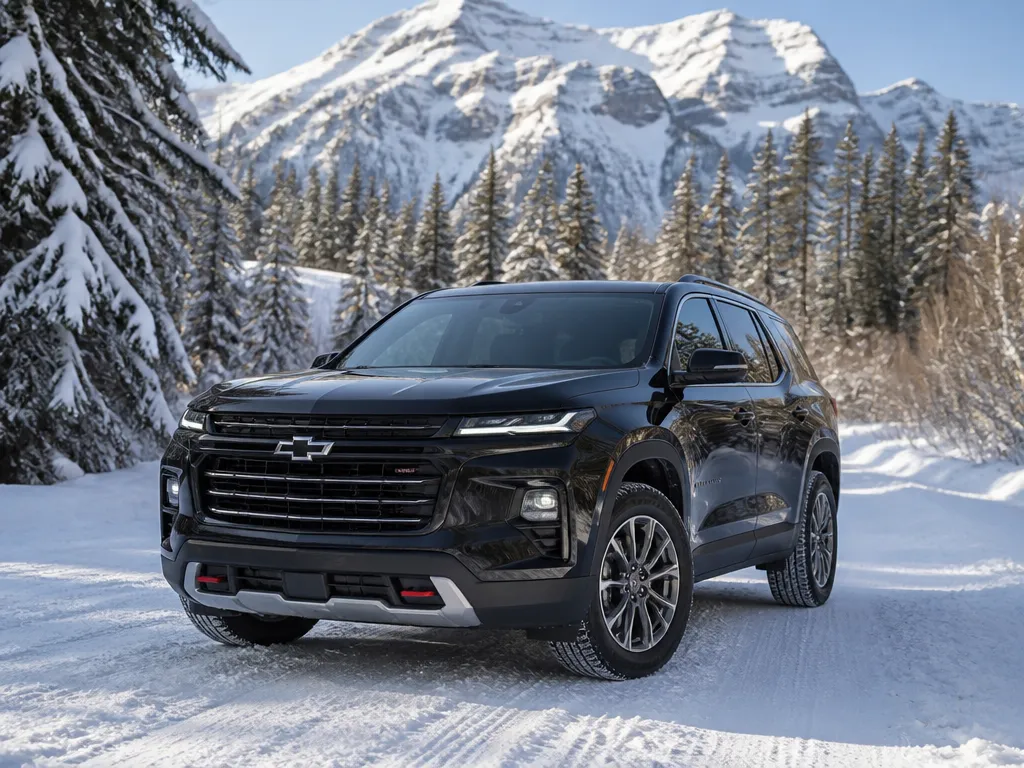
Chevrolet’s winter-friendly lineup is all about traction (AWD/4WD), predictable braking, and real winter usability (ground clearance and defrost strength). For most drivers, the best overall choices are the Chevy Equinox (AWD) and Chevy Blazer (AWD), then the Colorado and Silverado 4WD when you need clearance and rough-road confidence.
Ranked Shortlist By Winter Need
| Winter need | Best Chevy picks | Why they earn it |
|---|---|---|
| Best overall | Equinox AWD, Blazer AWD | Strong all-weather drivetrains for slush and daily commuting, good cabin heat and defrost output (so you can actually see). |
| Best for snow-heavy commutes | Equinox AWD, Traverse AWD | Everyday AWD helps keep the vehicle moving straight and stable when roads start packing with snow. |
| Best for ice control | Silverado 1500 (AWD where equipped), Blazer AWD | Traction control and stability management matter as much as drive layout when grip is low and throttle needs to stay smooth. |
| Best for rural roads / rough weather | Colorado 4WD, Silverado 4WD | 4WD plus higher ground clearance helps when plows bury ruts, gravel creeps onto pavement, and you see washboard surfaces. |
| Best for towing in winter | Silverado 1500 / Silverado HD (4WD) | Winter adds load, longer stopping distances, and more sway risk, so stability control and proper drivetrain choice are critical. |
Winter performance is limited by tires first. A great AWD system on all-seasons can still feel sketchy on ice, while the same vehicle on quality winter tires often feels dramatically more controllable.
What Winter Problems These Models Address
Traction (snow and slush): AWD and 4WD help prevent wheelspin during takeoff and help the vehicle track straighter when packed snow changes the road surface every few feet.
Traction control behavior (low grip): Smooth throttle inputs plus stable traction management keep the car from surging forward then suddenly releasing grip, which is common on icy patches.
Braking stability (ice and wet snow): Stability control and anti-lock braking help you stay pointed where you steer.
In practice, that means fewer “sideways moments” when you brake and the surface goes from rubbery snow to slick glare ice.
Clearance and underbody safety (rural winter): Colorado and Silverado 4WD bring more ground clearance and better wheel travel for ruts and snow ridges, which helps you avoid scraping and getting hung up.
Visibility and cabin usability (every Chevy above): Winter driving is won or lost by how quickly the windshield clears. Strong defrost performance and good airflow let you keep an eye on cross-traffic, curbs, and pedestrians when conditions turn white-out fast.
Best Chevy For Snow-heavy Commutes
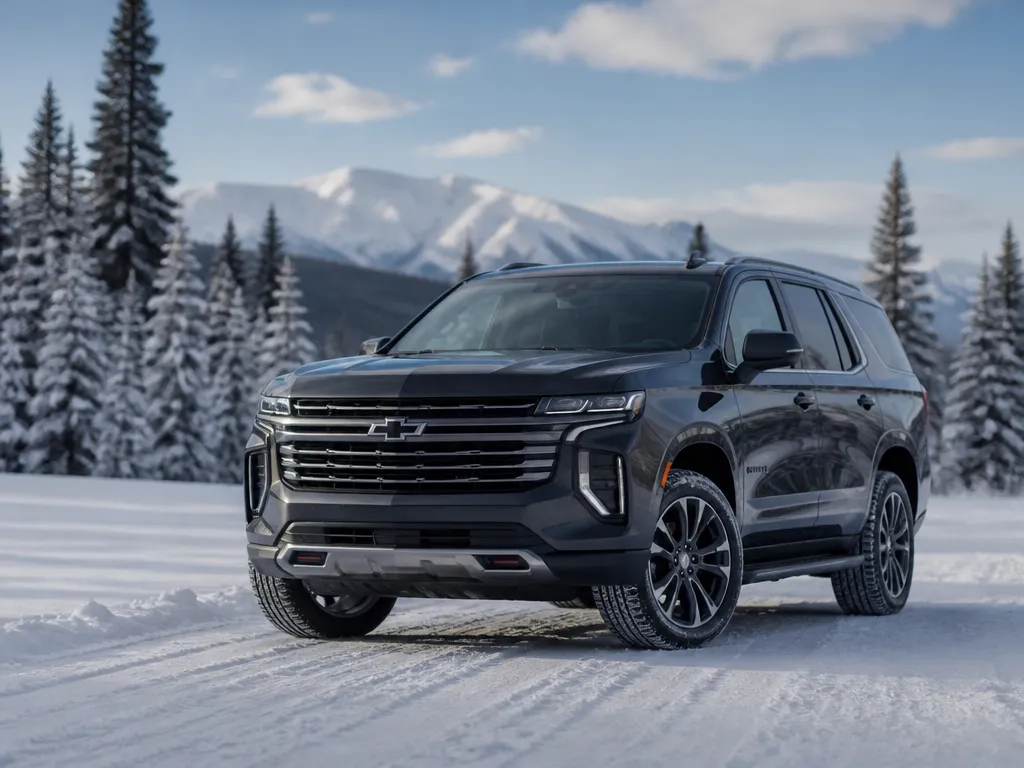
Chevy Equinox AWD, Blazer AWD, and Trax AWD are the three most practical picks for daily snow and slush. All three let you drive with power moving to the wheels that grip best, but the right one depends on how much snow, how much clearance you want, and whether you carry bulky cargo.
Chevy Equinox Awd (The Snow Commute Default)
Chevy Equinox AWD is usually the best starting point for snow-heavy commutes because it pairs competent all-wheel traction with a manageable size for winter driving. In slush, AWD helps the vehicle maintain forward motion when one side of the tire loses grip, which reduces the “digging in and slipping” feeling you get on front-wheel drive during stop-and-go traffic.
Trim choice matters most for winter visibility and drivability comfort. Prioritize trims that include heated seats, heated mirrors, and strong defrost performance, since scraping windows and poor visibility turns every stoplight into a hassle.
Chevy Blazer Awd (When Clearance And Room Beat The “Small Crossover”)
Chevy Blazer AWD is the pick over Equinox when you need more space for winter gear and passengers, or when your routes include deeper snow at entrances, parking lots, and poorly cleared side roads. The Blazer’s larger footprint can also make it feel more stable through rutted snow, especially when you are hauling coats, boots, and the usual winter clutter.
Blazer packaging is the trade-off: you give up a bit of tight-city convenience for more cargo and a more “winter-ready” stance. If you routinely load skis, coolers, or a lot of road-salt gear, Blazer AWD earns the priority.
| Model (AWD) | Best for | Winter priority |
|---|---|---|
| Equinox | Daily commutes in snow and slush | Cabin heat/defrost and confidence at stop-and-go |
| Blazer | Deeper snow routes and heavier cargo days | Space, stance, and stability when roads get rough |
| Trax | Lighter winter duty with occasional storms | Efficiency with AWD plus proper tire plan |
Chevy Trax Awd (Who It Fits Best)
Chevy Trax AWD fits best for drivers who want AWD for snow days but do not need the bigger crossover footprint. Trax is a lighter-duty option, so it makes the most sense for “snow-heavy, but manageable” commutes where plowing keeps things mostly open and you are not routinely hauling heavy cargo through deep slush.
Trax AWD is also a solid choice if you park in tight spaces and want something smaller to maneuver in winter, while still gaining the traction benefit AWD provides. For slush season, the tire plan matters even more on a smaller vehicle because traction limits arrive sooner.
Real-world tip: AWD helps you move and helps stability, but it does not replace snow tires. For frequent snow-heavy commuting, winter tires are the biggest difference you can make to braking and steering feel.
Chevy Trax AWD is best when your winter needs are predictable and you can dedicate attention to tire selection, pressure checks, and keeping snow from packing under floor mats and controls.
Best Chevy For Icy Roads Control
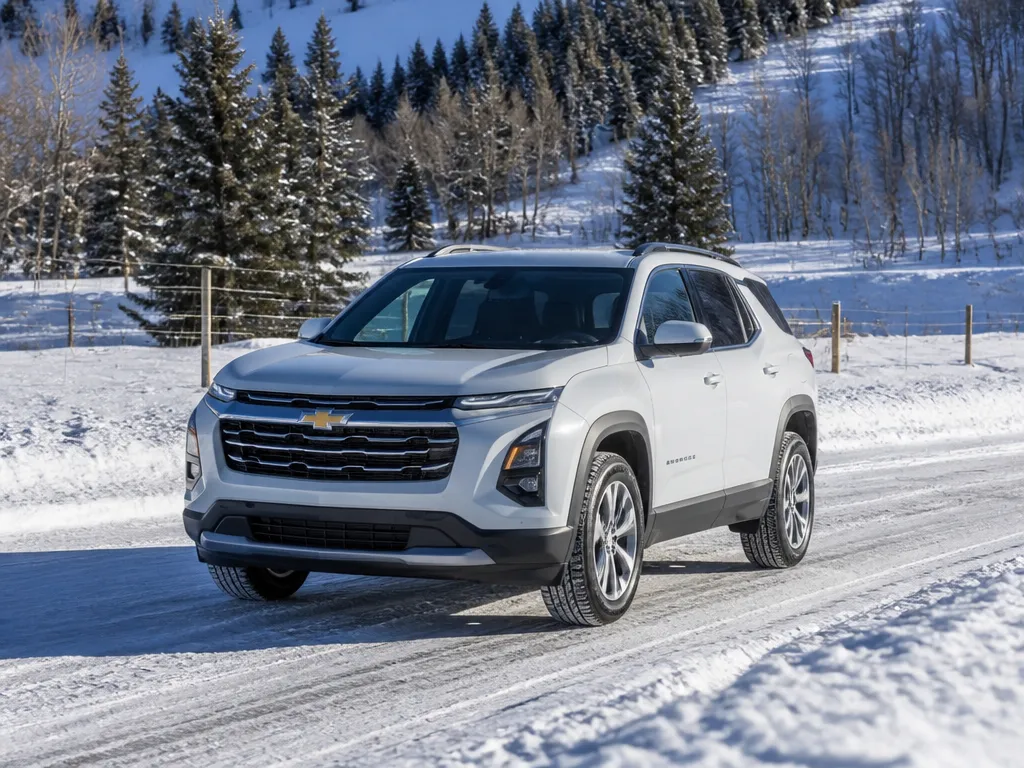
Chevy models that feel safest on glare ice are the ones that keep steering and braking predictable when traction drops fast. Focus on trims with stability control, antilock brakes, and a drivetrain that sends power to the wheels with grip quickly, then verify those systems are active in the way the trim is equipped.
Chevy Traverse Awd For Icy Commutes And Family Comfort
Chevy Traverse AWD is a smart pick when your winter driving is a mix of ice patches and salted slush. The AWD layout helps maintain forward momentum when one axle loses grip, and stable braking behavior depends on the stability control and ABS strategy doing their job.
For Traverse shoppers, cold-weather comfort is part of control because poor visibility turns every steering input into guesswork. Prioritize trims with strong defrosting performance (power heating where available, clear windshield outlets, and good heater airflow) so you are not driving by feel while the windshield fogs or ices over.
Chevy Tahoe/suburban 4wd For Freeze-thaw Consistency
Chevy Tahoe and Suburban with 4WD are the better confidence picks when you deal with frequent freeze-thaw cycles and rougher traction surfaces, since you get more drivetrain authority than AWD crossovers. The control you feel on icy roads comes from how stability control and ABS modulate brake pressure while the 4WD system keeps torque available at the ground-contact patch.
For these full-size SUVs, ground clearance and tire size matter more than most buyers expect. On ice, tires in good condition are the limiting factor, and a Tahoe or Suburban that holds stable braking with properly matched winter tires will feel far more “driven” than one on worn all-seasons.
Which Driver Aids Matter Most (And How To Verify)
On ice, the most important systems are ABS (keeps braking controlled and wheels from locking), stability control (corrects yaw and slide using brake and throttle management), and traction control (limits wheelspin at launch and during acceleration). You can have AWD or 4WD and still feel unsafe if a trim lacks the right electronic stability package or if the system logic lets more wheel slip than you expect.
Trim verification is where people get burned, since options packages can shift what is standard. Check the sticker for “stability control” and “traction control,” then confirm ABS is listed as standard equipment and that the driver can see stability control status in the instrument cluster.
| Chevy choice | Best icy-road job | What to verify on the trim |
|---|---|---|
| Traverse AWD | Ice patches and slush-heavy commutes | ABS + stability control are standard, visibility and defrost are strong |
| Tahoe 4WD | Freeze-thaw roads and mixed traction | 4WD capability with stability control staying active in slippery modes |
| Suburban 4WD | Long winter trips with confidence under braking | ABS + stability control standard, correct tire sizing for ABS behavior |
Insider mechanic tip: On ice, electronics do their best work when tires are fresh. Winter tires cut the slip events that overwhelm traction control, so the vehicle feels more consistent even before stability control has to intervene.
Best Chevy For Rural Snow And Clearance
Ground clearance and low-range control matter most on rural roads where plows trail off and slush drifts over ruts. A Chevy pickup with 4WD low-range, or a Colorado with the right all-wheel-drive setup, keeps the underbody out of trouble and gives you better traction when speeds get slow.
Chevy Colorado: When Awd Is Enough, And When To Step Up
For most winter commuting on secondary roads, the Chevy Colorado with AWD is a smart balance of capability and drivability. AWD helps when you hit patchy snow, but it does not replace the crawl ability you want when you are creeping through deep ruts, packed snow, or brushy snowbanks.
Step up from “it gets through” to “it works when roads get ugly” when your route includes unplowed shoulders, frequent deep drifts, or steep pullouts after storms. In that case, prioritize trims and configurations that give you stronger off-road traction management and lower-speed control.
| Winter Road Reality | Best Colorado Approach | Why |
|---|---|---|
| Plowed but icy | AWD Colorado with fresh winter tires | Better all-weather grip without needing crawl control |
| Unplowed slush with ruts | 4WD Colorado with low-speed traction control | Ruts demand controlled torque at low speed |
| Deep snowbanks at pullouts | Use 4WD strategy and stay conservative | Underbody clearance and approach angles limit where you can go |
Chevy Silverado 1500 4wd: Best For Unplowed Roads Under Load
The Chevy Silverado 1500 in 4WD is the go-to for rural winter when the roads are rarely fully cleaned and you might tow or haul. On unplowed routes, 4WD helps you keep the truck from spinning up and sliding sideways when the surface is uneven or unevenly frozen.
Handling under load is where winter confidence comes from. A loaded Silverado has more stable traction and better braking feel than an empty one, but you still need appropriate tire tread and correct tire pressures for snow (lower pressure can help grip slightly, too-low pressure increases drift and sidewall risk).
“If you can feel the truck ‘hunting’ for grip, your tires are telling you the drivetrain can only do so much. Winter tires with real tread depth usually fix more than any setting.”
Edge Cases: Clearance Limits And Tire Tread Depth
Ground clearance is not a guarantee against damage. Snowpack can hide rocks, concrete lips, or frozen ruts, and the Silverado and Colorado can still scrape crossmembers, skid plates (if present), or exhaust components if you crest a drift at the wrong angle.
Winter traction drops fast when tread is worn. Once tire tread depth is low, you lose the ability to bite through a thin snow layer and clear slush, which is why two trucks with the same drivetrain can behave completely differently on rural roads.
Which Drivetrain To Pick In Winter
AWD gives you consistent traction on slippery surfaces because torque can be sent to both axles automatically, without you changing modes. 4WD adds a selectable mechanical link that can keep pulling even when roads get uneven or deeply snow packed, especially if low range is available. FWD is fine for plowed roads and normal winter driving, but it gives you less help when you hit ice and unplowed snow because all propulsion is at the front wheels.
| Traction Setup | How Power Gets to Wheels | Snow vs Ice Reality | Best Chevy Buyer Scenario | What to Prioritize in Trim |
|---|---|---|---|---|
| FWD | Front wheels get all drive torque | Works well in light snow; on glare ice you can feel front-end slip sooner | Daily commutes on cleared roads | Winter driving mode (if available) and correct tire package |
| AWD (typical commuter system) | Sends torque to front and rear as needed | Better forward bite in slush and mixed conditions; ice still demands good tires | Most commuters who see changing weather | AWD with snow/ice modes and compatible tire/wheel setups |
| 4WD (with selectable modes) | Driver selects 4WD, can lock engagement behavior | Handles deeper snow and rutted roads better; low range helps when traction is low | Unplowed routes, rural driveways, frequent storms | Low-range capability (when equipped) and robust off-road settings |
Awd Vs 4wd: What You’ll Feel
AWD is the easiest winter choice for everyday driving because it reacts continuously, keeping the truck or SUV pointed forward when grip changes every few feet.
In practice, that means fewer “digging for traction” moments in slush, and less front-wheel-only spin when you roll onto a patch of ice after hitting dry pavement.
4WD is the better tool when snow gets deep or the road is rutted and uneven, because the system can keep more evenly distributed drive force and let you use low range when available. Low range is the part that helps most in real-world winter, it gives you slower, steadier wheel speed for crawling traction rather than relying on wheel slip.
Trim-by-trim Decision Rules
For a commuter, pick an AWD trim that lists winter or snow/ice drive modes, then confirm the tire package is winter-suitable (or at least all-season with the right size and load rating). If the trim swaps in different wheel sizes, match the tire width and overall diameter you plan to run, because “close enough” can change ABS and stability behavior.
For a rural, unplowed route driver, prioritize trims with 4WD and any settings that help off-road traction, plus low-range if the model offers it. When comparing two trims, choose the one that keeps the best tire compatibility first, then add convenience features like heated steering wheel and premium defrost hardware second, because visibility beats comfort when snow is blowing.
Rule of thumb: drivetrain helps, tires do the work. If the trim you want forces a wheel size you cannot support with quality winter tires, step down or change the wheel plan before you buy.
Chevy trims that include AWD drive modes usually let you stay in a more stable acceleration zone, but they still rely on traction control and brake modulation when wheels lose grip. Cold-weather prep matters too, warm tires on a cold rim grip differently than fully thawed rubber, so plan for consistent winter tire performance rather than expecting the drivetrain alone to “solve” ice.
Tires And Wheels Make The Real Difference
Winter grip comes from the tire compound and tread design, not from the drivetrain choice alone. A Chevrolet that is mechanically “right” in winter can still feel unsafe if it is running worn tires, mismatched sizes, or the wrong tread for snow and ice.
For best results across the Chevy lineup, plan on dedicated winter tires rather than relying on all-seasons. Winter tires keep their flexibility in cold weather and evacuate slush better, which helps steering response, braking distance, and side-to-side stability.
Size, Fitment, And The “No Shortcuts” Winter Setup
Use your door-jamb tire placard size as the starting point, then size the winter tires to match the vehicle’s approved range. Many Chevy owners successfully step down one tire width and keep the same overall diameter to improve snow floatation while preserving speedometer accuracy.
For example, a winter setup often uses the same wheel diameter as the factory setup, with a narrower tire width for better contact in soft snow. That said, fitment must match your specific trim and brake package, so compare wheel specs (width and offset) against your tire’s tread width and sidewall clearance.
Wheel compatibility is more than bolt pattern. Wheel offset changes how far the tire moves inboard or outboard, so it can either cause rubbing or reduce clearance to the fender and wheel well.
For TPMS, most modern Chevy cars monitor pressure via the tire sensors installed in the wheel. If you swap wheels yourself, make sure the winter wheels have the correct TPMS sensors or you will see warnings and pressure readouts may be unreliable.
| Winter setup rule | What to do on a Chevy | Why it matters in snow |
|---|---|---|
| Avoid mismatched tire widths | Use the same winter tire size on all four corners | Uneven rolling diameter and tread grip can confuse ABS and traction control |
| Keep overall diameter consistent | Match the overall size to placard-approved range | Protects speedometer accuracy and stability control logic |
| TPMS continuity | Install winter wheels with correct TPMS sensors | Prevents dashboard warnings and keeps pressure alerts functional |
| Full set replacement | Buy four tires, replace in pairs if required by budget but keep matching | Balanced grip improves braking and steering predictability |
Braking And Traction Expectations: Tires Beat Upgrades
Even the best winter drivetrain setup cannot fix tire slip. In ice and slush, braking performance depends heavily on tire compound and tread siping, and a worn all-season can lock sooner with a longer stopping distance than a fresh winter tire.
For AWD and 4WD Chevy models, expect improved forward motion, but steering and stopping still come down to tire grip. A good winter tire helps the tire generate traction before the vehicle’s traction control has to intervene, which keeps the car more stable when you brake hard or trail-brake into a turn.
Insider tip: Prioritize tire condition over drivetrain “mods.” A set of quality winter tires on the correct wheel size will change how a Chevy tracks and stops more than an upgrade to intake, exhaust, or drivetrain accessories ever will.
Cold-weather Readiness Checklist
Before you commit to a Chevy for winter, verify it can handle the basics reliably in cold temps: traction (tire availability and drivetrain behavior), stopping control (brakes plus stability systems), visibility (wipers, washer, defrost), and cabin heat (airflow and defrost performance). A good winter truck or crossover can still feel “wrong” in snow if the wrong tire setup is hard to source or if cold-start and fluids are neglected.
Before You Buy
Use this pre-buy walk-through on the exact unit you plan to purchase. Winter readiness is less about marketing trims and more about whether the car’s current setup will survive your roads and temperatures.
| System to check | What you test | Red flags |
|---|---|---|
| Brakes/ABS/ESC | Steady pedal feel and stability in light turns | ABS/ESC warning lamps, violent pedal pulsation, pulling |
| Windshield visibility | Wipers sweep and washer spray coverage | Streaking, skipping, dribbling, uneven spray |
| Defrost | Time to clear and sustained airflow | Long clearing times, weak blower, fogging return |
For example, many Chevy 4WD and AWD trims handle snow well, but winter tires can be a deal breaker if the tire size is uncommon in your area. Prioritize models where the factory tire size is broadly supported by winter tire brands.
Underbody And Corrosion Check
Salt turns small issues into winter failures fast, especially on underbody hardware and brake components. Inspect the rocker panels, wheel wells, and the underside of the frame or subframe for rust-through, bubbling paint, and flaking factory undercoating.
Mechanic tip: When you see rust patterns that match repeated winter use, budget extra time for brake inspections. Winter salt can also shorten the life of wheel bearings and suspension bushings.
Powertrain Cold-start And Fluid Condition
Cold starts expose weak batteries, aging alternators, and dirty oil. Inspect battery condition if visible, confirm recent charging health, and verify the engine oil level and service history match the cold-weather usage.
For instance, a Silverado or Equinox that starts quickly and idles smoothly in cold weather is usually a better winter bet than one with delayed cranking and thick, dirty oil. Cold-start problems can look “minor” during test drives, then snow days expose them.
| Cold-weather item | What to verify on the car | When to walk away or price it in |
|---|---|---|
| Battery/charging | Quick crank, clean terminals, service history | Slow crank, heavy terminal corrosion, no records |
| Block heater | Presence and compatibility for your engine | No option and you live where temps drop sharply |
| Fluids | Correct oil level, no coolant issues | Unknown service history or low/dirty fluids |
Quick Summary
Chevy models that are best for winter driving focus on traction and usability, since the limiting factors show up as wheelspin, unstable braking, and poor visibility. The article emphasizes choosing AWD or 4WD, along with stability and traction control that can manage slippery starts, plus tall-enough ground clearance for slush and effective windshield defrost. It also stresses that even a strong drivetrain cannot compensate for bad tires, and it calls out switching to dedicated winter tires when temperatures drop below about 7°C (45°F).
For specific Chevy picks, the article highlights the Equinox AWD and Blazer AWD as the best overall choices for everyday winter work, including strong cabin heat and defrost output. It further points to Traverse AWD for snow-heavy commutes, and Silverado 1500 and Blazer AWD for ice control, where smooth throttle and traction management help you avoid surging forward then suddenly losing grip. For rough, rural winters, it favors Colorado 4WD and Silverado 4WD for clearance. The single most important takeaway is to prioritize winter tires first, then match AWD or 4WD to your road conditions.
| Winter need | Chevy picks named in the article | Why it fits |
|---|---|---|
| Best overall | Equinox AWD, Blazer AWD | Strong AWD for slush, plus good cabin heat and windshield defrost output |
| Snow-heavy commutes | Equinox AWD, Traverse AWD | Everyday AWD helps keep the vehicle moving straight and stable as snow packs in |
| Ice control | Silverado 1500 (AWD where equipped), Blazer AWD | Traction control and stability management matter when grip is low and you need smooth power |
| Rural roads and rough weather | Colorado 4WD, Silverado 4WD | 4WD and higher ground clearance help with ruts, snow ridges, and washboard surfaces |
Frequently Asked Questions
Which Chevy Models Are Best For Winter Driving In Snow And Ice?
If you want the safest bet in winter, look for a Chevy with all-wheel drive (AWD), or a heavy-duty pickup with strong 4WD hardware. Models like the Chevy Equinox (AWD), Blazer (AWD), and Traverse (AWD) are commonly shopped for winter because they keep power to more wheels when traction is uneven.
Are Awd Chevys Better For Winter Than 2wd?
Usually, yes. AWD helps you keep moving and maintain traction when roads are slick, especially on starts and acceleration, while 4WD is often the better tool for deeper snow or rougher conditions.
Which Chevy Is Easiest To Drive In Winter, The Equinox, Traverse, Blazer, Or Silverado?
For most people, an SUV like the Equinox, Blazer, or Traverse is typically easier to handle day to day because it is more compact than a truck and has normal-height visibility without the “big vehicle” feel. If you expect snow-packed roads, plowing, or towing, the Silverado with 4WD tends to make winter chores easier.
What Chevy Winter Model Should I Choose If I Have To Commute On Salted Roads And Slush?
Prioritize something with AWD and good tires, since salted slush is where traction changes fast. An AWD crossover like the Equinox or Traverse is often a practical choice, because it gives stability on slick pavement without needing truck-style ground clearance.
How Much Winter Improvement Can I Expect Just By Switching Chevy Models To Awd?
You can feel a difference in grip during takeoff and on slick corners, but tire choice still matters more than the badge. Even the best Chevy for winter will not perform well on worn tires, so treat matching tire tread and correct tire type as the foundation.
What Is The Most Common Mistake People Make When Buying A Winter Chevy?
The biggest mistake is assuming AWD or 4WD alone replaces winter tires. If you go with an AWD Chevy like an Equinox, Blazer, or Traverse, plan on proper winter tires for your climate, because traction in snow and ice is mostly a tire and braking system problem, not just drivetrain type.