


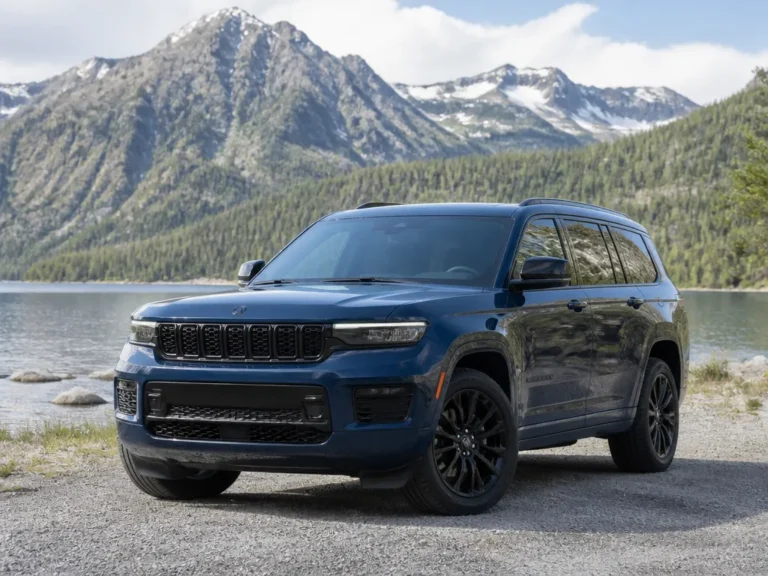
If you type “cool suvs for men” and you still can’t pick one, it’s usually because the options all look tough online, but trims, drivetrains, and real-world practicality vary a lot. You want an SUV with an aggressive stance, legit driving feel, and modern tech, without buying into hype you’ll regret.
Here’s the quick answer: target sporty trims with a turbo engine, choose AWD if you want confident daily driving, and prioritize infotainment that’s easy to live with. In the list below, you’ll get specific models (with suggested model years), price ballparks, and the tradeoffs that matter.
Cool Suvs For Men: Curated List
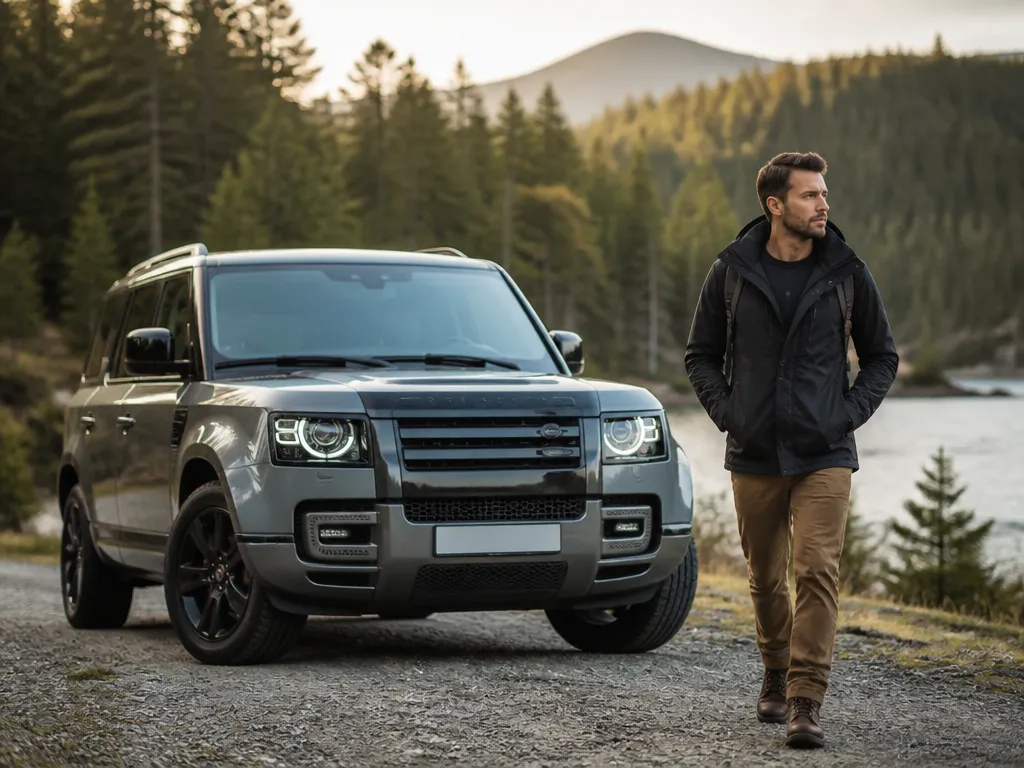
Cool, for this list, means a SUV you can spot from a parking lot and still enjoy on a drive. The goal is a mix of bold styling and stance, an enthusiast-friendly powertrain or chassis, and tech that feels usable, not gimmicky. This guide also filters for trims that deliver the vibe without forcing you into the most expensive option.
How This List Defines “Cool”
Design and stance come first because that “ready to move” look usually tracks with the trim you should target. Performance and driving feel matter next, whether that is a turbo that responds well, sport-tuned suspension, or available all-wheel drive that keeps traction predictable. Tech rounds it out, meaning quick infotainment, clear driver displays, and practical connectivity.
Vibe categories keep the recommendations honest so you can shop with intent. Rugged cool leans toward off-road or tough-looking packages, premium cool targets upscale interiors and smooth power, and tech-forward cool prioritizes modern screens, driver aids, and strong daily usability. Every model in the list can fit one of these personalities, and some can cover two.
| Price band (rough) | What to expect | Best use |
|---|---|---|
| New: about $30k to $45k | Most mainstream compact and crossover “sport” trims live here | Daily cool with warranty coverage |
| New-ish / Used: about $20k to $35k | Great value on a previous-generation or mid-trim build | Get the stance and power without the top-dollar tax |
| Used value: about $15k to $25k | Older years, fewer tech upgrades, more compromises | If the driving feel and exterior style are the priority |
Generation guidance keeps you from buying the wrong “cool.” Newer generations usually bring better infotainment, updated safety tech, and improved ride tuning, while previous-gen models often deliver the most styling value per dollar.
In practice, most buyers get the best balance by targeting one recent model year change (or the last year of a strong prior generation), then choosing the trim that matches the vibe.
Insider tip: When two trims look identical in photos, the wheel size, suspension tuning, and infotainment screen matter more than badge-level differences. If a listing does not clearly state the trim or tech package, assume you will need to verify it before you sign.
Jeep Wrangler: Iconic Rugged Look
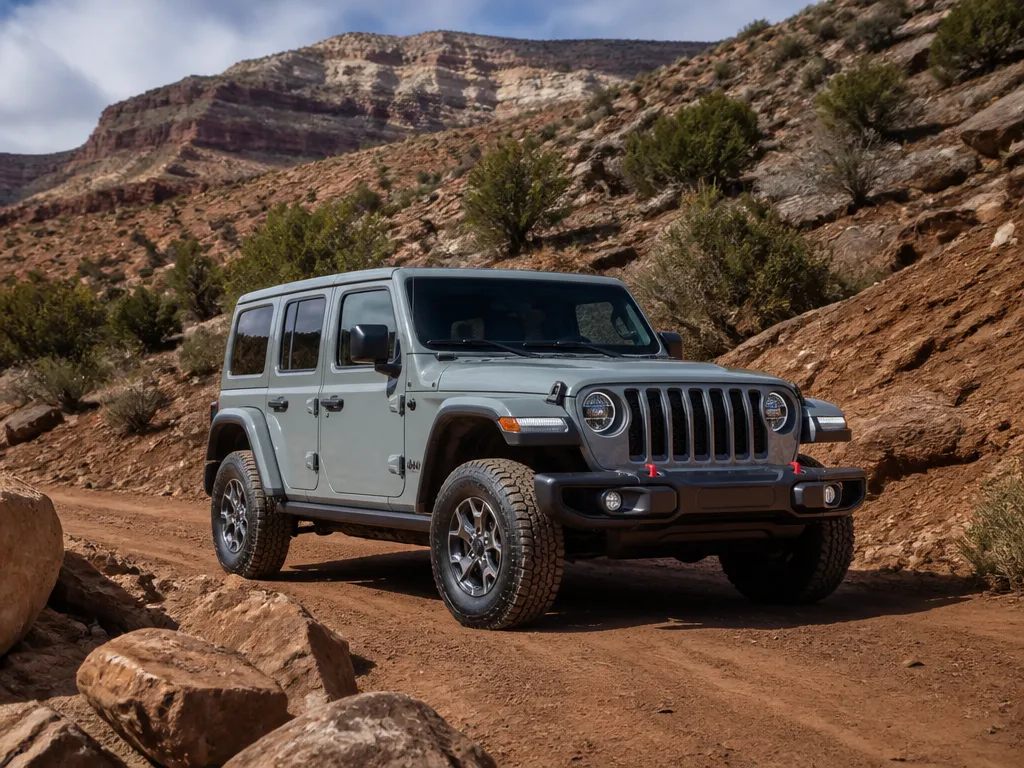
Jeep Wrangler is cool because it looks the part with a boxy silhouette and classic seven-slot grille, and it lets you “do the thing” with removable doors and (on many setups) a removable roof. Wrangler also has off-road credibility that comes from years of design around real trail use, not just styling.
Year And Generation Guidance
Model-year choice matters because the driving feel and tech level change a lot. The JL generation (2018 to present) is the sweet spot if you want a more modern interior, improved ride, and up-to-date infotainment compared with older Wranglers.
Earlier generations are where you can save money, but the trade is more dated cabin tech and potentially rougher ride quality depending on trim and tire setup. Buying used can be a smart move for weekend-worried shoppers, especially if you plan to keep the Jeep on higher-quality tires and avoid neglected maintenance history.
Trim And Drivetrain Picks For Maximum Impact
Pick your trim based on what kind of cool you want: “look and go” or “trail first.” The Sahara is the go-to for a tougher stance with more comfort-minded trim, while the Rubicon is the obvious choice if you want the most authentic off-road hardware and the brag-worthy capability.
Wrangler 4xe is the plug-in option for people who want the rugged look with an electrified twist, especially if you have access to home charging. 4xe buyers often care about commuting feel and instant low-speed torque, but you should confirm battery health and charging setup before you commit.
| Trim/Model | Best “cool” factor | Buyer mindset |
|---|---|---|
| Sahara | Rugged styling with more everyday comfort | Weekend trails, daily-driver friendliness |
| Rubicon | Serious off-road cred | Frequent trail use, wants the real hardware |
| 4xe | Plug-in convenience plus rugged vibe | Commute-oriented and charges at home |
New pricing for Wrangler is roughly mid-$30k to mid-$50k depending on trim and options, while used pricing can land lower or sometimes higher based on rarity, lift/tire packages, and whether it is a well-kept example. Because “modified” Wranglers vary wildly, the sticker price tells you less than condition and maintenance.
Mechanic tip: For a used Wrangler, prioritize service history and inspect steering/suspension wear (especially on any modified rigs). A clean maintenance trail matters more than cosmetic mods.
Wrangler is best for off-road enthusiasts and “weekend warrior” buyers who want the rugged aesthetic while still driving it to dinner. Wrangler also fits men who care about character, not just specs, because the experience of owning and using it is the whole point.
Ford Bronco: Modern Off-road Cred
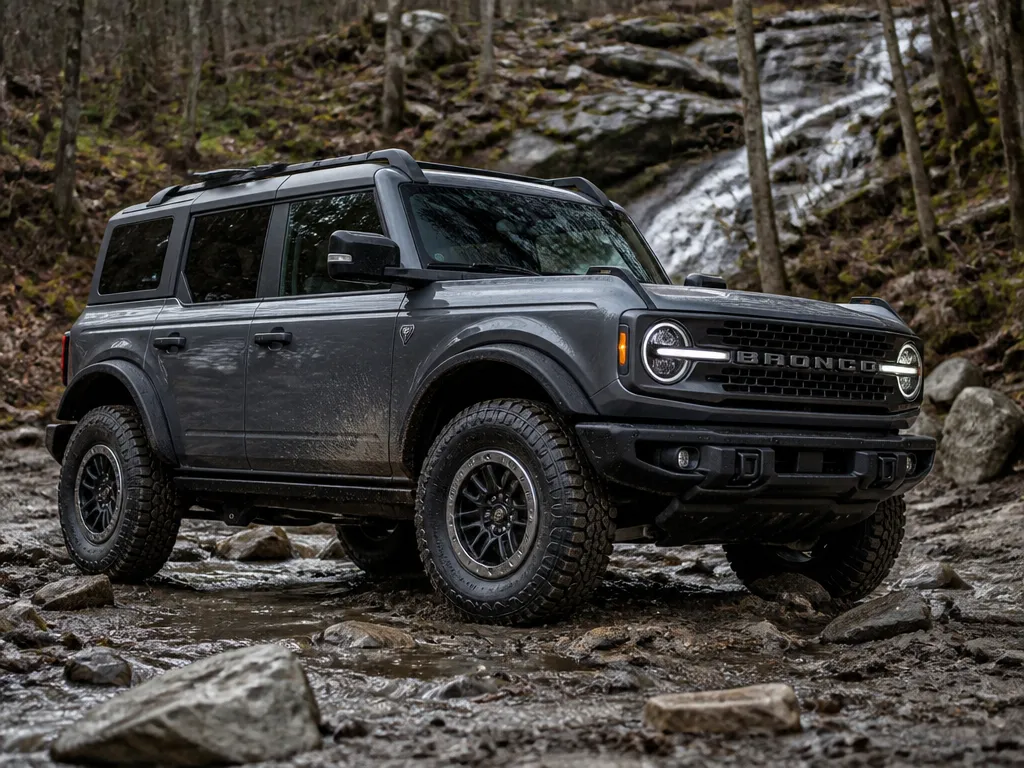
Ford Bronco hits the sweet spot of “cool” and capability with retro styling cues and a stance that looks ready for dirt the moment you see it. Bronco’s off-road hardware and trail-minded trim options also let you buy the look without ignoring real drivetrain performance.
The 2021+ Bronco generation is the main one to target, because it is the current modern platform with major styling and off-road focus. Mid-cycle refreshes improved look and packaging over time, so later model years often feel better bought as a used deal than the earliest units.
Target Trims That Look Tough And Drive Even Better
Badlands is the easiest “cool on-road, serious off-road” pick when you want an enthusiast vibe without going full expedition spec. Sasquatch trims are aimed at people who plan to actually tackle rough terrain, since the package focuses on bigger-stance capability and traction-ready gearing.
Engine choice matters for the way you want it to feel. The 2.3L EcoBoost is the sharper, more responsive option for street and mixed driving, while the 2.7L V6 suits folks who tow more often or want relaxed power on climbs.
Bronco pricing in the real world is wide because trims stack options fast, and availability changes by region. Roughly, expect about $32k to $70k new depending on trim, drivetrain, and off-road packages, with used pricing swinging based on mileage and scarcity.
| Bronco Pick | What You Get | Watch-Out |
|---|---|---|
| Badlands | Bold stance, trail capability, daily-friendly feel | Options can push cost quickly |
| Sasquatch | More serious off-road setup and traction focus | Higher trim pricing and bigger tires can affect ride and fuel economy |
| 2.3L EcoBoost | Spry street manners | Towing-heavy use may justify the V6 |
| 2.7L V6 | Stronger power for climbs and towing | Usually costs more to buy and run |
Pros are straightforward: Bronco is versatile enough for commuting, yet it still feels legit for trails, which is why it competes with Wrangler for the “cool rugged SUV” slot. Cons come down to running costs and packaging, since off-road packages and larger tire setups can raise expenses and narrow the “best value” window if you do mostly highway driving.
Best use map: choose Badlands for overland weekends and a bold everyday look, choose Sasquatch if you plan real trail time, and match the engine to how often you tow or haul gear.
Toyota 4runner: Hard-wearing Legend
Toyota 4Runner feels cool because it has a simple, boxy body, chunky off-road stance, and a long track record of surviving abuse. Trail-ready trims like TRD Pro keep the “ready to go” vibe, and the platform has earned a reputation for long-term durability.
Why The 4runner Is Still A “Men’s Cool Suv” Pick
The 4Runner’s look is pure utility, wide fenders and upright proportions that make it easy to spot in a parking lot. The driving experience is more mechanical than flashy, with steering and gearing that suit dirt roads and rough pavement. TRD options add period-correct attitude, skid-style protection, and off-road hardware that matches how people actually use these trucks.
Year-to-year changes are evolutionary rather than radical, so buying one used is usually about choosing the right trim and condition, not chasing a “new platform.” The 2024 redesign brought updated interior tech and appearance changes, while keeping the model’s rugged character.
| Shopping target | Rough price range | What to watch |
|---|---|---|
| New (typical) | $38k to $50k | Dealer discounts vary a lot, and options swing the final number. |
| Used (typical) | $25k to $45k | Condition and mileage matter more than model year when both are 5th-gen. |
Pros: predictable long-term reliability, huge aftermarket support, strong off-road confidence, and a cabin that feels built for real-life hauling. Cons: fuel economy is weak compared to crossovers, ride comfort can feel firm on rough pavement, and the tech upgrade pace is slower than newer SUV platforms.
Best move for long-term ownership: pick the trim that matches your real off-road use, then buy the cleanest example you can find with service records.
Best-for mapping: the Toyota 4Runner suits serious off-roaders, guys who road-trip hard, and anyone who wants one SUV to do years of dirt, snow, and daily commuting with minimal drama. The 4Runner also fits buyers who prefer durable, analog-feeling fundamentals over maximum luxury or sport-sedan handling.
Range Rover Velar: Sophisticated Street Presence
The Range Rover Velar gives you a sleek, low-slung silhouette with premium materials and a tech-heavy cabin that feels more “designer” than rugged. The drive experience stays composed, and the interior is where it really wins, especially if you live in cities and like your daily ride to feel special. Velar is cool because it pairs Range Rover attitude with a cleaner, sportier look than bigger Range Rover models.
Velar launched for the 2017 model year, then went through mid-cycle updates in later years that improved the on-screen user experience and refined details across the lineup. Early production cars can show up with quirks that owners fix under warranty, so buying used means you should focus on good service history and check for any outstanding software and drivetrain recalls tied to that specific VIN. If you are targeting an older, cheaper Velar, budget extra time for inspection rather than assuming all the bugs are gone by mileage.
Velar pricing is still pretty broad because trim level and options swing value a lot. New Velars are roughly in the $60k to $110k neighborhood depending on configuration, while used examples often land around $40k to $95k based on year, mileage, and whether you are dealing with the plug-in hybrid. Exact current numbers vary by market, so use these as planning ranges and confirm local listings.
| Goal | Velar pick | Why it fits |
|---|---|---|
| Urban luxury | P250 (R-Dynamic if you want the look) | Confident styling and refined daily drive without extra hybrid complexity. |
| Tech-forward daily driver | Higher-option P250 or P400e with your charging routine | More modern cabin feel, better infotainment experience. |
| Charging-based savings | P400e | Electric commuting potential if you can charge consistently. |
Velar ownership “feels good” when the car has a stack of documented service and you buy with eyes open about cost. For статус, executives and professionals often pick it because it looks executive without dressing up like a full-size Range Rover.
Best-for match: the Velar is ideal for urban luxury buyers who want a sleek presence, enjoy premium interiors, and like tech-rich cabins. The Velar also fits office-to-dinner schedules, where the ride quality and refined look do most of the talking. Status-wise, it lands in that sweet spot between understated and unmistakably upscale.
Bmw X3 M40i: Sporty Balance
The BMW X3 M40i hits the “cool” sweet spot with confident, performance-tuned driving plus daily-practical packaging. The twin-scroll turbo inline-6 gives strong midrange pull without making the SUV feel frantic, and the rest of the car is built to feel buttoned-down when the roads get twisty.
Year guidance is simple: focus on the 2018-present G01-generation X3s (that is when the current platform look and driving feel took hold). Buyers usually get the most “cool” for their money by targeting the M40i model, then choosing the right options rather than chasing rare trims.
What To Buy And Why It Feels Sporty
Within the G01 years, the best drivetrain pick is typically M40i with xDrive AWD. xDrive helps the car put power down when traction changes, and it keeps the driving vibe consistent if you commute year-round.
Optional tech can change the daily usability more than people expect, especially for parking and highway stress. Look at the option list carefully because two “M40i” ads can feel totally different once you compare driver assist, camera views, and infotainment features.
| Buyer Goal | Best X3 M40i Pick | Trade-off |
|---|---|---|
| Sporty street driving | M40i with xDrive | More drivetrain complexity than a non-AWD setup |
| Daily commuting ease | M40i with camera + ACC/lane assist | Higher purchase price for option content |
| Weekend “drive it” vibe | Sport-oriented wheel and brake package | Bigger wheels can mean shorter tire life |
Price expectations (rough, market-dependent) land around $60k+ new and $35k to $55k used for many 2018-present examples, depending on mileage and option mix. Listings can swing noticeably, so compare the exact build sheet, not just the model badge.
“For an enthusiast who still needs groceries and road trips, the X3 M40i is one of the few SUVs that feels like a smaller performance car when you drive it hard.”
Pros: dynamic handling for an SUV, strong turbo inline-6, and a more upscale interior than most in the class. Cons: added costs for tires and brakes if it has sport hardware, plus generally higher maintenance and parts pricing than mainstream competitors.
Best-for mapping is straightforward: the BMW X3 M40i fits drivers who want sporty throttle response and tight steering feel while still needing everyday practicality. If you want an SUV that looks sharp, drives engagingly, and stays usable every day, this is the “cool” pick that makes sense.
Chevrolet Blazer Rs: Bold Value
Chevrolet’s Blazer RS is cool because it brings a coupe-like roofline and aggressive RS trim without making you pay premium-brand money. The RS look is the point, with sporty exterior styling and a more driver-focused feel than a plain commuter SUV. For a lot of shoppers, it hits the sweet spot between “stands out” and “doesn’t wreck the budget.”
Year And Generation Guidance
The Blazer RS is most interesting starting with the 2nd generation (introduced for the 2019 model year). Later refreshes tend to bring better tech packaging and improved overall fit and finish, so you usually get a stronger ownership experience by shopping for newer 2nd-gen examples rather than early ones. Model years can vary by equipment bundles, so compare the actual spec sheet before you commit.
For practical buying, aim for a well-equipped RS on a newer 2nd-gen year, especially if you care about infotainment and driver-assist availability. If you are shopping used, prioritize the exact trim and options you want, since “RS” can still mean different equipment levels depending on the package.
Trim And Drivetrain Picks
The RS name is tied to a sportier appearance and typically comes with stronger engine choices depending on year and market availability. When you are picking for driving feel, choose the RS with either the 2.0L turbo or the 3.6L V6, then decide on optional AWD based on your weather and driving style.
One trade-off you should expect is that ride comfort and interior space can vary by wheel size and option content. Many RS trims give you a sportier stance, but the ride can feel firmer compared to more comfort-oriented SUVs in the lineup.
| Shopping angle | What to target | Trade-off to watch |
|---|---|---|
| Standout styling for less | RS trim on a newer 2nd-gen year | Some option packages raise the total price quickly |
| Daily drive value | RS with 2.0L turbo | Power feel depends on transmission calibration |
| Stronger all-around pull | RS with 3.6L V6 | Fuel economy may drop versus turbo models |
Typical market pricing is roughly $34k to $52k new, while used RS examples often land around $20k to $35k depending on year, mileage, and option level. The exact numbers change fast, and availability varies a lot by region, so treat these as realistic ranges rather than quotes.
Best-for fit: Blazer RS is a smart buy for value seekers who want bold, “guy-friendly” SUV styling and a sportier drive vibe without stepping up to a luxury badge.
Chevrolet Blazer RS is the move when you care about look-first cool, you want real performance choices (turbo or V6), and you plan to compare option content line-by-line. Blazer RS is also a strong pick if you can find a recent 2nd-gen example where the tech and quality are where you want them.
Quick Summary
The rough price expectation by buying tier is new about $30k to $45k, new-ish or used about $20k to $35k, and used about $15k to $25k, noting older years bring fewer tech upgrades and more compromises. Match your vibe, like rugged, premium, or tech-forward, and verify the trim, wheels, suspension tuning, and infotainment screen if the listing is unclear.
| What to focus on | Article guidance |
|---|---|
| Model years | Shop 2021 to 2025 for updated infotainment and fewer early issues |
| Power and feel | Pick turbo or performance trims for sharper driving feel |
| Traction | Choose AWD for confidence in rain, snow, and uneven roads |
| Tech | Prioritize clear, responsive infotainment that is easy day to day |
| Pricing reality | Expect rough tiers: new $30k to $45k, new-ish/used $20k to $35k, used $15k to $25k |
| Deal confirmation | Verify the exact trim and tech package, including wheel size and suspension, before signing |
Frequently Asked Questions
What Are The Most Affordable Cool Suvs For Men Under $30,000?
It depends on current incentives and model year, and exact pricing changes fast. A practical approach is to focus on compact crossover SUVs from the last 2-3 model years or certified pre-owned options, since that is where you usually find the best value bands.
Which Cool Suv Is Best For Commuting, Comfortable Seats, And Easy Parking?
If you want an SUV that feels “cool” but is still simple to live with, look at compact crossovers with good outward visibility and lighter steering. Try to test drive parking in a tight spot, because body size and turning radius matter more than marketing names.
What Cool Suv For Men Has The Best Safety Tech Without Paying For The Top Trim?
Many brands bundle driver-assist tech in “mid” trims, so check whether features like forward collision warning, automatic emergency braking, and lane keeping are included before you jump to the highest price level. If you are shopping used, confirm the package was actually installed on that specific VIN.
What Suv Should I Choose If I Want Weekend Road Trips And Decent Cargo Space?
Pick a model with real cargo room behind the second row and usable floor space, not just headline numbers. In general, midsize SUVs give you more flexibility for gear, and you will also get more stable highway comfort for longer drives.
Do Cool Suvs For Men Hold Their Value Better Than Sedans Or Smaller Cars?
Value depends on the model, trim, and demand in your region, so there is no one-size-fits-all answer. As a rule of thumb, popular mainstream models with strong reliability track records tend to be easier to resell than niche trims.
What Common Mistake Should I Avoid When Buying A Cool Suv For Men Used?
Do not buy based only on appearance and trim badges, especially if the listing does not show service history. Before you sign, you should verify tire condition, brake wear, and check for accident history, then take it for a test drive that includes highway speed and hard braking.