


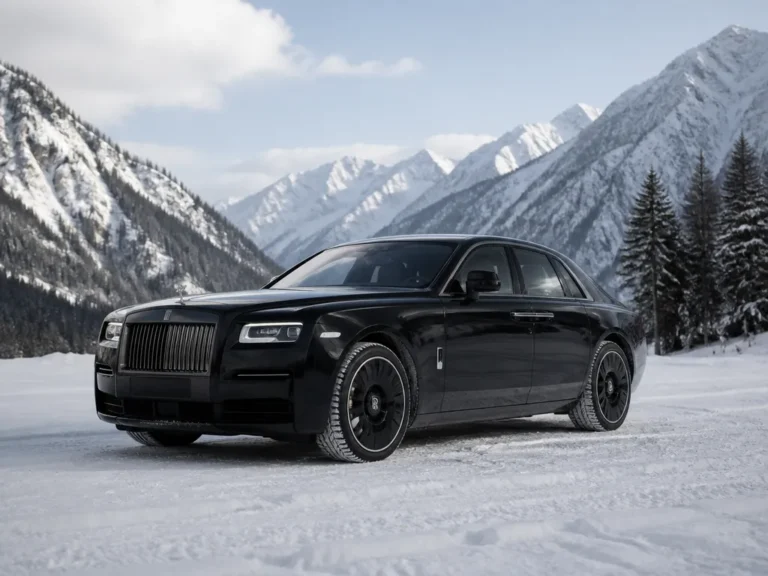
You just got dumped on by a snowstorm, your luxury car feels “slippery,” and you’re wondering if a different AWD system or winter options would actually make the difference. The real question behind “best luxury car for snow driving” is how each drivetrain and traction setup behaves at low speeds, on icy slush, and when you need controlled stops and confident steering.
Best overall luxury pick: buy the car you can equip with the right winter tires and the right cold-weather package, because tires beat AWD every time. You’ll get a ranked shortlist of 8 luxury models, what makes their snow traction systems work, and what winter options to look for.
Best luxury car for snow driving: choose a luxury AWD or 4WD model and pair it with real winter tires. A strong top pick is the Subaru Outback (turbo AWD) or Audi A4/S4 quattro (AWD) for predictable traction, while snow-focused SUVs like Volvo XC90 AWD add ground clearance and downhill control. Winter packages matter.
Best Luxury Car For Snow Driving
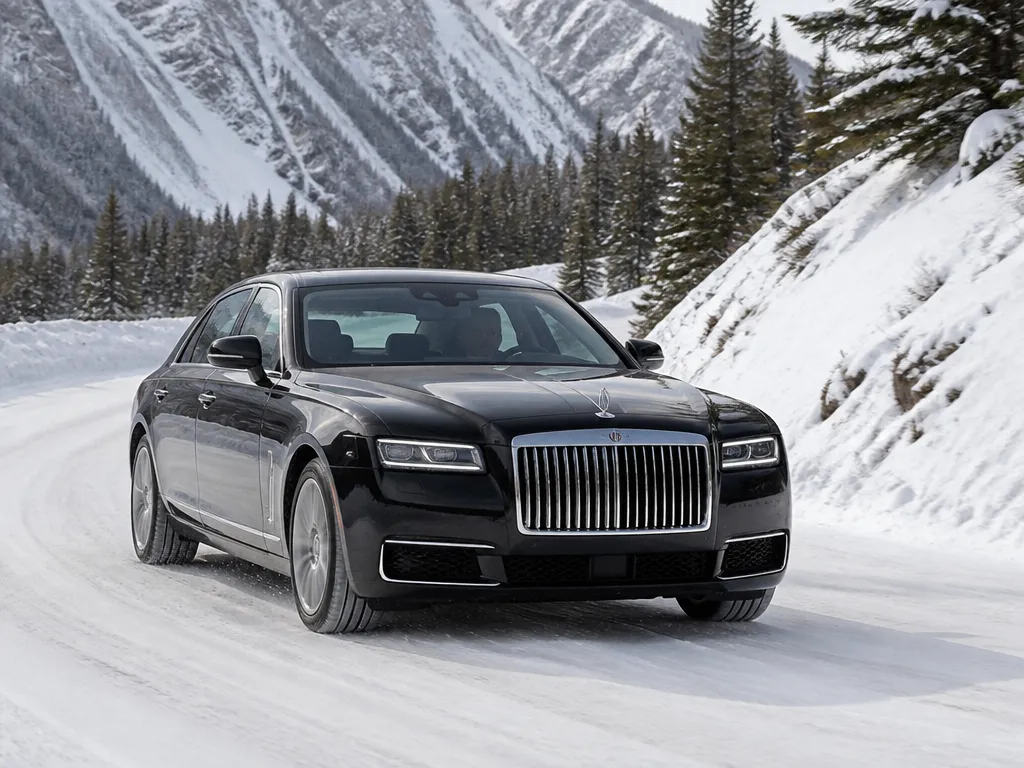
For winter traction and stability, the top pick is the Audi quattro-equipped luxury sedan or wagon with adaptive air suspension (when available). quattro’s rear-biased AWD layout and the car’s stability control tuning help keep power flowing to the tires that have grip, even when surfaces are patchy or a front corner is starting to slide.
Top Pick And The Shortlist
Snow driving rewards three things: predictable low-speed control, strong traction under throttle, and clear driver visibility through storms. The ranking below focuses on vehicles that pair real AWD systems with capable stability control, plus cabin heat and windshield clearing features that matter when the weather is bad for hours.
| Rank | Luxury vehicle (body style) | Why it ranks high in snow |
|---|---|---|
| 1 | Audi with quattro + available adaptive suspension (sedan/wagon) | Rear-biased AWD feel and stability control that resists sudden power-slide behavior |
| 2 | Volvo XC90 (AWD) | Confident low-speed manners, strong traction management, and practical winter comfort |
| 3 | BMW X5 or X7 xDrive (AWD) | Good power delivery control with predictable ABS and stability interventions |
| 4 | Mercedes-Benz GLE or GLC 4MATIC (AWD) | Consistent torque distribution and driver aids designed for slippery-road stability |
| 5 | Subaru Outback Limited/XT (AWD, not strictly “luxury,” but premium trim) | Symmetrical AWD behavior is steady on mixed snow and slush, plus excellent visibility |
| 6 | Genesis GV80 (AWD) | Composed ride with stable traction electronics and comfortable heated cabin features |
| 7 | Land Rover Range Rover Sport (AWD) | Strong off-pavement toolset, grade control, and elevated clearance for deep snow days |
| 8 | Tesla Model X or Model Y AWD (if equipped with AWD) | Instant torque control is excellent in correct tires, but weight and tire choice decide real-world results |
Winter tire note (most important “option”): plan to buy winter tires in the same overall diameter range as the OEM setup. If you drop to a smaller rim size, you often gain sidewall compliance for snow, but you must match the tire’s rolling diameter and load rating to avoid warning lights and poor ABS behavior.
Family buyers who prioritize cabin warmth and long-range comfort typically should gravitate to the XC90, GLE, or GV80. Drivers who want sharper handling response on plowed-but-slushy roads often like the Audi quattro and BMW xDrive. People dealing with deeper snow, higher curbs, or frequent unplowed routes lean toward Range Rover Sport.
Ranked Luxury Awd/4wd Winners
These luxury AWD/4WD picks work best in snow because they pair low traction electronics with SUV-style packaging and predictable driveline behavior. Snow tires still matter more than the badge, but the right drivetrain calibration and winter tech make a real difference when roads get slick fast.
Audi Q7 (Quattro)
Audi Q7 quattro is a strong snow-practicality choice because the drivetrain calibration tends to feel composed at low speeds, where you need smooth torque delivery instead of wheelspin. The Q7’s SUV stance also helps you keep more tire on the road with less drama in slush and rutted lanes.
For snow days, the Q7’s win is how traction control and stability systems manage power when grip changes suddenly. Heated visibility items and cabin comfort are also useful, because clearing ice and staying warm reduces fatigue when conditions stay messy for hours.
Bmw X5 Xdrive
BMW X5 xDrive is another strong choice because it mixes stable ice and snow handling with driver-friendly winter comfort. The X5’s stability control logic is typically quick to correct yaw and wheel slip, which helps when you hit glare ice or a thin patch of snow over pavement.
Winter buyers should prioritize packages that add heated steering, remote start, and robust heated-seat setups. Those features reduce the time you spend fighting frost, and they help you keep full grip on the wheel mentally and physically.
Mercedes-benz Gle 4matic
Mercedes-Benz GLE 4MATIC lands here for a reason: the AWD calibration usually feels smooth, which is exactly what you want when traction is inconsistent. A gentle power handoff helps reduce the “surge and correct” sensation that some AWD cars can give on uneven snow.
Cabin heat also matters more in the cold than most people think. A warm cabin improves defrost performance and keeps you alert, especially when you are stopped repeatedly for plow piles and slow traffic.
Volvo Xc90 Awd
Volvo XC90 AWD earns a place by focusing on winter safety and visibility, which is what you feel every mile in snow. Snow driving punishes distractions, and XC90’s winter-oriented approach helps you keep the windshield and cabin conditions right without constantly fiddling with controls.
XC90 AWD also works well for buyers who want steady, confidence-first road behavior rather than a sporty feel. The trade-off is that you may not get the same sharp “sporty” edge as some rivals, but you do get a calmer platform when the road surface turns chaotic.
| Model | Snow-strength theme | Best for |
|---|---|---|
| Audi Q7 quattro | Composed low-speed traction control | Family SUV buyers wanting confident daily snow manners |
| BMW X5 xDrive | Stable ice response plus winter comfort | Drivers who want control and convenience |
| Mercedes-Benz GLE 4MATIC | Smooth AWD calibration and cabin heat | Riders who prioritize comfort and predictable power delivery |
| Volvo XC90 AWD | Visibility and calm, safety-focused winter behavior | Commuters and families in frequent nasty weather |
Winter tire note: The fastest way to make any of these vehicles “snow-capable” is to run the correct snow tire size for your wheel setup. If you are still on all-seasons, upgrades help more than changing drive modes.
Wheel and tire fitment matters in the real world: taller winter sidewalls can help absorb rough snow ruts, while oversized low-profile setups can reduce compliance and make traction feel harsher. For the smoothest snow behavior, shop for winter tire options offered in the factory wheel sizes for your trim.
Best Luxury Snow Sedans And Wagons
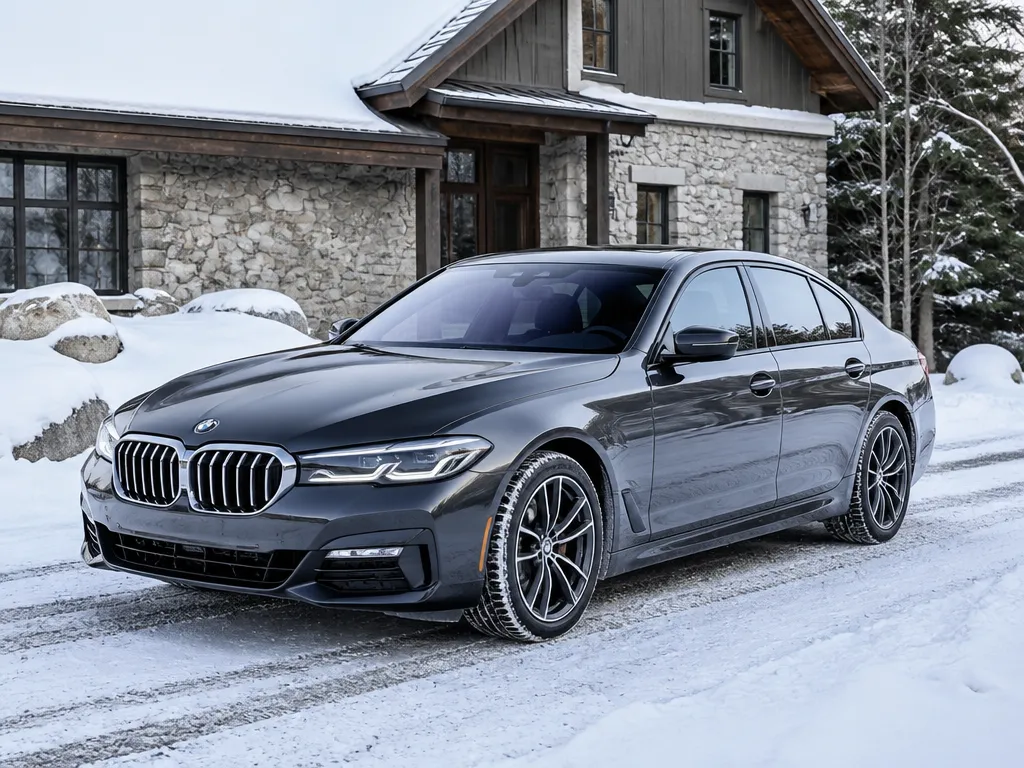
Subaru Outback and Audi A6 allroad are two of the strongest “snow car” choices in this body style lane because they pair real all-wheel drive with driveline control that stays composed at low speeds. Both also make winter ownership easier with cabin heat habits, traction electronics, and packaging that works when roads get slushy or drifted.
Subaru Outback (Onyx/xt) – Awd Wagon Pick
Subaru Outback is a practical winter weapon when you drive like the weather actually changes, because the AWD system keeps torque available at the wheels that can grip as load transfers around corners and climbs. The Outback’s wagon shape also helps in real life, you get easier cargo loading for snow tires, bags, and bulky gear without giving up a planted driving feel.
Outback Onyx and XT trims are the ones to look at for snow duty. Onyx adds winter friendly comfort and appearance packages, and XT brings a stronger powertrain that helps when you need to maintain momentum uphill without riding the brakes. In snow, momentum is traction’s best friend.
Audi A6 Allroad (Quattro) – Awd + Clearance/handling Balance
Audi A6 allroad is for the driver who wants wagon manners with more ground clearance for snowbanks, driveways, and slushy side roads. quattro AWD plus Audi’s stability calibration tends to feel more “connected” under braking, which matters when you crest into a patch of ice and need predictable pedal response.
A6 allroad also handles snow like a luxury car, the kind where steering corrections feel steady instead of abrupt. The trade-off is weight, so the right winter tire choice and wheel size matter for braking distances and steering bite.
| Model (trim focus) | Best snow strength | Where it beats many SUVs | Winter tire notes (what to choose) |
|---|---|---|---|
| Subaru Outback (Onyx, XT) | Low-speed AWD control on mixed traction, practical cargo for winter gear | Lower center of gravity for steadier braking and steering on slick roads | Choose a dedicated winter tire and consider slightly smaller wheels if the fitment allows; narrower tread helps in snow |
| Audi A6 allroad (quattro) | Quattro grip balance with luxury braking feel, clearance for snowbanks | More planted feel and better steering precision than tall crossovers | Prioritize winter tires over all-season tires; heavier wagons need tread compound that stays soft in cold weather |
Hard truth: a great AWD wagon on the wrong tires can feel worse than a lesser AWD car on proper snow tires. If you are shopping for one of these, budget for winter tires first, wheels second, and use the car’s traction systems as a bonus layer.
Ev Winter Range Realities
Cold weather usually cuts real-world EV range because battery chemistry slows down and power demand climbs. Regen can also feel less effective early in the drive when the pack is cold, so you often get less “free” energy back.
For snow road trips, expect the hit to be uneven. Short trips can be worse because the car burns energy heating the cabin and battery before you even reach steady highway speeds. Faster speeds, deep snow, and frequent traction events also spike consumption because the tires need more torque to move through slush.
In practice, plan for conservative buffer and protect the battery from getting cold-soaked. Preconditioning (when available) warms the pack and cabin before departure, then drives more efficiently once you start moving. If you use departure timers, set them for your actual departure time, not “sometime this morning,” since range loss is tied to the battery’s starting temperature.
Charging And Planning On Mountain Snow Days
Charging reliability in winter is mostly about charger availability, access, and time. Cold packs charge less efficiently at first, and peak power drops when the battery is very cold, so a “full session” can turn into a “partial top-up” day. When you leave the flatlands, treat stations as checkpoints, not destinations, and aim to arrive with enough state of charge to avoid skating on the edge.
For a realistic route plan, use these priorities over quick math: charger count along the corridor, spacing between viable options, and whether the sites are in accessible lots where you can actually park and walk safely in snowfall. Also plan for weather disruptions that affect ETA, since EV charging time depends on your battery temperature and how often you restart after holds.
| Winter reality | What it does to drive time | What to prioritize on a luxury EV |
|---|---|---|
| Cold-soaked battery | Lower available range, softer regen, more throttle to maintain speed | Preconditioning, efficient heat management, realistic route buffers |
| Heater and defrost demand | Steadier power draw, bigger impact on short trips | Heated seats and steering wheel, fast windshield clearing |
| Snow + higher rolling resistance | More energy per mile at any speed, faster battery depletion | Snow-rated tire choices, AWD traction modes, careful speed selection |
| Charging in the cold | Slower initial charging, longer total stops if you start too low | Arrive at stations with higher state of charge, choose nearby alternates |
| Stability control workload | More power modulation events, extra energy use | Predictable traction tuning and low-speed control behavior |
“On snowy trips, the best range plan is the one that keeps you charging at a reasonable temperature and state of charge, not the one that squeezes the last 5 percent.”
What Makes A Luxury Car Work In Snow?
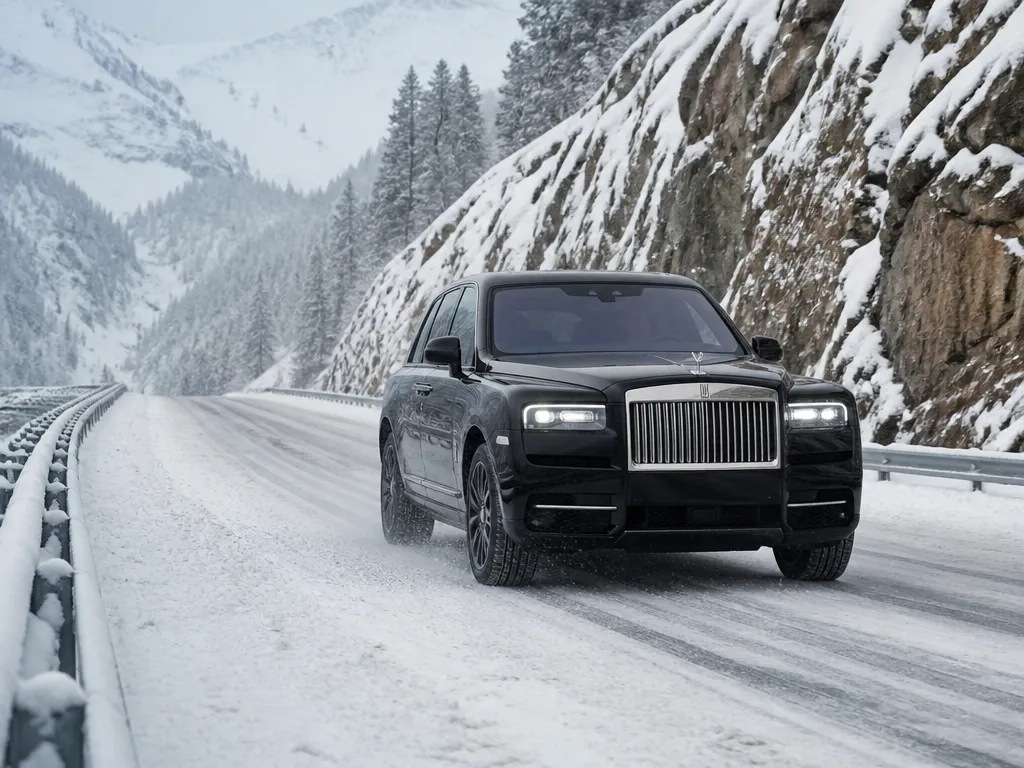
Winter traction is mostly about how the driven wheels grip, and the best luxury AWD system still needs winter tires to do it safely. The second half is driver control, meaning stability and ABS behavior that can modulate torque while the car stays pointed where you steer.
Luxury AWD/4WD setups vary a lot. True torque-sensing AWD can send power across the axle when the front or rear loses grip, while “light-duty” AWD often feels like it runs mostly front-biased until a slip condition is detected, then it reacts slower and with less finesse. The difference shows up in early snow braking and in low-speed throttle transitions from a stop.
Visibility And Heat Are Part Of The Drivetrain
Snow driving fails fast when your eyes and hands are overwhelmed. Windshield defrost performance matters because it keeps the wipers from chasing a fog layer, and steering-wheel heating helps you keep inputs smooth instead of fighting stiff hands.
Seat heating is comfort, but it also keeps you more alert, the biggest real-world safety benefit. Heated mirrors and rear window defrost help you avoid blind spots when slush splatters up the glass.
| System | What you should expect in snow | What to avoid |
|---|---|---|
| Stability control | Early, gentle corrections and predictable behavior when you lift or add throttle | Late intervention, sudden power cuts, and “skate then recover” moments |
| ABS and traction control logic | ABS pulses you can feel in a straight line, traction control that manages slip while steering stays responsive | ABS that feels erratic or prolonged wheelspin before the system steps in |
| Defrost and heat | Quick windshield clearing, heated steering wheel for consistent grip | Slow clearing, frequent manual scraping, foggy corners that you cannot see through |
Reality check: No luxury AWD system replaces winter tires. All-wheel drive gets you going, winter tires help you steer and stop, and they reduce the workload on ABS and stability control.
For wheel sizing, the rule is simple for snow: keep tire sidewall reasonably tall by avoiding very low-profile winter setups. If a model offers a 19-inch wheel with low-profile tires, dropping to the smallest approved wheel size for winter usually improves ride grip over potholes and packed snow.
Trim And Winter Package Must-haves
Snow capability comes down to which equipment your exact trim gets, not just the model name on the window sticker. The biggest “gotchas” are missing heated glass and steering, weak cabin heat output, and driver aids that do not handle low-speed snow modes well.
Start by filtering trims for cold-weather comfort and visibility. Heated windshield and heated steering wheel are the quickest win on early-morning starts, and high-output cabin heat (including strong defrost airflow) keeps you clearing the glass instead of riding with reduced view. Remote start matters in snow because it lets the cabin and windshield get warm before you drive, but keyless systems can behave differently when the key fob is buried in a pocket with gloves, so check how the vehicle wakes and unlocks after a timed start.
For many luxury lines, the “winter package” name is inconsistent, so use the option checklist when you compare trims. When the listing is vague, open the spec sheet and look for the exact items: heated windshield (or heated wiper park area), heated steering wheel, enhanced defrost controls, remote start, and the driver-assistance hardware bundle.
| What to look for | Why it matters in snow | Where it shows up |
|---|---|---|
| Heated windshield | Clears ice fast, reduces glare and delayed visibility | Winter package or “cold weather” bundle |
| Heated steering wheel | Improves controllability and comfort in long drives | Premium comfort package |
| High-output cabin heat | Defrost stays effective during sustained cold starts | Climate package or higher trim HVAC system |
| Remote start with keyless behavior | Preheats cabin and windshield before you depart | Tech package or remote start option |
| Auto high beams and sensor suite | Better light management and steadier assist recognition | Driver assistance package |
| Underbody protection | Reduces damage risk from slush and road debris | Off-road or winter/off-road appearance trim |
Insider tip: When you see “remote start” but no mention of heated windshield or strong defrost, assume you will still scrape or wait longer on ice. That trim is comfort-first, not winter-ready.
Luxury sedans can be excellent in snow, but only if your specific trim includes the cold-weather comfort kit and the driver-assistance hardware. For family-focused choices, crossovers and wagons often pair better with the winter-priority option sets, since taller ride height and improved underbody coverage reduce scraping and limit damage from slushy berms.
Winter Tires Beat Drivetrain Every Time
Wheel size changes the trade-off between grip, ride quality, and rim protection. Smaller wheels with taller sidewalls usually ride smoother over ruts and potholes, and the tire sidewall helps shield the rim. Larger wheels look nicer, but they often mean less sidewall, harsher ride, and more risk of curb and pothole damage in winter.
| Wheel/Tire Approach | Snow Grip | Ride Comfort | Rim Protection |
|---|---|---|---|
| Smaller wheel, taller sidewall | Good to excellent (more tire compliance) | Better (softer impacts) | Better |
| Larger wheel, shorter sidewall | Depends on tire model (can be less forgiving) | Stiffer | Worse |
Tpms And Pressure Management For Real Winter Traction
TPMS sensors are there for safety, but they do not replace your tire gauge. Cold temperatures drop pressure, and driving on underinflated winter tires can increase heat buildup and reduce steering response. Overinflated tires feel “crisper” but lose contact patch shape, which can hurt braking and cornering on packed snow.
Chains: Use Them Correctly, And Avoid Clearance Surprises
Chains help when the road turns to dense, unplowed snow or ice where even good winter tires slip. The trick is fitment: you must buy the right chain type and size for your tire’s width and sidewall shape, and you must confirm clearance with your specific luxury car trim.
Shop-owner reality check: I see the same failure pattern every winter, the car is “AWD and has traction modes,” but the owner runs the wrong tire size, mismatched wheels, or wrong winter pressures. Fix the tire setup first, then fine-tune traction mode settings based on what the car’s manual recommends.
Comparison Table: Best Snow Luxury Picks
Winter traction is a drivetrain plus systems game, and the easiest way to rank luxury cars for snow is by how they control slip at low speed, how they manage downhill, and how their bodies handle slush and ruts. The picks below are the strongest AWD or traction-optimized options, with clear tradeoffs tied to snow-driving reality.
| Body style | Drivetrain | Ground clearance | Key winter tech | Standout strength | Main tradeoff | Quick pick (who it’s for) |
|---|---|---|---|---|---|---|
| 3-row luxury SUV | Full-time AWD | ~7.5 to 8.5 in (varies by trim) | Snow/Ice modes, traction control calibration, heated seats and steering wheel (often) | Stable under braking and in steering transitions, easy throttle modulation at crawl speeds | Heavier curb weight, bigger tires can feel harsher in slush | Family trips, tow planning, “park and drive” in deep snow |
| Mid-size luxury SUV | Full-time AWD | ~7.0 to 8.0 in (varies) | All-terrain traction logic, downhill assist, strong heated glass package (common) | Confidence on mixed surfaces (packed snow to wet pavement) with fewer driver corrections | Opting for sportier wheels reduces sidewall and traction comfort | Snow commuters, road trips, cabin comfort priority |
| Luxury crossover | AWD with aggressive stability tuning | ~7.0 to 8.0 in (varies) | Snow mode, hill start assist, heated front seats (common), often available heated wipers | Predictable throttle response in slush, good traction when speeds stay low | Lowest trims can be less capable off the main plowed lines due to tire choice | Urban snow, tight garages, easy daily driving |
| Performance luxury sedan | AWD | ~5.5 to 6.5 in (varies) | Low-speed traction control behavior, torque-vectoring feel, heated steering wheel | Excellent steering feel once tires bite, strong control in stop-and-go | Lower ride height risks scraping and early “snowbank grief” | Drivers who want precision handling plus snow capability |
| Luxury wagon or tall wagon-like body | AWD | ~6.0 to 8.0 in (varies widely) | Snow mode, rear traction bias depending on drivetrain setup, strong cabin heat retention | Car-like stability with more usable cargo for road salt and winter gear | Tires and wheel offsets matter a lot for clearing spray and ruts | Gear-heavy households, outdoorsy commuters |
Shop-floor reality: A luxury AWD system can still feel “slippery” if the car comes with summer-biased all-season tires. Winter tires are the deciding factor for launch and stopping, especially on glare ice and compacted snow.
For example, a larger 3-row SUV tends to win for snow depth and passenger comfort because weight helps keep tires planted, and the taller stance gives more clearance to handle plowed snow piles.
In practice, the same family SUV can feel less composed if you choose low-profile wheels, because less sidewall means less grip comfort when the tire flexes over slush.
For instance, a performance AWD sedan can drive wonderfully on fresh snow once you run proper winter tires, but its lower ride height increases the risk of underbody contact in ruts. A crossover with moderate clearance often feels more forgiving day to day, while still giving strong traction control outputs when roads go from dry to slushy fast.
Trim note for all categories: pick packages that include heated steering wheel, heated windshield (or fast defrost features), and the right traction programming (often shown as Snow or Ice drive modes). Confirm that your intended wheel and tire sizes have enough sidewall for winter tire options, because that drives real grip feel when roads turn into packed slush.
Selection Checklist And Use-case Picks
Snow competence is 70% tire choice and 30% driveline and winter tech, so your checklist should start with tire plan, not badge marketing. Pick a luxury car with dependable AWD hardware plus traction aids that work at low speeds, then spec it with dedicated winter tires on narrow wheels for your area’s worst conditions.
Must-haves (Minimum Acceptable Winter Setup And Behavior)
Must-haves include dependable AWD hardware, traction aids that work at low speeds, dedicated winter tires, and cold-weather visibility and heat features. If a candidate car fails multiple items, skip it even if it feels great in the showroom.
Nice-to-haves (Where Luxury Helps In Snow)
Nice-to-haves improve driver confidence and reduce fatigue, especially during long commutes or family trips. These options also help you drive smoother, which is faster and safer on ice than “more power.”
| Use case | What you should prioritize | Best luxury picks to target |
|---|---|---|
| Commuter slush | Quiet ride, strong HVAC/defrost, easy low-speed control | Volvo V90 Cross Country (AWD), Audi A6 Allroad (AWD), Genesis G90 AWD |
| Mountain snow | Low-speed traction, hill descent logic, ground clearance | Subaru Outback is great for value, but for luxury: Audi Q7 (AWD), BMW X5 (AWD), Mercedes-Benz GLE (4MATIC) |
| Family hauling | Cargo space, rear-seat comfort, stable AWD launch | Mercedes-Benz GLE, Volvo XC90 (AWD), BMW X7 (AWD) |
| Road trips (hours on interstates) | Stability at speed, comfort, heat for long stops | Volvo S90 V8 or S90 AWD (model availability varies), Audi A7 (AWD), BMW 5 Series xDrive Touring (where sold) |
Best Overall And Best Value, By Who You Are
Best overall luxury snow driver: Audi quattro-equipped sedan or wagon with available adaptive suspension. Audi’s winter-friendly driving experience pairs confident drivability with predictable low-speed control, while the available suspension and practical body styles suit different winter routes.
Best value in the luxury bracket: Audi Q5 AWD or Subaru Outback (if you stretch “luxury” to comfort-first value). Audi gives you premium cabin and AWD behavior, while the Outback hits the snow basics with less money, more real-world ground clearance, and a track record of usability in winter climates.
Winter tire rule: Buy dedicated winter tires before you buy another snow option package. Expect better stopping and steering control, especially in slush, where all-season tread patterns lose grip fast.
Wheel and tire sizing can matter as much as the tire model. In many cases, selecting a slightly narrower winter tire on the smallest approved wheel size improves bite and reduces hydroplaning in slush, but you must stay within the vehicle manufacturer’s approved wheel width and tire diameter specs.
Quick Summary
The article’s main takeaway is that the best luxury car for snow driving is the one you can equip with the right winter tires and the right cold-weather package, because tires beat AWD every time. It frames the real difference around low-speed traction control on icy slush and the need for confident, controlled stopping and steering. It highlights heated ice-fighters like the windshield and steering-wheel heat, and it recommends testing low-speed traction first with stability system help, especially on packed snow.
The shortlist ranks luxury AWD and 4WD cars by predictable low-speed control, traction under throttle, and clear driver visibility during storms. The top pick is an Audi with quattro plus available adaptive air suspension, noted as rear-biased AWD with stability control tuning to resist sudden power-slide behavior on patchy surfaces. It also lists Volvo XC90 AWD for downhill control and ground clearance, and warns that EV range drops in cold weather should affect charging plans. The most important takeaway is to prioritize dedicated winter tires, matching winter tire diameter and load rating to the OEM setup.
| Category | What to look for | Examples mentioned |
|---|---|---|
| Top AWD pick | quattro and available adaptive suspension | Audi quattro-equipped luxury sedan or wagon |
| Snow-focused SUV emphasis | ground clearance and downhill or grade-assist tools | Volvo XC90 AWD |
| Most important “option” | winter tires matched to OEM overall diameter and specs | Install winter tires, not all-seasons |
Frequently Asked Questions
What Luxury Car Is Best For Snow Driving If I Want The Safest Winter Traction?
Look for a luxury AWD system with active traction control and an electronic stability system that can manage wheel slip in deep snow. The best choice is usually the one that comes standard with AWD and strong stability tuning, because tires and traction control behavior matter more than trim level.
Do Luxury Cars With Awd Handle Snow Better Than Snow Tires Alone?
AWD helps you move, but snow tires determine how you stop and steer. If you can only pick one improvement for winter driving, prioritize dedicated winter tires, then use AWD as the backup when conditions get slippery.
Which Luxury Car Is Easiest To Drive In Snow For Highway Commutes?
For daily snow commutes, you want a luxury car with predictable steering, good braking stability, and driver aids that do not feel intrusive.
In practice, that often means pairing AWD with ABS, stability control, and a traction system that can smoothly meter power at low speeds.
How Do I Set Up A Luxury Car For Snow Driving So It Rides And Brakes Correctly?
Before the season, install 4 matching winter tires and set tire pressures to the manufacturer’s door-jamb spec for cold temperatures. Also, test the brakes gently in a safe empty lot, because tires can feel different from all-seasons even on the same car.
What’s A Common Mistake People Make When Choosing A Luxury Car For Snow Driving?
The biggest mistake is relying on AWD or traction modes while still using all-season tires. If your current tires are worn, you will feel wheel spin but still have limited grip for stopping, especially when roads are packed or slushy.
Is A Luxury Suv Or Luxury Sedan Better For Snow Driving?
In most winter conditions, a luxury SUV tends to feel more confident because it usually has higher ground clearance and easier entry for handling snow-covered driveways. That said, a sedan can be just as capable if it has AWD and winter tires, and if you match tire size and tread to the vehicle’s specs.