


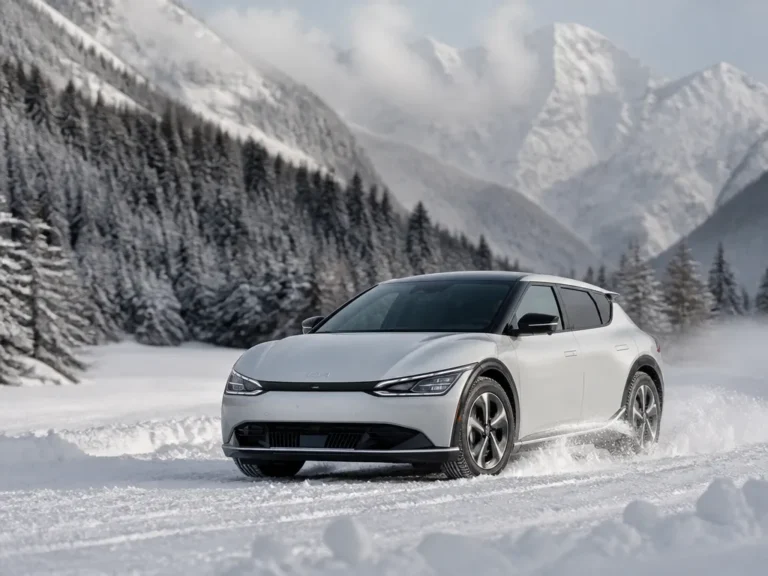
My EV6 feels great in the dry, but the first snow day hit and I noticed the regen felt “weaker,” plus the cabin took forever to clear. If you‘re searching “kia ev6 in snow and winter driving,” you’re probably worried about grip, range, and what warnings mean when temps drop.
Kia EV6 in winter is mostly a tires, temperature, and battery-management story. Expect reduced range in cold, regen behavior changes when the battery is cold, and defrost use affects efficiency. Keep reading for a snow-by-snow breakdown, cold-charging tips, and a practical checklist you can run every trip.
EV6 snow driving is about traction, battery cold, and visibility. In freezing weather, range can drop because HVAC and battery efficiency take a hit, and regen can feel limited until the pack warms. AWD helps grip in light to moderate snow, while tire choice (winter tires) drives stopping confidence on ice. Clear windows fast, then watch charge and alerts.
1. Kia Ev6 In Snow And Winter Driving
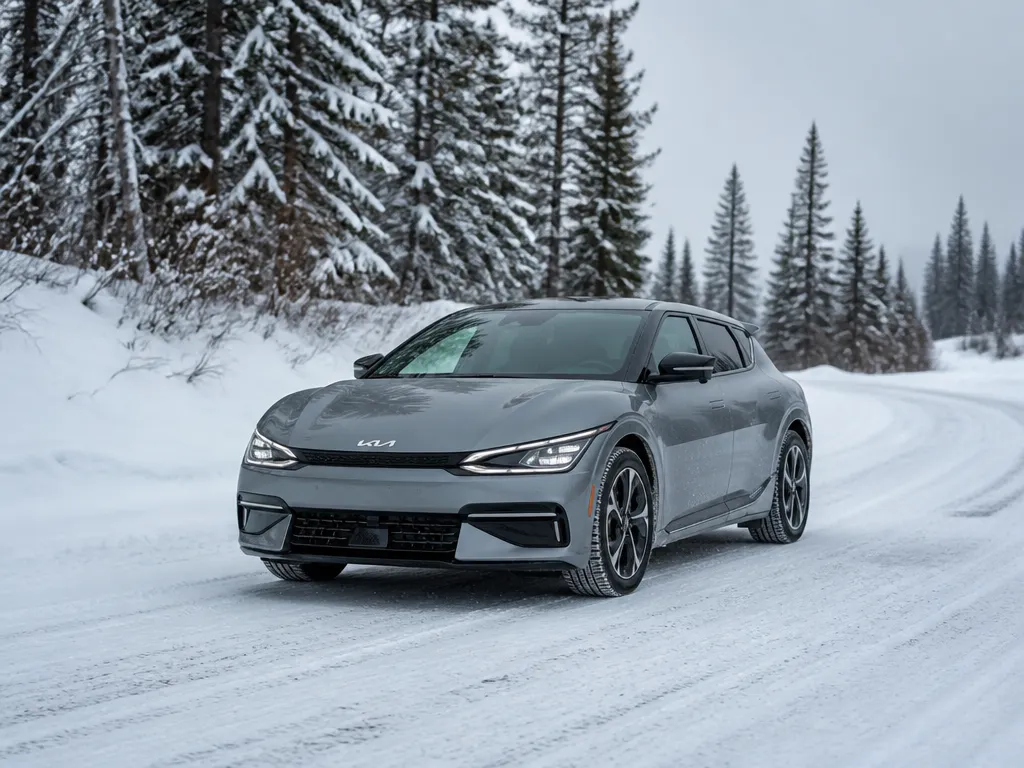
The Kia EV6 is on this list because its winter behavior depends heavily on battery temperature, traction control, and how the car balances power delivery when the road surface gets slick. EVs also lose range faster in cold weather, so drivers need predictable energy planning as temperatures drop. The EV6’s AWD capability makes it especially relevant for slushy roads, where smooth throttle and correct tire choice matter more than raw horsepower.
For example, winter drive habits directly affect usable range and grip: launching hard on packed snow drains battery quickly and overloads traction systems.
In practice, keeping tire pressures in spec for cold conditions improves contact patch consistency, and using winter tires typically gives the most noticeable improvement for stopping and steering feel. A simple setup that helps most owners is pairing the EV6 with properly inflated tires and a clear charging plan before long trips, since cold battery temperatures can limit how much energy the car can accept.
Most winter EV issues you hear about are really energy management and traction behavior, not sudden mechanical failures. If the car ever shows drivetrain-related warnings or abnormal handling after a snow/ice incident, a scan tool and dealer-grade diagnostics are the safest route because high-voltage systems add complexity.
Range And Power Behavior In Freezing Temps
Freezing weather changes the EV6’s driving experience through battery conditioning and available power at the wheels. When the battery is cold, the car may restrict charging and can feel less responsive until it warms up, which is why preconditioning (when plugged in and supported by your settings) often makes winter driving smoother. Cold-soaked tires also reduce grip, so the first few miles can feel different than the rest of the commute, even with AWD engaged.
For best results, start trips with a conservative acceleration style, allow a little extra stopping distance, and plan to charge based on winter range expectations rather than summer numbers. If you notice consistent range shortfalls or repeated warnings during cold starts, have the vehicle checked before the season worsens.
Reader takeaway: For snow and winter driving, the EV6’s biggest wins come from traction-ready tires, correct tire pressure, and smart range and preconditioning habits before you leave.
2. Traction Feel And Stability In Snow
All-wheel-drive EVs like the EV6 are popular in winter because the drive torque can be managed at each axle, which helps reduce wheel spin when you hit slush or packed snow. That torque control is a big part of what you feel as stability, since smoother traction means less wandering and fewer abrupt corrections through the steering. For winter driving, the “feel” matters as much as the raw capability, especially when you are entering corners on icy pavement.
In practice, traction feel in snow depends heavily on tire choice and tread condition, since the EV6 can only do as much as the rubber allows.
For example, keeping the tire sidewalls flexible with fresh winter tires (and using the correct tire pressure for cold temps) usually improves both grip and steering response compared with all-season tires that have hardened. If you run it on snow days, check brake response as well, because stability control logic pairs throttle and braking to keep the car pointed where you want it.
How Driving Inputs Change On Ice And Slush
On icy roads, the EV6’s traction system responds to slip by modulating torque, so the car often feels calmer when you avoid sudden steering and throttle inputs. In slush, the biggest difference tends to be how quickly the tires regain bite once you get rolling, which is why gentle initial acceleration is usually the fastest way to keep momentum. If regen is set aggressively, the initial deceleration can feel more abrupt, so rolling into the accelerator and brake transitions helps the vehicle stay settled, especially while turning. When road texture changes lane to lane, give yourself room for the system to re-balance traction without forcing abrupt corrections.
3. Regen Behavior On Slick Roads
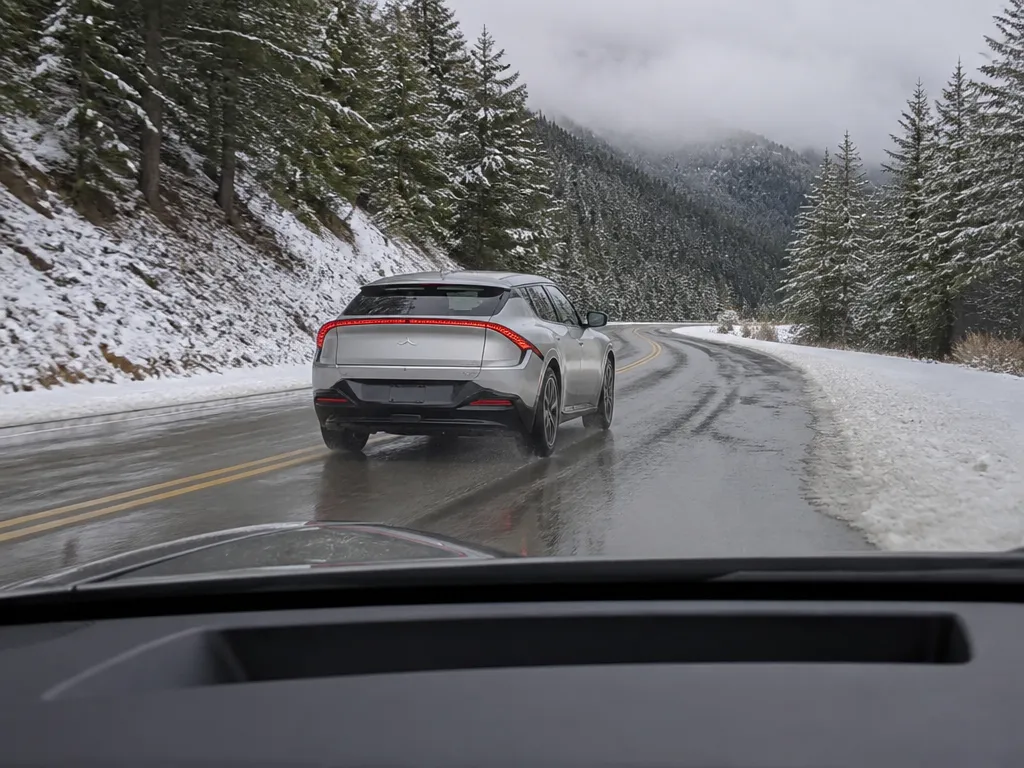
Regenerative braking can sharply change vehicle deceleration when traction is low, which is why it matters for winter driving in the Kia EV6. On ice or compact snow, that extra drag at the wheels can feel like the car is “grabby,” even when you are pressing the pedal smoothly. Knowing how regen response behaves helps you keep the EV6 stable while you slow down.
In practice, EV6 regen strength and how quickly it ramps up will affect how the rear wheels manage slip during corner entry and downhill descents. Use the highest regen setting only after you learn how it behaves on your typical winter surface, since colder battery temperatures can also influence how much regen the car allows at first. For many drivers, a mid-level regen setting is a safer starting point until roads are fully cleared and you are confident with pedal modulation.
How To Set Expectations In Cold Weather
Cold-soaked conditions can change the “available” regen the EV6 provides, so the same driving inputs may not produce identical slowing from one trip to the next. If you notice the car coasts more than usual right after startup, that often means regen is limited, and you may need to compensate with the brake pedal more than you would in mild weather. Once temperatures stabilize and the battery is warmer, regen can return to a more predictable feel, which is when you can revisit your chosen regen level.
Reader takeaway: on icy days, drive with lighter regen and smoother inputs first, then adjust once the battery and road surface are predictable.
4. Awd Vs Rwd Winter Differences
Winter traction problems come down to how many driven wheels can fight wheel slip when road surface is icy, packed snow, or slush. With an AWD EV like the EV6, torque can be split front to rear, which helps keep the car more stable when you accelerate out of a stop or when you crest a slick spot mid-turn. RWD EVs rely on fewer driven wheels, so traction loss tends to happen sooner and can feel more abrupt.
In practice, AWD is most useful in the first 10 to 30 seconds of a drive when tires are cold and snow is still crusted on the tread.
For example, if you hit a slightly icy driveway while climbing, AWD can keep both axles pulling and reduce the chance of one tire spinning away your momentum.
- RWD advantage: Often simpler drivetrain and can feel smoother on dry pavement.
- AWD advantage: Better ability to maintain forward motion on mixed surfaces.
- Consistency: AWD usually feels more predictable when traction changes left to right.
Specific EV6 driving feel will also depend on tire choice (winter-rated tires beat all-season in snow) and on how aggressively you use regen and throttle. In deep snow, both AWD and RWD still need traction to climb, so you may still have to use steady throttle and avoid sudden torque spikes that churn the snow.
How It Changes Control, Braking Feel, And Regen Behavior
Even though EV braking is strongly influenced by tire grip and regenerative braking settings, AWD can change the balance of forces during deceleration on slick roads. With AWD, the vehicle can transfer torque and maintain a more even traction envelope, which helps the car track straighter when you lift off and regen ramps in. RWD can feel more sensitive to weight transfer, especially mid-corner on a snowy shoulder where the rear can lose grip first.
For safety, keep expectations realistic: AWD helps you start and stay pointed, but it does not shorten stopping distances if tires are out of traction. Use lower speeds, give extra following room, and plan smooth throttle inputs so you do not force wheel slip in the first place.
5. Cold Battery Range And Power Limits
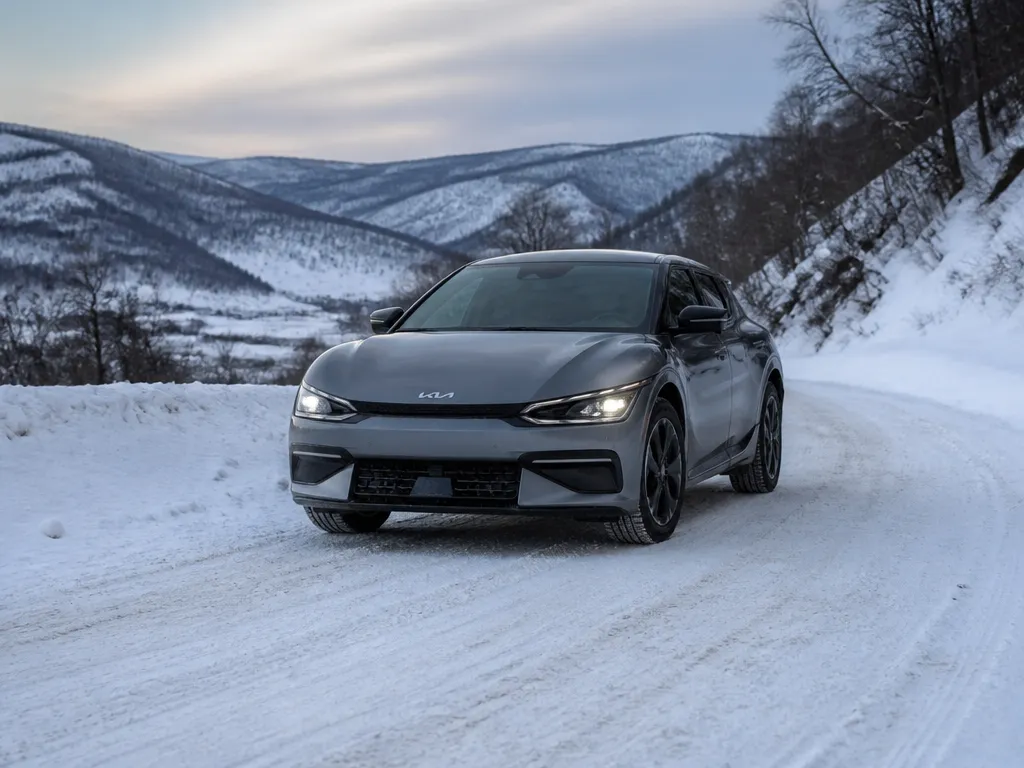
Cold weather is a direct efficiency hit for EVs because the battery chemistry loses power when temperatures drop. On winter mornings, the Kia EV6 may deliver reduced acceleration and higher energy consumption until the pack warms back up, so your real-world miles can shrink faster than expected. This is why winter planning matters as much as tire choice and driving style.
Range drops in the cold for two reasons: energy spent heating the cabin and battery, and higher internal resistance in the pack. For maximum usable range, precondition the battery before you leave when the EV6 has a warm-up plan, and keep speeds moderate on your first stretch.
In practice, expect the biggest difference when temperatures are well below freezing and when you run heavy HVAC or drive at highway speeds. A simple rule is to start each trip with more buffer than you would in summer, especially for short errands that do not let the battery fully warm.
How Power Limits Show Up In Winter
When the battery is cold, the EV management system may cap peak power to protect the cells and manage heat. The driver feels this as slower-than-usual response during hard acceleration, stronger regen availability changes, and more conservative torque delivery while the pack is warming. This is especially noticeable after overnight freezing temperatures or after you arrive with a low state of charge. If you see reduced performance, the safest move is to ease into throttle for a few miles, keep traction in mind, and let the car complete its battery warm-up cycle rather than forcing repeated high-power pulls.
6. Hvac And Defrost Without Wasting Range
Cabin heat and windshield defrost are power-hungry in winter, and on a Kia EV6 they can meaningfully affect how far you get when temperatures drop and you need maximum visibility. Running the HVAC hard for long stretches is one of the easiest ways to turn a “good weather” range estimate into an “oops” moment on a snowy commute.
In practice, start with the goal in mind: clear the glass first, then settle into a steady comfort mode instead of chasing a hotter cabin. Turn on defrost to regain clear visibility quickly, then reduce fan speed or switch from max defrost to a defog mode once the windshield is clear. If your EV6 has a heated steering wheel, using it can help you stay comfortable at lower cabin heat settings, which reduces total HVAC draw.
For example, a short burst of max defrost during the first couple of minutes often beats leaving it on all drive.
When To Use It
Use max defrost early when frost first appears, especially after a cold soak overnight, because the windshield has the most immediate visibility risk. After the windshield clears, shift to a lower fan setting and direct airflow toward the cabin to avoid wasting energy on a fully “open throttle” HVAC mode. If you drive through light snow or slush, remember that wet windows can keep fogging, so quick wipes and good interior cleaning can reduce how long you need defrost. For long highway stretches where the cabin is stable, consistent defog settings typically save more energy than repeatedly ramping up heat to chase comfort.
Charging Ev6 In Freezing Weather
Freezing weather slows battery chemical reactions, which can reduce how quickly an EV accepts charge and may make the charging session feel “slower” on cold mornings. For the Kia EV6, planning your charging around preconditioning is the difference between arriving at a fast-charging capable battery window and sitting through a long, tapering charge curve.
In practice, the best approach is to start charging only after the battery is warmed, when possible. Many EV6 drivers do this by setting a navigation destination to a DC fast charger in their infotainment, which can help prepare the pack before you arrive, depending on your climate and driving schedule. Use DC fast charging for longer trips and Level 2 overnight when you are parked for hours, since cold-pack behavior tends to improve as the vehicle cycles through warming.
Roadside And Home Charging Realities
At home, Level 2 charging is usually the safest bet in winter because you can let the car warm and sit at a stable temperature for hours. For fast-charger access, reliability matters more than raw speed, since stations can be occupied, throttled, or out of service during storm days. In snow country, watch for blocked stalls and verify your route to the charger has a reasonable escape option, since cold battery management can limit how quickly you can recover range after a detour. When power delivery is inconsistent, topping up on Level 2 while you wait at home often beats repeated short DC sessions in sub-freezing conditions.
Winter Tires For Ev6 Grip
Winter tires are worth prioritizing on the EV6 because traction drops fast once temperatures fall and road surfaces get slick, especially in slush and packed snow. Since EV drivetrains deliver instant torque, you want tread compounds and siping designed to bite in cold weather rather than relying on all-season rubber. For snow-belt driving, the right set can turn wheelspin into controlled acceleration and shorter, more predictable stops.
Plan around a dedicated winter tire setup: many drivers choose a narrower winter size to improve ground contact pressure and cut through slush more effectively.
- Look for tires marked 3PMSF (three-peak mountain snowflake) for verified snow capability.
- Target tread patterns with dense sipes and strong shoulder blocks for corners on icy patches.
- Swap at the first consistent cold stretch, often once you see overnight lows around the mid 40s F (7 C).
In practice, you are also protecting your EV6’s all-season tires by limiting abrasive wear from winter grit and salt.
How To Pick The Right Winter Tire Sizes And Type
Choose a winter tire size that matches your EV6’s approved wheel and tire dimensions, then stick to that combo all season. If you keep the same wheel set, you simplify swaps and keep your tire pressures and wear consistent. For deep snow and frequent freezing rain, a true studless winter tire with aggressive siping is usually the better choice than an “all-weather” tire that is built for milder winters. If your winter is mostly dry cold roads with occasional snow, you can often get good results with a lighter winter design, but confirm the 3PMSF rating for your model year and tire size before committing.
Winter Driving Checklist For Ev6
Winter range on an EV drops fast when battery temperature and cabin heat demand are high, so this item belongs in your checklist for EV6 winter days. EVs also rely on tires and brakes working with lower traction, so a short pre-trip check helps you avoid the most common snow-day problems. Keeping a few EV-specific habits can reduce the chance of a stranded start in deep cold.
In practice, charge planning matters: top up before leaving and aim for a higher state of charge when temperatures are very low, since cold batteries limit usable output. For short trips, precondition when you are plugged in if your EV6 setup allows it, because starting a warmed system usually cuts early heat and battery strain. Use season-appropriate tires and confirm you have the right pressures for snow driving, since underinflation builds heat and hurts grip.
Battery, Preconditioning, And Realistic Range
Battery temperature is the key limiter in snow and cold, so treat range like a moving target rather than a fixed number. When you precondition and keep the cabin at a moderate setting, the EV6 starts its drive with less strain, which helps you use more of the battery’s available energy. In deep cold or heavy snowfall, expect more frequent regen adjustments and more conservative acceleration to keep traction stable. If you see a large range mismatch during your first cold trips, note it for future planning and keep a buffer so you are not hunting for chargers on low-signal routes.
Scenario Expectations: Light To Heavy Snow
Light to heavy snow matters for an EV because traction and battery efficiency both change minute to minute as roads get slushy and speeds drop. The Kia EV6 in winter driving is especially sensitive to how quickly the tires can regain grip after fresh snowfall, since a heavier snowfall can push you into lower-speed, higher-demand driving where regen effectiveness varies. This list item breaks down what you should expect so your driving plan matches real conditions.
For example, plan for reduced range and slower acceleration after a storm, then give the drivetrain time to settle once you’re on cleared lanes.
In practice, keep speeds conservative and leave extra following distance because the EV6’s instant torque can still spin tires when the surface is icy, even if stability control intervenes quickly.
Use these real-world expectations to guide your day.
How Traction Changes From Light To Heavy Snow
As snowfall builds, the road surface typically evolves from loose powder to compacted snow and finally to wet ice once traffic and plows remix it. In loose snow, the limiting factor is grip at the tire, so smooth inputs matter more than strong acceleration. When it turns into slush, the tires can “float” briefly, then suddenly bite, which feels like brief traction swings. Heavy, packed snow makes traction more consistent but much lower overall, so you may feel regen effectiveness drop at times because the car is prioritizing wheel stability. Staying in a steady pace and minimizing rapid pedal changes helps the EV6 maintain traction and keeps energy demand more predictable for the battery.
Quick Summary
In freezing weather, the EV6’s winter behavior comes down to battery temperature, traction, and how the car manages power delivery. The article notes that on the first snow day, regen can feel weaker, and the cabin can take a long time to clear. It also explains that cold-soaked tires reduce grip, so the first few miles may feel different even with AWD. The practical takeaway is to expect reduced range in freezing temps because HVAC use and battery efficiency take a hit.
The article also covers what to do when you are already in winter conditions. It says the car can restrict charging and feel less responsive until the pack warms, which is why preconditioning while plugged in helps. Defrost strategy affects efficiency, and the suggested method is to clear windows fast, then use moderate heat after the windshield is clean. It emphasizes checking and adjusting tire pressure after the car has sat, since pressure drops with temperature, and pairing smooth acceleration with winter tires for the biggest improvement in stopping and steering feel.
| Winter factor | What the article says to expect | Owner action |
|---|---|---|
| Battery cold | Less available regen, and slower responsiveness until the pack warms | Precondition when plugged in and supported by settings |
| Range in freezing temps | Usable miles drop due to HVAC and battery efficiency losses | Plan charging using winter range expectations, not summer numbers |
| Tires and pressure | Cold tires lose grip, and cold pressure can drop after sitting | Use winter tires, and check tire pressure after sitting, then adjust |
| Defrost and cabin heat | Defrost use affects efficiency | Clear fast, then use moderate heat once the windshield is clean |
Frequently Asked Questions
Does The Kia Ev6 Use Enough Heat In Snow To Keep The Battery From Losing Range Fast?
In cold weather, EV range can drop noticeably because battery efficiency falls and more energy goes to cabin and battery warming. You can reduce the hit by preconditioning while plugged in, then driving smoothly instead of rapid acceleration and high speeds.
What Tires Work Best For Kia Ev6 Winter Driving In Snow And Slush?
For Kia EV6 winter use, you will get the most traction with dedicated winter tires (or at least an all-weather tire rated for severe snow). If you are often in deep snow, prioritize a tire with strong snow traction and a tread pattern that handles slush without packing.
Is Kia Ev6 Regenerative Braking Safe In Icy Conditions, Or Can It Make The Car Slide?
Regenerative braking can increase deceleration on a slippery surface because traction limits still apply. If the roads are icy, you should be gentle with lift-off and throttle changes and let traction control do its job, since sudden regen changes can feel like the car “grabs” differently on slick patches.
How Should I Set Charging Habits During Winter For My Kia Ev6?
Try to charge before a cold drive, since a colder battery and pack can make charging feel slower and reduce immediate efficiency. If possible, precondition the cabin and battery shortly before you leave, especially when temperatures are well below freezing.
Will Using The Kia Ev6’s Heater In Winter Drain The Battery More Than I Expect?
Yes, heat uses energy, so aggressive HVAC use can reduce range, especially in very cold weather. If you want to stretch range, use seat heaters and targeted defrost settings when possible, and avoid leaving high fan settings running longer than needed.
What’s The Most Common Kia Ev6 Winter Driving Mistake That Causes Poor Traction Or Range?
The biggest repeat issue is driving like it is dry pavement, then panicking when traction changes, which leads to hard braking and rapid acceleration. Combine that with worn tires or skipping preconditioning, and you get both worse grip and a bigger range drop.