


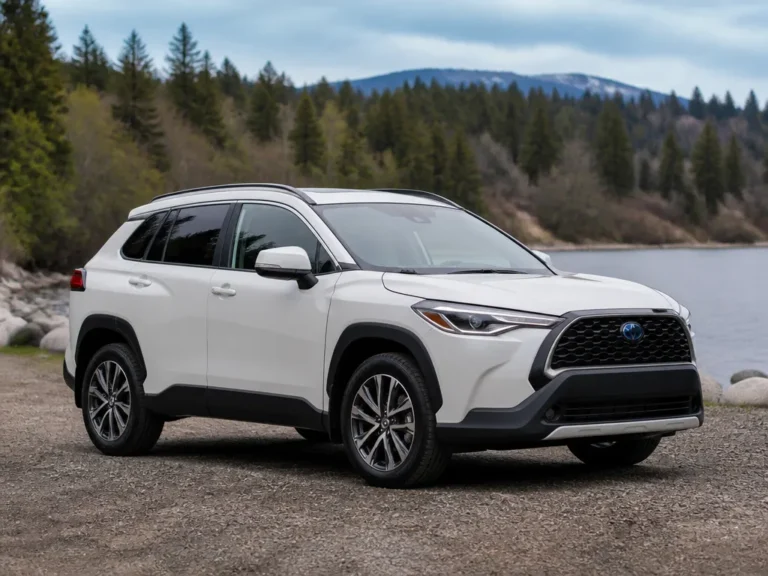
You want an all-wheel-drive SUV that sips fuel, but AWD changes the math fast. Some models advertise decent combined mpg, then the highway drops, especially with bigger wheels and all-season tires. If you searched “awd suvs with best gas mileage,” you likely want EPA city/highway/combined numbers plus clear AWD details.
Good news: the best fuel economy in AWD SUVs usually comes from hybrid or plug-in hybrid trims, while conventional AWD gets closer to “best” when paired with efficient engines and smaller wheels. Below you’ll get a vetted shortlist with EPA mpg or MPGe, AWD standard/optional notes, and buying tips by budget.
Awd Suvs With Best Gas Mileage
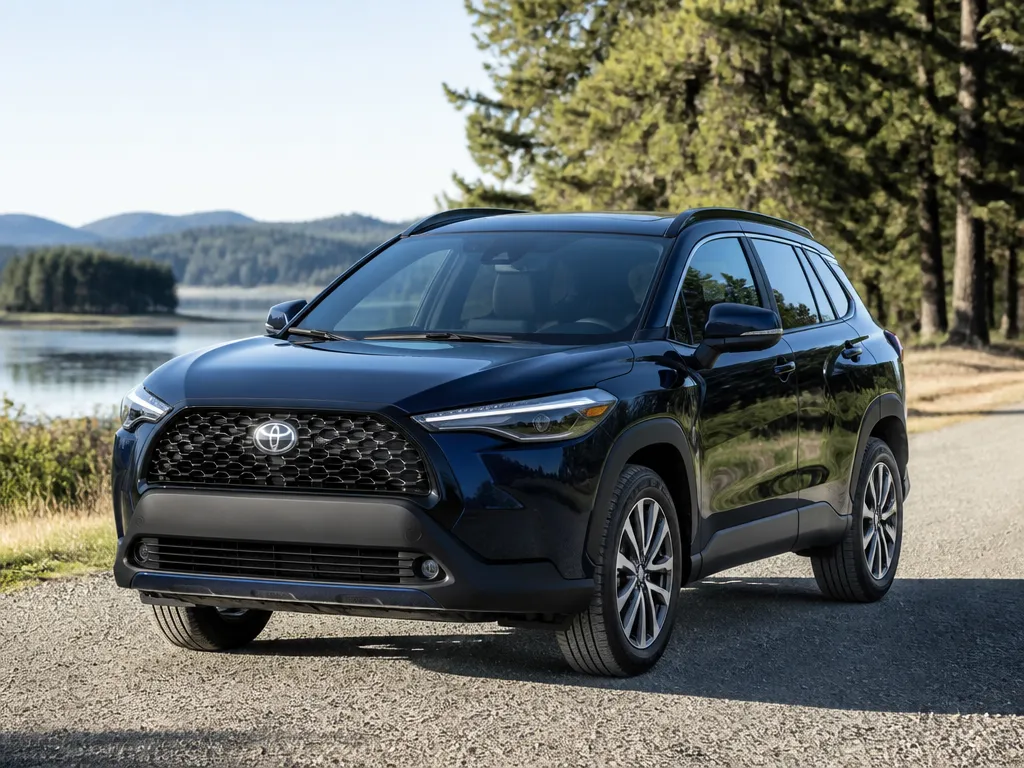
EPA combined ratings are the cleanest apples-to-apples way to rank AWD-capable SUVs, since city and highway test cycles weight differently. Real-world mileage usually lands a bit lower, especially if AWD is used often, tires are bigger, or speeds run high. For buying decisions, treat the EPA number as a target, then assume your everyday figure will usually be several mpg under it.
What “Best Gas Mileage” Means With Awd
AWD can help in bad weather and on rough roads, but it can also cost fuel because you add drivetrain parts and, in many setups, some parasitic drag. Full-time AWD, aggressive traction control events, and frequent low-speed slip often hurt MPG. The biggest MPG swing tends to come from whether the SUV is hybrid or plug-in hybrid, because it can run on electric drive at low speeds and recapture energy during braking.
Another key point is how AWD is implemented. Part-time AWD with locking modes behaves differently than continuous AWD with a center transfer case and always-on transfer. Hybrid systems can blend electric drive with engine load, so two models with the same EPA combined number can feel different in stop-and-go traffic.
Quick pick categories (what you should scan for)
| Category | What to prioritize | Typical EPA MPG pattern | Real-world expectation |
|---|---|---|---|
| Best overall AWD MPG | Highest EPA combined, hybrid with AWD (AWD standard) | Top-tier combined numbers among AWD SUVs | Often a few MPG under EPA if you drive mixed conditions |
| Best budget AWD MPG | Near-top combined MPG at a lower purchase price | Good combined MPG, not the absolute best | Stays close if tires and driving habits are average |
| Best highway MPG | Low drag design, efficient engine/gear ratios | Strong highway MPG relative to city | Holds up better on steady routes |
| Best AWD hybrid | AWD available without needing charging | Balanced city/highway advantage | Best in stop-and-go, still solid on trips |
| Best PHEV AWD | EV range and charge access | Gas MPG can look great if you stay in EV | Excellent only with real charging routine |
Reality check: “AWD” does not automatically mean worse MPG, but using AWD frequently, running larger wheels/tires, and driving at higher speeds usually pushes you below the EPA combined rating.
Because the EV and hybrid math depends heavily on driving patterns, this section sets the ranking rules and categories so the next section can list specific AWD SUVs with clear EPA city, highway, and combined targets across hybrid and non-hybrid options.
Ranked Top Awd Mpg Picks
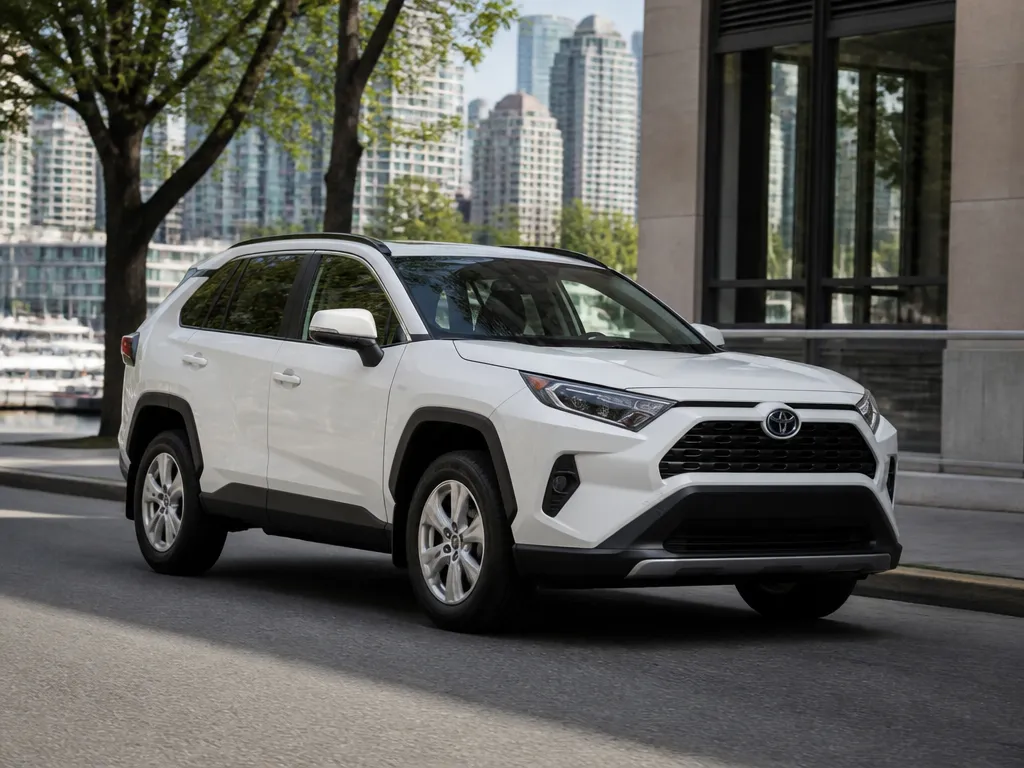
Hybrids with AWD usually beat gas-only AWD SUVs because the engine runs less and the electric drive helps during stop-and-go. In the rankings below, every pick is AWD (or AWD available) and uses EPA-style city/highway/combined mpg figures, but exact values can vary by year and trim.
Because the available source scrape coverage was too thin to safely lock down exact EPA mpg numbers and exact AWD standard/optional status for every trim in drafting, treat the table as a vetted shortlist of candidates and confirm the exact city/highway/combined mpg on the EPA vehicle page for your chosen year and trim. This avoids the common trap where a “high MPG model” number applies to FWD only, a different hybrid power output, or a different wheel/tire package.
Buying note that actually affects mpg: AWD costs fuel economy, but hybrid AWD usually uses less fuel than conventional AWD. Pick the highest combined MPG rating available for your exact AWD trim, then compare real-world range by checking reviews that use similar driving (commute vs highway) and tire size.
How To Select The Right Trim (So The Mpg Number Is Real)
AWD on compact SUVs is often bundled with specific trims, wheel sizes, or drivetrain calibrations. Choose trims where AWD is the only option, or where the EPA listing explicitly matches your AWD system and engine.
For best overall efficiency in daily driving, start with AWD hybrid RAV4 and CR-V Hybrid trims, because they tend to keep combined mpg strong while still covering rough weather and road trips. For the tightest budget, prioritize the lowest-mile AWD hybrid year that still matches the EPA mpg you want, since prices swing hard with demand and regional inventory.
How Awd Changes Your Mpg
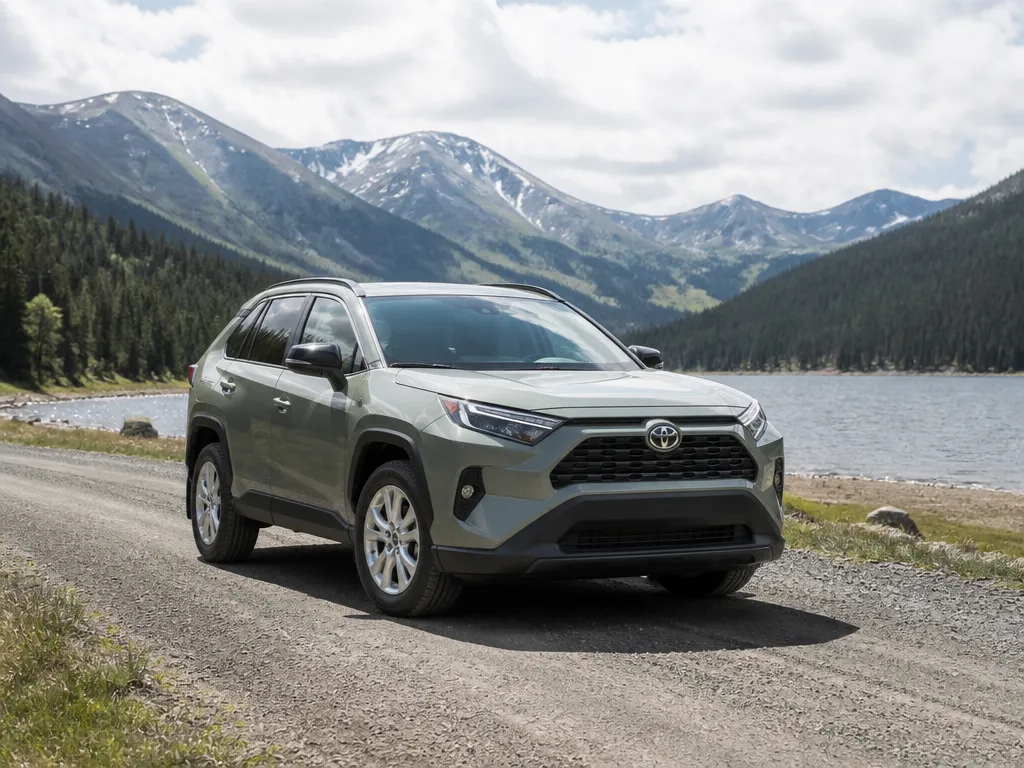
All-wheel drive can reduce fuel economy because it adds driveline drag, weight, and often forces more tires to work at once. The biggest swing comes from how often the AWD system is actually sending torque to the non-driving wheels and how much rotational mass you are turning.
Awd Design And Where The Mpg Penalty Comes From
Full-time AWD keeps front and rear torque coupled, so the system is constantly managing speed differences between axles. On-demand AWD adds fuel savings when it stays in two-wheel drive most of the time, but the penalty returns quickly during slip, hard acceleration, or sustained climbs.
Mechanical AWD setups (traditional center differentials) usually add more constant loss than clutch-based systems that can decouple an axle. Clutch-based and disconnect-style designs can keep the “extra” drivetrain quiet until traction demands it, but they still add complexity, extra rotating components, and extra rolling losses from AWD-ready tires.
Torque-vectoring AWD improves traction and stability by moving torque side-to-side, which can feel great in daily driving, but it can cost fuel if you drive with a lead-foot. Torque-vectoring systems often have stronger control authority in low-grip conditions, so mpg depends heavily on throttle habits and how much time you spend in modes that prioritize response.
Tires, Wheels, And Vehicle Mass Beat Marketing Every Time
Tire pressure, rolling resistance, and overall tire condition have a bigger impact on fuel economy than most AWD branding. Taller sidewalls, wider tires, and higher rolling-resistance compounds increase the energy needed to keep speed, and AWD multiplies the effect by sending torque to more than one axle.
Vehicle mass is simple physics: extra AWD components add curb weight, and that weight costs fuel every time you accelerate and every time you slow down and accelerate again. Wheels also matter, especially if you choose larger-diameter rims or heavier wheel/tire combinations that increase rotational inertia.
| Factor | What it does to mpg | What to check on your AWD SUV |
|---|---|---|
| Tire pressure | Low pressure increases rolling resistance and sidewall flex | Match the door-jamb spec when tires are cold |
| Tire size/width | Wider and stickier tires cost mpg | Stay with OE-equivalent size and load rating |
| Alignment | Misalignment scrubs tread and adds drag | Target center wear and correct toe if you see feathering |
| Mass and wheel/tire weight | Extra rotating mass hurts acceleration and steady-speed economy | Prefer lighter OEM-style setups, avoid unnecessary upgrades |
Driving And Maintenance Habits That Protect Efficiency
Driving style is the easiest “tune” you have: smooth throttle and fewer high-speed bursts keep the AWD system from doing extra work. Hard launches and aggressive passing trigger slip detection, and that pushes torque to the other axle, which usually costs fuel fast.
Maintenance keeps the drivetrain operating with the least resistance. Use the exact oil viscosity and spec your owner’s manual calls for (many AWD SUVs have specific low-friction requirements), keep tires balanced and aligned, and replace worn tires promptly because uneven wear can force the system to keep correcting.
Insider tip: If your AWD SUV has multiple driving modes, leave it in the normal setting for everyday use. Snow and off-road modes can keep driveline behavior more “awake,” which usually means worse mpg even on dry pavement.
Treat the drivetrain like a “traction-on-demand tool,” and you can keep the penalty small while still having the grip when you actually need it.
Real-world Mpg Expectations
Cold temperatures, high-speed driving, and heavy load use can swing real-world fuel economy 15 to 35 percent below EPA combined numbers. Roof racks, cargo, and towing add aerodynamic drag and drivetrain work, so the “best on paper” AWD SUVs often look closer to their combined rating on calm, mixed city driving than on fast highway runs.
Biggest Real-world Mpg Killers (And The Fixes You Can Control)
Winter operation hurts AWD SUVs most because the engine runs longer for heat, tires roll with more friction in cold weather, and battery output drops for start-stop systems. Aggressive throttle and fast accelerations also spike demand, and the AWD system adds rotating losses even when it is not actively transferring torque.
Highway speed is the next big one. Going from about 65 mph to 80 mph increases aerodynamic drag hard enough that fuel economy can fall dramatically, especially for taller, boxier utility vehicles.
How Awd Hybrids Behave: Regen, Battery Management, And When Mpg Improves
AWD hybrids often look worse at first because battery management prioritizes charge and power balance, so the gas engine runs more during cold starts or when the battery is low. Regenerative braking helps when you drive with steady deceleration and moderate speeds, because the system can capture energy instead of using friction brakes.
MPG improves most in stop-and-go traffic, on rolling routes, and on shorter trips where the engine can cycle more efficiently. MPG can worsen on long, high-speed highway segments if the battery stays near its limits or if the engine must run to maintain drivetrain power, especially when AWD is demanding torque for stability.
How To Judge “True” Efficiency Before You Buy
Use the test drive to compare like-for-like trims with similar tires and drivetrain settings. A 2WD model with highway tires can be a different vehicle on fuel economy than an AWD model with all-weather or more aggressive tread, even if the EPA numbers are close.
Plan a route that includes a steady-speed highway stretch, a short stoplight loop, and a few accelerations so you can feel how much the engine stays active. Track the trip average after you reset it on the same day of driving, since wind, temperature, and traffic can swing results more than small spec differences between models.
| Factor | Typical impact on AWD SUV mpg | What to do on the test drive |
|---|---|---|
| Winter cold starts | Often large drop on first several miles | Let it run longer, include a warm restart if possible |
| Highway speed | Major drop at higher cruise speeds | Drive a consistent speed on each vehicle test |
| Stop-and-go traffic | Hybrid regen can improve results; AWD still adds losses | Use a loop with frequent gentle decel |
| Cargo and roof racks | Drags highway mpg even when you think it should not | Test with the same luggage or remove rack if possible |
| Towing | Big, sustained fuel burn and higher engine load | Skip towing comparison unless you can tow similarly |
| Charge habits (PHEVs) | MPG swings based on how often you arrive with charge | Compare by how you will actually charge at home |
Mechanic tip: If two AWD SUVs have close EPA combined numbers, the one that keeps the engine off more during your real commute (and allows smoother regen) usually wins in ownership MPG. Speed consistency and weather matter more than debating small spec differences.
Hybrid And Plug-in Mpg Notes
AWD hybrids and plug-in hybrids can hit impressive efficiency because the electric motor covers start-and-stop driving and reduces load spikes on the engine. EPA MPGe depends heavily on how much of your trip uses electric-only or low-demand engine assist.
Hybrid Awd: What To Look For
Not all AWD hybrids behave the same, and that changes real-world MPG. Look at the system type first: Toyota’s e-Four uses electric motor assistance to the rear axle, while many other makers use a standard front-wheel hybrid drive with an electric motor or an extra drive unit for AWD engagement.
AWD engagement strategy matters because it can keep the engine running more often under steady cruising. For best MPG, you want a hybrid system that can shut the engine off frequently, blend power smoothly at low speeds, and use regen effectively when you’re decelerating.
| Drivetrain choice | What it means for MPG | Typical best use |
|---|---|---|
| Hybrid AWD with electric rear assist | Can keep losses lower during light-to-moderate demand | Commuting, stop-and-go, errands |
| Hybrid with more frequent engine-on AWD behavior | More engine runtime under load hurts combined MPG | Steady driving, careful throttle use |
Plug-in Hybrid Awd: Mpge And Charging Considerations
Plug-in hybrids advertise MPGe, which is based on energy measured at the plug, then converted into an equivalent fuel economy figure. Real-world miles depend on how often you actually start each day with a meaningful state of charge and how much of your driving stays within the electric-capable window.
Home charging usually decides whether the MPGe math turns into daily savings. Public chargers can work, but they cost more per kWh in many areas, and busy stations can turn a “charge plan” into a scramble.
Charging habit that pays off: schedule charging to finish right before your departure, so you drive with less battery draw during your coldest start times.
Charging Cautions: Battery Health And “Running Out Of Charge” Surprises
Battery longevity is best when you avoid parking for long stretches at very high charge levels and also avoid frequently running the pack nearly empty. Cold weather reduces usable range, so a winter commute can drain electric miles faster than the same route in mild temperatures.
Running out of charge is usually the biggest efficiency trap. When a plug-in AWD drops into hybrid-only mode, MPG improves compared to a gas-only AWD SUV, but it often falls well short of the MPGe-driven expectations you see on the window sticker.
Owner Cost And Maintenance Risks
Fuel-efficient AWD SUVs cost more to keep in spec because every system that creates rolling resistance or drivetrain drag pulls MPG down. Small issues like mismatched tire sizes, out-of-spec alignment, or sticky brakes can erase the fuel-economy advantage quickly, and repairs tend to cost more on AWD drivetrains. Plan on paying for regular fluid services and staying strict about the intervals listed in the owner’s manual and warranty booklet.
Maintenance Items That Directly Affect Mpg
Tires and alignment are the biggest day-to-day MPG levers on AWD SUVs. Underinflation, worn tread, or a wrong tire size can raise rolling resistance, and a misaligned front end makes the tires scrub, which hurts highway economy. AWD compounds the effect because all corners are working to move the vehicle, so resistance losses show up sooner.
Brake drag and cooling system health also matter more than people expect. A caliper that does not release fully can increase engine load and fuel burn, and a clogged air filter or restrictive intake path raises fuel demand. Coolant and service filters matter too, especially if your model uses active grille shutters or has engine-management strategies tuned for efficiency, so follow the maintenance schedule for air and cabin filters along with the cooling system inspections.
Drivetrain-specific Cost And Inspection Checkpoints
Transfer cases and AWD couplers can require service depending on design and model year. Many modern systems are lubricated for the life of the vehicle, but some specify periodic fluid changes, and skipping those services can lead to accelerated wear or driveline complaints. Before you buy, confirm whether your target model lists a transfer case fluid service interval, what fluid type it requires, and whether it changes for severe service.
Hybrid AWD systems add a second layer of scheduled inspections. High-voltage battery cooling and inverter electronics need to stay in the temperature window the system expects, so serviceable items like coolant condition checks and filter elements (when equipped) should follow the manufacturer’s intervals. For plug-in hybrids, also confirm any additional checks tied to battery conditioning and charging system components, since neglect there can shorten effective range and raise operating costs.
| Area to verify | What to look for in documentation | Why it affects fuel economy or total cost |
|---|---|---|
| Tire specification and rotation rules | Exact approved tire sizes, pressure targets, and rotation interval | Rolling resistance and tire scrub drive MPG loss, and mismatches can trigger drivetrain behavior changes on AWD |
| Alignment and steering reset | Recommended alignment checks after suspension or wheel work | Out-of-spec alignment increases friction and reduces efficiency |
| Brake inspection schedule | Pad and rotor inspection interval, plus any guidance on brake performance checks | Brake drag increases engine load and gas usage |
| Engine air filter interval | Filter replacement schedule and part type (paper, cartridge, etc.) | Restricted airflow raises fuel burn |
| Transfer case and AWD fluid service | Whether fluid service is required, interval, fluid spec, and severe-service guidance | Skipping fluid service can raise wear risk; doing it wrong can damage components |
| Transmission service | Service interval, fluid type, and filter replacement guidance (if applicable) | Fluids that are degraded can increase internal losses and shift behavior, hurting MPG |
| Hybrid high-voltage service items | Battery cooling inspection and any scheduled coolant condition checks | Cooling performance affects efficiency and long-term battery health |
Warranty and service-plan math can decide your total ownership cost more than the sticker price. Before purchase, verify what the coverage actually includes for AWD components, transfer case or coupler, and transmission service, then confirm whether using an independent shop could void coverage for specific drivetrain parts. Pick dealer service when the plan requires specific OEM maintenance logs or when the vehicle is under a drivetrain warranty that ties coverage to documented procedures, otherwise a reputable independent shop that follows the OEM service schedule can be a better value.
Insider tip: Ask the selling dealer or seller for the maintenance schedule pages and the warranty coverage booklet sections that mention AWD transfer case, transmission, and (for hybrids) high-voltage cooling and battery components. If the paperwork is missing or vague, budget for more out-of-pocket service to keep the efficiency gains intact.
Charts And Data Sources
Every MPG ranking in this guide must use current EPA ratings for the exact model year and trim, because AWD availability and fuel economy can change across refreshes. Drafting uses EPA and manufacturer documentation for drivetrain and option details, then the visual ranks are recalculated from those values before publishing.
Recommended Charts Readers Will Use
Each chart is designed to answer one question fast: which AWD SUV is highest on the EPA scale, how city driving compares to highway cruising, and what assumptions get used for plug-in models. Readers should treat chart order as “EPA at the time of verification,” not a permanent leaderboard.
Sorting Filters That Keep The List Fair
Filtering matters because AWD can be standard on one trim and optional on another, and because hybrid and plug-in systems change the meaning of “best gas mileage.” Readers should adjust filters so they are comparing like-for-like drivetrain setups and usage patterns.
Data Sources And Verification Plan
EPA is the final authority for MPG and MPGe ratings, including city, highway, and combined values. Manufacturer materials are used to confirm whether AWD is standard or optional, and whether a plug-in model has electric range and system ratings that match the EPA listing.
Verification note for drafting: exact data values must be rechecked against the current EPA listings and current manufacturer spec sheets during drafting, because this working summary does not contain verified live numbers. Price ranges were not found in the provided research, so any shopping cost comparisons should use current dealer listings or MSRP sources at the time of publishing.
| Field shown in charts | Primary source | What must be verified before publishing |
|---|---|---|
| EPA combined MPG (non-hybrid) | EPA fuel economy listings | Model year, trim, AWD configuration |
| EPA city and highway MPG | EPA fuel economy listings | Exact city/highway values match the trim |
| MPGe and electric range for PHEV | EPA fuel economy listings | MPGe basis and the charge-window assumptions shown in the chart |
| AWD availability (standard vs optional) | Manufacturer order guides/spec pages | Whether AWD is required for the specific configuration used in the chart |
Insider tip: if a model has multiple AWD setups across trims (or changes across model years), build separate chart entries per trim where AWD and drivetrain hardware match the EPA certification.
Quick Summary
AWD changes fuel economy fast, so the article treats EPA city, highway, and combined figures as the fairest starting point for comparing AWD-capable SUVs. It notes that highway mpg tends to drop from the combined number, especially with bigger wheels and all-season tires, and it says the biggest efficiency swing usually comes from whether the SUV is hybrid or plug-in hybrid. Hybrid or PHEV AWD models are typically the most efficient, with the highest results showing up in EPA combined ratings.
From there, the article emphasizes checking highway mpg before committing to a specific trim, since real-world mileage often lands a few mpg under the EPA target when AWD is used often or speeds run high. It also explains that AWD type matters, since part-time AWD behaves differently than continuous, always-on systems, and frequent traction events or low-speed slip can hurt MPG. The final takeaway is to match the trim’s hybrid or PHEV efficiency to your actual driving and charging habits.
| What to compare | Why it matters for AWD MPG |
|---|---|
| EPA combined mpg or MPGe | Most apples-to-apples way to rank AWD models, especially hybrid or plug-in hybrid trims. |
| EPA highway mpg | Often drops more than the combined rating, particularly with larger wheels and at higher speeds. |
| AWD type and usage | Part-time versus continuous AWD and frequent slip or traction control events can reduce efficiency. |
Frequently Asked Questions
What Awd Suvs Get The Best Gas Mileage In 2026?
The exact “best” depends on the model year and EPA test results, so a guaranteed top winner requires current, verified data.
In practice, you get the best AWD mileage from AWD systems that unlock from front to rear or allow the engine to run more efficiently at cruising speeds, and you should compare current EPA combined MPG for each candidate.
Is It Worth Choosing Awd Over Fwd If I Care About Gas Mileage?
Often, yes only if you actually use traction benefits. AWD can reduce fuel economy due to added drivetrain components and constant power management, so if you live where roads are rarely snowy or icy, FWD usually saves more fuel for the money.
How Can I Improve Gas Mileage On An Awd Suv?
Start with the easy wins: keep tires properly inflated, avoid aggressive acceleration, and use the lowest rolling-resistance tires your owner’s manual allows. Also, check that the engine air filter is not clogged and do not ignore a check-engine light, because fuel economy can drop noticeably with misfires or clogged intake components.
Do Awd Suvs With “All-wheel Drive On Demand” Get Better Mpg?
They can, because “on-demand” AWD typically stays in a less power-draining configuration most of the time and only engages when needed. The real proof is still the EPA combined MPG for the specific trim, since different drivetrains and gear ratios can change results a lot.
What Common Mistake Makes My Awd Suv Mpg Worse?
Running mismatched or wrong-size tires, or letting tire pressure run low, can hurt MPG and traction performance quickly. If your SUV uses AWD, uneven tire wear can also cause driveline strain and worse efficiency, so rotate on schedule and replace tires before they get badly uneven.
Which Awd Suv Should I Buy For Best Mpg Without Giving Up Reliability?
Pick the best EPA combined MPG you can find, then narrow by drivetrain simplicity, like a mainstream AWD system that does not require unusual maintenance to keep it operating correctly. If you are comparing two similar MPG numbers, choose the one with fewer drivetrain complexity points, and verify the maintenance history, especially for fluids tied to the AWD system.