


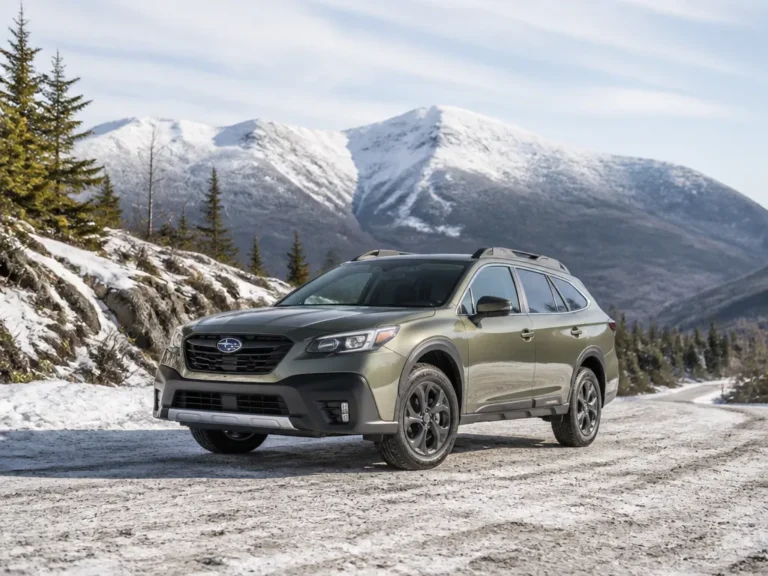
If you searched “best cars for Vermont,” you’re probably dealing with snowy parking lots, icy stop-and-go on Route 7, and salt that eats brake hardware and rocker panels. The right pick depends on whether you commute in the city or drive rural roads all winter, plus how you plan to handle tires and rust. For Vermont, the strongest choices are vehicles with AWD or 4WD, dependable heat and defrost, enough ground clearance, and strong rust-salt protection. Plan on dedicated winter tires for best grip and shorter stopping on compact snow, and prioritize models with clean underbody protection, especially on rocker panels. This shortlist breaks down the best sedans, crossovers, trucks, and budget used buys, with tire choices and pre-purchase checks you can actually use.
1. Subaru Outback (Premium Xt)
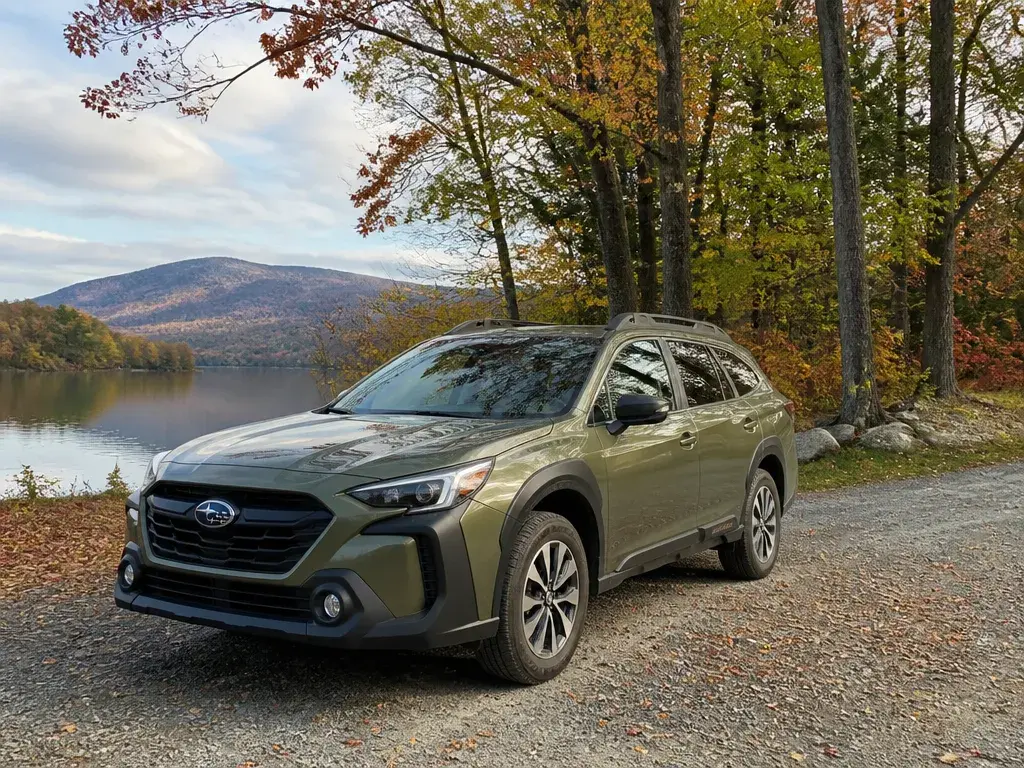
All-weather grip and real ground clearance matter in Vermont, where winter roads can swing from slush to deep snow in the same week. The Outback Premium XT is a practical match because it pairs Subaru’s all-wheel-drive layout with a more urgent, turbocharged power setup than the non-XT trims. It is the kind of wagon-style SUV that works for commuting and weekend trips to trailheads, ski towns, and lake roads.
For example, if you frequently drive up I-89 or back roads toward Montpelier and Stowe, the Outback’s tall ride height helps you keep traction and avoid scraping on icy ruts.
In practice, the wagon body style also gives you easier access to a cooler, sports gear, or snow tools compared with many crossovers. A snow-ready setup for Vermont usually means pairing it with quality winter tires in a correct size for your specific wheel package, and keeping the spare and jack tools in good shape.
What To Pay Attention To In Vermont Weather
In Vermont, cold starts and road salt are hard on every vehicle, so focus on things you can control. Check that the car has a functional battery and charging system, since frigid mornings can bring weak batteries to the surface fast. After heavy storms, wash the undercarriage and wheel wells when you can, because salt buildup can accelerate corrosion. Also confirm that your winter tire choice covers typical Vermont temps and snow depth, and that you keep tire pressures adjusted as temperatures drop.
Reader takeaway: If you want one vehicle that handles winter commute duty and still fits skis, camping gear, and daily errands, the Outback Premium XT is a strong Vermont-focused choice.
2. Subaru Forester (Sport)
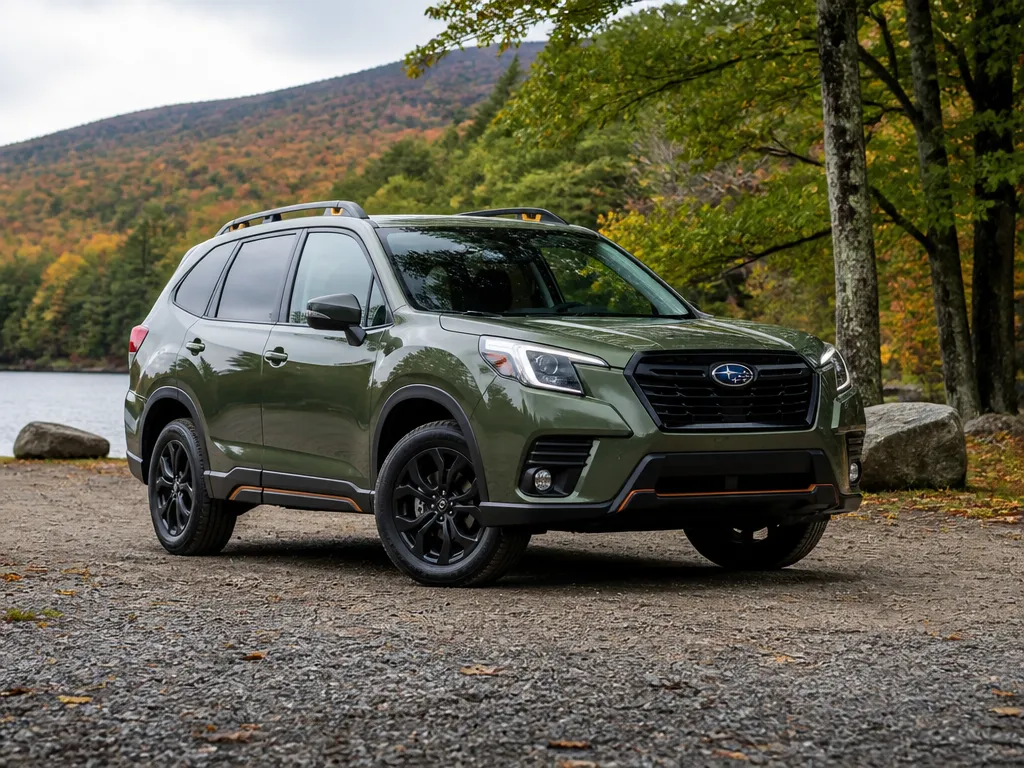
The Subaru Forester (Sport) fits Vermont life because it is an all-wheel-drive compact SUV with good ground clearance, which helps when you are bouncing between plowed roads, farm-country ruts, and occasional unplowed stretches. The “Sport” trim typically adds more driver-focused appearance and convenience items than the base models, so it feels a little more “day-to-day capable” without stepping into a larger, thirstier vehicle. You also get the kind of practical interior space that works for ski days, school runs, and hauling bulky gear between towns.
For example, with the Forester you can keep a set of winter tires mounted seasonally, then swap back to summer or all-season rubber when conditions improve, which matters in Vermont winters.
In practice, the Sport trim’s stronger equipment level often means more comfort and tech for cold-weather commuting, like better lighting and more driver convenience. A good configuration to shop for is a Forester with all-wheel drive and eyesight-style driver assist (availability varies by model year), then match the rest to your budget through recent maintenance history.
Model-year details, engine choice, and exact features vary a lot by year, and current pricing data was not found in the research available. Plan on verifying features on the specific VIN, especially wheel size (affects tire costs) and whether any safety tech is included.
What To Check Before Buying In Vermont
Vermont weather punishes neglect, so before you sign, check the tires and wheel condition first, since wheel bends and sidewall damage can show up faster on rough plowed roads. Confirm the all-wheel-drive system is functioning correctly by reviewing any maintenance records tied to fluid services and front/rear drivetrain checks, and make sure there are no warning lights on the dash. Look for evidence of proper winter storage, since undercarriage corrosion is common; a quick underbody inspection can save money later. If you find a Sport with aftermarket wheels or a mismatched tire setup, plan on aligning tire sizes and tread patterns to avoid driveline stress and uneven handling in snow.
Reader takeaway: the Subaru Forester (Sport) is a smart Vermont pick when you buy one with clear service history and no drivetrain or dash warning issues.
3. Toyota Rav4 (Xle Awd)
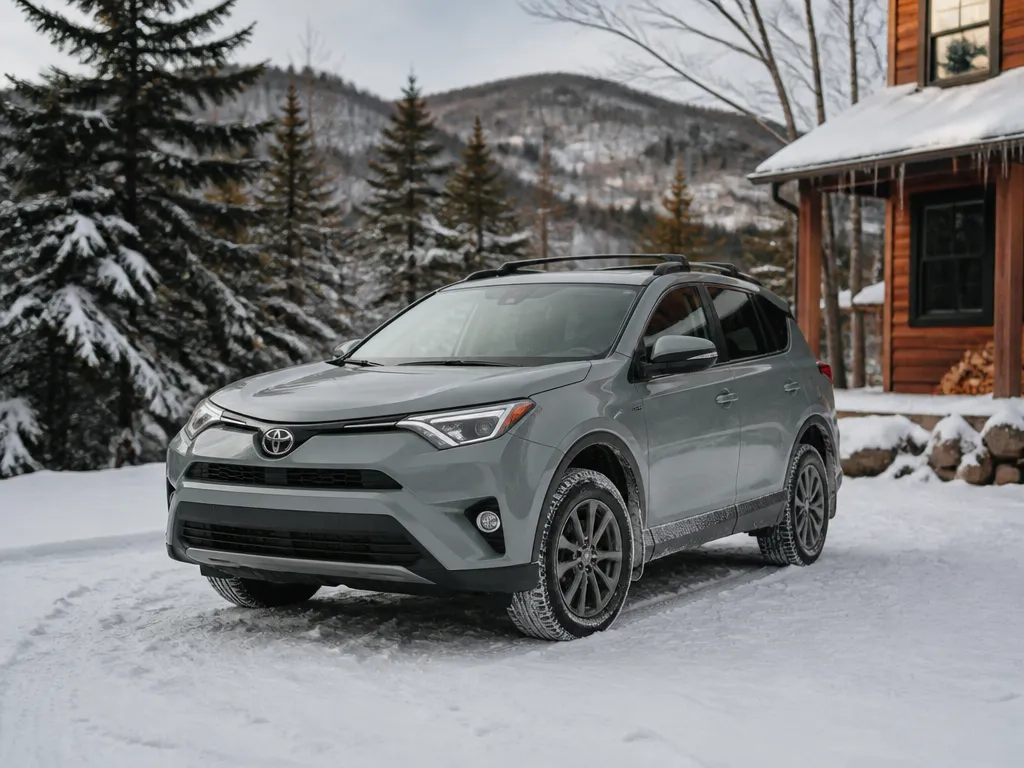
The Toyota RAV4 XLE AWD makes sense in Vermont because AWD helps maintain traction on snow-packed roads and slushy commuting mornings, especially when you get sudden freeze-thaw cycles. Its compact crossover size also fits the way a lot of Vermonters drive, with tighter parking lots and country roads where maneuverability matters. The RAV4’s common ownership in the region tends to mean easier access to parts and service compared with lower-volume vehicles.
In practice, look for an XLE AWD model with the winter-ready driveline and sensible ground clearance for rutted driveways.
For example, choosing factory all-season tires or upgrading to a dedicated winter tire set can be the difference between stable highway behavior and constant traction worries. The RAV4’s rear seat and cargo layout work well for hauling skis, boots, and a cooler without taking up full-size SUV dimensions.
Cold-weather Prep That Matters
Cold starts in Vermont punish neglected batteries and aging engine oil, so check the battery age and keep oil that meets the manufacturer’s spec for your temperature range. If you park outside, be ready for faster tire pressure drop and more frequent tire rotation needs due to uneven wear on AWD vehicles. Pay attention to how it shifts and how the AWD system engages during slow turns on slick surfaces, since rough behavior can point to drivetrain issues that should be inspected sooner rather than later. For any warning lights or drivetrain hesitation, a scan tool and a proper diagnosis are worth it before you rely on the vehicle for daily driving.
Reader takeaway: RAV4 XLE AWD is a smart Vermont pick when you find one with good battery health and a maintenance history you can trust.
4. Honda Cr-v (Ex-l Awd)
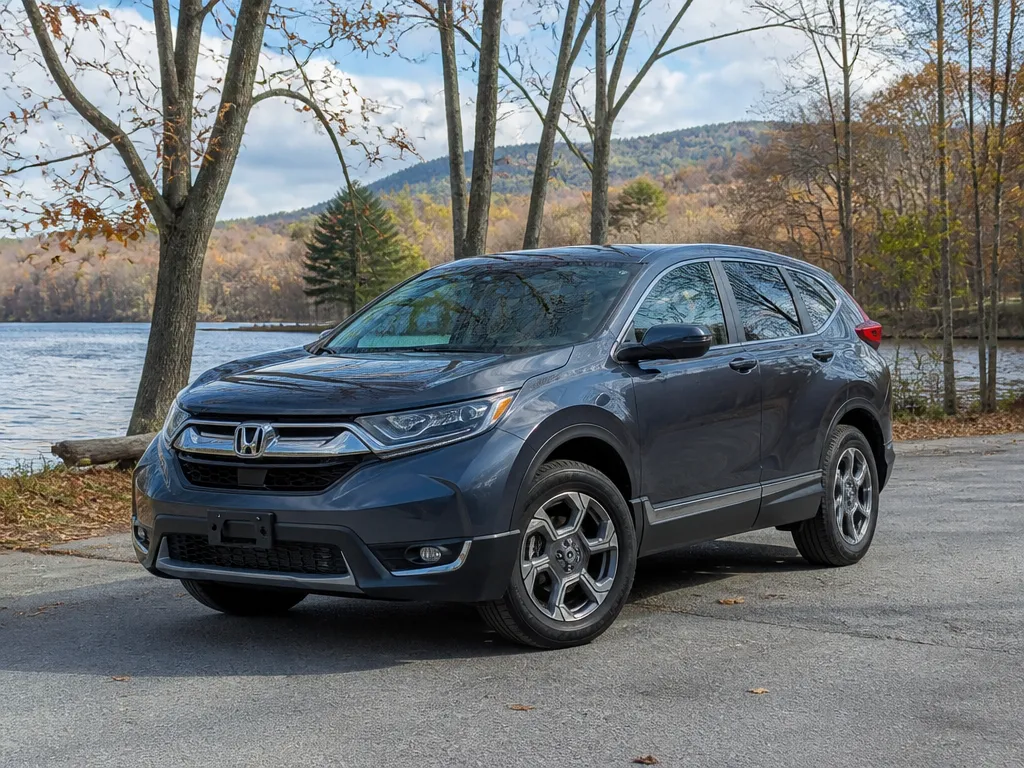
Honda CR-V EX-L AWD is a strong Vermont choice because it pairs confident all-wheel drive with a roomy interior for snowy commutes, school runs, and gear hauling. The EX-L trim adds convenience-focused comfort amenities that matter when you are driving in slush and cold mornings. If you want a practical all-arounder that is common enough to keep parts and service options straightforward, this model checks the boxes.
In practice, the CR-V’s AWD layout helps maintain traction on mixed pavement, especially when plowing leaves uneven patches of ice and wet roads. Look for the EX-L for upgrade comforts such as heated seating and a more feature-rich cabin (exact features vary by model year, since Honda optioning changed over time). Pair it with all-season tires rated for severe winter use, and keep a set of winter tires available if you routinely drive outside main plowed routes.
For example, with 2 people plus winter supplies, the cargo space behind the rear seats is typically enough for a stroller or tote bags, and the rear seat fold-down gives you more flexibility for longer items. Maintenance costs tend to be manageable compared with more complex drivetrains, since the CR-V’s powertrain is widely supported in both dealerships and independent shops.
What To Check Before Buying In Vermont
Cold weather brings out issues that warmer climates can hide. Inspect tire wear patterns (especially on the front) and confirm the AWD system has been maintained per the service schedule. During a test drive, pay attention to steering feel over rough, salted roads, and listen for unusual drivetrain noises when turning at low speed. Also review the vehicle history for any prior water intrusion or collision repairs around the wheel wells and underbody, since that is where Vermont corrosion and road debris tend to do their work.
Reader takeaway: an AWD CR-V EX-L is a smart Vermont all-round pick when you buy the cleanest, best-documented example you can find.
5. Jeep Grand Cherokee (4xe Phev)
Jeep’s Grand Cherokee 4xe is a strong pick for Vermont because it pairs all-wheel-drive capability with a plug-in hybrid system that can reduce how often you burn gasoline on short, frequent drives in cold-weather towns. With a battery that can be charged at home, you can stretch your electric miles on commutes and errands when temperatures are milder, then rely on the gas engine when conditions get harsher. It also gives you a practical way to handle winter mix-ups, from snowy parking lots to slushy highways.
In practice, the 4xe’s value depends on your charging routine. For example, if you can plug in overnight at home, the morning start is usually when you benefit most from electric assist. For mixed-use driving, expect the system to switch between electric drive and the gas engine as battery charge and demand change, so mileage will vary more than a straight EV.
Charging And Cold-weather Expectations
Cold Vermont winters make charging and range planning the difference between “electric-first” and “hybrid-only” days. If you drive mostly under 30 to 40 miles round trip and can charge regularly, you may get frequent electric assist, especially on shorter city-style routes. When it is extremely cold or you are traveling farther than usual, the vehicle will increasingly run the engine to maintain power and heat, so treat your initial charged range as an estimate, not a guarantee.
Reader takeaway: choose the Grand Cherokee 4xe if you can reliably charge at home and you want one vehicle that covers snowy daily driving plus longer winter trips, while accepting that deep-cold range and fuel use will swing with conditions.
6. Ford F-150 (4×4 Supercrew)
Ford F-150 4×4 Supercrew is a strong fit for Vermont because it pairs year-round traction with a full-size, four-door layout that works for snowy commutes, weekend hauling, and family road trips. The Supercrew cab’s rear seat and larger cargo options matter when you need to carry ski gear, tools, or contractor supplies without playing musical chairs. It’s also a common truck on Vermont roads, so you tend to find service capacity and parts support more easily than on niche models.
For example, a typical Vermont use case is driving to work after a snow squall and then switching to towing or cargo duty for the weekend. The 4×4 drivetrain gives you confidence on slick pavement and packed snow, while the Supercrew cabin keeps passengers comfortable during longer drives across the state.
- Look for factory 4×4 and a snow-capable tire setup (all-terrain tread is common) to match winter conditions.
- Check payload and tow ratings in the specific window sticker or build sheet, since they vary a lot by engine and axle.
- Prioritize heated mirrors and remote start if you park outside for weeks at a time.
- Confirm front/rear axle configuration if you plan to plow, haul heavy loads, or tow often.
What To Check Before You Buy
In practice, the fastest way to avoid regret with an F-150 in Vermont is verifying how the truck was actually set up. Confirm the drivetrain is truly 4×4 (not just 2WD with optional features), then inspect underbody condition, especially around rocker panels and wheel wells where winter salt collects. Pay close attention to brake and tire wear patterns, since uneven traction control can show up as vibration or pulling. If you’re considering towing, match hitch, wiring, and cooling setup to the ratings for that exact configuration, since “maximum towing” numbers can be misleading across trims and wheelbases.
Reader takeaway: choose an F-150 4×4 Supercrew that matches your winter driving and your real towing or hauling needs, then verify the exact ratings and winter-ready package details on the specific vehicle you’re buying.
7. Chevrolet Silverado 1500 (4×4)
Chevrolet Silverado 1500 4×4 shows up for Vermont drivers because it combines full-size capability with the everyday practicality of a long-bed or short-bed pickup layout. Four-wheel drive helps when you are commuting on snow-packed roads, dealing with slush, or heading for trailheads in the Green Mountains. A pickup also gives you real payload space for firewood, winter gear, and weekend projects without relying on roof racks.
For winter use, pay attention to tire setup and axle configuration, since a 4×4 drivetrain is only as good as the traction package you choose. Many Silverado trims let you pair heavy-duty front brakes and higher tow ratings with common features like 4G LTE connectivity and driver-assist options, but exact availability depends on model year and trim.
Tradeoffs For Vermont Winters
A 1500 4×4 is a strong choice when you need ground clearance, traction, and room for cargo, but it comes with tradeoffs you should plan for. Fuel economy is typically lower than most crossovers or sedans, and insurance costs can be higher on full-size trucks, especially on newer trims. In salted areas, routine underbody washing and timely corrosion protection matter because Vermont winters are hard on exposed fasteners and brake components. Handling also changes with load, so keep an eye on tire pressure when you switch between empty commute days and fully loaded weekends.
Reader takeaway: If you want one vehicle that can commute confidently in 4×4 mode and still handle snow gear and towing, the Silverado 1500 4×4 is one of the more practical full-size options for Vermont, as long as you match tires, cab size, and towing needs to how you actually use it.
Quick Summary
Salt and freezing temperatures punish even good vehicles, so buyers should plan for maintenance costs and inspect the vehicle carefully. Practical checks include confirming defrost performance on a cold start during the test drive, checking battery and charging-system health, and inspecting rocker panels and wheel wells on used cars for salt corrosion, because that damage shows up where you least want it.
For specific picks, it highlights the Subaru Outback Premium XT as a winter-focused option because it combines Subaru AWD with a turbo setup, and its wagon-style body and tall ride height help with traction on slushy interstate lanes and avoiding icy ruts. The second featured choice is the Subaru Forester (Sport), which is described as a compact AWD SUV with good ground clearance for plowed and unplowed stretches, along with practical interior space for ski days and school runs. The rest of the buying guidance is to match tire size and ground clearance to your model year and driveway, keep battery and charging system in check, and wash undercarriages after storms.
| Pick | Why it’s highlighted for Vermont | Key actions mentioned |
|---|---|---|
| Subaru Outback Premium XT | AWD plus a turbocharged setup, tall ride height for icy ruts, wagon cargo practicality | Use the right winter tire size, confirm ground clearance for your exact year, test defrost on a cold start |
| Subaru Forester (Sport) | AWD compact SUV with good ground clearance, practical space for ski and daily hauling | Plan seasonal tire swaps, shop for AWD and driver-assist availability as offered by model year |
Frequently Asked Questions
What Are The Best Cars For Vermont Winters Without Spending A Fortune?
If you want “best for Vermont” on a budget, look for a used AWD vehicle with a good heater, good tire traction, and decent ground clearance. Price varies a lot by year and trim, so treat any “best deal” lists as starting points, then compare total cost of ownership, including winter tires.
Do I Really Need Awd In Vermont, Or Will Fwd Be Enough?
AWD is useful when roads are icy, but FWD can also work well with good winter tires. Tires provide the primary grip for braking and turning, while AWD mainly helps the vehicle accelerate without spinning, so consider both the drivetrain and the tire setup.
What Car Type Handles Vermont’s Snow And Slush Best, A Sedan Or An Suv?
Generally, an SUV or wagon is easier in deep snow and slushy parking lots because it usually has more clearance and a higher driving position. If you prefer a sedan, just be extra disciplined with winter tires and consider adding mud flaps to reduce splash and corrosion.
Which Is More Important For Vermont Driving, Ground Clearance Or Engine Power?
For Vermont conditions, ground clearance and tire grip usually matter more than horsepower because the limiting factor is traction, not acceleration. If you deal with steep driveways or packed snow, choose a car with reasonable clearance and focus on tire quality.
What Maintenance Should I Plan For On A Vermont Car Before And During Winter?
Before winter, budget time and money for a battery test, coolant system inspection, brake check, and tire tread measurement. If you have older tires or the tread is near the end of its life, replacing them before the first hard cold snap is one of the best moves for winter reliability.
What’s A Common Mistake People Make When Choosing The Best Cars For Vermont?
The biggest mistake is buying a car that looks “winter-ready” but skipping true winter tires or using all-season tires through freeze-thaw cycles. Another common miss is ignoring salt corrosion, so you should plan for rust prevention and underbody cleaning in winter.