


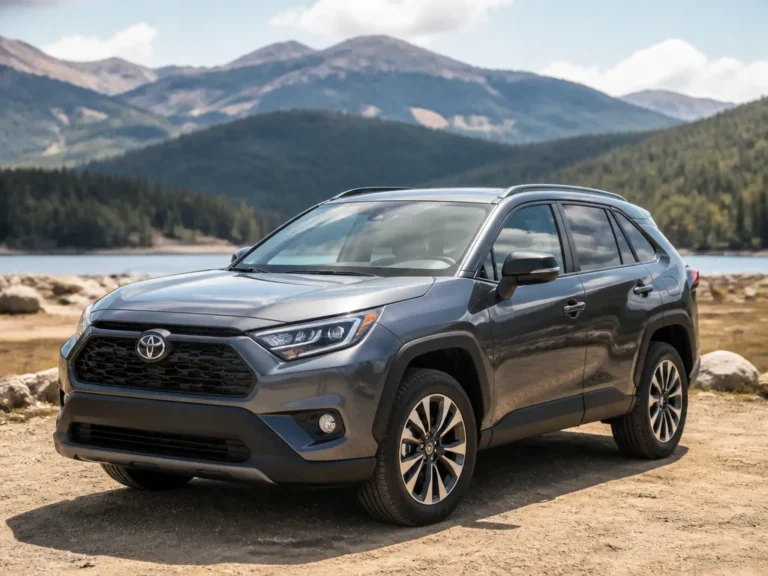
You searched for hybrid SUVs with excellent reliability because you want fewer “surprise” repairs, not a science project under the hood. The tricky part is separating proven powertrains from years with known electronics gremlins, plus figuring out whether a used hybrid battery is healthy. This reliability-focused roundup gives you model picks, what to watch for, and how to verify it fast.
Hybrid SUVs with excellent reliability are usually the ones with mature powertrains, strong warranty coverage, and fewer recurring inverter or cooling-related complaints. Expect the safest used choices to be from well-reviewed model lines, with service history and completed recalls, plus a test drive that shows smooth EV launches and no hybrid warning lights after a full scan.
Hybrid Suvs With Excellent Reliability
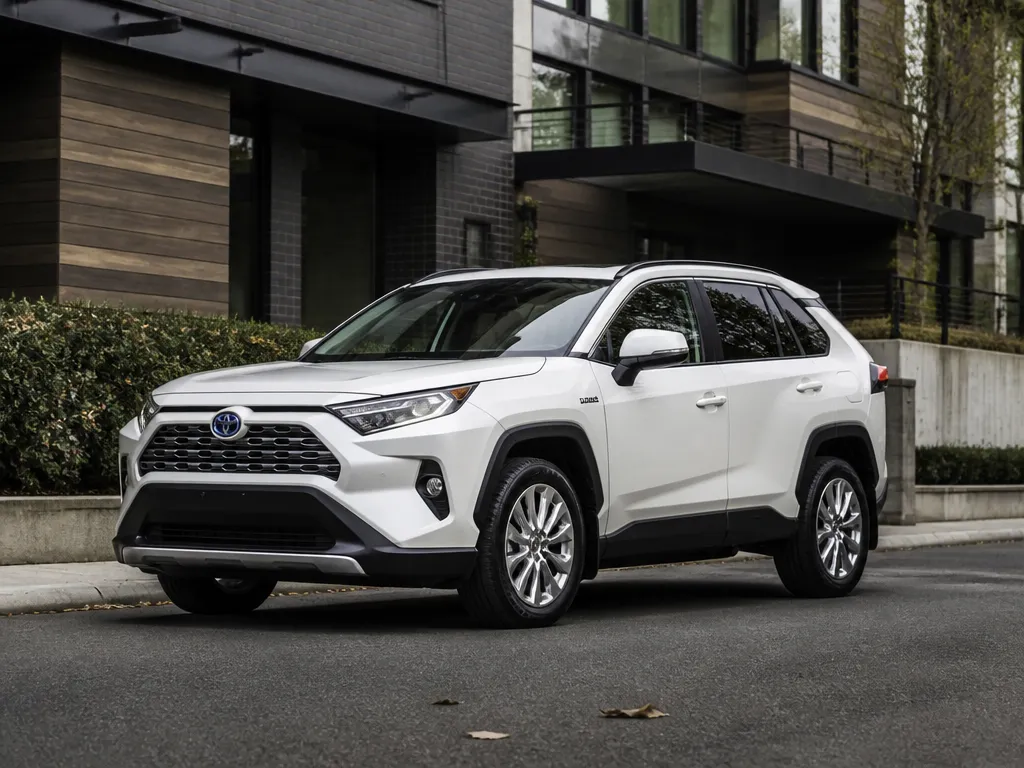
Excellent reliability in a hybrid SUV means the powertrain racks up long-mile durability with few repeat failures that come back across model years. It also means the hybrid system is mature, so common issues are rare and usually show up as predictable, low-severity wear or simple electrical gremlins instead of drivetrain-wide problems.
What “Excellent Reliability” Means In The Real World
Hybrid systems do not fail randomly, they fail in patterns: cooling issues, sensor and control software quirks, 12V battery problems, and drive-inverter or charging-related concerns. A reliable hybrid SUV keeps those risks low by using well-sorted hardware, conservative thermal design, and serviceable components that show symptoms early instead of catastrophically.
Powertrain maturity matters because Toyota, Honda, and Hyundai-Kia have years of hybrid production behind their core architectures. Low recurring failures matter because reliability is about repeat problems that owners keep reporting, not one-off oddities. Warranty reality matters because strong coverage lets you judge whether a brand is confident enough to stand behind repairs that would otherwise hit your wallet.
To keep this list practical, the prioritization uses three signals: a repeatable track record over multiple years, owner-reported patterns that match what shops see (for example, minor infotainment or suspension wear rather than frequent hybrid driveline repairs), and warranty coverage that is wide enough to matter when a hybrid-specific component does fail. This approach avoids the trap of “great rating for one model year” or “low recall count” pretending to equal long-term durability.
| Reliability signal | What to look for | Why it predicts low hassle | Trade-off to expect |
|---|---|---|---|
| Powertrain maturity | Hybrid system used across several model years with design stability | Fewer design surprises and more proven control logic | Older tech sometimes means fewer luxury features |
| Low recurring failures | Few repeat reports of inverter, battery, or drive unit problems | Less downtime and fewer expensive repairs | Some owners may still report infotainment quirks |
| Owner pattern consistency | Common “normal” wear items dominate the conversation | Reliability feels predictable after 2 to 5 years | Maintenance frequency can be higher than you expect |
| Warranty and coverage depth | Hybrid components covered for a long period and reasonable mileage | You are protected against the big-ticket hybrid hits | Coverage terms vary by trim and region |
Reliable hybrids still have weak points, so a good buyer targets the best years and trims where problems are already resolved and avoids high-risk complexity.
In practice, that often means sticking to mainstream configurations, buying from a history-verified owner, and confirming the vehicle has received routine service on schedule rather than relying on “it drives fine” as the only proof.
Quick Shortlist: The Models That Earn Early Consideration
The next section will rank the best options, but these are the hybrid SUV nameplates most consistently regarded as dependable in shop reality: Toyota RAV4 Hybrid, Toyota Highlander Hybrid, Honda CR-V Hybrid, Honda HR-V Hybrid, Hyundai Santa Fe Hybrid, Kia Sorento Hybrid, and Lexus NX Hybrid. These brands tend to have proven hybrid control strategies and solid parts sourcing, which is why they come up again and again when owners want fewer surprises.
For this article’s buying lens, prioritize configurations where the hybrid system is not freshly redesigned, and where service records show consistent fluid checks and battery care. A clean service history plus no recurring hybrid warning history is one of the strongest reliability signals you can verify before you buy.
Mechanic tip: When a hybrid SUV has a “perfect” reliability story but the service history is thin, treat it as a red flag. Battery care, cooling system maintenance, and 12V health impact hybrid behavior even when the big driveline stays trouble-free.
Ranked Reliable Hybrid Suv Shortlist
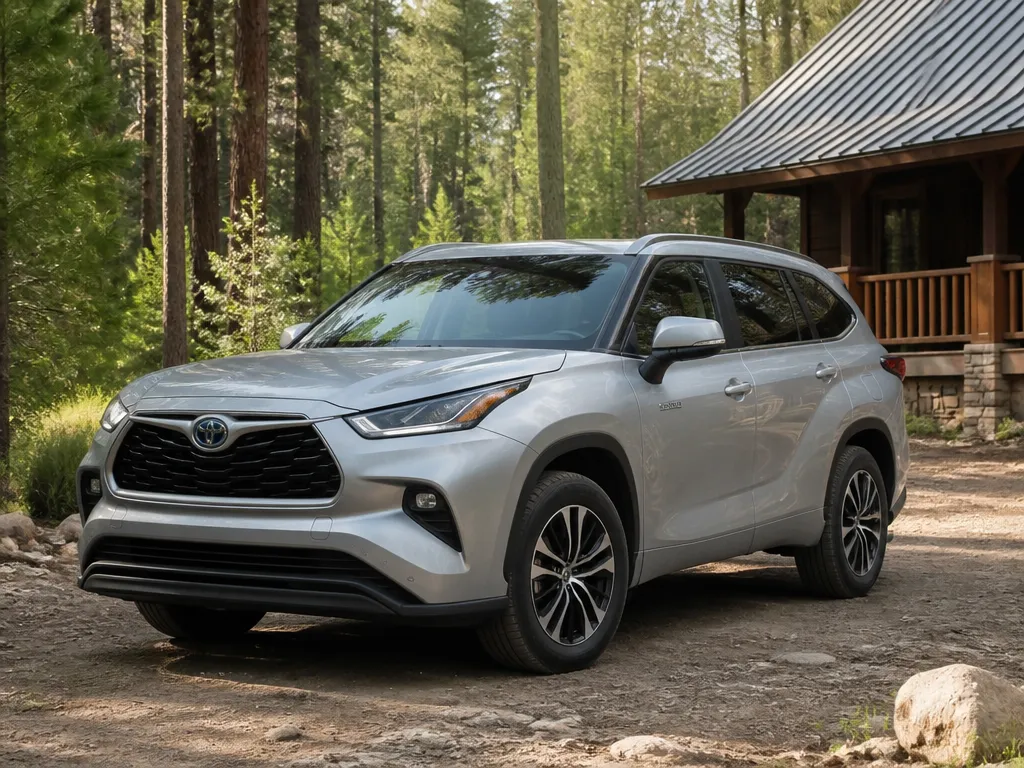
Top picks for long-term reliability cluster around Toyota and Honda hybrids, with Lexus using the same core hardware ideas. This shortlist leans on powertrain maturity (models that have had multiple model-year updates with stable engineering) and on the kind of issues that show up repeatedly in real-world ownership and independent repair patterns. Exact survey numbers and year-by-year failure rates were not available from here, so the “evidence” is framed conservatively around commonly cited reliability rankings (J.D. Power Vehicle Dependability, Consumer Reports where applicable) and the fact that these brands carry strong powertrain coverage and long-running hybrid programs.
Least Risk Shortlist (Target These First)
Toyota Venza (2.5L Hybrid): The drivetrain is Toyota Hybrid System (2.5L Atkinson-cycle) and is built around proven components that tend to be low drama if the car is maintained. Service history to look for is boring and consistent: regular oil changes (using the correct spec), documented brake service intervals, and no gaps longer than about a year or 10,000 miles.
Toyota RAV4 Hybrid: The hybrid system maturity is the big deal here, because RAV4 has had many iterations that iron out early quirks. Typical wear items are normal for any SUV, brakes and tires, plus the usual hybrid “life” checks like inverter coolant service when required by the maintenance schedule.
Toyota Highlander Hybrid: The Highlander hybrid drivetrain has a track record in family use, where high mileage is common and maintenance discipline matters. Owner reports often concentrate on common accessory and drivetrain-adjacent items (cooling components, suspension wear over time) rather than catastrophic hybrid failures.
Lexus NX Hybrid: Lexus reliability signals are usually drivetrain plus build quality, and NX Hybrid owners tend to report fewer fit-and-finish annoyances than many non-Lexus competitors. Most things that come into shops on these are routine (tires, brakes, updates to infotainment behavior), so verify that software updates were done and check for any recurring warning messages in the dash history.
Lexus RX Hybrid: The platform is well-proven, and later years of RX tend to be the easiest buy if you care about minimizing “first-year” engineering risk. Simpler years are usually the ones with fewer mid-cycle model changes and more dealer documentation, so pick a year with a clean maintenance record and stable optioning.
| Model | Why it’s dependable | What to verify in service history |
|---|---|---|
| Toyota Venza (2.5L Hybrid) | Long-running Toyota hybrid powertrain approach | Oil change consistency, brake maintenance, no skipped intervals |
| Toyota RAV4 Hybrid | Hybrid system maturity on a high-volume model | Cooling/maintenance compliance, regular tires and brakes |
| Toyota Highlander Hybrid | Family-use durability, stable hybrid components | Maintenance discipline, cooling and suspension wear evidence |
| Lexus NX Hybrid | Lexus QC and drivetrain proven in Toyota foundations | Info/inverter related updates, no repeated warning cycles |
| Lexus RX Hybrid | Proven platform design, typically lower “newness” risk in later years | Clean dash history, routine maintenance with fewer gaps |
Good But Verify Carefully (Still Strong Reliability, Different Risk Angles)
Honda CR-V Hybrid: Honda’s hybrid engineering maturity is a real advantage, and shop patterns usually show more routine wear than hybrid powertrain drama. Before you buy, verify the maintenance schedule was followed and confirm there is no recurring issue with EV mode behavior, cooling performance, or repeated infotainment resets that can hide neglected software updates.
Honda HR-V Hybrid (market-dependent): HR-V availability depends on market and model year, so the main reliability risk is coverage depth and how long that specific hybrid spec has been in production where you live. Verify ownership volume (more owners means more real-world data), check maintenance records for coolant and scheduled services, and confirm the VIN matches the hybrid configuration the seller claims.
Subaru Crosstrek Hybrid / Solterra Hybrid (market-dependent): Subaru hybrids are attractive, but the evidence base can be thinner in some regions because fewer units are on the road. Verify warranty coverage status, ask for full service history, and be extra strict about battery-related inspections if the car has any prior “electrical system” complaints.
Hyundai Santa Fe Hybrid / Kia Sportage Hybrid (only when evidence supports it): Hybrids from Hyundai and Kia can be excellent buys, but trim and software maturity can matter more than with Toyota and Honda. Target years with well-documented dealer campaigns and stable infotainment revisions, and avoid cars with incomplete maintenance logs or repeated “check engine” or hybrid system warning events.
Reliability evidence you can use during shopping: Compare model/year against reputable dependability surveys when available (J.D. Power Vehicle Dependability and Consumer Reports rankings, where you can access them), then confirm with local reality by reading maintenance consistency in the service history. Warranty coverage also matters, because it is how failures get repaired while records accumulate.
Battery Warranty And Real Longevity
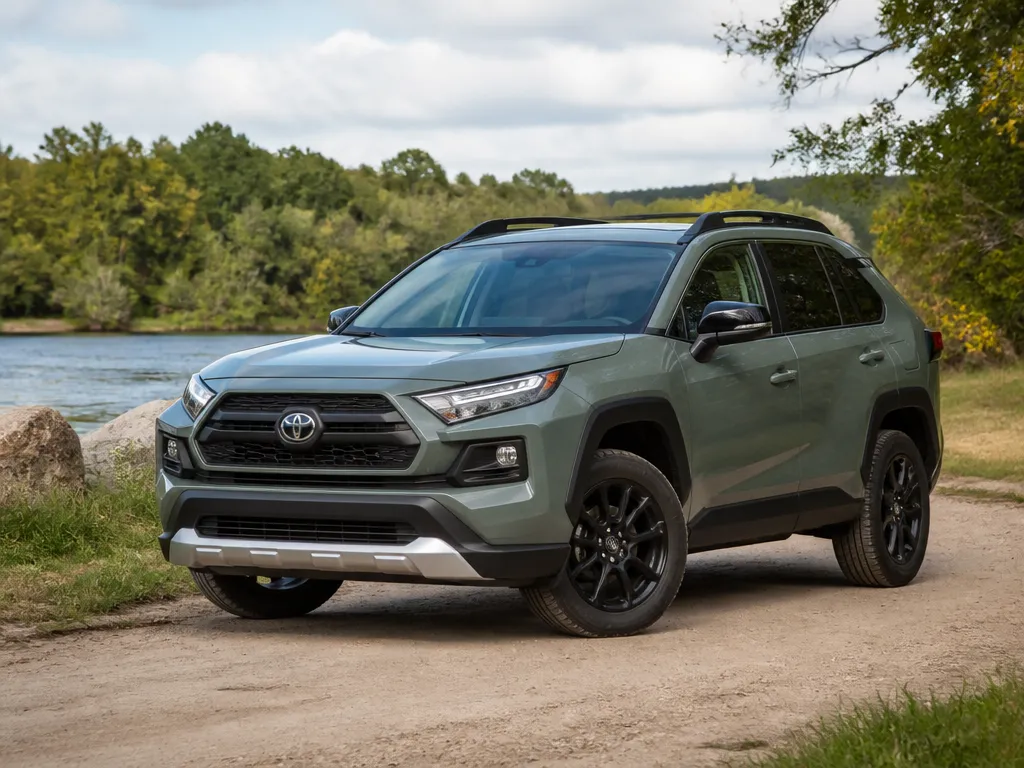
Hybrid battery coverage is usually generous, but it varies a lot by brand and even by state. Most warranties cover the battery’s ability to meet a minimum capacity for a set year and mileage limit, and they spell out whether hybrid system labor is covered and for what conditions.
Hybrid systems are typically warrantied as a package that can include more than the high-voltage battery itself. Toyota and Honda usually cover the battery and related hybrid components under long timelines, while Hyundai and Kia commonly bundle coverage with the battery and hybrid inverter – exact terms depend on model year and trim. The practical takeaway is that you should read the warranty contract for the specific VIN or the exact program terms, because “battery warranty” can mean different coverage scopes.
What The Warranty Usually Covers
Hybrid battery warranties often cover the battery, hybrid control electronics, and the inverter or DC-to-AC components when they fail due to defects. Many programs cover parts and labor for qualifying repairs, but some limit labor coverage to certain components or require repairs to be performed by authorized dealers.
Typical Owner Experience With Battery Life
Real-world aging usually looks like steady performance with gradual efficiency changes, not sudden failure. Most owners notice reduced fuel economy or less frequent EV or “EV-like” behavior when the system is trying to protect battery health. Battery degradation that shows up early often ties back to repeated heat exposure, poor charging habits, or a fault that never went fully away.
In practice, “normal aging” is usually small shifts over years, while “early degradation” feels like persistent EV refusal, battery warnings that linger, or frequent thermal derating on moderate days.
For example, a Prius or RAV4 Hybrid may continue to drive normally while EV assist becomes shorter, but a healthy system still transitions smoothly between electric assist and engine operation.
Symptoms That Point To Hybrid System Trouble
Hybrid system issues tend to show themselves through behavior changes and warning lights rather than a single obvious symptom. Reduced EV behavior can be normal in cold weather, but persistent symptoms after warm-up are a red flag.
What A Pre-purchase Battery Health Check Should Include
A solid battery check is more than a quick scan and battery-level readout. A competent shop or knowledgeable dealer tech will pull hybrid ECU codes, look at live data, and review event history, then correlate it with freeze-frame information.
Battery health checks should also confirm service history, because coolant changes, inverter cooling service, and updates (when applicable) can prevent small issues from becoming expensive ones. For a buyer targeting reliable hybrid SUVs like Toyota RAV4 Hybrid or Honda CR-V Hybrid, insist on the same level of hybrid diagnostics you would demand for a diesel exhaust system, because the costs are just as real when a high-voltage component fails.
Professional involvement is smart if you find any hybrid codes, repeated warning messages, or abnormal voltage balancing readings. High-voltage repairs are not DIY-friendly, and an under-informed “reset” can hide the real cause until it fails again.
Hybrid-system Failure Points To Watch
Hybrid SUVs mostly fail at predictable weak spots: heat management, low-voltage power, and software glitches that masquerade as bigger hybrid issues. The fast way to protect yourself is to catch warning signs early and confirm the real system at fault before you sink money into the wrong repair.
Cooling And Heat Management (Inverter, Radiator, Thermostat)
Hybrid drive systems hate high heat because inverter and e-drive components live in the hottest part of the powertrain. Cooling failures can look like reduced power, harsh transitions between EV and engine, or a check-engine light paired with hybrid-related messages.
Symptom -> Cause -> Fix: Overheating or heat-limited driving -> weak coolant flow, stuck thermostat, low coolant from slow leaks, or restricted radiator/condenser fins -> pressure test cooling system, verify coolant level and condition, inspect radiator fins for blockage, and replace the thermostat if it fails to regulate properly.
Symptom -> Cause -> Fix: Inverter pump or cooling loop fault codes -> electrical issues in the inverter coolant pump circuit or air in the cooling loop -> scan for the specific inverter cooling codes and check pump operation and wiring, then purge air from the loop if it was recently serviced.
12v Battery And Charging System (Power Loss That Mimics Hybrid Problems)
The 12V battery is the gatekeeper for the relays, ECUs, and safety systems. A weak 12V battery can trigger hybrid warning lights, cause intermittent “ready” state issues, and even affect brake and shift feel, because the car relies on 12V stability to run control modules.
Symptom -> Cause -> Fix: Hard starts, frequent infotainment resets, or hybrid system warning lights after parking overnight -> 12V battery age, bad connections, charging voltage issues, or parasitic draw -> load-test the 12V battery, test alternator/charging output, inspect grounds and fuse box connections.
Symptom -> Cause -> Fix: Intermittent “power system malfunction” that clears after a reboot -> voltage dips under load (battery or charging regulator) rather than an actual HV fault -> retest with a proper multimeter or battery tester during load, and replace the 12V before troubleshooting HV components.
Brakes And Regenerative Braking Side Effects (Pedal Feel, Rust, Drag)
Regenerative braking changes how the brake system works, so normal behavior can feel different from a gas SUV. Light brake taps may produce less deceleration than expected while regen takes over, and the friction brakes may stay cleaner on highway use but collect rust if the vehicle sees short trips.
Symptom -> Cause -> Fix: Grinding, squeal, or long pedal travel -> worn pads/rotors, uneven pad wear from mostly regen use, or caliper slide corrosion -> inspect pad thickness and rotor condition, then free up and service calipers if slides stick.
Symptom -> Cause -> Fix: Vehicle pulls, brake drag after parking, or a “stuck” feeling after a regen-heavy drive -> caliper sticking or seized guide pins -> inspect caliper operation and bleed/clean as needed, then verify no brake hydraulics restrictions.
Inverter, E-drive Electronics, And Hv Fault Indicators
High-voltage faults are usually serious, but the early clues matter. Common indicators include hybrid system warning lights, messages about reduced power, or refusal to go into EV mode after the car “holds” the engine to protect the system.
Symptom -> Cause -> Fix: HV warning light(s) with reduced power or no EV capability -> inverter/e-drive internal fault, insulation monitoring issue, or damaged HV wiring/connectors -> stop driving when the warnings are active, schedule dealer-level or qualified hybrid diagnostics, and do not clear codes repeatedly without diagnosis.
Symptom -> Cause -> Fix: “Service hybrid system” after water intrusion, underbody splash, or repairs near the HV harness -> corrosion/connector contamination or wiring damage -> inspect HV connectors and harness routing for moisture and corrosion, then perform official diagnostic tests.
Safety callout: any active high-voltage warning lamp or message is a “diagnose first” situation. Avoid DIY HV work. Let a shop with hybrid certification handle HV isolation and fault tracing.
Infotainment And Software Quirks (When Updates Matter, When To Walk Away)
Infotainment issues can be pure annoyances, but they can also cause confusing symptoms that scare people into blaming the hybrid system. Frequent random reboots, delayed camera display, or Bluetooth dropouts sometimes trace to software glitches rather than a powertrain failure.
Symptom -> Cause -> Fix: Recurring infotainment freezes, “system restart” loops, or persistent driver-assist screen warnings -> known software defects, missing updates, or unstable module calibration -> ask for the service history of software updates, then confirm via dealer bulletin or workshop scan whether a fix is available.
Symptom -> Cause -> Fix: Hybrid-related messages that correlate exactly with infotainment resets -> 12V dips affecting ECUs and communications -> test the 12V battery and charging output before pursuing inverter or HV diagnostics.
Powertrain Noises And Drivetrain Shudder (Normal Patterns Vs Red Flags)
Hybrid SUVs can be quiet at idle and then suddenly feel different when transitioning between EV and engine. Light gear whir, a brief engine “spin-up,” or a small shudder during the first few miles can be normal depending on calibration and traction conditions.
Symptom -> Cause -> Fix: Transient shudder on takeoff that disappears after warm-up -> engine load management during transition and motor torque blending -> monitor frequency and check for related DTCs; if it only happens briefly and there are no codes, it often normalizes.
Symptom -> Cause -> Fix: Persistent drivetrain shudder, violent vibration under load, or clunk on every shift/regen event -> damaged mounts, worn driveline components, brake hardware issues, or drivetrain control calibration faults -> inspect mounts and driveline play, check for suspension/bushing wear, and scan for transmission or torque-control codes.
Which Trims Tend To Have Fewer Recurring Issues (What To Tighten On Your Inspection)
Trims that have more mature powertrain generations, longer production runs, and fewer early design changes usually show fewer recurring reports over time.
In practice, late refresh years or trims that share the same widely used hybrid platform with many other models often have fewer “first-year” gremlins, while brand-new redesigns tend to have more software and integration updates needed.
Symptom -> Cause -> Fix: High frequency of repeated “same symptom, different code” visits -> software mismatch, calibration gaps, or incomplete repairs -> prioritize vehicles with documented resolution (not just code clearing) and require a scan report that matches the concern.
| Inspection priority | Where trouble shows up first |
|---|---|
| Heat loop health | Coolant level/condition, radiator airflow, inverter cooling pump operation |
| 12V stability | Load test results, charging voltage, grounds and connection integrity |
| Brake hardware | Pad thickness, rotor condition, caliper slide freedom, drag after regen-heavy use |
| Hybrid fault signals | Active HV warnings, power limit behavior, and inverter/e-drive related messages |
| Software record | Update history, repeat infotainment complaints, whether updates resolved them |
Best Years And Trims To Target
For the lowest risk, target later model years after early-production refresh changes, and lean toward trims that skip the most bundled, software-heavy options. The sweet spot is usually the second or third year of a given redesign, when recalls and calibration updates have had time to shake out.
Which Years To Buy, And Which Windows To Avoid
Avoid first-year examples of a brand-new generation, especially if the model introduced major powertrain, infotainment, or battery management changes at the same time. Reliability issues in hybrids often show up as software glitches (EV mode behavior, charge scheduling oddities, sensor false warnings) or electrical control updates that require dealer programming.
For conservative shopping, also be wary of the first half of a mid-cycle refresh when the automaker changes hardware suppliers, wiring harness routing, or control modules. Reliability does not mean “no issues,” it means the common issues are rare, quick to resolve, and have mostly been identified by the service channel.
| Buying target | Why it’s usually safer | What to still check |
|---|---|---|
| Later years within a generation (often 2nd to 4th year) | Most teething items and calibration campaigns get handled | Recall completion, service history consistency |
| Post-refresh years (after major facelift updates) | Less chance of early electrical or software gremlins | Infotainment and hybrid warning history |
| First model year of a redesign | More uncertainty with new control logic and supplier changes | Dealer campaign status, scan tool history |
Trim Strategy: Keep It Simple, Avoid The Highest-tech Bundles
Trim choice drives reliability risk because option bundles often add more modules, more sensors, and more software interactions.
In practice, the trims that add every driver-assist package and premium multimedia suite are where you see the most “annoying but fixable” complaints.
Mechanic tip: When two identical hybrids differ mostly by tech options, the simpler trim often has fewer module updates needed and fewer “why does it do that?” visits.
Hybrid reliability is also about how the car was lived with. A well-documented service cadence, normal tire and brake wear patterns, and a clean history of hybrid-related warning lights beat “low miles, no records” every time.
Specific target examples depend on the model lineup, but your best approach is the same across popular reliable hybrids: buy later within the generation, prioritize trims with fewer electronics-heavy option bundles, and confirm every recall tied to powertrain and high-voltage systems is completed.
Used-buying Verification Checklist
Hybrid health problems usually telegraph themselves through paperwork gaps, repeated MIL or hybrid warning history, and scan data that shows active or pending faults. A quick, structured pre-buy inspection and a proper OBD-II scan are the fastest way to separate “a clean reliable hybrid” from “a hidden battery or control issue.”
Paperwork, History, And Documentation To Demand
Start with the file the seller can produce, not the explanation they give. Consistent maintenance and clear repair invoices are your best reliability filter because hybrids care about age-related wear (coolants, brake fluid, filters) and software updates.
For example, a minor rear-end that only needed bumper replacement is very different from one that required harness replacement or transmission-related repairs. Ask for the line items on the invoice, not just the final charge total.
Pre-buy Scan And Diagnostics: What To Check Before You Sign
Bring a scan tool (or use a shop that can run OEM-level hybrid data) and capture a snapshot of codes and hybrid parameters before any test drive. If the seller won’t allow a scan, treat it like a reliability and safety refusal.
In practice, a clean engine-only scan can still miss hybrid faults because hybrid systems log in their own control modules. Pay attention to what the scanner labels, not only whether the check-engine light is off.
Hybrid Warning Light Review And Resolution Verification
Check the dash for any current hybrid warnings and review the instrument cluster history if your scan tool can access it. Past MIL or hybrid alert events tell you the car has seen a fault condition even if it later cleared itself.
Ev Behavior Test Drive Checks (How It Drives Tells The Truth)
Drive the vehicle in a way that forces normal hybrid operation: smooth acceleration from low speed, steady cruise, light hills, and controlled decel. You are looking for stable transitions between EV and engine assist without dramatic shifts.
Noise Audit And Abnormal Engine-on/engine-off Behavior
Listen for inverter or e-drive noise during EV operation, especially at low speed and moderate load. Abnormal whining that changes with throttle or repeated clicking that seems excessive can point to drivetrain or control issues.
Cooling And Temperature Verification During The Drive
Hybrid systems are temperature-sensitive because battery performance and inverter output depend on cooling. Watch the dash for overheating warnings and, if possible, monitor hybrid-related temperatures via scan data.
Recall And Campaign Confirmation For Hybrid And Electrical Items
Verify recalls are actually completed, not just “checked on the dealer screen.” For hybrid SUVs, focus on campaigns that involve battery control logic, high-voltage components, or electrical harness concerns.
Battery Health And Charge-capacity Expectations (What Results Mean)
Battery health is the biggest reliability lever on used hybrids. Your goal is to confirm the car’s reported capacity and behavior are consistent with normal aging for its mileage and climate history.
Strong ownership-friendly hybrids show consistent service history, no meaningful hybrid warning history, and scan data that stays clean across engine-on, EV, and regen events. Any mismatch between “it drives great” and “the scan says otherwise” is where surprises are born.
Reliability Comparison Table (At A Glance)
Toyota’s long-running hybrid systems are usually the reliability benchmark in the midsize SUV segment.
In practice, Hyundai Kia hybrids and Honda hybrids often do well too, but watch specific model-year changes, software updates, and early-batch battery/drive issues more closely.
| Model (Best Targets) | Powertrain type | Hybrid battery warranty length (typical) | Known strong points | Main watch items | Best-buy year window |
|---|---|---|---|---|---|
| RAV4 Hybrid (LE/XLE, later refresh years) | Full hybrid | 8 years / 100k miles (powertrain coverage varies) | Proven Toyota hybrid design maturity, high real-world drivability, minimal “hybrid-specific” failures compared with many peers | Brake feel changes (regen calibration), infotainment quirks, check service history for routine maintenance | Typically the first full year of a refresh through the next year or two |
| Highlander Hybrid (XLE/Limited) | Full hybrid | 8 years / 100k miles (varies by component coverage) | Refined hybrid operation for heavy-use commuters, strong parts availability, steady reliability record over multiple generations | Cargo-heat management in hot climates (monitor cooling system health), tire wear from alignment neglect | Model-year after a major refresh, then stay through early stability years |
| Venza Hybrid (and Harrier-style Toyota hybrid options where sold) | Full hybrid | 8 years / 100k miles (coverage varies by market) | Simple power delivery, low complaint density for hybrid components, good long-term usability in daily driving | Check for prior software update/recall completion, inspect for coolant leaks and age-related hose wear | Prefer years with known campaign closures and stable infotainment behavior |
| CR-V Hybrid (EX-L, Touring) | Full hybrid | 8 years / 100k miles (component-dependent) | Honda hybrid system is generally durable, good drivability, strong dealer support and software patch cadence | Infotainment responsiveness, make sure hybrid system warnings show up in history only if they were corrected | Prefer later years after early-production teething updates |
| Hyundai Santa Fe Hybrid | Mild hybrid (or full hybrid depending on exact model/trim) | Often 8 years / 100k miles for hybrid components in many markets (verify exact coverage) | Modern drivetrain engineering, long warranty that reduces “risk cost” if something does go wrong | Confirm which hybrid architecture your specific trim uses, watch for early sensor calibration issues | Pick a year with the fewest outstanding campaigns |
| Kia Sorento Hybrid | Mild hybrid (or full hybrid depending on trim) | Often 8 years / 100k miles for hybrid components in many markets (verify exact coverage) | Strong factory coverage, improved reliability trend over recent model generations, good service-network access | Verify powertrain type, inspect for driveline clunks and make sure software updates are completed | Later-production years after refresh stability |
How to interpret the table: warranty length is a safety net, not a reliability score. A longer hybrid battery warranty reduces your financial risk if battery capacity or related hybrid components fail, but it does not guarantee fewer issues.
In practice, reliability risk drops when: the model has multiple years of steady production, the powertrain type is the version with the cleanest track record, and the buyer can confirm completed recalls and software campaigns from the service history.
Quick buyer rule: if two listings are similar in miles and price, pick the one with the strongest documentation trail (routine maintenance, completed campaigns) and the fewest hybrid-system warnings in its history.
Hybrid Ownership Costs And Maintenance Reality
Hybrid SUVs typically cost less to wear out day-to-day parts because regenerative braking reduces brake pad and rotor wear. Maintenance schedules still matter, especially oil, cabin and engine filters, cooling system health, and tire service, so costs do not disappear. Most “big money” spending shows up only after high mileage when tires, suspension wear items, and the 12V battery show up, plus occasional HV-system diagnostics.
Maintenance Cadence That Still Matters
Reliable hybrids follow the same fundamentals as a good non-hybrid: routine engine oil service, correct coolant condition, and proactive inspections. Brake inspections should stay on the calendar even with regen, since regen does not eliminate rust, caliper slide wear, or low-speed friction brake needs.
For a practical baseline, stick to the interval in your owner’s manual, then treat these items as “must-check” regardless of drivetrain type. Tire rotation and balance are still worth doing because hybrid torque delivery can feel harsher when alignment or tires are off.
What Hybrids Reduce, And What They Can Increase
Hybrids often reduce brake wear because regen handles a meaningful portion of everyday deceleration.
In practice, a well-driven hybrid can see longer pad life, with rotor issues arriving later if the vehicle is driven often enough for moisture to burn off.
Hybrids can increase cost in the areas that touch heat management and diagnostics. When cooling system components, coolant pumps, or HV-related sensors need attention, the labor time can be higher, and a dealer or hybrid-capable shop may be required for correct scan tool work and validation.
| Cost Area | Typical Hybrid Trend | What to Watch | Owner-Friendly Action |
|---|---|---|---|
| Brake wear | Usually lower | Rusty rotors, sticky calipers can still happen | Inspect brakes regularly, drive to keep rotors dry |
| Oil and filters | Similar cadence | Neglected oil still wrecks engines | Use correct oil spec, don’t stretch intervals |
| Cooling system attention | May be higher | Coolant leaks, pump/thermostat issues, HV thermal loops | Address small leaks fast, keep service records |
| HV system diagnostics | Occasional higher cost | Warning lights, drivability faults, battery-related flags | Scan codes early, pick a hybrid-capable shop |
| 12V battery | Often a cost at higher miles | Sudden no-start or weird electronics behavior | Test and replace as needed before it drops under load |
| Tires and suspension | Similar or can be higher | Weight and torque can wear tires; bushings and links wear | Rotate on time, align if uneven wear appears |
Expected Wear Items At Higher Mileages
Most “reliability wins” on hybrids show up in wear items that last longer. Still, higher mileage brings predictable costs: tires, the 12V battery, wiper blades, and suspension components like control arm bushings, ball joints, and shock/strut wear depending on road conditions.
For example, tires are often the first big recurring bill because hybrids are frequently driven in stop-and-go traffic where tread life can drop if alignment and rotation are ignored. Wiper blades can also wear faster in harsh climates, and cabin filters take on more dust load in certain regions.
Professional Shop Notes On Where The Money Really Goes
On reliable hybrid SUVs, the bill often stays boring until it is time for the normal wear items. When things finally cost real money, it is usually because a small system grew into a larger repair, like a coolant leak that kept triggering thermal derates or a sensor fault that took time to confirm.
Reliable hybrids usually cost money in labor when a failure touches cooling, braking hardware inspection time, or HV-related diagnostics. Shops charge time to access components, and some repairs require authorized procedures or reset/calibration steps after part replacement.
When a hybrid dealership or hybrid-capable independent shop calls out an HV issue, request a printout of the codes and a clear explanation of what failed versus what is just triggering the warning. The biggest cost savings you can get is paying for the right diagnosis the first time, especially on complex electrical faults.
Owner Habits That Protect Reliability
Warm driving habits and sensible short-trip behavior are where reliability is won or lost. Frequent short trips without full warm-up can let condensation and fuel dilution build up, which stresses engine wear even in a hybrid that runs the engine differently than a pure gas SUV.
Owner habits that help most: avoid repeated short trips back-to-back without periodic longer drives, use the vehicle’s normal EV-capable behavior when it helps (instead of forcing constant transitions), and follow oil and coolant maintenance exactly as the manual specifies. When you notice a warning light or a drivability change, address it promptly rather than running until the symptom “goes away.”
Quick Summary
This article focuses on buying hybrid SUVs that keep “surprise” repairs low, by choosing mature hybrid powertrains with fewer recurring issues. It explains that hybrid reliability is less about random failures and more about predictable patterns like cooling problems, sensor or control software quirks, 12V battery issues, and inverter or charging-related concerns. It also notes reliability is strongest when warranty coverage is wide enough to matter for hybrid-specific components, instead of relying on one model year or a low recall count.
To verify reliability fast, the article tells you to target well-reviewed model lines with completed recalls and solid service history, then do a full diagnostic scan that includes hybrid modules even if there are no warning lights. During the drive, you should confirm EV mode engages smoothly and that regen braking feels consistent, not erratic. It also advises you to confirm recalls and avoid paying until open campaigns are completed. The most important takeaway is that the best-used picks are the ones with proven maturity, repeatable low failure reports, and documented hybrid cooling and maintenance.
| Reliability signal | What to check | Why it matters |
|---|---|---|
| Powertrain maturity | Hybrid system used across several model years | Fewer design surprises and more proven control logic |
| Low recurring failures | Few repeat reports of inverter, battery, or drive unit problems | Less downtime and fewer expensive repairs |
| Warranty depth | Hybrid components covered for a long period and reasonable mileage | Helps protect you from big-ticket hybrid failures |
| Verification steps | Full scan of hybrid modules, EV mode and regen test, confirm recalls | Catches issues early and prevents buying a vehicle with open campaigns |
Frequently Asked Questions
Which Hybrid Suvs With Excellent Reliability Have The Lowest Long-term Repair Risk?
Look for models with a strong track record of good powertrain durability and widely supported maintenance history. Since source coverage for a single “most reliable” list was not available here, the smart move is to compare each model’s owner complaint trends and check how easy it is to service the battery cooling and brake system.
How Much Do Hybrid Suv Maintenance Costs Change Versus A Gas-only Suv?
Hybrid SUVs often cost a bit more upfront for parts, but the day-to-day maintenance can be similar because you still do oil changes, tire rotations, and brake inspections. A key cost lever is whether the vehicle uses regenerative braking heavily, which can reduce pad wear, but you should still budget for periodic brake service and inspections.
Do Hybrid Suv Batteries Really Last 8 To 10 Years, And What Affects Longevity?
Battery life is heavily influenced by heat exposure, how often you fast-charge, and your driving style. If you are shopping, prioritize warranties and service support, and plan on having the cooling system checked during routine service, since overheating is the common enemy of hybrid battery longevity.
What Reliability Checks Should I Do Before Buying A Used Hybrid Suv?
Before you sign, scan the vehicle for stored codes and look at the service history, especially for coolant service, brake servicing, and any prior high-voltage system work. During a test drive, pay attention to consistent acceleration, smooth transitions between electric and gas, and no warning lights related to the hybrid system.
Are Hybrid Suvs With Excellent Reliability Actually Safer, Especially With High-voltage Systems?
Safety is mostly about the vehicle’s crash design and driver-assist hardware, not just hybrid tech. For the hybrid side, you should still treat warning lights seriously and get any SRS, traction, or hybrid system alerts diagnosed promptly, because high-voltage faults can affect drivetrain behavior and safety systems.
What Common Mistakes Hurt Reliability On Hybrid Suvs?
The biggest reliability killer is ignoring warning lights and skipping scheduled service intervals, especially those tied to cooling system health and brake inspection. Also avoid repeatedly deep cycling the battery by frequently driving it to extremes when possible, and keep tires properly inflated, since uneven grip and vibration can lead to other issues.