


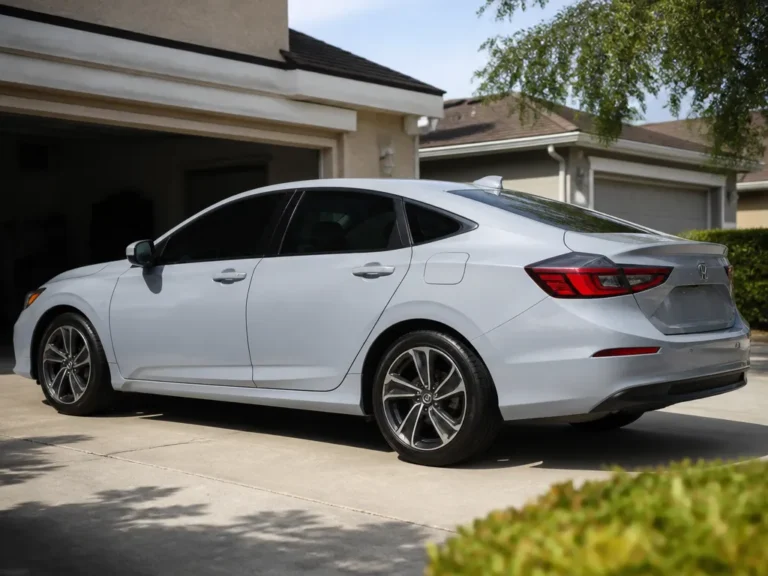
Thinking about “honda windows tint” because you want it cooler inside and you are tired of glare on night drives? Honda glass on Civics, Accords, CR-Vs, and Odysseys usually gets the side windows and rear glass tinted, but fitment around defrosters and the tint strip on some models is where mistakes happen.
Pick the right film type (ceramic, carbon, or dyed) and aim for legal VLT targets before you order, then verify your exact window layout and heat lines. Expect proper curing in days and a good shop to fix edge lifting or bubbles quickly under warranty.
Honda windows tint is usually applied to the front side windows, rear side windows, and rear glass on most models, and sometimes a windshield tint strip. A common street setup uses lighter front VLT around 50 percent or higher and darker rear around 35 to 20 percent, depending on local laws.
Honda Windows Tint: What Most Owners Do
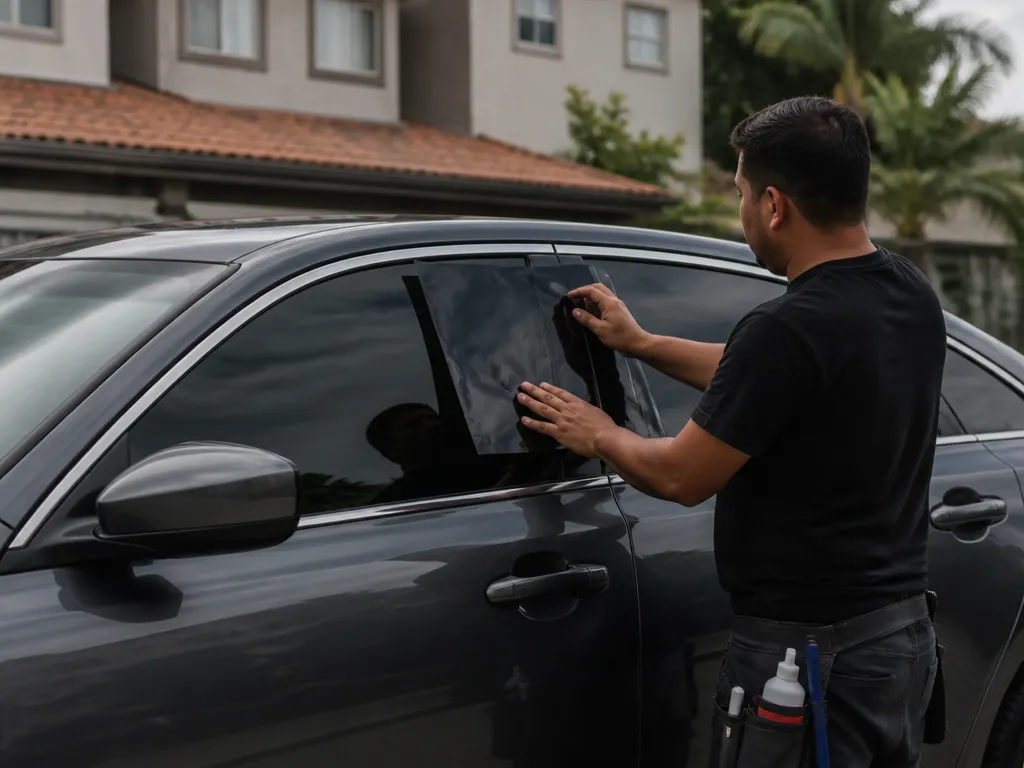
Most Honda owners tint for heat and glare first, then privacy and appearance. The most requested coverage is usually the side windows (front and rear), plus the rear glass on sedans and hatchbacks, with a windshield strip option handled separately because it has different visibility rules.
Where Honda Owners Tint Most Often
On common Honda models like the Civic, Accord, CR-V, HR-V, and Odyssey, tint work usually targets these areas. Installers take measurements per window because Honda glass shapes vary a lot by trim level and year.
People usually request a matched look across the two rear windows, then a slightly lighter shade up front if local laws or night driving are a concern. Some owners tint only rear side and rear glass to keep front visibility bright.
| Tinted area | What you notice most | Common owner goal |
|---|---|---|
| Front side | Less glare, less hot steering wheel area | Comfort on commute |
| Rear side | More privacy, cooler rear cabin | Back-seat comfort |
| Rear glass | Heat soak reduction, cleaner exterior look | Whole-car appearance |
| Windshield strip | Top-of-glass glare control | Sun control without heavy front darkness |
What To Expect After Installation
Tint darkness is measured in visible light transmission (VLT), commonly shown as “20%” (about one-fifth of visible light passes) or “35%,” “50%,” and so on. Owners usually pick a lower VLT for the rear for privacy, then keep front side higher VLT for night visibility and to avoid feeling “boxed in.”
Heat reduction and glare reduction track with tint quality and film type, not just the percent shade. Ceramic films tend to feel more consistent across seasons, while dyed films can look good but often fade over time faster. Carbon sits in the middle in many cases, with good heat control for the money.
Trade-off to plan for: The darker the tint, the more it helps with heat and glare, and the more it can reduce night contrast. Many Honda owners end up happier going slightly lighter up front and darker in back.
Typical Curing And Night-visibility Behavior
After installation, the film usually looks darker and hazier for a short window because the adhesive cures. Most shops ask you to avoid rolling windows down and to keep the car out of direct heat for about a day or two, with full cure often taking longer.
Night visibility is the real-world test. Expect that the first few drives will feel different, especially with any windshield strip, and expect a bigger change if you chose very low VLT on the front side windows.
Best Tint Types For Honda Glass
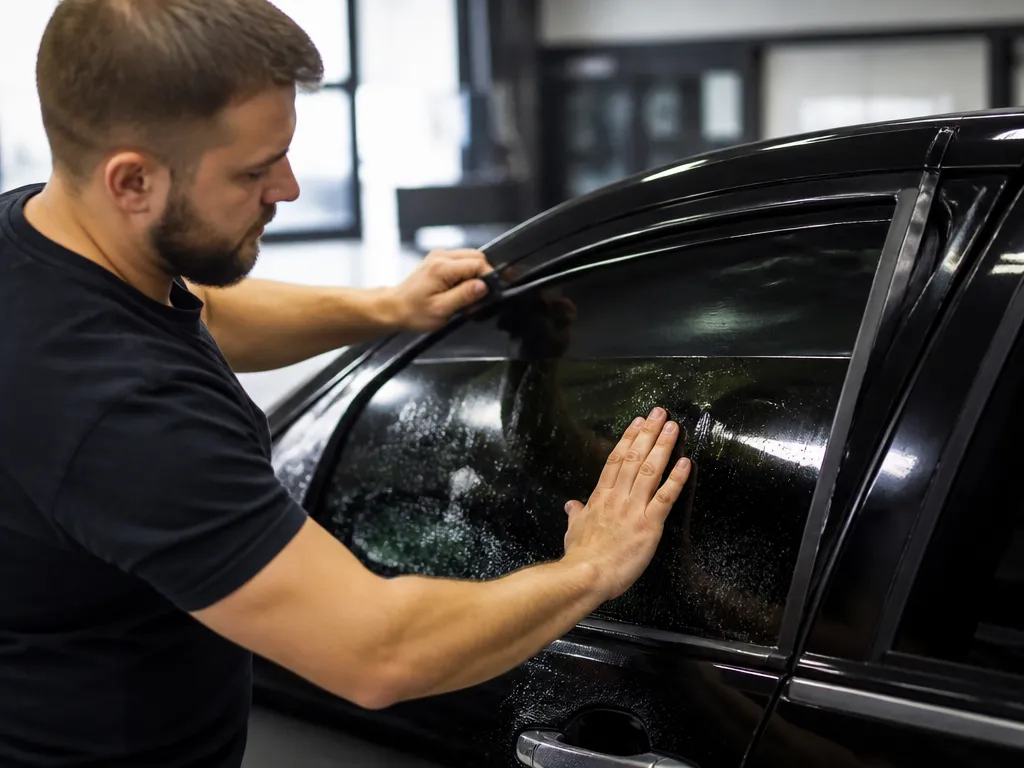
Ceramic film is the best overall pick for most Honda owners because it rejects heat strongly while keeping color stable and view clarity crisp. Carbon film is the best “balance” option, and dyed film is the budget choice that looks good early but fades sooner. The right pick depends on whether you care most about heat control, appearance longevity, or cost.
Ceramic Vs Carbon Vs Dyed: Heat, Uv, And Visibility
Ceramic tint uses a different technology than dyed and carbon, so it tends to stay optically clear and resist heat buildup better over time. Carbon film also targets heat, and it usually looks more consistent than dyed film as years pass. Dyed film primarily changes light transmission and glare, which helps at first, but color retention is where it typically falls behind.
Visibility is where real-world differences show up. Ceramic and carbon films generally keep a cleaner “look” from inside the cabin, with less haze as the film ages, while dyed films can develop a noticeable tint shift. For Honda drivers who spend time on highways, the clarity advantage is worth paying for, especially at dawn and dusk.
| Film type | Heat control (typical real-world feel) | UV performance (typical) | Color stability | Night visibility trade-off |
|---|---|---|---|---|
| Dyed | Good glare reduction, mid heat reduction | Good | Lower, can fade or shift | Can get darker over time, slightly more glare |
| Carbon | Strong heat reduction | Strong | Better, stays more consistent | Usually balanced for daily driving |
| Ceramic | Best overall heat rejection | Strong | Highest, least “aging” look | Best clarity for long-term visibility |
Color Stability And Durability: What You’ll Notice In 2 To 5 Years
Color stability is more than cosmetic. Dyed films are the most prone to visible fading, and the tint can drift toward a different hue under sun exposure and repeated heat cycling. Carbon and ceramic films usually keep a more “factory-like” neutral appearance, which matters on modern Honda interiors and exterior glass tones.
Edge integrity is the other durability limiter. A sloppy cut at the window edges can let the film lift slightly, letting moisture and air creep under the adhesive. Once edges start to peel, long-term clarity suffers because the film can start to look hazy or uneven, especially on rear side glass and hatch windows where the curvature is tighter.
For best results on Honda glass, pick a reputable shop that records the exact film type and installs with proper edge trimming and thorough surface prep. Film curing time affects how quickly you should roll windows or expose the car to heavy rain.
Adhesive behavior also matters, especially on Honda models with more complex glass contours. A good installation uses clean glass, correct primer (if required by the film), and smooth tensioning so the film lies flat without micro-wrinkles. Long-term clarity depends on that first month, if the film is installed over dust, hard water spots, or grease, the “bubbles” often reappear or never fully release as the adhesive cures.
Honda Vlt Targets Front Vs Rear
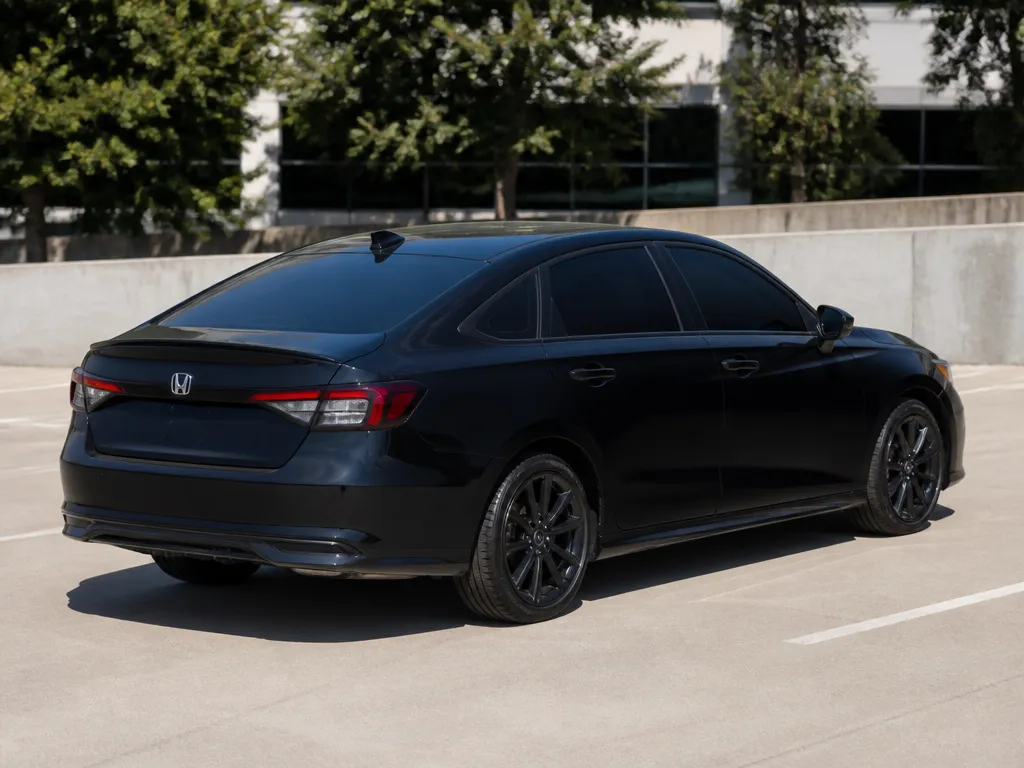
Most Honda owners end up choosing a brighter front and a darker rear to keep the cabin usable at night while still getting privacy. A street-friendly split usually starts around 35 to 50% VLT (front) and 15 to 25% VLT (rear side), with the exact numbers tuned to your comfort and your state rules.
Balanced Street Range: Practical Front/rear Pairing
For daily driving, the goal is glare control and heat reduction without making the mirrors feel “narrow” in rain or at night. Front side glass is where you notice visibility the most, so keep it lighter than the rear, especially on sedans and small SUVs where the rear window is relatively upright.
Common Honda pairing targets (starting points you can show an installer):
| Setup | Front Side VLT | Rear Side VLT | Real-World Trade-off |
|---|---|---|---|
| Street-balanced | 35 to 50% | 15 to 25% | Good privacy, manageable night visibility |
| Privacy-forward | 30 to 35% | 5 to 15% | More privacy, more curbside spotting and glare sensitivity |
High-privacy Range: When It’s Worth It (And What It Costs At Night)
High-privacy tints are mainly a comfort and aesthetics choice, not a performance upgrade. Going darker than about 30 to 35% up front usually increases how often you feel “behind glass” when driving under bright headlights, wet roads, or in poorly lit neighborhoods.
Consider the darker option if most of your driving is daytime or well-lit routes, or if you park in garages where you value heat and UV blocking more than night clarity. Pricing varies by Honda glass complexity and film quality, but expect a noticeable jump once you move into premium ceramic films and multiple-window installs, since installers charge per window and per time spent trimming around weatherstrips.
Night-driving warning: Darker front glass amplifies headlight glare and reduces curbside detail, especially when you’re turning or checking for pedestrians near the shoulder.
Night-driving + Visibility Warning: Glare, Headlights, And Spotting Curbs
Glare is driven by both darkness and film reflectivity. Even if the tint is “legal,” very dark fronts can make oncoming headlights and streetlights look more intense because less light makes it through the windshield-side cabin area.
For curbside spotting, focus on your front side windows, then verify in low light. A practical check: drive a familiar route after sunset and pay attention to how easily you can see lane edges, curbs, and crosswalks in rain or after a car washes the road grime off.
Honda Tint Legality By Vlt Percent
Tint legality is measured by VLT, or Visible Light Transmission, which is the percentage of visible light that passes through the film and glass. Lower VLT numbers mean darker tint (for example, 50 percent is lighter than 35 percent). Because rules vary by state or province, you need to confirm the exact limits that apply where you drive before you order film.
How Vlt Percent Translates To “Light” Vs “Dark” In Daily Driving
Most people feel VLT in two ways: inside the cabin brightness and outside glare reduction. A mid-range tint like 35 to 45 percent usually looks noticeable at daytime but still keeps the cabin fairly bright, while 20 to 30 percent looks dark and more private, especially at night.
Windshield tint (or strip tint at the top) is where legality and visibility matter most, because it can affect how well you see road lighting and traffic signals. Even if side windows are legal, a darker windshield area can still get you a ticket, so treat the windshield rules separately from the side-glass rules.
Typical Legal Patterns (Front Side Vs Rear Side Vs Rear Glass)
Many jurisdictions allow darker tint on rear side and rear glass than on the front side windows, while front-side limits are commonly the strictest. Common patterns you will run into are front side windows limited to a higher VLT, with rear glass and rear doors allowed to be darker in most cases.
For Honda sedans and SUVs, you are usually dealing with front side glass, rear side glass, and sometimes a separate rear quarter setup. Rear defogger grids and antenna locations also matter for film type and placement, but legality rules still follow the VLT for each glass area separately.
| Glass area | Typical VLT pattern you may see | What to watch for |
|---|---|---|
| Front side windows | Often stricter (example ranges commonly seen: ~50 to 70% VLT) | Front side rules can drive ticket risk even if rear looks legal |
| Rear side windows | Often looser (example ranges commonly seen: ~35 to 50% VLT) | Some places still reference both left and right sides |
| Rear glass | Often the loosest (example ranges commonly seen: ~20 to 35% VLT) | Rear defogger compatibility can limit your film options |
Windshield And Top-strip Rules, And Why They’re Often The Most Restricted
Windshield rules are frequently the hardest to pass because many jurisdictions restrict tint across the windshield, except for a very light top shade or a limited sunstrip area. Even where strip tint is allowed, the law often specifies a maximum height and can require the strip to meet a higher VLT than the rear glass.
For example, a Honda top shade that looks “just decorative” to you can still be illegal if it covers too much height or if the film’s VLT is lower than the limit. Windshield tint that affects clarity in rain or night driving also creates real-world risk, even if you are trying to keep the appearance consistent.
Safety-first Steps To Avoid Ticket Risk Before Paying
Before you buy tint for a Honda, confirm the exact limits by glass location for your state or province and ask the installer to measure using a calibrated meter if they offer that service. Good shops can also provide a film data sheet that states the film’s VLT rating, which you can compare to the legal threshold.
For example, a film spec of “35 percent” may not match the outcome if your Honda’s factory glass tint is already in place, so you need the shop to explain how they calculate total VLT and where they will place the film boundaries.
Do not pay based on appearance alone. Bring your local limit numbers (front side, rear side, rear glass, windshield and strip) and have the installer confirm the exact film VLT and planned cut lines for each glass section.
Honda Glass Fitment Checklist Before Order
Honda glass tinting hinges on fitment, trim clearance, and electrical features on the specific glass panel, not just the tint shade. A film that looks perfect on a flat template can fail on curved glass, hang up on window channels, or interfere with defroster wiring.
Glass Shape, Trim Interference, And Where The Film Must Sit
Measure the glass per panel, then confirm the shop has a template for your exact Honda body style. Honda door glass and quarter glass often have sharper curvature near the edges, and the molding or window channel can leave very little room for the film to tuck cleanly.
Inspect your vehicle for features that change the panel shape or edge roll, especially on sedans versus SUVs.
For example, rear door glass on many Hondas has a different radius near the lower corner than the front door, so ordering one “universal” cut for both sides is a common mistake.
Factory-tinted Baseline And How To Match It
Some Hondas come with factory tint (or “privacy glass” in certain trims), so your new film may need to visually blend with the existing level. When you match only the percent number, you can still end up with a lighter or darker look because factory film can be dyed differently and can sit at a different thickness.
For best appearance, compare panels that already look consistent, then choose an installer who can lay both sides evenly with the same cutoff strategy at the glass edges. If you want a uniform look across all rear positions, plan on doing the entire rear set (rear side windows and rear glass) rather than patching one panel later.
| Honda glass area | What to confirm | Typical fitment gotchas |
|---|---|---|
| Front side windows | Channel shape, any edge frit patterns | Corners lifting if cut is too small |
| Rear side windows | Curvature near lower rear corner | Film wrinkling if radius is off |
| Rear glass | Grid locations, defroster zones | Adhesion issues around heaters if mis-cut |
Rear Defroster Lines And Antenna Areas
Honda rear glass commonly uses a defogger grid, and that electrical pattern changes where the film must cut and how it should be aligned. Order the film set that is explicitly made for your rear glass layout so the installer can avoid overlapping onto heater terminals and so the lines remain clear for proper function.
Do a simple pre-check in your driveway: map the grid coverage in the rear glass and confirm the tint kit accounts for it on the cut diagram. If your Honda has an antenna element in the rear glass, the shop must know the exact placement to prevent blurred reception or dead spots.
Installer tip: Ask the shop to confirm how they handle tinting over grid lines and how they verify defroster operation after install.
Heat And Cooling, Plus Bonding On Curved Glass
Tint adhesion depends on cure conditions, and Honda glass curvature increases the risk of uneven bonding during rapid temperature swings. Strong sun on a cold morning or cold air blasting right after installation can create edge lift or hazing on curved sections.
What Proper Tint Installation Looks Like
Proper Honda tint work looks clean, uniform, and tight to the glass without lifting edges. Fresh film also goes through a “worse before it’s better” phase as it cures, so clarity and wet look can improve over the first days. Surface prep and curing time are the two biggest reasons a Honda tint job either settles in perfectly or turns into a comeback.
Surface Prep: The Part Most People Never See
Before tint ever touches the Honda glass, the shop should remove old film residue completely and prep the surface so the adhesive can bond. That means no greasy fingerprints, no wax or polish left behind, and no grit trapped in the area around the window edges.
Expect the installer to protect Honda trim and seals, because a sharp blade or aggressive cleaning tool can leave hairline scratches or rub marks that show up later. High-quality shops keep the window frames protected with tape and use dedicated glass tools and lint-free wipes.
Curing Time: Why Fresh Tint Can Look Cloudy
Fresh tint can look hazier or have a slightly milky appearance right after install, especially on the first day when the adhesive is still working through the cure cycle. Heat from the sun speeds up curing, but cold weather and high humidity can slow it down.
Early “imperfections” that often normalize include minor haze and tiny micro-bubbles that are trapped in the adhesive during application. Real problems are usually immediate and stay obvious after the cure period has had time to complete.
Rule of thumb: If the film looks worse in the first 24 to 72 hours, that can be normal curing, but distinct lifting at the edges or large, persistent bubbles are not.
Bubbles, Edge Lifting, And Dust: What’s Acceptable Vs. What’s Not
Tint should be tight to the glass with no loose corners. Small, pinhead specks of dust that are fully embedded may be acceptable depending on shop policy, but you should still expect the finish to be mostly clean.
Edge lifting is a red flag on any Honda window because it invites moisture intrusion and can cause the film to peel farther back. Bubbles that are large, repeatedly visible from a normal driving position, or remain after the cure window should trigger a correction.
| Issue | What you might see early | What should trigger a re-do |
|---|---|---|
| Micro-bubbles | Very small dots that lessen as cure progresses | Large bubbles or clusters that stay visible after curing |
| Edge lifting | None should be present | Any corner or edge that visibly pulls away or leaves a gap |
| Dust nibs | Hard-to-notice embedded specks | Debris that leaves a crater or creates a visible ridge line |
| Non-uniform color | Slight unevenness while wet | Patchiness or banding that remains after cure |
Quality Check At Pickup: What To Inspect On Your Honda Immediately
At pickup, inspect each Honda window in both shade and direct light. Hold your phone flashlight at an angle across the glass; uniform tint should reflect consistently without streaks or “waves” in the film.
After pickup, don’t rush the glass either. Shops often ask customers to keep the windows up for a curing period, and you should follow that instruction exactly to prevent adhesive slip.
When you sign off, insist the shop shows you the “problem areas” if any exist, and document everything with photos through the app or receipt. A quality Honda tint job comes with a clear warranty process because fixes are usually time-sensitive once curing completes.
Choosing A Honda Window Tint Installer
Pick an installer that treats Honda glass like a job with real tolerances, not a quick “rip and stick” schedule. The right shop proves it with written film and workmanship warranties, careful mask-and-cut procedures, and a clear plan for curing time, rework, and defect handling.
Questions To Ask Before Booking For Honda Windows
Honda windshields and side glass often differ by year, and many models add complexity like rear defogger wiring and antenna locations. Before you commit, match the film plan to your exact vehicle build rather than relying on “generic Honda” ordering.
| Delivery check | What you should see | What to ask if you do not |
|---|---|---|
| Edges and trim lines | Clean cut lines, no lifted corners, no scraping marks on Honda trim | Schedule a re-cut or replacement of the affected pane immediately |
| Bubbles and haze | Minimal dust specks, no large bubbles across vision areas | Ask for their cure timeline and whether they will remove and replace if defects persist |
| Defogger compatibility | No adhesive overlap across grid lines, no peeling at the wiring area | Confirm warranty coverage for any adhesion or performance issue near grids |
“At delivery, the installer should be willing to walk you pane by pane with the same checklist they use internally. If they argue about what you paid for, that is usually the wrong shop.”
For Honda owners, the best sign is consistency: the shop writes down the film brand, confirms the exact windows they will tint, and commits to a rework window if something looks wrong during cure. If the estimator gives vague answers on warranty language, curing time, or defect fixes, expect headaches later.
Honda Windows Tint Cost Factors
Honda tint pricing swings mostly with film choice, the number of panels being tinted (including rear glass), and whether the shop has to remove old film first. Expect “side windows only” to cost noticeably less than a full job that includes the rear glass, strip, and any add-ons.
Film Type Pricing And What Changes Your Final Bill
Dyed film is usually the cheapest upfront, carbon is mid-range, and ceramic costs the most. Higher-price films typically hold up better under strong sun and can feel less “green” or “gray” over time, but the big cost reality is material cost plus how many hours the installer spends chasing a perfect fit on Honda glass shapes.
For Honda owners, rear glass and curved sail-panel areas can drive labor time because the installer needs to align edges cleanly and avoid bubbles during the cure. Premium ceramic and some carbon lines often come with stronger warranty tiers, which can push labor and materials higher.
| Film type | Typical cost driver | Heat and glare behavior | Common VLT targets (front vs rear) | Budget reality |
|---|---|---|---|---|
| Dyed (non-metalized) | Lowest materials cost | Good privacy, moderate heat rejection | Front often around 35 to 50%, rear often 20 to 35% (varies by legality) | Cheapest to start, more likely to show color shift over time |
| Carbon | Mid materials cost | Better heat rejection, stable look | Front often around 35 to 50%, rear often 20 to 35% | Often the “sweet spot” for cost versus comfort |
| Ceramic | Highest materials cost | Strong heat rejection, reduced glare feel | Front often around 35 to 50%, rear often 20 to 35% | Higher warranty options, usually the highest total ticket |
How Many Honda Windows You Tint (And What’s Included)
Number of windows is the most obvious multiplier, but the setup changes the price too. A typical Honda job that includes front doors plus rear doors is cheaper than one that includes rear glass, the rear quarter/sail areas, and a top “strip” near the roofline. Full coverage also takes more film length, more measuring, and more time trimming around defroster grids and factory seals.
Some shops quote per “vehicle,” then adjust for what your Honda actually needs. For example, a Civic or CR-V with rear side windows that are larger and more curved can cost more than a flat-glass layout, even at the same tint level.
Old Tint Removal, Disposal, And Cure Time Impacts
Old tint removal can add time and cost because the installer often has to deal with adhesive residue, uneven film layers, and stubborn edges around seals. Removing film usually means extra labor for scraping, cleaning, and inspecting the glass for deep scratches or bonding issues that can create adhesion problems with new film.
Old tint also changes how long the glass area is left dry and clean before installation. For shoppers, asking whether the quote includes full removal (not just “we’ll work around it”) can prevent surprises, especially on used Hondas where previous tint quality is unknown.
Practical budget tip: Request a line item that spells out “remove existing tint and clean adhesive” versus “install over existing film.” Over existing film can lead to lifting edges and trapped debris, which can ruin warranty coverage in many shops’ policies.
Windshield Strip Add-ons And Warranty Tier Multipliers
Windshield and top strip add-ons usually cost extra because the material is harder to fit and the curing process is more sensitive to temperature and moisture conditions. Some Honda owners choose a small sunstrip for glare reduction, and that can add both film cost and extra labor time for alignment.
Warranty tier is another hidden cost driver. Shops may offer a basic manufacturer warranty with limited coverage, then charge more for extended warranties that cover bubbling, peeling, and color shift for longer periods, sometimes with conditions tied to proper curing and installer recordkeeping.
| Cost multiplier | What triggers it on a Honda | What to ask before you approve | How it affects your budget |
|---|---|---|---|
| Old tint removal | Residue, multiple layers, messy edges around seals | “Is removal included and does it include adhesive cleanup?” | Commonly adds labor time and can increase total cost |
| Rear defogger and antenna compatibility | Grid lines and heater elements on rear glass | “Do you cut around the grid, and does warranty cover it?” | Can raise labor time for careful fitment |
| Strip or windshield portion | Curved glass and precise top alignment | “Is the strip included in the main quote or an add-on?” | Adds materials plus extra installation time |
| Premium warranty tier | Ceramic/carbon brands, longer coverage periods | “What exactly is covered, and how long?” | Higher film and admin cost, higher out-the-door total |
Honda-specific surfaces like rear glass on CR-V, Civic, Accord, and HR-V can demand more patience than people expect, which is why the quote should list included panels clearly. The fastest way to avoid surprises is to confirm which windows are included (front doors, rear doors, rear glass, quarters/sails, and strip) and whether old film removal and adhesive cleanup are part of the package.
Quick Summary
When people search “honda windows tint,” the common goal is reducing glare and heat on Civics, Accords, CR-Vs, and Odysseys, with most jobs focused on side windows and rear glass. Fitment is where mistakes happen, especially around defrosters, the tint strip on some models, and the tint strip area where heat lines and visibility limits matter. Most shops measure each window because Honda glass shapes vary by trim and year, then recommend checking your exact window layout before ordering.
Shops usually use visible light transmission, or VLT, to pick the darkness, with typical street setups around 50 percent or higher for lighter front side tint and 35 to 20 percent for darker rears, depending on local rules. Ceramic is described as the best overall choice for heat rejection and stable color, carbon is the balance option, and dyed is the budget pick that can fade sooner. Expect the film to look darker and hazier for days while it cures, watch for edge lifting or bubbles within the first week, and have a shop with a real workmanship warranty. The most important takeaway is to match tint type and VLT to legal limits and your night-driving needs.
| Honda tint focus | Common coverage | Typical VLT targets mentioned | Key watch-outs |
|---|---|---|---|
| Appearance and glare control | Front side, rear side, rear glass, sometimes windshield strip | Front often about 50% or higher, rear often 35% to 20% | Fitment around defrosters and tint strip, confirm heat grid and antenna locations |
| Film choice | Ceramic, carbon, dyed | Not percent-based, but chosen for heat control and longevity | Ceramic is best overall pick, carbon balance, dyed fades sooner |
Frequently Asked Questions
How Much Does Honda Windows Tint Cost To Install?
Most tint jobs land in the mid-range per-vehicle because pricing depends on how many panels are tinted and the film quality. Expect cost to be higher if you want a premium ceramic setup, and lower for basic dyed film.
Can I Tint My Honda Windows Myself, Or Should I Pay A Shop?
You can DIY it, but Honda glass is often tricky around curves and edges, especially on doors and the rear quarter area. If you want clean lines with no bubbles, a pro install usually saves you time and rework.
Will Honda Windows Tint Peel, Bubble, Or Haze After A Few Months, And Why?
That usually comes from installation problems like poor surface cleaning, trapped moisture, or tint film that was applied when the glass was too dirty or not properly cured. Cheap film or DIY mistakes can also increase the odds of edges lifting.
Does Honda Windows Tint Reduce Heat, And Which Type Works Best?
Ceramic tint typically does the best job reducing heat because it blocks more infrared energy than many basic dyed films. If your main goal is comfort, look for a film labeled ceramic and confirm the heat rejection rating before buying.
How Long Should I Wait Before Rolling Down My Honda Windows After Tint?
Most tint manufacturers recommend waiting about 1 to 3 days before lowering the windows, but the exact cure time depends on the film and installer process. If you wait too little, you risk damaging the film edges and causing peeling.
What’s The Most Common Honda Windows Tint Mistake That Gets People Ticketed?
The big one is picking a shade that ends up too dark for your local rules after factoring in the film’s actual light transmission and any windshield tint limits. If you are unsure, tell the shop your state or province and ask for a compliant option.