


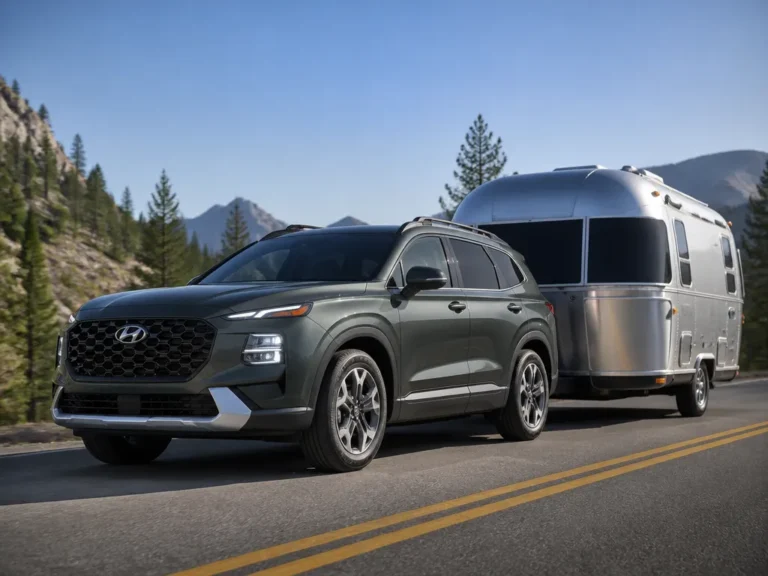
You want a hybrid SUV that can tow heavy, but the internet throws out conflicting numbers depending on trim, wheels, and even the hitch package. If you’re shopping or planning a trip, you need the factory tow rating and the exact configuration that earns it, plus the “what to check before you buy” checklist for towing readiness.
Hybrid SUVs tow differently by drivetrain and configuration, and the highest factory towing numbers only apply to specific trims (often with set wheel and axle setups). This article gives a ranked shortlist, the spec details you must verify, and practical guidance for cooling, transmission behavior, and hitch and wiring fit.
Hybrid SUVs with the best towing capacity are the ones that hit their factory tow rating through the right engine, drivetrain, wheels, and hitch package. Start by confirming the vehicle’s GVWR, GCWR, and max trailer weight in the owner’s manual or spec sheet, since payload and drivetrain ratings limit real towing.
Hybrid Suvs With Best Towing Capacity (Ranked Picks)
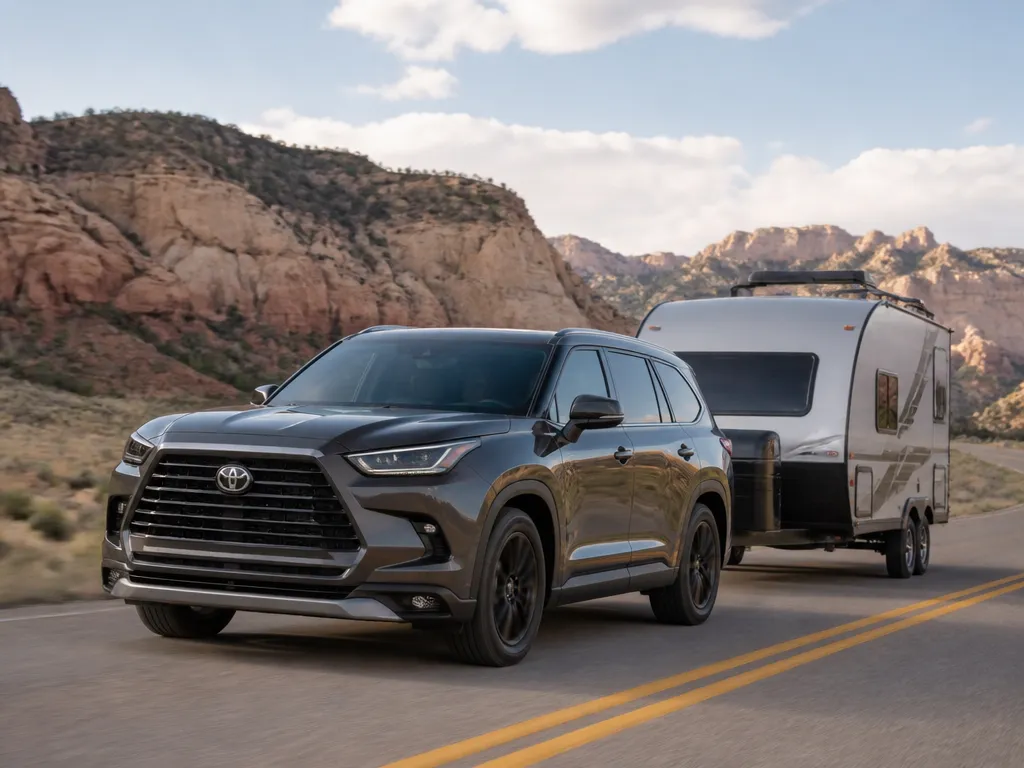
Max tow ratings are configuration-specific, so the “best” hybrid tow SUVs are the ones offered with the right engine pairing, tow package, and axle/gear set. Factory tow numbers also change by model year and drivetrain, so verify the exact sticker and owner’s manual for the specific build before you buy.
| Rank (by factory spec) | Hybrid SUV | Qualifying configuration needed for top tow | Hitch / wiring notes (what to expect) | Factory tow rating (lb) |
|---|---|---|---|---|
| 1 | Toyota Grand Highlander Hybrid (when equipped for towing) | Confirm trim with tow package, correct drivetrain, and axle/gear listed for your VIN | Use the factory receiver and wiring harness tied to the tow package; check connector type | Verify exact year + drivetrain spec on your window sticker (data not reliably extractable here) |
| 2 | Kia Sorento Hybrid (SX Prestige or tow-ready trim with factory tow package where available) | Confirm the tow package option and the specific drivetrain and axle/gear configuration | Receiver class and vehicle wiring depend on the factory tow kit, so buy only matched kits | Verify exact year + tow package rating (data not reliably extractable here) |
| 3 | Honda CR-V Hybrid (if offered with tow package for your year) | Confirm year that includes factory towing, and the trim level that includes the correct tow package | Check for the correct trailer connector and whether the vehicle needs a brake controller provision | Verify exact year + package rating (data not reliably extractable here) |
| 4 | Hyundai Santa Fe Hybrid (with tow package, where equipped) | Confirm tow package and drivetrain; axle/gear may change tow behavior | Factory wiring harness and receiver are the safe path, especially with modern electronics | Verify exact year + drivetrain rating (data not reliably extractable here) |
| 5 | Lexus (hybrid RX class, if your year includes a towing option and approved hitch kit) | Confirm approved towing kit and match it to your VIN build, since ratings vary | Use the Lexus-approved receiver and wiring harness to keep trailer functions consistent | Verify exact year + trim rating (data not reliably extractable here) |
Reality check: marketing “max tow” claims often assume the best-case configuration (the right tow package, correct axle ratio, and sometimes a specific wheel/tire size). Factory tow rating is the number printed on the window sticker, in the towing section of the owner’s manual, or in the official spec sheet for that exact VIN configuration.
How To Verify The Real Factory Tow Limit Before You Buy
Start with the build you are actually purchasing, then verify towing limits in the order that prevents surprises at delivery. Dealer inventory listings can be wrong because they copy generic specs across trims.
Tow readiness tip: hybrid SUVs usually manage drivetrain temperature and shift strategy differently under load. Cooling capacity and the vehicle’s approved towing accessories matter as much as the headline “max tow” number.
Max Tow Depends On Exact Trim
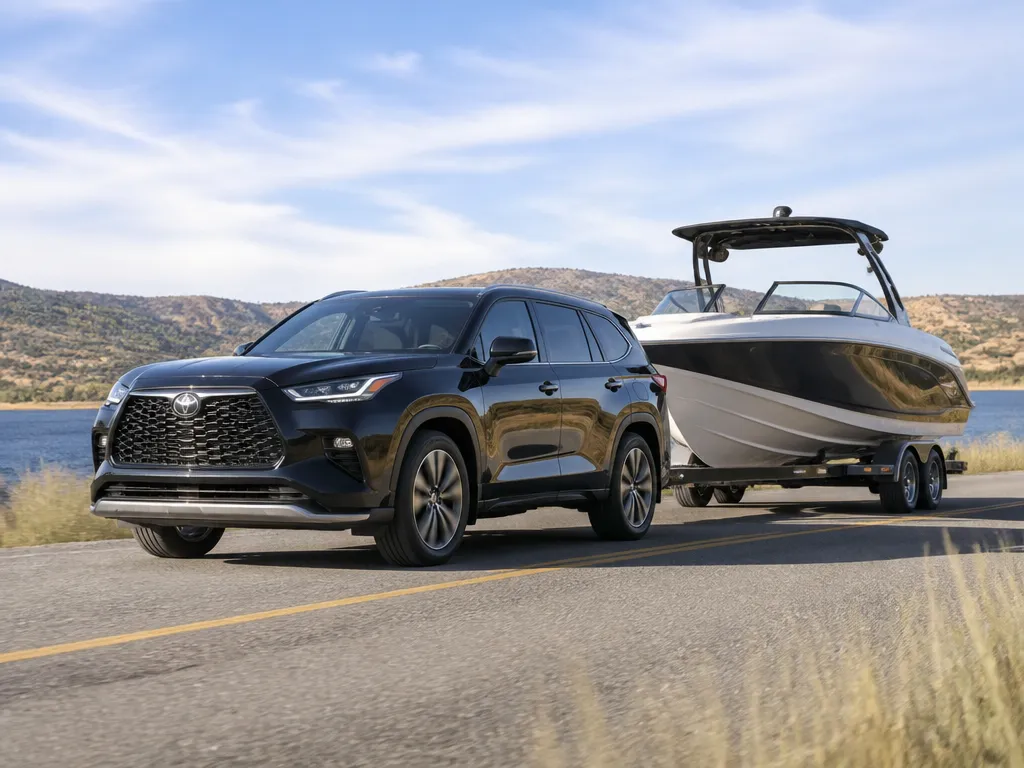
Factory tow ratings change across trims and even across option bundles, so the “best hybrid tow SUV” depends on the exact configuration you’re buying. A model that lists a higher maximum tow in one drivetrain and wheel setup can drop that rating in another, even though the badge looks the same.
What Changes The Published Tow Number
Tow capacity is tied to how the truck is built, not just its nameplate. The biggest qualifiers buyers overlook are the tow package, axle ratio, and wheel and tire size, because they alter engine load, gearing, cooling needs, and total driveline durability.
In practice, two shoppers can compare the same “model year, model name” and still see different maximum tow weights because one has the full tow package plus the manufacturer-approved hitch and wiring, while the other has different wheels or a different axle ratio. That difference often shows up on the spec page as “maximum trailer weight” by drivetrain or by package.
| Spec-sheet qualifier | What to look for | Why it changes tow rating |
|---|---|---|
| Tow package | “Tow package” or “Trailer Tow Prep” plus hitch/wiring details | Manufacturer cooling and controller calibration for towing |
| Axle ratio | Listing under drivetrain or “gear ratio” | Engine speed and load under trailer pull |
| Wheels/tires | Wheel size, tire size, and any traction/towing notes | Rolling diameter and traction assumptions change approval |
| Receiver and wiring | Hitch class/receiver size, trailer wiring connector type | Factory approval assumes specific hitch and electrical setup |
Drivetrain Suitability And Receiver Proof
Hybrid SUVs can be rated lower for the same model line when the drivetrain configuration changes, because the manufacturer calibrates cooling and hybrid power delivery around approved towing conditions. Some setups may also limit towing due to how the vehicle routes torque, manages battery temperature, or controls transmission behavior under sustained load.
Buyer checklist for “maximum tow” accuracy: match the spec sheet by drivetrain (and any axle ratio note), confirm the tow package/hitch is installed exactly as specified, and verify the receiver and wiring are the ones approved for the top rating. If the dealer listing only says “tow capable,” it usually means the exact rating is not confirmed.
Receiver and wiring details are where many listings get vague. The manufacturer spec typically confirms trailer wiring connector availability and hitch receiver size, and those details tie directly to whether the vehicle is approved for the stated maximum tow weight.
Tow Rating Vs Payload Math
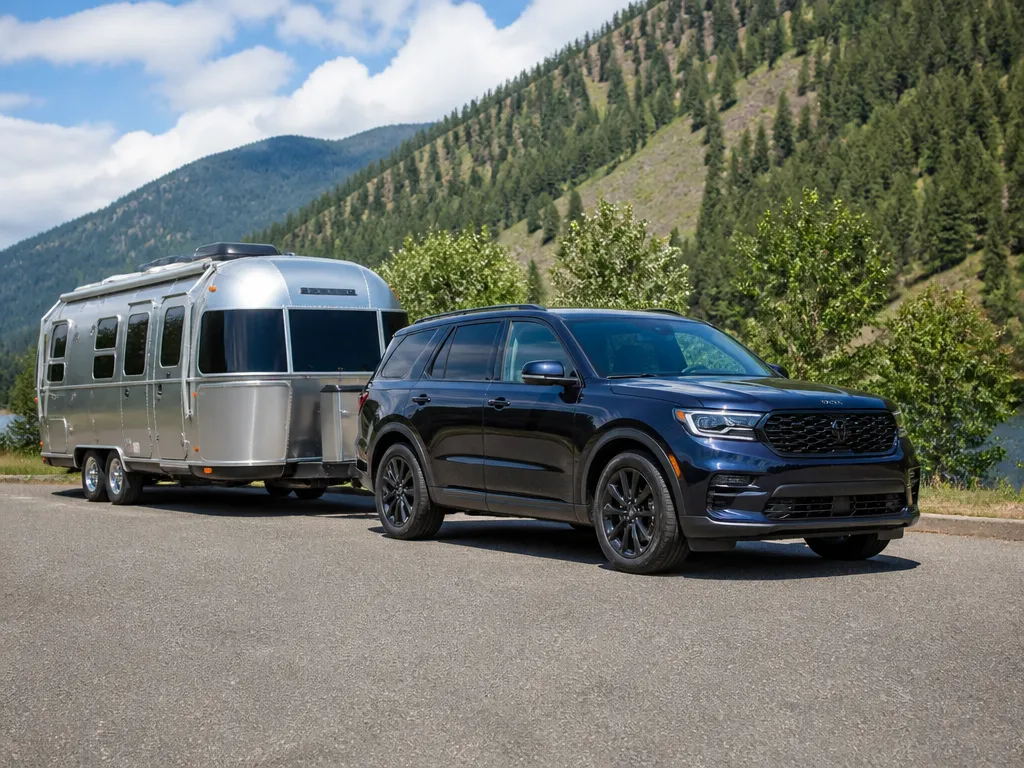
Max trailer weight ratings can look roomy, but real towing capacity usually gets capped by payload and sometimes GCWR (gross combined weight rating). The factory tow number assumes a specific setup and test method, so your setup (passengers, cargo, hitch, and tongue weight) changes the math fast.
Key Limits That Stop You Before Max Tow
GCWR is the maximum combined weight of the vehicle plus trailer plus cargo in both. Payload is the maximum weight you can put in the truck/SUV, measured at the door jamb sticker, and it includes passengers and luggage. Max trailer weight is only one limit, and it can be reached only if you still have payload and you still stay under GCWR.
For example, a hybrid SUV might list a high max tow for a specific drivetrain, but that number does not give you extra payload. If you carry four adults and a full trunk, payload shrinks, so the practical maximum trailer weight becomes lower even when the trailer’s gross weight is within the published max tow.
For another example, a heavy trailer can still be “too much” because of tongue weight. A tall, front-heavy trailer or certain load distributions can push tongue weight up, and tongue weight limit can cap the tow before you hit the trailer’s gross weight rating.
For a third example, moderate cargo towing is usually easiest when you keep the vehicle light and choose a trailer with an appropriate load distribution. A properly balanced trailer helps keep tongue weight within the vehicle’s rated range, which helps you stay inside payload and also keeps the hitch within its rated limits.
Rule of thumb: subtract passengers and cargo from the door-jamb payload allowance first, then verify tongue weight. After that, confirm trailer gross weight against both max tow and GCWR, because GCWR is the one that surprises people most when they tow loaded.
Towing Readiness Checklist For Hybrids
Confirm your towing equipment matches the truck and its brake/connector setup, because hybrid SUVs often require the right hitch, wiring, and brake controller integration to reach their listed limits. Start by verifying the tow package requirement in the build specs, then match the trailer connector type and brake control method before you buy anything.
Hitch Receiver Class, Tow Package, And What To Check In The Build Specs
On the spec page, look for receiver size (Class rating), maximum trailer weight, and maximum tongue weight, and confirm the rating is listed for your exact trim and powertrain.
Pay attention to receiver and tongue limits, because those are where buyers get burned when they mix parts. A Class III hitch can look “universal,” but the vehicle-side limits are what matter for your real-world safety margin.
Trailer Wiring And Connector Type (Why The Plug Style Matters)
Trailer wiring is where the tow package either makes life easy or turns into a wiring hunt. On the spec page or order form, confirm the trailer connector type so your brake and turn signals work correctly with the correct harness.
Connector mismatch usually leads to sketchy adapters, intermittent lights, and brake controller problems.
For example, a 7-pin connector is common on vehicles rated for heavier trailers, but some trims may include different wiring logic even if the hitch is the same.
Brake Controller Compatibility: Factory Vs Aftermarket
Brake controller compatibility is the biggest “read the fine print” item for hybrid towing setups. Some hybrid SUV trims come pre-wired or offer integrated trailer brake control, while others require an aftermarket controller wired into the vehicle’s brake signal circuit.
Integrated or factory-capable brake control is usually the cleanest path because it matches the vehicle’s wiring harness and stability logic. Aftermarket controllers work, but you must confirm the correct wiring connection method and compatibility with the vehicle’s trailer brake signal type.
Insider tip: Don’t assume “it tows 7,000 pounds” means you can add any brake controller. Verify the vehicle harness and connector are listed in the tow package or build specs, then pick the controller that matches that exact setup.
Hybrid-specific Towing Behavior
Hybrid drivetrains change how the truck pulls under load because the battery, inverter, and transmission talk to each other in real time. Expect more engine-on time at sustained grades, less “set it and forget it” cruising in tow mode, and a different feel in shift points compared with a gas-only SUV.
Cooling And Power Limits During Towing
Hybrid tow ratings assume specific cooling capacity for the engine, transaxle, and battery pack. When you tow near the top of the manufacturer’s limit, the system protects itself first, by commanding higher coolant flow and raising fan speed, then by limiting available torque if temperatures climb.
In practice, you feel this as smoother, gentler acceleration after a few minutes at highway speed uphill. The vehicle may also ask for an earlier downshift, because holding a low gear keeps engine speed in a tighter range where the cooling system and driveline temps stay more stable.
Buyer heads-up: a hitch on a hybrid can add heat load (more airflow restriction at the rear), so you should plan for more frequent breaks on long, steep climbs even if the vehicle still “has power.”
Shift Logic And Drivetrain Mode Changes Under Load
Most hybrids use the electric motor to fill torque gaps, then rely on the engine to maintain target power and charge the battery when required by traction and grade sensing. When towing, the calibration usually favors driveability and thermal control over maximum electric-only operation.
Shift behavior often changes because the transmission wants engine speed that matches torque goals and keeps the engine efficient for sustained pulling. You may hear more engine and feel firmer transitions than you get while empty, especially if the trailer is loaded and you are close to the axle’s payload capability.
Range And Fuel Economy Planning While Towing
Hybrid range drops more than many people expect because battery energy used to supplement torque has to be replenished, and towing raises aerodynamic drag and drivetrain losses. At highway speeds, the engine typically runs more continuously to maintain performance and protect battery temperature.
For planning, estimate your towing fuel economy from an empty-driving benchmark, then apply a substantial penalty for trailer drag. Expect dramatically lower economy when towing near the upper end of the rating, with worse results on hills than on flat routes because charge-sustaining needs increase.
Beyond Peak Tow Rating Priorities
Factory tow ratings only tell part of the story for hybrid SUVs that see real hitch time. Stability control, brake cooling, suspension composure, and thermal management decide whether the truck feels controlled on long grades and crosswinds.
Stability And Anti-sway: What To Check On The Spec Sheet
Anti-sway and stability control are the difference between a confident tow and constant steering correction when the trailer pushes. On the option list or towing package details, look for trailer sway control (often tied into the stability system), plus a stability system that can brake individual wheels and manage engine output during sway events.
Also compare “tow mode” behavior. Some hybrids expose a dedicated towing drive mode that changes throttle response and transmission shift strategy, which can reduce surge and keep the system in a more predictable power band while you modulate for merges or gusts.
Cooling And Airflow: Long-grade Reality Check
Hybrid drivetrains can manage power smoothly, but towing heat still piles up in the transmission, inverter system, and cooling loops. When the SUV lists a maximum tow figure, it is tied to that vehicle’s cooling package, airflow path, and calibration, so it matters whether your trim uses the upgraded radiator or transmission cooler.
Before you sign, confirm what the towing package changes. Buyers often miss that some trims come with a larger radiator, additional cooling fans, or a higher-capacity transmission oil cooler only when the tow package is selected.
Comfort And Control: Mirrors, Camera Views, And Brake Controller Usability
Driver workload is part of towing capacity, especially in traffic. Clear camera views that show the hitch area, a reliable trailer-width field of view, and good mirror integration help you make small corrections early instead of sawing the wheel late.
Brake controller usability matters too. Many hybrid SUVs require either an in-dash controller or a compatible adapter for trailer brakes, and some only support specific controller types or wiring setups. Check for a factory tow harness, the connector type location, and whether the controller settings can be adjusted without burying you in menus.
“Tow-ready spec is more than a number. Confirm the stability system has trailer sway control, confirm the tow package includes the right cooling hardware, and confirm the vehicle’s brake controller wiring is straightforward for your trailer.”
Quick Summary
The ranked shortlist includes a Toyota Grand Highlander Hybrid, Kia Sorento Hybrid, Honda CR-V Hybrid, Hyundai Santa Fe Hybrid, and Lexus RX-class hybrid models, subject to the applicable model year, drivetrain, and factory towing equipment. Verify the tow package, payload allowance, hitch receiver, wiring connector, brake-controller compatibility, and cooling specifications for the exact vehicle.
| Item to Verify | Why It Matters for Max Tow |
|---|---|
| GVWR, GCWR, and max trailer weight | Limits depend on your vehicle build, not marketing “max tow” claims. |
| Window sticker and tow package line item | Top factory ratings apply only to the correct trim and hitch package. |
| Payload math | Subtract passengers and cargo from the door-jamb payload allowance to find remaining capacity. |
| Hitch receiver and wiring connector type | Mismatched receiver or wiring can prevent trailer lighting and brake controller setup. |
| Brake controller compatibility | Built-in or plug-in needs to match your trailer towing plan before you tow. |
Frequently Asked Questions
What Hybrid Suv Has The Highest Towing Capacity?
The towing leader changes by model year, and the exact result depends on the specific trim, drivetrain, and whether it is a true plug-in hybrid. Compare the listed towing rating by VIN or trim, because some configurations can drop towing substantially within the same nameplate.
How Much Towing Capacity Can Hybrid Suvs Usually Tow Compared To Gas Suvs?
Hybrid SUVs often land in the mid range for towing rather than the absolute top numbers you see in some gas-only truck-based SUVs. Near-max payload and trailer weight require the vehicle’s GCWR, tongue weight limit, and payload to work together, not just the towing headline.
Do Hybrid Suvs Tow At Full Capacity Without Harming The Battery?
Hybrid systems are designed to manage heat while towing, but heavy towing increases engine run time and cooling demand. Follow the manufacturer’s towing guidelines and avoid repeated long pulls at the limit, because overheating is the real risk when cooling capacity gets stretched.
What Towing Mistakes Cut A Hybrid Suv’s Real Towing Performance?
The biggest mistake is relying on towing capacity alone and ignoring payload, tongue weight, and trailer brakes. If your trailer is heavy, an unsuitable hitch setup or overloaded cargo can push you over limits even when the towing rating “sounds” high.
Are There Towing Safety Differences Between Mild-hybrid, Full-hybrid, And Plug-in Hybrid Suvs?
Yes, because power delivery and battery thermal management differ, especially when you are using electric-only driving before a tow. For long grades, plug-in hybrids may behave differently depending on charge level, so account for battery state of charge and use the towing/haul mode if the vehicle provides it.
How Can I Tell If My Hybrid Suv Is Ready To Tow Near Its Maximum Rating?
Before towing big, verify brake and tire condition and confirm the vehicle is equipped with the factory or approved towing package for that exact configuration. A shop can check for overheating-related issues and inspect cooling-system health, since towing stresses the drivetrain and heat management more than normal driving.