


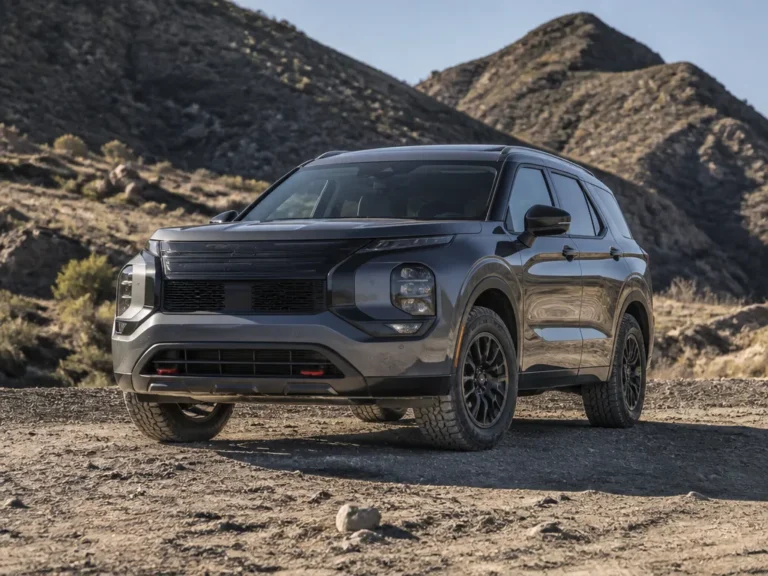
You see a Tahoe parked next to a Silverado and they look identical under the skin, yet your insurance agent or local DMV might label them as completely different vehicle classes. The line between a truck and an SUV blurred decades ago, but the engineering differences remain critical for how these machines handle, tow, and protect you in a collision. Understanding these mechanical roots is the only way to know exactly what you are driving.
SUVs are trucks only if they utilize a body-on-frame chassis, which consists of a separate steel ladder frame supporting the body. While traditional SUVs like the Toyota 4Runner share this platform with pickups, the vast majority of modern crossovers use unibody construction, where the frame and body are one integrated piece.
Is Suv A Truck? The Short Answer?
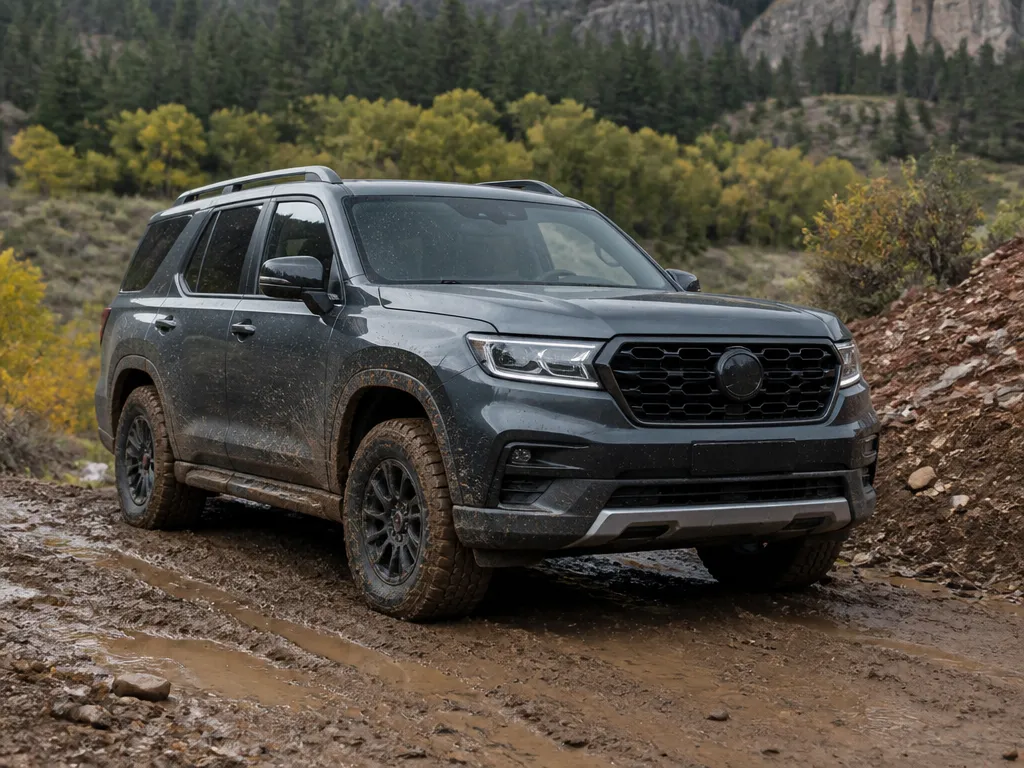
The short answer is that some of these vehicles function as trucks while others are essentially tall cars. Modern terminology often blurs the line between a rugged pickup truck and a family hauler, making the distinction less clear to the average driver. Manufacturers use marketing terms like SUV or crossover interchangeably, but the underlying engineering dictates whether the vehicle is a truck or a passenger car.
Body-on-frame Vs. Unibody Construction
Body-on-frame construction relies on a rigid steel ladder frame that supports the engine, drivetrain, and cabin as separate, bolted-on components. Unibody construction integrates the frame and body into a single, cohesive shell where the exterior panels provide structural support for the entire vehicle.
Structural Rigidity And Performance
Rigidity differs significantly between these two methods based on how the vehicle handles physical stress. Body-on-frame vehicles flex under heavy loads, which helps prevent frame fatigue during towing or off-road maneuvers. Unibody vehicles use the entire body structure to resist twisting, resulting in tighter handling and a more predictable ride on paved surfaces.
| Feature | Body-on-Frame | Unibody |
|---|---|---|
| Primary Use | Towing and Heavy Hauling | Daily Commuting and Comfort |
| Weight | High | Lower |
| Repair Complexity | Modular/Easier | Structural/Difficult |
Weight And Crash Safety Considerations
Weight management is a primary driver behind the industry shift toward unibody designs. Lower vehicle mass improves fuel efficiency and lowers the center of gravity, which reduces rollover risks. Body-on-frame vehicles often weigh more, requiring heavier suspension components to manage the extra mass.
Mechanic Tip: Unibody vehicles contain complex crumple zones engineered into the sheet metal itself. In a major collision, these structures are designed to deform permanently to absorb energy, which often leads to a total loss classification for the vehicle even if the drivetrain remains functional.
Crash safety engineering varies by design intent. Body-on-frame vehicles provide a massive steel barrier between occupants and road hazards, which appeals to buyers looking for heavy-duty protection. Unibody platforms utilize computer-modeled deformation zones that protect cabin occupants by collapsing in controlled patterns during high-speed impacts.
Truck-based Suvs Vs. Crossovers
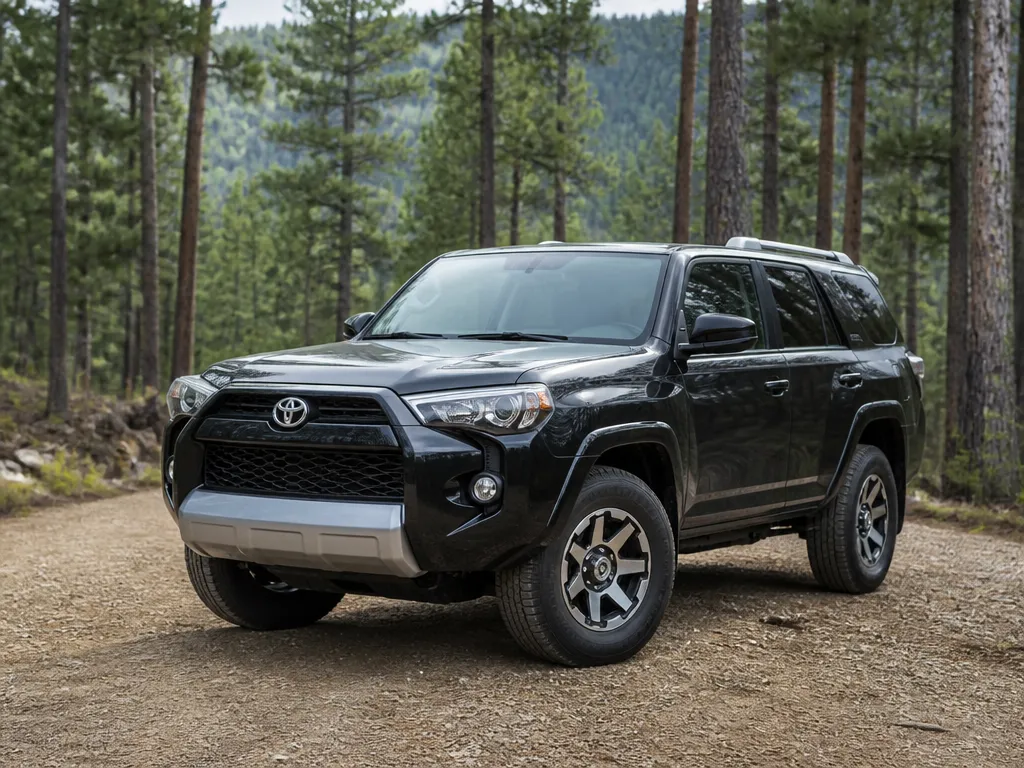
Truck-based SUVs utilize a body-on-frame architecture that shares its fundamental design with pickup trucks, while crossovers rely on a unibody platform similar to passenger sedans. This structural distinction dictates how the vehicle handles, tows, and absorbs impact on the road.
Defining Vehicle Architectures
Truck-based SUVs like the Chevrolet Tahoe, Ford Expedition, and Toyota 4Runner feature a heavy steel ladder frame. The body attaches to this frame with rubber mounts, which isolates the cabin from the harsh vibrations often found on rough terrain. These vehicles are designed for durability, high towing capacities, and heavy-duty off-road use.
Crossovers or CUVs like the Honda CR-V, Toyota RAV4, and Ford Escape integrate the frame and body into a single, rigid piece of stamped steel. This unibody construction lowers the center of gravity, improves fuel economy, and provides a smoother ride for passengers. Manufacturers prioritize interior space and efficiency over the rugged towing capabilities of their truck-based counterparts.
Mechanic Tip: You can identify your vehicle architecture by looking underneath the chassis. If you see a thick, rectangular steel rail running the length of the vehicle that is separate from the body panels, you have a truck-based SUV. If you see a flat floor pan with suspension components bolted directly to the body, you are driving a unibody crossover.
Comparison Of Characteristics
| Feature | Truck-Based SUV | Crossover (CUV) |
|---|---|---|
| Platform | Body-on-frame | Unibody |
| Towing | High (6,000+ lbs) | Low to Moderate |
| Handling | Heavy, truck-like | Car-like, agile |
| Fuel Efficiency | Generally lower | Generally higher |
Registration and insurance classifications often rely on these structural definitions. Many jurisdictions categorize body-on-frame vehicles as light trucks, which can lead to higher registration fees or different safety inspection requirements compared to unibody passenger cars. Always verify your specific state regulations if you use your vehicle for commercial purposes, as the classification of your chassis can impact your operating costs.
Evolution From Light Trucks To Suvs
Early sport utility vehicles started as basic, stripped-down utility platforms derived directly from military and agricultural hardware. Vehicles like the Willys Jeep and the International Harvester Scout prioritized off-road capability and cargo space over passenger comfort or fuel economy.
Military Roots And Early Utility
Manufacturers built these machines on body-on-frame chassis, which allowed them to withstand heavy loads and rough terrain. The design philosophy centered on durability, simplicity, and modularity for field repairs rather than creature comforts like sound deadening or ergonomic seating.
Mechanic Tip: If you own a vintage body-on-frame vehicle, check the rubber body mounts every few years. These mounts harden and crack over time, leading to significant vibrations and cabin noise that modern drivers find intolerable.
The Shift Toward Passenger Comfort
Consumer demand shifted in the 1980s and 1990s as families sought the high seating position and perceived safety of trucks without the harsh ride quality. Automakers responded by refining suspension systems and adding luxury interior appointments to existing truck platforms. This transition created a middle ground, where vehicles like the Ford Explorer or Chevrolet Tahoe offered the utility of a pickup with the interior refinement of a sedan.
| Feature | Early Utility Models | Modern Family SUVs |
|---|---|---|
| Suspension | Stiff, leaf springs | Coil springs, independent |
| Interior | Metal, vinyl, basic | Leather, climate control |
| Primary Goal | Work, off-road | Daily commuting, comfort |
The Rise Of The Urban Crossover
Engineering advancements eventually allowed for unibody construction, which brought the crossover SUV to the mass market. These vehicles share platforms with passenger cars rather than heavy-duty work trucks, resulting in better fuel economy and predictable handling on pavement.
In practice, this evolution created a distinct split in the market. While many large SUVs still utilize traditional truck-based frames for towing and heavy-duty use, the vast majority of modern suburban vehicles move away from truck architecture entirely to favor lighter, more efficient unibody designs.
Insurance And Government Vehicle Classifications
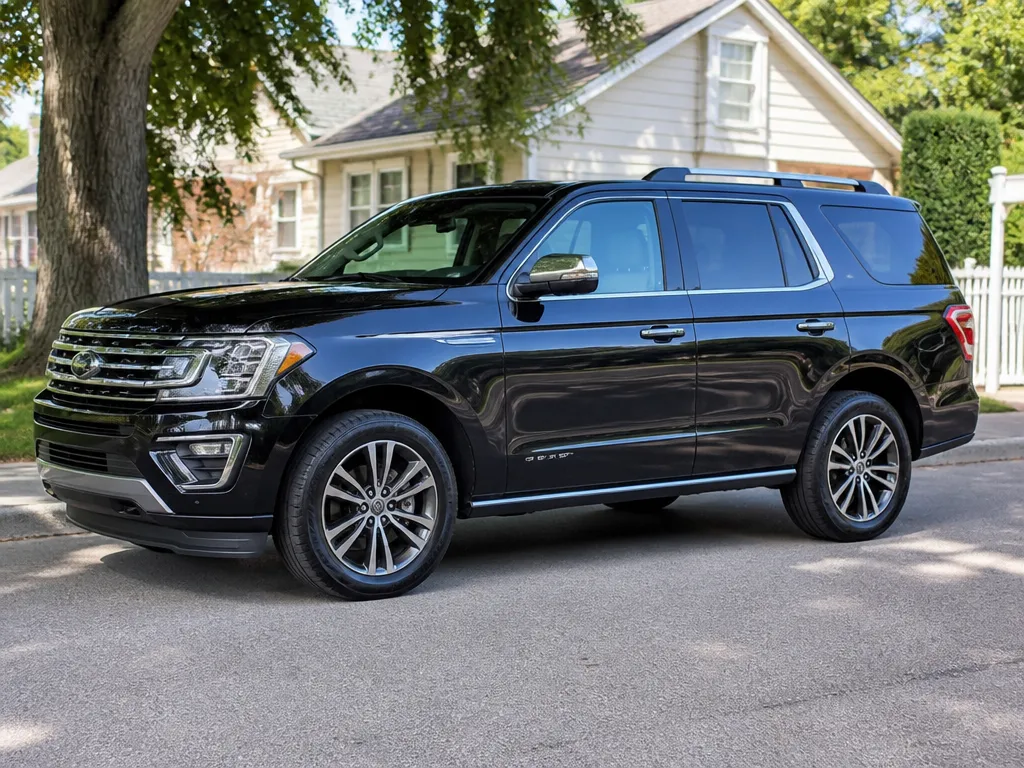
Federal agencies and insurance companies prioritize weight, purpose, and chassis construction over consumer marketing labels. A vehicle that a manufacturer labels as a luxury SUV often resides in the light truck category for regulatory compliance.
Regulatory Standards And Cafe
Corporate Average Fuel Economy (CAFE) standards drive the distinction between passenger cars and light trucks. Manufacturers frequently engineer larger crossovers and SUVs to meet the criteria for light trucks to avoid stricter fuel economy mandates assigned to traditional passenger sedans.
Registration And Tax Implications
State departments of motor vehicles often use these federal classifications to determine registration fees and tax brackets. Trucks often face higher base registration costs than passenger cars because states associate them with commercial use or higher road wear.
Mechanic’s Note: Always check your vehicle title or the door jamb sticker for the official classification. Do not assume your registration cost based on the manufacturer’s model name, as local tax codes vary significantly by jurisdiction.
Insurance Risk Assessment
Insurance carriers evaluate SUVs differently than passenger cars because of their unique physical characteristics. They calculate premiums based on repair costs, occupant safety, and the potential damage a vehicle can inflict on others in a collision.
| Factor | SUV/Light Truck Impact | Passenger Car Impact |
|---|---|---|
| Repair Costs | Higher due to specialized parts | Lower due to commonality |
| Injury Liability | Higher risk to smaller vehicles | Lower risk to others |
| Theft Rates | Varies by model popularity | Generally lower |
Insurance companies view the higher center of gravity in traditional SUVs as a rollover risk, which impacts your premium. Conversely, the increased structural mass can offer better protection for occupants, which may lower medical coverage costs in a claim.
Towing And Off-road Performance Differences
Body-on-frame platforms provide the rigid foundation necessary for heavy towing and intense off-road stress. Unibody designs prioritize weight reduction and cabin comfort, which limits their structural capacity for high-torque pulling or rock crawling.
Structural Influence On Capability
Steel ladder frames isolate the chassis from the body, allowing the vehicle to twist over uneven terrain without cracking glass or binding doors. Manufacturers build dedicated trucks and traditional SUVs on these frames to handle the immense force of towing trailers that exceed 7,000 pounds. In contrast, unibody construction integrates the frame and body into a single shell. This design excels in daily commuting and fuel efficiency but struggles with the localized stress points created by heavy hitch loads or deep trail ruts.
Mechanic Tip: If you frequently tow over 5,000 pounds, a body-on-frame vehicle is the safer choice. The frame handles the leverage of the trailer, keeping the steering and suspension geometry stable under load.
Performance Comparison
| Feature | Body-on-Frame (Truck/Traditional SUV) | Unibody (Crossover/Modern SUV) |
|---|---|---|
| Towing Capacity | High (Heavy-duty towing) | Moderate (Light trailers/boats) |
| Off-road Durability | High (Frame flex handles rocks) | Low (Chassis fatigue risk) |
| Ride Quality | Firm (Truck-like feedback) | Smooth (Car-like comfort) |
| Weight | Heavy (Reduces fuel economy) | Light (Improves agility) |
Articulation And Handling Trade-offs
Articulation describes how much the wheels can move independently to maintain contact with the ground during trail driving. Body-on-frame vehicles typically allow for longer suspension travel and higher ground clearance, which is vital for clearing obstacles. Unibody vehicles often use independent rear suspensions tuned for smooth highway handling. While this creates a comfortable ride for passengers, it sacrifices the deep wheel travel needed for technical off-roading.
For instance, a full-size pickup or a traditional SUV with a solid rear axle keeps the tires planted when crossing deep ditches. A unibody crossover might lift a wheel off the ground in the same scenario, forcing the traction control system to work harder to compensate. You trade off ultimate trail capability for a more refined experience during the other 95 percent of your driving time.
Quick Summary
The distinction between a truck and an SUV centers on whether the vehicle uses body-on-frame or unibody construction. Body-on-frame designs, seen in vehicles like the Toyota 4Runner and Chevrolet Tahoe, use a separate steel ladder frame that supports the body, which improves towing capacity and durability under heavy loads. Conversely, most modern crossovers use unibody construction, where the frame and body are welded into a single piece to reduce weight and increase fuel efficiency. These engineering choices dictate how a vehicle handles, absorbs energy during a collision, and performs on the road.
Unibody vehicles prioritize passenger comfort and handling, while body-on-frame vehicles offer a rigid barrier that appeals to those needing heavy-duty protection and off-road capability. Insurance and registration classifications often depend on factors like gross vehicle weight and historical loss data rather than the specific chassis type. You can identify your vehicle architecture by checking the chassis for heavy steel rails or by verifying the VIN for registration purposes. Ultimately, understanding your vehicle construction is essential because it determines its structural limits, repair complexity, and overall safety behavior during a significant accident.
| Feature | Body-on-Frame | Unibody |
|---|---|---|
| Primary Use | Towing and Hauling | Daily Commuting |
| Weight | Higher | Lower |
| Handling | Rigid/Flex | Stable/Tight |
Frequently Asked Questions
Is An Suv Technically A Truck?
Traditional SUVs are built on truck-based, body-on-frame chassis, which classifies them as light trucks in the automotive industry. However, modern crossovers use unibody construction, making them more similar to passenger cars.
Are Suvs Taxed As Trucks Or Cars?
Registration and tax classifications vary by state, but many jurisdictions classify full-size SUVs as light trucks for emissions and tax purposes. This can lead to different registration fees compared to standard sedans.
Is A Body-on-frame Suv Safer Than A Unibody Crossover?
Body-on-frame SUVs offer superior structural rigidity for off-roading, but unibody crossovers generally perform better in crash tests due to engineered crumple zones. The “safest” option depends on whether you are driving on highways or rugged terrain.
Can An Suv Tow As Much As A Pickup Truck?
While some full-size SUVs can tow up to 9,000 lbs, most pickup trucks have significantly higher capacities, often exceeding 12,000 lbs. Trucks are specifically engineered with higher payload capacities and heavier-duty suspensions.
What Is The Main Difference Between An Suv And A Crossover?
The primary difference is the chassis; an SUV uses a separate frame and body, while a crossover integrates them into one piece. This makes crossovers more fuel-efficient and easier to handle, whereas SUVs are better for heavy-duty utility.