

Your commute has a pothole lane, and your current car skips over bumps like the suspension is out of ideas. You’re searching “best cars and suvs for bad roads bumpy potholed” because you want less impact harshness, more underbody safety, and confidence in wet, rough patches. The trick is matching clearance, tire sidewall, and suspension tuning to your route.
Best picks are usually SUVs and trucks with higher ground clearance, tough underbody protection, and all-terrain or taller-sidewall tires that keep contact through potholes. This guide gives you model-year trims, practical buying notes, and a quick comparison so you can choose without guessing.
Best cars and suvs for bad roads bumpy potholed are models with 8.0 inches or more of ground clearance, reinforced underbody skid plates, and suspension tuned for impact control. Look for AWD/4WD availability, tires with taller sidewalls (often 18-inch wheels or smaller), and traction that stays stable when the road drops suddenly.
What Is Best Cars And Suvs For Bad Roads Bumpy Potholed?
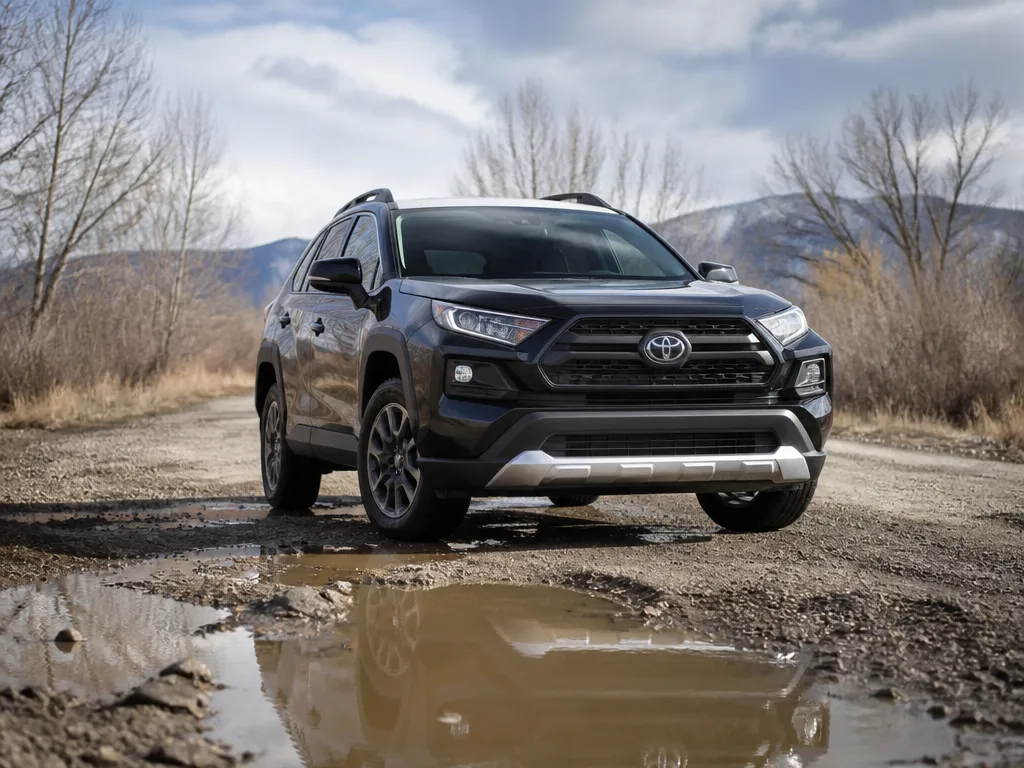
Ground clearance and suspension tuning matter most when you drive over potholes, because high-impact hits can bottom out softer setups and upset steering. A short-wheelbase SUV or a truck-based crossover with available all-terrain tires also helps keep the tire tread in contact when the road surface gets ugly. For buyers, the sweet spot is usually a vehicle that stays stable at speed and shrugs off impacts without rattling, overheating, or losing alignment every month.
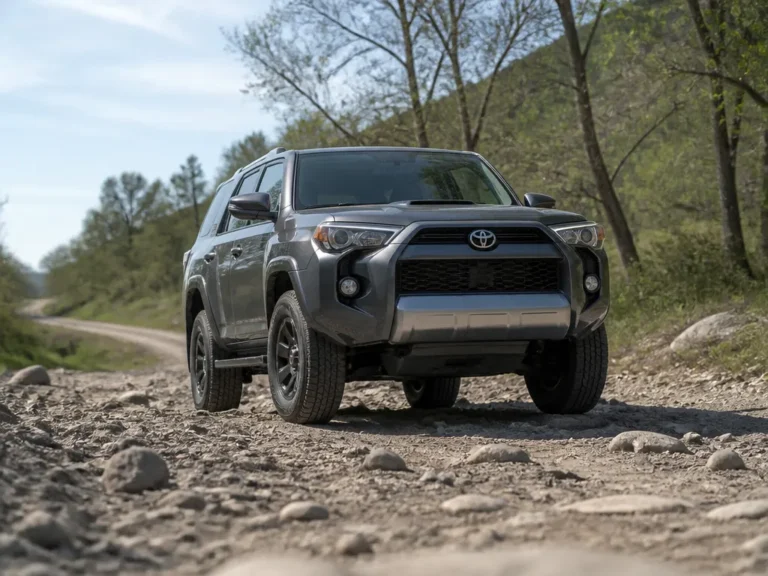
For example, the Toyota 4Runner and Jeep Grand Cherokee are popular picks for rough-city commutes because they come with stout chassis/suspension designs and common availability of all-terrain tire sizes.
In practice, look for spec sheets that mention at least 8.5 inches of ground clearance, plus a suspension that supports frequent pothole impacts without frequent “float” or harsh steering corrections. If you’re shopping used, prioritize vehicles with documented tire rotations and no history of bent control arms or steering components.
Tradeoffs On Bumpy Roads
More ground clearance often means a higher center of gravity, so body roll increases in fast cornering and emergency lane changes. Heavier SUVs can also feel “busy” on sharp impacts if the suspension is worn or if the shock dampers are near end of life, so buying one with fresh shocks and tight steering linkage is worth more than chasing the highest clearance number. Aggressive all-terrain tires help on broken surfaces, but they can be noisier on highway and may reduce wet braking if tread compounds are worn out. For rides like the Ford Bronco or Subaru Outback, the best choice depends on whether your potholes are scattered and slow-speed or frequent at highway merges, since tire choice and alignment health drive the difference more than marketing specs.
How It Works
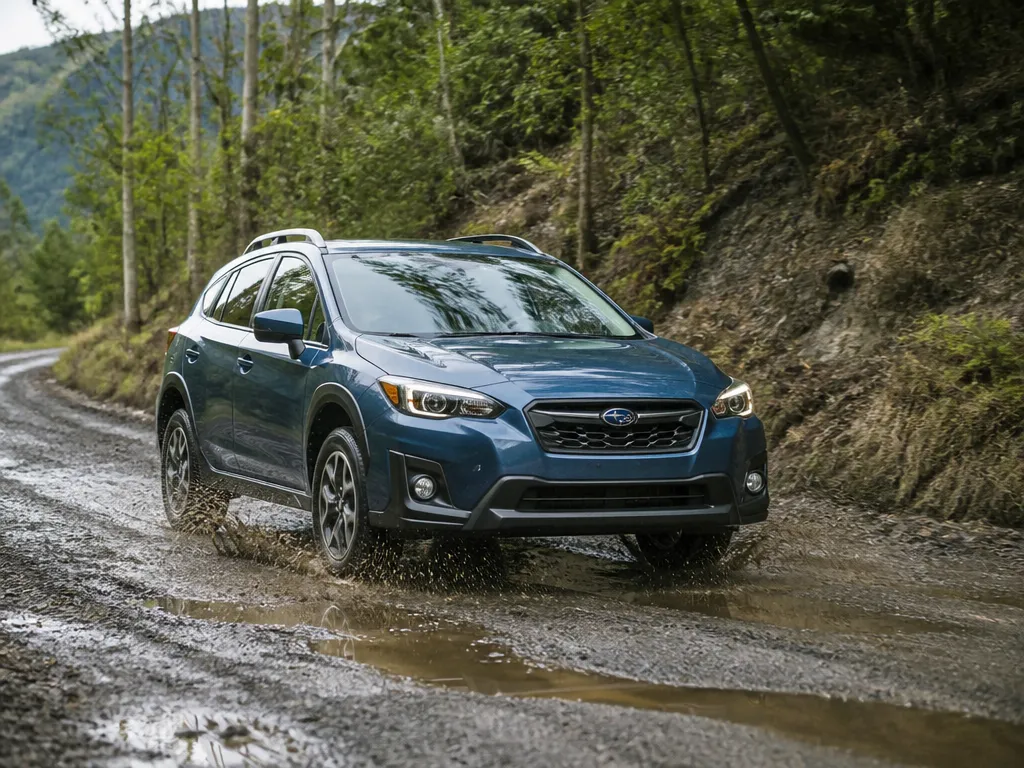
Good-bad-road SUVs and crossovers earn their spot because their suspension and tire setup work together to keep the wheels in contact with broken pavement. A common bumpy-potholed reality is that the road surface hits the tire faster than the body can move, so systems that control wheel bounce help steering stay predictable.
In practice, the goal is simple: manage vertical motion so the tires can stay gripping and the cabin remains stable.
Most “bad-road friendly” choices use a suspension tuning that emphasizes compliance, usually through longer-travel shock absorbers and (on many models) an independent front setup that tolerates uneven inputs. Tires matter just as much, since taller sidewalls and an all-terrain tread pattern help absorb impacts and shed small debris. Many owners also set pressures slightly lower within the door-jamb range to improve ride quality, especially on rough pavement.
Tradeoffs That Show Up On Bumpy Roads
More suspension travel and softer damping usually make the ride smoother over potholes, but it can also mean more body movement when driving hard through corners. All-terrain tires can ride noisier and may reduce fuel economy compared with commuter-focused all-seasons, since the tread blocks add rolling resistance. If you tend to hit potholes at higher speeds, a tougher tire construction helps resist sidewall impacts, yet it can still feel firmer than a plush touring tire. The best balance is a suspension tune you can live with day-to-day, paired with a tire size and pressure that stays within the manufacturer’s limits.
Key Benefits
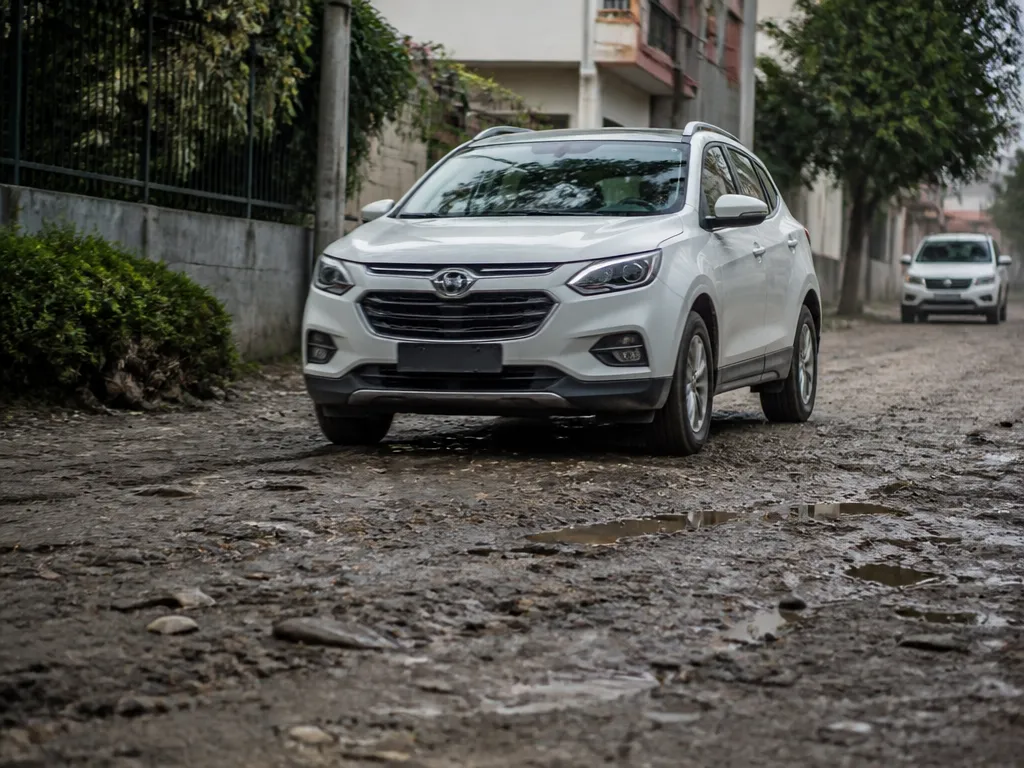
Ground clearance and suspension compliance are the two big reasons this list includes certain crossovers and trucks for bumpy, pothole-heavy roads. More than ride comfort, these traits help protect wheels and tires from sharp impacts and reduce how often you feel every seam and crater in the pavement. Look for setups with adequate underbody clearance and suspension tuning that keeps tire contact steadier over broken asphalt.
In practice, the most helpful benefits show up as fewer “jolt” moments, less steering twitch after potholes, and improved stability when the road crown changes suddenly.
For example, many buyers prioritize trims with higher ride height, available all-terrain tires (tread depth and sidewall support matter), and a suspension geometry that doesn’t bottom out as easily. A quick screening checklist is below.
What To Look For When The Road Is Rough
Rough roads punish tires first, then wheels, then suspension arms, and pothole impacts can also accelerate misalignment. Prioritize vehicles that spec taller tires with stronger sidewalls, especially if you routinely drive city routes with resurfacing gaps and utility cuts. If you choose a “sport” trim, confirm it has the ride height and wheel-and-tire package that match your roads, since lower-profile tire setups can feel worse and are easier to damage. Pay attention to real-world maintainability too, because replacing bent wheels or worn suspension components is where bumpy routes get expensive.
Step-by-step Guide
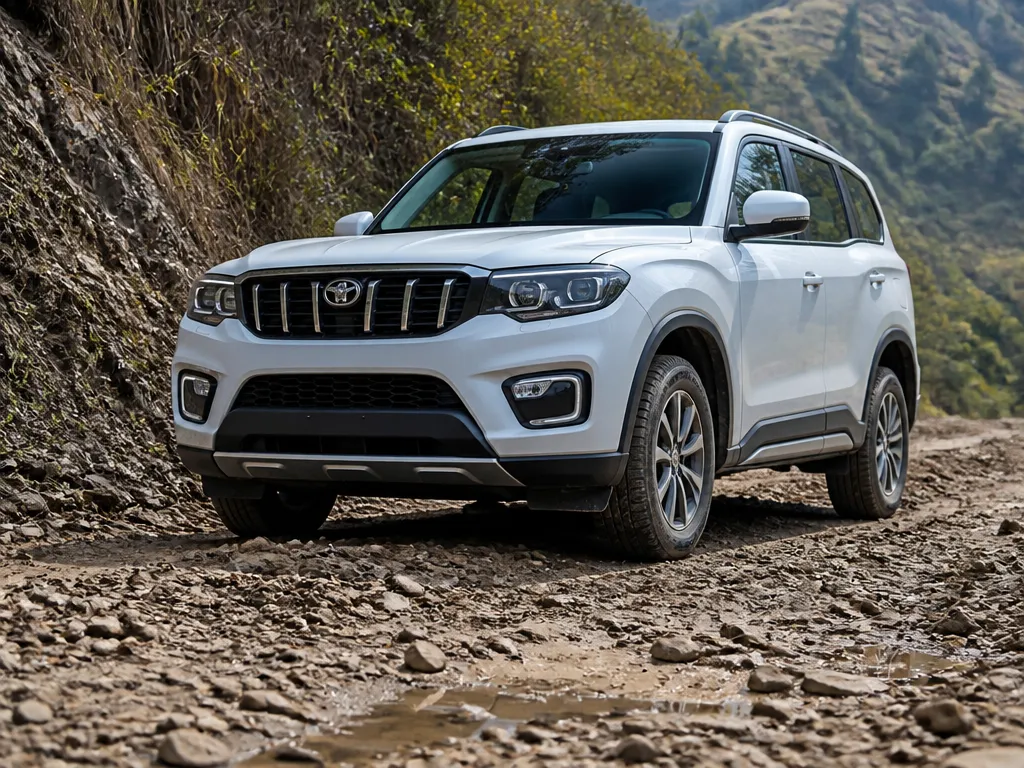
Road shock and wheel impact are what punish bad pavement, so this pick method is about steering stability and suspension composure over raw power. A good bumpy-road SUV or crossover keeps tire contact more consistent, which helps braking distance and reduces the “wandering” feeling on patched asphalt. Start by matching your commute and tire setup, because the same vehicle can feel very different with a proper sidewall and correct pressure.
For example, begin with your typical route: count how often you hit pothole clusters versus long stretches of corrugated pavement, then choose a suspension tune that is comfortable but controlled (many higher-end trims or off-road packages do this better).
In practice, target at least a medium sidewall tire and avoid over-spinning a low-profile setup, since a taller sidewall absorbs impacts before the rim takes the hit.
How To Validate The Ride Before You Buy
In practice, do a quick “shake test” on the lot and then a controlled road test, because brochure language rarely matches how a vehicle responds to repeated impacts. Ask the salesperson to let you drive the exact roads you deal with, even if it is a 10 to 15 minute loop near the dealership, and keep the same driver in the seat so the steering feel is comparable. If the car has selectable drive modes, try the normal and comfort settings back-to-back, then note whether rebound feels harsh after the second pothole. When possible, inspect tire tread and sidewall condition on the test vehicle, since worn tires amplify bounce and can mask the suspension’s real behavior.
Common Mistakes To Avoid
Bumpy, pothole-heavy roads punish more than suspension travel, they also beat up tires, wheel alignment, and brake components. That is why this item belongs on a list for the best cars and suvs for bad roads bumpy potholed, because many buyers fixate on ground clearance and ignore how to keep the drivetrain and contact patch happy. The cheapest mistake is buying the “tall” vehicle, then running it on the wrong tire type or skipping alignment after repeated impacts.
For example, many crossover and SUV owners jump straight to low-profile tires for sharper handling, then wonder why sidewalls get cut and tread wears fast on rim-bashing potholes. A tougher choice is an all-season or all-terrain tire with a more forgiving sidewall, paired with wheels sized correctly for the trim.
In practice, after any strong pothole hit that caused steering pull, new vibration, or a thumping noise, get an alignment check and inspect the tire sidewall for bubbles or cords.
Tradeoffs That Cause Owners To Regret The Buy
For some popular “bad-road friendly” choices, the tradeoff is ride harshness. A stiffer suspension or larger wheels can feel stable on smooth highways, but potholes transmit sharper impacts into the steering system and can accelerate alignment drift.
In practice, prioritize a setup that uses reasonable wheel sizes, offers good tire choices, and keeps the steering calm after rough hits, especially if you drive rural roads at night. If you are comparing models, look for trim levels that come with all-season tires from the factory and confirm the expected tire sizes for your specific year, since swaps can change ride and clearance in real life.
Tips For Success
Bad, bumpy pavement beats up suspension bushings and tires fast, so success starts with keeping tire contact and ride control consistent. For pothole and washboard routes, a taller sidewall and a suspension tuned for uneven surfaces usually reduce harsh impacts and help prevent wheel-and-tire damage. This is also why this list leans toward SUVs and crossovers with more compliant suspensions and all-weather tires rather than low-profile setups.
For example, prioritize an SUV with all-wheel drive and a load-rated tire size that keeps sidewall height up (many midsize trims fit wider, but you want the right rim width to avoid too-stiff sidewalls).
In practice, set tire pressure slightly lower only within the door-jamb spec range for the axle you’re driving, then re-check when the tires are cold. If you regularly hit cratered roads, consider a tire with a stronger sidewall construction (often sold as “rugged” or “all-terrain”), because that’s where impacts hurt the most.
Driving Habits That Protect The Car
Slow down early and reduce steering input when you see a pothole, because quick turns over impacts can spike wheel loads and pull tires off the contact patch.
In practice, aim to cross at an angle only when the lane ahead is clear, giving the tire a smoother rise rather than a straight hit that slams the suspension. If you can’t avoid a crater, brake lightly in a straight line, then ease off and let the suspension do its job. After a rough commute, pay attention to steering shake, new noises over bumps, or vibration under braking, since those can point to alignment, tire damage, or wheel damage that needs a shop check.
Real Examples
For bumpy, pothole-heavy routes, the suspension tuning matters more than badge or horsepower, which is why a few real-world platforms keep turning up in owners’ choices. A big part of why these models work is their ability to keep tires in contact while soaking up impacts, so steering stays calmer and braking feels more predictable.
For example, the Toyota 4Runner is often picked for rough pavement because it has a body-on-frame layout and a suspension setup meant to tolerate impacts better than many crossovers tuned for smooth roads.
In practice, drivers commuting through potholed city routes or towing a small trailer tend to value the simple, durable underpinnings and the availability of tougher all-terrain tires.
For instance, pairing it with an all-terrain tire in a load range suited to your axle weight helps keep sidewalls from getting “harpooned” by sharp-edged potholes.
In practice, owners frequently choose Jeep Grand Cherokee trims that include selectable off-road modes, especially when the same roads mix ruts, dips, and occasional gravel washouts. Use cases that make sense are winter commutes, construction-zone detours, and weekend trips to trailheads where the pavement turns into broken asphalt. Rough tire price swing is common (season and size dependent), so budgeting for replacing tires sooner than on smooth-road vehicles is realistic.
What To Look For In The Real World
In practice, the best “real example” isn’t the one with the tallest spec sheet, it is the one whose ride remains consistent when the pothole hits are uneven. Prioritize clearance and tire sidewall quality, then confirm the suspension has enough travel for repeated impacts, because a stiff setup can bounce the vehicle and upset your line. Pay attention to brake feel after rough-road runs too, since suspension harshness can mask early brake or alignment issues (especially if the steering wheel shakes over bumps). If you notice pull, clunks, or a persistent vibration, get an alignment and suspension inspection before assuming it is “just the roads,” since worn control arm bushings and bent components can worsen quickly.
Quick Summary
To handle bumpy, pothole-heavy roads, the article’s main takeaway is to match the vehicle’s ground clearance, underbody protection, and suspension tuning to your route, not just chase the biggest clearance number. It calls out “good-bad-road” setups as having about 8.0 inches of ground clearance or more, reinforced underbody skid plates, and suspension tuned for impact control so the tires keep contact when the road suddenly drops. It also emphasizes choosing AWD or 4WD when potholes show up in rain or ice.
On the tire side, the article recommends taller sidewalls, often pairing that with 18-inch wheels or smaller, plus all-terrain or taller-sidewall tires that absorb sharp impacts and shed small debris. It notes practical maintenance steps, including an alignment check every 6 to 12 months if your route is rough, and checking that the trim has factory skid plates for areas like the oil pan and transfer case. It also suggests carrying a 2-inch tire pressure gauge, since low pressure can worsen rim damage on broken pavement, and the most important takeaway is to buy based on suspension behavior plus tires.
| What to prioritize | Article’s specific target |
|---|---|
| Ground clearance | About 8.0 inches or more, with “8.5 inches” cited as a spec-sheet sweet spot |
| Underbody protection | Factory skid plates or reinforced underbody shields |
| Traction for wet or icy potholes | AWD or 4WD availability |
| Tires for impact absorption | Taller sidewalls, often 18-inch wheels or smaller, preferably all-terrain |
| Ongoing checks | Alignment every 6-12 months on rough routes |
Frequently Asked Questions
What Are The Best Cars And Suvs For Bad Roads And Potholes If I Drive Mostly On Rough Streets?
Look for a vehicle with good ground clearance and tough suspension tuning, because potholes are where oil-pan and bumper damage starts. Higher-clearance crossovers and midsize SUVs usually take the hits better than low sedans, especially after rain when potholes get deeper.
Are All-wheel Drive Or Four-wheel Drive Better For Bumpy Pothole Roads?
AWD or 4WD helps traction when the road is wet or loosely surfaced, but pothole impact is still about clearance and suspension travel. If your main problem is bottoming out and banging suspension, prioritize ground clearance and tire sidewall over drivetrain alone.
What Tire Size And Tire Type Help Most On Pothole-filled Roads Without Destroying Ride Comfort?
In general, a slightly taller tire sidewall (within the manufacturer-approved range) can absorb impacts better than a low-profile setup. A tire with strong sidewall construction and proper alignment helps reduce sidewall cuts and curb or pothole blowouts.
How Can I Tell If My Suspension Is Already Damaged From Driving Bumpy Potholes?
Watch for clunking over bumps, uneven tire wear, steering wheel vibration, or the car pulling when braking. If you feel repeated impacts and especially if the steering feels loose, get the suspension and alignment checked before the problem gets expensive.
Should I Avoid Certain “Sport” Trims For Bumpy Pothole Roads?
Yes. Sport trims often come with lower ride height, stiffer damping, or lower-profile tires, which makes bottoming out and rim damage more likely on rough pavement.
What’s The Biggest Mistake People Make When Shopping For Cars That Handle Potholes?
The biggest mistake is buying based only on horsepower or fuel economy. For bad roads, focus first on ground clearance, suspension setup, and tire choice, then consider drivetrain for traction needs.