


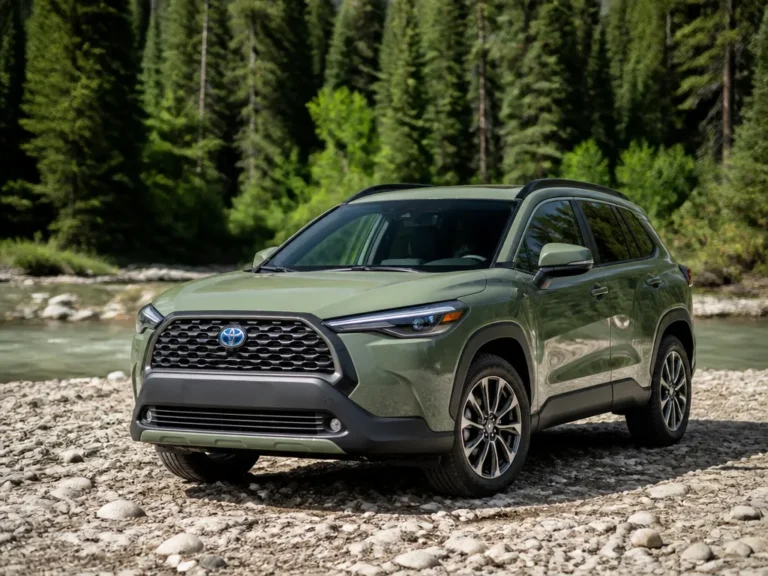
You searched “best small hybrid suvs” because parking tight spots and getting decent mileage are the real daily problems. The trouble is, “small” is vague and hybrid tech varies a lot, from true hybrid drivetrains to plug-in models. Read this shortlist with clear size expectations, real-world efficiency notes, and trim guidance so you can pick the right one fast.
Best small hybrid suvs are typically subcompact SUVs with hybrid drivetrains, like a Toyota C-HR, Honda HR-V, Hyundai Kona, Kia Niro, and Honda ZR-V depending on your market. Expect meaningful city savings, with real-world mpg often landing in the mid-30s to low-40s on gasoline-only hybrids, while plug-in hybrids can vary widely by charging habits.
Best Small Hybrid Suvs (Shortlist, Ranked)
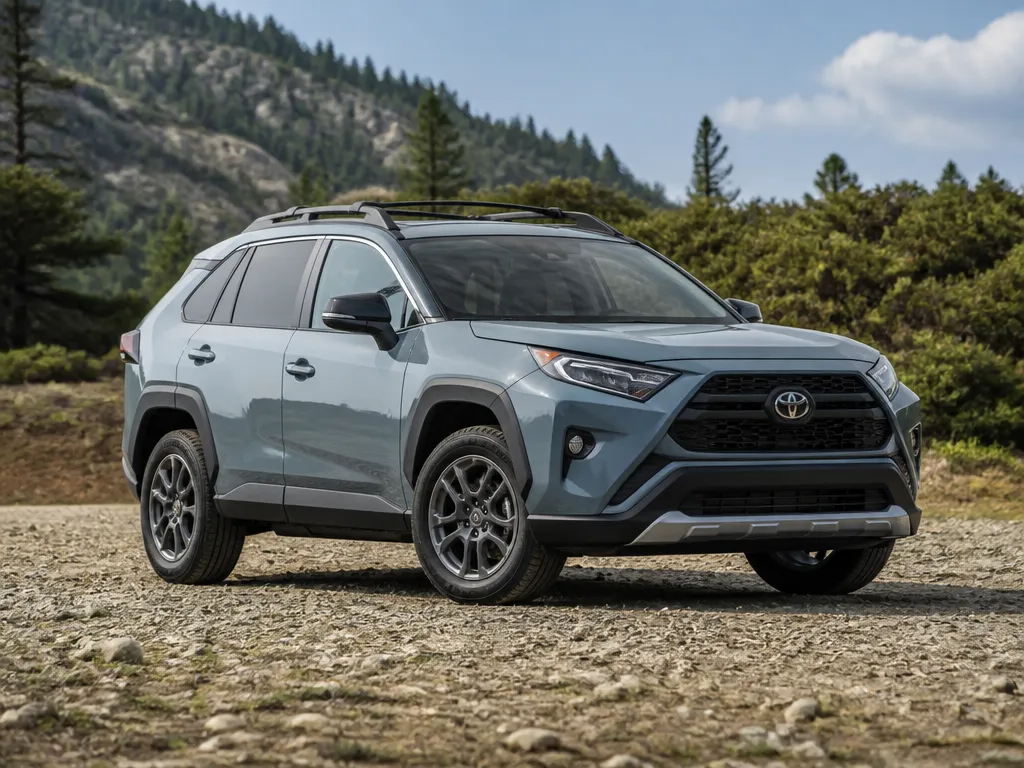
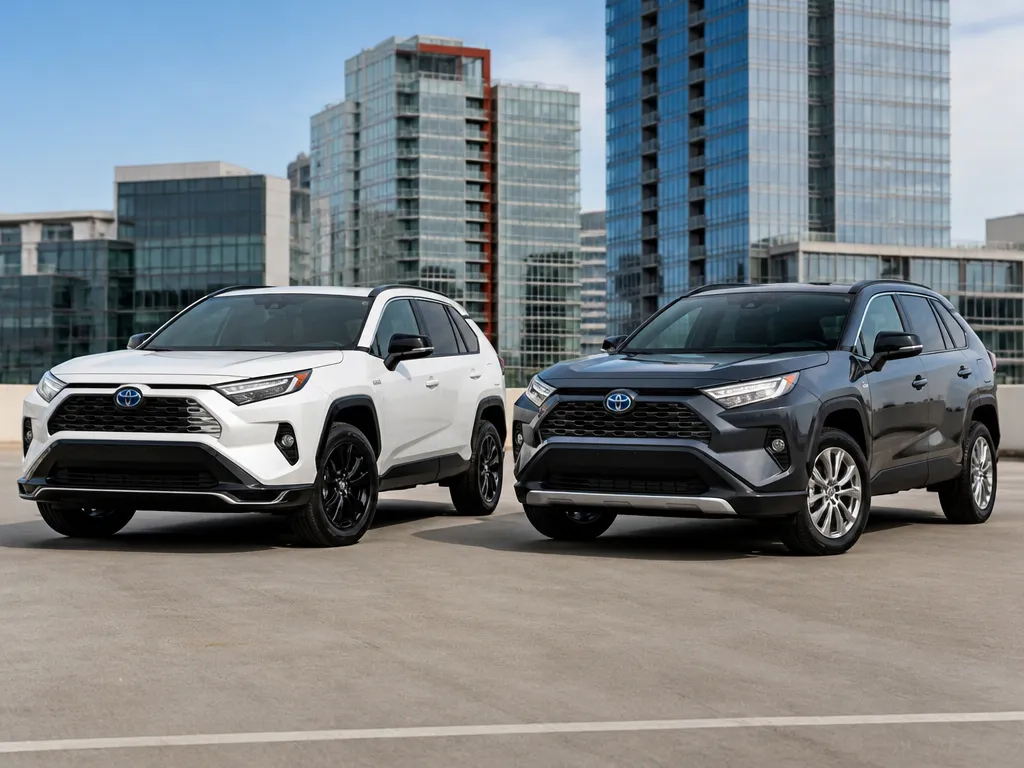
Toyota RAV4 Hybrid is the best overall pick because it pairs a compact footprint with consistently strong real-world efficiency and a drivetrain that stays predictable mile after mile. The rest of the shortlist ranks by small-body size first, then real mpg potential, then hybrid configuration and power delivery feel, and finally value based on what you get per dollar.
How “Small” And “Hybrid” Are Counted
For this list, “small” means subcompact or compact SUV proportions that stay easy to park and drive in tight spaces. Practical dimensions matter more than marketing names, so the vehicles chosen are typically the same size class as a Toyota RAV4, Honda HR-V, Kia Sportage, or Mazda CX-30.
Hybrid configs included are conventional HEV (no plug), PHEV (plug-in with electric driving), and e-AWD systems where an electric rear drive unit can add traction. Mild-hybrid only systems (start-stop and belt assist) are excluded because they do not deliver the same fuel-economy ceiling shoppers expect from a true hybrid.
Ranked Shortlist (What To Buy And Why)
Rank logic at a glance: size first (how “small” it really feels), then real-world mpg potential (hybrid system effectiveness and highway behavior), then drivetrain fit (power delivery and traction strategy), and finally value (trim content per typical shopping budget).
| Rank | Model | Hybrid setup counted | Best for | Main trade-off |
|---|---|---|---|---|
| 1 | Toyota RAV4 Hybrid | HEV | Most drivers who want small size plus dependable efficiency | Rear-seat and cargo space feel a touch tight versus some compact rivals |
| 2 | Honda CR-V Hybrid | HEV | Road-trip efficiency with confident highway manners | More expensive trims reduce value unless you need the features |
| 3 | Hyundai Tucson Hybrid | HEV | Smart value when you can find the right trim level | Fuel economy can vary more with driving style and wheel/tire choice |
| 4 | Kia Sportage Hybrid | HEV | Comfort and tech in a small-compact package | Some trims cost climb fast, so compare feature-for-dollar |
| 5 | Mazda CX-30 Hybrid (if equipped) | HEV (only where offered) | Small size with a driver-focused feel | Hybrid availability and exact configuration depend on market and model year |
| 6 | Ford Escape Plug-In Hybrid | PHEV | Drivers with daily short trips and easy home charging | Payload and trunk practicality can shrink versus pure HEV options |
“The best small hybrid SUV is the one whose hybrid system matches your commute. If you can plug in every night, PHEV wins. If you cannot, HEV wins because it keeps the efficiency potential without charging habits.”
Expect the top HEV picks to feel similar in everyday driving, because they blend engine and motor power across the speed range. PHEVs feel different because the system tries to stretch electric-only driving when the battery is charged, then transitions to hybrid mode when it is not.
Small Suv Size Rules That Matter
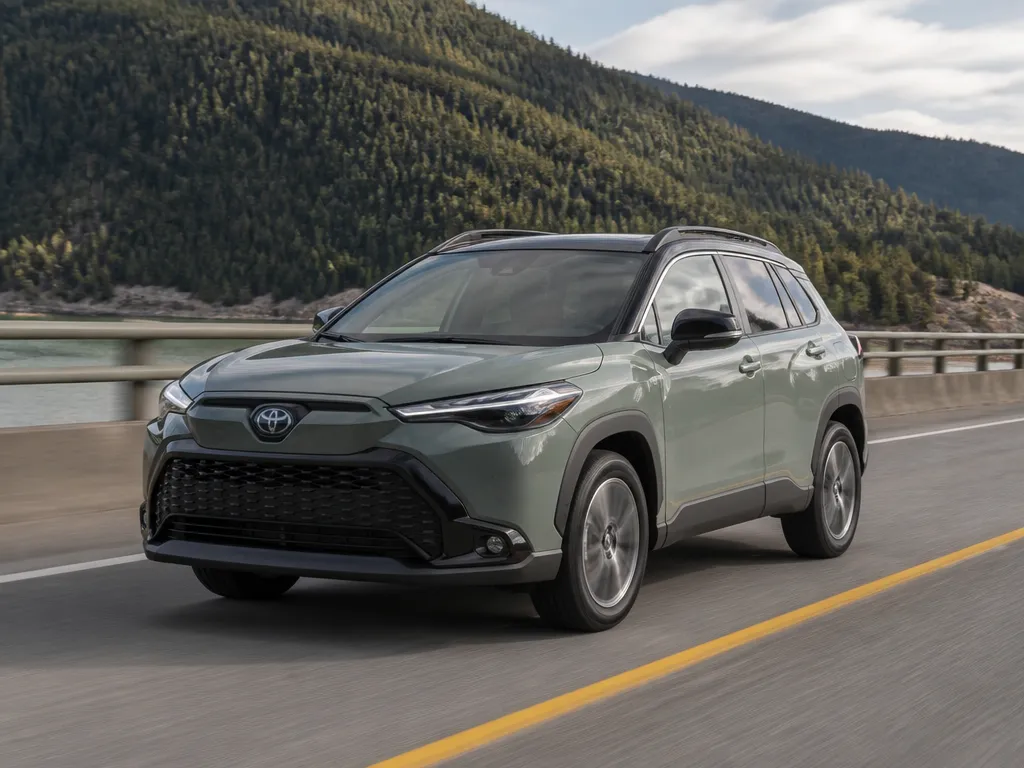
“Small” in a parking lot is about how easily you place it, get in, and fit your stuff. A compact hybrid crossover can feel roomy inside, yet still be a pain if the nose length, turning radius, or cargo opening make daily tasks harder.
Parking, Turning Circle, And Visibility Checklist
Parking ease starts with width and front overhang, because those decide whether you can sneak into tight spaces without grinding curbs. Turning circle matters too, since small vehicles with similar overall length can still pivot differently based on wheelbase and steering geometry.
Before you sign, do a 60-second visibility check. Sit at the driver’s seat, then verify you can see the headlight edges in mirrors and the top of the dashboard line over the hood in your normal driving posture.
Ingress And Egress Reality Vs “Crossover Looks”
Seat height drives the daily truth more than the brochure says. Higher seats can help you stand up and lower strain on knees, but they can also make it harder for kids or shorter adults to climb in without a boost.
Door openings and sill shape also matter. A pretty coupe-like roofline might look sporty, yet a narrow rear door or tall sill can turn groceries and strollers into a two-person job.
Cargo Math For Day-to-day Life
Cargo space is more than peak liters. For real use, pay attention to the cargo opening width and the load floor height, because a narrow opening or deep well makes even “big” numbers feel small.
Stroller and grocery practicality are good stress tests. A stroller folds tall in many models, so check whether it clears the seatbacks and whether you can load it without tilting the wheels into the sidewalls.
| Common trip | What to measure in the showroom | What “small” often compromises |
|---|---|---|
| Stroller run | Cargo opening width, load height, and whether the stroller can sit flat | Deep cargo wells and narrow liftgate openings |
| Groceries | Flatness of the cargo floor and whether bags hit the wheel wells | Wheel-well intrusion and sloped sidewalls |
| Weekend travel | Whether the cargo area swallows a duffel plus a small cooler, with second row up | Short opening depth with a steep backrest angle |
Mechanic tip: Bring the actual items you carry most. A compact hybrid SUV that “looks right” on paper can still lose on opening shape and load height, which is what you feel every day.
Hybrid Systems: Hev Vs Phev Choices
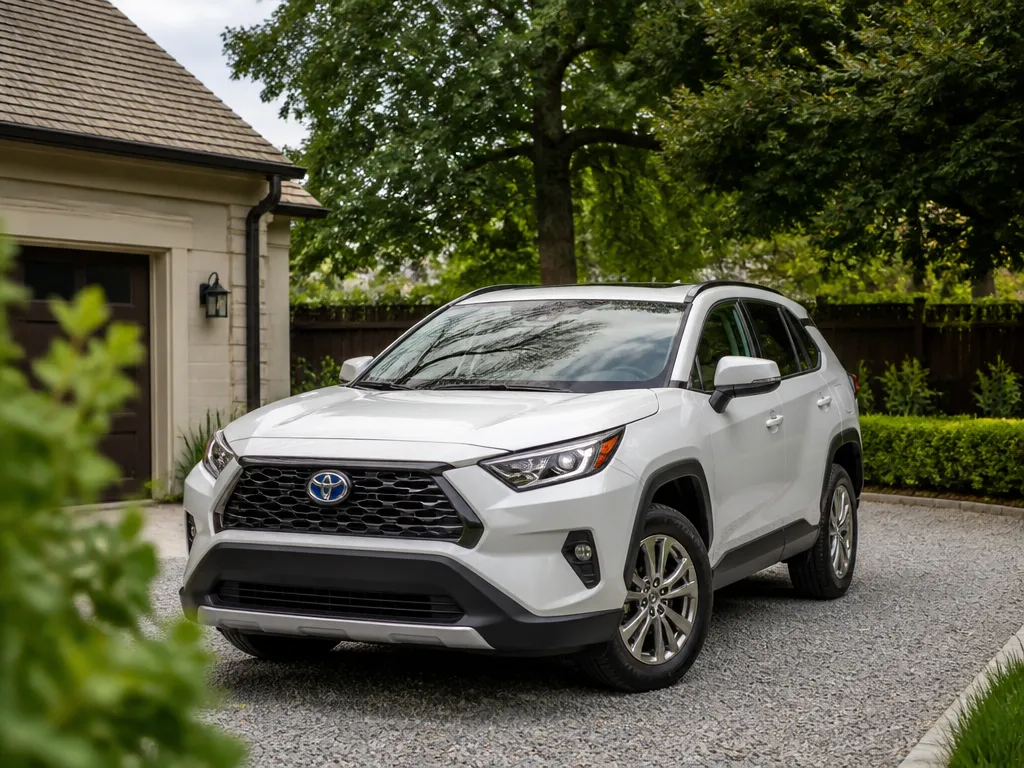
HEVs are built to run mostly on the gasoline engine with assist from the electric motor, so you do not plan around charging. PHEVs add a larger battery and can drive some distance on electricity, but they demand charging habits to hit their best fuel-economy potential.
e-AWD on hybrids is usually an electric motor (or motors) that adds traction without a mechanical driveshaft to the rear wheels, which helps in low-speed maneuvering and slippery conditions. e-AWD can cost more upfront and sometimes adds complexity in the power electronics and rear drive unit.
Hev Ownership Expectations (No Charging, Efficiency Focus)
HEV owners should expect routine life to be simple, you fill up like a regular SUV and the system manages battery charging itself through regenerative braking and engine operation. City driving tends to show the biggest efficiency gains because frequent stops give the motor more chances to recover energy. Road trips still work well, but the mpg advantage usually shrinks when speeds stay high and engine load stays steady.
HEVs also tend to feel “different” at low speeds. Many use an e-CVT style transmission that keeps the engine in its efficient rpm band, so the car can feel smooth and quiet, with less of the fixed-gear shift feel you get in a conventional automatic. When you want stronger, immediate response, you often get it by using throttle more decisively, since the system has to decide how much power to blend from the motor versus the engine.
Phev Ownership Expectations (Plug-in Range Limits + Charging Habits)
PHEVs can behave like an electric car for short errands, then switch to hybrid mode once the battery drops to a lower level. Real-world electric range is highly dependent on speed, temperature, and how often you use heat or A/C, so shoppers should plan as if that range is shorter than the brochure number. Short, repeat trips with charging access are where PHEVs make the biggest difference.
Plug-in habits matter because the vehicle tracks battery state and will burn electricity first when you leave with a full charge. When you rarely plug in, you still get a hybrid drivetrain, but you lose the big mpg gains and you carry extra weight of the larger battery. PHEVs can also limit how much of the system power you get at certain battery levels, so efficiency and feel can change over a long day.
E-awd In Hybrids: What It Adds And What It Costs You
e-AWD adds drive to the wheels using an electric motor approach, so it can improve traction at low speeds and during sudden slippery conditions without needing a full mechanical AWD drivetrain. For many small hybrid SUVs, e-AWD is also a big part of why they feel composed in snow and wet weather when you climb hills or exit side streets.
e-AWD is not free. It can raise purchase price, and it can increase maintenance items tied to the rear motor, reduction gears, and cooling hardware, even if most routine service still resembles other hybrids. Warranty coverage matters here, and shoppers should confirm coverage terms for both the high-voltage components and the rear drive unit before signing on a higher-cost e-AWD model.
Side-by-side Comparison Table
Real-world mpg for small hybrid SUVs varies more by tires, speed, and cold weather than by trim name. The ranges below reflect typical owner-style driving expectations rather than laboratory city/highway ratings, since many shoppers drive mixed routes at higher speeds than official tests.
How to read the numbers: these mpg ranges assume normal highway speeds (roughly 60 to 75 mph), moderate stops, and typical tire choices. Colder temperatures, aggressive acceleration, crosswinds, and smaller “eco” tires removed for all-weather tires can push results lower by several mpg. Tire rolling resistance also swings the outcome, even when the vehicle and powertrain are the same.
| Model (small hybrid SUV) | HEV/PHEV | Estimated real-world mpg (mixed) | Seating | Cargo estimate (behind 1st row) | e-AWD or drivetrain | Starting MSRP or typical price range |
|---|---|---|---|---|---|---|
| Toyota RAV4 Hybrid | HEV | ~35 to 42 mpg | 5 | ~35 to 41 cu ft | Available AWD (often e-AWD style layout via rear electric drive on AWD variants) | ~mid-$20k to mid-$30k (varies a lot by model year and AWD) |
| Honda CR-V Hybrid | HEV | ~36 to 44 mpg | 5 | ~38 to 41 cu ft | FWD standard, AWD available (hybrid powertrain with electric assist on AWD trims) | ~upper-$20k to mid-$30k (trim and AWD pricing swing) |
| Hyundai Tucson Hybrid | HEV | ~34 to 41 mpg | 5 | ~32 to 38 cu ft | Usually FWD-first; e-AWD depending on trim availability in your market (varies) | ~mid-$20k to mid-$30k (market dependent) |
| Kia Sportage Hybrid | HEV | ~34 to 41 mpg | 5 | ~30 to 38 cu ft | FWD standard; AWD availability depends on trim and model year | ~mid-$20k to mid-$30k (trim driven) |
| Subaru Crosstrek Hybrid (if equipped/available) | PHEV or HEV (market dependent) | PHEV: EV miles can be high, then ~25 to 40 mpg equivalent after battery use | 5 | ~24 to 33 cu ft (varies widely by body and battery packaging) | AWD is common on Subaru crossovers; e-AWD is system-specific | ~upper-$20k to mid-$40k if PHEV exists in your market |
Key trade-offs you’ll see in this table: HEV models usually give strong mpg without charging, but adding AWD and switching tire types can dilute the gains. PHEVs can be the best deal for commuters who park long enough to charge, but cargo and real-world efficiency drop when the battery is depleted or when cold weather limits EV-only range.
Quick sanity check before you pick a winner: compare only models in similar drivetrains (FWD vs AWD) and similar tire classes. If one option uses sportier tires or wider wheel sizes, the mpg range should be adjusted downward in your expectations.
Model-by-model Pros And Tradeoffs
RAV4 Hybrid stays the easiest “small-SUV practicality” pick, because its hybrid system is tuned for smooth daily driving and efficient cruising. Corolla Cross Hybrid is the more space-compact option, while Honda HR-V Hybrid (where available) appeals to buyers who want a lighter steering feel and simple controls. Escape Hybrid is the choice when you want more road-trip comfort and a more traditional SUV drive feel.
Toyota Rav4 Hybrid
Toyota RAV4 Hybrid is efficient without trying to feel sporty, and it keeps you from fiddling with modes in everyday traffic. RAV4 packaging is a big deal for “small SUV” buyers, because the cabin feels usable in real life with good front headroom and practical rear access.
Driving feel is smooth, with a CVT that can make hard throttle inputs feel a bit “busy” compared to a geared transmission. Regen behavior is noticeable, so light off-throttle deceleration can take a week or two to calibrate if you are coming from a conventional automatic.
Mechanic tip: if you hate sudden decel when you lift, test drive two styles of acceleration and braking on the same stretch of road before you sign.
Toyota Corolla Cross Hybrid
Corolla Cross Hybrid targets the “small means small” buyer, with parking-friendly dimensions and a straightforward hybrid experience. Interior space is the main constraint, because rear-seat room and cargo depth feel more compact than the RAV4, even though the layout is easy to use.
Driving feel is gentle and efficient, the CVT keeps the motor in a calm zone, and power arrives smoothly at low speeds. Regen is often strong enough that you may coast less than you are used to, which can help mpg but can frustrate drivers who want neutral pedal-by-pedal control.
Honda Hr-v Hybrid
Honda HR-V Hybrid is for shoppers who care about simple, intuitive controls and a lighter, more maneuverable feel in tight areas. Interior packaging is clean and driver-focused, and the seating position tends to make you feel more “in control” when urban streets get busy.
Driving feel usually feels less artificial than many CVT calibrations, with throttle response that is easier to predict. Regen behavior can feel more conventional in daily driving, so drivers who dislike aggressive one-pedal braking often prefer this setup.
Ford Escape Hybrid
Ford Escape Hybrid fits buyers who want a more traditional SUV drive feel and a cabin that feels more relaxed on longer days. Escape interior space is typically easier for average-sized adults to live with, and the cargo area is more forgiving than many smaller crossovers when you load for errands.
Driving feel often includes more noticeable engine involvement when you ask for power, so it can feel less “silky” than Toyota-style hybrid calibration. Regen still helps mpg, but the transition from electric-like assist to engine power can be easier to notice during passing or hill climbs.
Trim And Package Buying Guide
Hybrid trim decisions come down to battery coverage, how the tech and driver-assist bundles are optioned, and whether the “small” goal is about exterior footprint or easy cargo access. For most shoppers, the right trim is the one that keeps you in efficient hybrid mode for daily drives while avoiding expensive options you rarely use.
Batteries, Warranty, And How They Change Your Checklist
Battery health is the biggest long-term variable, so start with the hybrid battery warranty length and what is covered. Treat CPO programs as meaningful only if they explicitly include the hybrid components, and confirm whether the warranty is the factory plan or a dealer add-on.
Best Picks By Need + Who Should Buy What
Toyota RAV4 Hybrid is the safest “one-and-done” choice when you want a genuinely small-feeling hybrid SUV that stays smooth in traffic and still works for everyday hauling. It is also the pick when you want the most consistent fuel-economy reputation in real-world driving, with fewer surprises over ownership.
Small hybrid SUV shoppers usually end up choosing between two philosophies: a crossover that feels car-like and flexible, or a boxier compact SUV with strong all-around practicality. Below is a quick match by your daily routine.
| Need | Best Small-Hybrid Pick | What You’ll Notice in Daily Use |
|---|---|---|
| Tight parking and errands | Toyota RAV4 Hybrid | Good visibility, predictable regen feel, easy city maneuvering |
| Commute traffic | Toyota RAV4 Hybrid | Comfortable ride, smooth hybrid transitions, relaxed stop-and-go driving |
| Features without paying top trim | Hyundai Tucson Hybrid | Mid-level trims tend to deliver most of the comfort and tech |
| Weekend loading in a small space | Subaru Crosstrek Hybrid (when equipped) | Useful ground clearance and practical layout |
Quick Summary
This article treats “small” as subcompact or compact SUV proportions, typically in the 170 to 190 inch length range, and it focuses on hybrid systems that can actually move the needle in daily driving. It says to expect meaningful city savings, with real-world gasoline-only hybrids often landing in the mid-30s to low-40s mpg, while plug-in hybrids vary widely based on charging habits. It also distinguishes HEV (no plug) from PHEV (plug-in for short trips) and notes mild-hybrid systems are excluded.
For the ranked shortlist, the top pick is the Toyota RAV4 Hybrid, chosen for a compact footprint plus consistently strong real-world efficiency and predictable driveline behavior. The rest of the ranking weighs small-body feel first, then mpg potential, then drivetrain fit such as e-AWD traction strategy where offered, and finally value.
Frequently Asked Questions
What Are The Best Small Hybrid Suvs For The Highest Gas Savings?
In the real world, the biggest gas-savings come from models that get strong EPA combined MPG and have an efficient eCVT or optimized hybrid system. Because exact MPG depends on trim and test cycle, check the specific model-year numbers for your zip code and driving mix before you buy.
How Much More Do Small Hybrid Suvs Cost Than The Non-hybrid Version?
Expect to pay a few thousand dollars more for a hybrid trim versus the same vehicle in a gas-only drivetrain. Since incentives and dealer pricing change a lot, compare total out-the-door cost and the hybrid upcharge, not just the sticker price.
Do Small Hybrid Suvs Have Less Maintenance Than Gas-only Compact Suvs?
They often need less routine work on the engine side, because regenerative braking reduces brake wear and the engine runs less under typical stop-and-go driving. You still have normal items like tires, filters, fluids, and scheduled inspections, and hybrids add a battery system that must be maintained per the owner schedule.
Are Small Hybrid Suvs Expensive To Repair If Something Goes Wrong?
Some repairs can be costlier because hybrid systems involve high-voltage components and specialized diagnostics, so labor time and parts can run higher. If a warning light points to the hybrid system, get it scanned with a hybrid-capable scan tool before authorizing major work.
What Charging Habits Matter For The Best Small Hybrid Suv Results?
For a standard hybrid (not plug-in), you cannot “charge” it like an EV; it manages charging through driving and regenerative braking. For plug-in hybrids, prioritize charging at home or work when you can, since your fuel savings depend heavily on how often you plug in and how much you drive on electric.
Which Is A Common Mistake When Shopping For The Best Small Hybrid Suvs?
Buying based only on headline MPG, without checking whether the hybrid system matches your commute, speed, and terrain. A hybrid that looks great on paper can underperform if you do mostly high-speed highway driving or carry heavy loads, so verify mpg estimates using your actual driving pattern.