


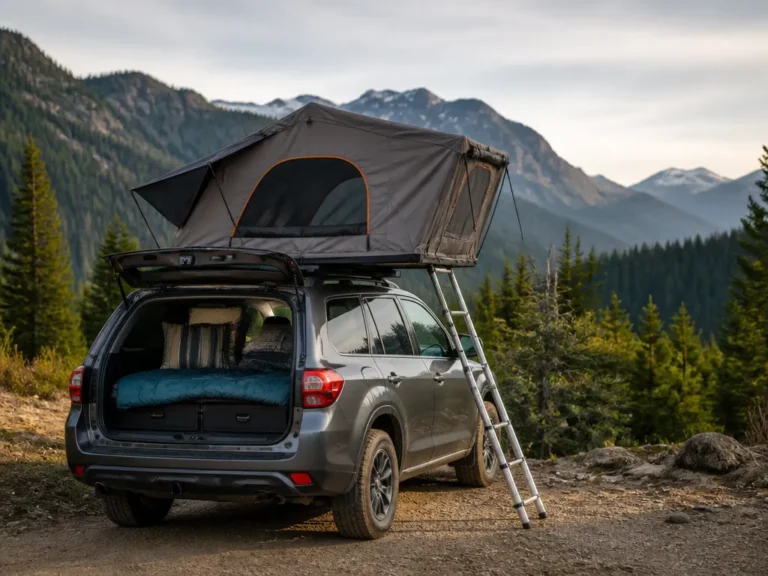
SUV tents have exploded in popularity over the past five years, with sales increasing by 40% according to outdoor equipment retailers. These rooftop camping setups promise convenience and comfort but come with real concerns about vehicle protection and long-term value. Before you spend $300-$800 on one of these systems, it’s worth examining whether they truly deliver on their promises or create more problems than they solve.
SUV tent worth depends entirely on your camping frequency and priorities. For weekend campers taking 3+ trips annually, these tents provide 15-20 minutes faster setup than traditional tents. However, for occasional campers, the $300-$800 investment and potential paint damage risks make them difficult to justify compared to standard ground tents.
Is Suv Tent Worth It For Your Lifestyle?
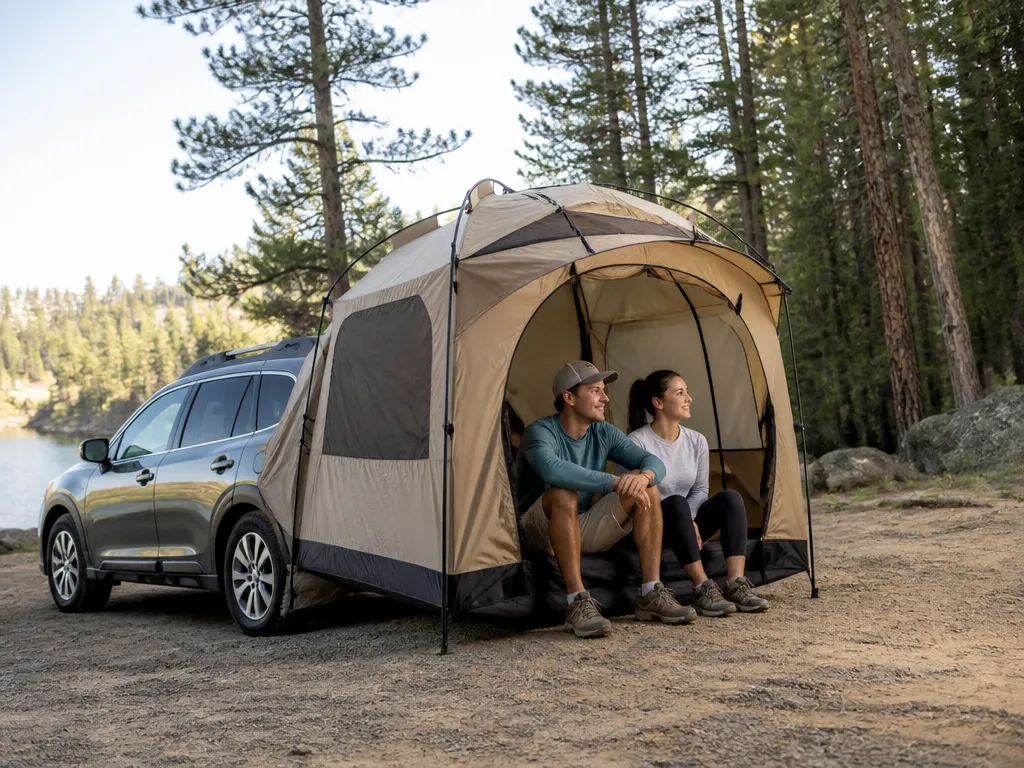
SUV tents provide elevated camping convenience but require careful consideration of how often you camp and what value you place on comfort versus traditional tent setups. These specialized camping accessories attach to your vehicle’s roof or hatchback, creating a hybrid shelter that combines vehicle access with traditional tent living.
Before investing in an SUV tent, evaluate your actual camping frequency. If you only camp once or twice per year, a traditional ground tent might offer better value despite the setup time. However, for weekend warriors and frequent campers who value convenience, the SUV tent’s quick attachment system can save significant time and effort.
Assessing Your Camping Habits
Consider your typical camping scenarios. Do you prefer developed campgrounds with facilities, or do you venture into more remote locations requiring self-sufficiency? SUV tents work best at established campsites where vehicle access is maintained throughout your stay.
Setup Time Expectations
While SUV tents generally setup faster than traditional tents, the time difference varies by product quality and design. Most quality SUV tents can be fully assembled in 15-30 minutes compared to 30-60 minutes for comparable ground tents.
| Tent Type | Setup Time | Complexity Level |
|---|---|---|
| SUV Tent (premium) | 10-20 minutes | Low |
| SUV Tent (budget) | 20-40 minutes | Medium |
| Traditional Tent (4-person) | 30-60 minutes | Medium |
| Cabin Tent | 45-90 minutes | High |
Space Comparison
SUV tents don’t necessarily provide more living space than traditional tents of similar price points. They offer the advantage of vehicle access and storage convenience but often have similar floor dimensions to their ground tent counterparts.
“An SUV tent eliminates the need to pack all your gear inside your sleeping quarters. The vehicle becomes your storage area, making the tent itself feel more spacious than it actually is.” – Outdoor Equipment Specialist
The real value of an SUV tent lies in its hybrid functionality – combining the weather protection and comfort of a tent with the accessibility and storage capacity of your vehicle. This makes it particularly valuable for families, photographers, or anyone who appreciates having gear readily available without leaving the shelter of the tent.
Suv Tent Pros And Cons Breakdown
Sleeping above the ground keeps you dry from morning dew and away from snakes, but the heavy hardware often requires two people to set up and struggles in high winds.
Elevating the sleeping platform removes the risk of waking up in a puddle of condensation or dealing with insects that crawl under traditional tents. This setup essentially creates a small room on top of your vehicle, offering a sense of security that a ground tent simply cannot match.
The trade-off involves significant weight and complexity. Most models weigh between 50 and 80 pounds, which demands a strong roof rack system and usually two people for installation.
Weather resistance is another major factor. Because these tents sit high up, they act like sails in strong gusts. A sudden squall can lift a light vehicle or damage the fabric if the guy lines aren’t anchored deep into the ground.
| Feature | Ground Tent | SUV Tent |
|---|---|---|
| Weight | Light (10-20 lbs) | Heavy (50-80+ lbs) |
| Setup | Quick (10 mins) | Slow (30-60 mins) |
| Wind Safety | Low profile | High profile |
Installation risks include scratching your paint or compromising the vehicle’s weather seals if clamps are over-tightened. Always verify your roof rack’s maximum load capacity before mounting a heavy camper tent, or you risk snapping crossbars.
The value depends on your travel style. For frequent campers who prioritize comfort and security, the pros outweigh the cons. For occasional use, the hassle of setup might make a traditional tent a better choice.
Suv Tent Vs. Traditional Ground Tents
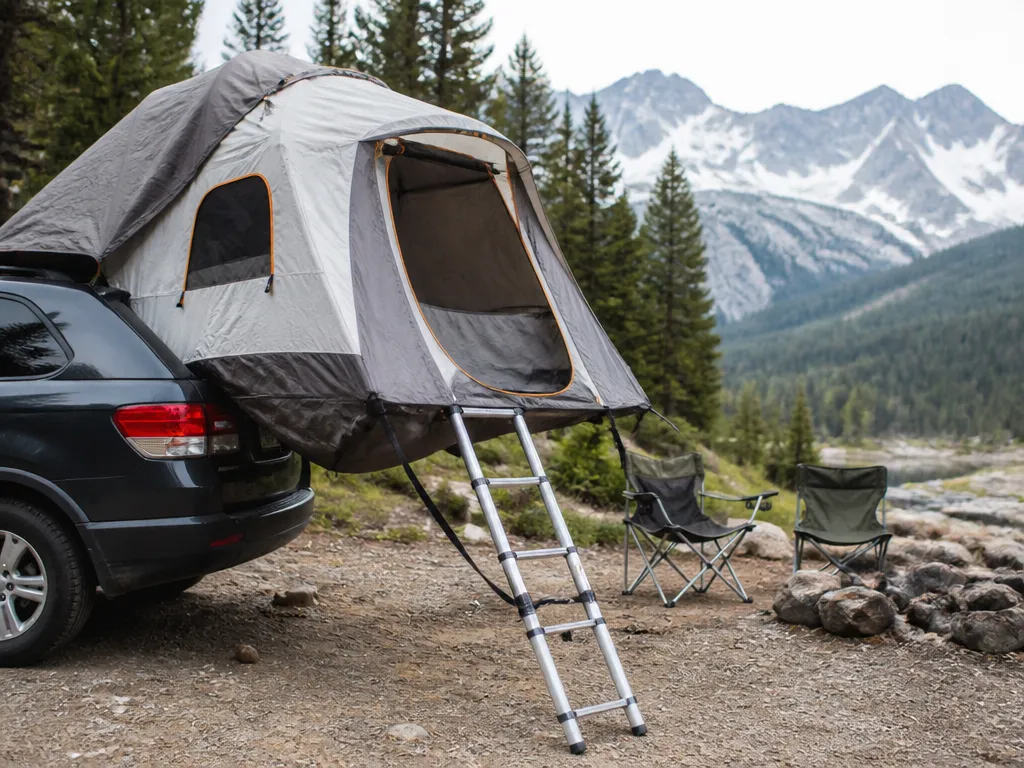
Vehicle-attached shelters integrate your cargo area directly into your sleeping zone, whereas ground tents remain completely independent of your vehicle. This fundamental difference dictates your campsite footprint, storage accessibility, and overall setup speed.
Comparison Of Camping Utility
| Feature | SUV Tent | Ground Tent |
|---|---|---|
| Site Requirements | Requires vehicle proximity | Flexible placement |
| Storage Access | Direct access to vehicle | None |
| Setup Speed | Moderate (requires alignment) | Fast to slow |
| Mobility | Stationary until detached | Total independence |
SUV tents provide an expanded living area by using your vehicle trunk as an extension of the tent floor. This configuration allows you to access gear, coolers, or clothing without leaving the shelter. Traditional ground tents offer zero vehicle integration, which necessitates leaving the tent to grab supplies from your trunk or roof box.
Site selection becomes more restrictive with an attached system because you must park on relatively level ground within a few feet of the tent site. Ground tents allow you to pitch in tight spots, wooded clearings, or walk-in sites where vehicles cannot park. If you prefer the ability to drive your vehicle to a store or trailhead during your trip, a ground tent is superior. An SUV tent requires a full teardown and re-alignment process before you can move the vehicle.
Mechanic’s Note: Be careful with rear hatch seals and paint. Constant friction from tent fabric flaps in the wind can cause micro-scratches on your clear coat. Always clean the bumper and hatch area thoroughly before attaching the tent sleeve to avoid grinding road grit into the paint.
Cost-per-use depends on how often you actually utilize the vehicle-connected feature. Quality SUV tents often command a higher price point (typically $300 to $600) due to complex stitching and weather-sealing sleeves. A standard ground tent of similar capacity often costs significantly less, leaving room in the budget for higher-quality sleeping pads or lighting. If you only camp once or twice a year, the premium paid for vehicle integration might not offer a meaningful return on investment compared to a high-end ground tent.
Vehicle Compatibility And Fitment Checklist
Purchasing a rooftop shelter requires verifying your specific vehicle’s dimensions before buying. A tent that fits one SUV might physically block the rear window or crush the tailgate on another model.
Protecting Vehicle Paint And Seals
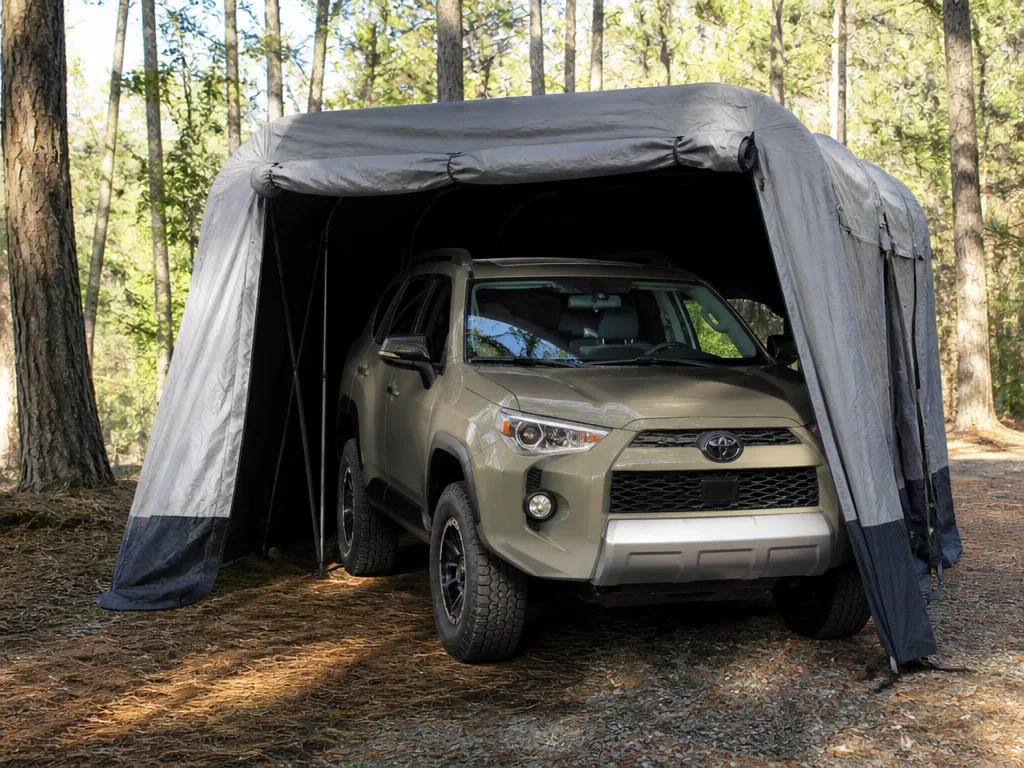
Surface abrasion occurs primarily where straps, buckles, and fabric edges contact your vehicle’s clear coat. Constant vibration from wind or minor movement during sleep causes these contact points to act like fine-grit sandpaper, leaving permanent dull spots or swirl marks on your paint.
Mitigating Cosmetic Damage
Paint protection requires physical barriers between the tent hardware and the vehicle body. You should never allow raw nylon straps or plastic-coated hooks to rest directly against the paint surface for extended periods.
Mechanic’s Tip: If you plan on using these attachments frequently, invest in magnetic paint protection sheets. These remain in place during setup and prevent the inevitable scratches caused by shifting fabric during gusty conditions.
Managing Seal Integrity
Door seals and trunk gaskets are designed to compress against glass or metal, not against heavy tent fabric or structural poles. Forcing a tent connector over a weatherstrip can deform the rubber over time, leading to wind noise or water leaks when you return to normal daily driving.
| Component | Risk Factor | Prevention Method |
|---|---|---|
| Door Gaskets | Permanent deformation | Use soft foam spacers to distribute pressure. |
| Hatch Seals | Water intrusion | Ensure the tent sleeve does not pull the seal outward. |
| Clear Coat | Abrasive swirling | Apply a fresh coat of wax or ceramic sealant before use. |
Monitor your weatherstripping after every trip to ensure the rubber regains its original shape. If you notice persistent gaps or light passing through the seal after removing the tent, the rubber has likely lost its elasticity. Replace damaged seals immediately to prevent interior water damage to your headliner or floor carpets.
Maximizing Value For Your Investment
High-quality vehicle-attached shelters often command a premium price compared to standard ground tents, frequently ranging from $300 to over $800 depending on material density and attachment complexity. The return on this investment relies entirely on how frequently you utilize the integrated cargo space and whether the added convenience of direct vehicle access changes your camping habits.
Cost And Durability Factors
Durability remains the primary driver of long-term value, as cheaper nylon materials often degrade under consistent UV exposure. Opting for ripstop polyester or heavy-duty canvas increases the initial outlay, but these materials resist tears and seal degradation much longer than budget alternatives. Frequent campers should prioritize models with reinforced stitching and powder-coated poles to avoid mid-season replacements.
Pro Tip: Inspect all seams and zippers after every trip. A small dab of silicone-based seam sealer prevents leaks before they start, significantly extending the life of your gear.
Comparative Value Breakdown
| Feature | Standard Ground Tent | SUV-Attached Tent |
|---|---|---|
| Entry Price | Low ($100 – $300) | High ($300 – $800+) |
| Setup Time | Fast | Moderate to Slow |
| Cargo Access | None | High |
| Maintenance Needs | Minimal | Moderate (seals/straps) |
Strategic Usage
Selection of this gear should align with your specific travel style rather than general camping needs. If you frequently move between campsites, the time saved by having an accessible “home base” inside your trunk justifies the cost. Conversely, if you stay in one spot for a week at a time, the vehicle-attachment feature provides little functional advantage over a traditional tent.
Maintenance routines determine whether your purchase lasts five years or one season. Always ensure the fabric is completely dry before storage to prevent mold, which is the leading cause of premature failure in high-end camping gear. Check the attachment straps for fraying every few uses, as these are the most critical components for maintaining a secure connection to your vehicle.
Quick Summary
Deciding if an SUV tent is worth the investment depends largely on your camping frequency and specific vehicle setup. These systems have grown in popularity, with sales rising by 40 percent, yet they often cost between 300 and 800 dollars. For frequent weekend campers, these tents offer a 15 to 20 minute setup advantage over traditional ground shelters. However, if you camp fewer than twice a year, the high cost and the necessity of having a roof rack or specific liftgate clearance between 48 and 60 inches may make a ground tent a more practical choice.
Beyond convenience, these tents act as hybrid storage units that allow you to keep gear inside your vehicle while sleeping. You must protect your paint with microfiber padding to avoid abrasion, as most manufacturers do not cover damage caused by mounting hardware. While they provide an elevated sleeping platform that keeps you dry and secure, they are heavy, weighing up to 80 pounds, and can be unstable in high winds. Ultimately, the value of an SUV tent is best realized by frequent campers who prioritize vehicle access and quick, reliable shelter assembly.
| Feature | Details |
|---|---|
| Average Cost | 300 – 800 dollars |
| Setup Time | 15 – 30 minutes |
| Weight | 50 – 80 pounds |
| Vertical Clearance | 48 – 60 inches |
Frequently Asked Questions
Are Suv Tents Better Than Traditional Camping Tents?
SUV tents offer superior protection from wind and ground moisture because they utilize the vehicle’s chassis and body as a structural anchor. You get more vertical headroom and a more seamless transition from the car interior to the sleeping area compared to a standard ground tent.
How Much Do Suv Tent Setups Typically Cost?
You can expect to pay between $300 and $800 for a high-quality vehicle tent that attaches to your rear hatch. Budget options exist, but they often lack the heavy-duty waterproof coatings needed for multi-day trips.
Can I Use An Suv Tent In Heavy Rain?
Yes, provided the tent has a minimum 2000mm waterproof rating and proper rainfly coverage. Always ensure your vehicle’s hatch is sealed tightly with the tent fabric to prevent water from leaking into your trunk area.
Will An Suv Tent Fit My Compact Crossover?
It depends on the hatch opening width and height of your specific model. You should measure your rear opening before buying to ensure the tent’s attachment points can wrap around the bumper and hatch without tension.
Is It Safe To Sleep In An Suv With A Tent Attached?
It is safe as long as you never run the engine while sleeping to avoid carbon monoxide poisoning. Keep your windows cracked slightly for ventilation, even if the tent is attached, to maintain fresh airflow.