


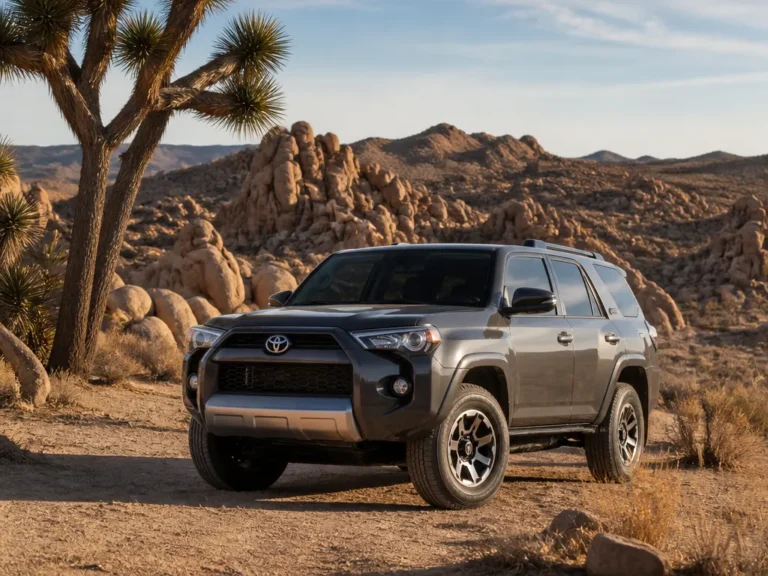
You are staring at your low-clearance sedan and wondering if you will bottom out on a desert wash or get stuck in a sand trap. Joshua Tree National Park offers incredible views, but the difference between a paved scenic drive and a rugged dirt trail is massive. You need to know exactly where your car ends and the desert begins.
An SUV is not required for most visitors because 90 percent of the park roads are paved. You can visit major sites like Hidden Valley or Barker Dam in a standard sedan. However, you need at least 8 inches of ground clearance and 4WD to safely access unpaved backcountry routes like Geology Tour Road without risking damage to your oil pan or exhaust.
Do I Need An Suv For Joshua Tree Park Accessibility?
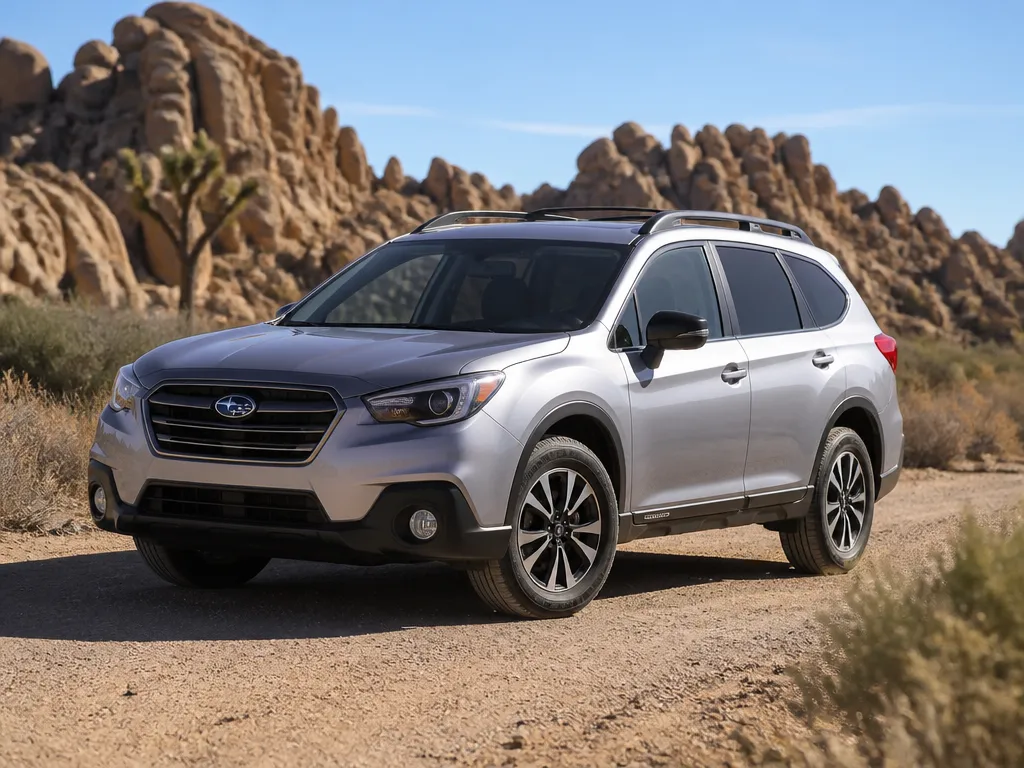
Joshua Tree National Park maintains a road network that consists primarily of well-paved, two-lane asphalt surfaces. Most visitors reach major landmarks, such as Hidden Valley, Keys View, and Jumbo Rocks, without ever leaving these standard paved roads.
Sedans, hatchbacks, and minivans navigate these primary routes with ease throughout the year. The park service manages these roads for standard passenger vehicle traffic, making high ground clearance or four-wheel drive unnecessary for the vast majority of sightseeing activities.
When Ground Clearance Actually Matters
Off-pavement access changes the requirements for your vehicle quickly. While the main loops are sedan-friendly, secondary backcountry roads often feature deep sand, large rocks, and significant washboarding that can damage low-hanging oil pans or exhaust systems.
Mechanic’s Note: If you plan to travel on backcountry roads like Geology Tour Road or portions of Berdoo Canyon, high clearance is not just a recommendation. It is a functional requirement to prevent expensive undercarriage damage.
The following table outlines the mechanical risks associated with taking a standard sedan onto unmaintained park trails.
| Vehicle Component | Risk on Backcountry Roads |
|---|---|
| Oil Pan / Transmission Cover | High risk of impact from protruding rocks. |
| Exhaust System | Potential for crushing pipes on steep transitions. |
| Tires | Increased risk of sidewall punctures from sharp rocks. |
| Suspension | Premature wear from constant jarring on washboard surfaces. |
Stick to the paved roads if you are driving a standard passenger car to avoid these specific mechanical hazards. Rental agencies frequently prohibit taking standard sedans off-pavement, and any damage sustained on unmaintained roads will likely fall outside your insurance coverage. Plan your route using the official park map to identify which roads are designated for passenger vehicles versus those requiring high-clearance, four-wheel-drive equipment.
Road Conditions For Standard Sedans
The main roads throughout Joshua Tree National Park are well-maintained asphalt surfaces that standard sedans can navigate without difficulty. Park visitors with passenger cars can confidently access the majority of popular viewpoints, visitor centers, and main attractions on the paved roads.
Joshua Tree’s primary thoroughfares include Park Boulevard, Keys View Road, and the main loop connecting entrances. These roads typically feature smooth pavement with occasional sections showing weathering from the desert environment. Standard sedans with normal ground clearance will experience no issues on these maintained routes.
When driving a standard sedan in Joshua Tree, you should exercise caution on the secondary roads leading to specific trailheads. While these routes remain officially open to passenger vehicles, they often feature rougher surfaces with occasional ruts and rocks that could potentially scrape undercarriages.
| Main Park Road Section | Condition for Standard Sedans |
|---|---|
| Park Boulevard (East-West) | Excellent – smooth asphalt |
| Keys View Road | Good – paved with some winding sections |
| Hidden Valley Nature Trail | Fair – short rough approach |
“Most visitors to Joshua Tree can use their standard passenger vehicles without issues. The park is designed to accommodate regular cars on main roads. Only when venturing off the designated routes or onto unpaved backcountry roads would you need higher clearance or 4WD capabilities.” – Joshua Tree National Park Rangers
For visitors planning to reach specific trailheads like Barker Dam or Ryan Mountain, standard sedans will typically reach the main parking areas without difficulty. However, the final approach to some trailheads may have rougher surfaces or speed bumps that could potentially scrape lower-profile vehicles.
During the peak spring season when visitation is highest, park roads may experience more traffic and occasional delays. Standard sedans should maintain adequate following distances and watch for sudden stops as visitors frequently pull over for photos or wildlife sightings.
Backcountry Routes And 4wd Requirements
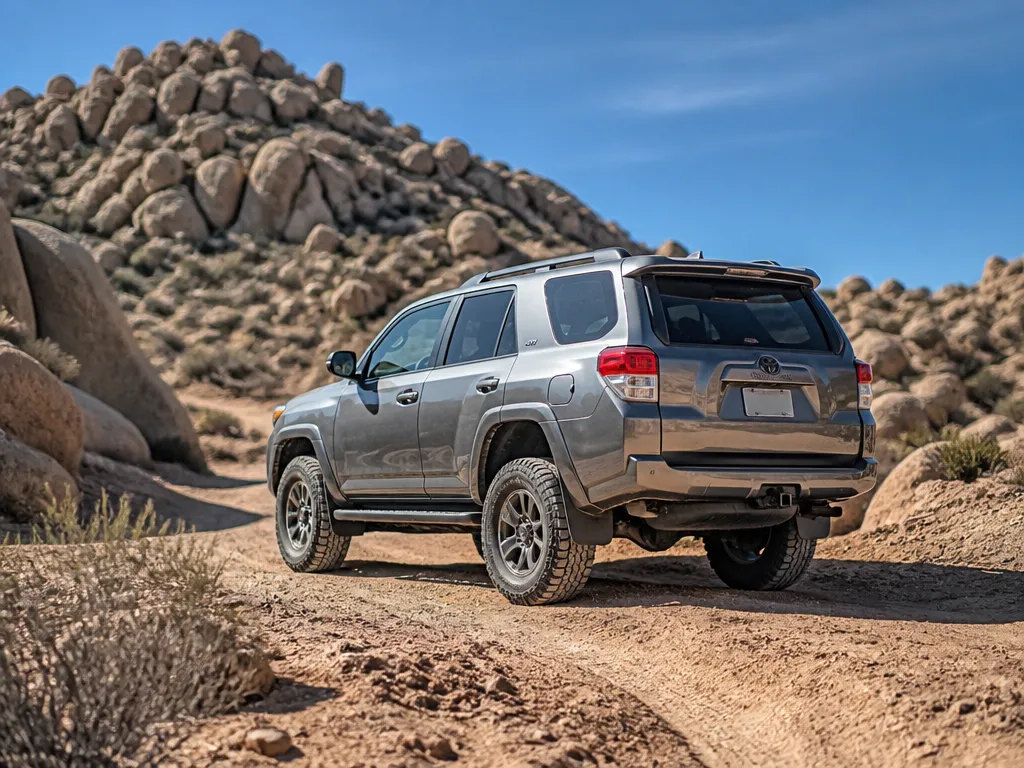
Geology Tour Road requires high clearance and 4WD capability for anyone attempting to navigate past the initial three-mile stretch. While a standard sedan can handle the first few miles to the designated parking area, the terrain shifts into deep sand and jagged rock shelves that threaten oil pans and suspension components beyond that point.
Technical Trail Considerations
Technical trails in the park often feature deep, loose sand and protruding bedrock that demand a vehicle with a higher departure angle and robust tires. Deep sand acts as a trap for low-clearance vehicles, causing them to high-center and lose traction as the chassis settles into the soft surface. Sharp rocks hidden beneath the sand or along trail edges pose a significant risk of sidewall punctures for standard passenger car tires.
| Route Segment | Vehicle Requirement | Risk Level |
|---|---|---|
| Geology Tour (First 3 Miles) | Standard Sedan | Low |
| Geology Tour (Beyond 3 Miles) | High-Clearance 4WD/AWD | High |
| Berdoo Canyon | High-Clearance 4WD | Extreme |
Mechanic Tip: If your vehicle lacks a true low-range transfer case, avoid trails marked for 4WD only. AWD systems often overheat their clutch packs during the sustained, low-speed wheel slippage required to crawl through deep, loose desert sand.
Berdoo Canyon serves as a prime example of terrain that mandates specialized equipment. This route contains rocky, uneven wash sections that can easily damage plastic underbody shields and exposed exhaust pipes on conventional vehicles. Attempting these specific backcountry routes without proper ground clearance results in costly undercarriage repairs that are rarely covered by standard rental agreements or basic insurance policies.
Vehicle Capability Comparison Guide
Paved roads cover the majority of Joshua Tree’s main attractions, but unpaved access roads require higher ground clearance to avoid undercarriage damage. Vehicles with at least 8 inches of clearance can handle most graded dirt roads without scraping.
| Vehicle Type | Ground Clearance | Terrain Capability | Risk Level |
|---|---|---|---|
| Sedan | 5 – 6 inches | Paved roads only | High on dirt |
| Crossover | 7 – 9 inches | Paved and graded dirt | Low on dirt |
| 4WD Truck/SUV | 9+ inches | All roads and backcountry | Minimal |
Tires And Suspension Requirements
All-terrain tires provide a significant advantage over standard highway tires on sandy or rocky surfaces. Highway tires have thin sidewalls that can puncture easily when they hit sharp desert quartz.
For instance, a Toyota RAV4 with stock highway tires can handle a graded road, but it will struggle in soft sand. Switching to an All-Terrain tire increases the footprint and grip.
Suspension travel determines how a vehicle handles “washboard” roads. These corrugated surfaces cause low-clearance vehicles to bounce violently, which can loosen trim pieces or damage oil pans.
Undercarriage damage often occurs when a driver underestimates a dip in the road. A standard sedan can easily bottom out on a rock, leading to expensive repairs for the exhaust or transmission pan.
Compact SUVs like the Honda CR-V or Subaru Forester are usually sufficient for the park’s main loop. These vehicles have enough lift to clear small rocks and dips found on the primary dirt connectors.
Avoid airing down tires unless you have a portable compressor and know exactly how much pressure you need for the specific sand density.
Desert Driving Safety And Vehicle Preparation
Extreme desert temperatures accelerate fluid breakdown and put immense strain on cooling systems. Standard maintenance intervals often fail to account for the thermal load of idling in heat or climbing steep grades under high ambient temperatures.
Essential Pre-trip Inspections
Cooling system health determines your vehicle’s survival in the high desert. Check your coolant levels when the engine is cold and inspect all hoses for bulging or cracks that could fail under pressure.
Emergency Preparedness And Remote Travel
Carry at least one gallon of water per person per day, plus an extra gallon specifically for your vehicle’s radiator in case of an emergency overheat situation.
Remote areas within desert parks often lack cellular service, making self-sufficiency mandatory. Pack a dedicated emergency kit that goes beyond standard roadside tools.
Quick Summary
Most visitors to Joshua Tree National Park do not require an SUV because ninety percent of the park roads consist of well-maintained asphalt. You can access primary landmarks such as Hidden Valley, Keys View, and Jumbo Rocks using a standard sedan, hatchback, or minivan without any issues. The park service manages these main thoroughfares specifically for passenger vehicles. As long as you stay on these marked paved routes, your normal street car will handle the terrain, grades, and speed limits ranging from 25 to 45 mph with complete reliability.
Venturing onto unpaved backcountry trails like Geology Tour Road requires a vehicle with at least 8 inches of ground clearance and 4WD capability. Taking a standard car on these secondary tracks risks significant damage to your oil pan, transmission cover, or exhaust system, and often violates rental agency agreements. Sharp desert rocks can also cause sidewall punctures on low-profile tires. Always check the official park map to confirm road designations before departing. The most important takeaway is to stay on paved roads to avoid expensive mechanical repairs and potential insurance issues.
| Road Type | Vehicle Requirement |
|---|---|
| Main Paved Roads | Standard Sedan |
| Backcountry Trails | 8 Inch Clearance + 4WD |
Frequently Asked Questions
Can I Drive A Standard Sedan Through The Main Roads In Joshua Tree National Park?
Yes, you can easily drive a standard sedan on all paved park roads, as they are well maintained and handle passenger vehicles with standard ground clearance without any issues.
Are There Any Specific Trails In The Park That Absolutely Require 4wd?
You will need a vehicle with 4WD and high clearance if you plan to travel on backcountry routes like Geology Tour Road past the first few miles or Berdoo Canyon, where deep sand and large rocks are common.
Will A Rental Car Company Allow Me To Take A Sedan On Dirt Roads In The Park?
Most rental agreements strictly prohibit taking their vehicles off pavement, so if you plan to explore unpaved areas, verify your contract first because off-roading can void your insurance coverage entirely.
Is An Suv Safer Than A Car For Joshua Tree Due To The Desert Heat And Terrain?
An SUV is not inherently safer for standard park roads, but its higher seating position provides better visibility of the road ahead, which is helpful when spotting roadside wildlife or debris in remote areas.
What Is The Biggest Mistake People Make When Choosing A Vehicle For Joshua Tree?
The most common mistake is assuming you need an SUV for basic sightseeing, which leads to unnecessary fuel costs since the park is vast and requires significant driving between major attractions.