


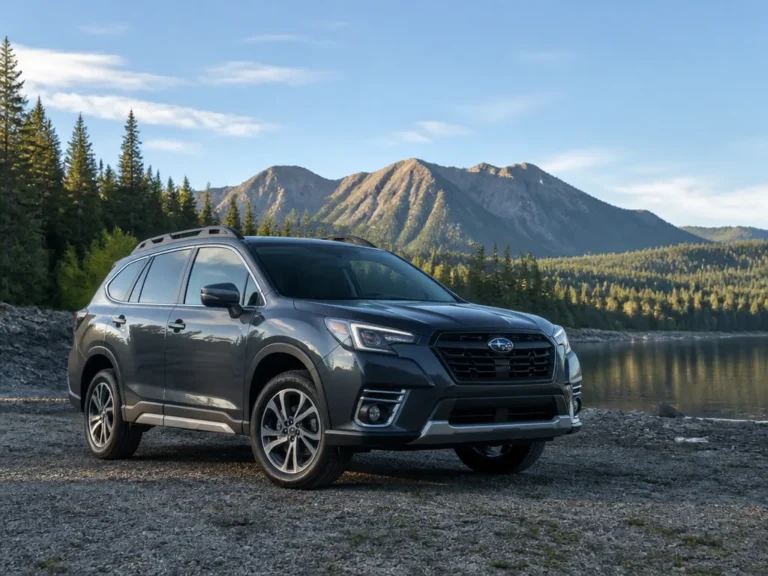
You’re shopping for a car in Maine and you keep hearing the same advice, “get AWD,” “buy winter tires,” “watch for rust.” The problem is, that advice is vague when you’re comparing models (and years) at the dealer or on a used lot. This guide breaks down the best cars for maine by category, budget, and winter-proofing needs.
Best picks for Maine usually blend real winter traction, strong cold-start readiness, and corrosion control. Prioritize AWD or 4WD if you drive rural roads or hit frequent storms, and use excellent winter tires even with FWD. Expect every recommendation to include what to check before buying, especially salt-area rust and brake wear.
Best cars for Maine are AWD or 4WD models with reliable heating and room for quality winter tires, plus good ground clearance for snowy commutes. If you want the best value, pick popular AWD sedans, crossovers, or body-on-frame trucks from the last 5-10 model years and inspect for rust on frames, pinch welds, and brake lines.
1. Subaru Outback (Awd)
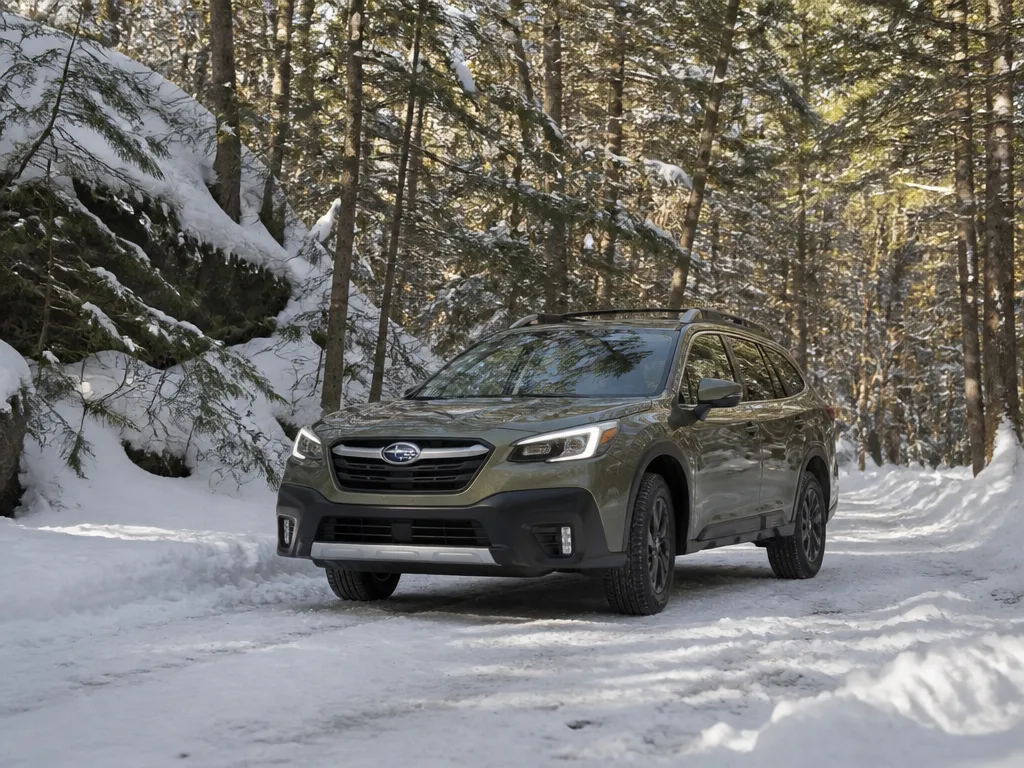
The Subaru Outback comes with standard all-wheel drive across most trims, which is a big deal for Maine roads where snow, slush, and wet pavement are common for months. Its ground clearance and wagon-style cargo layout make it easier to load gear for beach trips in summer and cabin weekends in winter without fighting a small trunk. The long-running Outback platform also tends to have broad parts availability, which matters when you plan to keep the car for years.
For practical use in Maine, the Outback’s roofline and rear cargo opening help with bulky items like strollers, fishing coolers, or a collapsible wheelchair ramp.
In practice, many owners pair it with all-season tires suited to your winter routine, plus a set of winter wheels and tires if you drive daily during deep cold and heavy snow. If you’re comparing trim levels, the key decision is whether you want the more capable off-road-oriented suspension settings and driver-assist package, since these change how confidently the car handles rough plowed roads and slippery intersections.
Tradeoffs
Outback AWD is designed for traction and stability, not to turn ice into dry pavement, so winter driving still comes down to tire choice and speed management. Fuel economy can drop when you run roof cargo, tow, or drive aggressively in snow, so plan for higher operating costs in the coldest months. Ground clearance helps on rutted driveways and snowbanks, but clearance is not a substitute for careful approach angles, especially with larger wheels and lift accessories. Before purchase, inspect CV boots, wheel bearings, and any signs of water intrusion around roof rails if the vehicle was used heavily in harsh salt conditions.
If you want one vehicle that can handle Maine’s weather swings with minimal hassle, the AWD Outback is a strong starting point, especially when you budget for quality tires matched to how much winter driving you actually do.
2. Toyota Rav4 (Awd)
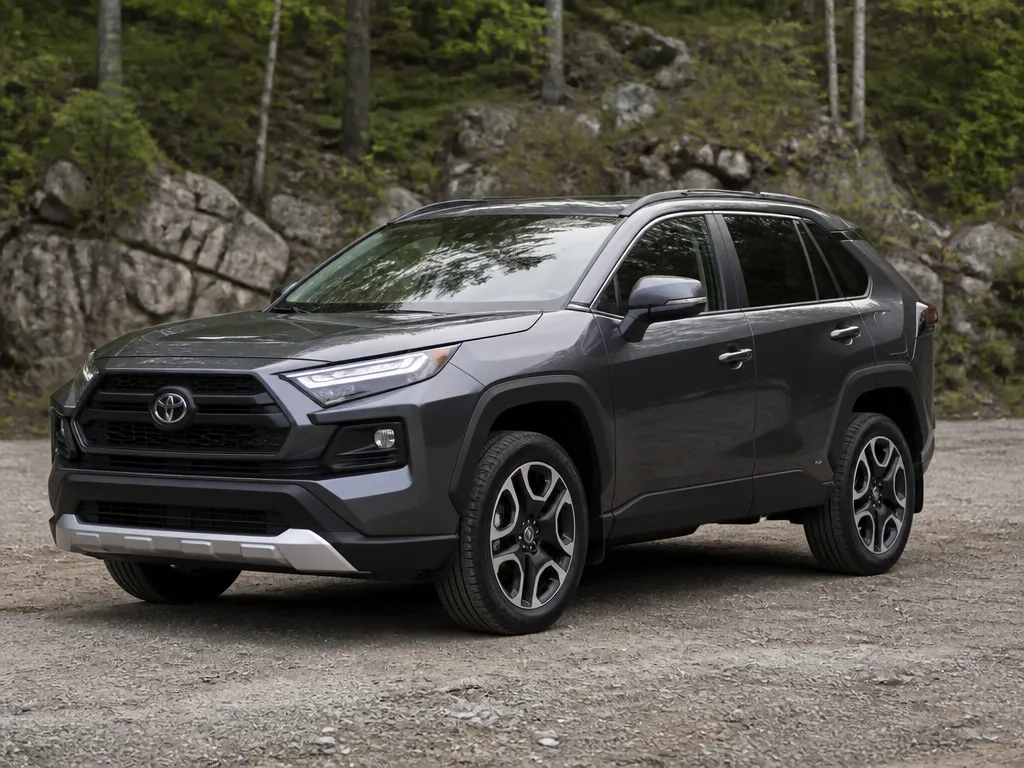
RAV4 AWD makes a smart pick for Maine because AWD helps keep traction when you are dealing with slush, wet pavement, and rutted snow-filled parking lots. Its compact SUV size is also easier to manage in tight New England streets than bigger crossovers, while still giving you enough ground clearance for typical winter conditions. Toyota’s strong parts availability and broad dealer network in the Northeast are a real advantage when you need routine maintenance.
For practical use in Maine, the key is pairing AWD with the right tire setup for winter. In most setups, you want all-weather tires year-round or a dedicated winter tire and wheel package, especially if you drive beyond town during storms. The RAV4’s cabin space and cargo opening are convenient for commuting and weekend trips, and AWD helps maintain control when temperatures swing and roads ice over.
What To Watch For In Maine Winters
Pay attention to tire age and tread depth because winter traction depends heavily on rubber condition, not just AWD. If you rely on AWD with all-seasons only, you can still end up with reduced grip on packed snow and ice, so plan for winter tires if your commute includes bridges, rural roads, or frequent night driving. Keep an eye on brake hardware after salt-heavy months, since corrosion can affect caliper slide performance and lead to uneven braking feel. When possible, confirm that your RAV4 is equipped with traction-friendly tires and that the AWD system is specified for your model year.
3. Honda Cr-v (Awd)
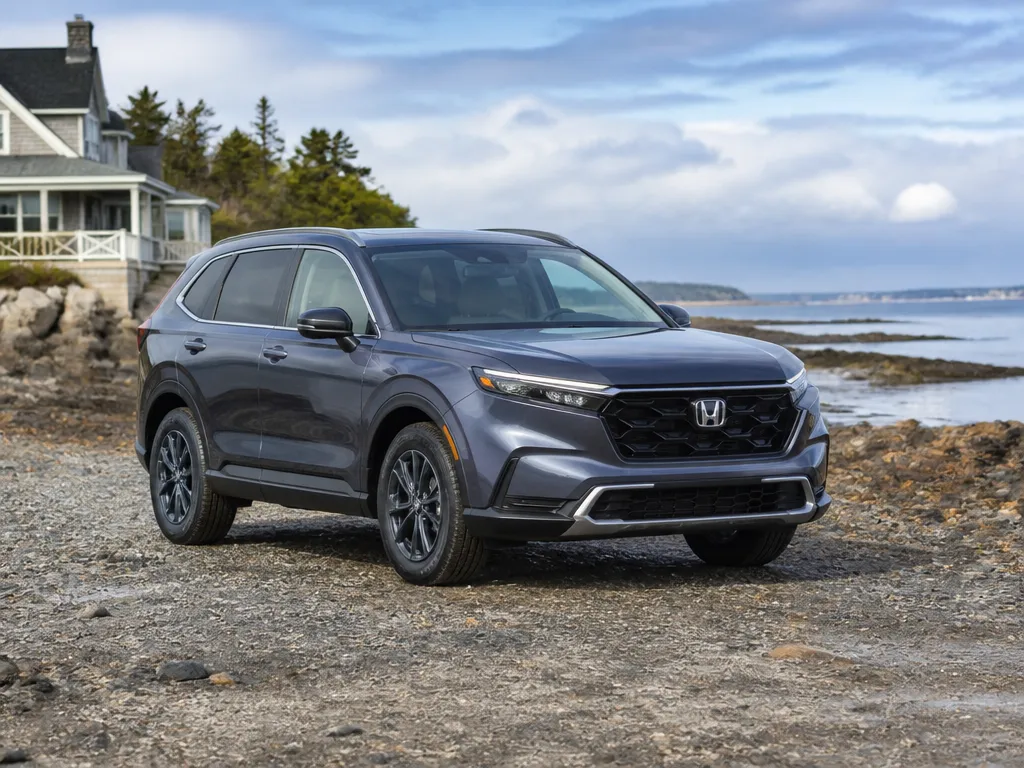
Honda CR-V AWD makes sense for Maine because it gives you confident traction in wet, snowy conditions while staying practical for everyday errands and longer trips. The CR-V’s compact SUV size works well for New England roads, where parking lots and side streets are tighter than interstate travel. It also has a long-running reputation for being straightforward to live with, which matters when winter weather keeps you on a schedule.
For AWD setups, expect the drivetrain to help when roads get icy or slushy, but it still won’t replace good tires and sensible driving.
In practice, choose winter tires on steel or alloy wheels and keep an eye on tire tread as temperatures drop. Check for heated front seats and a heated steering wheel option if you do a lot of early-morning starts. Many trims also include driver-assistance tech that can help reduce fatigue on highway commutes.
What To Pay Attention To In Maine Winter
Road salt and sand chew up exterior components over time, so inspect underbody areas during seasonal maintenance and watch for bubbling paint near rocker panels and wheel wells. Tire choice is the big one: even strong AWD systems rely on tire grip, and all-season tires can feel sketchy on packed snow. For electrical and driver-assist performance, confirm the battery health before winter and ensure cameras or sensors are clean and unobstructed after slushy storms. When shopping used, review maintenance records for coolant service intervals and any prior winter-related repairs like suspension or alignment wear, since potholes and ice can accelerate wear.
4. Mazda Cx-5 (Awd)
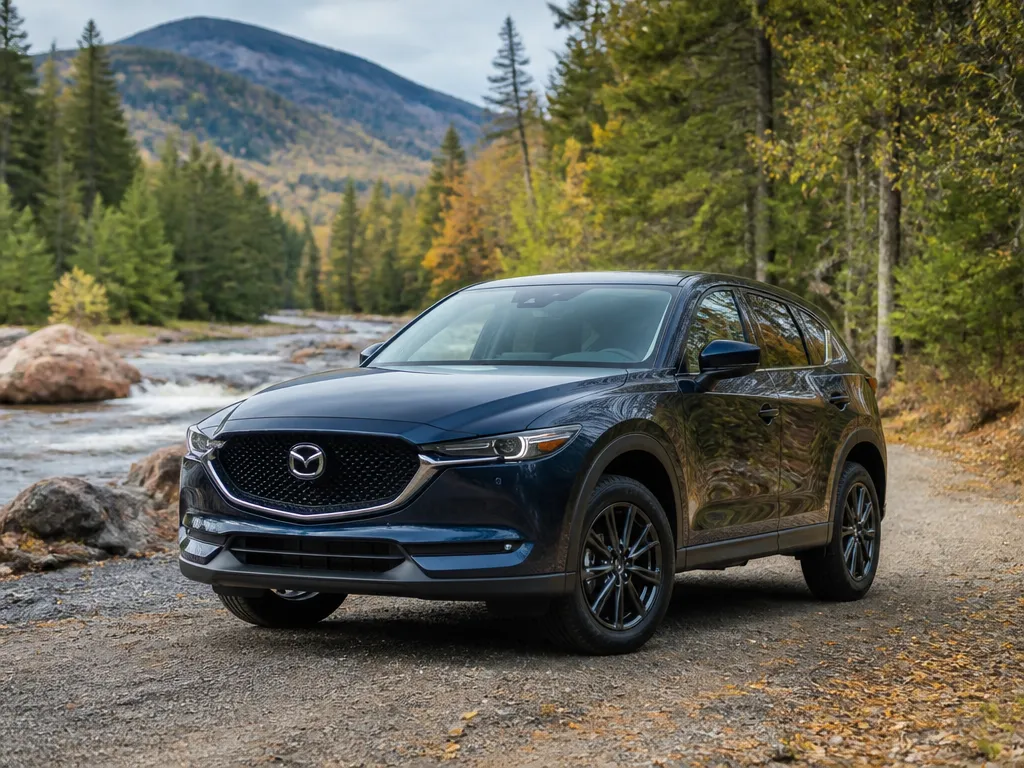
For Maine winters, an AWD Mazda CX-5 is on the short list because it is a compact crossover with good ground clearance and real everyday practicality for snow, slush, and salt-streaked roads. The CX-5’s size works well in New England parking lots and tight trailhead areas, while the AWD system helps keep power to the road when traction drops. It also keeps things simple compared with larger SUVs, which matters when you are dealing with salt on the roads most months of the year.
In practice, the CX-5 is typically chosen in either AWD trim with a higher seating position for visibility and easier ingress and egress. For winter safety, prioritize tires first, since the best AWD system still depends on correct winter tire type and tread depth. Plan on checking brake hardware and underbody corrosion protection each season, because Maine’s mix of road salt and wet snow is hard on suspension components and fasteners.
What To Watch Before Buying (Especially In Maine)
Before you sign, confirm the exact AWD drivetrain details for the year and trim you are considering, since equipment varies across model years. Inspect the tire date codes and verify you are not inheriting worn all-seasons meant for dry-road traction only. Look closely at wheel wells, rocker panels, and suspension mounts for rust or bubbling paint, since road salt exposure is consistent in Maine. If the vehicle has a history of delayed maintenance, pay extra attention to brake rotor condition and any steering play that can get worse after repeated winter salt cycles.
5. Ford Escape (Awd Or 4wd)
All-wheel drive is a practical fit for Maine winters, and the Ford Escape offers AWD configurations that help with snow and slushy-condition traction on commutes to Portland, Augusta, and Bangor. Its compact size also makes it easier to maneuver through tight lots and plowed streets than larger crossovers.
In practice, an Escape AWD is a solid choice for people who want one vehicle for everyday driving and weekend errands without stepping up to a full-size SUV. Look for an Escape with a newer AWD system and winter-capable tire setup, since tires and alignment do more for real traction than people think.
For example, prioritize models with decent ground clearance and confirm the AWD mode behavior so you understand how it responds on low-visibility roads.
What To Check Before You Buy
Because Maine weather is hard on drivetrains and undercarriages, inspect the AWD system and the condition of components like tires, wheel bearings, and suspension wear during any test drive. Pay attention to uneven tire wear, steering pull, or clunks over bumps, since those issues can drive up ownership costs quickly. Bring a flashlight and look for salt damage around wheel wells, brake lines, and the underbody, then confirm through a pre-purchase inspection that there are no drivetrain warning lights.
6. Jeep Grand Cherokee (4wd)
Jeep Grand Cherokee (4WD) is a strong pick for Maine because its four-wheel-drive layout and road clearance help you keep moving when roads get slick, icy, or rutted during long winter stretches. It also has enough interior space for families and hauling gear for camping, sledding, and weekend trips without feeling cramped.
For winter use, focus on trims with the available low-range/off-road capability and 4WD with traction control, since that is what helps on packed snow and loose gravel.
In practice, pair it with winter tires for the coldest months, especially for areas that see frequent freeze-thaw cycles.
In practice, plan a pre-winter inspection of brake condition, tire tread depth, and underbody condition (salt exposure is rough on vehicles in Maine). If you are shopping used, keep an eye on maintenance history for drivetrain services and cooling-system work, since neglect shows up faster in cold climates.
What To Check Before Buying One In A Maine Winter
Grand Cherokee reliability depends heavily on how the specific vehicle was cared for, especially because winter exposure in Maine accelerates corrosion and stresses rubber components. Before you sign, verify that the 4WD system engages correctly and does not hunt for grip in normal driving, and ask for records showing maintenance for the cooling system and any drivetrain-related service. Inspect tire wear patterns, since uneven wear can point to alignment issues that will punish you more on snowy roads. Pay attention to battery age, because cold starts can expose marginal batteries quickly, and a weak battery can make warning lights and sensor errors more likely.
7. Chevrolet Silverado 1500 (4wd)
A 4WD Silverado 1500 is a strong pick for Maine because it combines year-round traction with real hauling and towing capability, which matters for winter commute needs and weekend snow runs. The truck layout also helps when you need to store shovels, straps, and winter gear without eating up passenger space.
Expect the 1500 to come in common Cab and bed lengths, which lets you match it to your daily driver size limits and parking reality in places like Portland or Bangor. For powertrains, shoppers typically choose between standard V8 options or diesel in some model years, then pick a 4WD system appropriate for slush, packed snow, and occasional off-road trail use. Use the crew cab for four-abreast comfort on longer trips, and consider the longer bed if you regularly haul lumber, motorcycles, or a small snowmobile trailer.
- Prioritize 4WD with the right tires for Northeast winter (a dedicated snow tire setup can help on ice).
- Check tow rating and payload for your intended trailer and cargo, especially when temperatures drop.
- Look for cruise control and driver-assist systems that are easy to use in snowy conditions.
- Plan for rust protection, since road salt is part of Maine life.
What To Check Before You Buy In A Maine Winter
Start with the basics that show up fast in salt and cold: frame and underbody rust, condition of the brake rotors, and whether the 4WD engages smoothly without clunks or binding. Inspect tire wear and verify you can get good snow traction without excessive steering effort, since uneven alignment can feel worse on slushy roads. Confirm the truck can handle your towing needs by checking the vehicle’s documented tow rating and matching hitch hardware before you commit to a trailer. If the truck has been lived in as a work vehicle, review maintenance history for coolant service, transmission fluid changes (if applicable), and any prior repairs to the transfer case or driveline.
Choosing Awd Vs Winter Tires
In Maine, traction changes fast, and winter tires handle that with dedicated rubber and deeper sipes, even when an AWD system is available. AWD helps you move from a stop, but winter tires help you steer and brake when roads get icy or slushy, which is where most winter driving stress happens. That is why choosing winter tires is often the bigger safety upgrade than choosing AWD alone.
Winter tire effectiveness depends on having the right size and getting them on before the first sustained cold snap (many drivers swap around late fall, then keep them through spring melt). For many sedans and crossovers, you can run a slightly narrower winter tire than your all-season size for better bite, which matters on packed snow. Common practical choices include studless winter tires in sizes that match your OEM wheel width and using a spare set of wheels if you want faster seasonal swaps.
When Awd Helps, And When It Does Not
AWD systems can feel confidence-inspiring, especially in lightly snow-covered parking lots and on snow-packed side streets, because both axles can put power down. Traction, though, is still limited by tire grip, so AWD cannot overcome worn tread, a wrong tire size, or a compound that is too hard for freezing temperatures. On downhill braking or sudden lane changes, tire grip is the limiting factor, which is why winter tires matter even with AWD. For drivers in the Bangor area, western Maine hills, or anyone who commutes before plowing is consistent, the best results usually come from correct winter tires first, then AWD as a secondary advantage.
Quick Summary
When shopping in Maine, the article says the real goal is to pick cars that combine winter traction with cold-start readiness and corrosion control, not just vague advice like “get AWD” or “watch for rust.” It pushes prioritizing AWD or 4WD for rural roads and frequent storms, and it stresses that winter tires matter even if you buy a FWD car. Before purchase, it repeatedly flags what to check, especially rust in salt areas and brake wear, along with basic winter fit like ground clearance.
For value, it recommends looking at popular AWD sedans, crossovers, and body-on-frame trucks from the last 5-10 model years, then inspecting frames, pinch welds, and brake lines for salt-related corrosion and swelling. It also calls out cold-start planning by checking battery age and charging health on used cars. Heating is another major Maine requirement, with attention to fast defrost, heated seats, and often a heated steering wheel. The article ends by emphasizing the most important takeaway: choose an AWD or 4WD car that has reliable heat and enough room for quality winter tires.
| What Maine demands | How the article says to shop |
|---|---|
| Winter traction | Prioritize AWD or 4WD for rural, icy stretches, but use excellent winter tires even on FWD. |
| Salt and corrosion | Inspect frames, rocker panels, pinch welds, and brake lines for rust or swelling. |
| Cold starts | On used cars, check battery age and charging health. |
| Cabin comfort | Look for fast defrost, heated seats, and often a heated steering wheel. |
| Daily usability | Choose adequate ground clearance, and consider a crossover or truck if snow depth and driveways are recurring. |
Frequently Asked Questions
What Are The Best Cars For Maine Winters?
In Maine, the “best” picks usually have all-wheel drive (AWD) and good snow tires. If you’re shopping for one vehicle to cover bad storms and slushy roads, prioritize AWD and a set of winter-capable tires over chasing a specific brand.
Are Awd Cars Actually Worth It In Maine?
Often, yes, because Maine winters can include snow, ice, and frequent plowing ruts that make traction management harder for front-wheel drive. AWD helps you stay stable while accelerating, but it does not replace proper tire tread and winter tires.
What’s Better For Maine: A Compact Suv Or A Sedan?
If you do a lot of rural driving or worry about ground clearance, a compact SUV is often the safer bet because it’s easier to handle snow depth and driveway clearance. If you mostly drive cleared roads and park in garages, a sedan with AWD can work well too, but you still need winter tires.
How Do I Choose Tires For The Best Car In Maine?
Your choice should be winter-specific tires rated for cold temperatures, not all-season tires trying to do everything. Even the best car will feel sketchy if you run worn tires or switch too late, so plan for a full season of winter rubber.
What Are The Biggest Maintenance Mistakes Maine Drivers Make With Winter Cars?
The big one is waiting too long to replace wiper blades, wiper fluid, and worn battery/charging components before deep cold hits. Also, don’t ignore undercarriage rust protection, because Maine salt exposure can accelerate corrosion faster than many people expect.
Are Hybrid Or Electric Cars Good Choices For Maine?
They can be, but you should shop around for models that handle cold weather traction and battery performance reliably. The main practical consideration is ensuring you have a way to charge at home (for EVs) and being ready for reduced range in cold conditions.