

You’re shopping for “best cars for Washington State,” but WA driving is a mix of Seattle-style rain, occasional snow and ice east of the Cascades, and real rust risk where salt gets used. The wrong choice can mean expensive tire and brake wear, poor defrosting, or corrosion you only notice after it spreads. You need a shortlist that fits your commute, budget, and winter habits.
Best WA picks usually share AWD or strong traction control, enough ground clearance for wet roads, and good heater and defrost performance. You’ll also want rust-protected underbodies and a maintenance record you can verify before buying. This list breaks recommendations into value, SUVs, snow-capable options, family and towing, and EV or hybrid picks.
Best cars for Washington state are AWD-equipped models that do well in rain, have reliable heating and defrosting, and tolerate salt exposure. Look for trims with traction control, good ground clearance, and winter-ready tires, especially for Eastern WA. For rust-prone coastal and salt routes, prioritize service history and a clean underbody inspection.
1. Subaru Outback (Awd)
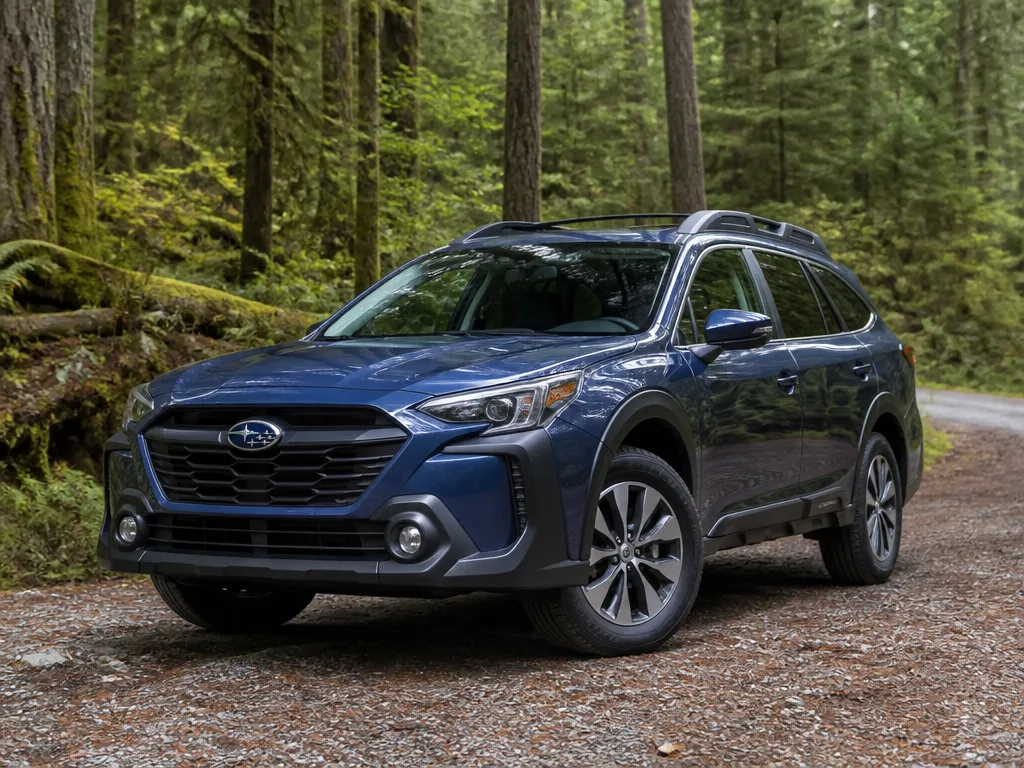
All-wheel drive and high ground clearance matter a lot when you are dealing with rainy Pacific Northwest roads and occasional snow in the Cascades. The Subaru Outback pairs that AWD layout with a practical wagon body, so it works equally well for commuting in wet weather and weekend trips to trailheads. It is on the list because it gives you a useful mix of cargo space, long-distance comfort, and confidence-oriented traction for Washington conditions.
For example, the Outback’s wagon design makes day-to-day hauling easier than a typical sedan, and the roofline helps you keep bulky items contained inside.
In practice, many trims come with Subaru’s symmetrical AWD and driver-assist tech, plus winter-friendly all-season tire options from the factory or after purchase. If you are comparing model years, focus on getting the AWD system and the safety package level you want, since feature availability can vary by trim.
Ground clearance and tire choice matter more than people think, especially on unplowed forest roads where traction is limited. If you plan to drive in deeper winter conditions, prioritize winter-capable tires and confirm the brake and tire sizing on the specific trim you are buying.
Tradeoffs For Washington Driving
The Outback’s biggest tradeoff is that it is a compromise between a station wagon and a crossover-style stance. That means fuel economy and cabin noise can feel less efficient than a lower, more aerodynamic sedan on long highway days, especially when you run larger wheels or stickier tires for winter grip. Parking can also be tight in older neighborhoods because the wagon length and roof height are more noticeable than in a compact hatchback. Still, for many Washington drivers the AWD practicality and cargo usability outweigh those downsides, particularly if you routinely carry gear or you cross multiple road conditions in a single week.
Reader takeaway: If your Washington driving includes wet commuting plus mountain-pass weekends, the Subaru Outback with AWD is a sensible “one car for most conditions” choice, as long as you pair it with tires that match your winter reality.
2. Toyota Rav4 (Awd)
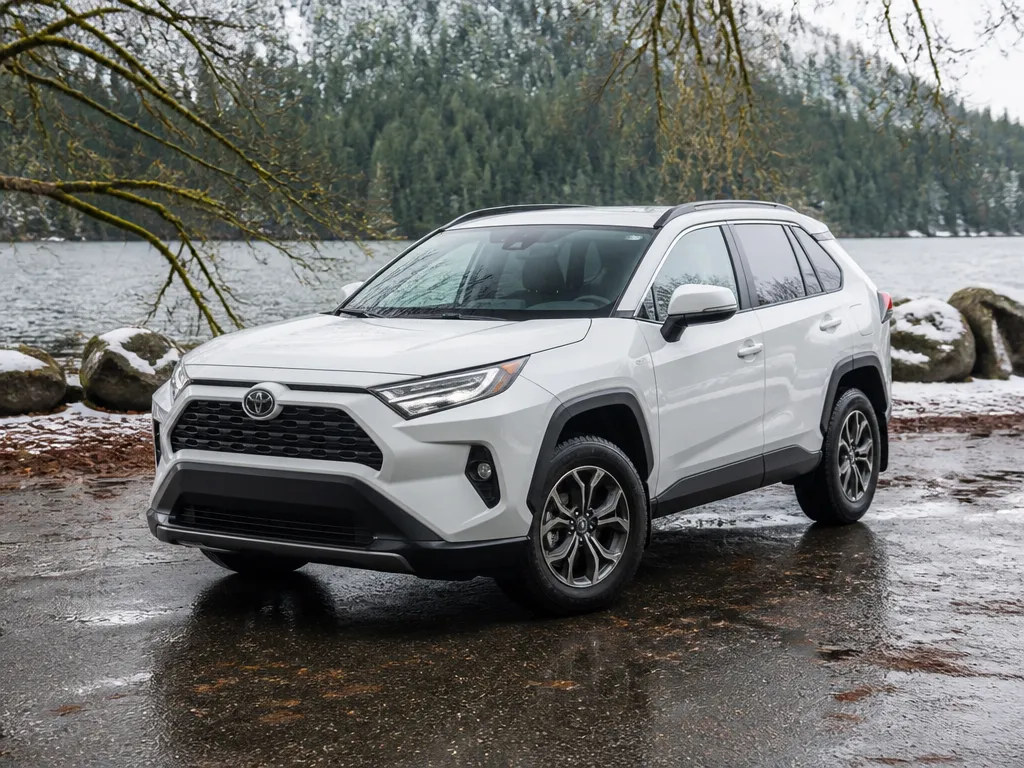
RAV4 AWD is a strong match for Washington State because it pairs an everyday compact size with available all-wheel drive for wet roads, misty mornings, and frequent parking-lot puddles. Its higher ride height helps with curb dips and uneven lots you run into around Seattle, Tacoma, and Spokane. It is also a popular model, which generally makes it easier to source routine maintenance items and tires year-round.
For example, many buyers in the region choose the RAV4 AWD for commute days when you still want confidence on rain-slick highway on-ramps.
In practice, plan your budget around regular service intervals, tire rotation, and seasonal alignment checks since wet-weather driving can wear tires faster. Typical trims include convenience and driver-assist packages, so pay attention to whether you get adaptive cruise control and blind-spot monitoring when you are comparing used listings. If you regularly haul gear for hiking or camping, focus on cargo space behind the rear seats and how the rear seatbacks fold flat.
Tradeoffs For Wa Weather And Road Trips
RAV4 AWD is a practical choice when you want capability without moving up to a full-size SUV. Expect fuel economy to dip compared to a two-wheel-drive setup, especially if you drive in stop-and-go traffic around I-5 corridors or haul cargo. Ground clearance helps on rough parking surfaces, but it does not replace proper winter tires when you are dealing with sustained cold and snow.
In practice, the biggest “make or break” factors are tire condition, brake wear, and whether the AWD system has been maintained on schedule, so a pre-purchase inspection matters if you are shopping used.
3. Honda Cr-v (Awd)
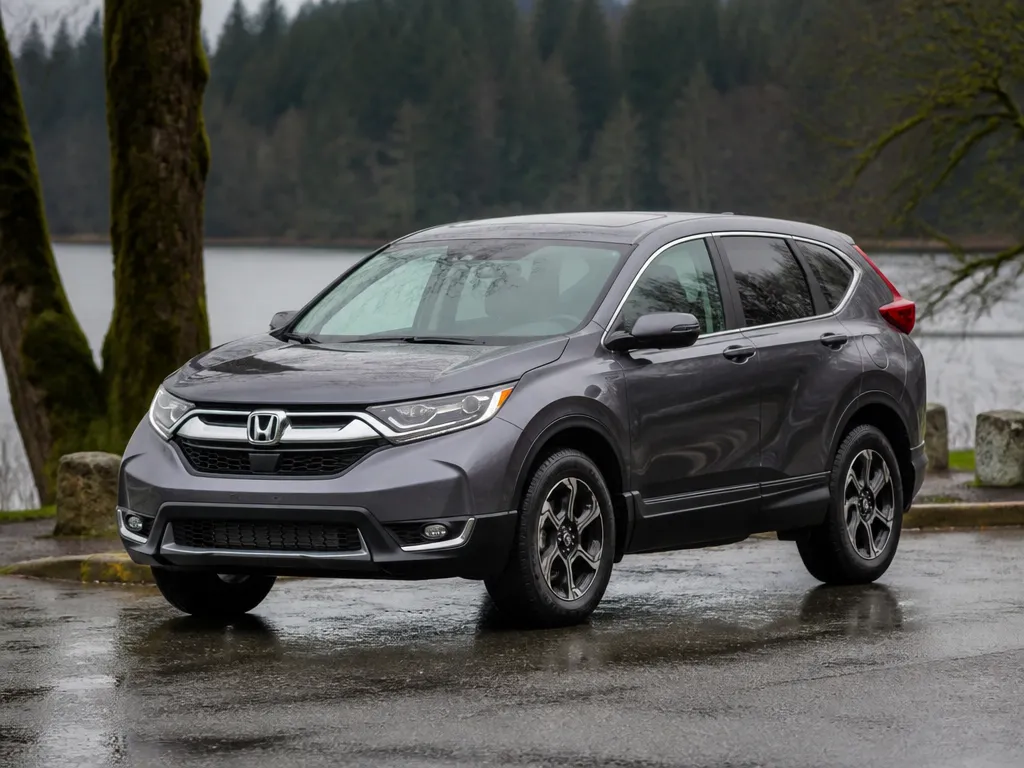
Honda CR-V AWD is a strong pick for Washington State because it pairs real winter traction with a practical cabin and cargo setup that works for rainy commutes, grocery runs, and weekend trailheads. The AWD system helps when roads get slick, and the CR-V’s higher seating position keeps visibility comfortable on wet, busy highways around Seattle, Tacoma, and Spokane.
In practice, this matters in a place where you can get misty pavement in the morning and puddled backroads by afternoon. Typical CR-V AWD trims have a modern suite of driver-assist tech, and you can usually find them in a range of model years depending on your budget, with the most common used-shopping targets being recent generations.
What To Check For Washington Use
For example, Washington weather punishes tires and brakes faster than many drivers expect, so budget for seasonal tire rotation and brake inspections even if the car feels smooth. If you’re shopping used, confirm the AWD service history and look for evidence of regular maintenance like oil changes and coolant checks, since owners in wet climates often rack up frequent short trips. In winter months, prioritize tread depth and proper tire type over chasing optional tech, because traction comes from the rubber you buy, not the badges on the tailgate.
4. Ford Escape (Awd)
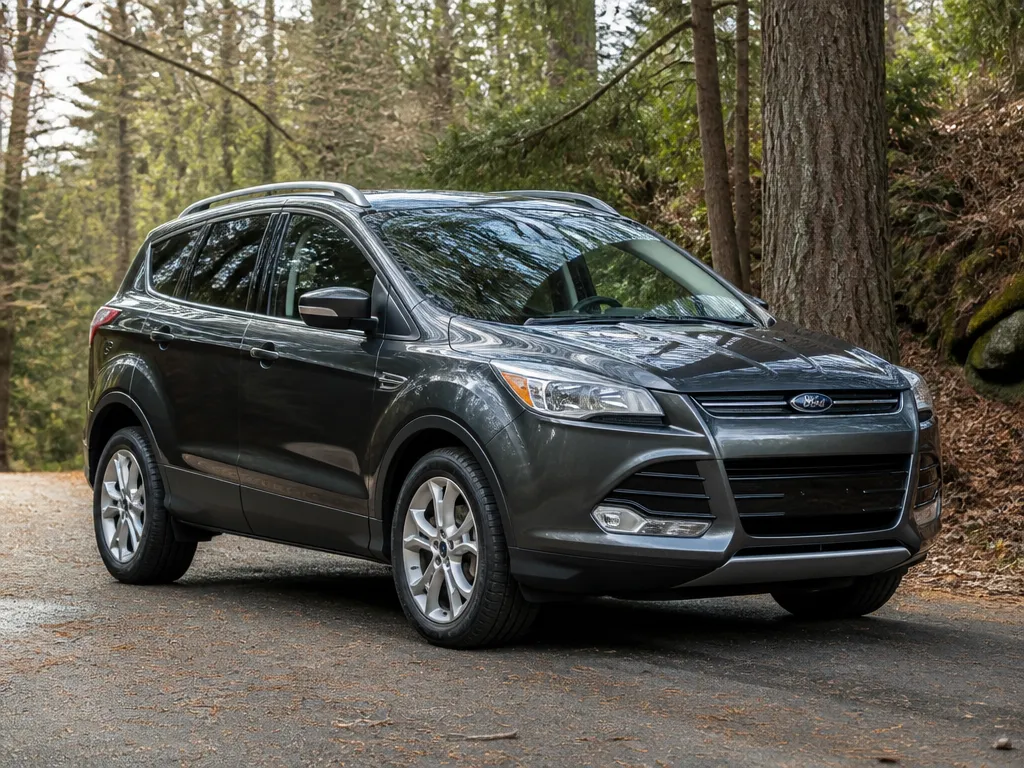
Ford Escape AWD makes sense for Washington because it’s a compact SUV size that still gives you real ground clearance and all-season traction for wet commutes and muddy trailheads.
In practice, it’s easier to park and maintain than larger AWD SUVs, which matters in Seattle-area traffic and tight urban garages. AWD also helps when roads get slick after rain, especially on climbs like you find around I-5 and the eastside.
In wet conditions, the Escape AWD layout keeps power going to the tires that have the most grip, which can reduce wheelspin when you’re starting from a stop on sloped driveways. For cargo, expect the typical compact-SUV practicality: enough room for a stroller and groceries, and fold-down rear seats for camping gear.
In practice, plan on typical compact-SUV fuel economy habits, and shop for the trim level that matches your driving (commuter, school runs, or weekend gravel). A rough used-car value window depends heavily on model year and mileage, since current market prices were not available from the gathered research, so check local listings before locking in.
What To Check Before Buying An Awd Escape In Wet Climates
Wet-area ownership means tires wear faster if you do a lot of short trips, and AWD systems can show wear through driveline noise or vibration. During a test drive, pay attention to how it accelerates from a near stop, then note any clunks when turning at low speed, since that can point to drivetrain mounts or transfer-related wear. Inspect underbody for rust around exhaust hangers and shielding, especially if the car lived in salty regions or coastal air. For safety-critical items like steering play, brake pulsation, or any warning lights, have the car scanned for stored codes and inspected by a shop before you sign paperwork.
5. Volkswagen Tiguan (Awd)
All-wheel drive helps the Tiguan keep traction on wet commutes around Seattle and on snowy, slushy passes in the Cascades, where summer tires can feel outmatched. Its compact crossover size also fits the tight parking and frequent stop-and-go traffic common in Western Washington. Choose it as a top pick when you want one vehicle that can handle rain, occasional snow, and everyday errands without feeling oversized.
Most Tiguan trims are built around a practical family layout with enough cargo room for grocery runs, beach gear, or weekend camping supplies, and the AWD system is tuned for low-speed grip and stable cornering rather than off-road rock crawling.
In practice, plan on checking tire seasonality (all-weather versus dedicated winter tires) because AWD does not replace braking performance or tire traction.
For example, pairing the Tiguan’s AWD with properly rated tires usually makes the biggest real-world difference during Washington’s cold, wet shoulder seasons.
What Matters For Washington Driving?
Washington’s weather swings from heavy rain to cold mornings, then occasional snow, often within the same week. The Tiguan’s AWD helps with getting moving and staying composed on slick roads, but you still need tires that match the season and local road conditions. When shopping, focus on options that make daily driving easier in wet weather, like winter-ready tire setups, quality wipers, and clear visibility aids if equipped. During a pre-purchase inspection, pay extra attention to brakes, tires, suspension wear, and any signs of drivetrain noise, since those can show up faster on salt-treated roads.
6. Toyota Tacoma (4×4) For Wa Towing
Few trucks match the Tacoma’s mix of 4×4 capability and practical truck-bed usability for Washington state, where rain-soaked logging roads and boat ramps are common. The Tacoma’s available towing package and four-wheel-drive traction make it a sensible pick for hauling small trailers, kayaks, and gear without feeling like a full-size truck. It is also relatively easy to live with day to day compared to larger body-on-frame options, especially in wet, traffic-heavy commutes.
For towing, pay attention to the setup rather than the badge, since tow capacity depends on configuration (engine, axle ratio, and the presence of the factory tow package).
In practice, a Tacoma with the proper wiring harness and a class-appropriate hitch will be the difference between a comfortable weekend haul and constant head-scratching at the ramp. Common Washington use cases include towing a small enclosed trailer to the coast, hauling a utility trailer for yard projects, and backing into tight driveways with a trailer brake controller when equipped.
What Matters Most For Tacoma Towing In Washington?
Washington weather punishes setups that are “close enough.” Rain reduces tire grip, long descents magnify brake heat, and slick ramp surfaces can catch an uneven load. Before you tow, verify your Tacoma’s towing specification in the owner’s materials for your specific trim and drivetrain, then match it to the trailer’s loaded weight. Also check that the trailer brakes (if equipped) are working correctly and that the hitch hardware is torqued and secured, since any looseness shows up quickly when you are backing and braking.
7. Hyundai Ioniq 5 (Awd/ev)
Hyundai Ioniq 5 with AWD is a smart fit for Washington State because it pairs year-round all-wheel traction with an EV powertrain that sidesteps fuel price swings along I-5 and I-90. The flat floor and roomy cabin also help when you are dealing with wet commutes, loaded grocery runs, or ski trips up to the Cascades. With DC fast charging support, the car is built for repeat road use rather than just short local drives.
For example, when weather turns slick in places like the Puget Sound region, AWD helps keep you moving smoothly from stoplights and during low-speed merges. The Ioniq 5 also uses a battery that supports faster charging at public DC stations, so long-distance travel is more practical than most older EV designs. Expect a range that varies a lot with rain, cold nights, and highway speed, so plan around charging stops rather than assuming “city range” numbers.
- Best use: commuters who want AWD traction plus road-trip charging capability
- Plan charging for winter: cold weather can reduce usable range
- Use driver assistance and traction control as intended in heavy rain
- Compare cargo needs to its hatch layout for skis, coolers, and outdoor gear
What Matters Most In Washington?
Washington road conditions change fast, from soaked surfaces to cold, dense fog, which means tire grip and consistent power delivery matter more than peak range bragging. AWD is a practical advantage when roads are damp and you need predictable throttle response, especially with passengers or gear in the car. Charging access is the second big piece, since commuting is easy if you can charge at home, while weekend driving depends on the reliability and spacing of DC fast chargers you choose to stop at. The Ioniq 5 is a strong match when your routine includes either home charging or dependable public charging corridors, and when you are comfortable planning a little around winter range.
If you can charge reliably at home or along your usual routes, the Ioniq 5 AWD EV is one of the most well-rounded picks for Washington State, combining traction for wet weather with real-world road-trip charging practicality.
Wa Pre-purchase Inspection Checklist
Washington roads bring salted winters in many areas, heavy rain, and frequent highway commutes, so the fastest way to avoid a bad buy is checking the parts that fail first under wet and corrosive conditions. A solid pre-purchase inspection also catches “deal-killer” safety issues like brake problems, bad tires, and suspension wear before you ever sign paperwork. This checklist belongs in the list because it helps you validate whether a candidate car is truly ready for Washington driving, not just clean in the driveway.
In practice, plan for 45 to 90 minutes, depending on how many systems you can access, and bring a tire gauge plus a flashlight. Focus your inspection on wear items that track well with local use: brakes, tires, rust-prone underbody areas, and cooling system health (radiator condition, coolant level, and any signs of seepage).
For example, a quick look under the car should find no wet streaks around the oil pan, power steering lines, and transmission cooler lines. If the seller claims recent work, confirm by looking for matching dates on receipts and any new hardware marks.
Obd-ii Scan And Test Drive Basics For Wet-road Reliability
Before you drive, scan the car’s OBD-II port and record any stored or pending codes. Codes can point to issues like misfires, sensor faults, and emissions system problems that may worsen in cold, damp starts, and they are a bargaining tool if the seller will not address them. During the test drive, listen for steering pull, clunks over bumps, and brake pulsation at low to mid speeds, since worn suspension bushings and warped rotors show up quickly on rough pavement. Pay attention to how the transmission behaves during gentle throttle changes, especially in stop-and-go conditions, because hesitation can indicate deeper drivetrain concerns.
Quick Summary
Cars that fit Washington State are mainly judged by how they handle Seattle-area rain, occasional snow and ice east of the Cascades, and the rust risk tied to salt routes. The article says best picks usually have AWD or strong traction control, enough ground clearance for wet roads, and good heater and defrost performance, with rust-protected underbodies and verifiable maintenance history. It also emphasizes matching tires to season, confirming tread depth and even the tire DOT date before purchase, since tire condition drives real winter outcomes.
For examples, it highlights the Subaru Outback AWD, calling out its high ground clearance and practical wagon cargo use for commuting and trailhead trips, while noting tradeoffs like less efficiency and more cabin noise than a lower sedan on long highway days. It also points to the Toyota RAV4 AWD as an easy-to-maintain compact choice, with higher ride height helping around uneven parking lots. The rest of the buying actions are inspection and paperwork, including checking for uneven rotor wear and sticking calipers, verifying service history, and inspecting frames, pinch welds, and underbody coating, since the most important takeaway is to prioritize AWD plus tire and rust inspection over brand badges.
| Washington condition | What to prioritize |
|---|---|
| Seattle rain and wet commuting | Strong tires and defrosting, plus AWD when you cross the Cascades |
| Eastern WA snow days | AWD with proper winter tires |
| Salt and rust exposure | Clean underbody inspection, service records, and rust-protection history |
Frequently Asked Questions
What Are The Best Cars For Washington State Winters?
For winter driving in Washington, you want a car that can run confidently in wet and slushy conditions, so prioritize all-wheel drive and good all-season or snow-rated tires. If you park outdoors, also look for heated seats or a remote start option to reduce morning hassle.
Are Hybrids Or Electric Cars A Good Choice For Washington State Year-round?
They can be a good choice if you have reliable charging, because cold weather can reduce range in EVs. If you do not have home charging, prioritize a model with usable public charging in your area and plan around winter driving range.
What’s The Best Car For Washington State Road Trips And Long Highway Drives?
For road trips, you usually do best with a car that has low wind noise, comfortable seats, and predictable fuel economy on the highway. Look for models with adaptive cruise control and a well-supported navigation system, especially for mountain routes.
How Important Is All-wheel Drive In Washington State?
All-wheel drive helps in rain, snow, and icy patches, especially if you drive over mountain passes or commute during early mornings. That said, tires matter as much as drivetrain, so do not skip the right tire for the season.
What Are The Most Common Mistakes People Make When Choosing The Best Cars For Washington State?
The biggest mistake is focusing on the car only and ignoring tires and weather habits. Another common one is buying a model with great winter options but then running wrong tire types, skipping scheduled maintenance, or failing to plan for defrosting and visibility.
Which Car Type Is Best For Washington State If You Deal With Parking Garages And City Driving?
If you park in garages or drive tight city streets, a compact crossover or small SUV is often easier for maneuvering, especially if you want good visibility and ground clearance. Try to choose one with parking sensors or a camera system because clearance and blind spots can vary a lot between trims.