


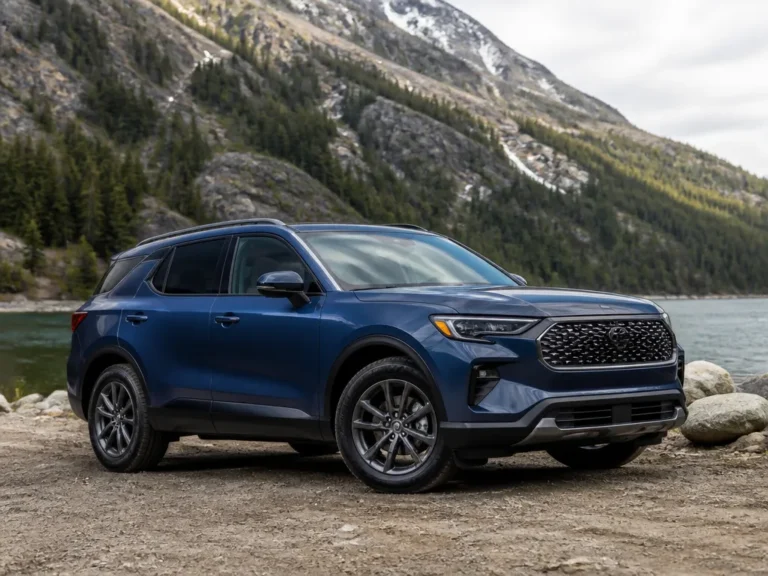
You might assume that buying an SUV automatically guarantees better traction in the snow, but that is a common misconception. Many people walk onto a dealership lot expecting all-wheel drive and find out their chosen model is actually front-wheel drive. Understanding your drivetrain is the only way to avoid a costly mistake when shopping for your next vehicle.
No, not all SUVs have all-wheel drive. While many models offer it, a significant portion of the SUV market uses front-wheel drive (FWD) to lower the initial purchase price and improve fuel economy. You can identify the drivetrain by checking for an AWD badge, looking under the chassis for a rear differential, or using a VIN decoder.
Do All Suvs Have All Wheel Drive?
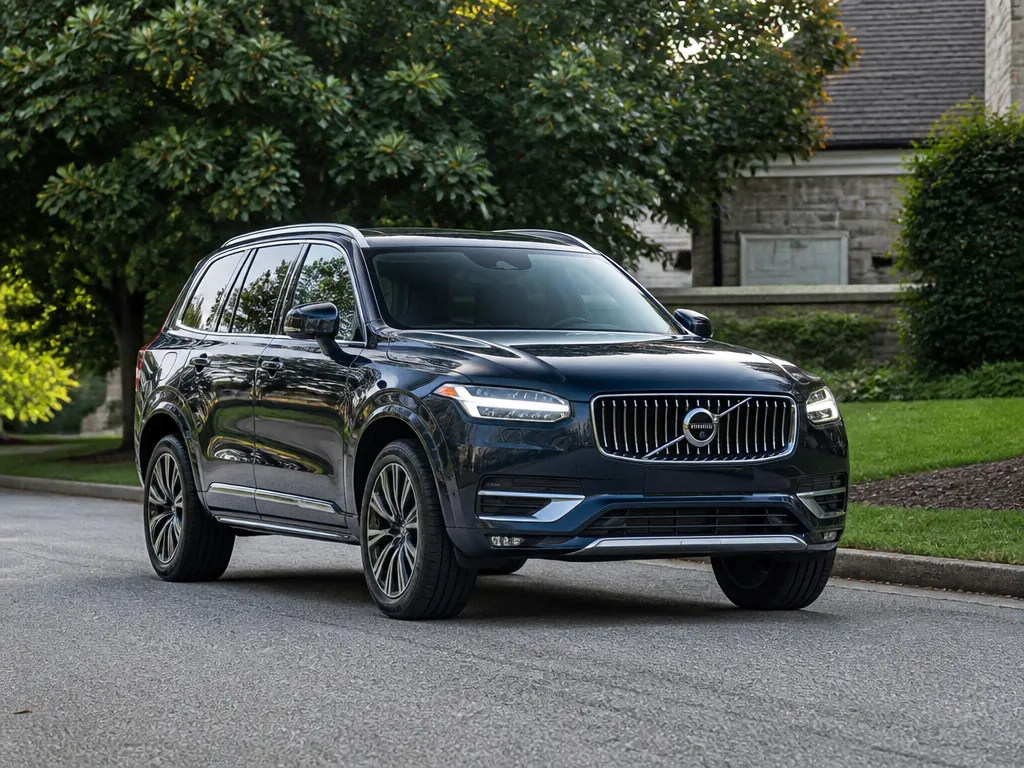
No, not all SUVs come with all-wheel drive. The SUV body style refers to the vehicle’s design and utility features, while the drivetrain system determines how power is delivered to the wheels. Many manufacturers offer front-wheel drive as the standard option for their SUV models to improve fuel economy and reduce costs.
Body Style Vs. Drivetrain
The term SUV describes a vehicle’s design characteristics such as higher ground clearance, more cargo space, and often a taller profile. This body style can be paired with various drivetrain configurations including front-wheel drive, rear-wheel drive, all-wheel drive, or four-wheel drive. The distinction between these systems affects traction, handling, and off-road capability rather than the fundamental classification of whether a vehicle qualifies as an SUV.
For example, the Toyota RAV4 and Honda CR-V are compact SUVs that commonly offer front-wheel drive as their base configuration. These vehicles retain the SUV design elements while prioritizing fuel efficiency and affordability through simpler drivetrain systems.
Why Fwd Is Standard For Many Suvs
Manufacturers offer front-wheel drive as standard for many SUVs primarily for cost efficiency and improved fuel economy. FWD systems have fewer components than AWD systems, reducing both manufacturing costs and maintenance requirements. Additionally, FWD layouts typically deliver better fuel economy since they have less drivetrain power loss compared to AWD systems.
| Drivetrain Type | Common SUV Applications | Key Advantages |
|---|---|---|
| Front-Wheel Drive (FWD) | Toyota RAV4, Honda CR-V, Ford Escape | Better fuel economy, lower cost, simpler maintenance |
| All-Wheel Drive (AWD) | Subaru Forester, Jeep Cherokee, Audi Q5 | Enhanced traction, better in winter conditions, improved stability |
| Rear-Wheel Drive (RWD) | BMW X3, Mercedes-Benz GLC, Cadillac XT5 | Balanced handling, better performance, towing capacity |
Consumers often choose FWD SUVs for daily commuting and highway driving where the advantages of AWD aren’t necessary. However, those living in regions with harsh winter conditions or who desire more off-road capability typically opt for AWD or 4WD variants when available for their chosen SUV model.
When shopping for an SUV, always check the specific drivetrain configuration rather than assuming it has AWD based solely on its body style. Many manufacturers make AWD an optional upgrade that comes with a price premium of $1,500 to $3,000 depending on the model.
Drivetrain Differences: Fwd, Rwd, Awd, And 4wd
Front-wheel drive (FWD) systems send power from the engine to the front wheels only, providing better fuel efficiency and lower manufacturing costs. Rear-wheel drive (RWD) delivers power to the rear wheels, offering balanced handling but reduced traction in slippery conditions.
All-wheel drive (AWD) systems distribute power between all four wheels automatically, enhancing traction in various conditions without driver input. Four-wheel drive (4WD) typically includes a low-range gear option for off-road capability and requires driver engagement to activate the additional traction features.
How Power Is Delivered
FWD configurations use a transaxle design that combines the transmission and differential into one unit, mounted at the front of the vehicle. This layout reduces weight and mechanical complexity, making it the most common drivetrain in compact and midsize SUVs.
RWD systems place the transmission at the front with a driveshaft sending power to a rear differential. This setup provides better weight distribution and handling characteristics, which is why many performance-oriented SUVs use RWD or RWD-based AWD systems.
AWD systems typically use either a center differential or an electronically controlled coupling to distribute power between front and rear axles. Some systems can also distribute power between left and right wheels to improve cornering stability.
Functional Trade-offs For Daily Driving
Each drivetrain configuration offers distinct advantages depending on driving conditions. The table below compares the key characteristics of different drivetrain systems for typical SUV usage scenarios.
| Drivetrain Type | Fuel Efficiency | Winter Performance | Off-Road Capability | Handling |
|---|---|---|---|---|
| FWD | Best | Moderate | Limited | Understeer-prone |
| RWD | Good | Poor without assistance | Limited | Balanced |
| AWD | Fair | Excellent | Moderate | Stable |
| 4WD | Poor | Excellent | Best | Varies |
For most urban and suburban driving, FWD provides adequate performance with better fuel economy. AWD systems shine in regions with harsh weather conditions or uneven terrain, while 4WD is ideal for serious off-road adventures but adds complexity and reduces fuel efficiency.
Modern electronic traction and stability control systems have significantly improved the capability of FWD and RWD vehicles, making the drivetrain choice less critical for everyday safety than it once was. However, for those living in areas with frequent snow, ice, or unpaved roads, the extra cost of AWD often provides worthwhile peace of mind.
Why Choose Front-wheel Drive For Your Suv?
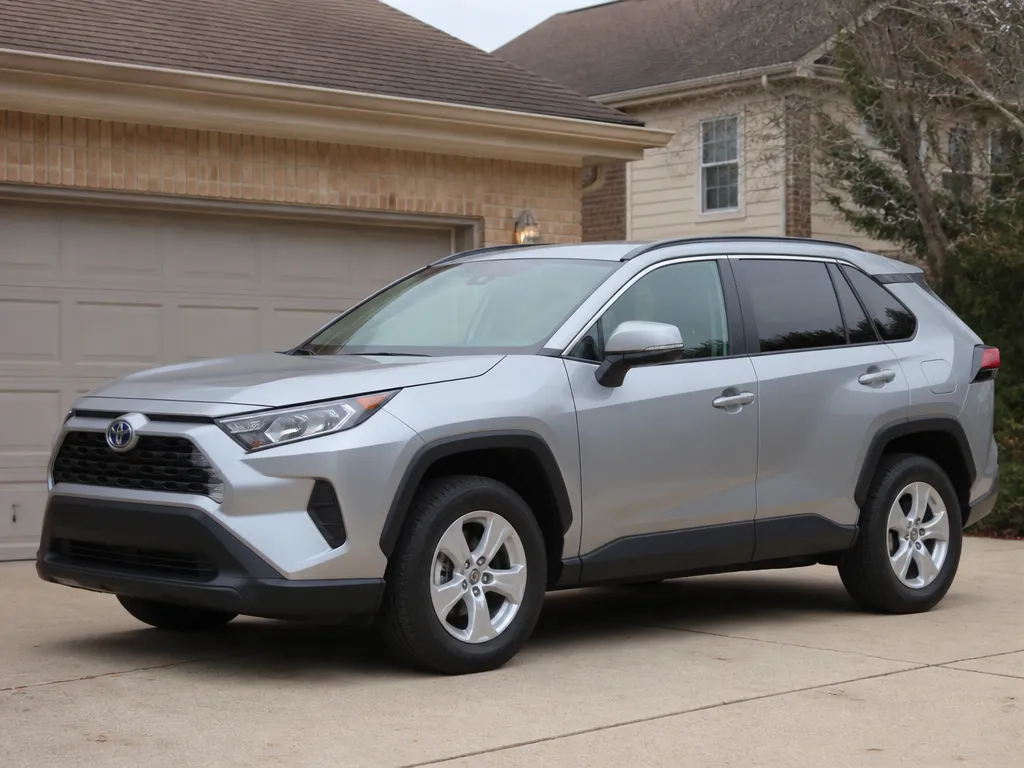
Front-wheel drive configurations reduce the total purchase price of an SUV by eliminating the complex transfer case, extra driveshafts, and rear differential components. These vehicles provide superior fuel efficiency for drivers who operate primarily on paved, dry roads where the extra traction of all-wheel drive remains unnecessary.
Economic And Performance Benefits
Ownership costs drop significantly with a front-wheel drive setup because the drivetrain is less complex. You avoid the long-term maintenance requirements associated with all-wheel drive, such as specialized fluid changes for the rear differential and transfer case, as well as the potential for uneven tire wear that often plagues more sophisticated systems.
Weight reduction is another major factor that improves real-world efficiency. Because the vehicle lacks the heavy mechanical components required to drive the rear wheels, the engine works less to reach cruising speeds. You save money at the pump every time you fill up, and the vehicle often feels more nimble during daily city driving.
Mechanic’s Note: If you live in a region that rarely sees snow or ice, paying for an all-wheel drive system is essentially paying for dead weight that hurts your fuel economy and increases your repair bills over the life of the vehicle.
| Feature | Front-wheel Drive (FWD) | All-wheel Drive (AWD) |
|---|---|---|
| Initial Purchase Price | Lower | Higher |
| Maintenance Complexity | Low | High |
| Fuel Efficiency | Higher | Lower |
| Weight | Lighter | Heavier |
| Best Use Case | Dry, paved roads | Rain, snow, dirt |
Choosing front-wheel drive is a smart move for budget-conscious families who prioritize low overhead and consistent fuel savings. Modern traction control systems have become incredibly effective at managing wheel slip on wet pavement, making the leap to all-wheel drive unnecessary for the majority of suburban commuters.
When Should You Prioritize All-wheel Drive?
All-wheel drive is a tool for managing traction on surfaces with low friction, such as packed snow, ice, or loose gravel. Choosing this system is beneficial if you regularly encounter steep inclines, unplowed roads, or heavy rain that creates hydroplaning risks.
Evaluating Your Driving Environment
Terrain and local climate dictate whether the added weight and cost of an extra drivetrain are worth the investment. Front-wheel drive systems are generally sufficient for standard commuting in moderate climates where roads receive prompt maintenance and plowing.
The Hierarchy Of Traction
Tires are the most critical component for safety, regardless of the drivetrain installed on the vehicle. A front-wheel drive SUV equipped with high-quality winter tires will consistently outperform an all-wheel drive SUV using standard all-season tires when it comes to stopping distance and lateral grip.
Mechanic’s Tip: Never assume AWD makes your vehicle invincible on ice. While the system helps you accelerate, it does absolutely nothing to help you stop or steer better once you hit the brakes.
How To Verify Your Vehicle’s Drivetrain

Confirming a vehicle’s drivetrain requires checking for the presence of a transfer case or a rear differential assembly. Vehicles equipped with all-wheel drive or four-wheel drive must have these mechanical components to route power to the rear wheels.
Physical Inspection Of The Undercarriage
Visual identification is the most reliable way to determine if a vehicle possesses a driven rear axle. Park the vehicle on a level surface, engage the parking brake, and safely slide underneath the rear of the car to look for specific hardware.
Mechanic Tip: If you are looking under the vehicle, do not confuse the exhaust system piping for a driveshaft. A driveshaft is always a solid, rotating shaft, whereas exhaust pipes are hollow, often thinner, and lead directly to the muffler and tailpipe.
Utilizing Vin Decoders
The Vehicle Identification Number, or VIN, contains the factory-coded specifications of the car. Every manufacturer encodes the trim, engine, and drivetrain configuration into these seventeen characters.
For instance, a base model crossover might list “FWD” while the up-level trim shows “AWD” or “4WD” for the exact same VIN sequence format. Relying on the VIN is safer than trusting window stickers or dealership descriptions, which sometimes contain clerical errors regarding drivetrain equipment.
Crossover Vs. Suv: Does It Matter?
Marketing departments often use the term SUV to describe any vehicle with a tall roofline, regardless of its underlying chassis construction. A true SUV relies on a body-on-frame design, where the body is a separate piece bolted to a heavy steel ladder frame. Crossovers utilize unibody construction, meaning the chassis and body are manufactured as a single integrated structure.
Chassis Differences And Drivetrain Impact
Unibody platforms are optimized for efficiency, ride comfort, and weight reduction. Because they share architecture with passenger cars, most crossovers come standard with front-wheel drive (FWD) layouts. Adding an all-wheel drive (AWD) system to a unibody platform is a common option, but it is rarely the default configuration.
Body-on-frame vehicles prioritize towing capacity and off-road durability. These traditional SUVs frequently feature rear-wheel drive (RWD) or part-time four-wheel drive (4WD) systems. The distinction is critical because 4WD systems use a mechanical transfer case to lock axles together, which differs significantly from the slip-and-grip sensors found in most modern AWD crossover systems.
Navigating Marketing Labels
Automakers frequently apply the SUV label to crossovers to capitalize on the rugged image associated with larger, truck-based vehicles. Buyers who assume that every vehicle marketed as an SUV includes four-wheel drive often end up with a FWD crossover that lacks the hardware for serious trail work.
Mechanic’s Tip: Never rely on external badging or marketing brochures to determine if your vehicle is AWD or 4WD. Always check the physical hardware under the chassis or consult the original window sticker to confirm the drivetrain setup before heading off-road.
Quick Summary
Many buyers mistakenly assume that an SUV body style guarantees all-wheel drive, but many models actually use front-wheel drive to keep costs low. Manufacturers often use front-wheel drive as the base configuration for popular compact models like the Toyota RAV4 and Honda CR-V. This setup helps improve fuel economy and reduces manufacturing complexity because it uses a transaxle design. You can identify a vehicle’s drivetrain by looking for AWD badges, checking for a rear differential under the chassis, or using a VIN decoder to confirm the exact specs.
Drivetrain options change how power reaches the road, with rear-wheel drive offering balanced handling for models like the BMW X3. All-wheel drive provides better traction in snow, while four-wheel drive usually includes a low-range gear for off-road use. Upgrading to an all-wheel drive system typically costs between $1,500 and $3,000 more than the base model. You must verify the specific drivetrain of any vehicle before buying because the SUV classification only refers to the design and utility rather than the mechanical power delivery.
| Drivetrain Type | Primary Benefit |
|---|---|
| Front-Wheel Drive | Lower cost and better MPG |
| All-Wheel Drive | Improved traction and stability |
| Rear-Wheel Drive | Balanced handling and towing |
| Four-Wheel Drive | Enhanced off-road capability |
Frequently Asked Questions
Do All Suvs Come With All Wheel Drive?
No, many SUVs come with front wheel drive (FWD) as the standard configuration to reduce costs and improve gas mileage. You will find FWD on most compact crossovers and entry level trims of larger SUVs.
What Is The Difference Between Awd And 4wd In An Suv?
AWD is usually automatic and always active, while 4WD typically requires you to manually engage a switch or lever. 4WD is built for heavy off-roading and deep mud, whereas AWD is designed for rain and light snow on paved roads.
Is Awd Actually Better For Snow Than Front Wheel Drive?
AWD helps you get moving from a stop on slippery surfaces, but it does not help you stop or steer better. For braking on ice, a set of dedicated winter tires is more effective than any drive system.
Does Choosing Awd Increase The Price Of An Suv?
Yes, adding AWD usually adds between $1,500 and $3,000 to the sticker price. You can also expect a drop in fuel economy, often between 1 and 3 mpg, because of the extra weight and mechanical drag.
Can I Convert My Front Wheel Drive Suv To All Wheel Drive?
In almost every case, the answer is no. Converting a FWD vehicle to AWD would require a different transmission, a driveshaft, and a rear differential, which would cost thousands of dollars and be mechanically impractical.