


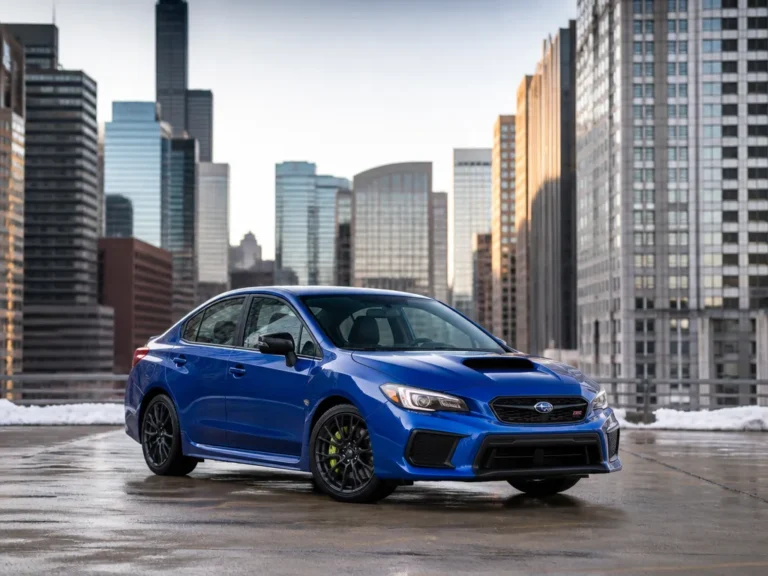
Picking the best car for Chicago gets real fast when your commute includes salt spray, potholes, and weeks where cold starts and icy sidewalks matter. If you are searching “best cars for chicago” because you want one shortlist that handles winter traction and still fits street parking, you need more than generic rankings. This list covers what to buy, what trims to hunt, and what to watch for before you spend.
Chicago-friendly picks prioritize AWD or strong traction control, quick cabin heat and defrost, and enough ground clearance for slush and rough roads. You’ll also get category options (compact commuter, family, parking-friendly, value used, and one eco choice with winter caveats), plus rough price bands and winter tire guidance.
Best cars for chicago are the ones that handle winter grip and keep you comfortable: look for AWD, good heated-seat and heated-steering options, strong windshield defrost, and enough clearance for slush. If you park downtown, choose a compact with visibility and simple maneuvering, and budget for winter tires from October to April.
1. Toyota Rav4 (Awd)
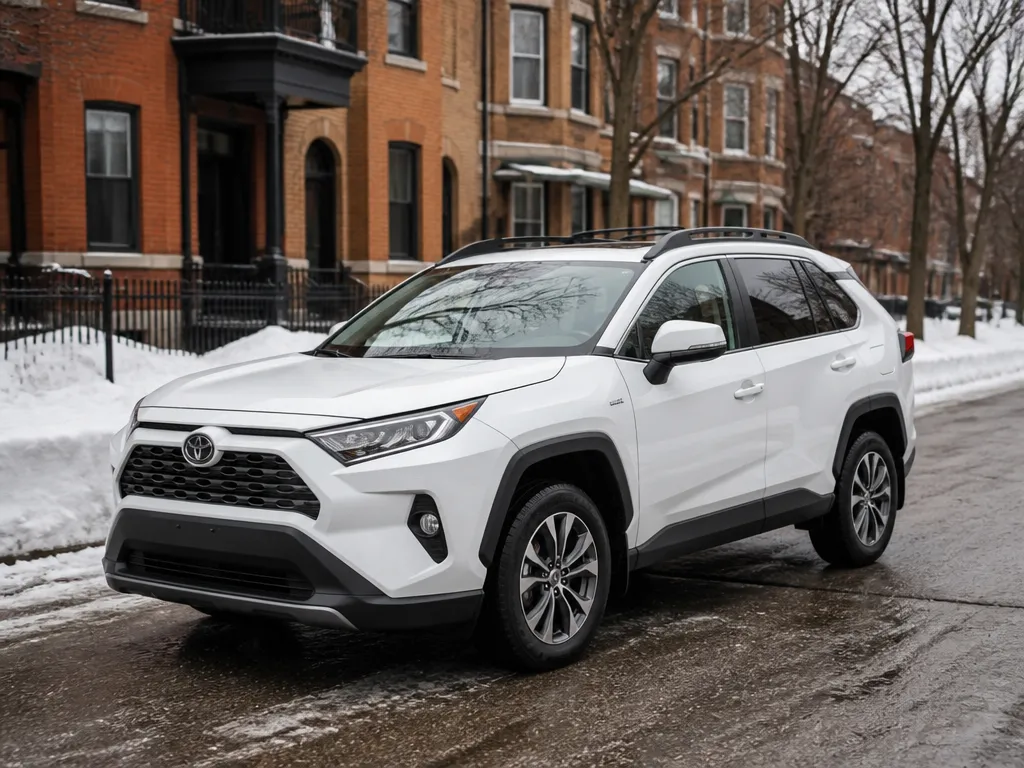
RAV4 AWD is a smart fit for Chicago driving because it gives you extra traction for winter slush and keeps your commute manageable when roads get salted and patchy. Its compact size also makes it easier to park in tight neighborhoods and handle steady stop-and-go traffic around downtown and the lakefront.
For practical ownership in the Chicago area, look for a trim that pairs AWD with sensible ground clearance and good visibility.
In practice, an AWD RAV4 works well for daily commuting, weekend errands, and typical snow-season driving where you still want to drive confidently without switching to a dedicated winter-only vehicle.
Pay attention to a few key spec points when comparing years and trims: AWD system type, tire size and tread profile (all-season vs. dedicated winter tires), brake package (including brake feel and rotor size on higher trims), and whether the infotainment supports current smartphone connectivity via Apple CarPlay or Android Auto.
In practice, many buyers pair the same vehicle with season-ready tires rather than relying on “all-weather” tires alone.
Tradeoffs For Chicago Winters
AWD helps traction, but it does not replace good tires and safe speed choices when snow gets deep or ice forms in shaded areas. Ground clearance can be enough for typical Chicago snowfalls, yet potholes and snowbanks are real, so you still need to watch wheel and underbody clearance on rough streets and construction zones. If you’re buying used, check for evidence of corrosion from road salt, verify tire wear is even, and make sure the AWD is functioning smoothly during test drives.
A good way to decide is to test drive the RAV4 in different conditions if you can, and plan on winter tires when the forecast calls for sustained cold and snow.
2. Honda Cr-v (Awd)
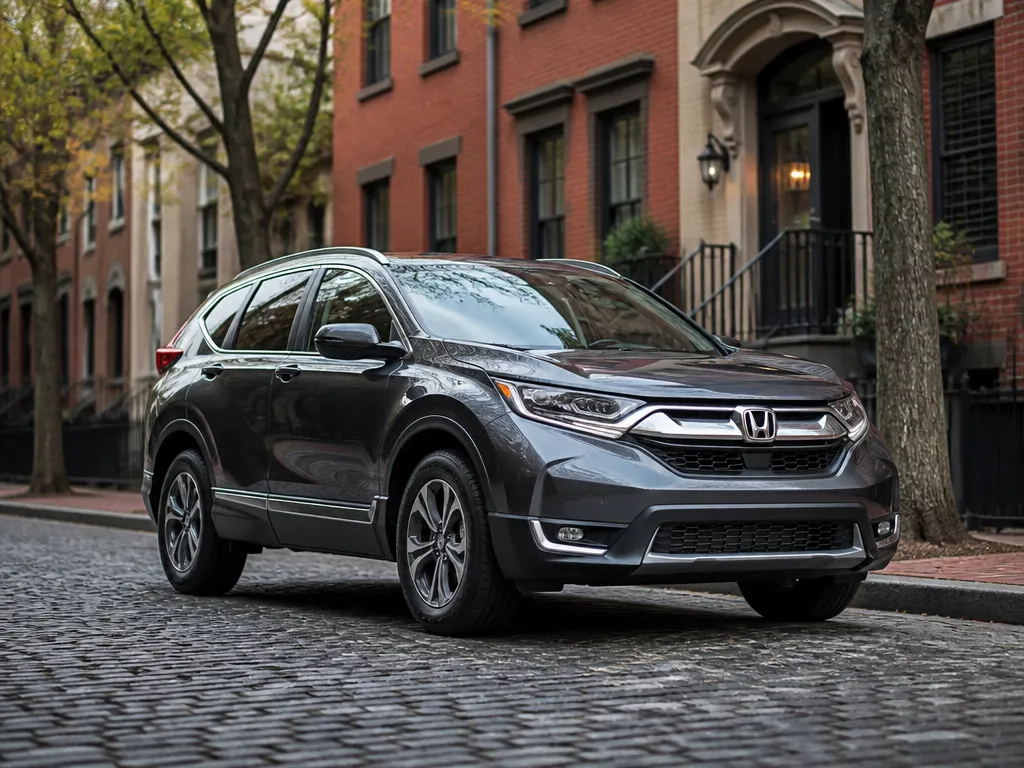
Honda CR-V AWD earns a spot for Chicago because it brings year-round traction confidence in snow and slush, plus enough ground clearance and cargo space for winters, grocery runs, and weekend gear. The CR-V’s wide availability in the Chicago area also helps you shop trim levels and service history without hunting for rare parts.
In practice, the AWD system is a big deal when lake-effect storms stack icy patches onto streets, garages, and parking lots. Look for trims with heated front seats, available heated steering wheel, and a strong winter-capable tire choice (Michelin, Bridgestone, and Continental all have models that fit CR-V specs). A typical Chicago-friendly setup is all-season tires in milder months and swapping to a dedicated snow tire when temps consistently drop and roads get slick.
What To Check Before You Buy In Chicago
Before you sign, confirm the vehicle’s maintenance records, especially oil changes on schedule and any service tied to the AWD drivetrain. For winter comfort, verify that the car has the cold-weather options you care about, since some features are trim-dependent and can change resale value. Inspect tires for age and even wear, because worn tires can feel “wrong” even with AWD. If you’re buying used, pay attention to brake feel and rotor condition, since salt exposure is real around Chicago and can lead to corrosion that shows up sooner than in warmer climates.
3. Subaru Outback (Awd)
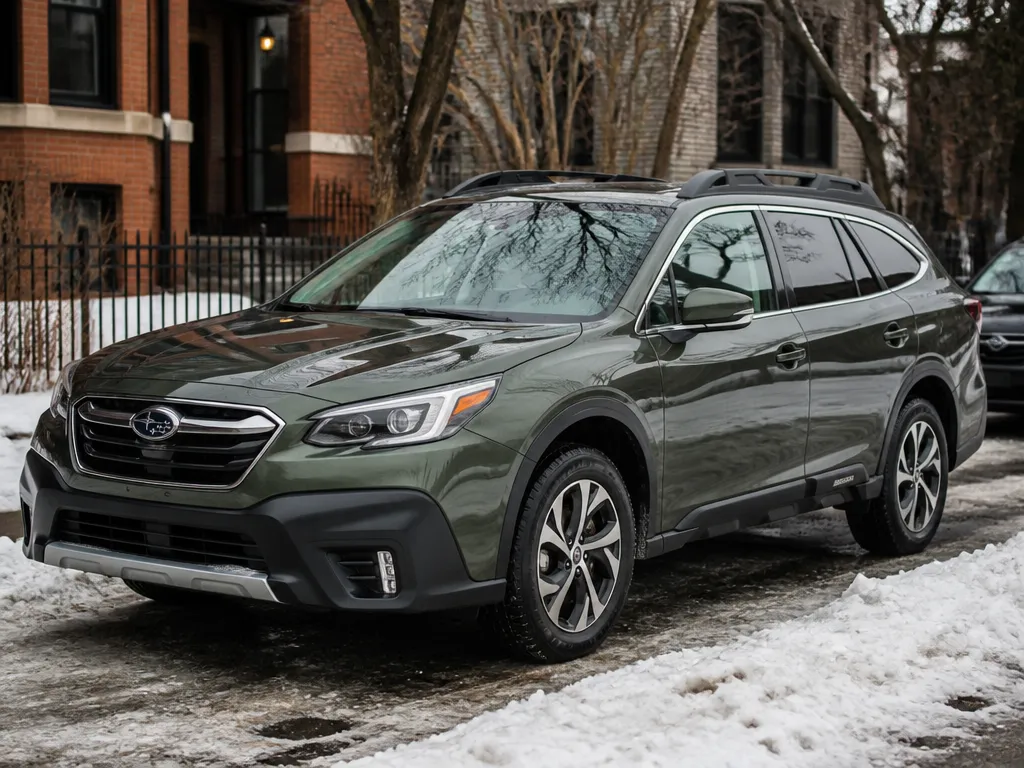
Subaru’s Symmetrical AWD and ample ground clearance make the Outback a practical pick for Chicago winters, when slush and potholes beat up many two-wheel-drive wagons. The Outback’s long roofline also helps you fit winter gear, groceries, and sports equipment without feeling cramped. If you commute through snow-churned neighborhoods, it’s one of the easiest vehicles to live with year-round.
In the Outback, look for the common configuration range that includes a sedan-like cabin with wagon cargo space, plus roof rails for skis or winter racks. For Chicago use, prioritize models equipped with heated front seats and available heated mirrors, since scraping ice is a routine chore in colder months.
In practice, you’ll also appreciate the higher seating position when street parking and ride-share drop-offs are crowded.
What To Check Before You Buy In Chicago
Chicago weather can be hard on rubber, lights, and underbody components, so inspect the Outback’s tires (age and tread depth), wheel wells, and any signs of underbody corrosion, especially on models that have spent time in salty conditions. Verify the AWD system has been maintained to the seller’s records, and confirm the brake and suspension wear looks even, since worn parts can make winter traction feel worse. If you can, plan a pre-purchase inspection focused on suspension play and steering feel, because cold-weather clunks and vibration are easier to spot during a short test drive.
4. Volkswagen Tiguan (Awd)
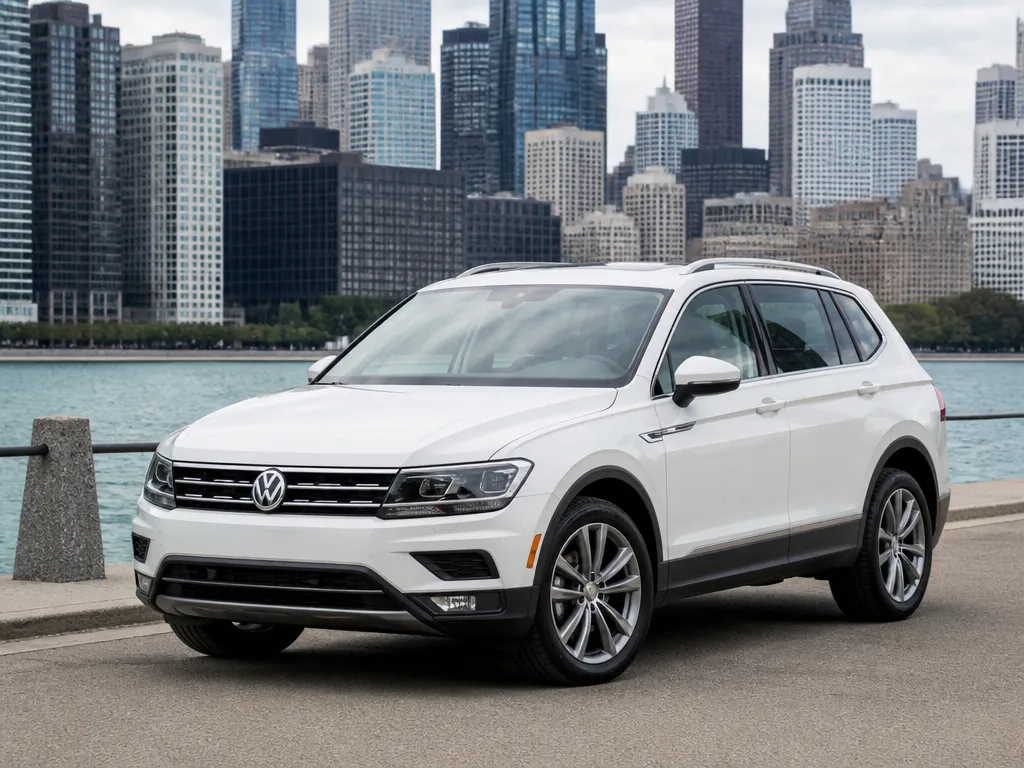
Volkswagen Tiguan AWD earns a spot on a Chicago-friendly list because it mixes compact-road manners with real usable space for winter commutes, suburban runs, and family hauling. The AWD layout helps reduce the drama of Lake-effect snow and slushy parking lots when traction gets inconsistent. Its length and turning radius also make it easier to thread through tight city streets and crowded lots than most larger crossovers.
In practice, the Tiguan’s road-trip comfort matters when you are commuting across town and then escaping for errands in the suburbs without changing vehicles. Look for AWD trims with the larger wheels you prefer for ride comfort, since tire choice and sidewall height make a noticeable difference on Chicago potholes. For winter, plan on having seasonal tires sized correctly for your specific wheel package, since tire fit is what you can control. If you are shopping used, inspect the AWD system’s service history (especially fluid changes where applicable) and confirm there are no warning lights during a cold start.
Winter And Chicago-road Practicality
Chicago winters punish tires and brakes first, long before most buyers notice a drivetrain difference. On the Tiguan, the biggest “make or break” factor is the condition and season rating of your tires, since AWD cannot fix worn tread or the wrong compound. Expect the cabin to feel more composed in light snow and slush, but you still want good snow tires for consistent stops and predictable steering when the roads go glassy. If you drive through heavy snow, keep your expectations realistic: AWD helps you move, while tires and brake condition help you stop safely.
5. Mazda Cx-5 (Awd)
All-wheel drive matters in Chicago because winter road salt, slushy mornings, and sudden freeze-thaw changes can turn a clean commute into patchy traction. The Mazda CX-5 AWD is also a practical size for tight city parking, and it keeps a usable road-trip footprint when you are escaping downtown traffic. It is a common pick for families and commuters who want one vehicle that handles both snow-leaning streets and everyday errands.
Expect a compact crossover layout with enough cargo room for groceries and winter gear, and good visibility for lane changes on Chicago’s busier arterials.
In practice, an AWD CX-5 works well for park-and-ride days where you may start on dry pavement and end up on salted, uneven lots.
For example, keep an eye on tire choice, since snow performance depends more on tire tread and rubber compound than AWD alone.
What To Watch For In Chicago Use
Chicago winters punish drivetrains in two ways: repeated cold starts and corrosion from road salt. Focus your pre-purchase inspection on rusted brake hardware, uneven tire wear (which can hint at alignment or suspension wear), and any clunks during low-speed turns. Pay attention to how the AWD engages, since any driveline vibration or binding can point to worn mounts, bearings, or coupling-related issues. Budget for tires sooner rather than later if you plan to drive year-round, and plan for battery health checks because cold weather makes weak batteries fail faster.
Bottom line: an AWD Mazda CX-5 fits Chicago life well, but your ownership experience depends heavily on tire condition, rust prevention, and a clean maintenance record.
6. Toyota Corolla Cross (Awd)
Corolla Cross AWD is a strong Chicago pick because it pairs a compact crossover footprint with available traction for snow and slush, which matter when lake-effect weather hits. Its higher seating position and easy parking size are also practical for dense neighborhoods and tight street spots. It also stays close to the Corolla nameplate, which tends to make parts and service easy to find in the Chicago market.
In practice, look for the AWD grades that pair with Toyota’s current driver-assist suite (lane support and adaptive cruise depending on trim). Expect a small-crossover cargo area that works for groceries and winter gear, while still fitting easily in smaller parking spaces than bigger SUVs.
For example, if you commute from the suburbs and do weekend errands in the city, AWD plus a raised stance helps you manage poor traction without stepping up to a full-size SUV.
One tradeoff is that AWD typically costs more than FWD and can reduce fuel economy compared with non-AWD trims. If you park on the street, pay attention to tire choice because all-season tires are the make-or-break item for Chicago winters. A practical shopping checklist includes tire condition, AWD operation, and maintenance history.
What To Watch For In Chicago Weather
Chicago winters punish tires, brakes, and ground clearance more than most people expect, so Corolla Cross AWD makes sense only if you plan around consumables. Spend time comparing tire options and tread patterns before you commit, since winter traction comes down to tire grip more than the vehicle badge. In wet winters, good brake performance and clean brake hardware matter for consistent stopping, especially after salt exposure. Keep an eye on corrosion-related maintenance schedules and wash frequency if you drive through salted roads regularly.
7. Ford Escape (Awd, 1.5t/2.0t Family As Equipped)
Ford Escape AWD is a smart Chicago pick because it balances real-space practicality with winter-capable traction for Lake Effect snow and frequent stop-and-go on mixed city and expressways. The 1.5L turbo and 2.0L turbo engines pair with automatic transmissions and are sized well for commuting while still handling errands, school runs, and weekend trips without feeling cramped.
In practice, look for configurations that match your family routine: AWD for confidence on slick streets, plus the right roofline and seat layout for stroller or gear.
For example, the Escape’s rear seat folds to expand cargo when you need to move groceries, sports bags, or holiday supplies, and the AWD system helps when you hit slushy intersections or resurfaced pavement with reduced grip.
What To Check Before Buying One In Chicago
Chicago winters are hard on neglected rubber, so inspect tire age and tread wear first, then confirm the AWD system is operating correctly during a test drive. Pay attention to brake feel and any steering vibrations, since potholes and temperature swings can accelerate wear patterns. For the 1.5T and 2.0T, also verify maintenance records for oil change intervals and check for any warning lights at purchase, since intermittent issues can be expensive to chase later. If you plan to keep it long term, budgeting for suspension wear items and tires is more realistic than assuming “winter driving” is free on components.
Quick Summary
Chicago winter priorities shape the whole shortlist, with AWD and traction control taking first place for icy freeze-thaw days and salted streets. The article stresses that comfort depends on practical cold-weather items, like fast cabin heat and strong windshield defrost, plus enough ground clearance to handle slush and rough pothole-ridden roads. It also points out that parking matters in downtown areas, so compact size, visibility, and easier maneuvering are key when you are trying to fit daily life into tight spots.
The two highlighted recommendations are the Toyota RAV4 AWD and the Honda CR-V AWD, both chosen for year-round traction confidence, manageable city driving, and useful clearance for winter mess. For the RAV4, it advises comparing AWD system type, tire size and tread profile, brake feel and rotor size on higher trims, and whether infotainment supports Apple CarPlay or Android Auto, and it warns AWD does not replace good winter tires. For both models, it recommends budgeting for winter tires from October to April, inspecting for salt corrosion, and prioritizing maintenance history, especially on used vehicles, because traction and rust safety are the biggest takeaway.
| Model | Why it fits Chicago | What to check before buying |
|---|---|---|
| Toyota RAV4 AWD | Extra traction for winter slush, compact size for easier parking | AWD system type, tire setup (all-season vs winter), brake package, CarPlay/Android Auto, corrosion evidence, even tire wear |
| Honda CR-V AWD | Year-round traction confidence in snow and slush, cargo space for winters | Heated seats and heated steering wheel availability, tire choice for cold months, AWD operation on test drive, maintenance records |
Frequently Asked Questions
What Are The Best Cars For Chicago Winters, And Do I Really Need Awd Or Winter Tires?
For Chicago winters, most people get the best real-world grip by pairing good winter tires with either FWD or AWD, because tires do more for stopping and control than drivetrain alone. If you have steep commute roads or lots of unplowed streets, AWD can help you move, but you still want winter tires for safe braking.
What Cars For Chicago Are Easiest To Maintain Year-round With Road Salt And Snow?
Look for cars with a reputation for durable rust resistance and simpler access to service items, especially brakes and suspension components. Plan on more frequent checks of underbody corrosion, brake hardware, and battery/charging health, since salt and temperature swings are rough on them.
Are Hybrids Or Evs Good Choices For The Best Cars For Chicago, Especially In Cold Weather?
Hybrids usually handle winter driving well because they rely less on battery-only power, but battery performance can drop when it is very cold. For EVs, cold weather can reduce range, so you will want a model with strong winter range behavior and a plan for charging at home or work.
What Is The Most Important Safety Feature To Prioritize When Choosing The Best Car For Chicago Traffic?
If you are driving in dense stop-and-go traffic, prioritize automatic emergency braking and forward collision warning. Adding blind-spot monitoring and rear cross-traffic alerts can also make lane changes and parking lot exits safer, where Chicago drivers see a lot of sudden turns.
How Much Should I Budget For Winter Tire Changes And Extra Maintenance On The Best Cars For Chicago?
Even with the “best” car, you should budget for winter tires and seasonal swaps or storage. Expect extra wear and more frequent inspections during winter, especially for brakes, suspension bushings, wiper blades, and battery health, since cold weather and salt accelerate problems.
What Common Mistake Do People Make When Shopping For The Best Cars For Chicago?
The biggest mistake is buying for looks and skipping winter-readiness, especially assuming all-season tires are enough. In Chicago weather, the safer move is to choose a car you like to drive and then invest in real winter tires and a sensible maintenance schedule.