


My Leaf’s range drops fast when the temperature falls, and the regen feels weird when the roads get slick. If you’ve ever watched the battery bar fall during a winter commute, or wondered why it struggles on hills after a cold soak, you’re not alone. This practical, LEAF-specific guide covers snow driving behavior, realistic range hits, and what to do before, during, and after frozen-road days.
Cold-soaked batteries waste energy warming up, so winter range can fall sharply, especially at highway speeds and with heat on. Regenerative braking can feel limited on ice, and traction/stability aids have limits in deep snow. You’ll get numbers, checklists, and settings to improve drivability and charging in freezing weather.
Nissan Leaf Ev In Snow And Winter Driving
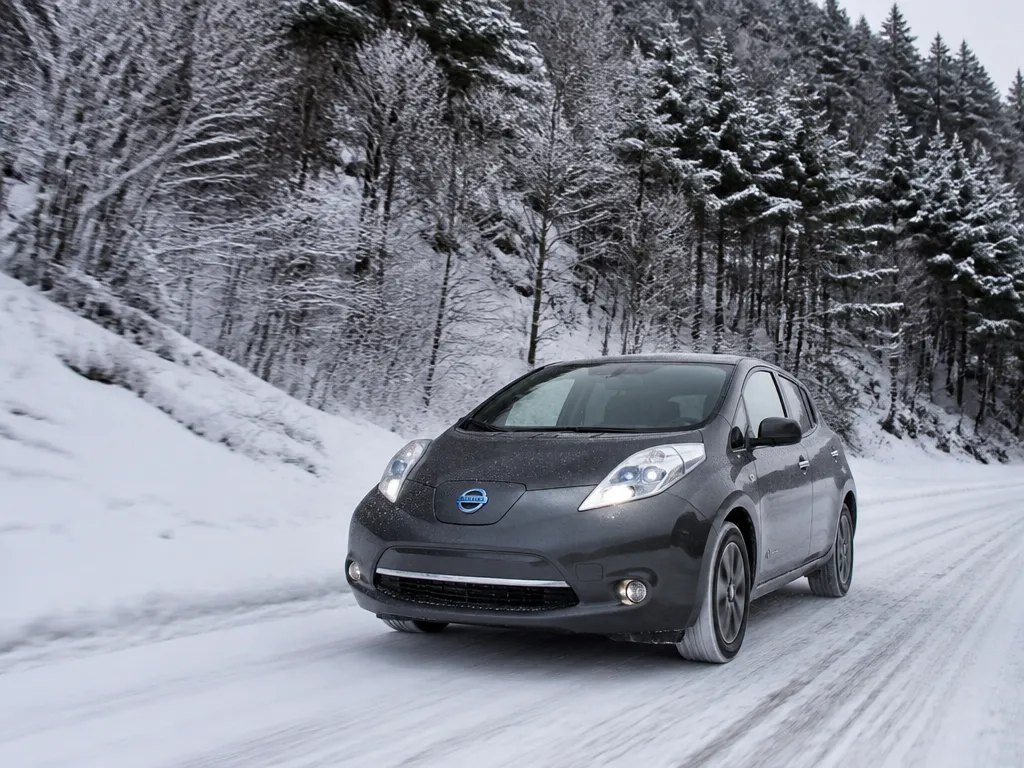
Cold weather hits the Nissan LEAF first through battery chemistry and cabin heat demand, so the car feels weaker and its range drops before you even reach measurable snowfall. The most noticeable day-to-day changes are reduced regenerative braking and less grip, which makes winter driving feel smoother and slower than warm-weather driving.
Winter behavior on the LEAF also depends on how long the car sits and how you drive once moving. A cold-soaked pack and high cabin heating load increase energy draw right away, and traction limits can reduce how aggressively the stability and traction systems allow power transfer.
What Changes First, And What “Good Winter Behavior” Looks Like
Battery temperature is the early limiter, because a cold pack can charge and accept regen less effectively until it warms up. Cabin heat is the other big early draw, since the LEAF has to spend energy keeping you comfortable while the pack is still cold.
Good winter behavior is simple: plan for extra energy use, drive with gentler inputs, and warm things up when possible. “Arrive on time” is the goal, but the margin needs to be real, because winter range loss can be severe on short trips with lots of heating and frequent stops.
| Winter symptom you feel | What it usually means on a LEAF | Driver action that helps |
|---|---|---|
| Weaker acceleration | Battery temperature and traction control limiting available power | Leave more following distance, use gentler throttle, reduce hill-speed targets |
| Less regenerative braking | Cold pack limiting regen and traction limits reducing energy recovery | Brake earlier with less pedal force, expect more friction braking |
| Energy drops faster than expected | Cabin heat demand plus colder battery losses | Precondition when possible, moderate cabin settings, avoid long stop-and-go with full heat |
Insider tip: the winter “feel” change is normal on the LEAF when the pack is cold. The win is planning so you never have to gamble with a near-empty arrival.
These behaviors set you up for the next reality check: how cold soaking changes the battery and can cause a sharper range drop than most drivers expect. The key is to treat winter as an energy management problem first, and a traction problem second.
Cold-soak Battery And Winter Range Drop
Cold-soaking a Nissan LEAF lowers how much usable electrical energy the battery can deliver because the lithium cells make less power at low temperature and the battery management system limits output to protect the pack. Snow then increases energy demand through higher rolling resistance, more drivetrain drag, and greater speed losses on climbs and through slush.
Why Cold Reduces Usable Battery Energy
When the LEAF battery sits in freezing air, the electrolyte in the cells becomes less conductive, so internal resistance rises. That extra resistance turns more of the battery’s energy into heat losses instead of wheel power, and the vehicle may cap charge and discharge power until the pack warms up.
On a LEAF, the battery also has to warm itself to regain normal performance. That warm-up energy comes out of the same battery you want for driving, so even before you start moving, a cold pack can shorten the first leg of your trip.
Snow Driving Energy Penalty (What Drains Faster)
Snow and slush raise rolling resistance, so the tires need more torque to maintain the same speed. Faster draining is also common because traction limits make drivers use more power to keep momentum, and aero drag rises quickly at highway speeds.
In practice, your biggest range hits usually happen on the first cold miles and then again when you push speed on slick roads. Regen does help, but on snow and ice it can be reduced if the wheels are close to slipping.
| Winter scenario | What changes on a LEAF | Typical range expectation (rough) |
|---|---|---|
| City driving, light snow, moderate speeds | Short hops, frequent stops, regen recovery helps when traction allows | About 20% to 35% less |
| Highway driving, cold + sustained speed | Higher aero drag and steady rolling resistance, less opportunity to recapture energy | About 30% to 50% less |
| Deep snow, hills, snow-packed roads | Wheel spin risk limits regen and throttle, more torque needed to move | About 45% to 60% less |
Range numbers are always guesses in winter because temperature, wind, tire condition, and snow depth swing the result wildly. Treat these as realistic planning ranges, not a promise.
What “Recovery” Looks Like After The Pack Warms Up
As the LEAF battery temperature climbs into a more workable range, the car can usually deliver more power and allow more stable regen. Your efficiency often improves after the first 10 to 20 minutes, especially if you precondition while plugged in.
Recovery usually shows up as smoother acceleration and less conservative power limiting, plus better regen availability during deceleration. After you park and the battery cools again, the cycle repeats on the next cold start.
Hvac Heating Without Draining Range
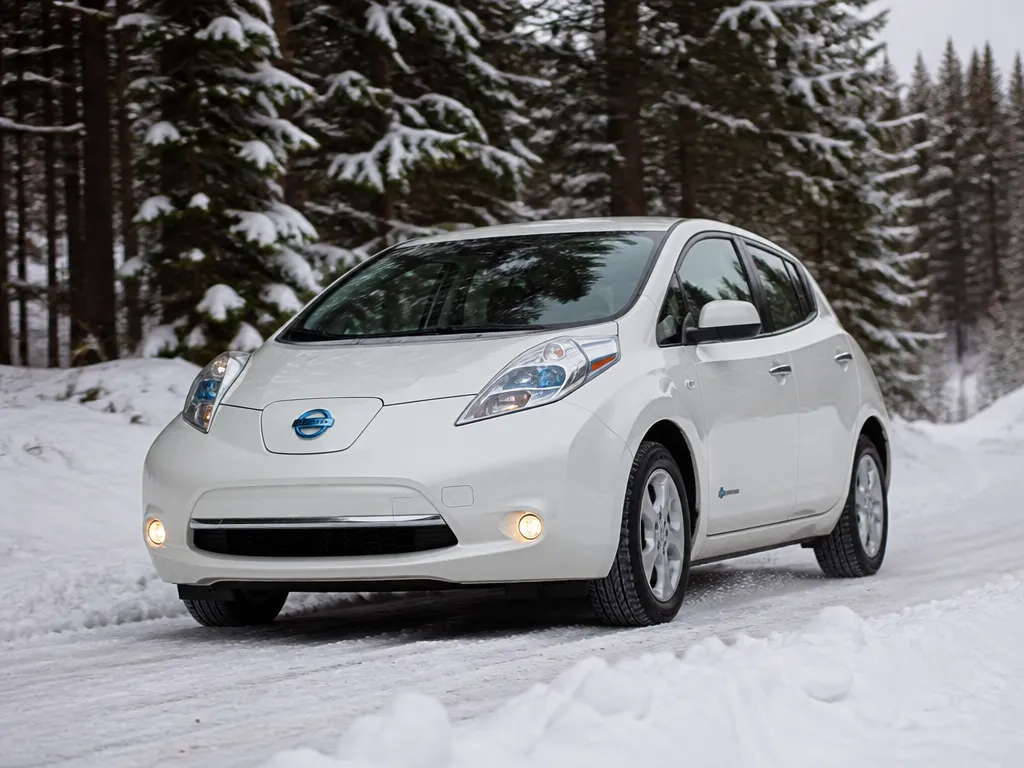
Cabin heating uses battery energy, so winter comfort directly shortens Nissan LEAF range. Heating demands rise fast when you need fast defrost on cold mornings, even if you drive gently. The trick is to keep the heater demand low while still clearing windows safely.
Why Leaf Cabin Heat Costs More In Snow
Cold weather forces the battery and power electronics to spend extra energy just staying within operating limits, then the cabin heater adds more load. If you are running the windshield defrost or high fan to clear ice, you get a big power draw for a short time, followed by smaller draws to maintain temperature. On LEAF, prioritizing defrost early can be cheaper than letting windows fog for miles and then blasting heat nonstop.
Heat loss also climbs in snow weather because cold air, wet surfaces, and frequent door openings drive the cabin temperature back down. Frequent low-speed driving makes this worse because you are heating more often between recharge opportunity and regenerative braking recovery. Highway driving increases energy use too, so you feel the HVAC penalty harder when total consumption is already high.
Leaf-friendly Settings That Save Range
For example, a parent with kids riding in back often gets better results by warming the seats and directing airflow toward faces and feet. Direct airflow reduces how much cabin air temperature you need to feel comfortable, which is the energy win.
Defrost Strategy: Clear Fast, Then Back Off
| Heating approach (typical LEAF winter behavior) | Range impact (conservative rule of thumb) | When to use |
|---|---|---|
| Seat heat only or seat heat + low fan | Often “small,” roughly 1 to 5% extra range penalty | Morning comfort, cool but not icy windows |
| Cabin heat maintenance (moderate temp, mid fan) | Often 5 to 15% extra penalty | Long drives where windows stay clear |
| Frequent high-output defrost or heavy fogging episodes | Often 10 to 25% extra penalty | Ice on glass, repeated interior moisture events |
Heat cost vs driving energy: Practically, think of HVAC as a “meter” that you can influence. If your total trip energy use is already high due to cold and speed, HVAC can swing the outcome by that 5 to 15% window. If you keep defrost short and rely on seat heat, the penalty tends to stay closer to the low end.
Expert shop advice: keep a small “comfort budget.” Clear the windshield quickly, then shift to seat heat and modest cabin settings so you are not paying full heat demand for an hour you do not need.
Comfort Plan For Passengers, Especially Kids
Passengers tolerate lower cabin temperature better when they are layered. Layering beats cranking heat, because you can add or remove a coat without wasting energy to maintain a high cabin set point. Direct airflow to feet and toward the driver and front passenger helps kids feel warmer while the cabin air stays cooler.
Comfort also improves with a visibility-first mindset. Clear windows reduce the urge to increase heat and fan to chase fog, which keeps energy use steadier and prevents HVAC from becoming a constant drain.
Regenerative Braking On Ice
On slippery surfaces, regenerative braking can feel weaker because the car quickly hits traction limits and the stability system limits how much deceleration the wheels are allowed to generate. The result is less predictable “lift-off” slowing, especially when tires are sliding or when the road is glare ice.
In cold, low-grip conditions, the LEAF blends regen with friction braking to keep wheel speed from deviating too far from what the traction control system allows. Even if regen is available, the car may reduce it to prevent slip, then you feel a flatter slowdown when you release the accelerator.
For example, two drivers can lift off the accelerator at the same speed, and the LEAF can respond very differently based on how much each tire is actually gripping at that moment. A thin ice film causes frequent micro-slip, so the stability system “backs off” regen more often.
How To Drive The Leaf So Braking Stays Smooth
| Road condition | What you’ll feel | Best winter technique |
|---|---|---|
| Packed snow | Regen may be present but muted, with quicker friction takeover | Earlier lift-off, smoother pedal modulation, extra following distance |
| Light snow over ice | Lift-off decel can fluctuate as micro-slip occurs | Brake earlier, avoid sudden transitions, slow down before corners |
| Glare ice | Regen is often limited and stopping can feel “flat then sudden” | Don’t plan stops around regen, brake sooner and more gently |
Insider tip: If you notice the LEAF coasts farther than expected when you lift, assume the tires lost grip and respond the same way you would in a low-traction gas car: slower approach speed, more spacing, earlier braking.
Snow Traction Setup For Leaf
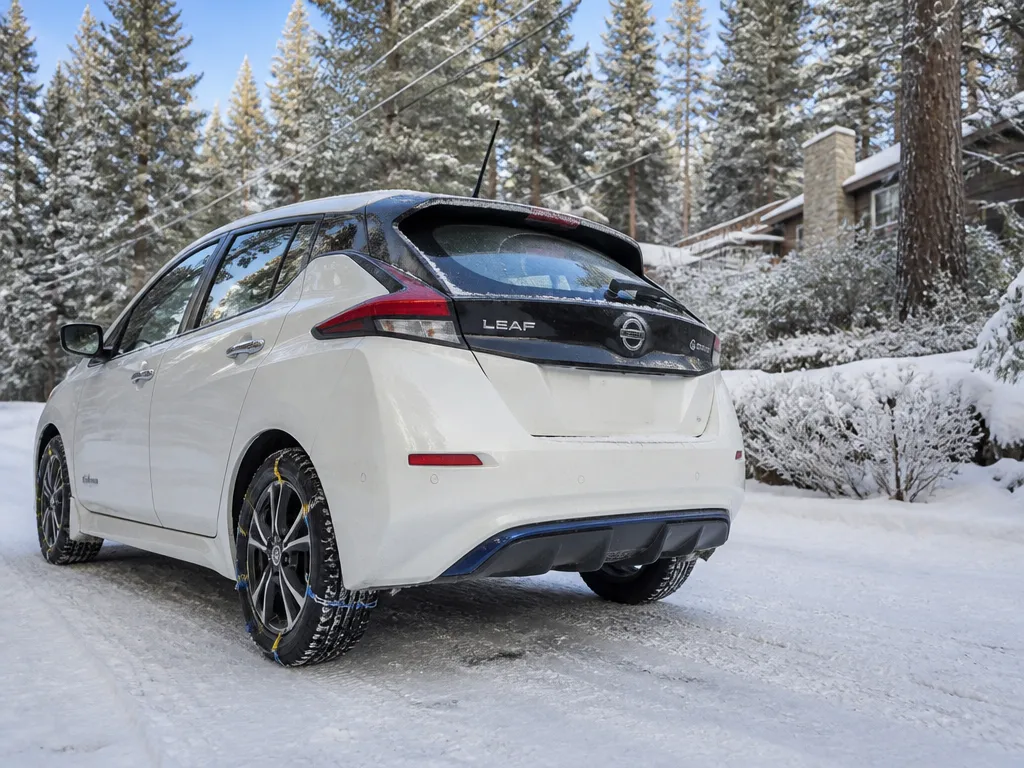
Good winter traction on a Nissan LEAF starts with the right tires and correct cold-weather pressure, because the tire is where you win (or lose) stopping distance, steering grip, and stability control behavior. Expect reduced efficiency and altered drivability in cold weather, so you need setup that improves grip without inflating the tires beyond what the LEAF can use efficiently.
Snow Tires Vs All-seasons: What You Feel First
All-seasons can limp through light slush, but in real snow the difference shows up in braking confidence and corner entry. With snow tires, the tread blocks keep biting even after the rubber stiffens in the cold, so the car feels more “trackable” when you turn and brake together.
On a LEAF, traction limits also change how regen feels because the wheels still need grip to convert motion into electricity. In deeper snow or on glare ice, an all-season’s lower snow traction can make the LEAF’s stability control intervene sooner, and you may feel reduced regen or a choppier response as the system protects wheel speed.
| Setup | Braking feel in snow | Cornering feel | Cold-weather stability |
|---|---|---|---|
| All-season | Longer stopping, easier ABS activation | More slide at turn-in | Stability control may work earlier |
| Winter (snowflake) tire | Shorter stops, more consistent bite | Sharper response, less tail wag | More predictable under regen and throttle |
Tire Pressure In Cold Weather: Don’t “Chase Range”
Cold weather drops tire pressure, and running low reduces tread contact quality, builds more heat at speed, and can worsen efficiency even though you might think it helps grip. Overinflating can also feel “tighter” but it reduces the tire’s ability to spread load on snow, which can make braking less predictable.
For a LEAF, follow the placard pressure values for your tire size, then adjust for winter season needs only if your tire manufacturer or local specs call for it. The best practice is pressure accuracy first, then fine-tuning only if you are seeing a consistent handling issue or abnormal wear pattern.
Cold Mornings Checklist: Confirm Pressures When Tires Are Cold
Cold soak matters because the LEAF’s range and traction both suffer when tire pressure is off. Use a reliable gauge, check all four tires, and do it before you drive, not after a commute or after you park in a warm garage.
For example, if you leave home at 5 a.m. when it is near freezing and your last measurement was a week ago in mild weather, pressure can be low enough that ABS feels “active” sooner. Correcting it restores the grip and stability behavior you expect from winter tires.
Tread And Wear Considerations For Regen Slip And Stability Control
Winter tire traction depends heavily on tread depth and compound condition, and worn tires can reduce both snow bite and the tire’s ability to handle braking and regen together. When winter tires are near the end of their life, the LEAF may feel like it has less ability to modulate power, especially during quick throttle inputs or slippery hill starts.
Snow tire wear also affects how stability control behaves because it has less available lateral grip. If you are running old winter tires, you might notice longer stopping distances and more frequent intervention on snowy intersections, even with moderate speed.
Avoid Common Mistakes (Mixing Tires, Overinflating, And Wrong Expectations)
Winter setup rule for a LEAF: prioritize a full set of proper winter tires and correct cold pressures, then drive smoother because regen and stability systems can only do so much once the tires run out of grip.
Preconditioning And Battery Warmth
Preconditioning warms the traction battery and power electronics before you drive, so the car can deliver stronger power sooner and regen can work closer to normal. On a cold-soaked LEAF, that translates to smoother takeoff and less early-range loss caused by limited battery output.
Battery warmth improves two things right away: available acceleration and usable regenerative braking. When the battery is cold, the battery management system limits how much current it will accept or deliver, so you get softer pedal response and weaker regen until the pack reaches a safer operating temperature.
Where To Find Preconditioning Settings On Leaf
LEAF models vary by year and trim, so the quickest way to confirm is to look for a scheduled climate option in the in-car settings or a remote-control feature in your NissanConnect app, if equipped. Scheduled preconditioning is typically tied to cabin heat timing, but the better setups also warm the battery when the car is plugged in.
When To Precondition For Best Results
Preconditioning works best when the battery is starting from cold soak, meaning the pack has sat outside or unpowered long enough to match ambient temps. A practical rule is to plan preconditioning to finish close to departure so you do not waste warm battery time during idle.
Limits still apply in deep snow and on heavy ice. Preconditioning can’t overcome traction loss from tire slip, snow-packed tread, or high rolling resistance, so keep larger margins and expect slower speed gains even with a warm battery.
| Winter scenario | What warms up helps most | What it cannot fix |
|---|---|---|
| Cold morning launch | Smoother acceleration and stronger early regen availability | Low-traction tire grip on packed snow |
| Highway cruise in freezing temps | Better power response (less throttle lag) | Increased energy use from cold air, heater demand, and higher rolling resistance |
| Long downhill | Regen readiness for earlier braking support | ABS slip cycles when tires lose grip |
Insider tip: If you can only precondition once, do it before the first leg of your drive. The first cold-pack minutes cost you the most in drivability, because power limits and regen limits linger until the battery warms.
Charging In Freezing Weather
Cold slows charging because the LEAF’s battery does not like high current until it is warm enough to accept it. The car delays and limits power by managing the battery heating and charge curve, so your charger can sit at a “connected but slow” rate until conditions improve.
Why Cold Affects Charge Speed And How The Leaf Reacts
When the battery is cold-soaked, lithium-ion cells have higher internal resistance, which can cause more stress and extra heat inside the pack. The LEAF’s battery management system reduces allowable charging current and may run battery heating before it lets the pack accept faster rates. The result is longer sessions and fewer “peak-rate” minutes in winter.
In practice, you should plan for charging to take longer than you are used to, even if the station is capable of fast charging.
For example, a winter morning charge often ramps slower at the start, then improves after the pack warms up from either charging or preconditioning (timing depends on how long the car has sat and how cold it is).
| Temperature context | What you typically notice | What to do |
|---|---|---|
| Battery fully cold-soaked | Slower initial charge rate, longer time to reach higher power | Charge after the car has been parked indoors when possible |
| Battery warmed from use | More consistent rate, shorter “ramp-up” period | Use charging soon after driving if you expect a long trip |
| Very cold plus wind and wet snow | Port conditions can create delays or faults, rate still reduced | Keep the charge area dry and clear the port area before plugging |
Best Home Charging Practices In Winter
For home charging, the biggest win is keeping the connector and charge port area clean and dry. Use a charger schedule so you do most of the charging during the colder overnight window only when you need it for departure time, and avoid leaving the car at a very low state of charge for long periods in extreme cold.
In practice, treat the charge port like a sensitive electrical opening. Moisture plus freezing temps can glue the connector in place or trap ice in the port area, which is a pain to deal with and can damage parts if you force things.
Charging Safety: Avoiding Damaged Cables And Icing Problems
ICE and wet snow are the enemy of EV connectors because water can freeze around the latch area and create mechanical stress when you remove the plug. If the connector feels stuck, do not yank. Stop and let time and gentle warmth from the area resolve the ice before you try again.
Mechanic tip: Keep the EVSE cord off icy ground. A thin layer of ice can turn into a frozen “strap” around the connector, and the extra force can damage pins or the latch.
Handling wet snow around the LEAF’s charge port is simple: remove the snow first, then connect. If the port is packed with ice, do not scrape aggressively with metal tools. Use a soft plastic tool if you must clear buildup, and keep your hands clear of any high-voltage warning labels.
Planning Long Winter Trips: Charge Stop Buffer Targets
Winter charging takes longer, so your plan needs a time buffer even if you do not see a dramatic range drop day to day. Build extra slack into each leg because charging power is often reduced for the first portion of the session while the battery warms.
In practical terms for a long winter drive, add extra time per charging stop and assume you will not maintain the station’s best-case output. Charging earlier, even by 10 to 20 miles (or the winter equivalent of several city blocks), can keep the pack in a better acceptance window and reduce the “sit there and wait” feeling.
Winter Scenario Tips And Checklists
Cold weather hits the Nissan LEAF’s usable range because battery energy output drops and cabin heating uses electricity. Short trips make it worse since the car keeps warming up for a brief drive, then you shut it off before the pack and cabin settle.
Short Commute With Frequent Cold Starts
Short-ride strategy is simple: precondition when you can, then drive moderately until the pack warms. For a commute like 5 to 10 minutes, aim for a repeatable routine rather than a perfect “every time” thermal plan.
For example, if your LEAF sits outside all night at around 0°F (-18°C) and you drive 6 miles total, you may see far less than summer range even when the “route distance” seems short.
In practice, your battery spends energy on cabin heat and pack warm-up every start, then road grip is lower so you cannot drive as efficiently.
Highway Vs City Driving (How Power And Regen Change)
Highway driving is usually the bigger range killer because aerodynamic drag rises with speed, and steady loads pull more power than stop-and-go city traffic. In snow, your biggest efficiency killer becomes speed, since faster tires spin more and traction drops sooner.
| Situation | LEAF energy behavior | Owner move |
|---|---|---|
| City, slow streets | Frequent regen can offset some braking losses, if traction allows | Brake early, keep a bigger following gap, let regen work |
| Highway, steady | Higher speed increases drag and continuous power draw | Stay steady, avoid “pulse and glide” at highway momentum |
| Snowy highway | Regen effectiveness can drop when the wheels lose grip | Drive slower and plan for longer stopping distance |
For instance, if you normally cruise at 70 mph in winter, dropping to 55 to 60 mph often makes a noticeable difference because the LEAF is spending more energy fighting wind drag than chasing short accelerations. In slippery conditions, slowing down also keeps you in the traction band where stability and regen can behave predictably.
Hill Climbs And Stop-and-go (Regen Limits Under Load)
Hill climbs are where the LEAF’s winter range anxiety becomes real because grade adds steady power demand, then you may use extra heat. Stop-and-go on hills is worse because traction control may reduce torque delivery, and regen can be limited if the system detects wheel slip.
“On ice, you often feel the LEAF backing off regen because the wheels are not gripping enough to safely slow down. Treat that as a cue to slow earlier and drive with more margin.”
Deep Snow Days (Traction-first Approach, Recovery Limits)
Deep snow is mostly a traction problem, not a battery problem. The LEAF can propel you forward with available torque, but if tires are buried and grip is gone, the car will spin and stability systems will intervene.
Traction control on the LEAF can manage wheel spin, but it cannot create traction where snow and ice have already taken it away. When you feel repeated spin, stopping to clear the tire path or switching to a higher-traction surface is usually faster and safer than continuing to “dig.”
In practice, deep snow often forces slower speeds because the tires need time to climb out of packed ruts. Slower speeds also reduce the “surge” that can upset stability and trigger traction control more frequently.
Step-by-step Winter Driving Checklist (Before, During, After)
Daily winter survival for a LEAF is about reducing surprises: thermal comfort, traction, and energy planning all feed each other.
For a tight winter routine, the biggest wins are: precondition while plugged in, drive smoothly at reduced speeds, and treat regen behavior changes as normal under low traction rather than something “broken.”
Winter Readiness And Troubleshooting
Cold weather makes the LEAF’s high-voltage battery deliver less usable energy, so range can drop quickly after the first few miles. Cold-soaked tires, higher HVAC demand, and slower traction also increase consumption and reduce regenerative braking feel.
Range Drops Suddenly
Sudden range loss usually comes from one of four drivers: tire efficiency, cabin heating load, battery state of charge (SoC), and driving pattern.
For example, leaving a cold garage and immediately running fast highway speeds adds both aerodynamic drag and HVAC energy at the same time.
Symptom – Range display falls fast (more than you expected in the first 10 to 20 minutes).
Cause – Cold battery limits power, higher tire losses from low temperatures, and extra heat demand from aggressive defrost settings or seat heaters.
Fix – Check and correct these in order.
| Quick check | What you’ll notice | What to change |
|---|---|---|
| Cabin heat on max | Consumption spikes immediately | Lower blower, reduce defrost time |
| Low tire pressure | Range drops even at steady speeds | Set correct cold pressure |
| Battery very cold | Efficiency improves after several miles | Allow warm-up miles before heavy driving |
Regen Feels Limited
Reduced regenerative braking in snow is often normal because the traction systems protect the tires from slip. When roads are icy or packed with snow, regen can be toned down to keep the wheels from locking or bouncing.
Symptom – You lift off the accelerator and deceleration feels weaker than usual, or regen feels inconsistent.
Cause – Low traction and a cold battery can limit how much regen the car will accept.
Fix – Read it correctly and know when to act.
Pro tip: In slippery conditions, smooth throttle and early braking beat trying to “force” regen. The traction system is doing its job when regen is reduced.
Schedule a diagnostic visit if the car shows persistent warnings, regen is near zero after full warm-up on dry pavement, or braking feel changes alongside warning lights.
Charging Won’t Reach Expected Rate Or Percent
Cold batteries and cold charging equipment can slow charge rates, and frequent start-stops can keep the battery too cold to charge efficiently. If your charge time blows out, start with safe checks before you book service.
Symptom – Charging reaches a lower percent than planned or the kW rate is noticeably lower than usual.
Cause – Battery temperature is too low, the charging session starts when the pack is very cold, or the station and cable are not delivering stable power.
Fix – Run these safe checks.
Safety warning: Avoid forcing a connector in icy conditions. If the charging port area looks wet inside or you see repeated fault messages, pause and get help from a qualified EV technician.
Battery Or Vehicle Warnings Appear
Warning lights and messages related to the battery, charging system, or drivetrain mean the car is protecting itself. Winter adds voltage-load stress from cold starts, rapid acceleration, and slippery traction, so you should treat warnings as priority events.
Symptom – Battery warning, “EV system” message, reduced power notice, or repeated traction/stability alerts.
Cause – Battery temperature and traction events can trigger protective limits, or a fault may be present.
Fix – Take the safest immediate steps and decide when to stop driving.
Quick Do/don’t List For Snow And Freezing Temps
Do use snow tires when your area sees sustained ice and packed snow. Snow tires give you the best traction margin for both acceleration and regen, and they help the stability system intervene less often.
Don’t rely on aggressive regen for stopping distance on ice. Regen can reduce traction when conditions are extremely slippery, so use the brake early and keep a larger gap.
Winter Readiness Checklist For Nissan Leaf Owners
Before the storm: Install winter tires (or verify you’re using season-appropriate tires), set correct tire pressure (check cold), and pack a small emergency kit (tire pressure gauge, scraper/brush, gloves, flashlight, and a phone charger cable).
Before you drive: Charge to a higher target than usual, precondition if you can, and plan smoother acceleration plus earlier braking. During the drive, monitor messages, avoid repeated hard launches, and treat reduced regen as a cue to increase following distance.
Quick Summary
When the temperature drops, the Nissan LEAF’s winter issues start before you even hit measurable snowfall, because cold affects battery chemistry and increases cabin heat demand. The article says you will feel reduced regenerative braking, weaker acceleration, and less traction, especially after the car sits and the battery is cold-soaked. It also points out that cold-soaked batteries waste energy warming up, which can make the battery bar fall quickly on short winter commutes and worsen range, particularly at highway speeds with heat on.
As conditions worsen, the LEAF’s systems limit power transfer for battery protection and traction control, so the “winter feel” may include reduced energy flow, altered regen behavior, and a reduced-power sensation that you should treat as normal. The article emphasizes leaving extra braking distance because regen often reduces on slick roads, shifting stopping toward friction brakes. It also recommends preconditioning when available, using seat heaters and lowering defrost intensity to manage heat load, moderating speed for traction, and planning extra stops below freezing, since usable battery power drops.
| Winter factor on the LEAF | What you’ll notice | Driver action the article recommends |
|---|---|---|
| Cold-soaked battery | Weaker power and reduced regen, higher energy draw early | Precondition when possible, plan extra stops below freezing |
| Cabin heat demand | Faster range drop on short trips | Use seat heaters, lower defrost intensity |
| Slick roads and deep snow | Less grip, more stability and traction limits | Drive smoothly, gentle throttle, slower speeds, brake earlier |
| Cold tires and traction swings | Grip changes after overnight temperature drops | Check and set tire pressure, consider snow tires for better grip |
Frequently Asked Questions
How Much Range Does A Nissan Leaf Lose In Snow And Cold Winter Driving?
Cold weather usually reduces EV range, because battery output drops and cabin heating uses energy. If you are planning trips, assume your usable range will be noticeably less than what you see in mild weather, and precondition when available.
Does The Nissan Leaf Have Any Special Winter Driving Tips For Traction In Snow?
Yes, tires matter more than anything else in snow. Use an appropriate winter tire or at least keep traction tires in good shape with proper pressure, and drive smoother than you would in a gas car since one pedal regen can change how the car slows on slick roads.
Can I Charge My Nissan Leaf In Freezing Temperatures Safely?
Charging in cold can be slower, because the battery may limit charge power until it is warm enough. If charging feels capped or unusually slow, wait a bit longer or consider preconditioning before you plug in, when your LEAF supports it.
Will Snow And Ice Affect Nissan Leaf Regenerative Braking And Driving Feel?
It can, because slick surfaces make traction easier to overwhelm when decelerating. If the car feels like it is not slowing the way you expect, back off the accelerator earlier and use less aggressive pedal inputs until grip improves.
What’s A Common Mistake People Make Driving A Nissan Leaf In Winter?
They over-trust the stated range and plan the drive too tight. Treat winter range as uncertain, build in extra time for charging, and pack supplies for delays, especially in remote or hilly areas where you need more power to climb.
Is It Normal For A Nissan Leaf To Have Reduced Performance In Very Cold Weather?
Often, reduced output in extreme cold is expected, because the battery management system protects the pack. If performance drops even after the car warms up, or you see warning lights, get the car scanned by a qualified EV-capable technician.