


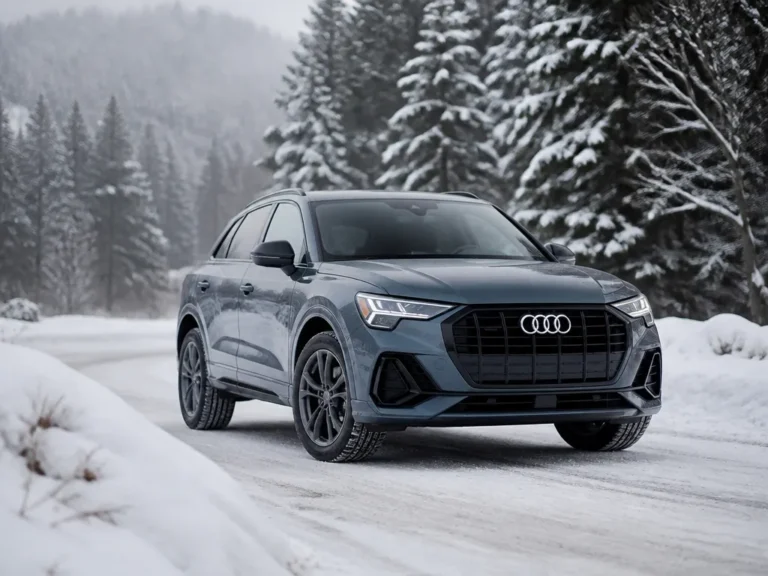
You’re ready for the first real snow, but your Audi Q3 feels like a coin flip on ice, especially when traction control starts barking. Maybe you’re wondering if quattro is enough, or if winter tires are still the real answer. Let’s get you through what matters most for the Q3, from tire choice to winter button-presses.
Audi Q3 is a solid winter platform when it has the right tires, and quattro helps when you need drive torque, not when rubber is the problem. Plan on snowflake-rated winter tires, check pressures after cold snaps, and use the Q3’s traction and drive modes with smooth inputs for 20 to 30% longer stopping distances.
Audi Q3 for snow and winter driving comes down to tires first, AWD second. Use snowflake-rated winter tires for freezing rain, slush, and ice, because tread compound stays flexible below about 45°F. quattro helps you move with less wheelspin, but it cannot replace winter tires for braking and turning.
1. Audi Q3 For Snow And Winter Driving
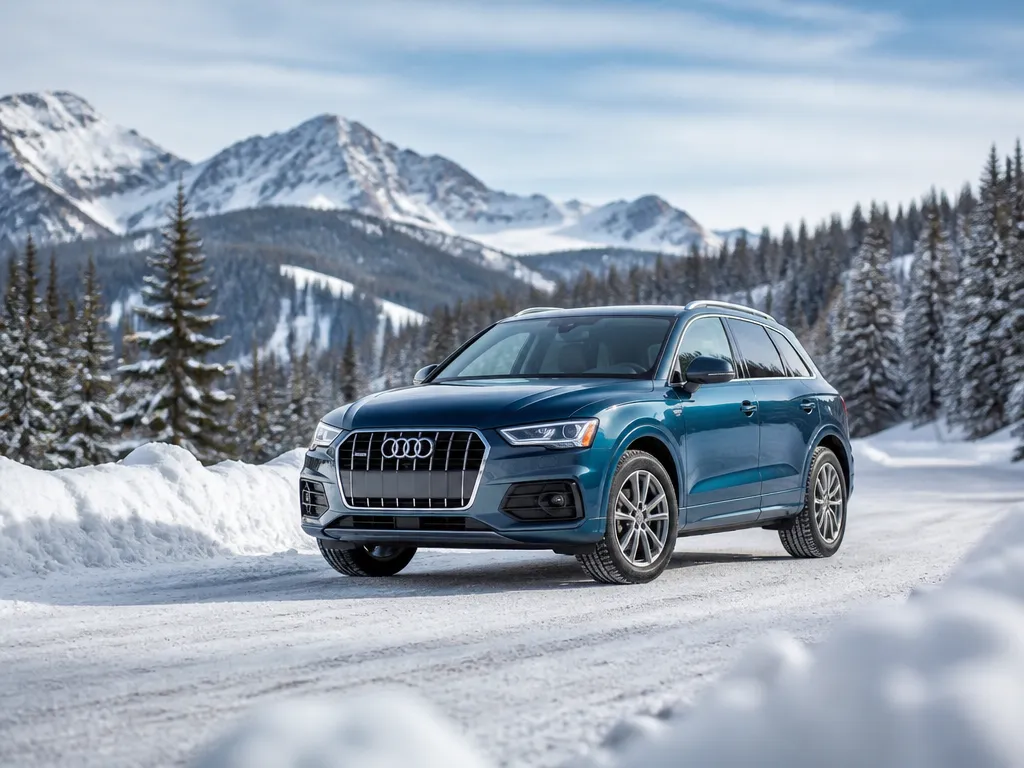
Winter traction matters when you are driving on salt-slick roads and packed snow, and the Audi Q3 is a practical choice because it is built around an SUV stance plus available all-wheel-drive for more consistent grip. The Q3 lineup also tends to be newer than many subcompact crossovers, which means fresher tires, updated driver aids, and more predictable winter control. That combination is why it belongs in a shortlist for snow and winter driving.
For snow-ready setup, prioritize the right tire first: a true winter tire with the severe service snowflake rating (3PMSF) improves bite in slush and colder temps where all-seasons harden.
In practice, pairing winter tires with an all-wheel-drive configuration helps the Q3 manage torque better during acceleration on uneven snow coverage. A common winter-use size for cargo is keeping a trunk mat and a compact shovel in the back, since the Q3’s hatch makes it easy to store winter gear without cluttering the cabin.
Winter-driving Habits That Matter More Than Badges
Snow traction is a system problem, tires, drivetrain, and how you drive all have to work together.
For instance, the Audi Q3 can feel composed in light snow, but ice is still ice, so sudden steering inputs can overwhelm any traction-control strategy. Slower throttle inputs and smoother braking are especially helpful when you hit mixed surfaces, like plowed pavement that turns to glare ice near the curb. Plan extra stopping distance for snowy nights, and if you frequently park outdoors, consider rotating tires on schedule so the tread depth stays even across seasons.
Reader takeaway: put the money into a proper set of winter tires, confirm your Q3 has all-wheel-drive, and then drive smoothly with extra distance when roads switch from slush to ice.
2. Quattro Vs Fwd Trims For Winter
Quattro all-wheel drive matters in winter because it can keep drive torque flowing to the wheels with the most grip when roads are icy or slushy. On an Audi Q3, that means better stability and fewer “push” moments when you’re accelerating away from intersections on mixed traction. FWD trims can still be workable with good winter tires, but the margin for error drops fast once the surface turns patchy and slick.
For example, Quattro is the smarter pick if you routinely deal with steep driveways, untreated side streets, or frequent freeze-thaw cycles where the top layer can be glassy while deeper snow has a different bite.
In practice, the biggest upgrade still comes from tires: a fresh set of winter tires with proper pressure will outperform an all-season on any Q3 drivetrain.
Tradeoffs Between Confidence And Cost
Quattro usually costs more upfront and can add a bit of complexity, so if you’re comparing used Q3 trims, price differences often reflect those drivetrain parts and service history. Maintenance items that are unique or more involved on all-wheel systems may run higher over the years, so plan on following the service schedule closely.
For instance, if a seller can’t provide tire age, alignment records, or drivetrain service documentation, the perceived benefit of Quattro can get eaten up by worn components and mismatched tires. When budgets are tight, a FWD Q3 on excellent winter tires can still be a safe, practical setup for commuting, provided you drive smoothly and avoid overdriving the tires on glare ice.
Bottom line: for true winter confidence on mixed surfaces, Quattro gives you extra acceleration traction, while FWD can still work well if you pair it with real winter tires and keep expectations realistic on ice.
3. Winter Tire Setup For The Q3
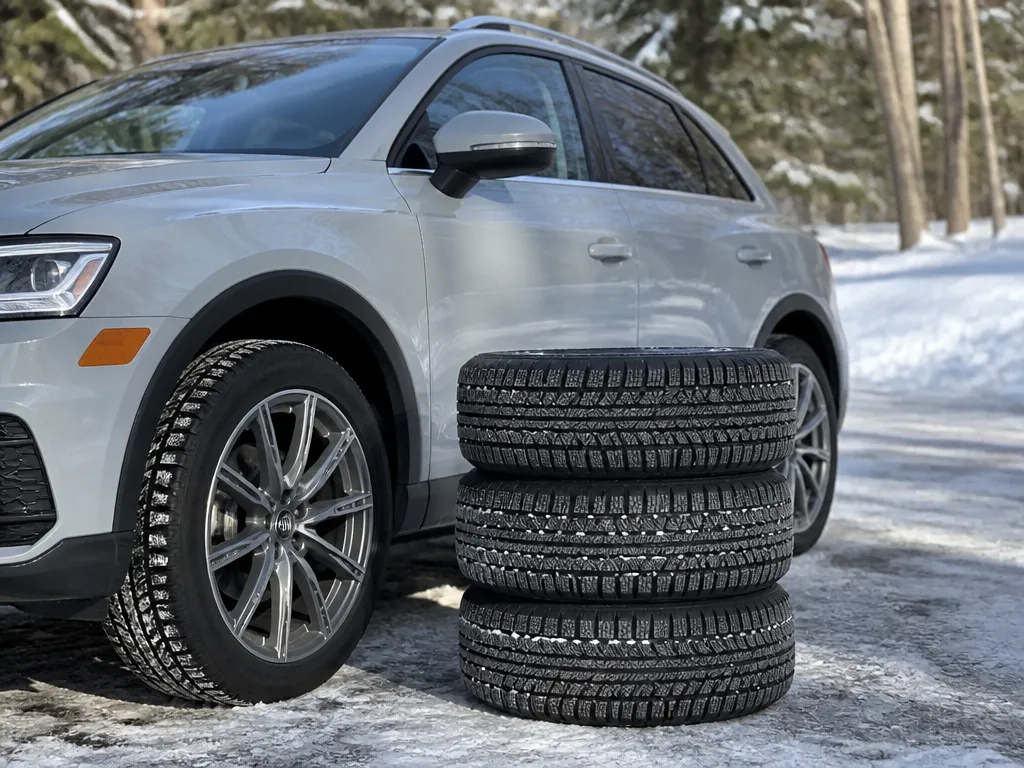
Snow performance depends more on the rubber compound and tread design than on the Audi’s drivetrain alone, which is why a proper winter tire setup belongs in a winter-driving list. For a Q3 owner, having tires sized and mounted correctly means consistent traction at turn-in, better braking feel, and less drama when temperatures drop below the typical “all-season” comfort zone. A matched set also keeps the AWD system working without awkward differences in rolling behavior from one corner to the next.
In practice, winter tires for a Q3 are usually ordered as a full set of four and installed on winter-specific wheels if you want easy seasonal swaps. The most important numbers to match are the tire size printed on your door jamb (width, aspect ratio, and wheel diameter) and the speed/load rating for your trim.
For example, you may see common Q3 winter sizing land in the 17-inch range depending on model year and wheel package, but always verify against your door-jamb size rather than guessing.
Studdable Vs Studless And How To Choose
Studded tires can help on packed snow and icy surfaces where legal and practical, but they tend to cost more and can be noisier on dry pavement. Studless winter tires rely on deeper sipes and a softer compound to keep grip on snow, slush, and cold roads, and they often feel more civil for commuters who see mixed conditions. For the Q3, the best choice usually comes down to your local winter: frequent freeze-thaw and icy overpasses favor a more aggressive winter design, while mostly plowed roads with intermittent snow generally do well with studless. If your area has restrictions on studded tires, that alone can narrow your options quickly.
Tire Pressure In Cold Weather
Cold snaps drop tire pressure because air contracts when temperatures fall, and the result is a bigger treadwear risk and reduced grip for your Audi Q3 in snow and slush. A common rule of thumb is that pressure can change by about 1 psi for every 10°F drop, so winter mornings can swing your numbers fast. Keeping the correct cold inflation helps the tire maintain proper contact patch and steering response when roads get slick.
For example, check pressure after the Q3 has sat for a few hours in the cold, then set to the placard value on the driver door jamb, since that is the factory target for your tire size. For winter, many owners run a slight adjustment within the placard range to keep the tread supported without inviting sidewall squirm in deeper snow.
How To Keep It Correct Through Freezing Days
In practice, plan two checks: one when temperatures first settle into winter and another after a major forecast drop. If your Audi Q3 uses a tire pressure monitoring system, the TPMS light is an alert, not a calibration tool, so treat it as a prompt to verify with a gauge. When you inflate, use the “cold” spec, then recheck the next morning to confirm you did not overcorrect due to warm tires. Also remember that aggressive cornering on underinflated tires can overheat them, which is exactly what you do not want during long winter commutes.
First Snowfall Audi Prep Checklist
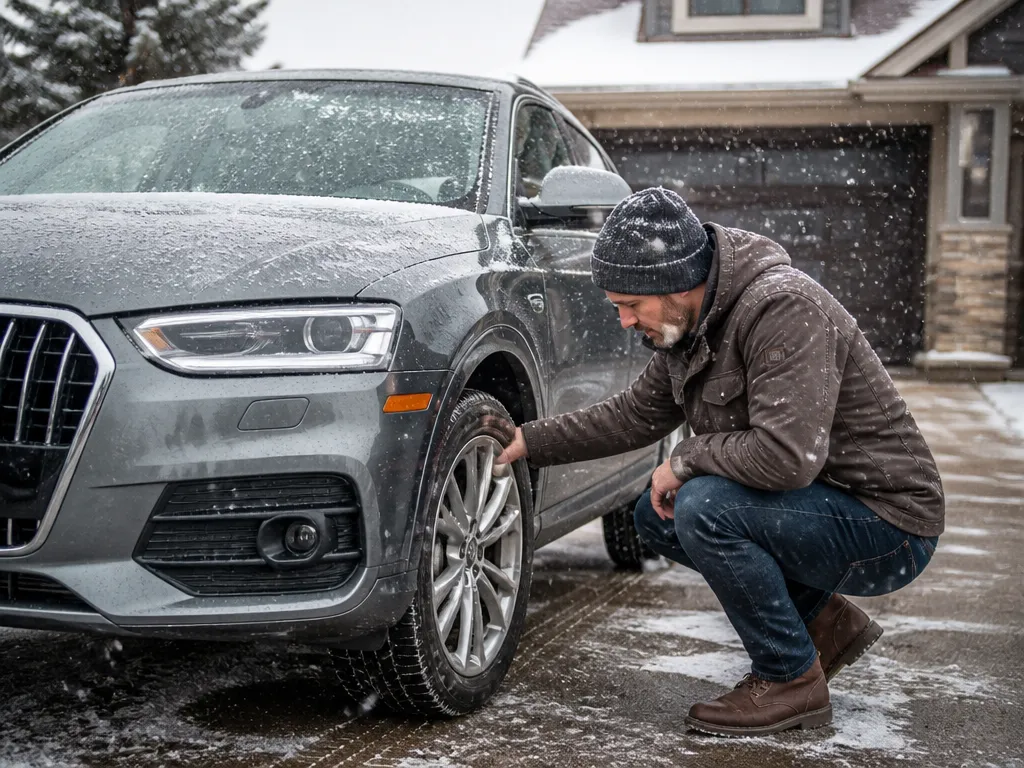
First snowfall catches a lot of Q3 drivers with tires that still feel “fine” in dry weather. Winter traction depends on rubber compound and tread depth, and the first cold week is when braking distance and sidewall stiffness change the most. Getting the basics handled before the road turns slick keeps the Quattro driveline working the way it should, instead of fighting preventable grip loss.
In practice, start with the tire setup you will actually drive on day one. Measure tread depth (a $10-20 gauge is cheap insurance), and plan on winter tires if your tread is getting low or you see lots of sub-freezing days.
For example, a common shop rule is to swap before tread falls near the legal limit, because stopping and cornering consistency drop quickly once the snow season starts.
Road-ready Checks In 15 Minutes
Snow prep is mostly “visibility and stopping” checks, which you can do quickly at home before weather hits. Cycle the windshield wipers on low and high while spraying washer fluid, then turn on front defrost and rear defrost to see how quickly the windows clear. Inspect the underbody for packed snow and ice if you have any history of it sticking near wheel wells, because that can change how the car sheds debris. If the brakes feel longer or the steering pulls during the first cautious drive, stop and have the brakes inspected, since winter can exaggerate existing wear or uneven pad or rotor conditions.
Snow Driving Technique In An Awd Q3
All-wheel drive helps traction, but winter control comes from how you apply throttle and brake. In an Audi Q3, the AWD system can only work with the grip you actually have, so smooth inputs keep the drivetrain and tires from spinning and building momentum when you need it most.
In practice, aim for a steady throttle and longer following distances, since tire slip in snow is what robs momentum. Use gentle steering corrections, then let the Q3 settle before you add more lock, because rapid hands create traction changes you cannot recover from quickly. For stopping, brake early and gradually, and if you feel ABS pulsing, keep your foot firm and don’t pump the pedal.
Throttle, Steering, And Brake Inputs That Matter Most
In deep snow or icy patches, small throttle changes are the difference between progressing and digging in. Apply power progressively, pause for a moment to let the tires bite, then continue, especially when exiting corners or merging. Steering should be smooth and slow, because sudden steering inputs can transfer load off the grip line and trigger a slide. For braking, think “early and light” first, reserving harder braking for straight-line situations when you have room.
If the road is slushy, avoid late braking into turns since weight transfers can lock the fronts or force the rear to step out. When you must cross uneven ruts, keep steering steady and let the suspension do the work, since sharp corrections can upset tire contact.
Traction Control Behavior On Ice
On ice, an Audi Q3 can only move forward when the wheels are generating enough friction, so traction control has to manage slip in fractions of a second. That constant pulsing is why this item belongs in a winter-driving list, because the way the system reacts tells you whether you should keep momentum, ease off, or stop and change your approach.
In practice, you will feel traction control intervene as brief throttle and brake application to the slipping wheel(s), often accompanied by the traction icon in the cluster. For slick starts, the most consistent results come from smooth, steady throttle and short steering inputs, since aggressive pedal changes demand more torque than the tire can transmit on frozen surfaces.
For example, accelerating hard from a stop can trigger repeated intervention, which may lengthen the time to get moving.
Focus on setup details that reduce unwanted intervention: use winter tires with fresh tread, maintain correct tire pressure for cold weather, and avoid mixing tire types on the same axle. A simple baseline checklist many winter commuters follow includes winter tires with fresh tread, correct cold tire pressure, and matched tires.
How To Interpret The Traction Light And What To Do
When the traction control is working on ice, the driver can misread the response as “the car is failing,” when it is actually trying to prevent wheel spin and reduce loss of control. If you see the traction icon and feel repeated braking pulses, treat it as a signal to back off the throttle and regain traction before trying to power through.
For instance, if climbing a snowy driveway and the system keeps cutting in, stopping briefly to let the surface re-grip or changing your line often works better than adding more throttle. If the icon stays on after you drive off the ice, or it triggers alongside warnings for brakes or drivetrain, have the system scanned so you do not continue with a potentially faulty sensor or actuator.
Winter Limitations For The Q3
Winter surfaces expose a few real-world limits on the Audi Q3’s winter performance, especially when temperatures drop and traction changes quickly. The Q3 is designed for confident handling, but compact crossovers still depend heavily on tire condition, brake system health, and driver inputs when roads go from dry to slushy. That is why this item belongs in a winter-driving list, because even the best AWD system can lose grip if the contact patch is compromised.
In practice, the biggest winter constraint is consumables: all-season tires or worn tread will cut snow bite fast, and the Q3’s ability to pull you through snow is only as good as the tires you put on it. A dedicated winter setup is usually the most noticeable improvement, since many winter tires use softer compounds and more aggressive tread for cold-weather traction.
For example, if you run winters on separate wheels, you reduce swap hassles and keep the tread thickness consistent all season long.
Tradeoffs To Expect In Snowy Conditions
Winter grip improvements come with tradeoffs, mainly around noise and dry-road feel. Many winter tires ride quieter in deeper snow than they do on packed, icy, or plowed roads, but they can wear faster if you drive them year-round in warm weather. Short trips also create a winter-specific problem: the Q3 may never fully warm up, which can leave brakes and drivetrain components working less efficiently. If you frequently do city driving, prioritize clean airflow (cabin filter and defogger use) and plan for more frequent checks of tire pressure, since cold temps can drop it quickly.
Quick Summary
For winter use, the article’s main point is that the Audi Q3 is only as good on ice and snow as its tires, with quattro helping for drive torque when you can keep the rubber gripping. It specifically calls for snowflake-rated winter tires, noting that their tread compound stays flexible below about 45°F, which matters for freezing rain, slush, and ice. It also says plan for longer stopping distances, with traction and drive modes working best when you use smooth inputs, aiming for roughly 20 to 30% more stopping distance.
The rest focuses on setup and technique. It emphasizes that tread depth and matching tires across all four wheels matter, recommending full-depth, matched tires to avoid grip problems, and to check tire pressure after cold snaps and again within 24 hours after a major temperature drop. It also explains that quattro improves traction on acceleration and adds control once slipping starts, but it cannot replace winter tires for braking and turning. The final takeaway is simple: prioritize true snowflake-rated winter tires first, then drive gently with extra distance.
| Winter Item | What the article says to do |
|---|---|
| Tires | Use snowflake-rated winter tires, especially when temps stay below 45°F. |
| Axles | Keep tires matched across all four wheels with full depth. |
| Pressure checks | Check after cold snaps and recheck within 24 hours of a big temperature drop. |
| Driving inputs | Leave traction control on and use smooth throttle, earlier braking, and gentler steering. |
| Quattro role | Helps deliver torque to grip, but winter tires still win for braking and turning. |
Frequently Asked Questions
Is An Audi Q3 Good For Snow, Or Do I Still Need Winter Tires?
Winter tires are still the biggest factor for snow grip. Even with Audi’s traction tech, tires control how the tread bites into snow and slush, and performance drops fast when you rely on all-season rubber.
What Settings Should I Use On An Audi Q3 In Deep Snow Or Slush?
Use a low-speed, steady throttle approach, and let the traction system work instead of trying to “power through” stuck moments. If your Q3 has drive modes, choose the snow or off-road style mode when available, then avoid repeated hard starts that spin the wheels.
How Do I Tell If My Audi Q3’s Tires Are Worn Out For Winter Driving?
Check tread depth and look for uneven wear, because snow traction suffers when tread is shallow or the shoulders are worn. If you are seeing low tread depth or feathering, rotate sooner and consider replacing the set before another winter.
Does The Audi Q3’s Awd Help More On Icy Roads Or On Packed Snow?
AWD helps, but it does not replace tire grip. It can improve acceleration and maintain motion on slippery surfaces, but on ice the limiting factor is still the tire’s ability to generate friction for braking and steering.
What’s The Most Common Mistake Drivers Make With An Audi Q3 In Winter?
The big one is waiting too long to switch to winter tires or stretching the tire life past its usable tread. Another common error is overcorrecting by steering hard during a slide, instead of easing off the throttle and making smooth steering inputs.
Should I Get An Audi Q3 Winter Inspection Before The Season Starts?
Yes, because winter problems are often preventable, especially with brake performance, tire condition, and alignment. A quick check of tire wear, brake pad thickness, and any uneven pulling habits can save you from getting caught in a bad snow or ice situation.