


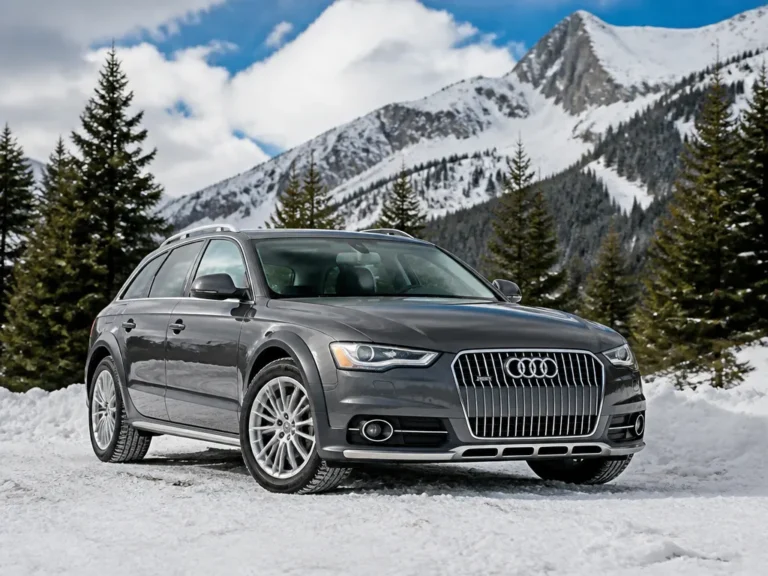
Got snow coming, and your Audi either feels sketchy in slush or you’re shopping for something that won’t fight you? “Best audis for snow” usually comes down to more than Quattro on the badge. You need the right Audi model, the right AWD behavior, and winter tires that actually bite when temps drop.
Best Audi picks for snow are the Quattro AWD models on real winter tires (3PMSF), because AWD helps traction but tires do the stopping and steering grip. Prioritize Quattro trims with sensible tire sizing, good ground clearance, and winter-ready drive settings.
Best Audis For Snow: Top Picks
For most winter commuters, the sweet spot is the Audi Q5 quattro with the 2.0T and AWD (Audi calls it quattro). It gives you real traction when roads ice over, plus good ground clearance and a size that is easy to park and drive in slushy traffic.
Top Picks By How You Drive
Choosing the right Audi for snow comes down to four things: AWD type, clearance, tire setup, and how much you need to haul. Below are the Audis that make the shortlist, grouped by common owner use case.
In practice, the “quattro” label is the reason these cars belong here, but the tires are what you feel on day one. Snow-rated tires with the 3PMSF symbol matter more than most spec-sheet differences, especially when you hit packed slush or freezing rain.
| Model | Best use case | Snow advantage | Main trade-off |
|---|---|---|---|
| Q5 quattro (2.0T) | Daily commuting | Good clearance, AWD traction | Tire choice still drives results |
| Q7 quattro (3-row) | Family hauling | More mass and stability | Heavier vehicle is harder on brakes/tires |
| A4/A5 quattro (2.0T) | Value used | AWD in a practical size | Lower stance than crossovers |
| S4/S5 quattro | Performance in winter | Strong grip when set up for winter | Can punish mismatched tire sizes |
| allroad quattro | Deep snow, rough plows | Extra ride height | Not every market gets the same setup |
Quick owner rule: Any Audi on summer tires in real snow is guessing, even with quattro. For the models above, plan on dedicated winter tires (often steel wheels or winter-ready alloys) before you judge the car’s traction.
Before you shop, verify the exact spec: look for AWD/quattro on the door sticker or VIN build, check ride height (especially for A4/A5 vs Q models), and confirm the tire size you will run in winter. Then compare that to the wheel clearances, because performance trims and larger wheels can limit what winter tire sizes fit comfortably.
Why Quattro Matters In Snow
Quattro-style AWD improves traction by sending torque to all wheels, which helps the car keep moving when one axle loses grip. AWD does not replace proper winter tires, and it cannot overcome physics when tread is worn or the tires are wrong for snow. The drivetrain mainly changes how quickly you lose (or keep) traction during acceleration and how the stability system corrects wheel slip.
How Awd Changes Traction Behavior On Snow Vs Fwd
Front-wheel drive can move you forward with good tire contact, but it also concentrates traction at the front axle. When the front tires break loose on slick snow, wheel spin rises fast and steering feel can get vague because the front tires do the job of both steering and propulsion. AWD splits drive torque between front and rear, so one axle usually hits less slip at the same throttle input.
AWD also affects how the car behaves mid-corner. With torque sent to more than one axle, the rear can help maintain a more stable drive line, so under light to moderate power you often get less dramatic rotation than a typical FWD car. Heavier throttle, abrupt steering, or deep slush can still overwhelm grip, and you can still spin a set of tires if they reach their limit.
How Stability And Traction Control Interact With Awd
Most Audi systems work by reading wheel speed sensors and steering inputs, then managing slip through throttle control and individual brake application. When the car detects a wheel turning faster than the others, it clamps that wheel briefly to restore usable traction, then adjusts engine output to keep the drivetrain within grip. On snow, you can feel this as quick, subtle brake pulsing or reduced power that comes in sooner than on dry roads.
AWD helps because the traction control has more paths to “get torque to grip.” If a front wheel slips, the system can still drive the other axle while brakes help slow the slipping corner. The limitation is simple: traction control can only do so much when the tires have no bite, ice is glazing the tread, or the tire pressure is off.
Owner reality check: If you run all-seasons with lots of tread but no snow rating, you can still get reduced power and early intervention. Quattro helps you get traction, but it cannot invent tread compounds that bite snow.
What Quattro Cannot Fix, And What To Verify For Winter Use
AWD cannot compensate for bald tread, uneven wear, mismatched tire sizes, or tires that are heat-cycled and hardened. Snow traction depends on tread depth, compound, and the sipes doing their job, so a “grippy” drivetrain on the wrong tires still loses momentum. Ground clearance matters too, because a crossover or wagon can plow through slush better than a lower sport sedan, even with AWD.
Drive modes are the next piece, because they change throttle response and traction control sensitivity. Typical “Snow” or “Winter” modes are basically a calibration that softens throttle mapping and lets the traction system manage slip more aggressively, aiming for controlled, repeatable launches. Some Audis with adaptive systems also change steering weight and shift behavior, so the mode you pick should match your surface (packed snow, slush, or icy glare).
| Trait | What Quattro helps | What it cannot fix |
|---|---|---|
| Acceleration on slick snow | Reduces axle-only wheelspin by splitting torque | Worn or non-snow tires, low tread depth, wrong size |
| Stability in slippery corners | Helps maintain a more controllable drive line | Ice, deep slush, low ground clearance, excessive throttle |
| Traction control behavior | Uses brakes and engine management with better torque paths | Situations where all tires lose effective bite |
Best Audi For Commuting Snow
Audi quattro crossovers and sedans handle weekday snow best when you pair them with true snow tires and drive them smoothly. For most people commuting in stop and go traffic, the Q5 quattro is the easiest pick because it blends AWD traction with decent everyday comfort and higher real world ground clearance than the lower Audi cars.
Audi Q5 Quattro: The Default Commuter Winner
The Audi Q5 quattro (especially 2018 and newer) is hard to beat because it keeps all four wheels working in slippery conditions without making the car feel twitchy at low speeds. The driving feel is predictable once the tires bite, and the SUV layout helps you clear snow ruts and driveways more confidently than a low wagon or sedan.
In practice, the Q5 is the kind of AWD vehicle you can rely on for daily errands and highway merges, not just “nice day” winter driving. Ground clearance and a more forgiving seating position help you see traffic and pick safe gaps when traction is thin.
Audi A4 Quattro Or A5 Sportback Quattro: Smaller Footprint, Still Capable
The Audi A4 quattro and A5 Sportback quattro are excellent commuter picks when parking is tight and you want a calmer, more compact feel. These cars also make sense if you are coming from a front drive car and want a noticeable improvement in winter confidence without jumping to an SUV.
In practice, the biggest limitation is ground clearance and underbody exposure. Low-slung trims and larger wheel sizes can scrape or plow through slush more easily, so they work best if your commute includes mostly cleared roads, light snow cover, and moderate depth.
| Model (quattro) | Why it’s good for commuting snow | Common winter drawbacks |
|---|---|---|
| Q5 quattro (2018+ recommended) | Higher usable clearance, predictable daily drivability, easier control in slush | Fuel economy can dip with winter tires, and slick tire mismatch hurts traction |
| A4 quattro / A5 Sportback quattro | Smaller footprint for parking, strong winter feel with the right tires | Low-slung trims scrape easier, tire wear gets expensive if you run the wrong sizes |
What To Prioritize Before You Buy (The Parts That Actually Matter)
Snow performance in real commuting comes down to tires and cold behavior, not badge claims. Prioritize 3PMSF snow tires (with the proper load rating for your wheels) and confirm you have efficient warm-up for your typical drive length, especially if you take short trips where the cabin and drivetrain never fully reach operating temperature.
Stable traction control behavior matters too. You want a setup where the car communicates grip consistently (no sudden wheelspin flare ups) and where your tire tread pattern is matched front to rear, so the AWD system does not feel like it is compensating for uneven traction.
Buyers’ check: verify your winter wheel and tire setup is matched (same tire size, same tread depth left to right, and no “one good snow tire” imbalance).
Common Winter Drawbacks To Watch For
Low-slung trims and larger wheel sizes can reduce ground clearance and increase the chance of wheel damage in slush, potholes, and icy ruts. Tire wear is another real issue because snow tires often get used longer than you expect, and misaligned or mismatched tire pressure will show up quickly as uneven tread and vibration.
Mis-matched wheel or tire setups are a sneaky problem on quattro cars. Even when the car “moves fine” initially, uneven rolling diameter can cause extra driveline stress and traction control intervention, which feels annoying in the very conditions you’re trying to master.
Best Audi For Family Winter
Audi Q7 quattro is the best bet for a family doing longer snowy drives because it gives you the biggest cabin and cargo space in the lineup, while quattro keeps all four wheels working together for traction when conditions get ugly. The Q7 also feels calmer over slush and broken snow thanks to its taller, SUV-like stance and stable driving setup compared with smaller crossovers.
Audi Q7 Quattro: Family Space With Confidence In Snow
The Q7 is the one you buy when “everyone has to fit” matters more than “maximum tight-turn agility.” In real winter use, the extra length helps stability on highways, and the cargo area makes room for stroller, sports gear, or packed winter kits without turning the third row into storage.
quattro traction behavior is the practical win for families because it reduces the feeling of wheelspin you can get when you are towing a bit, climbing ramps, or merging on glare ice. With the right tires, the Q7’s balance is predictable, so kids and cargo stay settled instead of getting knocked around.
Audi Q5 Quattro Vs Q7: When Extra Space Is Worth It
Q5 quattro is the smarter pick when you want the same Audi all-wheel traction approach with easier parking, lower total mass, and usually less bulk to manage in snow-covered lots. Q7 is the better call for 3-row needs, bulkier winter loads, or when you drive long distances and want more room to keep passengers comfortable.
For snow days that turn into extended errands, Q7’s cargo and seating layout usually saves time by keeping items accessible. Q5 shines when your winter routine is mostly commuting and weekend trips where space is nice, but the shorter footprint is more important.
Winter Feature Checklist And Winter-wear Details
Start with software and hardware features that help you stay planted, then back it up with tire quality. The best family Audi in snow still depends on tires first, because no drivetrain trick can overcome worn tread or the wrong compound for cold weather.
Ground clearance and tire sidewall matter because deep slush can rob traction and scrape vulnerable areas. Taller sidewalls can ride over chopped-up snow with less harsh impact, but oversized wheels that reduce sidewall height can make the ride harsher and leave you with less protection when conditions are rough.
When comparing two cars with different wheel sizes, prioritize the tire setup that leaves you with proper tread depth and the most winter-appropriate tire size for the vehicle. Slush and deep snow punish low-profile tires, so aim for snow-rated tires (commonly marked 3PMSF) and a conservative wheel size that keeps sidewall height usable.
Quick buy check before you sign: confirm quattro is equipped, verify heated seats and any heated windshield glass option, and inspect tire condition and DOT age. In winter listings, the fastest way to regret the purchase is buying a “snow capable” Audi on summer tires.
Best Used Audi Value For Snow
For most budget shoppers, a used quattro-equipped A4 or A5 with the 2.0T is the best blend of winter capability and reasonable ownership costs. These cars give you AWD traction when roads get slick, and they’re common enough that winter tire and brake parts are usually easier to source than rarer trims.
A4/a5 Quattro 2.0t: The Used Value Sweet Spot
A4 quattro and A5 quattro owners rely on AWD plus traction control to keep the car pointed where you steer. The 2.0T trims are popular, so you can shop around for one that has documented maintenance, a solid tire setup, and not-too-worn brakes.
When shopping, prioritize the winter-relevant setup over badge-level upgrades. Some cars are listed as quattro but still have issues like mismatched tires, worn tread, or missing key winter options that reduce controllability.
Year And Trim Targets That Tend To Price Well
Target model years where the car is old enough to be affordable but new enough that most issues are predictable and fixable. A practical approach is to look for 2.0T quattro cars in the mid-to-late model-year range within your budget, then cross-check service history, tire condition, and brake thickness before you focus on packages.
In practice, “package” varies by market (driver assistance, wheels, sport suspension), so treat trim names as clues, not guarantees. A lower-budget listing can still be a good snow car if it has quattro and a winter-ready tire setup.
| Used Audi pick | Why it’s good in snow | Watch-out |
|---|---|---|
| A4 quattro 2.0T | AWD traction with common parts availability | Worn tires or neglected brake service can erase the benefit |
| A5 quattro 2.0T | AWD traction, often same core drivetrain family | Lower stance can feel less forgiving on packed snow and slush |
Avoiding The Money-drain Traps
Missing AWD is the first trap. Another common trap is buying a “winter-ready” listing that has the right name on paper but the tires are bald, cracked, or unevenly worn (often alignment-related), which leads to poor stopping and steering in slush.
Snow cars also punish neglected brakes and tires faster. Rough brake condition shows up as long pedal travel, uneven rotor wear, or a shudder under braking, and it often costs more once winter salt has done its thing.
Budget reality check: winter tires, alignment, and brake wear can add up fast on AWD cars, especially if the car spent prior winters on cheap tires. If you buy a car with worn tires and brakes, plan on replacing them soon even if the price looks great today.
| Cost area | What to check on a used A4/A5 quattro | Typical winter impact |
|---|---|---|
| Tires | Remaining tread, 3PMSF presence, sidewall condition, uneven wear | Biggest traction and braking difference |
| Alignment | Uneven tire wear, steering pull, vibration complaints | Less grip, faster tire wear, worse snow manners |
| Brakes | Pad thickness, rotor scoring, brake dust heavy buildup from issues | Longer stopping distances on salt-slick roads |
Used value in snow comes down to what you get for your dollars right now, not what the car might be capable of on perfect tires. If you find an A4 or A5 quattro 2.0T with good maintenance records and near-new winter tires or deep-tread good all-seasons, that’s the fastest path to a confident winter without overspending.
Allroad And Performance Awd Picks
Allroad quattro and the S/RS quattro trims are the right mindset for rougher winter roads, but they only stay “snow-capable” when the tire choice and driving habits match the drivetrain. Higher ride height helps you manage slush, ruts, and scraped underbody risk, while performance drivetrains pull hard in traction, then punish you if you run low-profile summer tires.
Audi Allroad Quattro: Why The Extra Clearance Helps In Nasty Snow
Audi allroad quattro models are built for the kind of winter where snow gets churned into ruts. The higher ride height gives you more buffer against impacts and helps prevent the undercarriage from digging in when you hit deep slush or plowed ridges. The trade-off is simple: clearance is still limited, and you still need proper winter tires to prevent hydroplaning and loss of grip.
For most shoppers, the best “snow allroad” is the one that you can keep on true 3PMSF winter tires year-round in winter. Allroad shoppers also benefit from choosing tire sizes that keep enough sidewall to absorb bumps without feeling wallowy.
S4/s5 Quattro (And Similar Performance Trims): Traction Potential With A Tire Reality Check
S4/S5 quattro and other performance-oriented quattro variants feel confident because the car keeps driving force going as traction changes. In snow, that means faster recovery from small slides and steadier acceleration out of turns when winter tires are on board. When winter tires are not on board, the same grip advantages turn into quick, expensive losses of control because performance tires overheat or skate on packed ice.
In practice, performance AWD is more “tune dependent” than people expect. If your car has sport differential or aggressive traction calibration, the car can demand more from the tires and brakes, so mismatched tire tread depth and old brake rotors become winter problems sooner.
| Car type | Snow strength | Biggest weak point |
|---|---|---|
| Allroad quattro | More clearance for ruts and slush | Still tire dependent, clearance limits on big hits |
| S4/S5 quattro (performance) | Strong traction control behavior when tires cooperate | Needs correct 3PMSF winter tires, can punish worn brakes |
Keeping Performance Awd Usable In Snow
The easiest way to keep an S or RS-style quattro feeling predictable is winter tire selection. Aim for 3PMSF-rated winter tires in the correct size and load rating, and keep tread depth even across the axle. Mismatched tires can cause the AWD system to work harder to reconcile slip differences, which shows up as noisier behavior and faster wear.
Driving mode and brake health matter too. Use more conservative mode settings in deeper snow, keep throttle inputs smooth, and make sure brake rotors and pads are in decent shape so traction control can do its job without dragging weak hardware through long, wet commutes.
Insider tip: If you feel “on edge” turning in snow, it is almost always tire grip or tire size, not the AWD itself. Fix the tire setup before you blame the drivetrain.
Practical Issues To Watch On Allroad And Performance Trims
Low-profile summer tire setups are the most common winter headache, especially on performance trims with larger wheels. Bigger wheels and shorter sidewalls transmit bumps into the suspension and reduce ride compliance, so the car can feel skittish over packed snow and rough plow ridges. Clearance is the second issue on allroads, because the car can still snag if the snow hides obstacles under a thin layer.
Consumables can cost more on these cars. Performance trims often use higher-cost tires and may wear brakes faster in winter because traction control and ABS are working more frequently, especially with aggressive driving or heavy steering loads on snowy commutes.
Tire And Setup Guidance For Winter
Snow traction in an Audi is mostly tire choice plus correct size fit. A winter tire with the 3PMSF (Three-Peak Mountain Snowflake) rating gives real snow bite, while many “all-seasons” only satisfy a marketing claim in real winter conditions.
3pmsf Vs All-season, And What Actually Moves The Needle
For snow grip, the key is compound and tread design that stays flexible in cold weather, plus tread blocks that can grab through slush and packed snow. The 3PMSF standard is the most reliable quick filter when you are shopping online or at a tire shop.
All-seasons can feel decent in light flurries, but they often lose bite once temperatures stay consistently below freezing.
In practice, the difference shows up in stop distance, controlled turn-in, and how calmly the car recovers after crossing ruts or plowed snow ridges.
Choose Winter Tire Size The Right Way (And Keep Abs Behavior Stable)
Pick a winter tire size that keeps the overall rolling diameter close to factory spec. Using an undersized or oversized tire can mess with speedometer accuracy and can affect how ABS and traction control interpret wheel speed changes, which you do not want on slick roads.
For Audi Quattro models, also check your wheel width and offset so the tire clears suspension parts and the fender edge, especially at full lock and when the suspension compresses. When people “fit whatever clears,” rubbing and poor braking stability can follow.
| Winter tire size decision | What to match | What to avoid |
|---|---|---|
| Factory-equivalent diameter | Overall circumference/diameter close to OEM | Large diameter changes that alter wheel-speed logic |
| Wheel width/offset | Within the tire maker’s approved range | Too wide or wrong offset that risks rubbing |
| Load index and speed rating | At or above OEM requirements | Lower ratings that reduce safe capability |
What To Inspect On The Tires And Wheels Before You Trust The System
Winter tires must be in good shape, because snow performance drops fast with age and uneven wear. Before mounting anything, check tread depth and look for cupping, feathering, or inner-edge wear that hints alignment or suspension issues.
Snow tires also age out. Sidewall damage like cracks, cuts, or exposed cords is a hard stop, and tires with uneven aging from long storage or heat cycles can slip sooner than expected.
Pro tip: Mounting winter tires is only half the job. If your car pulls, vibrates, or has steering play, the winter tire grip cannot fully compensate, because the problem becomes “grip plus misalignment,” which is worse on ice.
Wheel/tire Setup Details, Mixed Sizes, And Chain Planning
Avoid mixing winter and all-season tires on the same axle, and avoid mixing different winter sizes or tread patterns within the car. Mixed setups confuse traction behavior and can create mismatched grip when AWD transfers torque.
Verify clearance for your specific Audi and wheel style, especially around the front strut/suspension and rear control arms. If you live in a chain-required area or you travel through mountain passes, confirm whether your wheel and tire size allows snow chains or requires chain-compatible tire types.
What To Check On The Listing
Start by verifying the specific car in the ad is truly winter-ready, because “AWD” and “winter package” claims can be vague. Your checklist should confirm drivetrain type, actual winter tire status, and whether key safety wear items look healthy.
Drivetrain And Winter Control Reality Check
Quattro or AWD is the foundation, but the listing must match the car’s build. Confirm the trim or option code in the listing photos or VIN report, and look for wording like “Quattro all-wheel drive” tied to the exact model year.
For example, an Audi with Quattro should come with winter traction behavior that works with its stability system.
In practice, buyers who ignore the options list often end up with a car that has AWD but lacks the comfort and control add-ons that make winter driving less tiring.
Tire And Clearance Details That Decide Outcomes
Tires matter more than the badge. Check for 3PMSF winter tires (the snowflake-in-a-triangle marking), and confirm whether they are included and still have usable tread.
| Listing claim | What to verify | Winter impact |
|---|---|---|
| “All-wheel drive” | Exact trim has Quattro/AWD stated and confirmed by VIN data | AWD helps pull, stability helps you steer |
| “Winter package included” | Drive modes, heated items, and tire type in the photos or spec sheet | Lacking comfort and correct tires makes winter tougher |
| “New tires” | 3PMSF logo plus tread condition and wear pattern | Winter tread is what actually stops and grips |
Tip from the shop: If the ad does not show tire sidewalls and the 3PMSF marking, assume you will be the one to buy winter tires. That assumption keeps you from overpaying for “extras” you cannot confirm.
Maintenance And Chassis Checks For Safe Winter Miles
Ask for photos of brake pad thickness and rotor condition, plus tire wear patterns. A winter-ready car still needs stopping power and straight tracking, especially on slush and salted roads.
Ground clearance and wheel setup also matter in winter. Confirm the listing includes the wheel and tire sizes that match the car, and expect snow clearance to be less forgiving on lower-profile setups.
Less Suitable Audi Choices For Snow
Front-wheel-drive Audi models can move through slush, but they lose traction sooner once snow gets deep, slick, or packed. The moment you need the car to claw forward and keep momentum on ice, FWD tends to spin a single axle instead of sharing grip across all four wheels.
Fwd Audis (And Why They Fall Short)
Common FWD Audi setups are the biggest “safety margin” killers in real snow. When the tires start to slip, the driving wheels are also the steering wheels, so you feel it as wandering, understeer, and early wheel spin.
On icy grades, FWD cars also struggle to keep a clean line. Extra throttle helps for a second, then grip drops and the car ends up bogging down or digging in, which makes road recovery harder than it should be.
Awd Cars With Mismatched Or Worn Tires
A quattro system cannot fix bad tire setup. Different tread depths or brand/model tire pairs reduce how predictably the drivetrain can transfer torque, and it can erase the benefit you paid for.
For example, a 35 mph “it feels okay” drive can turn into a control problem on a colder day when the compound stiffens and the worn tire reaches the point where it stops biting. If the tires are near the wear bars or you see uneven wear from alignment issues, assume winter traction will be inconsistent.
| Snow problem | What to suspect on an AWD Audi | Why it matters |
|---|---|---|
| One corner slips first | Uneven tire wear or mismatched sizes | Grip transfer becomes unpredictable |
| Reduced traction under power | Old all-seasons or worn tread | Less biting edge in ice/snow |
| Vague steering response | Bad alignment plus winter tire mismatch | Chassis geometry fights traction |
Low-clearance Sport Tire Setups
Sport trim and “stance” setups can quietly ruin winter traction by lowering clearance and shrinking the margin for packed snow. Wider, lower-profile summer-style tires also lose the ability to deform and grip, which is exactly what you want when the surface is uneven.
Common red flags include wheel/tire sizes that were increased beyond what the car came with, or cars running non-winter tires because “the tread still looks good.” In deep snow, that lower profile can cut down usable traction and push you into plowing with the bumper or underbody instead of the tires doing the work.
Trims With Questionable Winter Readiness
Some trims feel “winter capable” on paper, but the driver aids are inconsistent across option packages. Missing winter mode logic, weak traction control behavior due to disabled sensors, or no helpful assist features can make the car more demanding to drive during slides and low-speed slip.
Neglected maintenance can also erase performance: worn brakes reduce stability during slippery braking, a weak battery can cause weird traction behavior in cold weather, and mismatched fluids can lead to driveline quirks. If the car has a history of skipped services or unclear tire replacement timing, treat it as higher risk than the badge suggests.
Quick filter: avoid listings where tire tread depth is unknown, tire sets are mixed, wheel sizes look “modified,” or winter mode and traction behavior are not clearly confirmed in the build/options.
Most avoidable combos for snow are: FWD Audis, AWD cars on mismatched or worn tires, sportier low-clearance setups on non-winter rubber, and trims with unclear winter option content or sketchy maintenance history.
Quick Summary
Picking an Audi for snow is more about the whole grip setup than the “quattro” badge. The article says the best results come from Quattro AWD models running real winter tires with the 3PMSF symbol, because AWD helps you keep traction but tires do the stopping and steering control. It also urges you to prioritize Quattro trims with sensible tire sizing and winter-ready drive settings, since those settings change how power is managed when conditions get slick.
For the specific shortlist, it calls out the Audi Q5 quattro with the 2.0T and AWD as the best overall winter commuter, citing good ground clearance and daily usability in slushy traffic. For families, it recommends the Audi Q7 quattro for added interior space and stability, and it lists the A4 quattro or A5 Sportback quattro with the 2.0T as a best-value used option. It warns that summer tires in real snow is guessing, then ends with the most important takeaway: use dedicated 3PMSF winter tires, because AWD cannot replace proper tire grip.
| Model | Best use in snow | Main snow advantage | Key trade-off noted |
|---|---|---|---|
| Audi Q5 quattro (2.0T) | Daily commuting | Good clearance and AWD traction | Tire choice still drives results |
| Audi Q7 quattro | Family snow option | More mass and stability | Heavier vehicle is harder on brakes and tires |
| Audi A4/A5 Sportback quattro (2.0T) | Best value used | Practical size with AWD | Lower stance than crossovers |
Frequently Asked Questions
What Audi Models Are Best For Snow Driving?
If you want the easiest time in snow, look for an Audi with quattro all-wheel drive plus good winter tires. In most cases, an Audi with modern quattro and traction stability systems will feel more confident than a similar model without quattro.
Should I Prioritize Quattro Or Winter Tires When Choosing The Best Audi For Snow?
Winter tires are the biggest difference-maker for stopping and control, especially when the roads get below about 45°F (7°C). Quattro helps you put power down and improve traction, but it cannot replace tire grip in deep snow or on icy patches.
Are Audi S Models Or Quattro Sedans Better In Snow?
S trims can be fine in snow, but what matters more is tire type, tread depth, and whether the car has quattro with a traction stability system that is working correctly. If you have to choose, a non-S quattro car on fresh winter tires usually drives more predictably than a higher-power trim on marginal tires.
What’s The Biggest Mistake People Make When Driving An Audi In Heavy Snow?
The biggest mistake is using all-season tires when temperatures are cold enough for snow and ice, then driving like the car has winter-specific grip. If you are getting wheel slip or ABS cycling frequently, slow down, reduce throttle, and switch to proper winter tires.
How Should I Set Up My Audi For Snow: Tires, Pressure, Or Snow Mode?
Start with dedicated winter tires and check pressures cold, since pressure rises as you drive. Then use the traction and stability settings that your car provides, and if your Audi offers a specific off-road or snow-oriented mode, use it gently rather than fully disabling traction controls.
What Maintenance Checks Help An Audi Handle Better In Snow?
For winter confidence, make sure tires have enough tread, brakes and wheel speed sensors are healthy, and alignment is correct. If you notice pulling, uneven tire wear, or warning lights, have it checked before the next storm because snow exposes any weakness in steering and braking response.