

You typed “best bmws for winter snow driving” because last winter proved the point, snow tires help, but your drivetrain matters even more. BMWs with xDrive and the right traction stability calibration feel calmer in slick starts, while low-clearance trims can turn slush into a daily hassle. This article ranks the best BMW picks for snow and tells you what to check before you buy.
Top BMWs for winter snow are the AWD models with xDrive, paired with real winter tires (not all-seasons). Expect better grade climbing, stronger launch traction, and less wheel slip when ABS and stability control intervene, especially in stop-and-go commutes. We also cover trims to avoid, plus pre-buy checks for clearance, tires, and differential health.
Best BMWs for winter snow driving: Prioritize 3 Series and 5 Series with xDrive, plus X3 and X5 with AWD and good ground clearance. With proper winter tires, these models handle mixed snow and slush far better than RWD-only BMWs. Skip low-clearance variants, and verify xDrive operation and winter tire fitment before buying.
Best Bmws For Winter Snow Driving – Ranked Picks
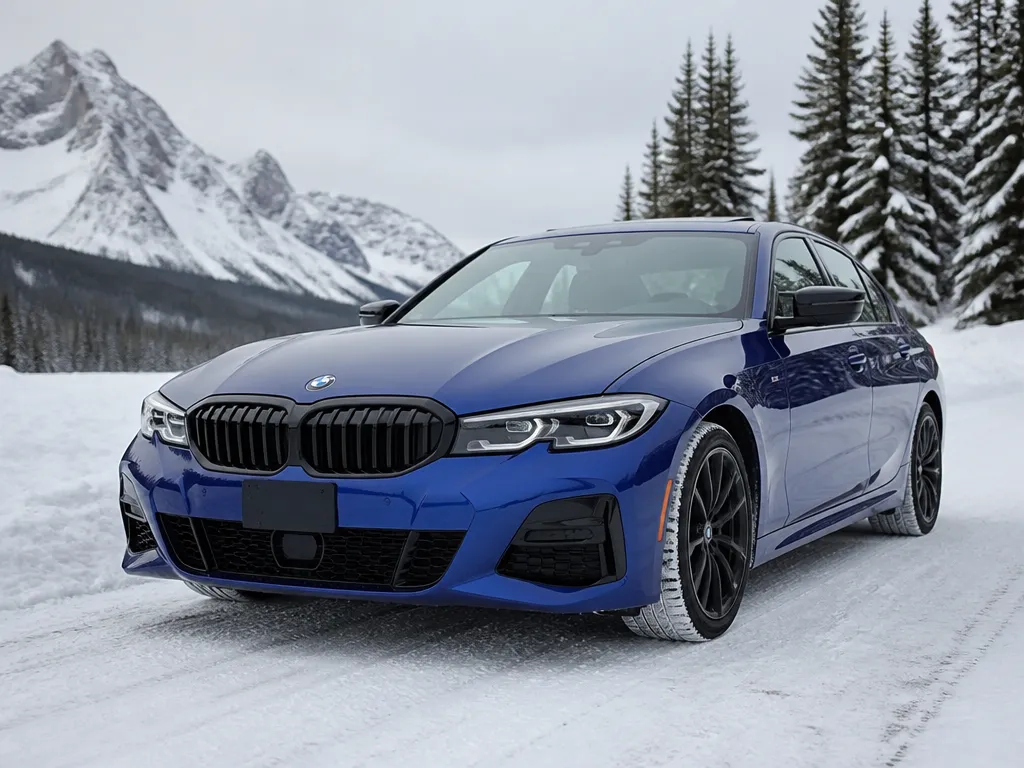
Winter traction is mostly a tire story, and the best BMWs for snow make it easier to put power down when grip drops. Prioritize AWD models with xDrive and spec a true winter tire set, since the drivetrain can only do so much on all-seasons or worn rubber.
| Rank | BMW Model (Type) | Winter Advantage | Who it fits |
|---|---|---|---|
| 1 | X3 xDrive30i / xDrive M40i | AWD traction, good ground clearance | Daily drivers who see snow year-round |
| 2 | X5 xDrive40i / xDrive M50i | Heavier SUV stability, strong power delivery | Long commutes, highway snow, towing needs |
| 3 | 3 Series xDrive (330i/330e/others) | AWD balance for weight-transfer control | Drivers who want sedan feel with better grip |
| 4 | 5 Series xDrive (540i/others) | Stable stance, AWD for low-traction starts | Comfort-focused winter miles |
| 5 | X1 xDrive (sDrive for lighter-duty use) | Compact AWD convenience | Urban snow, easy parking, shorter commutes |
Winter tires change what “best” means. With proper winter rubber, even a non-xDrive BMW can be decent, but xDrive still helps because it keeps torque distributed to maintain stability during slip and throttle changes.
Mechanic’s tip: If you must choose between a good winter tire set and a smaller drivetrain advantage, choose the tires. A properly maintained winter tire on an AWD BMW generally offers more snow grip than a fresh all-season on the same car.
Ranked Picks, With What To Buy (And What To Check)
Each top pick below assumes you run a dedicated winter tire set with the right size and proper load rating for the wheel you choose.
Before you commit to any winter setup, check these details on the exact year and trim. Ground clearance varies a lot with wheel size and optional equipment.
Trade-off to accept: the more power and the wider the wheels, the more you benefit from downsizing winter wheel/tire widths within BMW’s approved spec. Narrower winter tires cut through slush better and give more usable tread contact on ice.
Xdrive, Awd, And Snow Traction Reality
xDrive and other BMW AWD systems help the car accelerate and pull when the road starts slipping, but they cannot beat physics when you run out of tire grip. In snow driving, winter tires still decide how far you go and how straight you stay under braking and cornering.
What Awd Helps With (And What It Cannot)
xDrive is built around distributing torque between the front and rear axles when available grip changes. That means better launch control and fewer wheel spin moments versus a RWD setup on the same tires, especially when you start from stoplights or climb out of rutted snow.
AWD does not shorten stopping distance on ice. AWD also cannot fix a lack of sidewall grip from worn all-seasons, and it cannot make physics allow higher-speed turns on slick patches.
Rwd-only Bmws Can Work If You Do It The Right Way
Rear-wheel drive BMWs are fine in winter if the car gets winter tires with real tread depth and the driver uses smooth inputs. The big difference is that RWD needs momentum and throttle discipline, because the rear axle is the one that must grip when you power up.
In practice, good winter driving on RWD is about early braking, gentle throttle, and letting the ABS and stability control do their job instead of forcing wheel spin. RWD becomes frustrating when tires are marginal, the driver “corrects” too late, or the vehicle sits on low ground clearance and picks up snow build-up.
| Drivetrain feel on snow | Typical driver takeaway | What to prioritize |
|---|---|---|
| RWD (winter tires) | Steers predictably, needs smooth throttle | Tire choice and tire pressure habits |
| AWD or xDrive | More consistent launches and easier pull-through | Same tires, plus drivetrain maintenance |
| AWD on all-seasons | Relief on takeoff, still slippery in turns/braking | Swap to true winter tires |
Stability Control And Abs: What “Good Behavior” Looks Like
On BMWs, ABS should pulse and keep the steering feel usable while you slow down, not lock up the wheels. Good winter behavior is ABS staying active without the car feeling like it will slide off in a straight line, and stability control intervening early with smooth corrections.
Rough control usually means traction is overwhelmed, tires are skating, or you are exceeding the available grip. A properly set up car on winter tires should “hunt” less, correct more calmly, and recover traction sooner when you ease off and reset your steering angle.
Shopping check: test-drive in a safe, low-speed snowy lot if possible. You want ABS pulse you can feel through the brake pedal, and you want stability control to calm the slide instead of abrupt, chaotic corrections.
Cold-weather Drivability: Throttle, Traction Strategy, And Tire Warm-up
Cold tires are stiffer, so grip is lower for the first few miles, even with the correct tire model. xDrive systems may feel more conservative early on because traction control is protecting driveline slip when tire grip is limited.
Throttle mapping matters: BMWs typically use electronic traction control to soften torque when slip is detected, which feels like a slower, steadier response on low-grip surfaces. Prioritize fresh winter tire tread, keep pressures right for the cold temperature swings, and avoid long hard pulls right after a cold start until the tires have a bit of heat and the road starts to match the tire.
Trim And Package Details That Matter
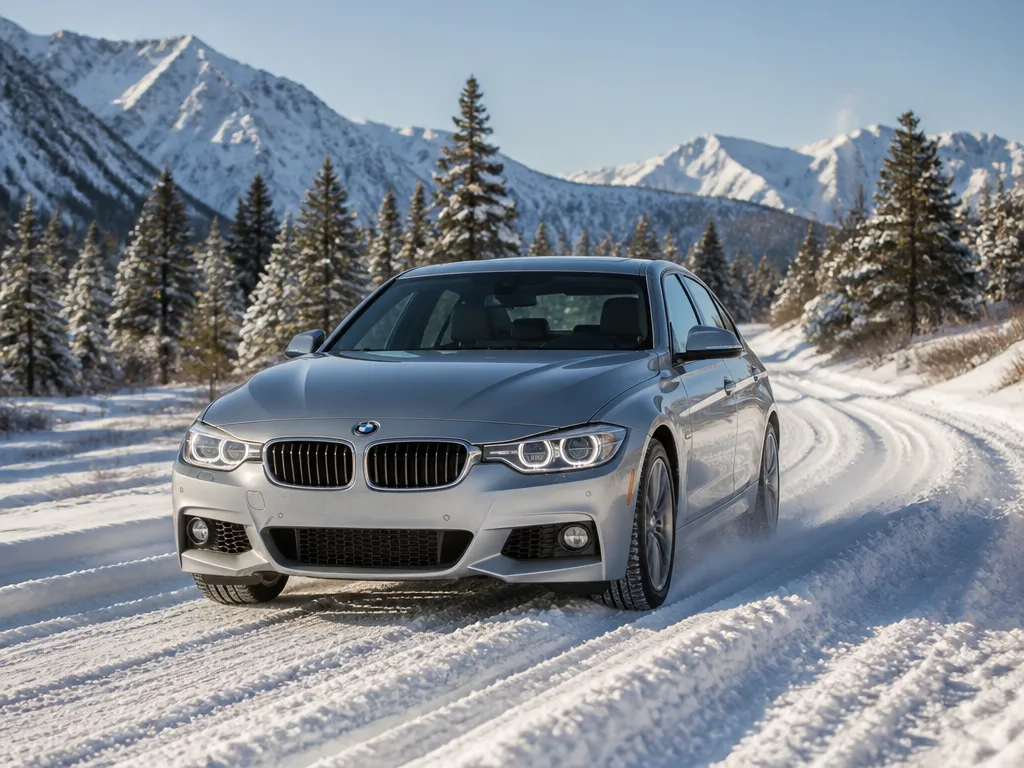
Winter capability on BMWs can change more by drivetrain and suspension packaging than by model name alone. The same badge can come with different xDrive behavior, different suspension ride height, and different wheel and tire clearances that decide whether your snow tires fit and how much ground clearance you keep.
Xdrive Availability And “Why It’s Missing” On Some Trims
xDrive is common on many BMW trims, but it is not guaranteed across every year and body style. Coupes and some base configurations often came with rear-wheel drive unless the build specifies xDrive (or a known all-wheel-drive variant for that generation).
In practice, sellers often mix up “AWD” talk with what the window sticker actually shows. For your shopping checklist, confirm the line item for drivetrain (xDrive, AWD) and scan for option packages that can be bundled only with certain axles.
Sport Vs Comfort Suspension, Ride Height, And Ground Clearance
Sport suspension is usually lower ride height than comfort suspension, and that matters when snow is deep or when you hit plowed ruts. Lower cars can scrape faster, and they often lose effective clearance under the front bumper, belly, and suspension components.
Wheel and tire packaging can also change overall tire diameter. If the dealer lists a “sport” package with a smaller tire sidewall profile, you may end up with less clearance even if tire size looks “close” on paper.
Mechanic tip: When snow is your priority, pick the highest practical ride height that still comes on your exact trim, then plan winter tires at the widest fitment that clears the brakes.
| What to verify | Why it matters in winter | What to look for on the sticker/build sheet |
|---|---|---|
| Sport vs comfort suspension | Ride height and bumper/belly clearance | “Sport suspension”, “Adaptive M”, “Comfort suspension” wording varies by generation |
| Wheel/tire diameter | Ground clearance and snow tire fit | Wheel size and tire size, confirm alternate winter tire sizes are approved |
| Brakes behind the wheel | Clearance for winter wheels with different offsets | Large brake package note (often bundled with performance trims) |
Wheel And Tire Package Differences That Affect Snow Tire Fitment
Winter tire fitment often fails for boring reasons: the wheel spoke and brake caliper clearance, the wheel offset, and the tire sidewall width. BMWs with larger brakes or performance wheels sometimes force you into narrower winter tires or specific wheel sizes to avoid rubbing.
For cost control, prioritize trims that allow the “common” winter wheel sizes used in your local tire shops. Smaller wheels are usually cheaper on the tire side, and they also give you more sidewall for potholes and slush.
Braking And Traction Trims, And What To Verify
Winter driving is mostly traction and braking control, so your build needs the right stability and traction systems, plus the right wheel speed sensors and ABS calibration that come with that axle and brake configuration. Trims with upgraded brake systems and active driveline features can feel better in deep snow, but you still need correct tire sizes and pressure habits.
Verify these on the window sticker or build sheet before buying, because packages can change what control logic and driver-assist functions are available. If your goal is winter confidence, prioritize trims that list comprehensive stability and traction control systems, and confirm whether any driver-assist features require specific cameras or sensors that can be affected by snow buildup.
Bmw Snow Comparison Table By Priority
xDrive models with snow-ready chassis and a normal winter tire setup usually outperform low ground clearance sedans in slush and packed snow. This table ranks the most winter-capable BMW choices by AWD type, clearance tendency, and everyday livability, so you can cross-shop fast.
Trade-off callout, taller body styles vs handling feel: X-series BMWs ride higher, which usually means fewer scraping moments and easier entry into snow-covered driveways. The trade-off is steering feel and agility can feel less immediate than a lower sedan, especially with sport packages and larger wheels.
Sedan vs SUV practicality in winter: Sedans like the 3 Series xDrive are fine when your routes are mostly plowed and you keep a proper winter tire setup. SUVs like the X3 or X5 buy you cushion in slush, uneven patches, and deep ruts, and they store boots, ice scrapers, blankets, and a bag of salt more easily.
Buyer check before you commit: confirm winter wheel and tire size availability for the exact trim you want, and verify the car’s ground clearance and tire diameter you can run without rubbing. If you see frequent scrape marks on test-drive routes, go taller (X3/X5) rather than hoping AWD alone will fix the clearance gap.
Winter Tires Vs All-seasons Ranking
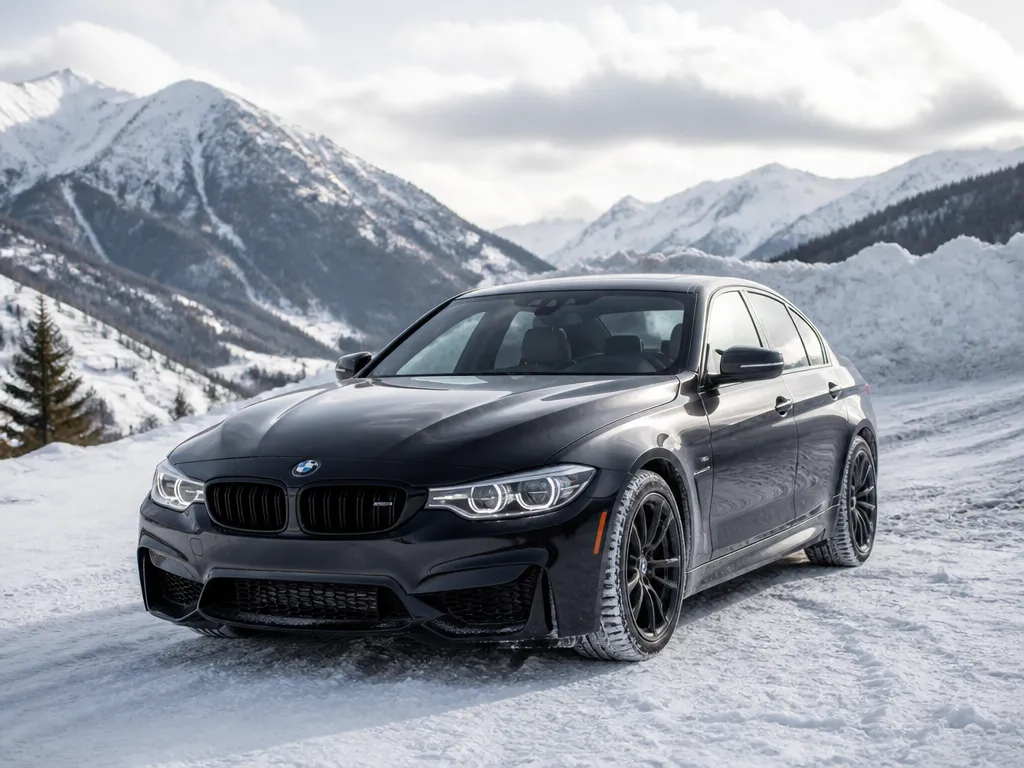
Winter traction in snow is mostly a tire job, not a drivetrain magic trick. Winter compounds stay flexible in cold temps and bite through slush, so braking and side-to-side stability improve even when the BMW’s traction control and AWD are doing their best work.
Why Tires Decide The Ranking
Tire compound is the biggest swing factor. In real winter temperatures, all-seasons harden and lose grip, while true winter tires keep a softer tread for more consistent contact patch pressure and shorter stops on snow.
Tread design is the second limiter. Directional or multi-directional sipes and deeper winter-groove geometry pump slush and help the tire regain friction after you steer or brake, so you see fewer “push” events and more controllable ABS cycling.
| Setup | What changes most in snow | What BMW traction systems do best |
|---|---|---|
| Dedicated winter tires | Braking distance, straight-line stability, steering bite | xDrive and stability control can work with more usable grip |
| All-seasons only | Earlier ABS/traction intervention, longer stops, quicker loss of side grip | Helps you stay pointed, but cannot create grip the tire does not have |
How The List Changes With Dedicated Winter Tires
With proper winter tires mounted, more BMWs rise because the baseline grip improves for everyone. Models with AWD (xDrive) still climb to the top, but even RWD cars can feel dramatically more predictable in snow when the tires are right.
With all-seasons, the ranking skews harder toward AWD and toward cars that keep weight and traction working together. A winter-capable xDrive BMW usually gains the most because it can accelerate and distribute torque more effectively once the tires can hold a consistent contact patch.
If You’re Stuck On All-seasons, Which Traits Still Help
All-seasons limit you, but certain BMW traits still make a difference. Balanced weight distribution and a stable chassis help the stability system regain control faster, and strong electronic traction control can reduce wheelspin during launches on slick, glazed snow.
AWD is still a big advantage for start and exit traction, yet the real constraint is tire compound at winter temperatures. If your all-seasons are older or worn smooth, even the best AWD calibration cannot overcome the loss of snow bite.
Maintenance Basics That Protect Winter Performance
Tread depth is a direct snow-grip limiter. If the winter tires are below about 4/32 in, snow performance drops sharply because the sipes and channels do less work in slush and on packed drifts.
Tire age matters too. Many winter tires still look “fine” visually, but compounds harden as they age, which hurts stopping distances and steering response in cold weather.
Winter tires make the biggest difference for braking and steering, but they only stay effective if you keep tread deep, tires reasonably fresh, and wear patterns even through rotations and alignment checks.
Buying Checklist For Snowy Bmw Shoppers
Before you hand over your money, confirm the car you are buying is set up to put power down in deep snow, with healthy drivetrain hardware and winter-friendly ground clearance. Winter capability depends as much on tire fitment and brake behavior as it does on xDrive.
Drivetrain, Stance, And Winter Fitment Checks
Verify xDrive/AWD is real for the exact VIN you are inspecting. On BMWs, trims can look similar on the lot, so pull up the build sheet and match it to the drivetrain listed, not the sticker someone told you on the phone.
In practice, a slightly lower stance can turn into a bigger deal in slush, plowed snow ridges, and steep driveways. Approach and departure angles matter when you are climbing out of snowbanks or dropping into cleared lots.
| Check | What to look for | Why it matters in snow |
|---|---|---|
| Ground clearance | Scraped undertray, bent shields, low ride height | Reduces traction zone contact and increases impact risk |
| Tire/wheel spec | Wheel diameter and width match winter tire availability | Determines if you can run true winter tires, not compromises |
| AWD integrity | No drivetrain warnings, smooth low-speed engagement | Irritates traction control behavior and can hint at transfer issues |
Brakes, Abs Feel, And Drivetrain Health Pre-purchase
Do a low-speed brake test before you buy, ideally on a clean dry surface and then on a light wet film if you can find it. Uneven pad wear, glazing, rotor scoring, or a tugging pedal can turn into longer stopping distances and sketchy ABS pulsing once snow and slush show up.
Drivetrain health should be part of the pre-purchase inspection, not a hope-and-pray item. Have the shop scan for stored drivetrain and transfer-case related faults and verify fluid service history where applicable.
“Bring the same attention you’d give to a used AWD transmission. Transfer-case, differential, and coupling health affect how the car modulates traction control in low grip.”
Winter Wheel And Cost Planning (Tpms And Spares)
Plan winter tire and wheel costs as a package, because the “best” winter tire in the world is useless if your exact wheel size or offsets are rare. Confirm you can mount winter tires in your target size range, then price out a full set plus any TPMS sensors if your setup requires them.
| Cost item | Typical planning range | What to verify on the car |
|---|---|---|
| Winter tire set | Varies widely by size and brand, often meaningfully more than all-seasons | Correct wheel size and load rating for your VIN |
| Winter wheels | Optional, but can reduce swap headaches and curb risk | Wheel bolt pattern, offset clearance, and brake caliper fit |
| TPMS sensors | Extra cost if winter wheels do not already include sensors | Compatible sensors for your car’s TPMS system |
| Patch or spare strategy | Low compared to towing, high compared to ignoring it | Where the spare sits and whether you have tools |
Key takeaway: The best winter BMW purchase is the one you can correctly outfit with winter tires, keep mechanically tight, and drive without drivetrain weirdness. Treat tire fitment, underbody clearance, and AWD health as deal breakers, not minor details.
Avoid And Caution Picks For Snow
Rear-wheel-drive BMWs can require more careful throttle management on snow because wheel slip on the driven axle can happen before the stability system restores usable grip. Without dedicated winter tires, they can feel controlled in mild snow but struggle once you hit slush, packed snow, or icy patches.
Rwd-only Versions And The Winter Tire Gap
BMW’s RWD lineup can be fine in dry cold weather, but snow rewards traction at every corner, not just throttle response. On icy grades and turns, a RWD car depends on the rear tires to do the braking and pulling, and winter compound matters because it stays flexible in cold temperatures.
When winter tires are missing, the traction control light may blink a lot, ABS will pulse earlier, and the car can end up “waiting for grip” rather than building forward motion. This is why a clean set of winter tires can turn a borderline RWD car into an acceptable one, while mismatched or all-season tires usually do not.
Low Clearance, Aggressive Wheel-gap, And Underbody Risk
Street-style fitment often adds less-than-obvious snow problems. Very low ride height and aggressive front lip positioning increase the chance of scraping snowbanks and underbody damage when you drive over plowed shoulders.
In slush, scraped undertrays also lose airflow control and can block airflow into cooling components. Even when nothing breaks, you end up creating new leaks and rattles that show up first in cold weather.
Big-wheel Packages That Force The Wrong Tire Size
Some BMWs are ordered with large diameter wheels that look great in summer but cause headaches in winter. The problem is simple: winter tire supply and pricing can change sharply when you go from a common size to a rare one, and some owners end up with tire sizes that do not match the car’s intended load and speed ratings.
Winter tires must fit correctly to avoid rubbing and to keep ABS and stability control working as designed. Wrong-size tires can also change effective rolling circumference enough to upset driveline calibrations.
| What to watch | Why it matters in snow |
|---|---|
| 18-inch vs 20-inch (or larger) wheel packages | Common sizes are easier to replace with fresh winter tires and correct load ratings |
| Rubbing on full steering lock | Snow and ice harden around tires, which increases the chance of contact |
| Non-original tire widths/aspect ratios | Rolling diameter changes can affect stability control behavior |
Rescue option for a borderline choice: If you insist on an RWD BMW, plan on dedicated winter tires in the correct size (OEM spec), plus a real test-drive in low-speed snow or slush before you commit.
Winter Setup Guide For Bmw Owners
Winter drivability depends more on tires and setup than the BMW badge. Prioritize a proper winter tire package for your specific wheel sizes, then keep drivetrain alerts cleared and wheel pressures consistent so xDrive can work the way it was tuned.
Tire Selection, Storage, And Fitment Details
Choose studless winter tires for everyday snow and slush, then consider studded only where legality and local road conditions make studs worthwhile. Studded tires can sharpen grip on compacted ice, but they add noise and wear faster on bare pavement.
Pick a tire with a winter tread pattern designed for cold temperatures, typically one with dense sipes (small cuts) and a softer compound. Expect a useful winter life of roughly 3 to 6 seasons if tread wear and storage are managed well, but driving style and alignment matter more than the brand name.
Season-change Routine And Awd/cold-weather Checks
When you move from summer rubber to winter rubber, inspect the basics: tread depth, sidewall condition, and the dot-date if you are reusing older tires. Also check for stored winter debris like ice packs around wheel wells and ensure your brake rotors are not heavily rusted from sitting, since that can cause pulsing until they clean off.
Cold weather can trigger drivetrain and stability warnings after hard driving or deep temperature swings, especially if a fault is stored during an earlier slip event. Clear any active messages after tire installation and test-drive gently to confirm no drivetrain errors remain.
Driver Practice For Slick Surfaces (What To Do In Real Life)
Gentle inputs win on BMWs in snow because traction control and stability control need smooth wheel-speed transitions. Apply throttle progressively from a stop, avoid one-wheel spin, and increase following distance so ABS has room to work.
For ice and glare conditions, plan braking early and brake in a straight line first, then steer. Practice recovering control in an empty lot by using mild steering corrections, since abrupt steering with hard throttle is the fastest way to provoke stability intervention.
| Winter setup priority | What to choose | Why it matters on xDrive |
|---|---|---|
| Tires | Quality winter tires in the correct size | Traction control and stability depend on predictable grip, especially at low speeds |
| Tread condition | Full winter tread depth, avoid worn fronts/rears mismatched | Uneven grip can force faster intervention and can reduce confidence |
| Wheels | Second set is ideal, TPMS handled correctly | Consistent balance and no hurried swaps improve control |
| Pressure | Check cold pressures regularly | Correct contact patch supports steering feel and stability behavior |
If you feel braking, steering, or drivetrain warnings after a tire change, treat it like a setup problem first. Verify tire sizes, pressures, sensor registration, and that any stored drivetrain messages are cleared before chasing “mystery” symptoms.
Quick Summary
The ranked recommendations focus on BMWs with AWD and good ground clearance: X3 xDrive (xDrive30i or M40i), X5 xDrive (xDrive40i or M50i), 3 Series xDrive, 5 Series xDrive, and X1 xDrive. Confirm winter tire fitment for your exact wheel size, verify xDrive operation, and inspect clearance before buying. The most important takeaway is to prioritize a dedicated winter tire set, then match it with an xDrive BMW if you can.
| What the article prioritizes | Specific winter-snow picks and checks |
|---|---|
| Traction and slip control | AWD with xDrive, plus winter tires that are not all-seasons |
| Best ranked BMWs | X3 xDrive, X5 xDrive, 3 Series xDrive, 5 Series xDrive, X1 xDrive |
| Trims to avoid | Low-clearance variants, especially with sport suspension or packages that reduce clearance |
| Pre-buy verification | Winter tire availability for your wheel size, xDrive warnings or binding symptoms, and ABS/stability behavior on snow |
Frequently Asked Questions
What Bmw Models Are Best For Winter Snow Driving?
The most winter-capable picks are xDrive models with traction-focused tires, since tire grip usually matters more than model badge.
Are Bmw Xdrive Cars Always Better Than Rear-wheel Drive In Snow?
xDrive helps by distributing torque to axles with available traction, but it cannot fix bad tires or worn tread. If you compare two cars on the same winter tires, xDrive usually gives you an easier start on slick pavement.
Which Bmw Is Safest For Winter Driving In Real-world Conditions, Awd Or Tires?
Winter tires are the big safety multiplier, because they keep traction as temperatures drop. Even an xDrive BMW can feel sketchy if it is running all-seasons that harden in the cold, especially below roughly 40°F (4°C).
Do I Need Dedicated Winter Tires For My Bmw, Even With Awd?
Yes, you will typically feel a meaningful difference with dedicated winter tires on an AWD BMW. For snow and slush, look for tires with good siping and proper load rating, and plan to swap before the first deep cold snap.
What Are Common Winter Mistakes Owners Make On Bmws That Cause Traction Problems?
The big ones are driving on tread-worn tires, running the wrong tire pressure for the cold, and assuming AWD means you can skip braking distances. Also avoid disabling driver aids too aggressively, since stability and traction control are there to prevent wheel slip from getting out of hand.
What Bmw Drivetrain Setup Should I Look For If I Plan To Drive In Heavy Snow?
For heavy snow use, prioritize an xDrive model and match it with winter tires designed for snow service. If you get deep drifts often, also make sure your car has good ground clearance and that you are not carrying a mismatched spare or uneven tire wear.