


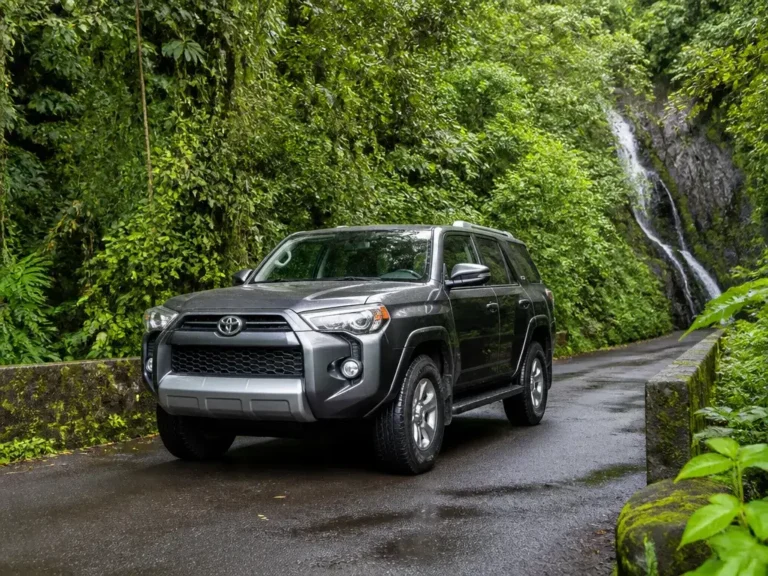
The Road to Hana is famous for its 620 curves and 59 bridges, most of which are narrow enough to make even experienced drivers break a sweat. You are likely staring at a rental car booking screen, wondering if that compact sedan will handle the tight hairpin turns or if you truly need the extra clearance of an SUV. This decision changes how you manage the road and where you can park.
An SUV is not mandatory for the Road to Hana, as the entire route is paved and accessible to standard passenger cars. While a higher seating position helps with visibility, the narrow road width makes smaller vehicles easier to maneuver through tight turns and allows for much simpler parking at crowded waterfall lookouts.
Do You Need Suv For Road To Hana Maui To Drive Safely?
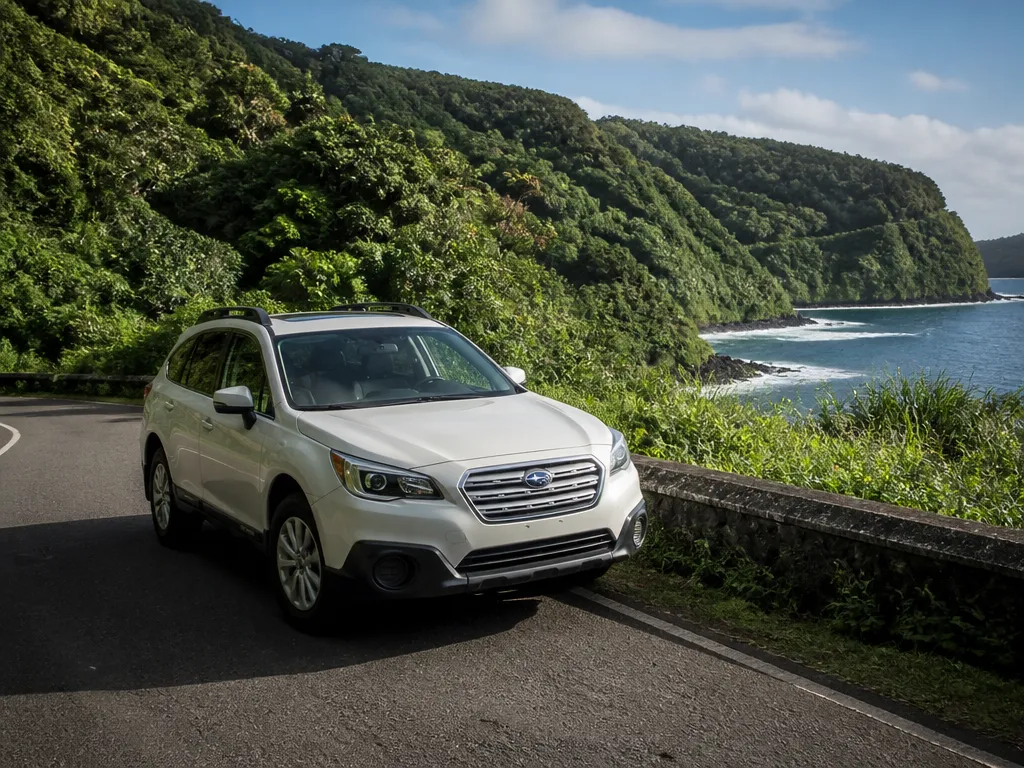
Standard passenger vehicles navigate this route without issue because the entire path is paved and maintained for public traffic. High ground clearance or four-wheel drive systems provide no functional advantage on these specific asphalt roads.
Compact cars offer superior maneuverability through the tight, frequent switchbacks that define the landscape. Their smaller footprint allows for easier positioning within narrow lanes when encountering oncoming tourist buses or large delivery trucks.
Performance Factors On Winding Terrain
Vehicle dynamics on this route prioritize visibility and steering precision rather than raw power or off-road capability. The road surface consists of standard tarmac, which remains stable even during tropical rain showers common in the region.
| Vehicle Type | Handling Advantage | Parking Ease |
|---|---|---|
| Compact/Sedan | High | Excellent |
| Large SUV | Low | Difficult |
Mechanic Tip: Rental agencies often categorize vehicles by size, not by capability. A smaller, lighter vehicle reduces braking fatigue during the constant stop-and-go descent, as there is less mass to manage on steep grades.
Rental car limitations often restrict drivers to paved surfaces anyway, making the extra cost of a large vehicle unnecessary for this specific trip. Stick to the vehicle class you are most comfortable operating in daily traffic, as the primary challenge is driver focus, not mechanical performance.
Vehicle Size And Narrow Road Navigation
Narrow lanes and tight switchbacks make smaller vehicle footprints more advantageous for maneuverability. A compact car allows for more precise placement in lanes that often lack shoulder space.
Handling Tight Hairpin Turns
Tight turns require a short wheelbase to navigate without excessive steering corrections. Compact cars like the Toyota Corolla or Honda Civic can pivot through hairpins more efficiently than long-wheelbase SUVs. A shorter vehicle allows the driver to stay centered in the lane during a sharp pivot. This reduces the need to back up or perform multi-point turns on a steep grade.
For example, a full-size SUV often requires a wider arc to clear a sharp corner. This can force the driver to cross the center line, which is dangerous when oncoming traffic is present. A compact car handles these bends with a much tighter radius.
| Vehicle Type | Turning Radius | Bridge Navigation | Lane Centering |
|---|---|---|---|
| Compact | Tight/Easy | High Margin | Simple |
| Mid-Size SUV | Moderate | Moderate Margin | Requires Focus |
| Full-Size SUV | Wide/Difficult | Low Margin | Challenging |
Managing Single-lane Bridges
Single-lane bridges require drivers to yield and navigate tight gaps. A wide vehicle increases the stress of these encounters and leaves very little margin for error against the concrete curbs. Smaller cars can slip through these bottlenecks with ease. This allows for a smoother flow of traffic and less time spent idling on the bridge.
In practice, a wide-body SUV like a Chevrolet Tahoe can feel overwhelming when passing another vehicle on a narrow bridge. The driver must be hyper-aware of the side mirrors to avoid scraping the walls. A compact car makes these transitions faster and less anxiety-inducing.
Pro Tip: If you choose a larger vehicle, always check your side mirrors before entering a bridge. Give the oncoming driver the right of way if they have a smaller car, as they can maneuver around obstacles more easily than you can.
Jeep Versus Sedan Trade-offs
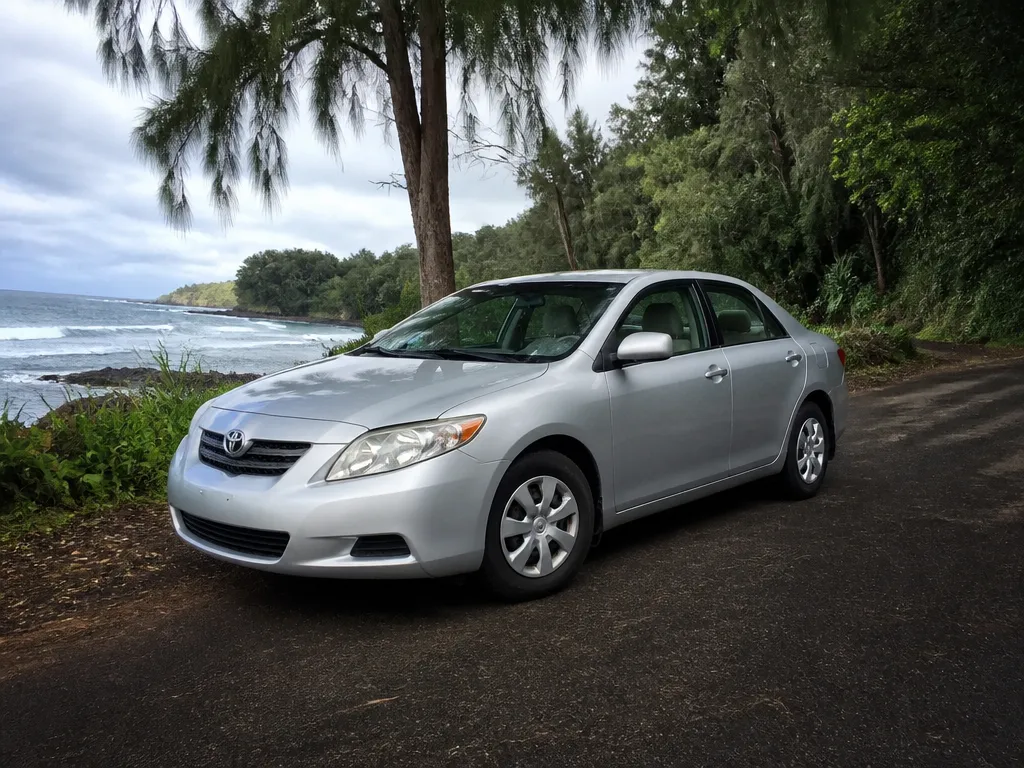
Rental vehicle selection shapes your visibility and handling experience on the winding curves of the Maui coastline. A convertible offers an open-air perspective of the lush canopy and waterfalls, while a sedan provides a lower center of gravity that improves stability during tight cornering.
Performance And Comfort Comparisons
Sedans typically offer superior fuel economy and easier parking in the cramped pull-offs along the highway. Their lighter curb weight and responsive steering make navigating the frequent hairpin turns less fatiguing for the driver.
Jeep Wranglers provide a commanding seating position and higher ground clearance, which helps when dealing with uneven road shoulders or occasional debris. The trade-off is a stiffer ride quality and increased wind noise, which can become tiresome over the course of a full-day excursion.
| Feature | Convertible/Jeep | Sedan |
|---|---|---|
| Visibility | Excellent (top down) | Standard |
| Handling | High center of gravity | Precise/Nimble |
| Fuel Efficiency | Lower | Higher |
| Parking Ease | Moderate | High |
Mechanic Tip: Renting a vehicle with a shorter wheelbase allows for tighter turn radiuses, which is a major advantage on the narrow bridges and sharp switchbacks found throughout the Hana route.
For instance, a standard mid-size sedan often handles the road surface with more composure than a lifted 4×4. If your primary goal is comfort and fuel efficiency, a sedan is the more practical choice for the paved sections of the route.
Convertible models require a careful check of the folding mechanism before leaving the rental lot. Ensure the seals are tight and the latching system functions correctly to prevent water intrusion during the frequent tropical rain showers common on this side of the island.
Parking Challenges At Popular Stops
Small vehicle footprints provide a significant advantage at the Road to Hana’s crowded lookouts and waterfall trailheads. Many of these spots consist of narrow dirt pull-offs where a full-size SUV takes up the space of two compact cars.
Trailhead Space Constraints
Parking areas at popular stops are often unplanned dirt patches rather than paved lots. A compact car can tuck into a corner, but a large SUV often overhangs the drivable lane. This forces other drivers to steer into the brush or wait for the larger vehicle to move.
For example, a Chevrolet Tahoe or Ford Expedition requires a much wider turning radius. In a tight dirt lot, these vehicles often need multiple maneuvers to exit without hitting a rock or another car. This inefficiency creates bottlenecks on the road that can delay other travelers for several minutes.
| Vehicle Type | Parking Difficulty | Primary Risk |
|---|---|---|
| Compact Sedan | Low | Low ground clearance on dirt |
| Mid-Size SUV | Medium | Tight maneuvering in lots |
| Full-Size SUV | High | Blocking traffic / Sinking in mud |
Avoiding Parking Pitfalls
Avoid parking on soft, grassy shoulders. Heavy SUVs sink into the mud more easily than lighter cars, which can lead to a costly tow from a local recovery service. The weight distribution of a 4×4 is helpful for driving, but it can be a liability when sitting still on saturated soil.
For instance, a driver might think a flat patch of grass is safe, only to find the tires buried to the axle after an hour of rain. This often happens at the more remote waterfall stops where the ground is consistently damp.
- Scout the ground. Check for deep ruts or soft mud before you put the car in park.
- Leave a gap. Give the car behind you enough room to maneuver around your vehicle.
Managing Road Hazards And Weather
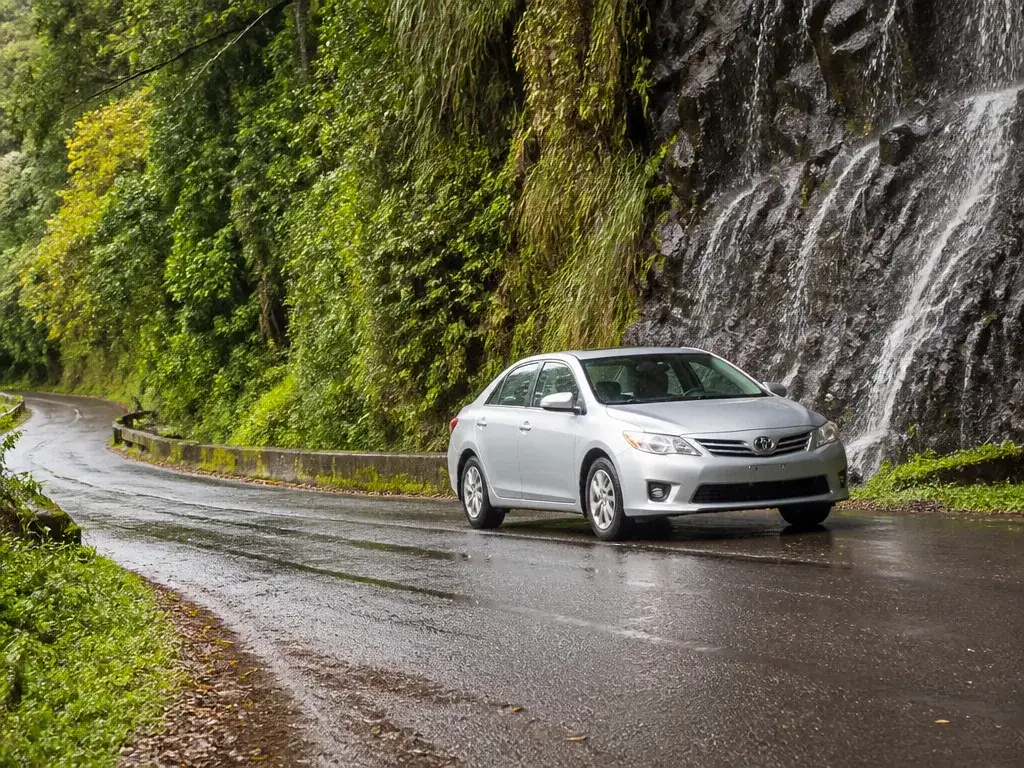
Heavy tropical rainfall creates slick pavement and reduces visibility, requiring drivers to prioritize traction over vehicle size. Standing water on the narrow, winding asphalt often hides potholes or loose gravel washed down from the steep embankments.
Traction And Surface Conditions
Tires with adequate tread depth are the primary factor for safety when navigating wet, volcanic-rock-lined curves. Modern compact cars often feature electronic stability control and traction management systems that effectively mitigate wheel spin on slick surfaces, provided the driver maintains a steady, moderate pace.
Mechanic’s Tip: Before leaving your rental agency, check the tire sidewalls for the “all-season” designation and verify that the tread is not worn near the wear bars. If the tires feel hard or show dry rot, request a different vehicle immediately regardless of its size.
Debris frequently settles on the shoulder of the road, including fallen palm fronds, small rock slides, and thick mud. Drivers who hug the center line to avoid these hazards put themselves at risk during oncoming traffic encounters, while those who stay too far right risk tire damage from jagged rocks or soft, unstable edges.
| Hazard Type | Risk Level | Best Mitigation |
|---|---|---|
| Standing Water | Moderate | Slow down to prevent hydroplaning |
| Loose Gravel | High | Maintain steady throttle; avoid sudden braking |
| Narrow Shoulders | High | Keep eyes focused on the lane center |
Navigating Potential Obstacles
Visibility drops rapidly during afternoon showers, making reflective paint markers and roadside barriers harder to track. Sharp turns often feature blind spots where oncoming vehicles may cross into your lane to avoid their own obstacles.
For example, a sudden downpour can turn a dusty shoulder into a slick mud slide in minutes. If you encounter a section of road where the water flow appears deep or fast-moving, stop and assess the depth before proceeding. Small passenger vehicles generally handle these conditions safely if the driver exercises patience and avoids aggressive steering inputs.
Fuel Consumption And Long-haul Costs
Fuel efficiency drops significantly on the Road to Hana because the constant stop-and-go nature of the hairpin turns forces engines to work harder than they would on a highway. Compact cars generally offer a 20 to 30 percent improvement in fuel economy over mid-size or full-size SUVs on this specific terrain.
Comparative Operating Costs
Rental agencies in Maui often charge a premium for larger vehicles, which creates a dual-cost burden when combined with higher fuel consumption. A standard sedan or compact car balances initial rental fees with lower pump costs, whereas an SUV adds both a higher daily rate and increased gasoline expenditure.
| Vehicle Class | Fuel Efficiency Impact | Relative Daily Cost |
|---|---|---|
| Compact/Economy | High (30-35 MPG) | Baseline |
| Mid-size SUV | Moderate (20-25 MPG) | 1.5x Baseline |
| Full-size SUV | Low (15-18 MPG) | 2.0x+ Baseline |
For instance, a full-size SUV requires more frequent refueling stops, which disrupts the flow of a long day trip where gas stations are scarce. Maui fuel prices fluctuate, but the remote nature of the east coast means you should anticipate paying a premium if you are forced to top off near Hana town.
Pro tip: Calculate your total trip distance to be roughly 120 miles round-trip from the Kahului area, then add 20 percent to account for the idling and engine braking required on steep grades. Most standard fuel tanks handle this distance easily, but smaller engines in subcompacts provide the best value for your wallet.
Budgeting for the full day involves more than just gas, as the time spent searching for parking in limited spaces often forces drivers to leave engines idling or pay for premium spots. Choosing a smaller vehicle reduces the stress of parking in tight gravel turnouts, effectively lowering the hidden costs of potential minor cosmetic damage or restricted access to the best viewpoints.
Safety Tips For Remote Maui Driving
Roads on the drive to Hana are narrow, twisty, and often wet, so the safest approach is to slow early and keep braking gentle well before curves. Wet pavement and loose shoulder material make late braking and sudden steering a fast way to lose traction, even in capable vehicles.
Managing Vehicle Speed And Braking
In practice, drive like you have less grip than you do. Keep speed low enough that you can reduce braking after you turn in, and treat each blind corner like it could hide oncoming traffic or a stopped vehicle.
Watch your tires as your “early warning system.” If you feel the steering go vague or the car wants to slide when you brake, ease off and regain balance before continuing.
Speed control habits that pay off on Hana’s road
Brake fade warning: repeated heavy braking on long, steep stretches can overheat pads and rotors. If the pedal starts to feel lower or spongier, or braking effectiveness drops, pull over somewhere safe and give the brakes time to cool before continuing.
| Driving situation | What to do | Why it helps |
|---|---|---|
| Wet downhill | Slow early, use steady decel, minimal brake pedal | Reduces wheel lock risk and helps maintain grip |
| Blind corner | Reduce speed before the turn, stay in your lane | Gives reaction time for oncoming traffic |
| Loose edge | Avoid it, keep wheels on pavement | Prevents sudden traction drop and steering pull |
Communication In Areas Without Cell Service
Cell coverage can be unreliable along remote stretches, so you need a plan that does not depend on your phone working. Use exact location details like the nearest mile marker, landmark, or intersection you just passed.
Before you drive
For example, if a vehicle breaks down, hazard lights are for visibility, not for precision. Use the best available reference points (road signs, turnoffs, and distance markers) and stop only where you can be seen from a safe distance.
Insider tip: If you feel the need to slow down because of fog, rain, or glare, do it earlier than feels comfortable. Communication and reaction time are harder when visibility drops and you cannot count on fast help arriving.
Quick Summary
You do not need an SUV to drive the Road to Hana because the entire route is paved and maintained for standard passenger vehicles. While an SUV might seem like a natural choice for travel, the compact sedan is actually more practical for navigating the 620 curves and 59 bridges found along the way. Smaller vehicles provide better maneuverability through tight hairpin turns and make parking in crowded, narrow gravel pull outs much easier. A standard sedan is a superior choice for fuel efficiency and general handling on this specific winding terrain.
Driving on this route requires precision steering rather than off road capability, as the road surface remains stable even during tropical rain showers. Compact cars like a Honda Civic or Toyota Corolla offer a shorter wheelbase, which helps the driver stay centered in narrow lanes without crossing into oncoming traffic. Larger vehicles like a Chevrolet Tahoe often struggle with the sharp turning radius and limited space on single lane bridges. Ultimately, you should stick to the vehicle class you are most comfortable operating, as driver focus is the most important safety factor.
| Vehicle Type | Handling Advantage | Parking Ease |
|---|---|---|
| Compact/Sedan | High | Excellent |
| Large SUV | Low | Difficult |
Frequently Asked Questions
Do You Really Need An Suv To Drive The Road To Hana?
You definitely do not need an SUV because the entire route is paved with standard asphalt. A compact sedan or a convertible is perfectly capable of handling the 620 curves and 59 bridges that make up the highway.
Is A Four Wheel Drive Vehicle Necessary For The Road To Hana?
No, the road does not require four wheel drive or all wheel drive at any point. The primary challenge is the narrow width of the road rather than terrain, so a smaller vehicle is actually easier to maneuver through tight turns.
Are There Parts Of The Road To Hana Where A Rental Car Contract Forbids Driving?
Most rental companies prohibit driving on unpaved roads, specifically the backside of Hana past the Oheo Gulch towards Upcountry. Even if you have an SUV, stay on the main paved highway to avoid violating your rental agreement and losing your insurance coverage.
Is An Suv Safer Than A Sedan For The Road To Hana?
An SUV provides a higher seating position which helps with visibility, but it is not safer in terms of handling or braking on these specific roads. A smaller vehicle is often safer because it leaves more room on the narrow lanes for oncoming traffic and makes pull-offs much easier to navigate.
Should I Rent A Jeep For The Road To Hana For A Better Experience?
While a Jeep is a popular choice for the aesthetic, it can be cumbersome on the narrow stretches of the road. You should only rent one if you want the open-air experience, but keep in mind that a smaller sedan will save you money on both the rental rate and the significant amount of fuel required for the trip.