


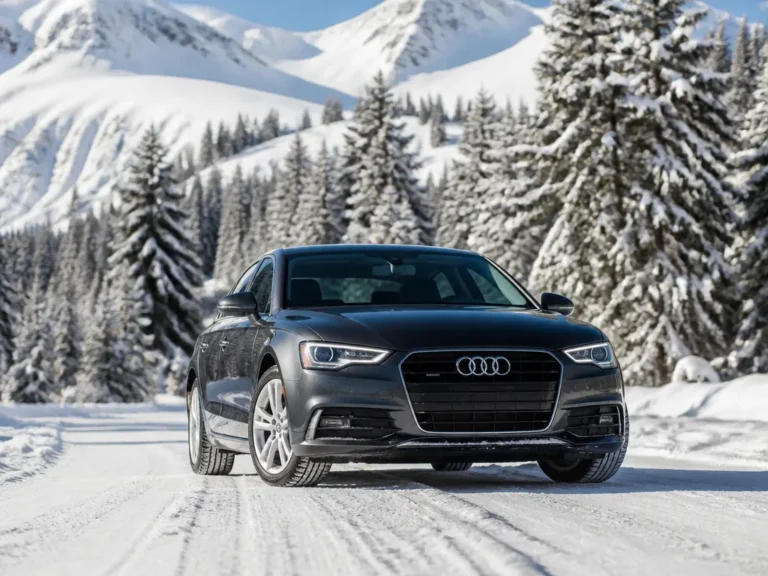
My Audi A4 gets “skatey” the first 10 minutes after a snowfall, and the traction control lights start blinking when I’m trying to merge. If you drive an A4 in snow, you already know the tires matter, but you also need to know how your drivetrain (quattro vs FWD) and stability settings change grip, braking feel, and getting unstuck.
A4 quattro usually gets you moving more reliably in deep snow, while FWD needs cleaner throttle inputs to avoid wheelspin. Winter tires beat all-seasons once temps drop below about 7°C (45°F). You’ll learn what to leave on, what to disable, and a cold-weather checklist that catches the stuff that fails first.
Audi A4 in snow and winter driving depends heavily on drivetrain choice and tires. Expect FWD to slip sooner on acceleration, while quattro helps you pull through glare ice better with steadier torque. Use winter tires below 7°C (45°F), set cold tire pressure correctly, and drive slower because braking distances on ice can be several times longer than dry pavement.
1. Audi A4 In Snow And Winter Driving
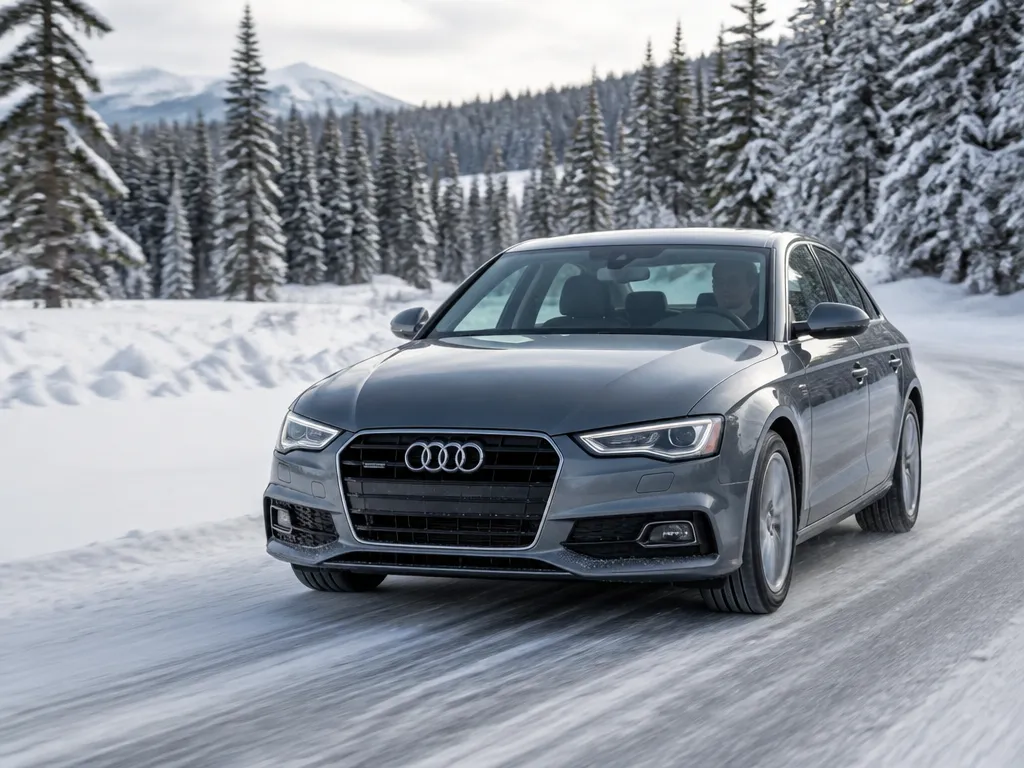
A4 owners put this car on the road in real snow seasons because available quattro traction helps keep power going where the tires can actually grip. Cold-weather drivability also matters, since winter tires and correct tire pressures can be the difference between controlled starts and tire spin. This is why the A4 is a common choice for commuters who want Audi comfort but still need predictable handling when roads turn slushy.
In practice, the biggest winter performance gains come from the right tire and wheel setup.
For example, mounting dedicated winter tires on the A4’s OEM-size wheels improves braking and steering consistency once temperatures drop and snow starts packing into tread. If you run an all-season setup, plan for longer stopping distances on ice, since rubber compound changes how the tire cuts through slush and holds the road.
How Quattro And Winter Tires Work Together
quattro helps manage wheel slip by distributing torque to the wheels with more grip, which improves acceleration traction and can reduce the “spinning without going” feeling. Winter tires still do the heavy lifting for braking and steering, since their tread pattern and softer compound help them bite into snow and maintain more stable contact with wet, slushy, or partially icy pavement. Even with quattro, aggressive throttle inputs can overwhelm grip, so smooth inputs matter more in deep snow and icy ruts.
Reader takeaway: budget for a true winter tire setup and keep pressures current, because that combination gives the A4 the most reliable confidence when snow season hits.
2. Quattro Vs Fwd Winter Traction Limits
Quattro AWD helps an Audi A4 stay pointed where you want it when snow depth and slippery patches reduce front-wheel grip. With snow packed into ruts, power routing matters, because FWD can spin the front tires and wash out steering input. AWD systems also tend to manage torque across the axle when traction falls apart, which is why this topic belongs in a winter-driving checklist for the A4.
In practice, your traction is still limited by the tire contact patch, so the difference between Quattro and FWD shows up most during throttle-on moments like pulling away from a stop, climbing a slight incline, or accelerating through slush.
For example, if you are on worn all-seasons, both layouts can break traction quickly; with proper winter tires, Quattro usually feels more controllable because rear torque can help reduce front-end spin. Winter driving also rewards steady inputs, so expect less wheelspin and fewer steering corrections with AWD, especially on mixed surfaces (ice under snow, plowed snow over asphalt).
What Changes Day To Day
Quattro tends to reduce the “front tires do everything” problem when the road surface is inconsistent, which is common after plows leave a thin film of ice. Even then, traction limits are still reached by tire slip, so you can outrun your braking ability if you drive with the confidence of an AWD drivetrain. On snowy hills, the AWD advantage is strongest when you use moderate throttle and avoid sudden surges that overwhelm the tires. For routine commutes, the largest daily win is often fewer throttle-induced corrections, especially when starting on an incline or merging onto an uncleared roadway.
3. Audi Winter Traction And Stability Settings
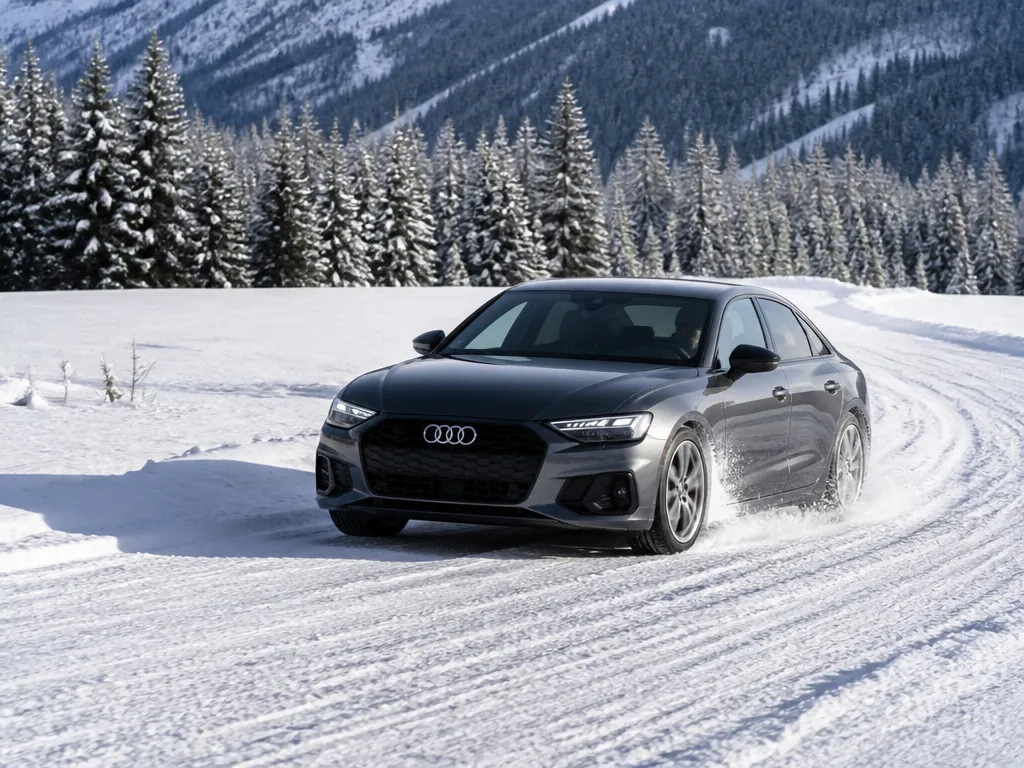
Winter traction on an Audi A4 depends heavily on how the car manages wheel slip, engine torque, and stability control during low-grip starts. The good news is that most A4 models let you tune this behavior with drive mode selections and traction-control logic, which can make deep snow launches and slippery corner exits much calmer. Setting it up correctly before you leave prevents constant intervention that can feel jerky, and it helps you keep the car in its intended attitude when tires lose grip.
For many drivers, the biggest practical win is choosing the right mode for the surface rather than forcing “full effort” from a slippery setup.
In practice, use a winter-oriented mode (often called Auto, Dynamic, or a winter snow mode depending on year and drivetrain) for daily snow and slush, and reserve sportier modes for plowed roads with consistent traction. If your A4 has a Quattro system, stability control and torque management work together, so turning systems off completely can increase the chance of wheel spin and loss of steering authority.
When To Adjust Versus When To Leave It Alone
Wheel control settings matter most during the first 10 to 30 seconds of a drive, when tires are cold, the road is wet, and traction is inconsistent. If you hit slushy packed snow in a residential area, leaving stability control on and using the winter mode usually gives the driver the most predictable “pull” without sudden surges.
For instance, attempting a high-torque launch with stability fully reduced can turn small slip into a bigger loss of forward progress, especially on snow that has a frozen skin over softer layers. When the road is clearly plowed and dry, switching back to a more performance-oriented mode can reduce the feeling of traction control “holding you back,” while still keeping the safety net active.
4. Winter Tires, Pressure, And Chain Rules
Winter tires are the single biggest traction upgrade for an Audi A4 in snow, because their softer rubber and snow tread pattern keep bite when temperatures drop below about 45F. Proper tire pressure also matters in winter: a few psi can change how the tread contacts the road, especially when you hit slush or packed snow. This item is in the list because traction control and stability systems cannot replace tire grip when the tires are cold or underinflated.
In practice, size should match the door jamb sticker for your A4. Many owners use dedicated winter setups in narrower widths to improve snow “slicing,” then switch back for warmer months. For traction planning, put a reminder on your calendar to check pressures before driving, when tires are cold, and again before long trips. A typical winter pressure adjustment is to follow the vehicle’s placard values, since the correct number varies by load and tire size.
Chain Selection And When To Switch
Chains are for deep snow, ice, and conditions where winter tires alone feel unstable, but the rules depend on your specific Audi A4 drivetrain and wheel/tire diameter.
In practice, you should install chains only when you can do it safely and when local regulations allow them, then drive gently at reduced speeds to avoid damage and uneven wear. Check clearances for tire chains before mounting, since some setups bind near suspension or wheel wells. If you are unsure whether your A4 needs links for the front axle or a particular chain type, verify through your owner’s literature or a parts counter using your VIN and tire size.
Cold-weather Audi A4 Checklist
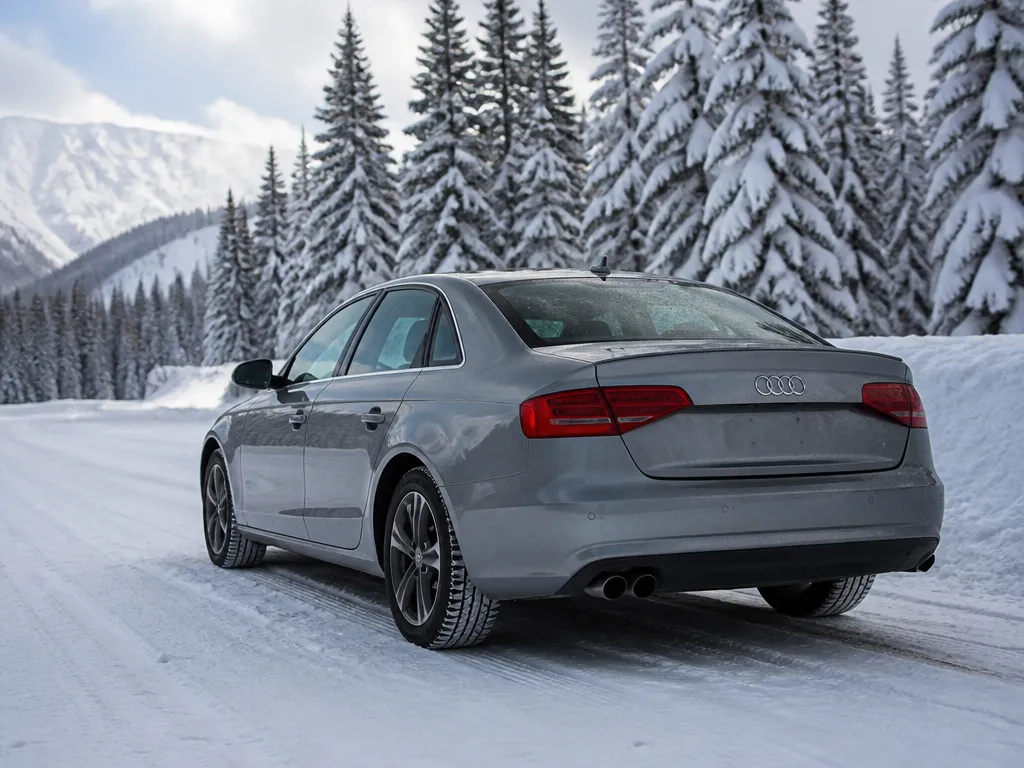
Cold mornings are when an Audi A4 is most likely to slow you down, with delayed cabin heat and higher drag from colder tires and thicker fluids. This checklist earns its spot because small winter readiness items like battery condition, washer fluid concentration, and tire readiness affect traction and visibility the most during snow and slush.
Before the first storm, verify you have winter washer fluid (proper freeze point), check tire tread depth and tire pressures for cold temperatures, and top up engine coolant to the correct mix for your climate.
In practice, a modern A4’s battery and charging system can feel “fine” during summer drives, then struggle when you add colder cranking demands and more defrost use.
Winter-ready Fluids And Charging Sanity Check
Engine oil viscosity matters in winter, so confirm your A4 is running the grade listed in the owner’s manual for your temperature range, then look for leaks under the front of the engine bay. If you see slow starts after a long cold soak, schedule a battery load test at a shop, since surface voltage can mislead you. Charging system health also matters because cold batteries recover slowly, and repeated short trips can fail to fully recharge.
Stuck-on-ice Recovery And Downhill Control
One reason this matters for audi a4 in snow and winter driving is that winter traction loss often turns into a “stuck” scenario within seconds, especially on compacted snow or glazed ice. Audi models with winter stability systems can reduce wheel spin while descending, which helps keep the car controllable instead of skittering or surging. Having the right approach to recovery and downhill control also helps you avoid frying tires or overheating brakes when traction is marginal.
In practice, use your car’s traction control and ABS strategy first, and only escalate to recovery tools once the wheels are clearly spinning freely in place. Avoid rocking aggressively for long periods, since repeated throttle on slick surfaces can overheat brakes and glaze tires, making the situation worse. If you need traction, keep it simple.
What To Do When You Are Sliding Or Digging Yourself In
For instance, if the car starts to punch through snow and then stops suddenly on a slick patch, switch to a “find traction” mindset before more throttle. Place traction material where the tire will contact it, usually 6 to 12 inches in front of the wheel path, and make the attempt brief and controlled. On a descent, smooth inputs matter more than force, since sudden brake releases can let wheels regain speed briefly and restart slide behavior. If you notice brake fade, burning odor, or warning lights during recovery, pause and let components cool, then reassess with a safer route or towing.
Practical takeaway: treat stuck situations like a traction problem, not a power problem, and use controlled low-speed attempts with downhill help and smooth braking to keep the Audi A4 stable in winter conditions.
Quick Summary
After a snowfall, the A4 can feel “skatey” for the first 10 minutes, and traction control lights may start blinking when you’re trying to merge, which is a clear sign grip is limited. The article emphasizes that your tires and drivetrain matter together, not just one factor. Winter tires outperform all-seasons once temperatures drop below about 7°C (45°F), and colder weather also changes tire pressures, so you need to check them against the placard and adjust for the temperature range.
The piece explains how quattro and FWD behave differently when traction falls apart, especially during throttle-on moments like pulling away, climbing a slight incline, or accelerating through slush. quattro typically reduces wheelspin compared with FWD, and it can feel more controllable when snow is packed into ruts or when there is ice under snow. Braking also feels different on ice, with stopping distances that can be several times longer than dry pavement. Keep stability and traction aids on for slippery driving, treat defrost and washer fluid as winter-critical, and commit to a true winter tire setup plus correct pressures for the most reliable confidence.
| Situation | What the article says to expect |
|---|---|
| Temps below 7°C (45°F) | Winter tires are favored over all-seasons for better grip and more consistent braking and steering. |
| Cold tire pressure | Pressure drops as temperatures fall, so you must check and set it based on the tire placard for your temperature range. |
| quattro vs FWD | quattro typically reduces wheelspin and helps with acceleration traction, while FWD slips sooner and needs cleaner throttle inputs. |
| Ice and packed snow | Braking distances can be several times longer than dry pavement, and traction control/stability aids should stay on. |
Frequently Asked Questions
Is The Audi A4 Good In Snow, And What Winter Tires Make The Biggest Difference?
Yes, the A4 can feel stable in snow, but the biggest difference is always winter tires. Even with Quattro, you still need tires that bite in slush and packed snow for confident braking and steering control.
What Winter Setup Should I Run On My Audi A4 For Driving In Deep Snow And Icy Roads?
Plan on four winter tires, not just two, and keep your tire pressures set for cold weather. If you use wheel spacers or non-OE sizes, double-check clearance so nothing rubs when the suspension compresses.
How Often Should I Check My Audi A4 In Winter To Prevent Traction And Braking Problems?
Do quick checks at least every 2 weeks in harsh winter conditions, including tread depth, visible sidewall damage, and brake dust buildup on the wheels. If you notice longer stops or vibration, get the brakes inspected right away.
Will Using Snow Mode Or Driving Modes On The Audi A4 Help In Winter, Or Is It Just Marketing?
Driving modes can help by changing throttle and traction behavior, but they do not replace traction from tires and correct driving habits. Use the mode that matches conditions, then drive smoothly with longer following distances.
How Can I Tell If My Audi A4 Is Experiencing Winter-related Issues Like Brake Drag Or Sensor Problems?
Look for pulling to one side, uneven braking feel, or wheels that feel unusually hot after a short drive. If you get traction control warnings, abnormal ABS behavior, or a mismatch in wheel speeds, have the codes scanned because winter weather can expose failing sensors.
What Are Common Mistakes Audi A4 Owners Make When Driving In Snow That Cause Crashes Or Damage?
The most common mistakes are waiting too long to switch to winter tires and driving too aggressively on light traction. Another frequent issue is using incorrect tire pressures in cold weather, which can reduce grip and make braking less predictable.