


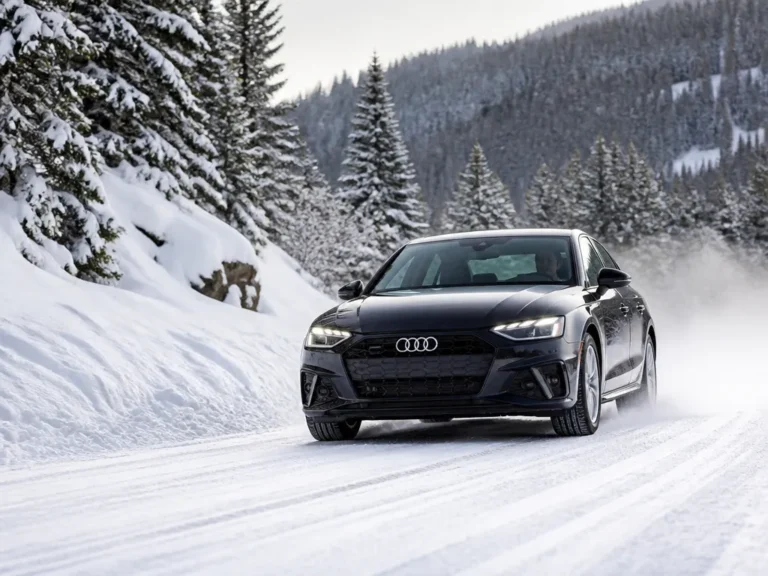
You bought an Audi A3 expecting quattro to do the heavy lifting, then winter showed up, ice formed overnight, and your first slick stop felt sketchy. If you are wondering how the A3 handles snow, what winter tires to buy, and what checks to do before the first storm, you are in the right spot.
Audi A3 quattro helps pull through snow, but it does not replace good winter tires and smooth inputs. Plan for cold-pressure changes, confirm your tire size and load/speed rating, and use progressive braking with steady steering for stability.
1. Audi A3 In Snow And Winter Driving
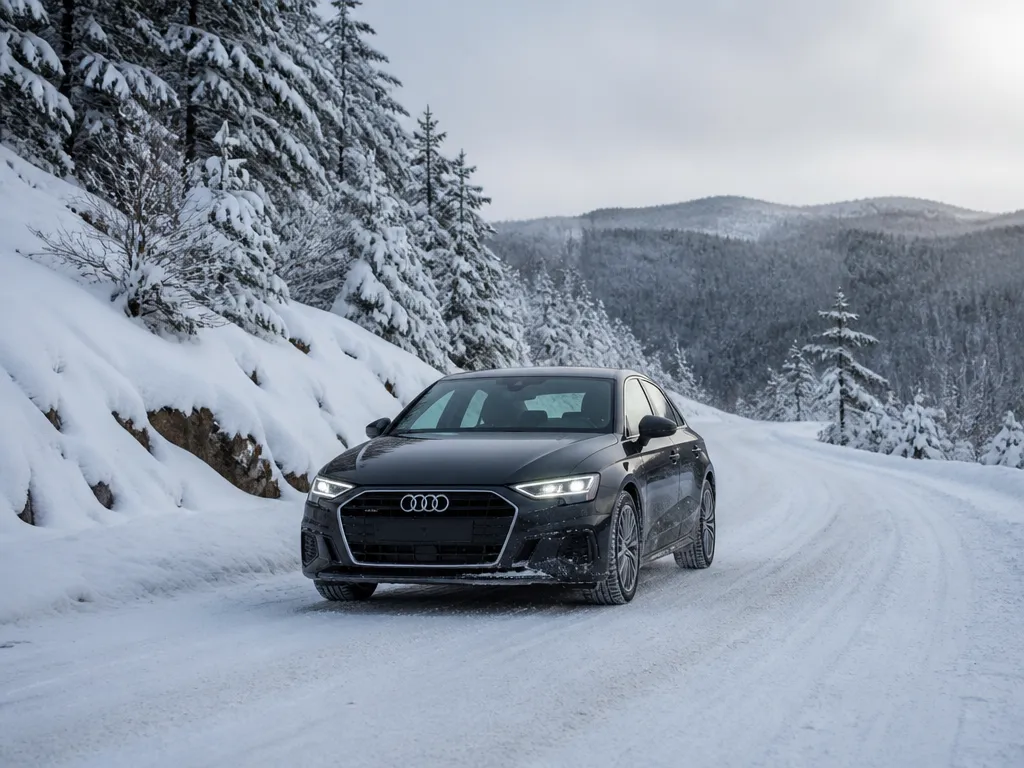
Audi A3 is a solid winter choice because many trims come with an advanced traction system and compact, predictable handling that helps you manage low grip roads. In snow, the limiting factor is usually tire traction and how quickly you can modulate throttle and brakes, and the A3 platform is well suited for that kind of careful driving. For drivers commuting on plowed but slushy streets, the A3’s size makes it easier to keep momentum without overworking the drivetrain.
In practice, your winter setup matters more than the badge. Use dedicated winter tires, keep tire pressures adjusted for cold mornings, and avoid aggressive launches to reduce wheel slip. If your A3 has all-wheel drive (varies by year and market), traction helps on takeoff and exit ramps, but it still cannot overcome physics on ice.
- Winter tire wear is fastest when you run them through hot, dry spells, so swap back when roads stay consistently above about 45 F (7 C).
- Clear snow and ice from the wiper blades, headlights, and side mirrors before every drive.
- In deep snow, turn off recirculation only if needed to reduce windshield fogging from wet air.
Winter Driving Habits That Keep An A3 Stable
For example, drive with a longer following distance than you normally would because slush can thin out then re-freeze at stoplights. Brake earlier and smoothly, since ABS can pulse on ice, and that pulse can startle you into steering corrections. When turning, reduce speed before the corner and keep steering inputs gentle, especially with a high-traction start followed by a sudden deceleration. If the traction control light flashes or the car repeatedly stops gaining ground, stop digging in and shift to a lower effort approach (less throttle, more rolling traction) to avoid overheating tires.
Reader takeaway: Put your money into winter tires first, then match your driving inputs to slick surfaces, because even a well-equipped Audi A3 depends on tire grip to stay controllable in snow and ice.
2. Quattro Traction Behavior On Ice
Quattro all-wheel drive helps the Audi A3 move from a stop on slippery surfaces because torque can be sent to the wheels with the most grip. On true ice, that advantage shows up in how quickly the car can regain stability after the tires lose traction, especially when you keep inputs smooth. This item belongs in a snow and winter driving list because the difference between “spins and stalls” and “creeps forward controllably” often comes down to how the drivetrain responds under low-friction conditions.
For example, start with a gentle throttle and let the tires “find” available traction, since aggressive pedal inputs can overwhelm the traction control and still cause wheel slip.
In practice, you will feel the system working through reduced wheelspin, but steering may still feel vague if the front or rear tires are skating on a glazed surface. Use winter tires first, then rely on Quattro to manage grip distribution, because tire compound and tread pattern do most of the work on ice.
How Quattro Feels Compared To Fwd In Winter
Quattro reduces the “one axle loses everything” behavior you can get with front-wheel drive when the leading tires hit a thin ice layer. In the A3, that usually feels like fewer dramatic surges when you move off, but you can still run into limited grip if all four tires are on the same slippery film. In deep snow, Quattro can also help maintain forward motion once you crest a slick patch, but it cannot change physics, so clearing snow from the wheel wells and keeping the car fully on clean tread matter more than people expect.
3. Winter Tire Choice For A3
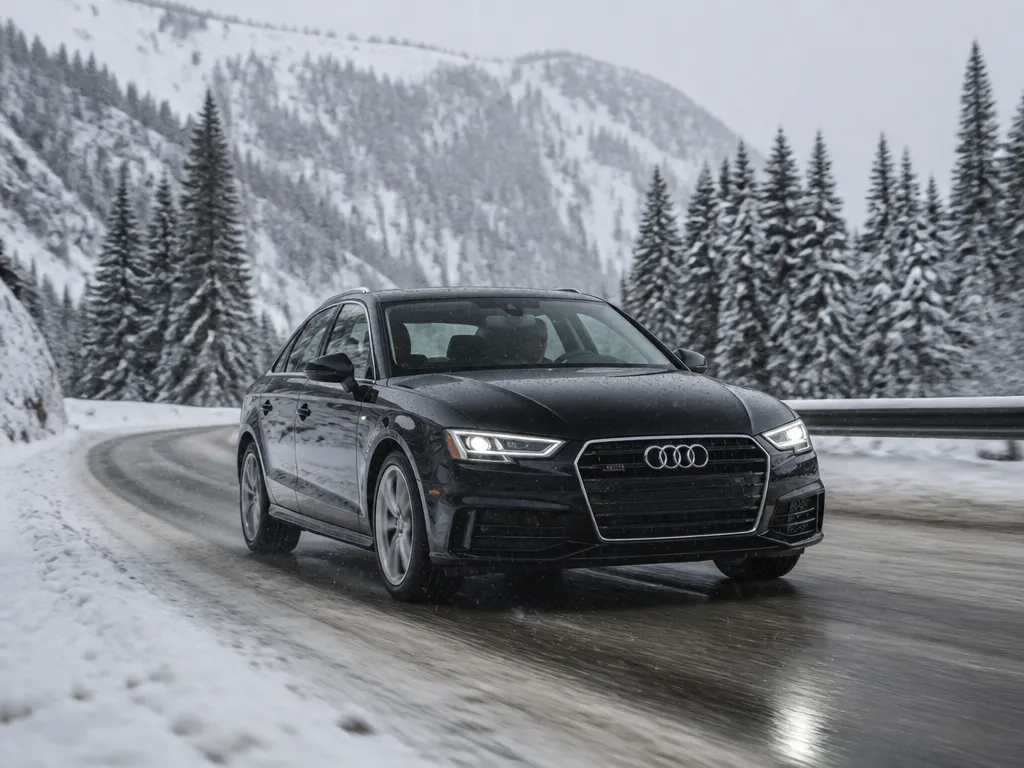
Winter tires matter on an Audi A3 because small contact patches and light front ends can turn a brief loss of grip into wheelspin or delayed braking. A true winter tire uses a softer rubber compound and a tread design built for cold pavement, which helps the tire stay flexible and bite in snow and slush. Choosing the right size and keeping them fresh (sufficient tread depth) is what actually moves the needle on a slippery commute.
For example, most A3 setups run factory-size wheels (commonly in the 16 to 18-inch range depending on year and trim), and many owners go one size smaller in wheel diameter for winter to improve ride compliance and sidewall “give.” Pick a tire marked with the Three-Peak Mountain Snowflake symbol, and confirm load and speed ratings match what your door-jamb placard specifies. Budget-wise, a set of quality winter tires typically runs in the rough neighborhood of a mid three-figure to low four-figure cost for the tires alone, and mounting and balancing usually adds extra.
Tradeoffs Between All-season And True Winter On The A3
All-season tires can feel acceptable on mild days, but once temperatures drop and the road turns to packed snow or icy glaze, a winter tire’s compound and sipes do more work. On an A3, the benefit shows up in traction under light throttle, more stable steering during braking, and better confidence when you have to merge on slushy lanes. The tradeoff is wear in warmer weather, so it’s smart to switch back to summer tires when consistent temps climb, rather than running winter tires year-round.
Cold-pressure Tire Setup And Checks
Winter grip in an Audi A3 starts with the tire contact patch, and tire pressure changes fast once temps drop overnight. Checking pressures “cold” (before driving) keeps the sidewall pressure close to what the tire was designed for, which helps you keep predictable steering and braking on packed snow and slush. Overinflation shrinks the contact patch and can reduce traction, while underinflation makes the tread wear faster and can feel vague in slick corners.
For an Audi A3, follow the door-jamb placard for the exact cold tire pressures, since front and rear specs can differ by wheel size and load.
In practice, check after the car sits for 3 to 4 hours, since a few psi can swing with temperature changes. Use a quality gauge that reads in 1 psi increments, then set pressures before heading out; if you top up after driving, you will chase the “hot” reading. When snow is frequent, aim to recheck weekly during cold snaps and again after any big temperature drop.
What To Watch During Snow Days
Cold-weather pressure swings can trick you into thinking you have a leak when it’s really temperature. If you lose pressure over a day or two while the car is parked in the same cold conditions, that is when you should suspect a slow puncture, a damaged valve stem, or a bead seal issue.
In practice, run your inspection after the storm passes, since road debris can hide a staple or nail until you clean the tread. If you switch between all-season tires and dedicated winter tires, treat pressure setup as a separate routine for each tire set, because different tires can respond differently and the placard may assume a specific wheel and tire combination.
Audi A3 Winter Readiness Checklist
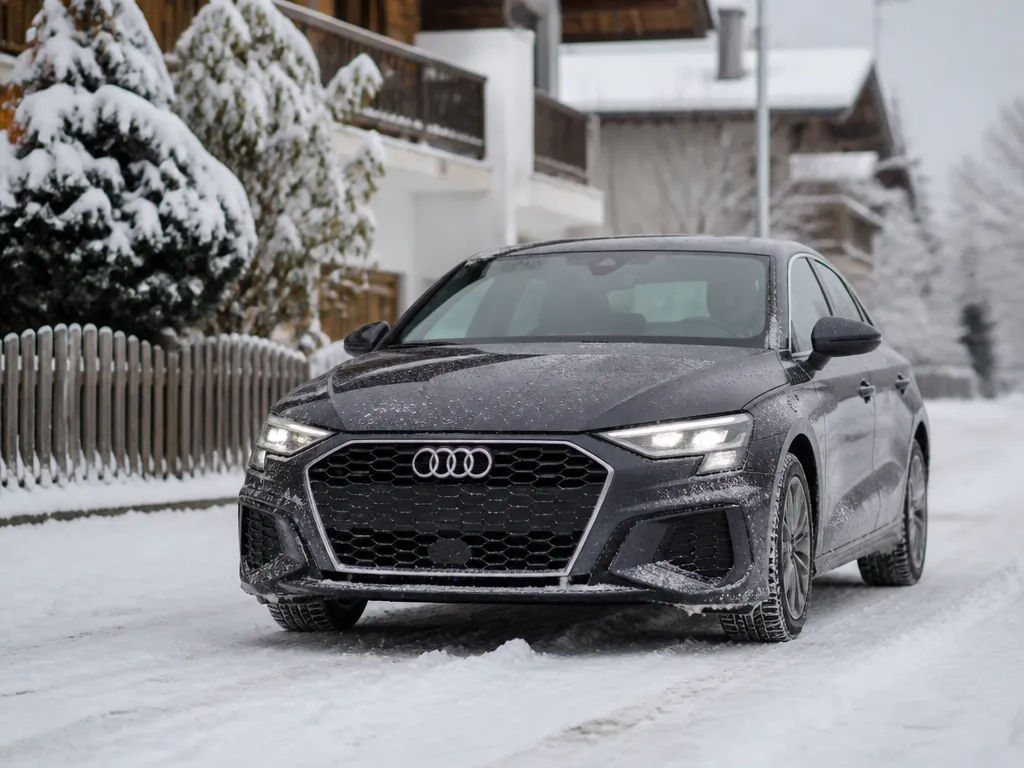
Winter traction depends on tire temperature and rubber compound, so part of your checklist has to be wheel and tire readiness before you ever see deep snow. For an Audi A3, clean wheel wells and correct tire sizing also help keep the drivetrain from spinning unnecessarily when conditions turn slick. This item keeps rolling resistance and slip under control, which matters most when you are trying to maintain momentum on packed snow and slush.
In practice, start with tread depth and condition across all four tires, then confirm you have the right winter tire size for your A3’s wheels. If your car uses a factory tire pressure monitoring system, check pressures cold and set them to the driver door placard, since under-inflation can overheat tires and worsen hydroplaning in slush.
- Measure tread in several spots, and replace winters if wear is uneven (alignment or suspension wear can be the cause).
- Remove ice and snow buildup from inside wheel edges before driving to reduce vibration and brake drag.
- Use winter tires before temperatures stay consistently near and below freezing for better compound performance.
For example, if you drive in mixed snow and wet roads, keep an eye on sidewall damage from potholes and curb impacts, because winter rubber can be more susceptible once compromised.
Stocking Winter Essentials For Quick Roadside Fixes
Audi A3 owners do not need a huge trunk kit, but they do benefit from a small, winter-specific setup for traction and visibility. A basic winter kit should include a quality ice scraper and brush for the A3’s windshield and grille areas, plus a set of gloves that let you grip tools without losing dexterity. For traction, carry at least one method that can work when you are stuck, like snow socks or traction mats, and keep them where you can reach them fast after you park.
In practice, pack a flashlight, a small bag of road salt or sand for emergencies, and a charged phone mount so you can document location and get help without walking in traffic. If you run an emergency jumper pack, confirm it is charged ahead of the first cold snap, since cold batteries lose cranking capacity quickly. Safety note: if the vehicle needs to be towed or if you suspect brake, steering, or electrical trouble, get professional help rather than continuing to drive while slipping.
Snow And Ice Driving Technique For A3
Front-wheel-drive Audi A3s and quattro-equipped A3s both rely on smooth throttle and controlled braking to keep tire grip when the road is packed with snow or glazed with ice. Winter technique matters because traction loss happens faster than most drivers expect, especially when tires are cold and pressures drift with temperature changes. This item earns a spot because the A3’s chassis control feels predictable when you drive it with deliberate inputs instead of sudden pedal and steering corrections.
For example, aim for “slow-in, straight-out” at every stop sign and turn: approach gently, brake earlier than normal, and let the car settle before you add steering angle.
In practice, keep traction by limiting speed to what you can stop from within your visible lane, then use engine braking by easing off the throttle rather than grabbing the brakes. A light snow doesn’t forgive late corrections, so steer gradually and pause before changing direction.
- Use second gear if your A3 bogs on takeoff in deep snow, then climb speed steadily.
- On ice, avoid cruise control and any abrupt downshift that can unload the wheels.
- Leave extra following distance because ABS cycling can lengthen stopping time on some icy surfaces.
How To Manage Throttle And Steering When Grip Is Uneven
For many A3 drivers, the biggest “gotcha” in winter driving is uneven friction, where one side of the lane has compacted snow and the other side is slick. When that happens, the car can feel like it pulls or wants to correct itself, so keep the steering inputs small and progressive. Feed in throttle gradually, and if the rear starts to skate, do not countersteer fast; ease off to restore balance and steer where you want the car to go. If you feel the wheel spin on launch, stop trying to power through and reset by backing off, rolling forward slowly, and choosing a smoother line. Tire condition matters too, so check tread for cupping or hard, worn edges, since winter grip drops quickly when the contact patch can’t bite.
The practical takeaway for an Audi A3 in snow and ice is simple: make fewer, gentler inputs, brake before you turn, and treat traction like a limited resource that you spend gradually.
Hill Starts, Descents, And Merges
Winter grade changes are where traction margins get thin fast, and the Audi A3 platform typically relies on smooth throttle control and stable braking to keep momentum without wheel slip. This item matters because hill starts, descents, and quick merges demand precise traction management when snow layers can hide ice.
Plan around higher stopping distances and aim for steady, low-speed inputs. On a climb, use a calm release of the parking-brake or hill-hold so the car transitions without a sudden torque spike; pairing that with a gentle accelerator prevents the driven wheels from spinning and digging a rut. For a descent, keep speeds modest and use engine braking by easing off the accelerator while staying consistent with braking to avoid ABS cycling over glare ice.
Technique For Practical Control
For hill starts, roll the car forward with the lightest possible clutch engagement or accelerator input (depending on your A3’s transmission) and let the tires hook up before increasing load.
For instance, if you feel the nose rise and the speed creeps up but wheel spin starts, pause and reset rather than “powering through,” because spinning polishes snow into ice.
In practice, during descents keep the vehicle’s attitude stable by looking farther down the road and maintaining a constant pedal, since repeated on and off braking tends to create longer stopping gaps on uneven winter surfaces. For merges, prioritize clean steering, then accelerate once your tires regain a predictable grip level and the car is straight, because turning while accelerating is where loss of traction usually shows up first.
Chains For Audi A3 Winter Safety
Snow chains matter for an Audi A3 when you hit packed snow or slushy ruts where tires spin despite winter tread and good throttle control. On a front-wheel-drive A3, chain grip is especially valuable for getting moving and climbing short hills without digging in. Even with Quattro, chains can still be the difference between creeping forward and getting stuck when traction drops below what the tires can cut through.
In practice, choose chains sized for your exact tire width (example: 205/55R16, 225/45R17, or similar) and confirm whether your A3 has clearance limits for the chain link style. Many drivers use low-clearance ladder chains or cable chains depending on wheel well space and how strict your local rules are during storms. Expect basic chain kits to cost roughly from the mid tens to a few hundred dollars, with premium “cable” styles often on the higher end due to easier fit.
For example, keep a small toolkit in the trunk, because you may need to fit chains at the roadside, and that is where fitment mistakes happen. Always recheck tension after a short roll and drive gently to avoid wheel well damage.
When To Run Chains And When To Skip Them
Use chains when conditions are beyond what winter tires handle, such as hard-packed snow, icy ruts, or steep climbs that cause wheel spin. If you are only dealing with light snow on salted roads and the A3 is moving smoothly, chains can be an unnecessary hassle and extra wear risk. For slush, cable-style chains often work well because they can conform, but ladder-style chains can provide more bite in deeper, crusty snow.
In practice, install early and drive slow, because sudden throttle bursts while chains are settling can throw them off or bind the drivetrain. Remove chains as soon as you reach clear pavement, since continued use on dry roads increases vibration and wear. If you cannot fit them confidently or there is any rubbing or clunking after installation, pull over and get help rather than forcing it.
Quick-start A3 Winter Checklist
Cold weather changes how your Audi A3 moves and stops within minutes, and the quickest way to reduce surprises is to do a fast pre-drive check. Snow and slush also hide issues like low washer fluid, tires down on pressure, and weak visibility from fogged lenses. A 3 to 5 minute routine helps you catch the basics before traction and braking become your problem.
For winter traction, confirm you are using the right tire type (winter or all-season rated with the snowflake symbol) and that tread blocks still have sharp edges. Check tire pressures when tires are cold, and aim to keep them within the door-jamb spec, since winter pressure drops can turn a stable A3 into a wandering one. Inspect windshield wiper blades for streaking and ensure the washer bottle is topped up with fluid rated for low temps.
- Visibility: clean headlight lenses and test wipers and defroster before leaving.
- Traction prep: verify winter tire condition and tire pressures (cold).
- Emergency basics: keep a small scraper/brush, flashlight, and a warm blanket accessible.
- Brake feel: during the first mile, listen and feel for unusual vibration or pulling.
What To Do Before The First Cold Start
Start by checking the battery health indicators, since cold crank can expose weak batteries and slow cranking is often the first sign. For an A3, also make sure the cabin filter area is dry and clear, because restricted airflow can slow windshield defrost and lead to delayed visibility. If your car has been sitting under snow, take an extra minute to remove packed snow from the wheel wells and the area around the brakes, since melting can refreeze and affect first-movement control. These checks add a little time, but they prevent the most common “got moving and it felt wrong” scenarios.
Quick Summary
When winter arrives, the Audi A3 is a workable choice because many trims come with an advanced traction system and predictable, compact handling that helps you manage low grip roads. It also calls out cold morning tire behavior, since you need to check cold pressure because it drops as temperatures fall, then match your winter tire size and load and speed rating to your A3 spec.
For braking and control, the article emphasizes progressive braking on ice and avoiding sudden steering changes, since ABS can pulse on ice and the pulsing can make you overcorrect. It recommends driving with a longer following distance for slush that can thin out and refreeze at stoplights, and reducing speed before corners with gentle steering. If traction control light flashes or you are losing ground, back off effort and use less throttle with more rolling traction to avoid overheating tires.
| Topic | What the article says to do |
|---|---|
| Tires in winter | Use dedicated winter tires, confirm correct size plus load and speed rating, and prefer studless winters where studs are limited. |
| Pressure check | Check cold pressure because it drops as temperatures fall, and keep pressures to the door-jamb spec for the load range. |
| Braking and steering | Brake progressively on ice, keep steering inputs gentle, and avoid sudden changes to maintain stability. |
| Driving habits | Use longer following distance, brake earlier and smoothly, and keep straight-line acceleration when possible. |
Frequently Asked Questions
Is An Audi A3 Good In Snow, Or Is It A Mistake To Drive It In Winter?
If your A3 is equipped with quattro all-wheel drive, it generally handles winter roads better than a front-wheel-drive setup, especially when traction is inconsistent. For FWD A3 models, you still can drive safely in snow, but you rely more on tire quality and smooth inputs.
What Tire Setup Matters Most For An Audi A3 In Winter, Snow Tires Or All-seasons?
In real snow and below-freezing temps, dedicated winter tires usually give you the best grip because their rubber stays softer in cold weather and they have deeper, snow-focused tread. If you run all-seasons, expect noticeably less bite once temperatures drop and roads get slushy.
What Can I Do If My Audi A3 Feels Like It Pushes Or Slips When Braking On Icy Roads?
First, check that you have correct tire pressure for cold weather and that your tires have enough tread, because worn tires are the most common cause of poor braking stability in winter. If the problem is new, have the ABS and brake system checked, since issues there can show up more clearly on slippery surfaces.
How Should I Manage Audi A3 Traction Control And Driving Modes In Snow?
Use your traction control stability system normally for everyday winter driving, because it helps prevent wheel spin and slide. If your car has a winter or snow mode, use it as intended, but keep speeds low and increase following distance, because no setting beats good tires and gentle throttle.
Should I Warm Up My Audi A3 Before Driving In The Snow, And How Long?
For winter mornings, give the car enough time for the engine and defrosters to work properly, then start driving gently rather than waiting a long time. In general, if you can clear ice from the windshield and get smooth power delivery, you are ready, but avoid heavy acceleration until everything feels up to temp.
What Are Common Mistakes People Make With An Audi A3 In Winter That Leads To Getting Stuck?
The big ones are underestimating tire grip by using worn tires or wrong pressure, and spinning the wheels trying to rock out of a deep spot. If you feel traction disappearing, slow down, steer gently, and consider professional help if you keep digging, especially to avoid overheating driveline components.